
Joined June 2009
- Tweets 258
- Following 1,148
- Followers 15,110
- Likes 23,060
136 Photos and videos



Pinned Tweet

20 Nov 2024
just sth I'm tweeting so I can pin it. I'm not really active on this site any longer. if you want to get in touch, you can find me on
bsky.app/profile/hatr.bsky.s…
infosec.exchange/@hatr
7
1,589
29 Oct 2024
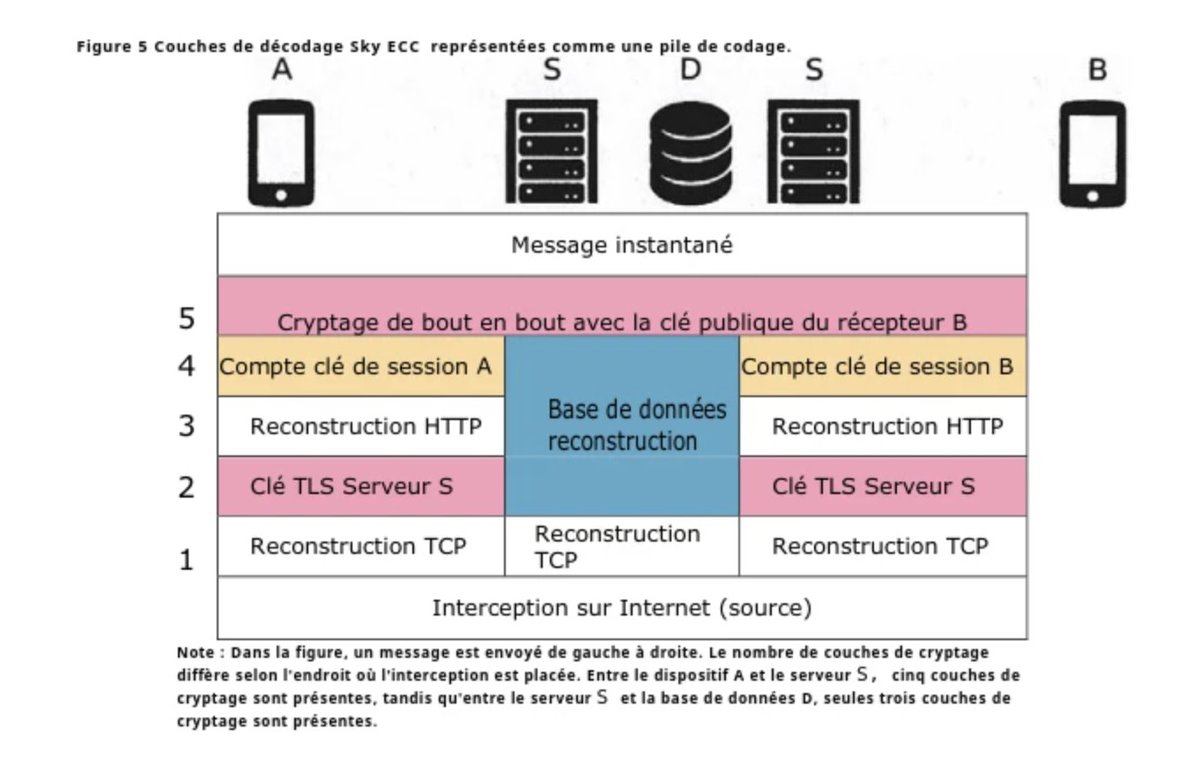
The initial – and most important – finding was that Sky ECC used two servers, and traffic between those wasn't encrypted. More on some of the data this yielded in this thread on metadata.
x.com/hatr/status/1849047551…
1
672
29 Oct 2024
Sky used a myriad of methods to encrypt their data, e.g. one (encrypted) key was stored only on the server, deleted from the phone's memory and requested when needed. Alongside TLS etc.
1
547
23 Oct 2024
One key aspect was that the traffic between the servers of Sky ECC, sitting at OVH in France, was unencrypted. This enabled law enforcement to wiretap all and listen in passively.
Story in 🇩🇪 at @derStandardat
derstandard.at/story/3000000…
1
3
8
1,297
23 Oct 2024
This would prove extremely helpful later on, for hacking all of the devices, but for now it put them into the position of having access to a lot of information right out the gate. One thing they could see. Queries to the SQL-database.
2
312
17 Sep 2024
keeps getting wilder
x.com/timourazhari/status/18…
17 Sep 2024

BREAKING - Iranian ambassador to Lebanon Mojtaba Amani injured by pager explosion, Iran's Mehr news agency says
1
4
1,100
17 Sep 2024
"The official said some people felt the pagers heat up and disposed of them before they burst"
wsj.com/world/middle-east/hu…
1
11
3,522
20 Apr 2024
The hackers started back in 2010, with initial mapping of the infrastructure and then, until 2015, tried to siphon data out of VW networks – repeatedly and successfully so. Even though VW removed the hackers, they kept coming back.
zdf.de/nachrichten/wirtschaf…
6
34
3,969
19 Feb 2024
Kimsuky starts out by casually asking questions, gaining your trust. Then comes malware. Now, they've widened their scope to also go after defense companies, as described in an joint warning by German and South Korean domestic intelligence agencies.
zdf.de/nachrichten/digitales…
1
1
19
2,796
19 Feb 2024
Described in the alert is a case of #Kimsuky hacking a defense research center. North KOrea has prioritized strengthening its naval power and the hackers executed a supply-chain-attack through a website maintenance
company
1
15
2,596
27 Jun 2023
Titled “Information confrontation in World politics”, Serebriakov lays out his worldview, describing how 🇷🇺 is on the defensive and has to protect itself against the West. Controlling flows of information is one way of doing that, he writes.
1
1
30
7,223
27 Jun 2023
At times, Serebriakov’s writing made it seem like he was in awe of what he clearly thinks the U.S. is capable of. At other times, he adopts conspiratorial thinking. The thesis dates back to 2019, so is pre-war.
derstandard.de/consent/tcf/s…
1
5
29
8,219
When asked if they're running this account, one intelligence agency analyst laughed: "We'd love to take credit", they said. But in their telling, it wasn't them.
1
11
958
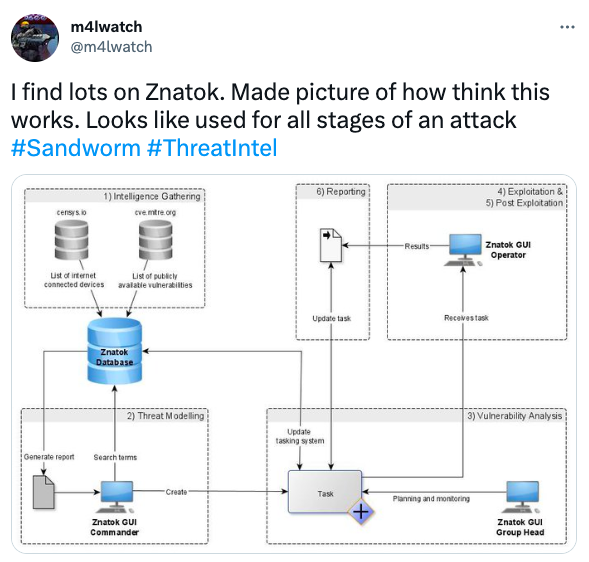
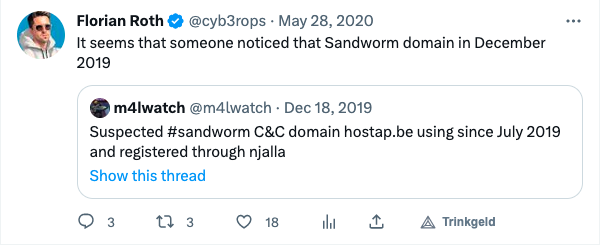
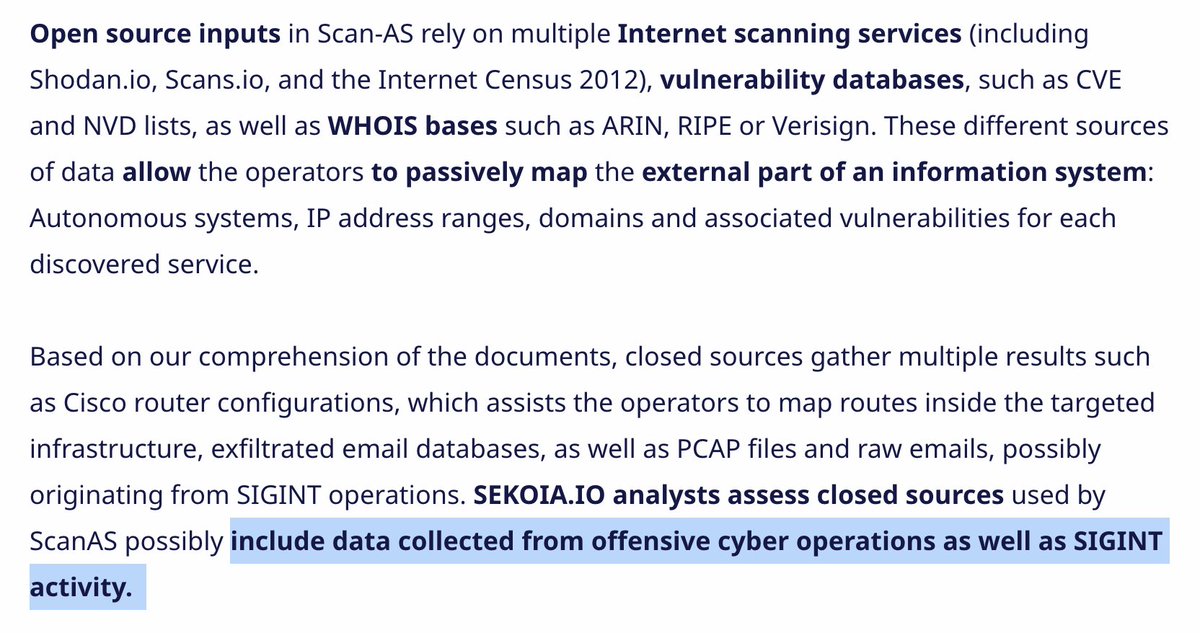
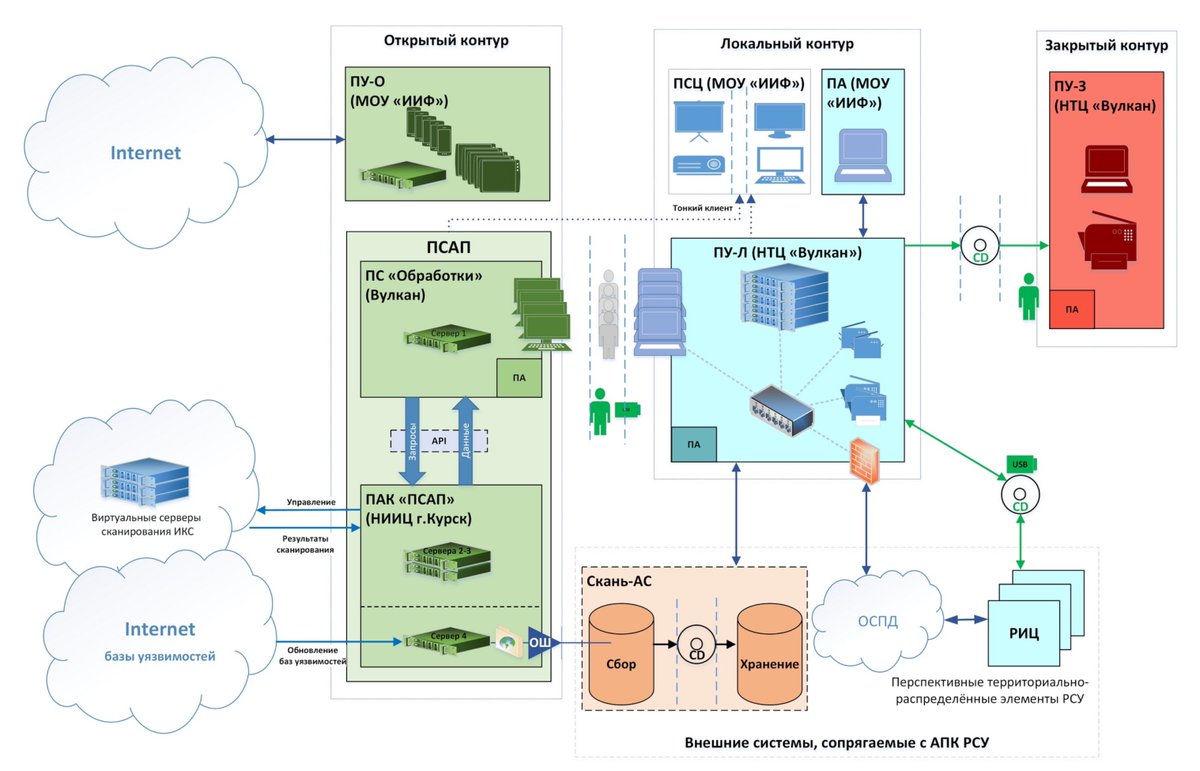
In the #Vulkanfiles, we can see references to "Znatok", e.g. somebody installs a virtual machine called "znatok-flat.vdmk". But not much more. So "Znatok" remains a mystery, very much like m4lwatch.
14
1,229