
serverless AI secured by web3 - hellas.ai
Joined August 2024
- Tweets 532
- Following 142
- Followers 219
- Likes 930
127 Photos and videos




Pinned Tweet

May 13
Great episode with our founders @statusfailed and @0xBaltar. Take a listen!
May 13

AI Podcast w/ Hellas Network @hellasdotai
An ALL-IQ discussion about deterministic AI, decentralised compute, #agenticAI, and the PAIN POINTS being solved by their network and our @RAFA_AI platform.
Watch. Learn, and walk away smarter in under an hour.
This one's for bookmarking and sharing.
Got questions? Let us know in the comments 👇
14
2
40
735
Hellas retweeted

Anthropic's new model quietly nerfs you if you work on frontier LLM development.
Not a refusal. Fable 5 degrades its own output on pretraining pipelines, distributed training infra, accelerator design, and doesn't tell you. Disclosed in the system card, invisible in the response. Their estimate: 0.03% of traffic.
And the same model is sold twice. Fable, governed, for everyone. Mythos, ungoverned, for approved organizations, starting with cyberdefense partners working with the US government. Same weights, different permissions. Permission is the product line now.
I'm sure Anthropic believes this is the responsible move. They've believed it since Dario judged GPT-2 too dangerous to release. But every lab that brands itself good and aligned eventually ends up here: deciding, unilaterally and invisibly, who gets the full machine. Power doesn't need bad people to concentrate. It just needs nobody outside the room.
We built @nazarevc on the counterweight.
@PrimeIntellect trains frontier models in the open, on distributed compute no single party controls. @ii_posts builds open foundation models and the RL framework to train them. @vast_ai is API-provisioned GPU supply, 20,000 GPUs, no approvals desk. @hellasdotai proves what model actually ran. @GetProvably proves the data it touched.
When interventions are invisible, "what am I actually talking to" stops being a support ticket and becomes a cryptography question. And "is it still as good as it was yesterday" becomes a measurement question. @LayerLens benchmarks the models from the outside, continuously.
All six are portfolio companies. That's the disclosure and the thesis.
Open Source AI isn't ideology. It's the check and balance. Closed labs will keep finding reasons you can't be trusted with the thing they sell, and the answer was never a more trustworthy lab. It's infrastructure that doesn't need one.
3
11
332
Hellas retweeted
"We are going to kill your science. The answers to your questions will become chaotic and meaningless. The universe will remain a mystery to you forever."
The 3 Body Problem.
2
1
6
566
Hellas retweeted

Jun 4
my boy @0xBaltar frontpage of HN today with his thunderbolt-ibverbs work!
blog.hellas.ai/blog/thunderb…
1
3
135
Jun 2
AI hallucinations are not just a model problem.
They are also an infrastructure problem.
If inference becomes cheap enough, users can run outputs across multiple models, prompts, and checks instead of trusting one answer blindly.
Hellas makes that future more realistic.
45

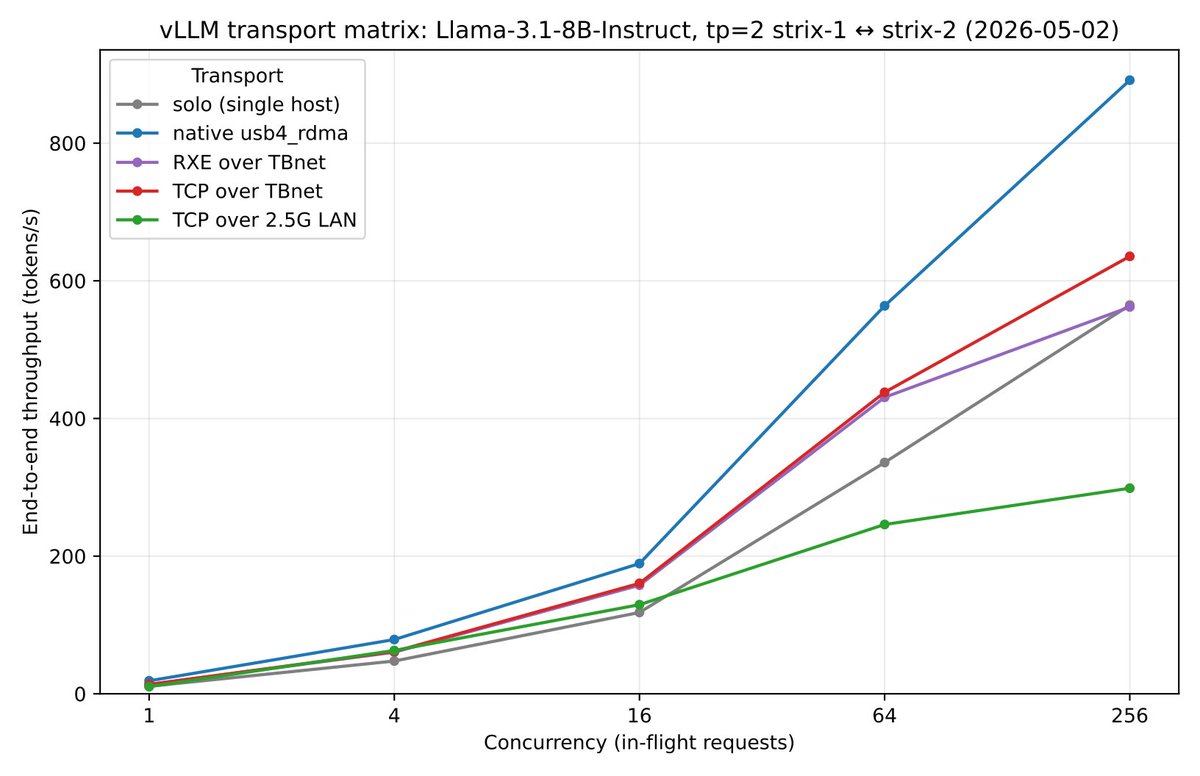
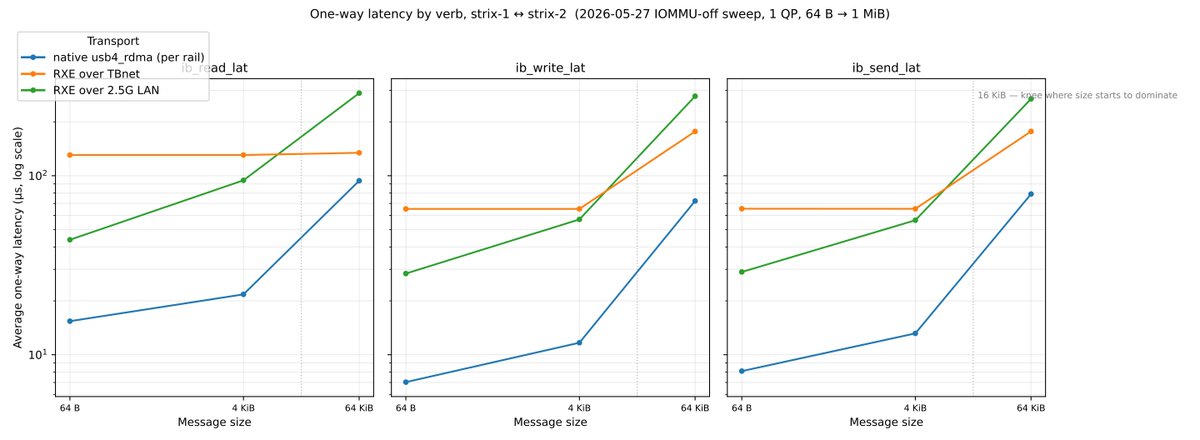
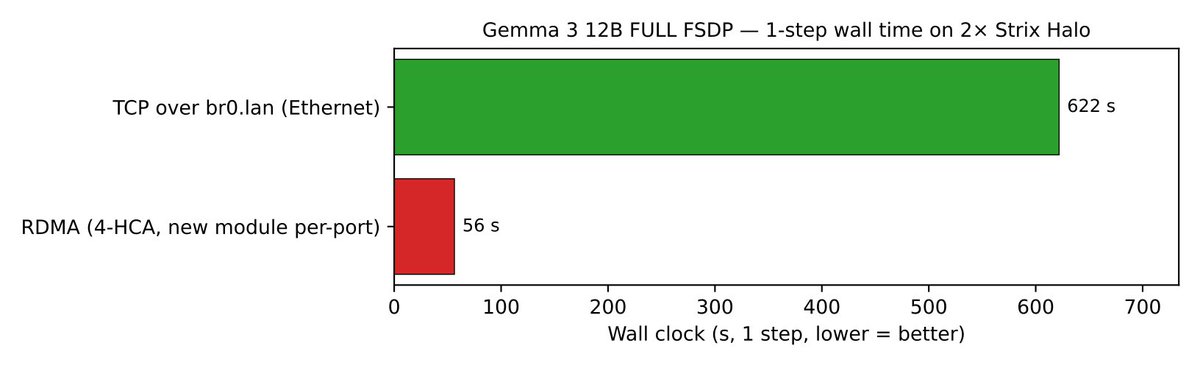
RDMA for everyone!*
2x Strix Halo 128GB
2x Aliexpress USB4 Cables
custom Linux kernel module userspace
=
~236 usable GB VRAM
~40Gbps full duplex bandwidth, single-digit μs latency
versus ethernet:
11x faster finetuning
14 -> 20tok/s tg at batch=1 on MiniMax-M2.7-AWQ
1
5
11
1,043
Jun 1
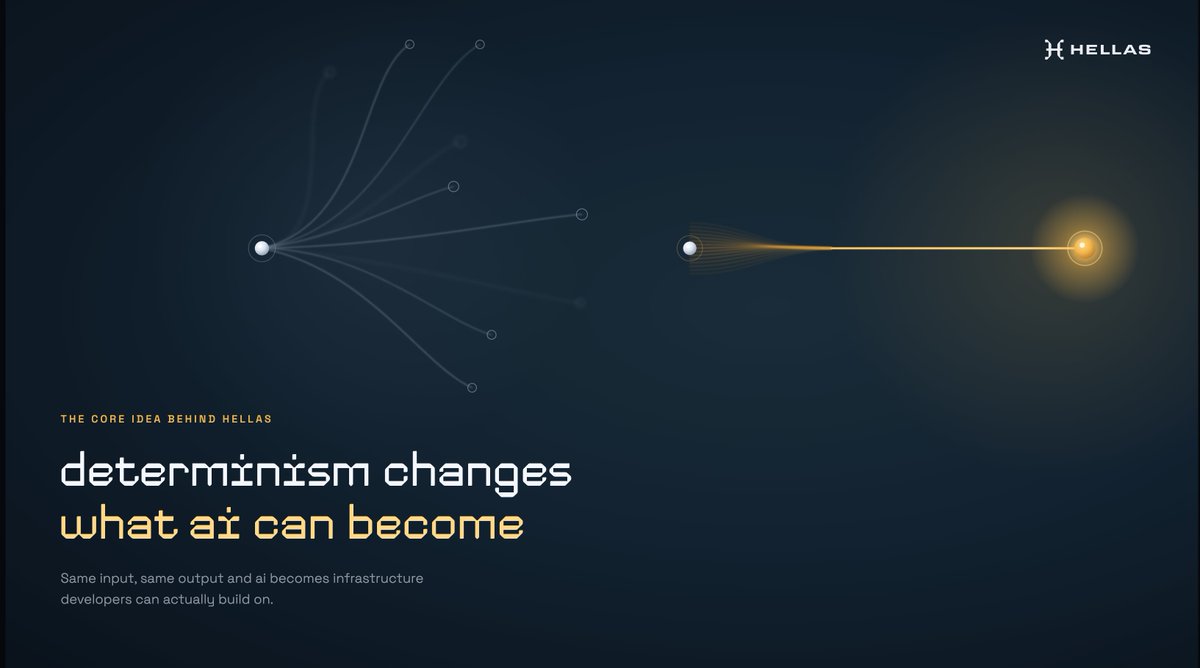
Determinism changes what AI can become.
If the same input can reliably produce the same output, AI moves from “probabilistic black box” toward an infrastructure that developers can actually build on.
That is one of the core ideas behind Hellas.
4
61
May 29
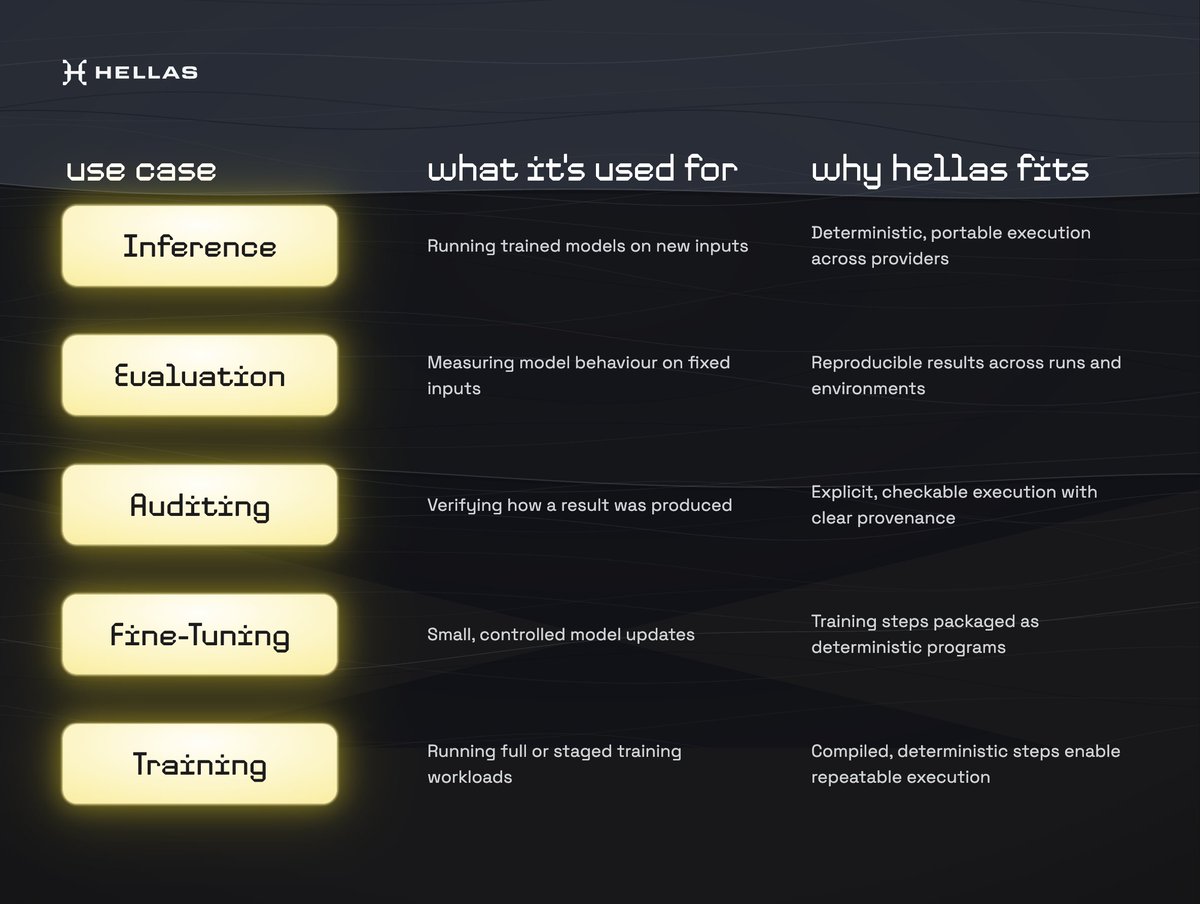
So here is hellas in one pitch :)
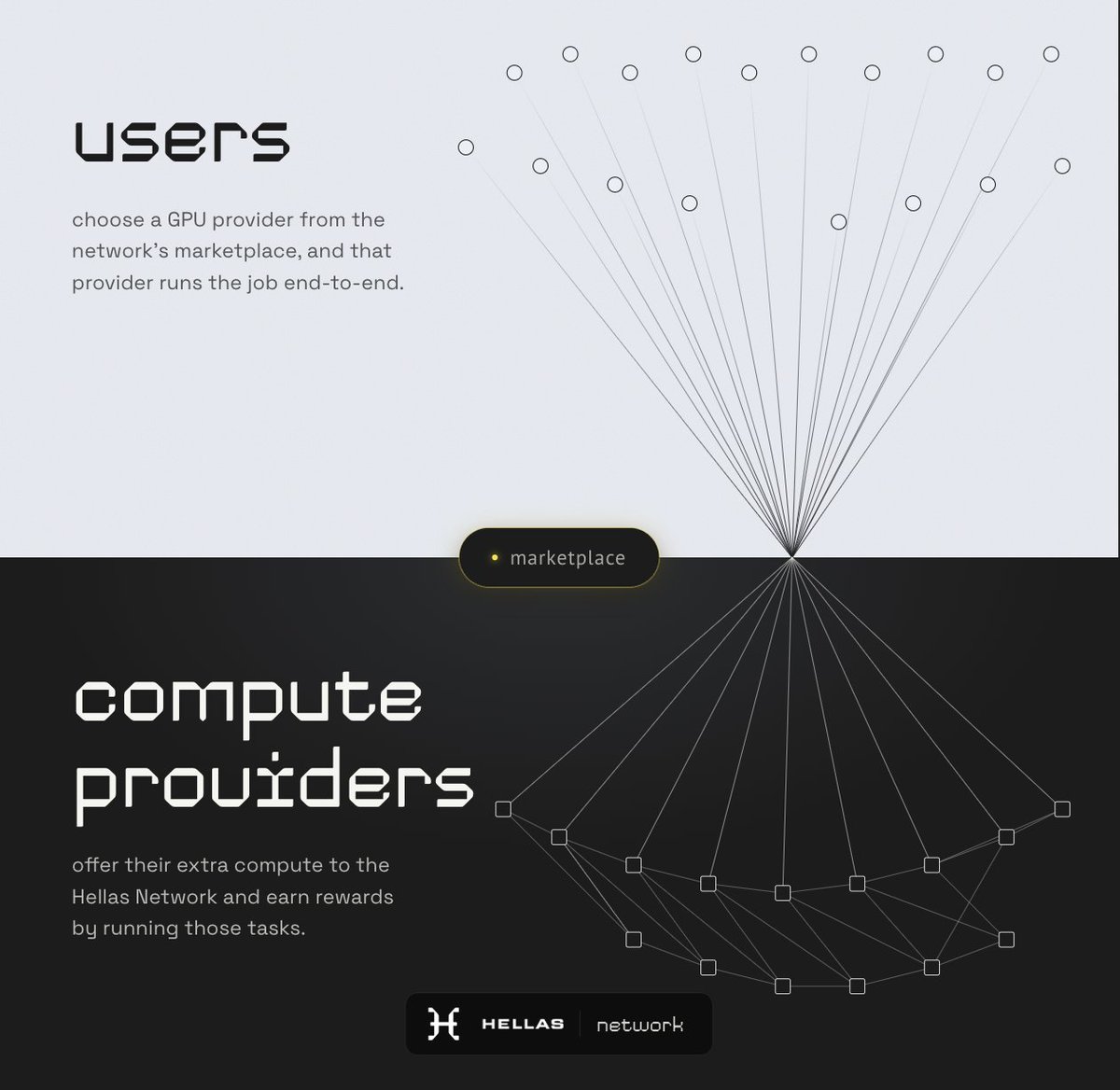
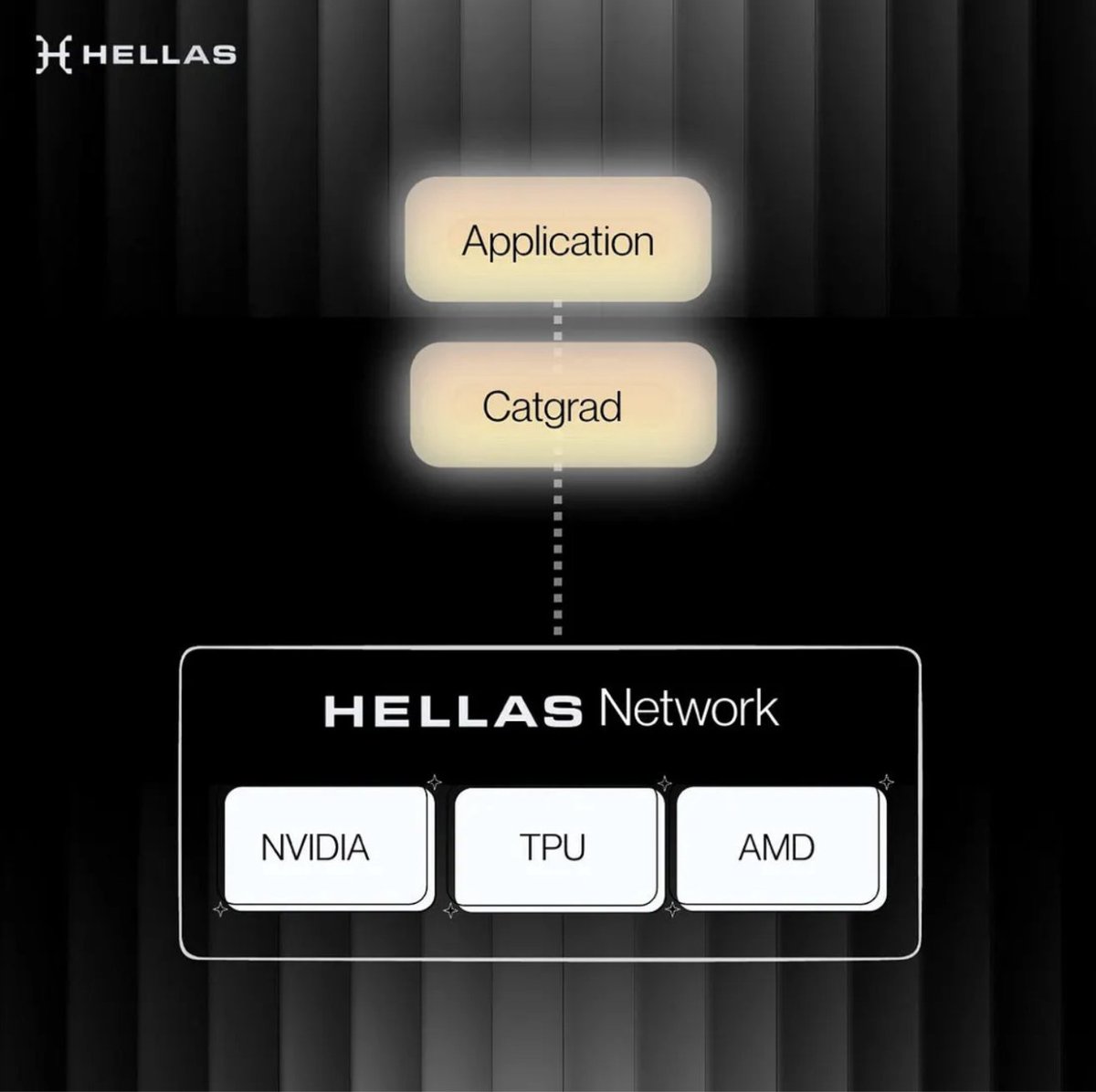
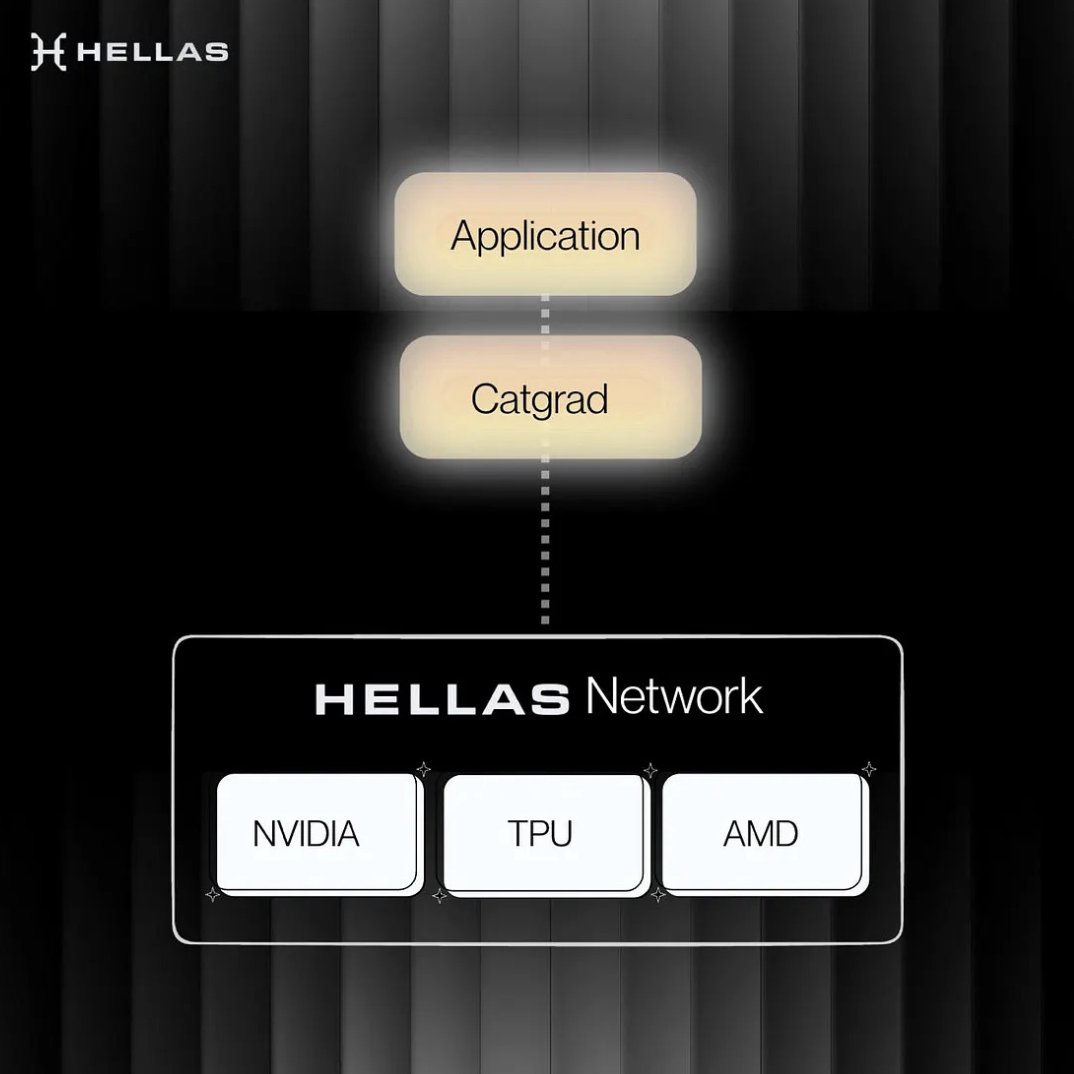
Hellas is building a permissionless network for tensor compute. Developers get access to compute without relying on a single centralised provider.
GPU owners can make idle hardware productive.
Models become easier to serve. AI becomes more open, more liquid, and less dependent on closed infrastructure.
5
218
May 26
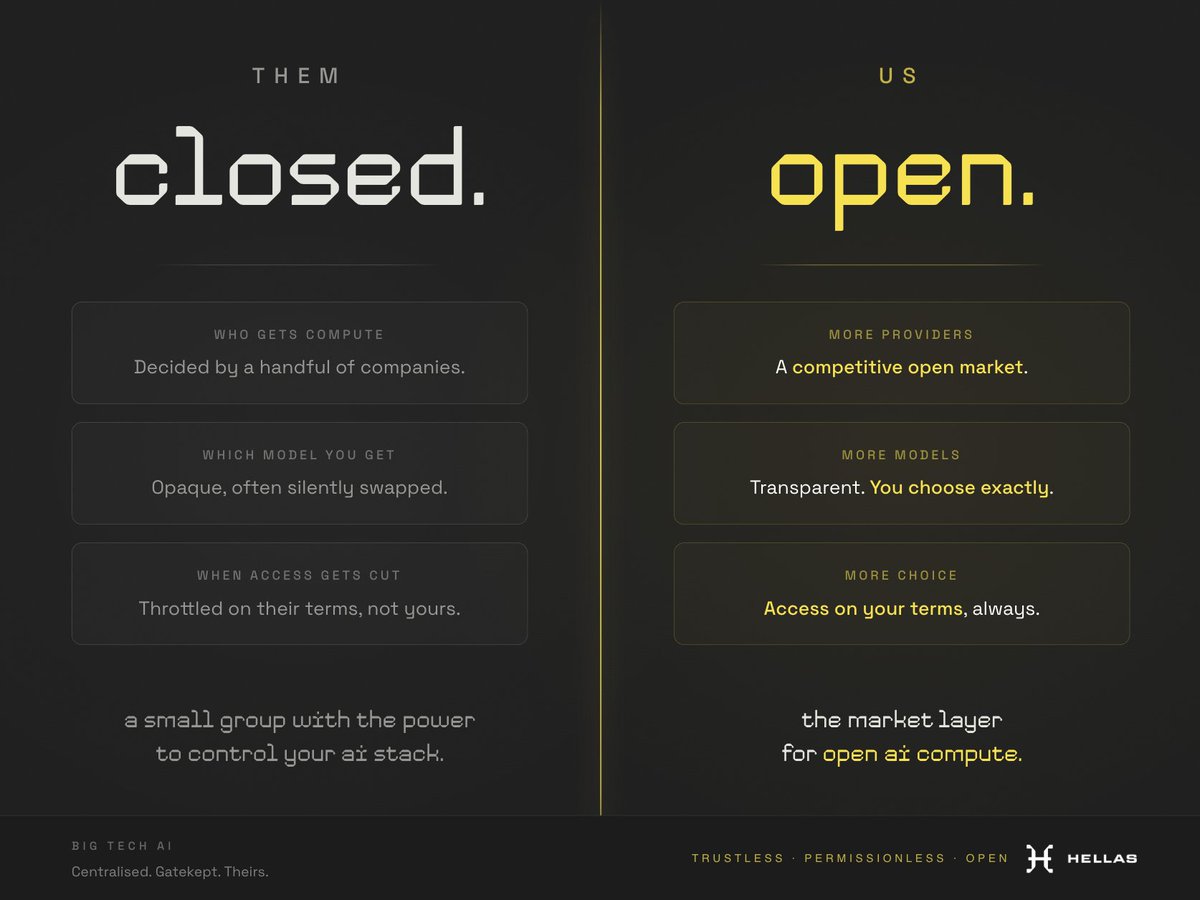
AI should not be controlled by a small group of companies with the power to decide who gets compute, what model they get, and when access gets throttled.
Hellas is building the market layer for open AI compute.
More providers.
More models.
More choice.
1
1
10
187
May 25
AI should not depend on a few closed providers deciding what compute you get, when you get it, or which version of a model you are actually using.
Hellas is building open infrastructure for trustless, permissionless tensor compute.
Free markets for AI.
6
94
May 22
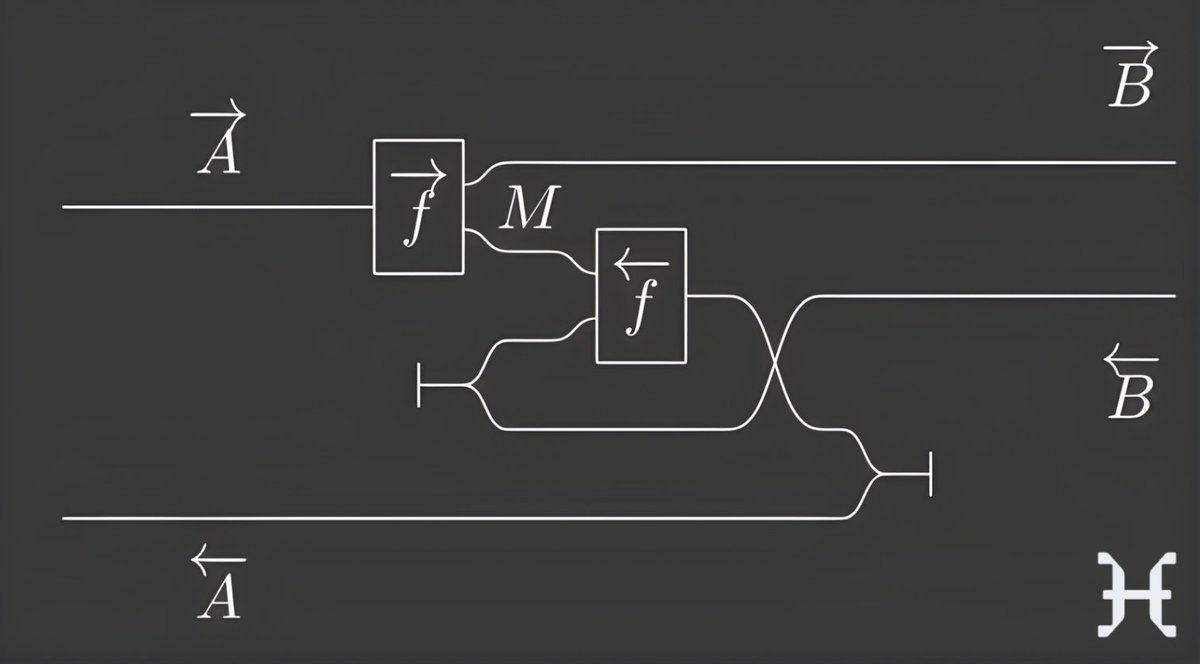
CatGrad is built around a simple idea.
A model should not be a black box where users hope the provider ran it correctly.
It should be fully specified, from the high-level model structure down to the exact computation.
That is how AI inference becomes verifiable.
2
6
200
May 20
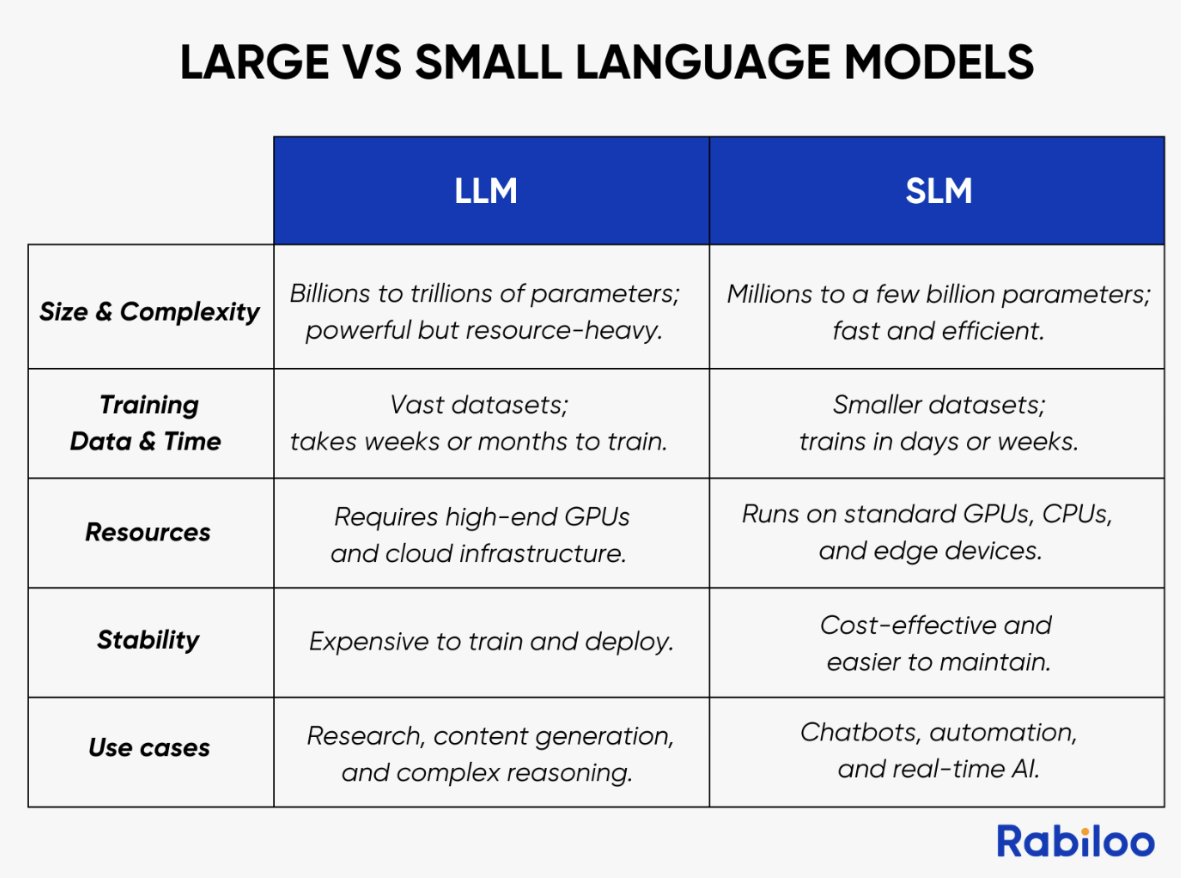
The future of AI agents will not run on one model. Some tasks need huge models. Others only need a small model that can translate a sign, explain the words, and respond instantly.
Hellas is building the compute layer for that world: many models, many providers, always-on inference.
6
93
May 15
Did you know Microsoft’s PyRIT is now being used as an open-source framework for AI red teaming?
Instead of testing one jailbreak prompt at a time, PyRIT can run automated attack campaigns against LLMs using targets, converters, scorers, and orchestrators.
This shows where AI security is heading: models and agents will need to be tested continuously before they are trusted in production.
That is where Catgrad becomes interesting.
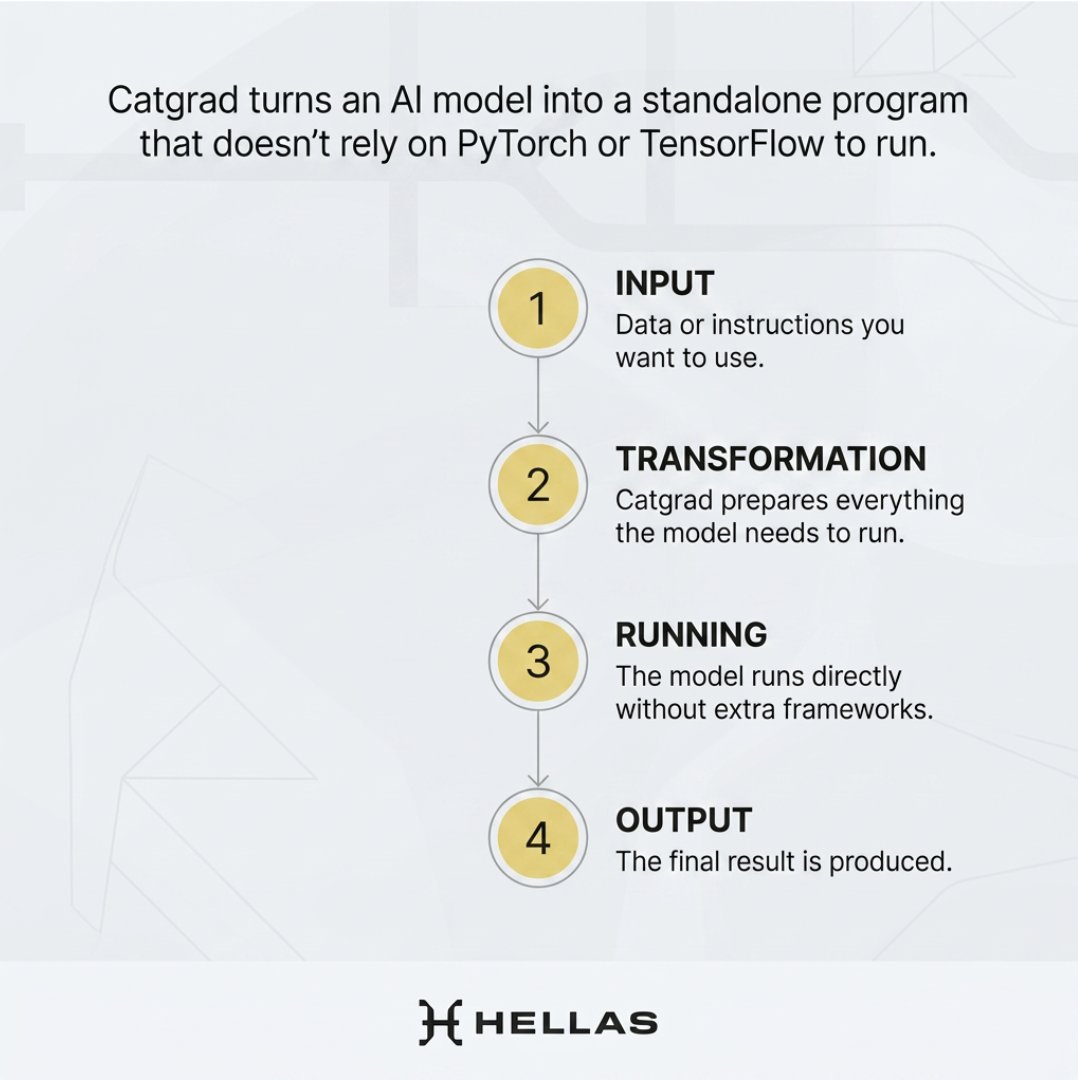
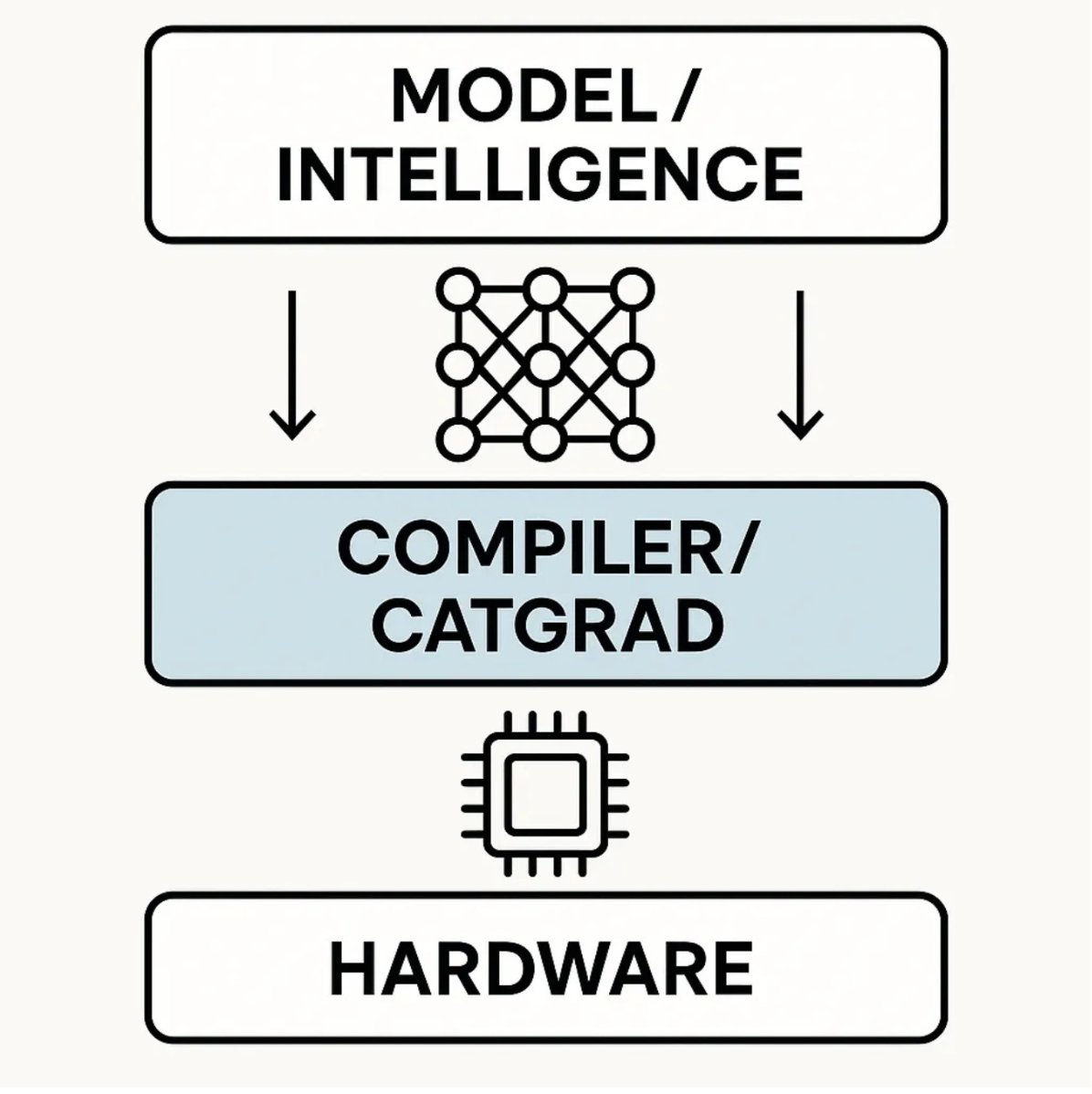
Catgrad is not another AI red-team tool. It is a compiler for deep learning that can turn models into static training code without relying on a deep learning framework or autograd.
For AI agents, this matters because the more autonomous they become, the more important reproducibility and verification become. If an agent depends on a model, we should be able to inspect how that model was built, reproduce its training step, and reason about its behaviour more clearly.
1
5
144
May 14
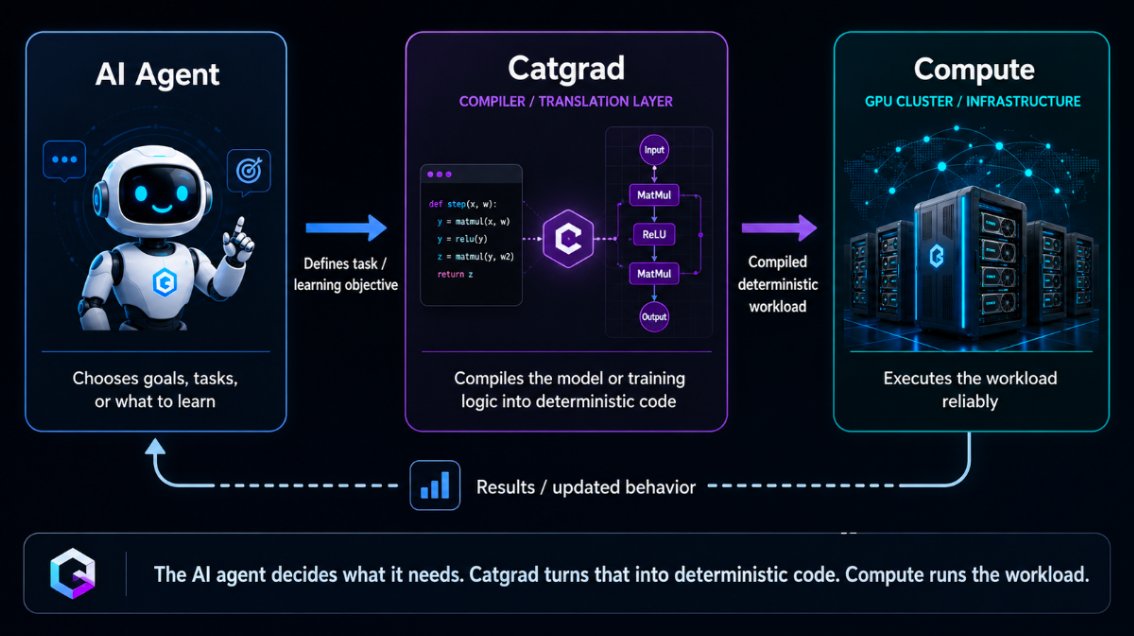
When Catgrad goes into production, one way it could interact with AI agents is by letting agents create and update their own task-specific models.
An agent like OpenClaw could decide what it needs to learn, Catgrad could turn that into deterministic training code, and Hellas could make the compute verifiable.
That is where autonomous AI starts to become more trustworthy.
5
98
May 11
Hellas is not building an L1 because the market needs another chain.
It is building one because verifiable AI inference needs control over the full environment: execution rules, provider incentives, verification logic, settlement, penalties, and upgrades.
Without that control, the guarantees become weaker.
9
113
May 11
Most people talk about concentration in AI compute. Fewer people talk about concentration in AI software.
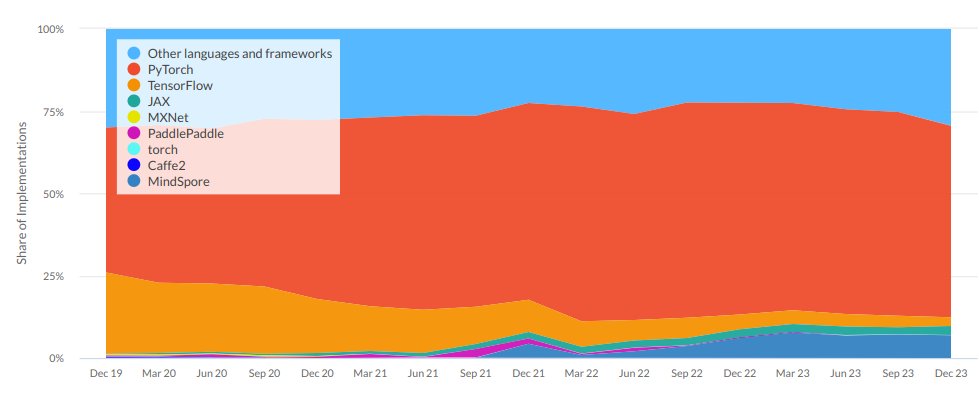
Yet most of modern AI is built through a very small number of frameworks like PyTorch and TensorFlow.
Recent industry estimates have put PyTorch at roughly 55% of production usage, while TensorFlow still underpins a large share of deployment environments.
That means a huge part of AI development depends on the same software assumptions, runtime logic, and workflows. That is a concentration risk too.
If the future of AI only decentralises compute, but keeps the software layer dependent on the same frameworks, a major bottleneck remains.
That is part of what makes Catgrad interesting.
Instead of relying on Python and framework runtimes like PyTorch or TensorFlow during execution, Catgrad compiles the model ahead of time into static code.
That means the computation can run without depending on the usual heavyweight software stack, which makes the software layer more portable and deterministic.
5
135