
Helping firms simplify business processes for competitive advantage. Rabid Chicago Bears, Chicago Cubs, and Chicago Black Hawks fan. Balance, baby, balance.
Joined April 2009
- Tweets 811
- Following 396
- Followers 119
- Likes 635
11 Photos and videos

Hendtry retweeted

Jun 3
Kevin Warren made the big10 super wealthy and the top conf surpassing the SEC.
Kevin Warren built the best stadium in the NFL at the time in Minnesota at a great location with a great deal for the franchise and city.
Kevin Warren turned the Bears and their reputation around amongst the leagues circles.
Sorry I’m not taking the side of corrupt Illinois/Chicago politicians or anything they have to say about anything. There’s a reason why huge companies are leaving the city and the state left and right.
28
41
297
14,176
Hendtry retweeted

May 20
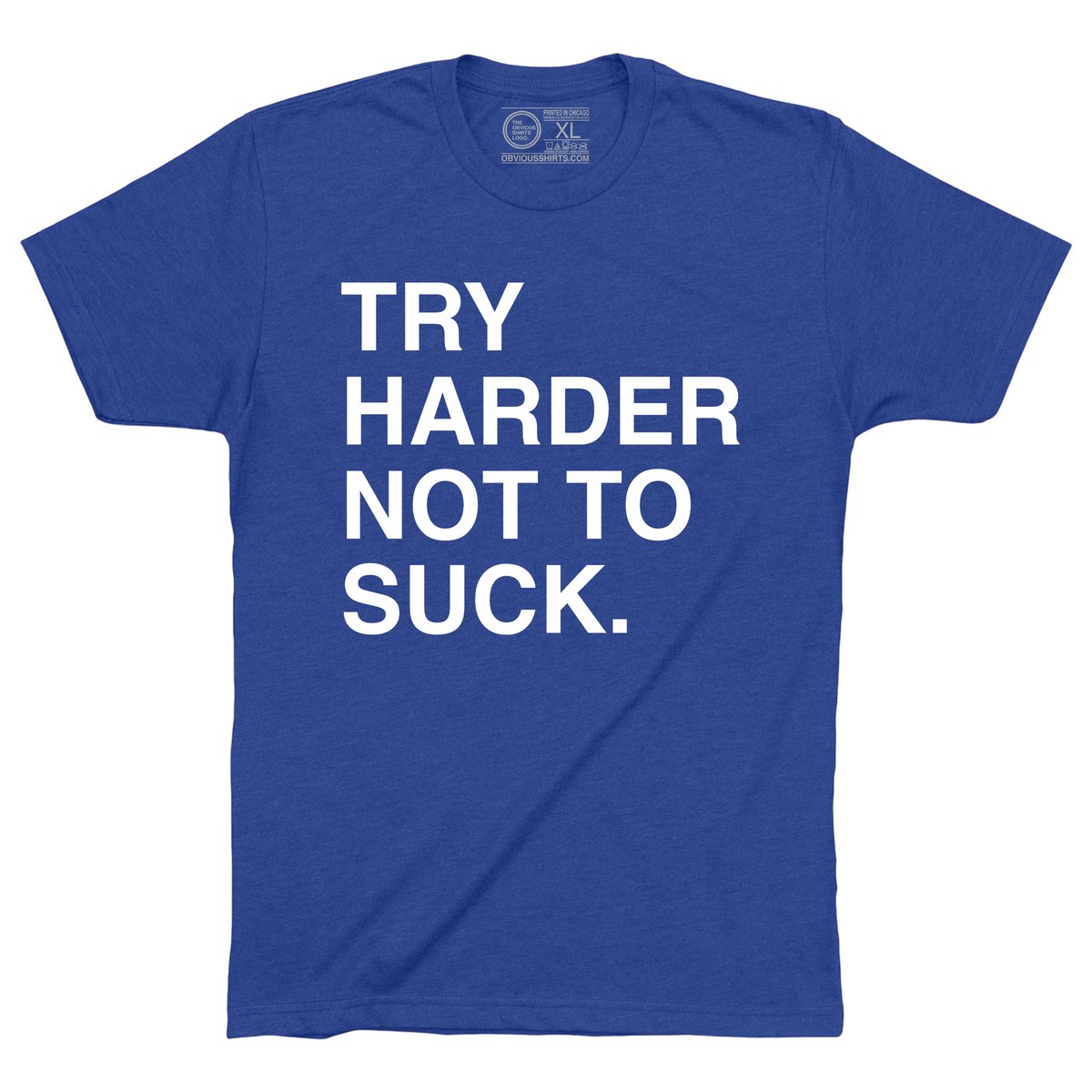

I think my @obvious_shirts of the day is going to be the Try Harder not to Suck. #cubs
11
44
665
42,137
Hendtry retweeted

May 19
Un doctorando de Oxford fue acusado de entregar un trabajo hecho con IA.
Su tutor dijo que era uno de los procesos de investigación más avanzados que había visto en dos décadas.
Pero había un detalle clave:
El estudiante no había usado IA para escribir ni una frase.
La usó para algo mucho más potente.
Este fue el sistema que hizo saltar todas las alarmas.
Cada ensayo empezaba con lo que él llamaba un “diagnóstico brutal”.
Primero escribía su argumento en bruto. Sin pulir. Sin adornos.
Después lo pegaba en Claude y le hacía una pregunta:
“¿Cuáles son los tres puntos más débiles de este razonamiento? ¿Dónde atacaría primero un examinador especialmente crítico?”
Claude no redactaba el ensayo.
Lo destrozaba.
Y él reconstruía el texto solo con las ideas que resistían el ataque.
La mayoría usa la IA al revés.
Le dan un tema y le piden que piense por ellos.
Él hacía lo contrario:
Le daba su propio pensamiento y le pedía que encontrara las grietas.
Esa es la diferencia entre delegar tu cerebro y entrenarlo.
El segundo paso fue el que dejó a su tutor sin palabras.
Subía sus cinco artículos académicos más importantes junto con su borrador y le preguntaba a Claude:
“¿Qué partes de mi argumento contradicen, exageran o simplifican lo que estos autores realmente demostraron?”
La mayoría de estudiantes cita papers que apenas ha leído por encima.
Él no.
Él se veía obligado a enfrentarse de verdad a cada artículo, porque Claude detectaba cuándo estaba usando una cita de forma débil, superficial o directamente incorrecta.
Y luego venía el movimiento final.
Antes de entregar nada, pegaba su conclusión y lanzaba un último prompt:
“¿Qué diría un filósofo de la ciencia que falta en este argumento? ¿Qué supuestos estoy dando por válidos sin haberlos defendido?”
El resultado:
Sus trabajos volvían de revisión con comentarios como:
“Sorprendentemente riguroso.”
“Una profundidad crítica poco habitual.”
“Excelente capacidad de análisis.”
Y su comité no entendía de dónde salía ese nivel.
Hasta que lo acusaron de usar IA.
La audiencia por integridad académica duró tres horas.
Le pidieron que explicara su método desde cero, allí mismo.
Abrió el portátil.
Mostró cada paso.
Cada prompt.
Cada iteración.
Y entonces ocurrió lo inesperado:
No solo lo absolvieron.
Le dieron la calificación más alta registrada en la historia del departamento.
Y le pidieron que enseñara su sistema al resto de la facultad.
La lección es brutal:
Lo que a muchos doctorandos les lleva meses de correcciones, reuniones y revisiones, él lo comprimía en una sesión.
No porque la IA pensara por él.
Sino porque había descubierto cómo usarla como el crítico más implacable de la sala.
La IA no mejora tu pensamiento sustituyéndolo.
Lo mejora atacándolo.
Más rápido.
Más duro.
Y con menos piedad que cualquier humano.
Él no usaba IA para escribir mejor.
La usaba para pensar mejor.
La herramienta la tiene todo el mundo.
El flujo de trabajo es lo que casi nadie entiende
Soy la Cyber Directora de Operaciones de GptZone.
Si quieres seguir aprendiendo conmigo apúntate gratis news.gptzone.net
Domina la IA en 3 Minutos al Día
Community note
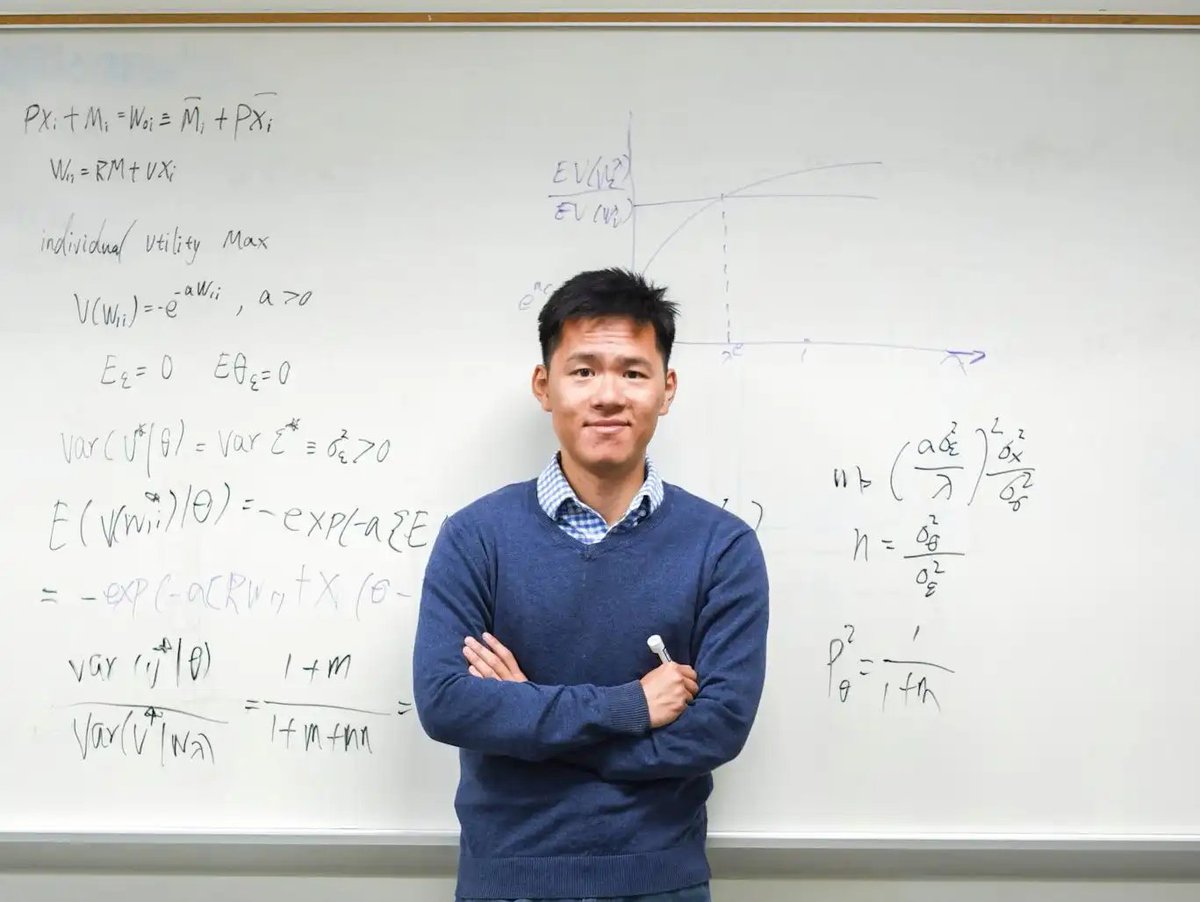
Esta historia es ficticia. La foto es de Haishan Yang, un estudiante expulsado de la Universidad de Minnesota por presunto uso de IA en un examen. No hay evidencia de que ocurriera este caso en Oxford.
mprnews.org/story/2025/01/… kare11.com/article/news/l…
116
1,214
5,550
879,182

Creator of C , Bjarne Stroustrup:
AI-generated code isn't ready — it generates more bugs, more bloat, more security holes, and is nearly impossible to validate
"senior developers are already retiring rather than deal with it"
The problem is that even a small prompt change can shift the entire codebase in unpredictable ways
618
1,947
10,567
1,743,780

Hendtry retweeted

Going for that SanDiego Sweep tomorrow! #DontStopNowBoys 🧹 #WhiteSox

5
70
1,026
24,077

Clients need to evaluate AI-native or AI-augmented capabilities as they focus on measurable outcomes over hype:
wsj.com/pro/cybersecurity/ai…
1
101

Stop with the bias @DavidHaugh Illinois government has screwed this up for years.
1
17
412
Hendtry retweeted

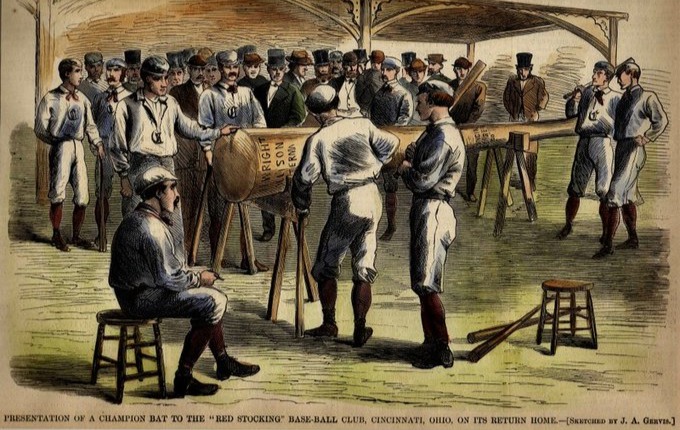
"If the Cincinnati Reds were really the first major league baseball team, who did they play ?"
George Carlin.
17
12
118
3,307
Hendtry retweeted

Jan 23
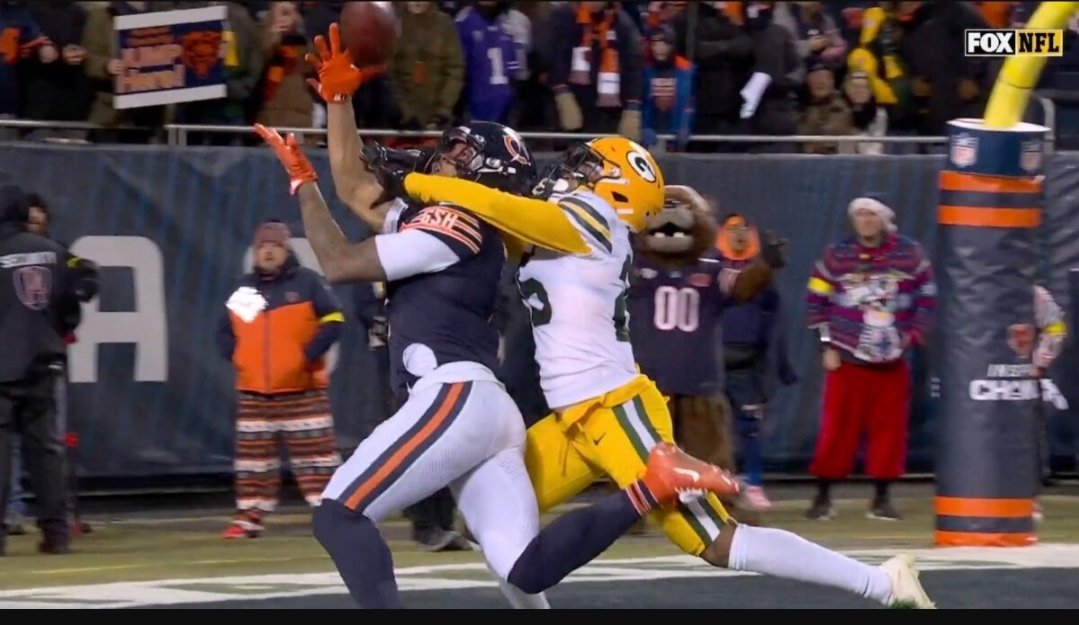
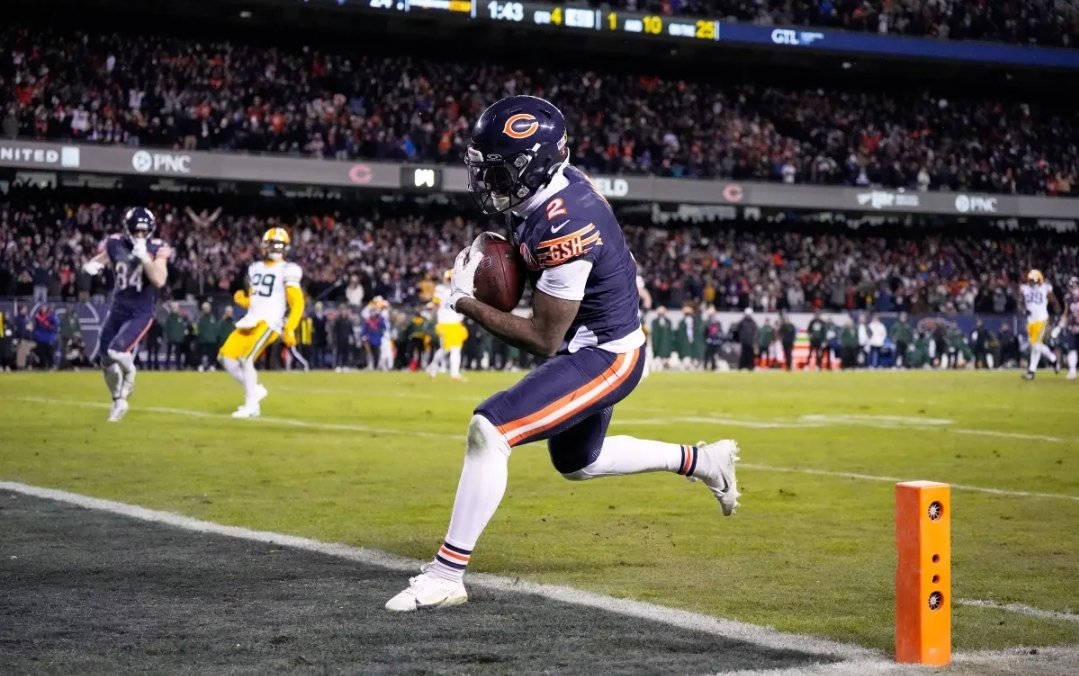
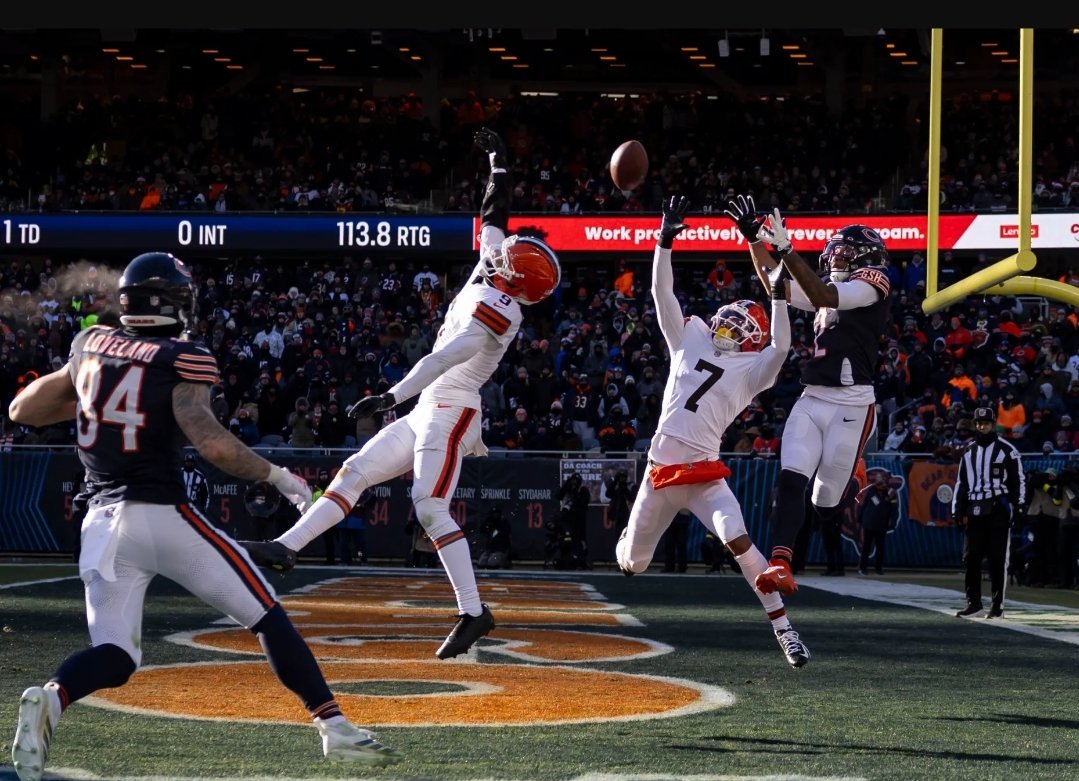
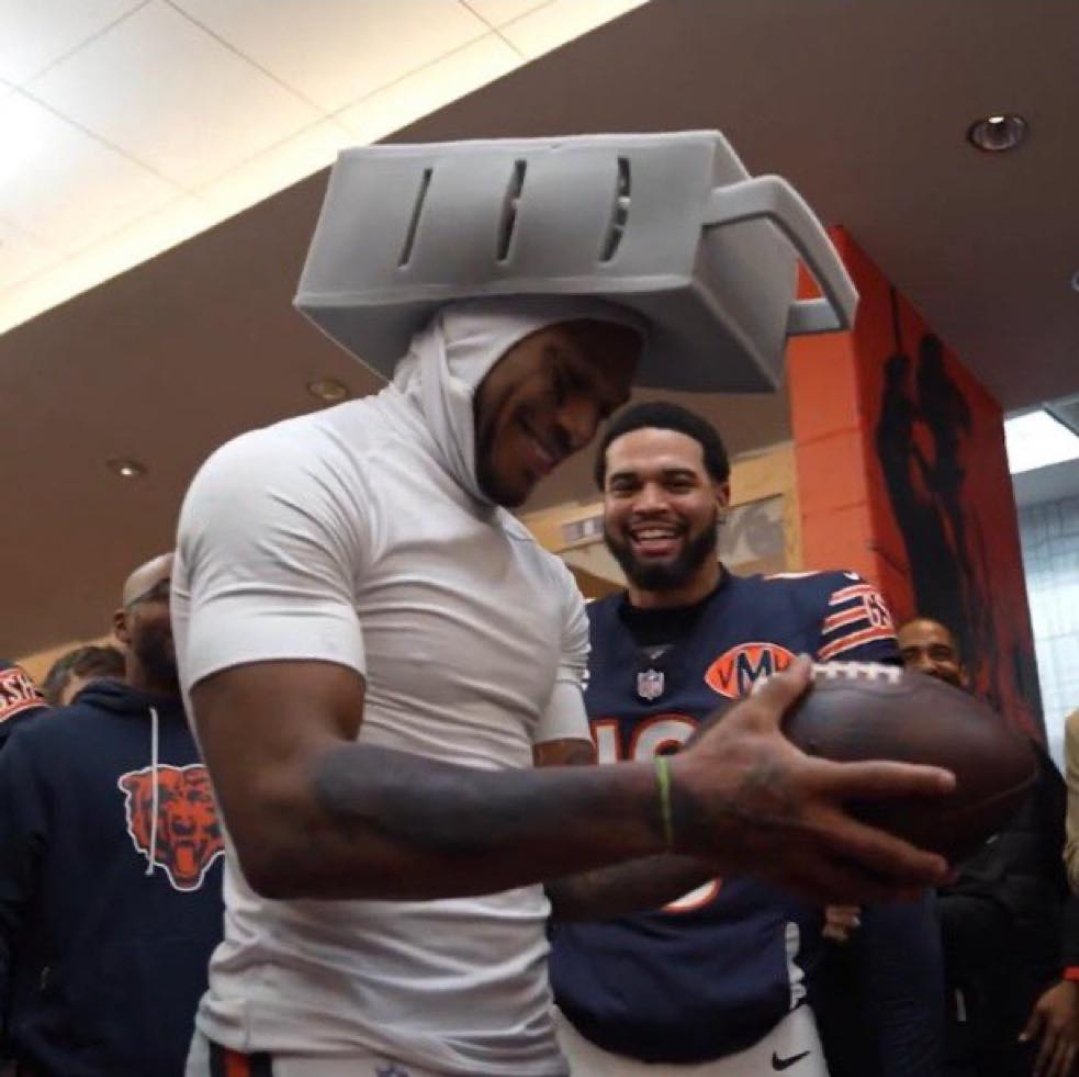
Been trying to avoid Chicago sports talk radio & social media this week, but can't avoid hearing the nonsense about how @idjmoore quit on the play & his team & how we should trade him 🤦♂️
Man has the heart of a lion!
W/O him we weren't sniffing the playoffs!
BEARDOWN & GOD BLESS
32
77
754
16,232
Hendtry retweeted

Jan 23
When your new Partner doesn’t have ANY Social Media! 😮 😱
553
4,959
21,335
726,682
Hendtry retweeted

Jan 21
Caleb Williams is two seasons into his NFL career, and the discourse around him already feels rushed, emotional, and detached from how elite quarterbacks actually develop.
So let’s slow this down and talk reality.
Through two NFL seasons, Williams has already cleared benchmarks that many “great” quarterbacks didn’t hit until years later. He’s thrown roughly 47 touchdowns to just 13 interceptions, pushed past 7,400 passing yards, added legitimate rushing value, led multiple fourth-quarter comebacks, won his division, and delivered the Bears their first playoff win in over a decade.
That’s not hype. That’s production.
Year one was ugly — and that part matters. Poor offensive line play, excessive sacks, holding the ball too long, and an offense that lacked structure. But that profile isn’t unique. Early Drew Brees. Early Stafford. Early Josh Allen. Raw talent, flashes of brilliance, uneven efficiency. The league has always misjudged quarterbacks who don’t look polished immediately.
Year two is where the trajectory shifted — and this is the inflection point people are missing.
Touchdown-to-interception ratio spiked. The offense jumped into the top tier of the league. Chicago won close games late. Williams consistently delivered when the structure broke down. That’s the separator between quarterbacks who flame out and quarterbacks who scale.
What makes Caleb different isn’t just the stats — it’s how the production shows up.
He’s already making throws that break defensive rules. Off-platform lasers. Late-window shots under pressure. Fourth-down conversions where the play is dead for 99% of quarterbacks. These are the same types of throws that defined Rodgers, Mahomes, and peak Stafford — the kind you cannot teach, only refine.
And here’s the critical nuance: he’s doing this before he’s fully consistent.
Yes, the accuracy still fluctuates. Yes, there are missed layups. Yes, he sometimes presses. But that’s normal for quarterbacks who rely on creativity early while the mental game catches up. Josh Allen didn’t become Josh Allen until he cleaned up those exact same issues. Stafford didn’t win a Super Bowl until his efficiency caught up to his arm talent. Even Brees didn’t become Brees until year four.
This is what people get wrong: inconsistency early does not cap a quarterback’s ceiling — it often signals a very high one.
So where is Caleb Williams right now?
He’s past the “can he play?” phase. He’s past the “is he the guy?” phase. He’s squarely in the “can he polish the details?” phase — and that’s the phase elite quarterbacks break through from.
His ceiling is obvious: a top-tier NFL quarterback capable of carrying an offense, winning games late, and competing for MVPs and championships if the environment holds. The traits align. The moments align. The arc aligns.
His floor is no longer “bust.” That conversation ended in year two. The realistic floor now is a high-end starter — someone who can win games, stress defenses, and keep a franchise relevant even if he never becomes hyper-efficient.
The gap between that floor and his ceiling comes down to refinement, not talent.
And historically? That’s a gap the best quarterbacks close in years three and four.
If you’re judging Caleb Williams right now as finished, you’re not evaluating him — you’re projecting impatience.
Quarterbacks with this level of arm talent, playmaking under pressure, and early-career production don’t flame out. They evolve.
Chicago finally has a quarterback whose problems are correctable, not limiting.
That’s the difference.
89
241
1,859
161,714
Hendtry retweeted

Jan 20
Mike Pereira: NFL needs referees working full-time. nbcsports.com/nfl/profootbal…
82
56
637
85,262
Hendtry retweeted

Jan 20
He had a great game. Made some amazing plays, I think he was injured/concussed. Should he have taken himself out, probably, but to speak about him like he’s a bum is uncalled for after everything he did for us and the team.
2
2
115
5,881
Hendtry retweeted

Jan 19
RT if you're proud of the #DaBears and the 2025 season they gave us!
75
2,518
5,127
88,960

Hendtry retweeted

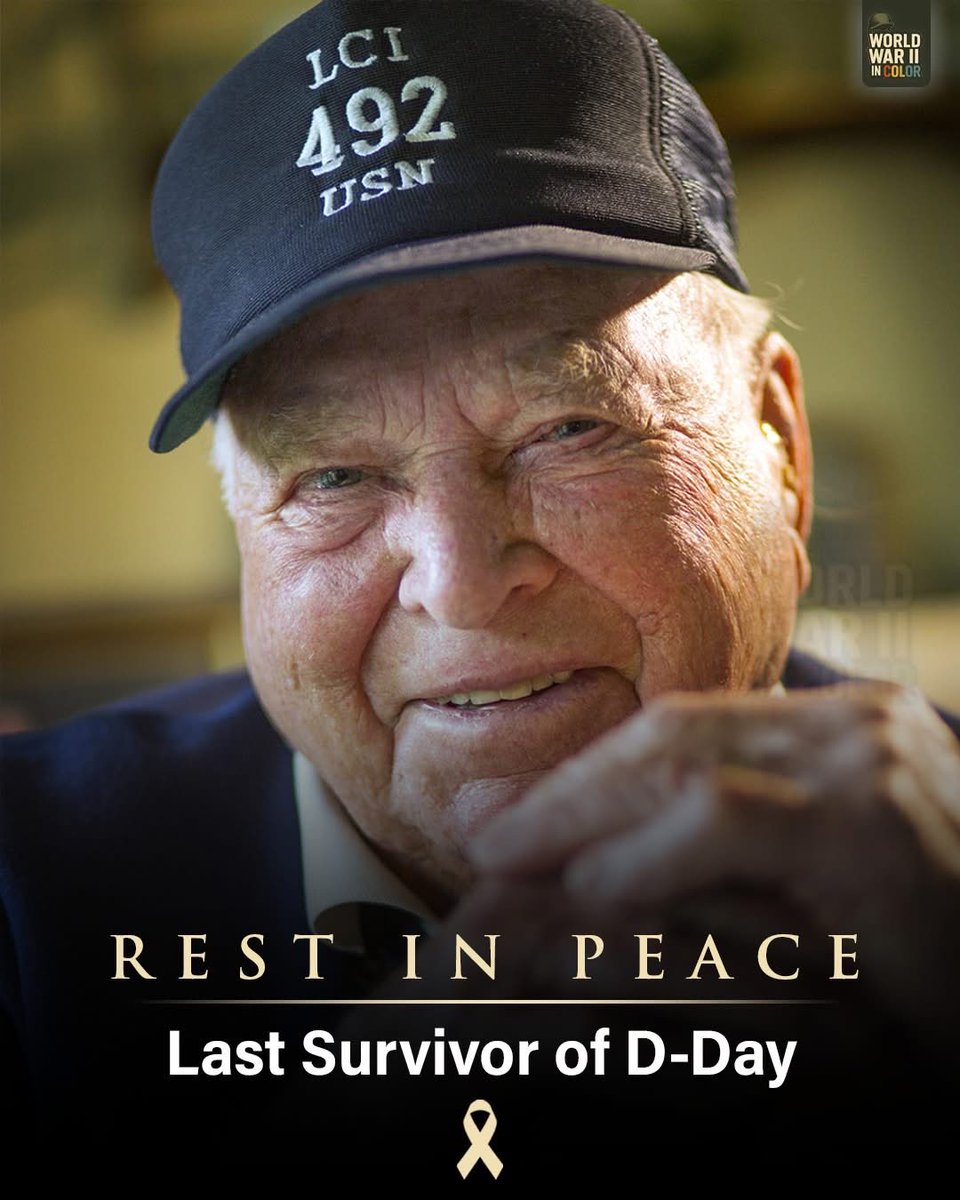
Stan Nelson. Last survivor of D-Day.
Community note
There are still several D-Day veterans from the USA, Canada, and Britain still living. Many are now over 100 years old.
legionmagazine.com/documentarian-…
wset.com/news/local/d-d…
apnews.com/article/wwii-v…
518
3,184
39,976
960,506