
Tailor, owner of BossmanXclusive and @plackett_| Content creator| AuDHD (undiagnosed) but it’s obvious 🤷🏾♂️
Joined November 2016
- Tweets 21,622
- Following 3,004
- Followers 3,691
- Likes 21,908
1,550 Photos and videos






Pinned Tweet

22 Nov 2025
Should incase you no longer see any post from me.
Always reflect on this one.
📌
11
17
68
5,454
16h
HR
17h

Too much availability kills your value, so don't show up at work tomorrow before they see you finish!
1
1
117
19h
“Flags off” with 6 month left to the end of his tenure.

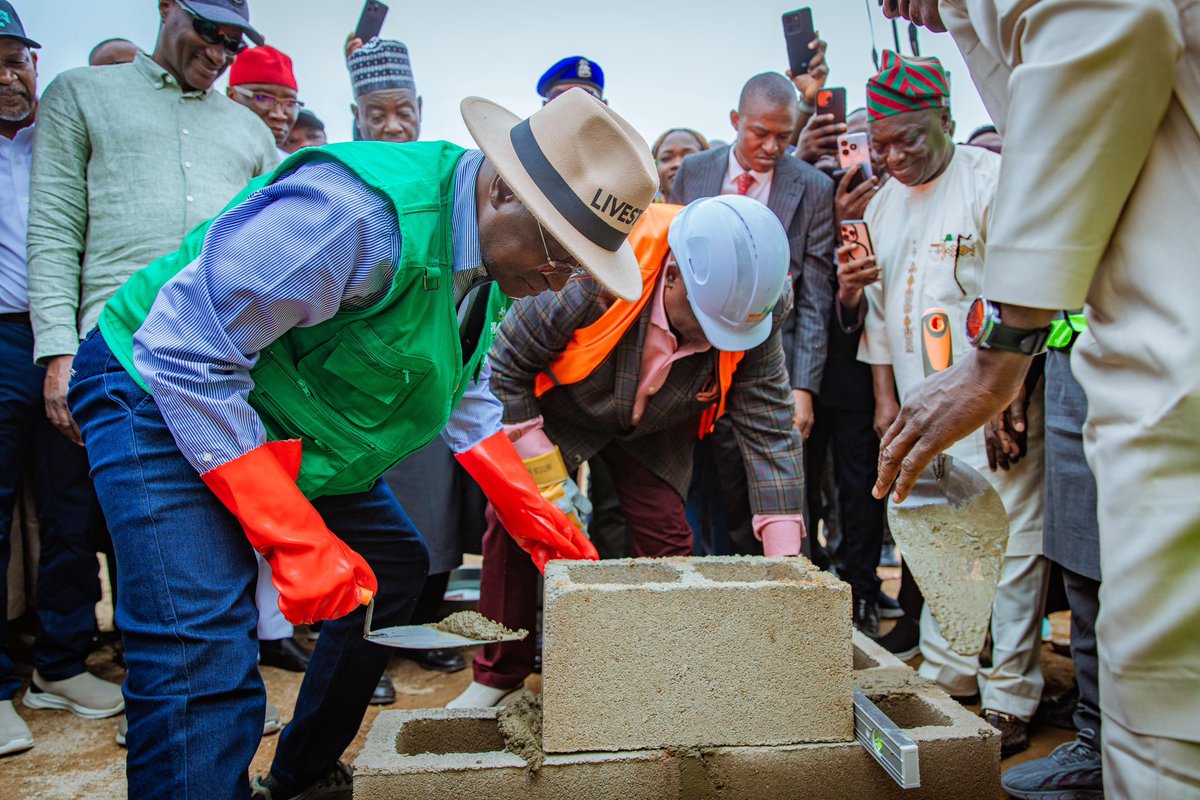
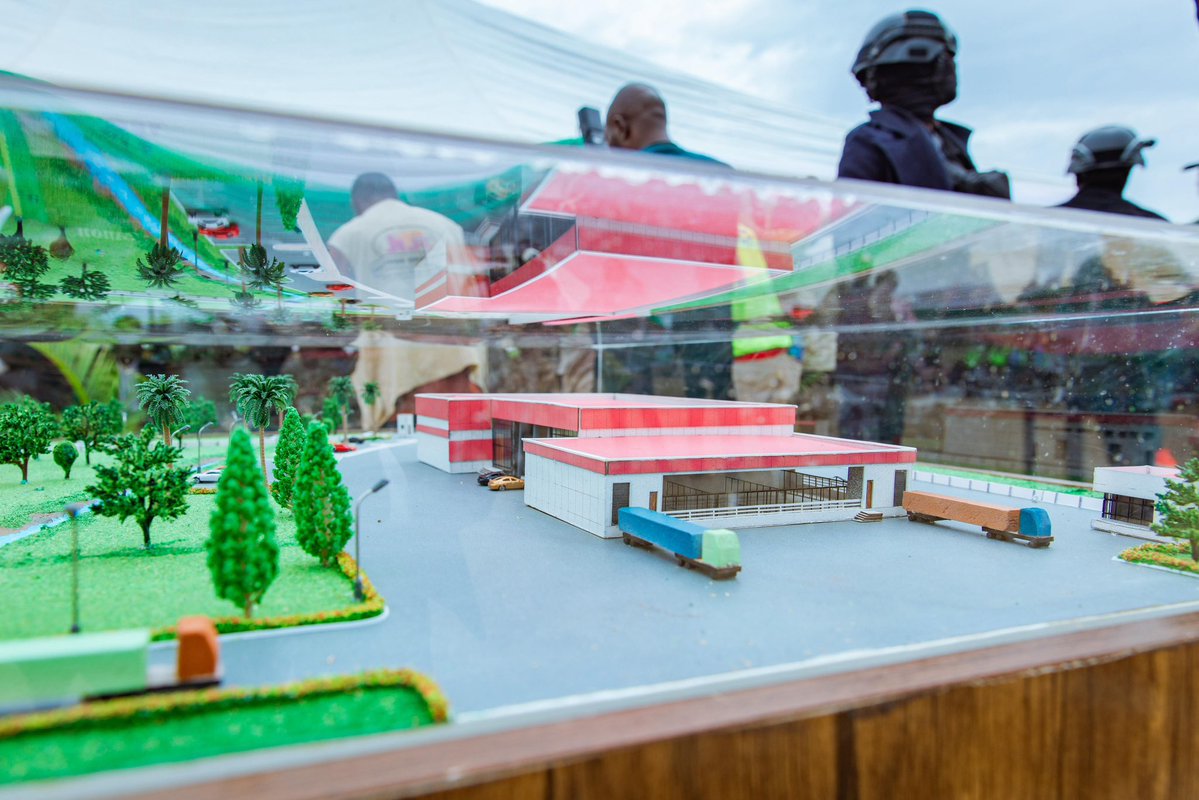
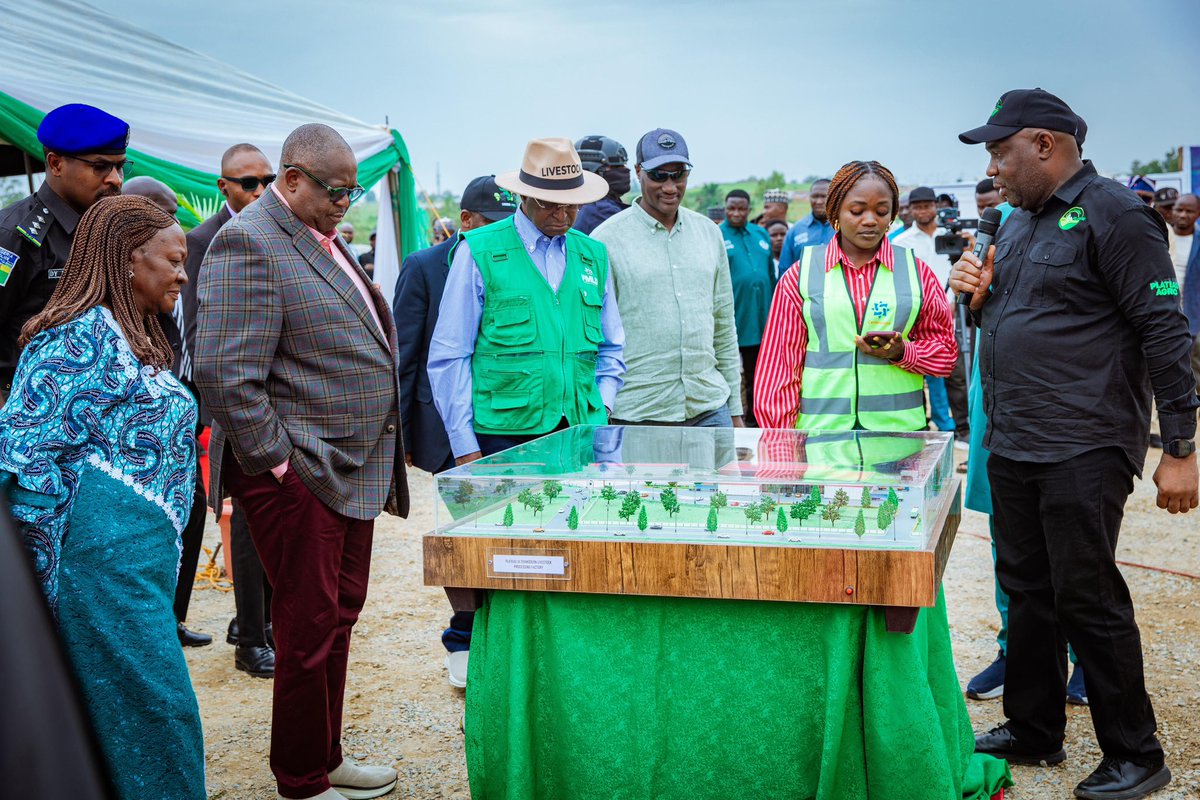
GOVERNOR MUTFWANG FLAGS OFF ULTRA-MODERN ABATTOIR, VETERINARY TEACHING HOSPITAL TO BOOST PLATEAU'S AGRO-INDUSTRIAL ECONOMY
There was widespread excitement and celebration across Plateau State as the Executive Governor of Plateau State, His Excellency, Barr. Caleb Manasseh Mutfwang, took another bold step toward repositioning the state as a leading agro-industrial hub with the groundbreaking of a 500-cattle-per-day ultra-modern abattoir at Pwomol Village, Heipang, and a Veterinary Teaching Hospital in Barkin Ladi Local Government Area.
The projects, supported by the Livestock Productivity and Resilience Support (L-PRES) Programme, are designed to strengthen the livestock value chain, improve food safety standards, create employment opportunities, attract private investment, and enhance Plateau State's capacity for meat processing and export.
Performing the foundation-laying ceremony, Governor Mutfwang described the projects as strategic investments that will stimulate economic growth, increase revenue generation, and create sustainable jobs, particularly for young people across the state.
According to the Governor, the ultra-modern abattoir is a critical component of the Heipang Special Agro-Processing Zone, an initiative aimed at reducing poverty and driving large-scale agricultural and industrial development.
"Today marks the groundbreaking of a new economic future for Plateau State. We have gathered here at the Heipang Special Agro-Processing Zone to lay the foundation for an investment that will transform livestock from a traditional activity into a modern engine of wealth creation, industrial growth, and shared prosperity," Governor Mutfwang stated.
"We are replacing crude and unhygienic slaughter practices with a world-class, automated abattoir capable of processing 500 cattle daily—the largest facility of its kind in this region."
The Governor noted that many African economies have remained trapped in poverty not because of a lack of resources, but because they export raw products and import finished goods.
"The difference between poverty and prosperity is often the difference between producing and processing. That is why agro-processing and value addition remain central pillars of our economic development strategy," he added.
Governor Mutfwang emphasized that the vision of his administration is to ensure that every segment of the value chain within the Special Agro-Processing Zone creates income and opportunities for Plateau citizens.
"Farmers who grow maize and soybeans for animal feed must benefit. Youths involved in livestock transportation must benefit. Entrepreneurs operating cold rooms must benefit. Processors packaging meat products must also benefit. The Heipang Special Agro-Processing Zone is a strategic platform that will attract private investment, improve food safety standards, expand market access, stimulate industrial development, create jobs, and most importantly, generate wealth for our people."
The Governor expressed confidence that the projects would be completed within one year and commended the host community for its unwavering support. He called on residents to continue supporting the contractors to ensure timely completion.
The Honourable Minister of Livestock Development, Alhaji Idi Mukhtar Maiha, described Plateau State as uniquely positioned to lead Nigeria's livestock transformation.
According to the Minister, Plateau possesses "a hospitable climate, resilient farming communities, strategic road, rail, and airport connections, as well as a long-standing tradition of excellence in animal health services."
He noted that the project symbolizes Nigeria's transition "from informal slaughter systems to modern meat production; from waste to value creation; and from the trade of raw live animals to an integrated livestock and meat industry."

1
185
22h
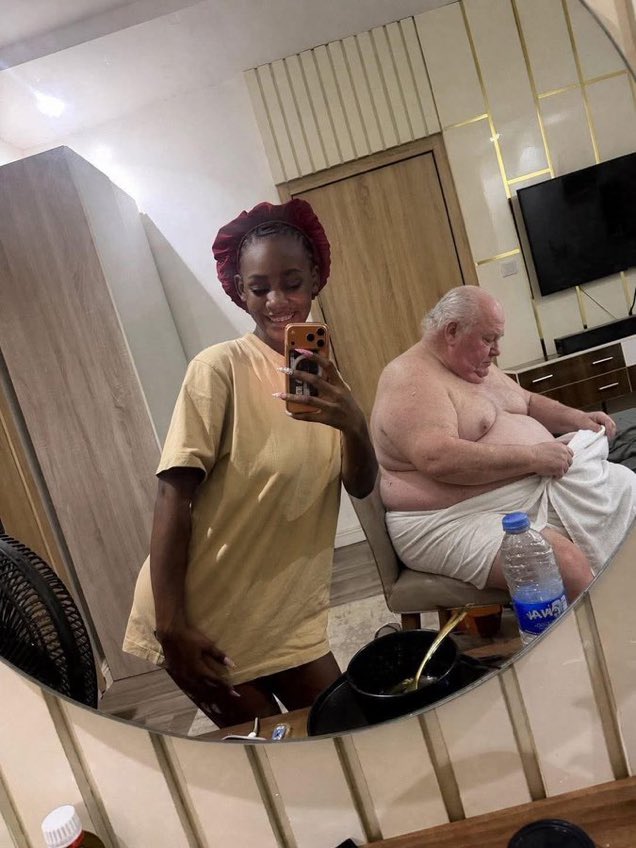
“As long as he has money and she is happy, my 20 year old sister can date a 50 year old man”
🤡
1
2
46
22h
Do they pay you guys to lie ?
Jun 15

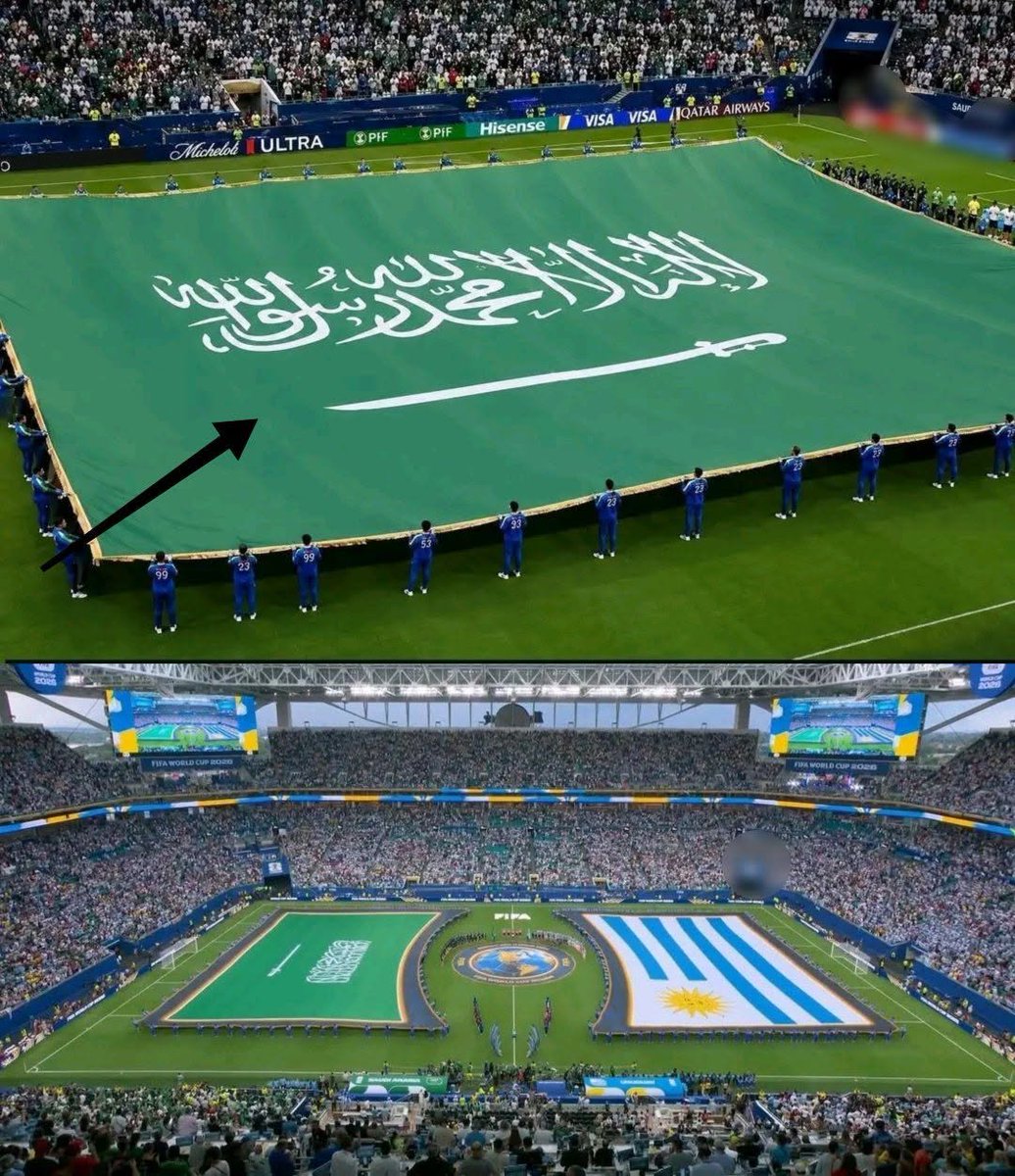
المشهد اللي قدامك دا افضل مشهد حصل في تاريخ كأس العالم.. 😍😍
المعروف ان قبل اي ماتش بيتم وضع علم المنتخبين اللي هيلعبوا على الأرض
بس اللي حصل غير كل الثوابت والقوانين في مونديال امريكا
في نص الملعب اتحط علم اوروجواي على الأرض عادي
لكن علم السعودية اترفع من على الأرض احتراماً لـ لفظ الجلالة الله
الجميل اكتر ان المشهد دا حصل في امريكا
حقيقي مشهد تاريخي وفوق العظمة
Mostafa Khaled
53
Jun 15
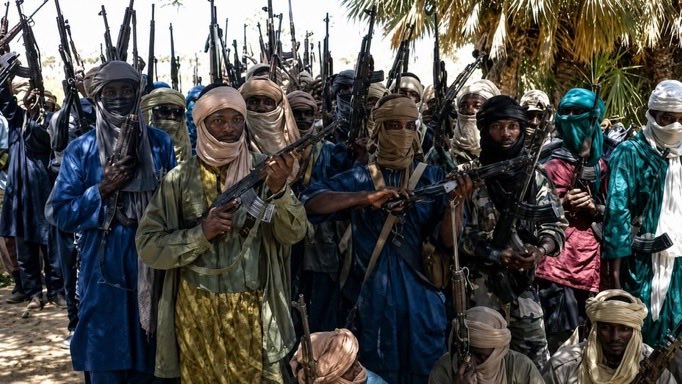
As we are all going about our businesses today I just want to remind you that the security issues we have is out of hand and it’s only a matter of time before it gets to your doorstep.
1
5
13
117
Jun 15
I have never seen this level of denial.
This is a discovery 💡.
Jun 15

How many of such broadcast have you seen? Do you know the difference between Islam & arabic language?
This is not to say there are no BHT who have the wrong Islamic orientation, but a lot of people are misinformed about the security issue that they narrow it all to Boko Haram.
31

Jun 14
The people unaliving people in Nigeria came from and through your villages.
Jun 14

"We're the ones holding Nigeria back." Is loaded and untrue but we are playing our fair share.
Let's call out the north without overclaiming.
1
60
Jun 14
No you don’t.
Your actions don’t match your words.
what does your love for “Jesus” compel you to do ?
How do people see that love in real life ?
This lies are too easy to dismiss.
You don’t love Jesus, even Christians don’t love him too. If any of you liars did we’d know.
Jun 14

You will never see Muslims disrespecting Jesus because Muslims love and honor Jesus and hold him in high regard better than christian.
49
Jun 14
Lost me at
“enrolled her in Islamic school”
Jun 14

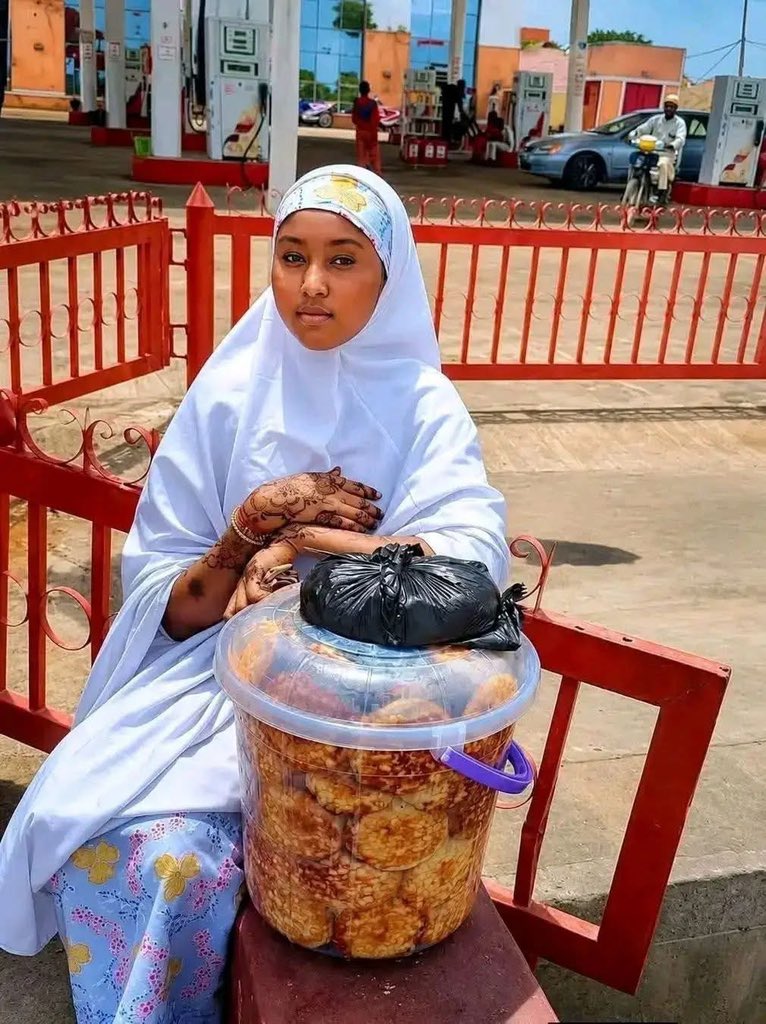
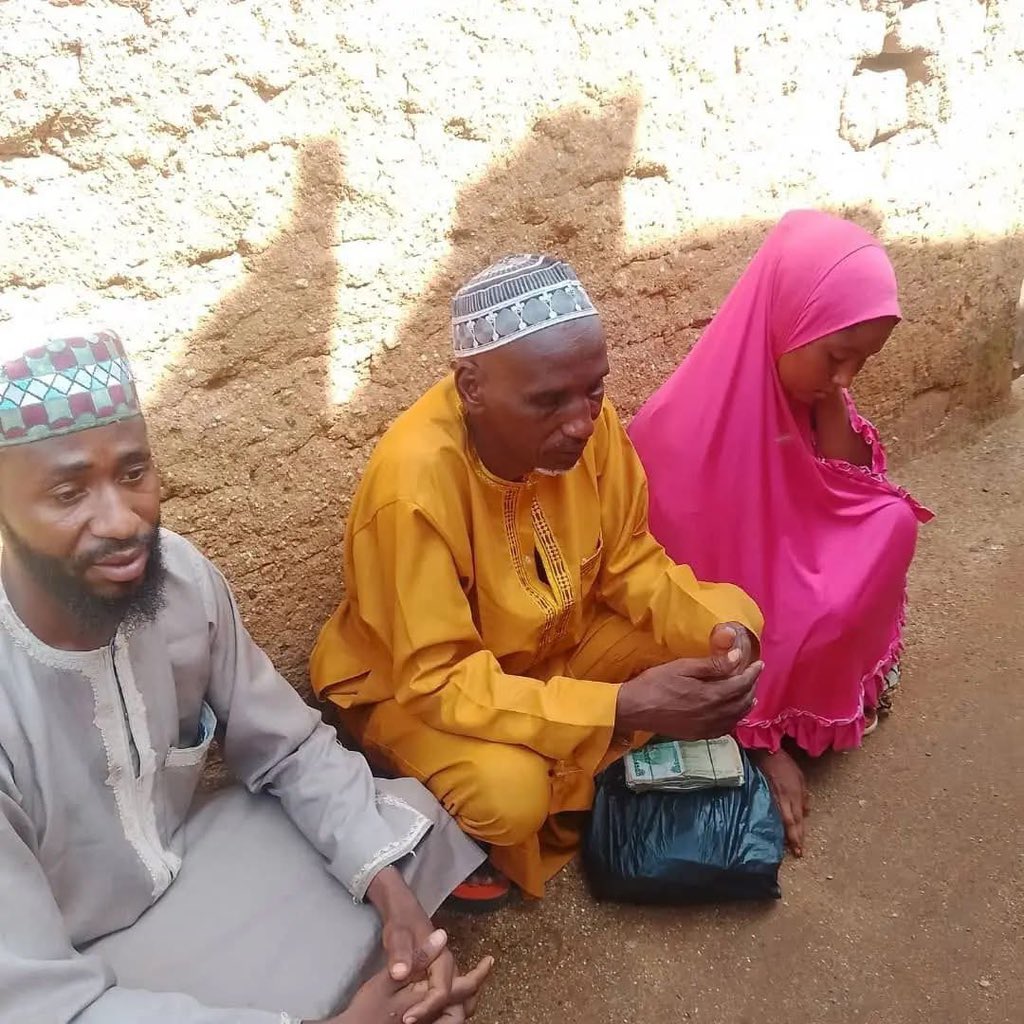
Alhamdulillah
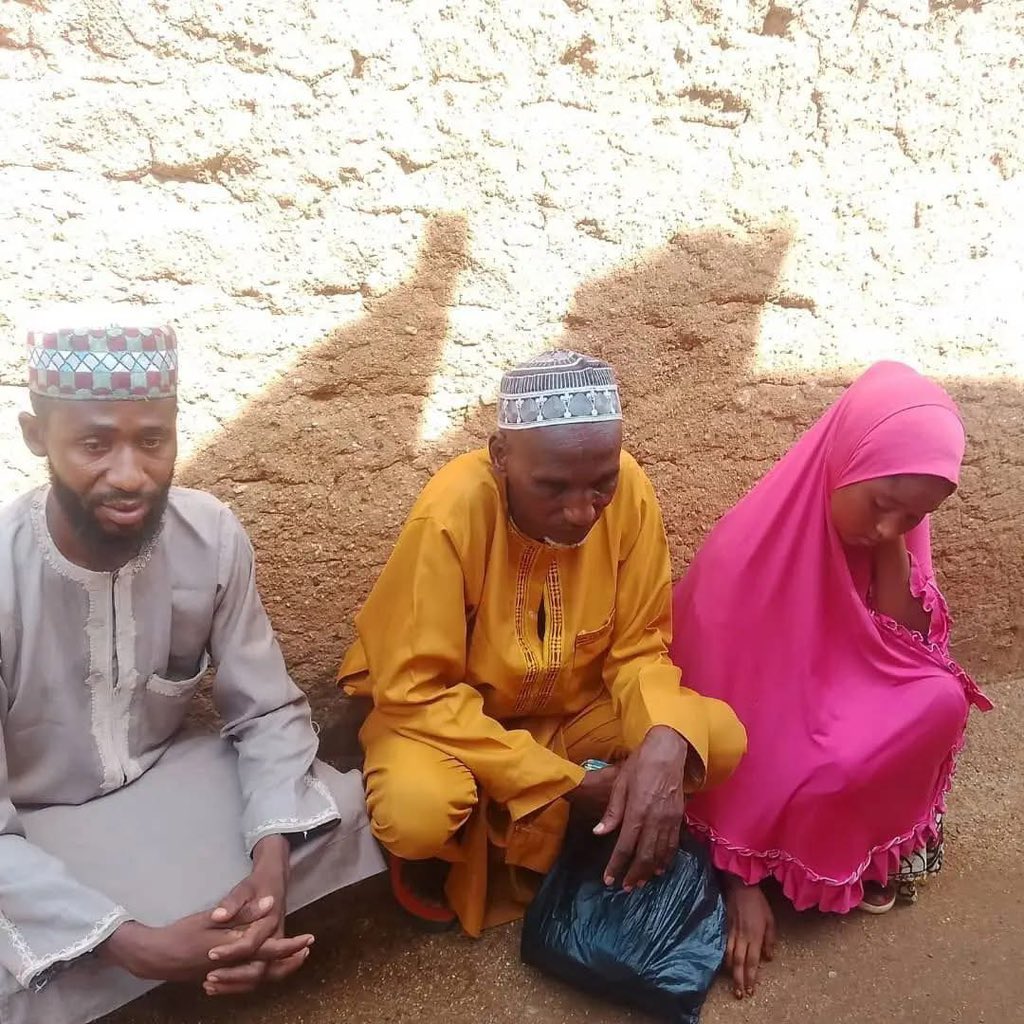
“She has stopped hawking from today forever…”
As we previously requested help in finding this young girl, Alhamdulillah, our brothers in Bauchi recognized her and she was reunited with her parents. We spoke with them, and this young girl has now been supported with startup capital so that she will stop hawking masa (local food) and we have enrolled her in an Islamic school so she can continue her education.
Her father also informed our representatives that she will never sell masa again, and he said that even if a husband is found for her through our side, they are ready. May Almighty Allah guide and bless the process.
69
Jun 14
At this point you are just farming
Jun 14

Be honest: as a non-Muslim, when you see a Muslim, what comes to your mind first?
34
Jun 14
The people making it difficult for Muslims to live in peace in Nigeria are other Muslims. There is no Muslim’s live that is immediately threatened by a non Muslim currently in Nigeria. It’s your “very few bad ones” that pose a threat to your life and mine.
Stop this nonsense.
Jun 14
Respect, really.
Not special treatment, just consistency. Don’t judge 2 billion people by the actions of a few, don’t assume danger every time you see a Muslim, and don’t treat their faith as something that automatically makes them suspect.
Most Muslims aren’t asking for agreement. Just the space to live, believe, and be seen as individuals, not a stereotype.
1
31
Jun 14
Any stupid thing way woman de do na until man do am before people go agree say e stupid.
Jun 14

Yesterday at the hospital, a mother rushed her son in because he was having seizures and fainting. When she called her husband to bring money, he said, 'I didn't tell you to take him to the hospital.' He insisted she should have kept the boy at home so they could pray instead,
1
1
1
224
Jun 14
Nigeria is not a real place. No way all these things happening are real events. It’s not possible that tinubu who protested when things were better is the one making life hell for us now.
It’s not real.
2
4
76
BOSS retweeted

Jun 14
No more forced rituals… The real life starts, reality, science, and personal freedom win out... The “afterlife” fairy tale loses its grip when you realize death is just lights out, like before you were born…
Jun 14

the first thing this generation do once they get lil independence is stop going to church.
4
12
494
Jun 14
Low quality men.
Jun 14

Video showing Lady: She went to her Bestie house, and her Bestie is asking her for Opueh.
But wait o, is it posible for a man and a woman to be very close friends make Dey guy no ask for knackk? Do we have such men?
35