
ᴅʙ | ɴʟ
Joined September 2021
- Tweets 18,515
- Following 422
- Followers 720
- Likes 25,014
1,376 Photos and videos










Pinned Tweet

Apr 26
hi! sharing this playlist with everyone, especially for those using YT premium. I encourage you to try the 1-month free trial, and feel free to reach out if you need any assistance!
'Ngiti' Song Film X Short Films 💛
note: at least 2 minutes fillers
youtube.com/playlist?list=PL…
1
11
25
4,816
aiahkue 🐈⬛ retweeted

A glimpse of effortless charm. ✨
Bianca De Vera brings her natural energy to every frame, captured beautifully with the #Xiaomi17TSeries.
Every detail, every movement seen with clarity through #TheTelephotoMaster. 📸
16
501
1,011
9,628
aiahkue 🐈⬛ retweeted

Isang pasasalamat mula kay Jade ng #TheSecretsofHotel88. Ano kaya ang mga susunod na mangyayari sa kanyang buhay? Abangan at huwag itong palampasin!
26
388
849
14,725
aiahkue 🐈⬛ retweeted
Taos-pusong nagpapasalamat si Edward sa inyo, mga Kapamilya at Kapuso. Hindi pa rito nagtatapos ang kanyang kwento sa #TheSecretsofHotel88, kaya mas tutukan pa ang mga susunod na kabanata.
28
451
1,002
13,036
ang cute niya sheetttt para siyang baby... ko!
DUSTIN AT RANDYS ROBMANILA

𝐇𝐄’𝐒 𝐁𝐀𝐂𝐊 𝐀𝐓 𝐑𝐀𝐍𝐃𝐘’𝐒!
The sweetness continues at 𝗥𝗼𝗯𝗶𝗻𝘀𝗼𝗻𝘀 𝗠𝗮𝗻𝗶𝗹𝗮 as 𝗗𝘂𝘀𝘁𝗶𝗻 𝗬𝘂 drops by 𝗥𝗮𝗻𝗱𝘆’𝘀 𝗻𝗲𝘄𝗲𝘀𝘁 𝘀𝘁𝗼𝗿𝗲, with 𝗧𝗲𝗮𝗺 𝗟𝗶𝘃𝗲 𝗖𝗵𝗲𝗳𝗳𝗶𝗲𝘀 showing up for 𝗬𝘂 every step of the way.
Good company, sweet treats, and moments shared with fellow 𝗖𝗵𝗲𝗳𝗳𝗶𝗲𝘀 make today one to remember. And of course, 𝙣𝙤 𝙍𝙖𝙣𝙙𝙮’𝙨 𝙫𝙞𝙨𝙞𝙩 𝙞𝙨 𝙘𝙤𝙢𝙥𝙡𝙚𝙩𝙚 𝙬𝙞𝙩𝙝𝙤𝙪𝙩 𝙩𝙖𝙠𝙞𝙣𝙜 𝙖 𝙗𝙤𝙭 𝙤𝙛 𝙙𝙤𝙣𝙪𝙩𝙨 𝙝𝙤𝙢𝙚.
Sweet moments, good memories, and 𝗮 𝗱𝗮𝘆 𝗺𝗮𝗱𝗲 𝗲𝘃𝗲𝗻 𝗯𝗲𝘁𝘁𝗲𝗿 𝘄𝗶𝘁𝗵 𝗗𝘂𝘀𝘁𝗶𝗻. 💛
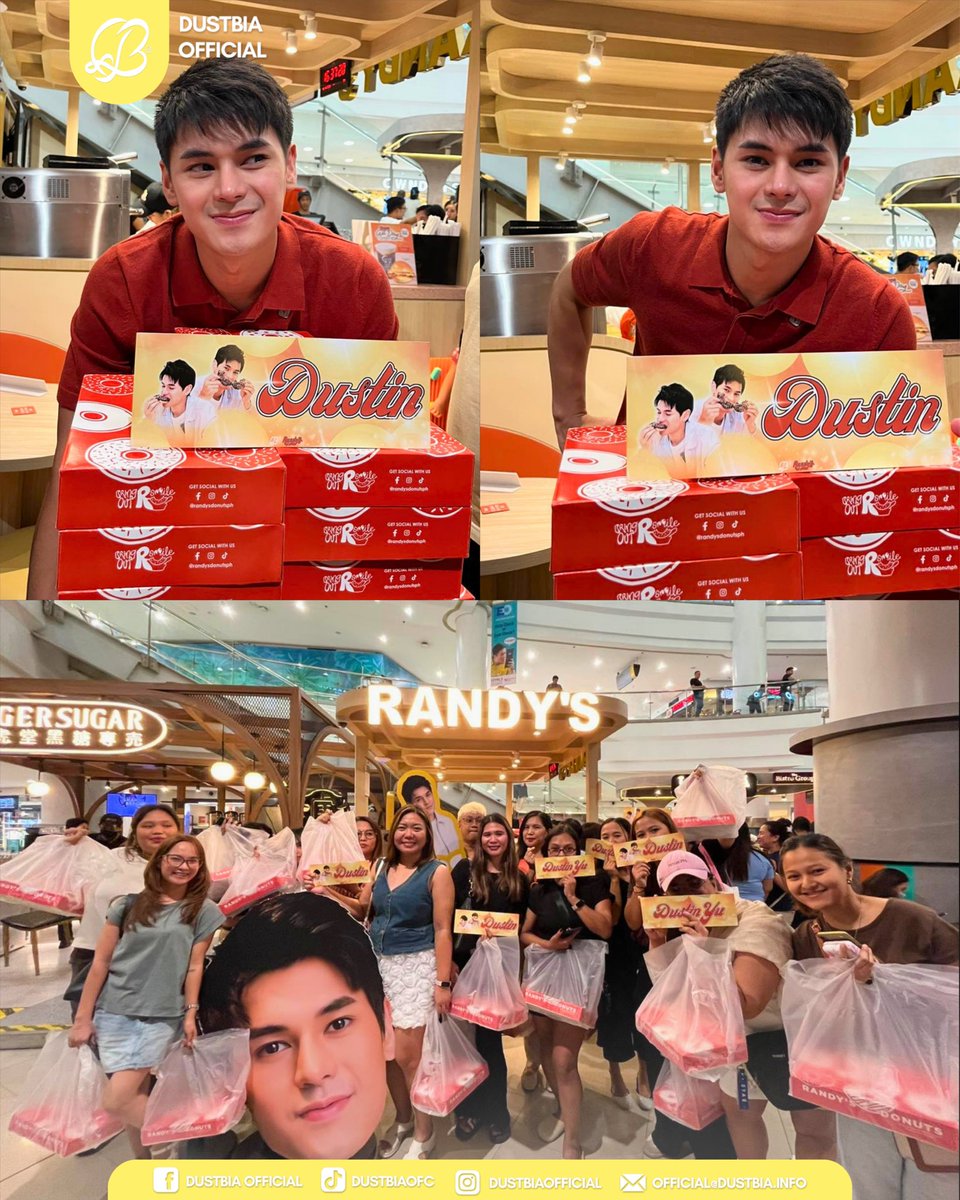
1
2
121
aiahkue 🐈⬛ retweeted

alam na alam mo pano ko kukunin talaga sa ngiti ngiti na yan
DUSTIN AT RANDYS ROBMANILA
3
156
347
4,758
aiahkue 🐈⬛ retweeted
sana all donut
DUSTIN AT RANDYS ROBMANILA
3
118
277
7,448
aiahkue 🐈⬛ retweeted
𝐒𝐄𝐄 𝐘𝐔 𝐈𝐍 𝐒𝐓𝐎𝐑𝐄, 𝐂𝐇𝐄𝐅𝐅𝐈𝐄𝐒!
At Randy’s newest store in 𝗥𝗼𝗯𝗶𝗻𝘀𝗼𝗻𝘀 𝗠𝗮𝗻𝗶𝗹𝗮, 𝗖𝗵𝗲𝗳𝗳𝗶𝗲𝘀 are already in place and ready for 𝗬𝘂!
Fans are already gathered and the energy is rising as we wait for 𝗗𝘂𝘀𝘁𝗶𝗻. 💛
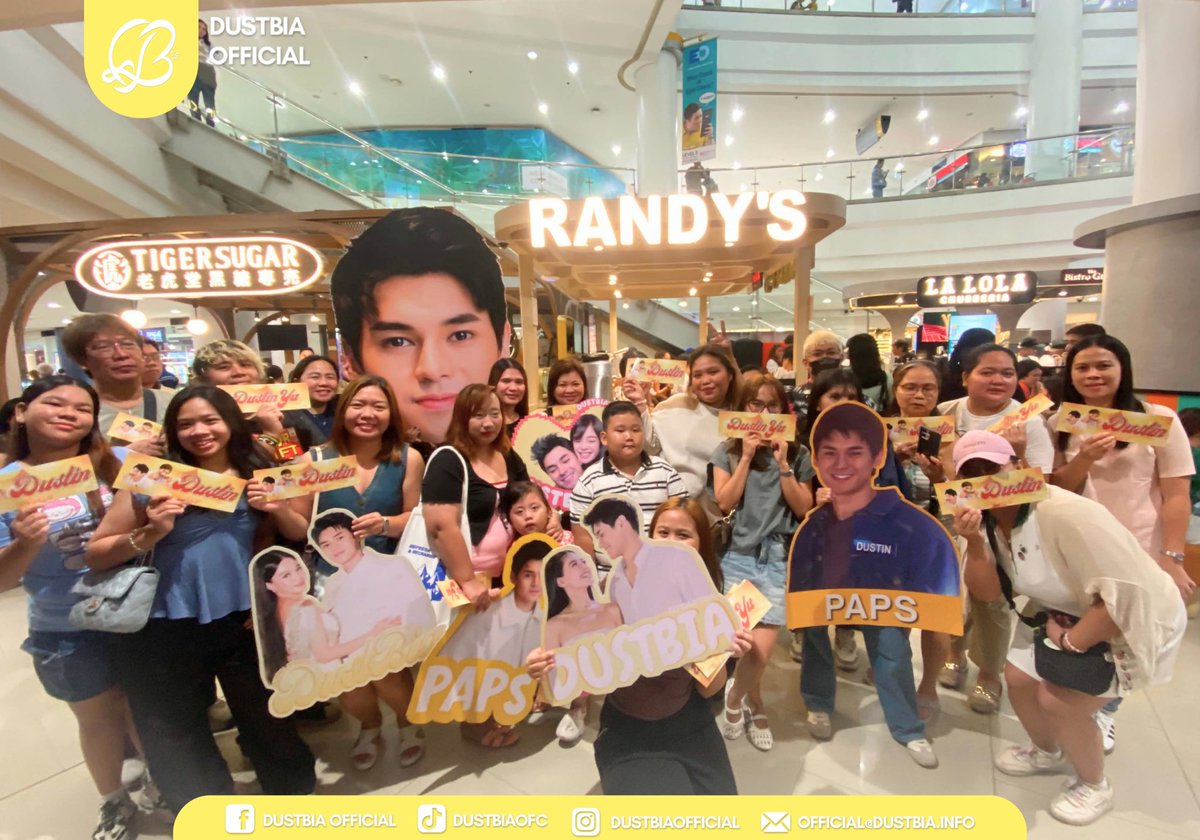
8
380
926
24,269
aiahkue 🐈⬛ retweeted

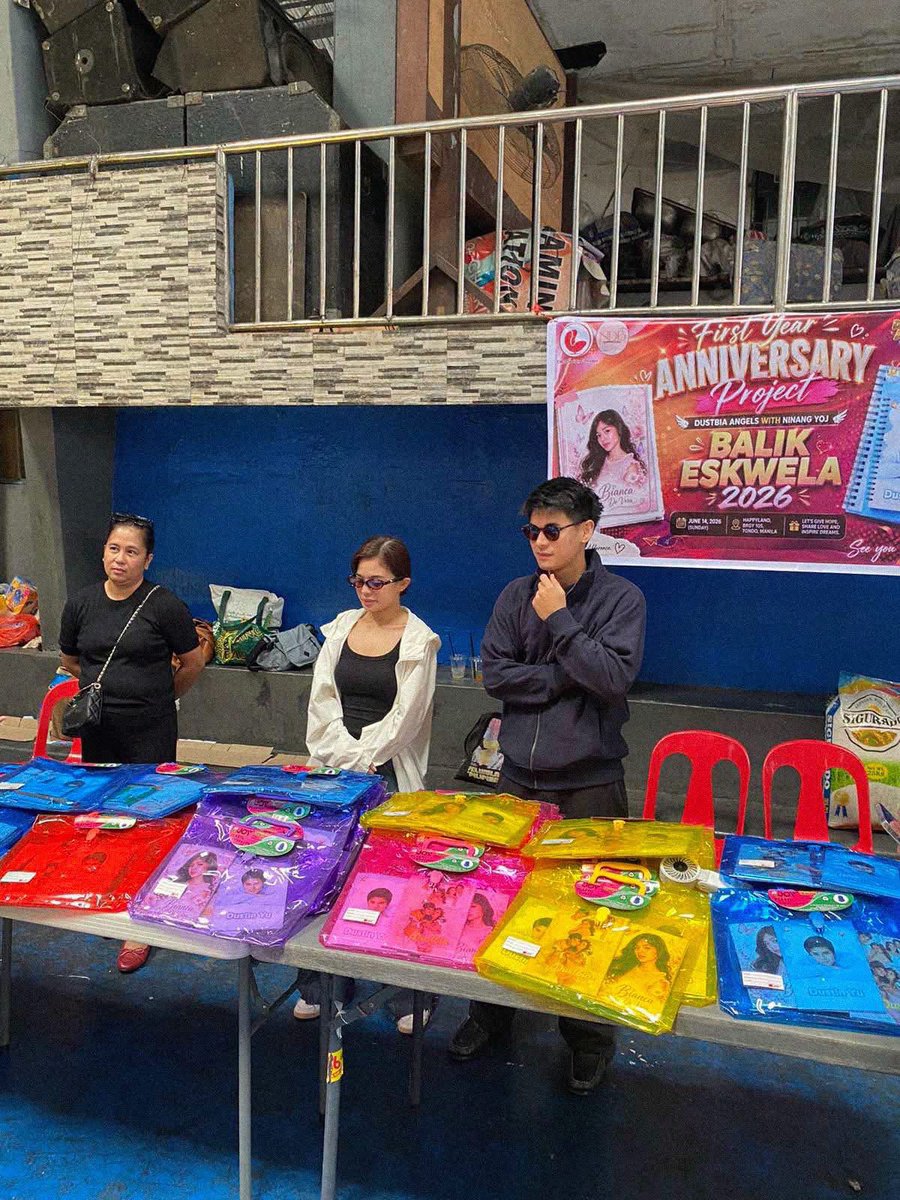
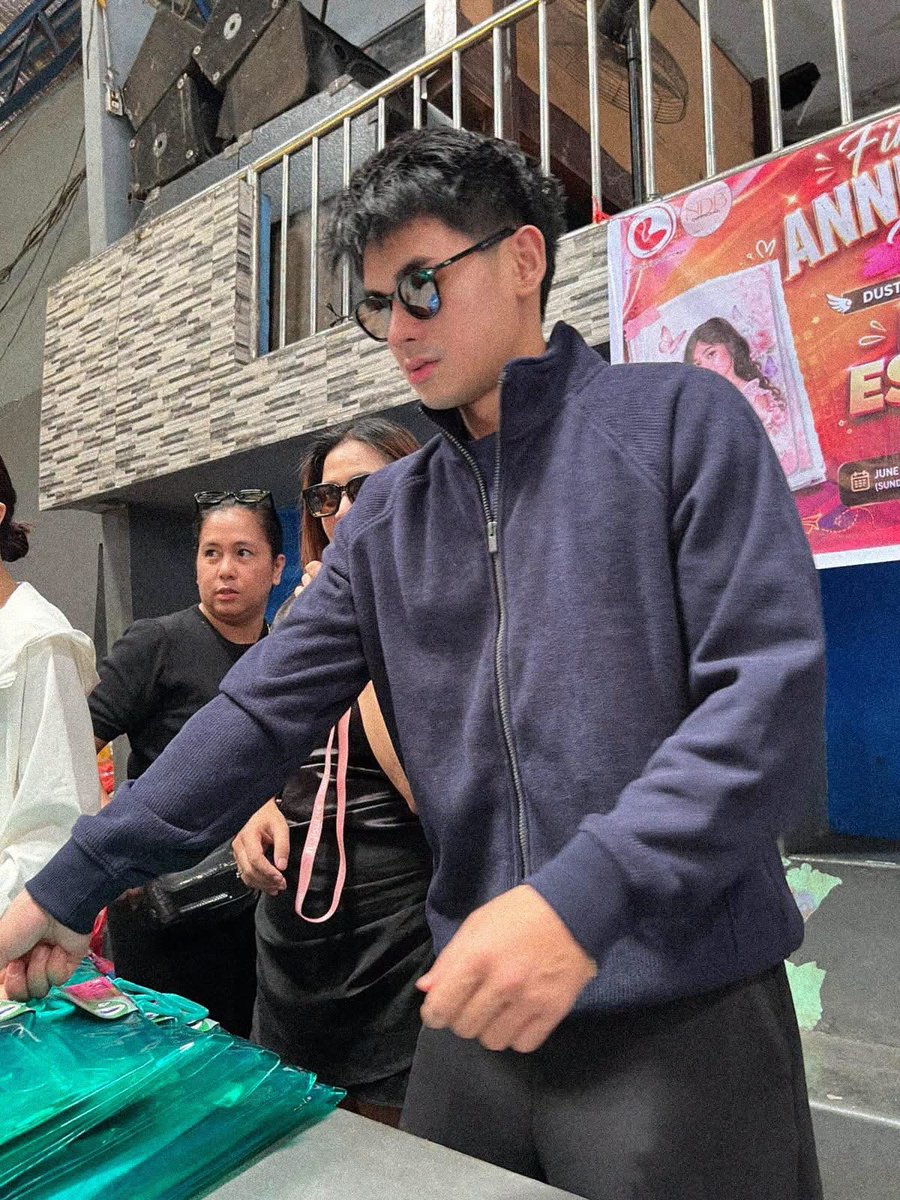
A meaningful way to celebrate ✨
Dustin Yu and Bianca De Vera joined their supporters for ‘Balik Eskwela 2026,’ a fan-led outreach project that provided over 100 school supplies and educational assistance to students in Manila 🫶🏻
#DustinYu
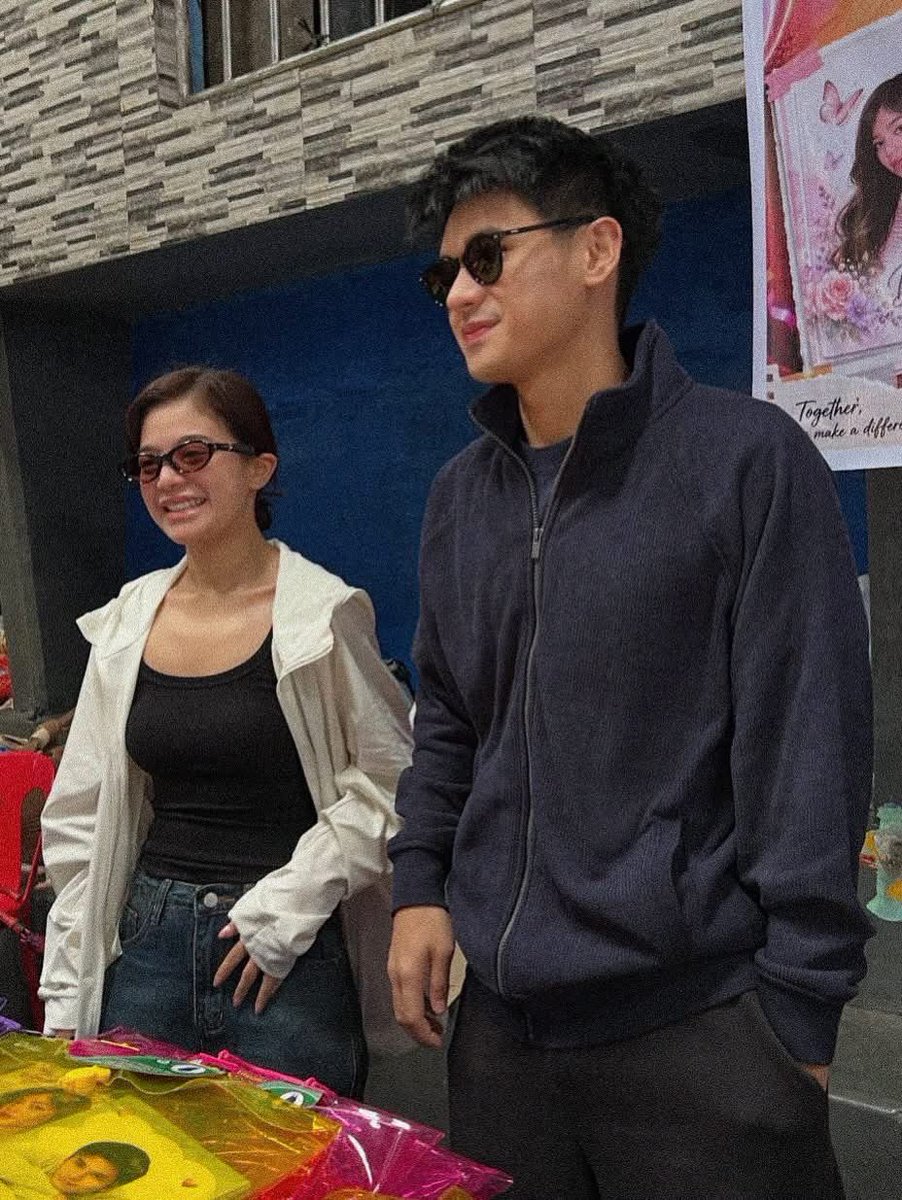
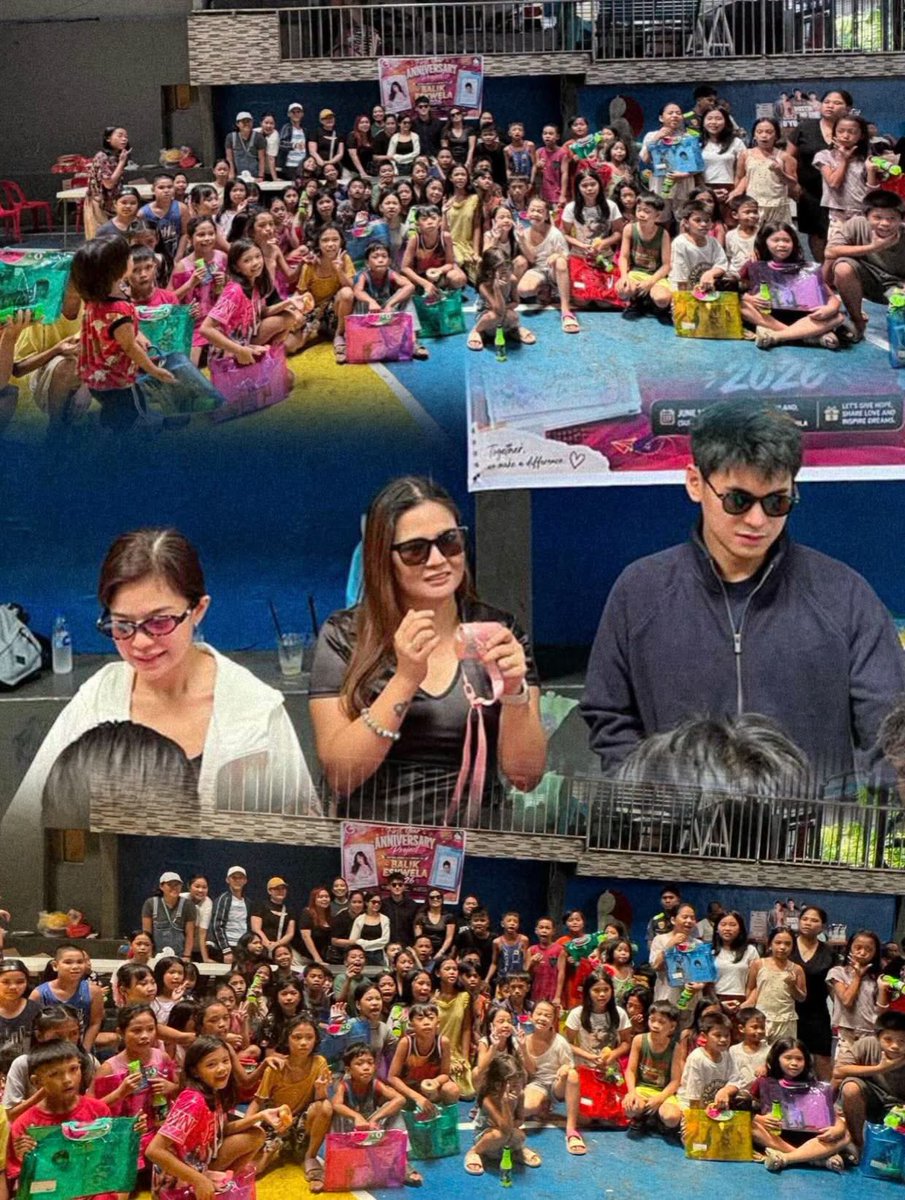
36
574
1,417
26,889
aiahkue 🐈⬛ retweeted

Jun 14
PhilHealth is omnipresent in every Filipino’s payslip, taking money whether workers like it or not. Yet in moments of greatest need, it often feels absent.
That’s what happened in the viral case of Maria Lourdes Sulit. Her husband Marvin contributed for over 25 years. When he died of a brain hematoma, PhilHealth declined to cover their nearly ₱200,000 hospital bill.
The reason: a technicality. He was confined for less than 24 hours. Under PhilHealth Circular No. 2020-0007, inpatient benefits require a 24-hour stay. But Circular No. 2025-0020 allows outpatient emergency benefits in cases ending in death within 24 hours. So which is it, then?
Sulit’s case is yet another crack in a system already under strain.
PhilHealth is mandatory under the Universal Health Care Law. Every Filipino is automatically enrolled, meaning every worker is required to contribute—regardless of income, preference, or private coverage.
And that has long been a point of frustration. Ask any tito, tita, tropa, or kakilala, and a familiar story emerges: PhilHealth often covers only a fraction of the bill. Families still shoulder significant out-of-pocket expenses.
Then come the administrative failures: the delays, the waiting, the stress on top of the hospitalization stresses.
Private health maintenance organizations help fill some of the gap. But even they can only do so much, often still leaving families exposed to catastrophic expenses that the public system is supposed to cushion.
And then, there’s the issue that refuses to go away: corruption.
PhilHealth has been repeatedly drawn into controversies involving anomalous claims, questionable reimbursements, and fund management issues that have reached Congress and the courts.
The latest one involved around ₱60 billion in excess funds—transferred to the national treasury. The Supreme Court later ruled that it’s unconstitutional, questioning whether health funds were being redirected away from their intended purpose.
The money has since been restored to PhilHealth, but its image isn’t getting any better. To many, it remains an agency that collects mandatory contributions, yet Filipinos don't get what they pay for.
Calls to abolish PhilHealth continue to surface. Let Filipinos keep their money. Rely on private insurance or personal means instead.
It’s understandable—especially in cases like Sulit’s—but abolition without replacement risks dismantling the country’s only nationwide health risk pool.
For all its flaws, PhilHealth remains the only attempt at universal coverage at scale. Removing it wouldn’t erase the need for protection.
So the real issue is not just whether to abolish PhilHealth, but what must replace or radically reform it.
Our Asian neighbors have made clearer choices. Thailand funds universal healthcare through general taxation, allowing patients to access care with minimal or no out-of-pocket costs. Malaysia heavily subsidizes public hospitals, keeping treatment affordable and predictable. South Korea operates a hybrid system where mandatory contributions are matched with reliable, structured coverage at the point of care.
The Philippines remains stuck in between: compulsory contributions without guaranteed protection, universal enrollment without universal certainty.
Now, the question is no longer whether PhilHealth should exist. Can it continue in its current form when the gap between contribution and protection remains this wide?
Can Filipinos still afford to pay premiums to a system they cannot rely on in a life-and-death situation?
Otherwise, PhilHealth only gives Filipinos hell.

49
1,099
2,451
61,188
aiahkue 🐈⬛ retweeted

Jun 14
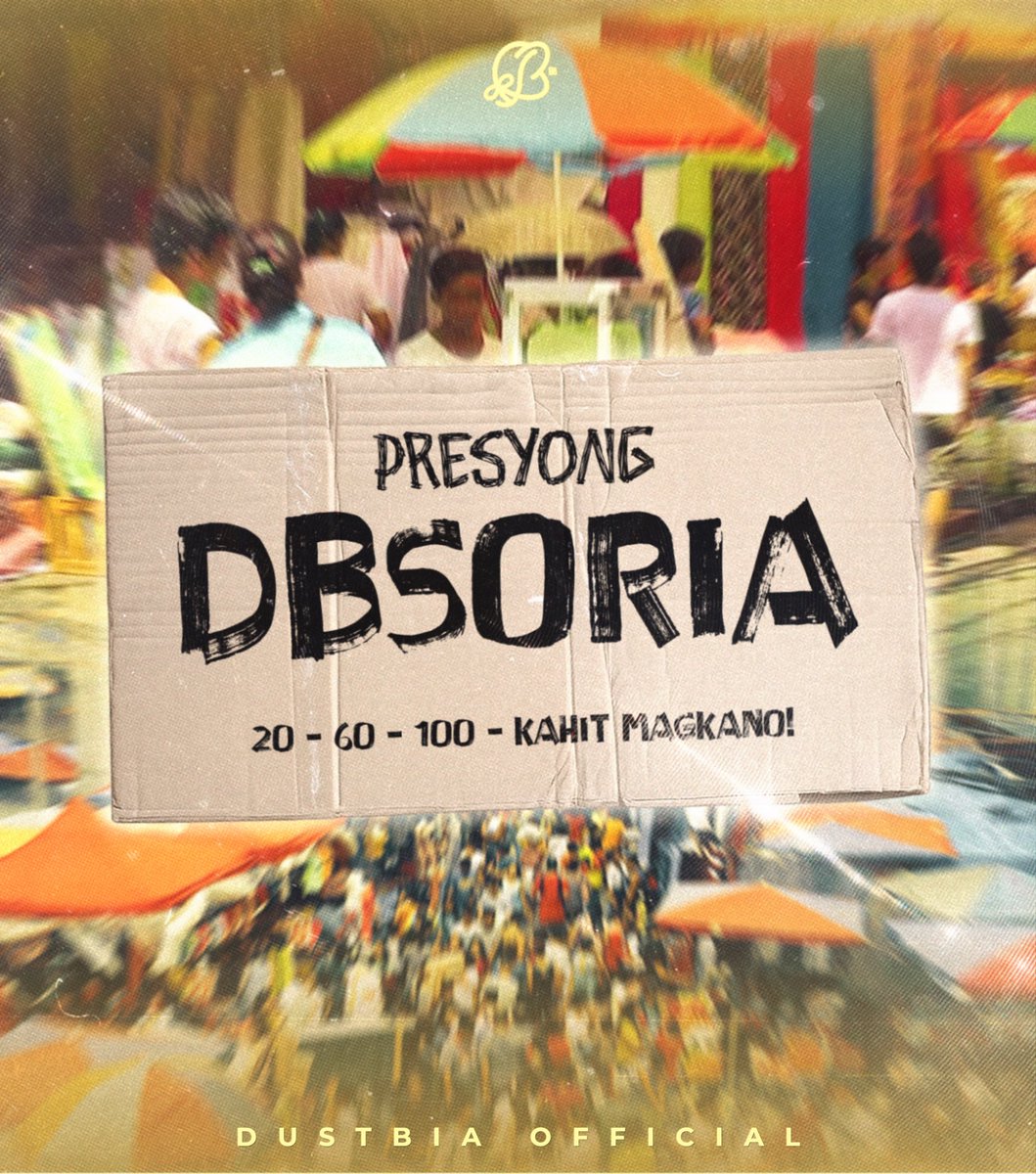
𝐏𝐀𝐒𝐎𝐊 𝐌𝐆𝐀 𝐒𝐔𝐊𝐈, 𝐏𝐑𝐄𝐒𝐘𝐎𝐍𝐆 𝐃𝐁𝐒𝐎𝐑𝐈𝐀!
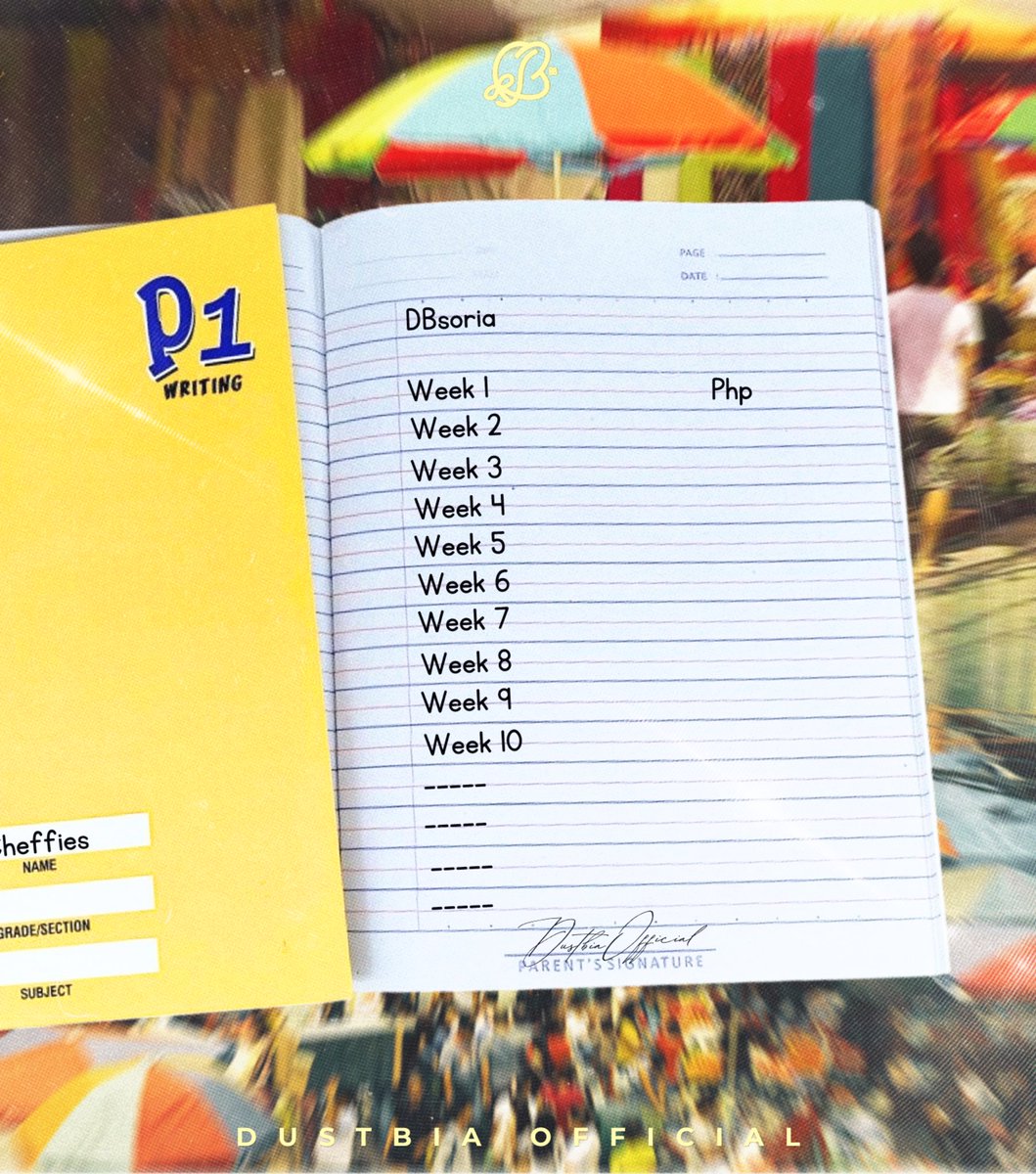
Simula next week, ilulunsad ang 𝗣𝗨𝗡𝗗𝗔𝗥 𝗣𝗔𝗥𝗔 𝗦𝗔 𝗗𝗨𝗦𝗧𝗕𝗜𝗔 sa ilalim ng 𝘿𝘽𝙎𝙊𝙍𝙄𝘼.
Isang tuloy-tuloy na ipon initiative ito para sa mas malaking ganap na matagal nang inaabangan ng 𝗖𝗵𝗲𝗳𝗳𝗶𝗲𝘀, ang 𝘀𝘂𝗸𝗶 𝗻𝗴 𝗗𝗕𝗦𝗢𝗥𝗜𝗔.
Mula 𝗪𝗲𝗲𝗸 𝟭, magkakaroon tayo ng weekly updates sa mga kontribusyon at total na naipon. Sa paraang ito, mas malinaw nating masusubaybayan 𝗮𝗻𝗴 𝘀𝗮𝗺𝗮-𝘀𝗮𝗺𝗮𝗻𝗴 𝗽𝗿𝗼𝗴𝗿𝗲𝘀𝗼 𝗻𝗴 𝗮𝘁𝗶𝗻𝗴 𝗗𝗕𝗦𝗢𝗥𝗜𝗔.
Bawat linggo, may ibabagsak na 𝗶𝗽𝗼𝗻 𝗰𝗵𝗮𝗹𝗹𝗲𝗻𝗴𝗲 upang mas maengganyo ang lahat na mag-ipon at mas mabilis nating maabot ang ating goal.
Sa 𝗗𝗕𝗦𝗢𝗥𝗜𝗔, bawat donasyon ay mahalaga. Barya man o butal, bahagi ito ng pundar na sabay-sabay binubuo at patuloy na lumalakas sa bawat kontribusyon, habang sabay tayong papalapit sa pinapangarap nating ganap. 💛
𝗣𝗔𝗔𝗟𝗔𝗟𝗔 𝗦𝗔 𝗠𝗚𝗔 𝗦𝗨𝗞𝗜: Sa bawat 𝗗𝗕𝗦𝗢𝗥𝗜𝗔 update, ambagan, donation drive, at iba pang related posts, gamitin ang #SukiSaDBSORIA.
9
543
1,037
48,158
aiahkue 🐈⬛ retweeted

Jun 14
'CAUSE WE NEVER GO OUT OF STYLE 🪩💕
Reel partners #DustinYu and #BiancaDeVera (#DustBia) complemented each other's looks in matching Fatima Beltran creations as they attended the recent Mega Ball 2026.
📸dustinyuu, biancadeveraa/Instagram



9
353
1,015
12,187
aiahkue 🐈⬛ retweeted

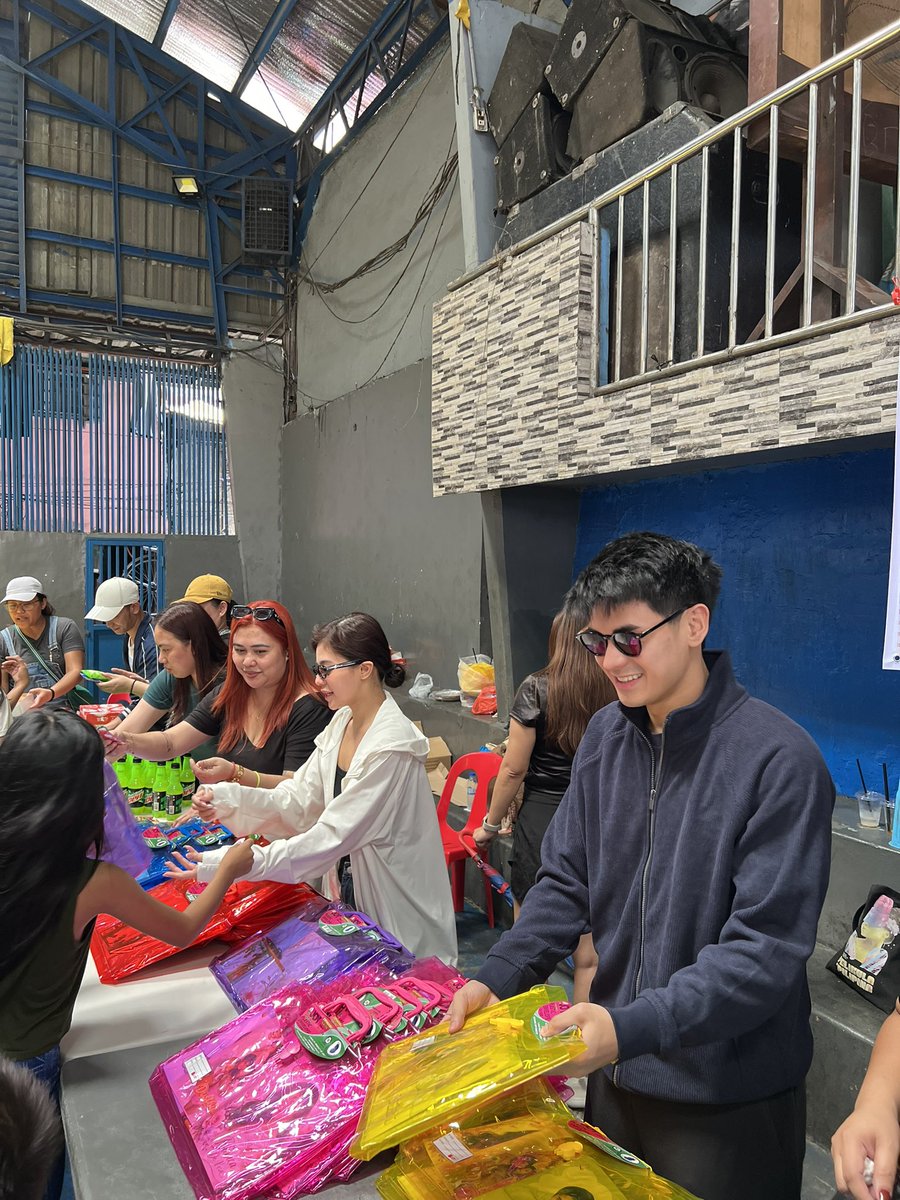
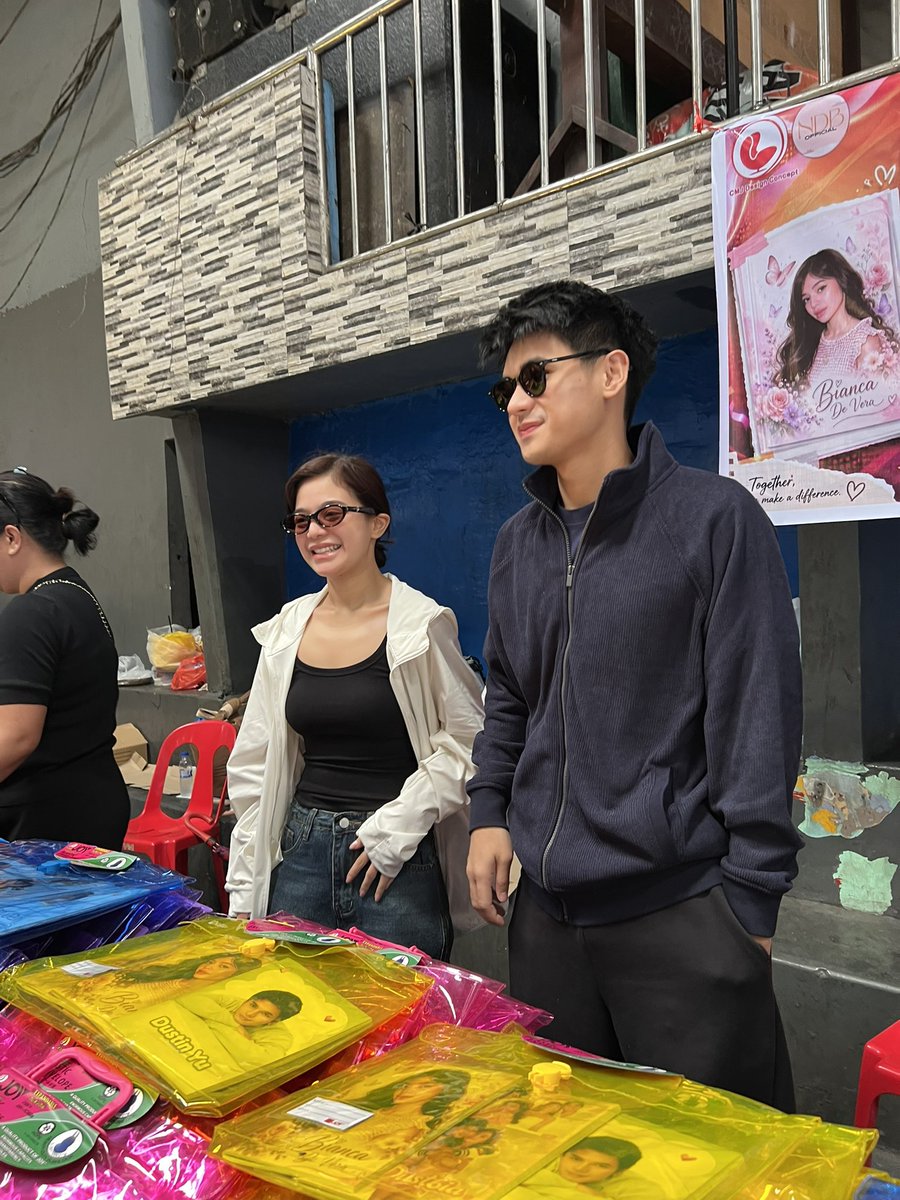
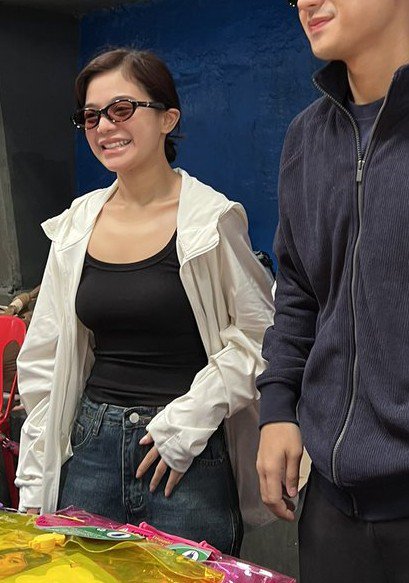
With hearts full of gratitude, we would like to extend our sincerest thanks to everyone who supported the Balik Eskwela 2026 Project of Dustbia Angels Official in partnership with Ninang Yoj @YJoyieeeee @DYUniverseOFC
As we celebrate the 1st Year Anniversary of Dustbia Angels Official, this outreach project became even more meaningful because of your generosity, kindness, and unwavering support. Through your donations, time, and efforts, we were able to provide 100 school supplies and educational assistance to atudents from Happyland, Brgy 105, Tondo, Manila, helping them start the school year with hope and confidence.
To our donors, sponsors, volunteers, supporters, and the entire Dustbia community—thank you for believing in our mission and for making a positive impact in the lives of these children.
Thank you also to @dustinyuu and @biancadeveraa for being our inspiration.
This achievement is a reflection of what we can accomplish when we come together with a shared purpose: to inspire, uplift, and give back to the community.
#dustbiaangels #dustinyu #biancadevera
32
673
1,552
52,193

aiahkue 🐈⬛ retweeted
Jun 13
𝐗𝐈𝐀𝐎𝐌𝐈 𝐗 𝐃𝐔𝐒𝐓𝐁𝐈𝐀: 𝐆𝐀𝐌𝐄 𝐎𝐅 𝐂𝐇𝐄𝐅𝐅𝐈𝐄𝐒
When 𝗫𝗶𝗮𝗼𝗺𝗶 meets 𝗗𝘂𝘀𝘁𝗕𝗶𝗮, every capture turns into something unforgettable. 𝗧𝘄𝗼 𝗹𝘂𝗰𝗸𝘆 𝗖𝗵𝗲𝗳𝗳𝗶𝗲𝘀 will bring home a 𝗫𝗶𝗮𝗼𝗺𝗶 𝗦𝗼𝘂𝗻𝗱𝗽𝗹𝗮𝘆 𝗼𝗿 𝗥𝗲𝗱𝗺𝗶 𝗪𝗮𝘁𝗰𝗵 𝟲, plus a special 𝙢𝙚𝙚𝙩 𝙖𝙣𝙙 𝙜𝙧𝙚𝙚𝙩 𝙖𝙣𝙙 𝙥𝙝𝙤𝙩𝙤 𝙢𝙤𝙢𝙚𝙣𝙩 𝙬𝙞𝙩𝙝 𝘿𝙪𝙨𝙩𝙞𝙣 𝙖𝙣𝙙 𝘽𝙞𝙖𝙣𝙘𝙖. 💛
Entry period runs 𝘂𝗻𝘁𝗶𝗹 𝗝𝘂𝗻𝗲 𝟭𝟴 𝗼𝗻𝗹𝘆. Visit 𝗕𝗼𝗻𝗶𝗳𝗮𝗰𝗶𝗼 𝗛𝗶𝗴𝗵 𝗦𝘁𝗿𝗲𝗲𝘁 𝗼𝗿 𝗖𝗲𝗻𝘁𝗿𝗮𝗹 𝗦𝗾𝘂𝗮𝗿𝗲 and turn your 𝗫𝗶𝗮𝗼𝗺𝗶 𝟭𝟳𝗧 𝗦𝗲𝗿𝗶𝗲𝘀 𝟯𝗗 𝗢𝗢𝗛 𝗺𝗼𝗺𝗲𝗻𝘁 𝗶𝗻𝘁𝗼 𝘆𝗼𝘂𝗿 𝘄𝗶𝗻𝗻𝗶𝗻𝗴 𝗲𝗻𝘁𝗿𝘆.
𝗠𝗲𝗰𝗵𝗮𝗻𝗶𝗰𝘀:
1. Like and engage with the Xiaomi Philippines 3D OOH video.
2. Take a photo or video with the Xiaomi 17T Series 3D OOH display at Bonifacio High Street or Central Square, then post it on any of your social media accounts.
3. Tag Xiaomi Philippines and use the hashtag #Xiaomi17TSeries.
𝗫𝗶𝗮𝗼𝗺𝗶 𝗜𝗚 𝗣𝗼𝘀𝘁: instagram.com/reel/DZgwvVMAp…

2
328
657
16,116
aiahkue 🐈⬛ retweeted

Jun 13
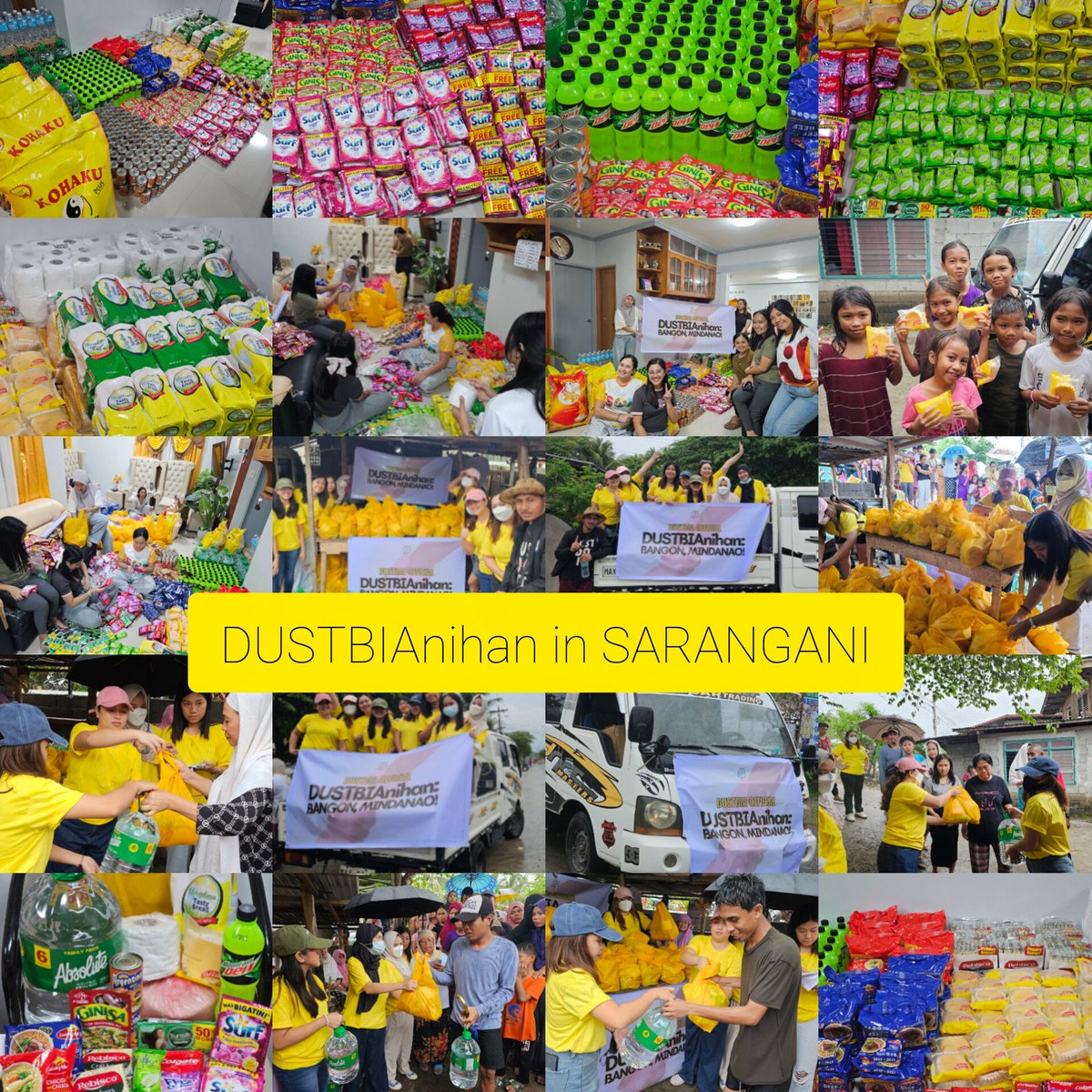
Thank you @dusbiofc for taking initiative to support communities affected by recent earthquake in Gensan and Sarangani Province.
To our DB Gensan volunteers, thank you for showing up w/ willing hearts. Together, every helping hand makes difference 💛
@dustinyuu @biancadeveraa
4
250
688
13,344

aiahkue 🐈⬛ retweeted

Jun 13
eh hindi pa tapos yung kilig ✋🏼 BEAUTIFUL, INDEED!!!!!!
🔗 vt.tiktok.com/ZSQHpdrYG/
2
346
965
19,193

Ninong Ry Vlog Core Hahahahha
@dustinyuu @iamriverjoseph ang O-OA niyo hanep tawang tawa ako.
Panoorin niyo full vid sa yt guys! mas LT pa dito.
4
59
269
7,184
Jun 13
Dustin Yu with his Mountain Dew ehehehehe
DUSTIN DO THE DEW
46
276
2,580