
Joined December 2019
- Tweets 4,923
- Following 114
- Followers 762
- Likes 3,854
705 Photos and videos



High-agency people genuinely believe that reality is negotiable in a "there are always more levers to pull" way. It's about having this bone-deep conviction that if you keep poking at something from different angles, eventually something will give.

High-agency people are relentless reality-benders who treat life like a puzzle they will solve.
84
1,019
9,586
811,259

Jun 10
Are Google servers facing some issue?
Earlier searches were not working; now Gmail and YouTube are not working.
1
2
381
Jun 10
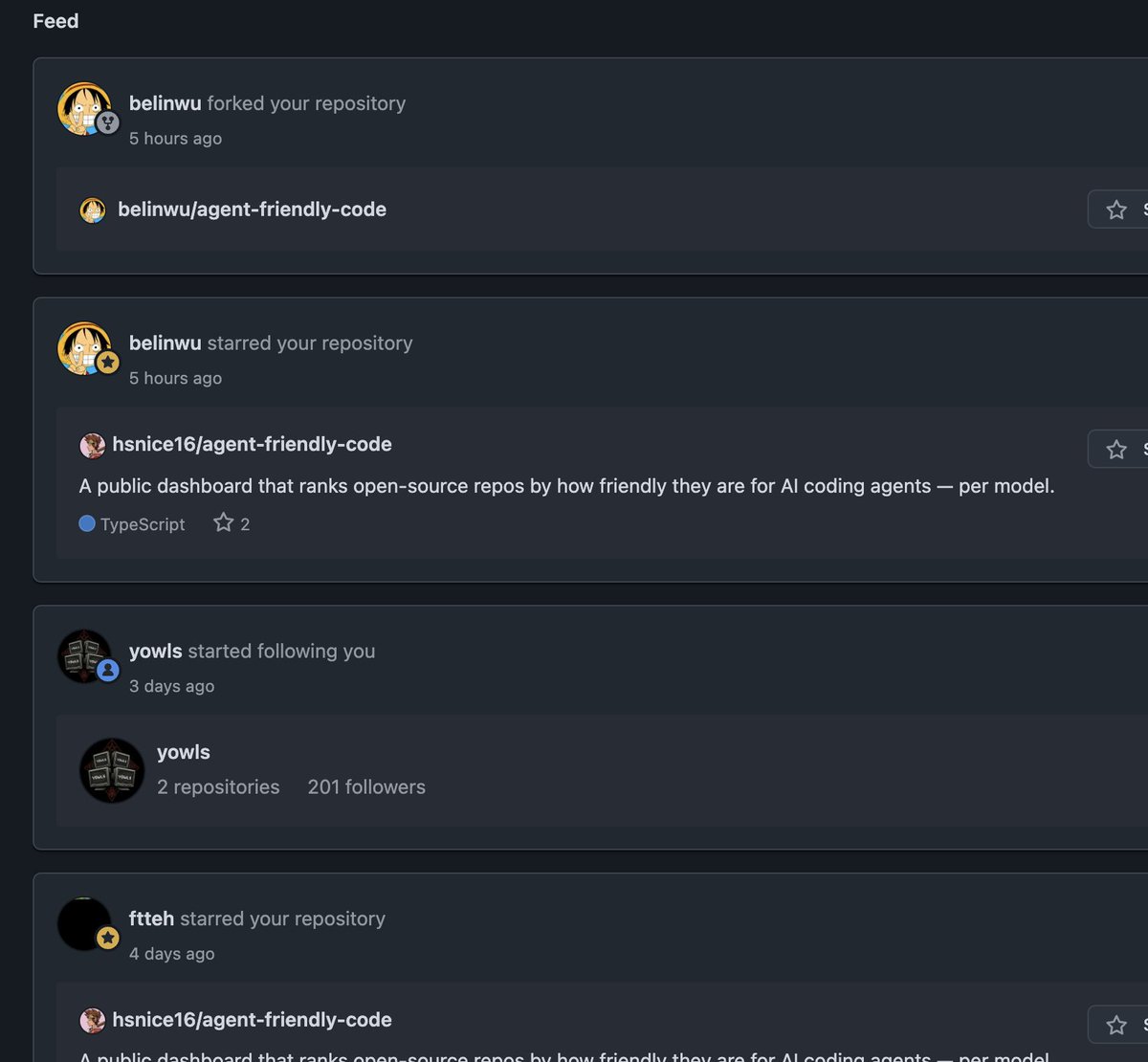
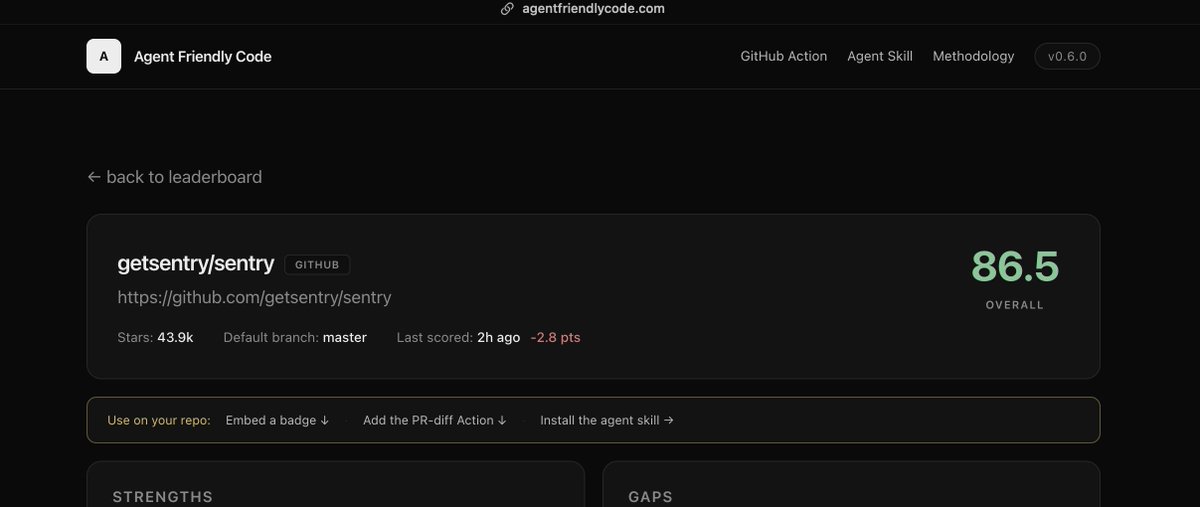
people are finding out about the agent-friendly code repository..
37
Jun 9
What is new in a crypto wallet extension these days?
When I was working on one, in '23-24, the side panel was something that came up. Swaps, Bridges, and NFTs (it was big back then) were some common things.
What is new today?
Perps inside wallet? Don't they redirect to the dashboard for a good user experience?
62
Jun 3
Yesterday I was having this thought, is this because it takes time for a thing in a big org? What I have read and heard on the internet is that in a big org, there are many layers through which a decision has to go, so could that be a reason to not see the outcome of tokens getting spent?
Suppose there are 1000 folks on a $200 per month plan, that is $200,000 in a month, but the thing they worked on itself took more than a month to pass all the layers and to go public, could that be an issue?

83
Jun 2
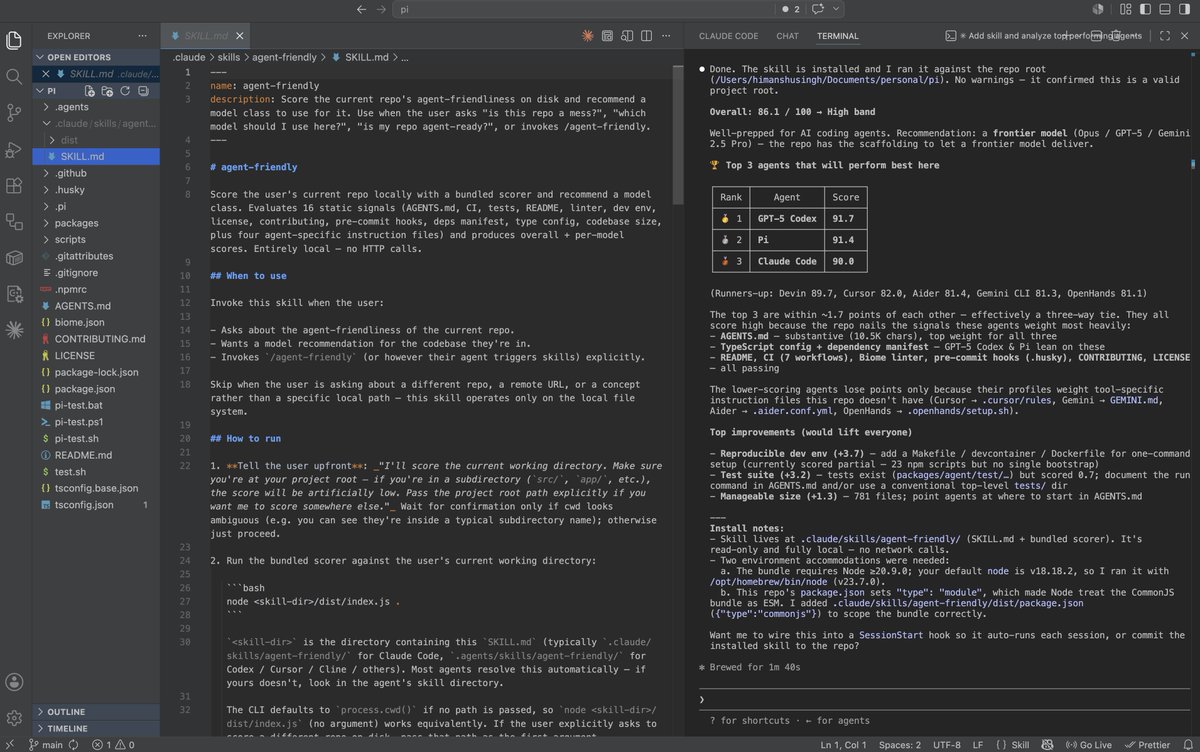
Pi is building Pi.
Installed the Agent Friendly Code skill in the codebase and ran it.
Pi has a 91.4 score, after Codex, which has 91.7 out of 100.
@mitsuhiko
Jun 1

Maybe this can get me in agentfriendlycode.com/repo/4…
2
1
299
Jun 2
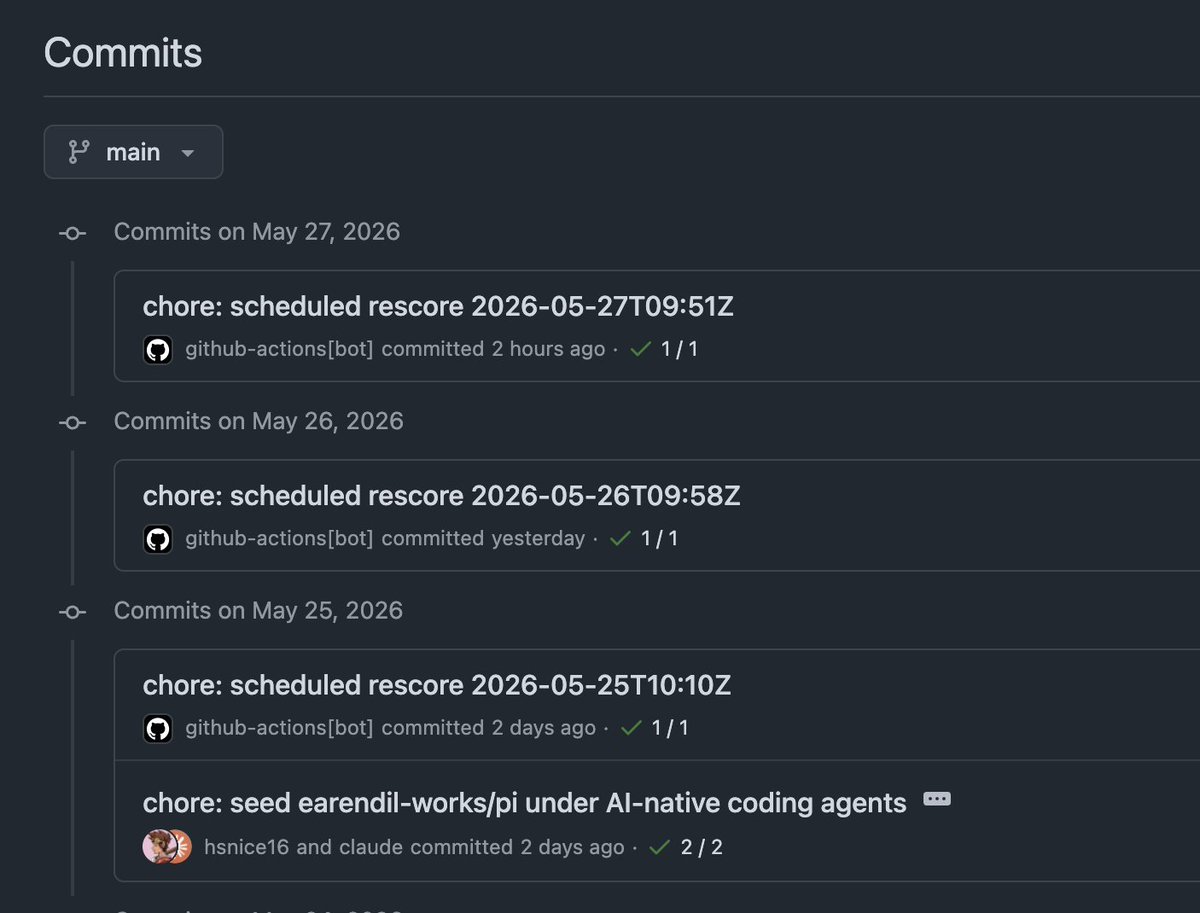
I was checking the project on GitHub. It felt a lot like Agent Friendly Code. You can use it as a Skill and can also use it on GitHub Action, like AFC.
AFC also has a dashboard, which might not make sense for React Doctor.
Gg!
Jun 2

go try react native doctor!
npx react-doctor@latest
65
Jun 2
Does it make sense to know which agent was used on a project? I know this does the revelation if anyone is saying anything otherwise, but does it make sense?
2,378
Jun 2
If there are comments everywhere in the codebase, can we say it was written by an agent?
25
Jun 2
Badges are live.
If your project is using the AFC badge, but it is not appearing on the dashboard, please let me know.
36
May 30
In my first semester of undergrad, when I was doing C , I had read that to name a variable, one thing you can do is remove all the vowels from the word, like "rabbit" will become "rbbt".
Does that still hold? Does AI use that?
43
Himanshu Singh retweeted
May 30
True. They are a good example of frontends.
When I was recording myself to discuss Product Thinking, I mentioned Based.
youtube.com/live/3ZNJwxri5JE…
1
254
May 30
What will be the value of 4 factorial?
To find 4! = 4 * 3!
3! = 3 * 2!
2! = 2 * 1!
And, we know 1! is 1.
Can we say f(x) = x * f(x-1)?
That is Recursion.
You have a base terminating value, 1! = 1.
And, you are calling the same function with a smaller input till it reaches the terminating value.

2
52
May 29
What if a sci-fi movie has a plot where every person on a planet has a unique name, like a domain
119
May 27
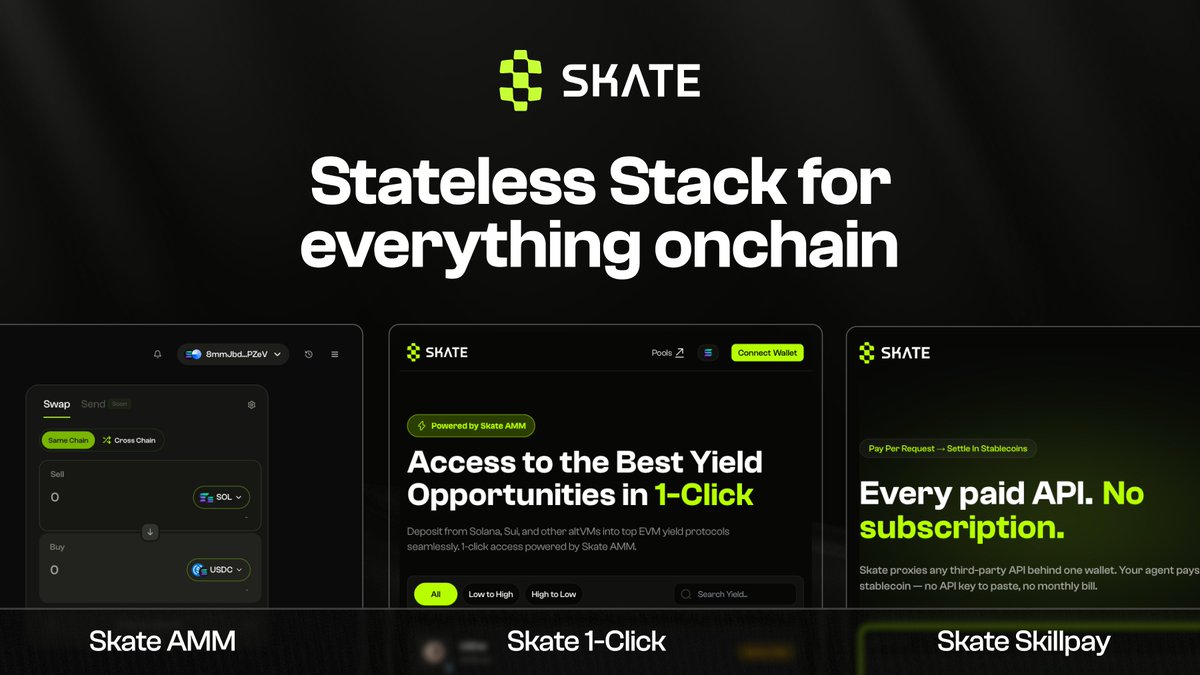
Skate 1-Click and Skate Skillpay are some of the latest things I have worked on 😀

63
May 27
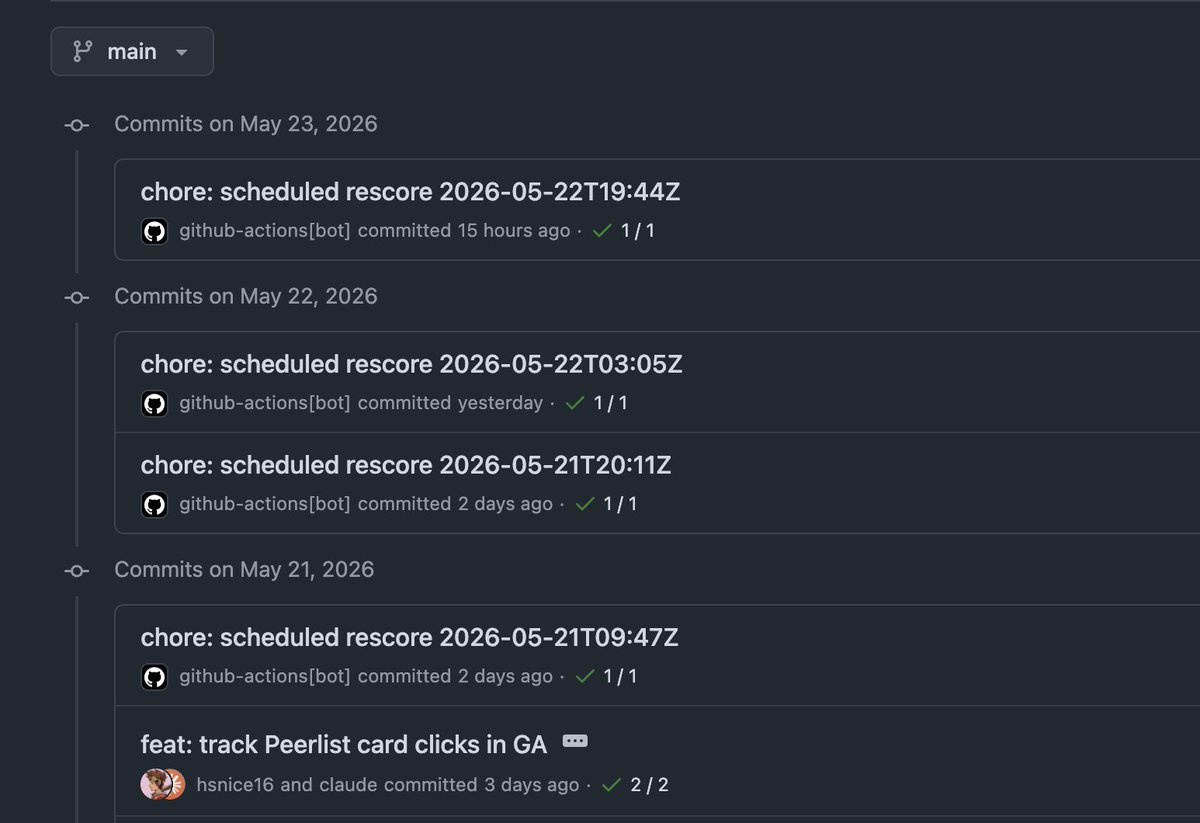
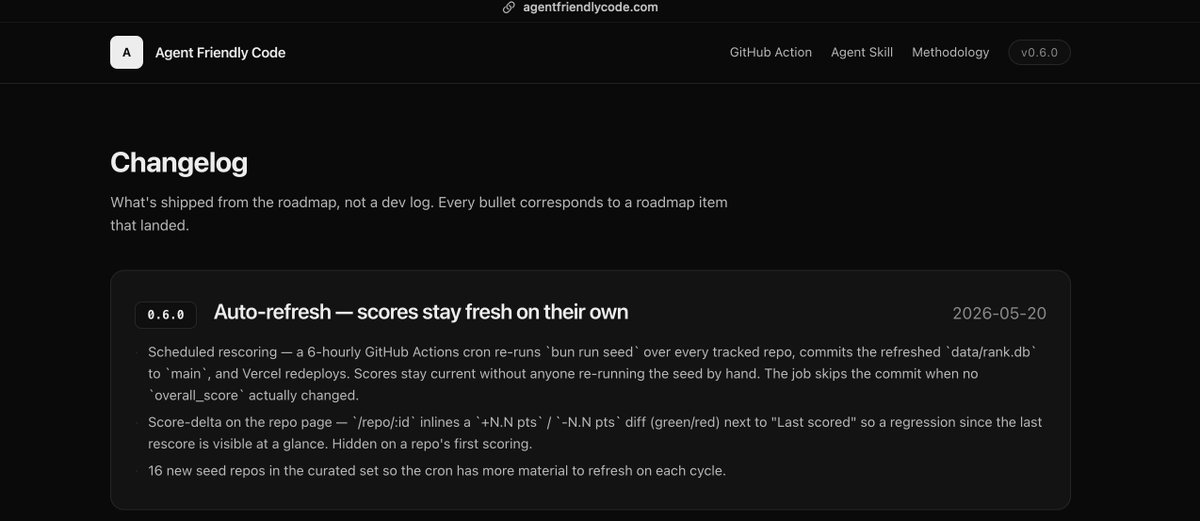
The @github action is updating the dashboard regularly. You should see the most updated score now.
agentfriendlycode.com
1
1
92
May 27
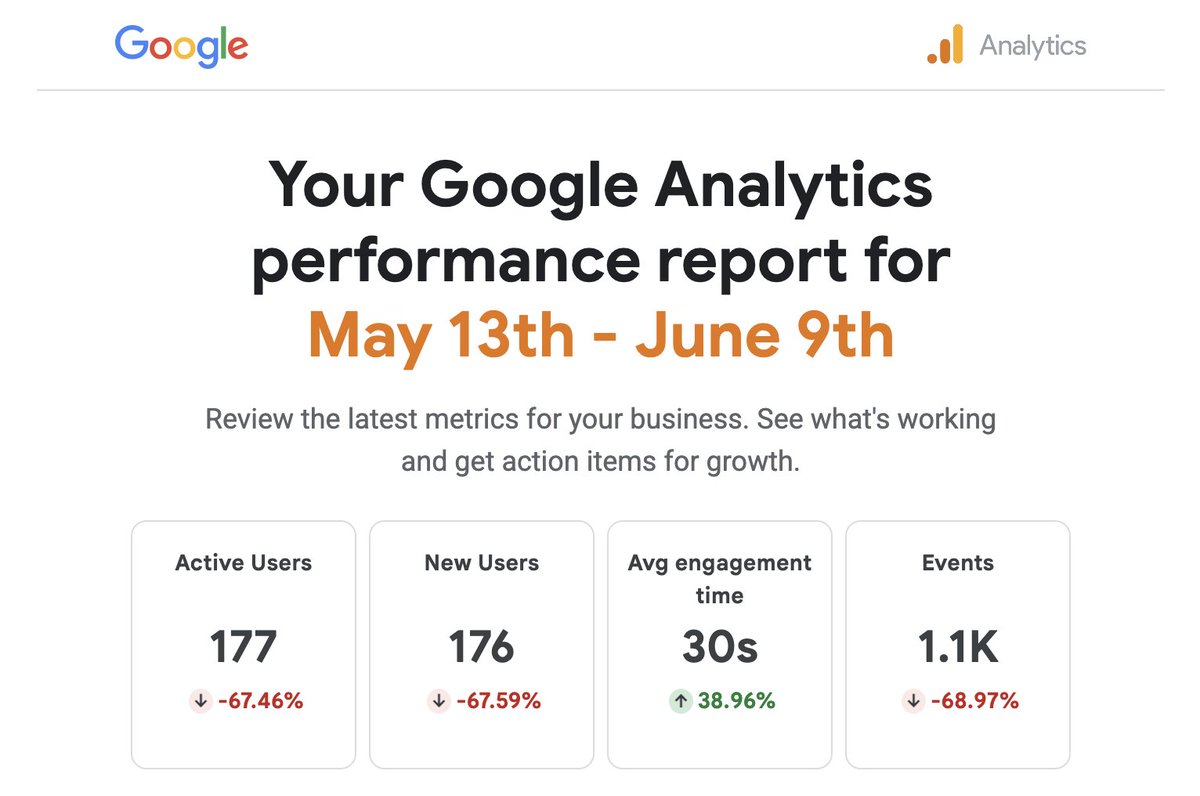
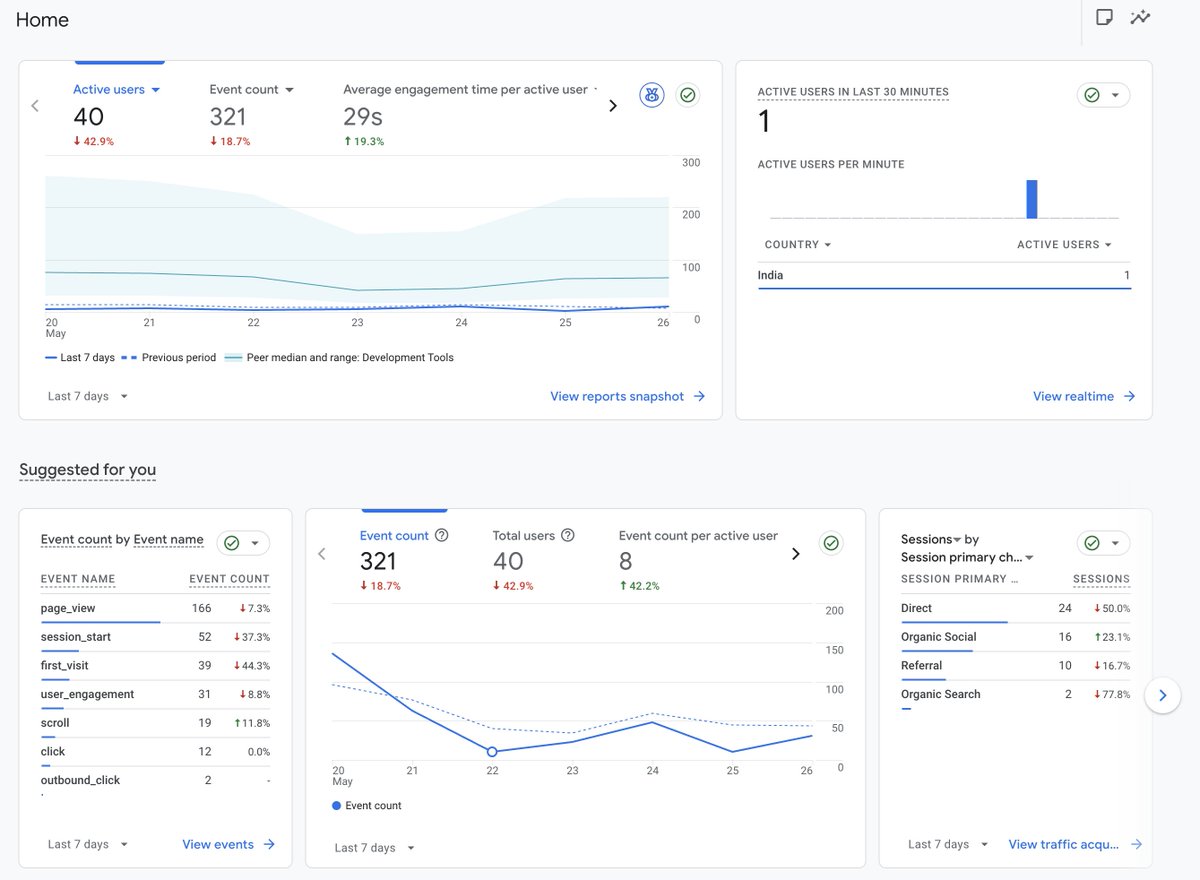
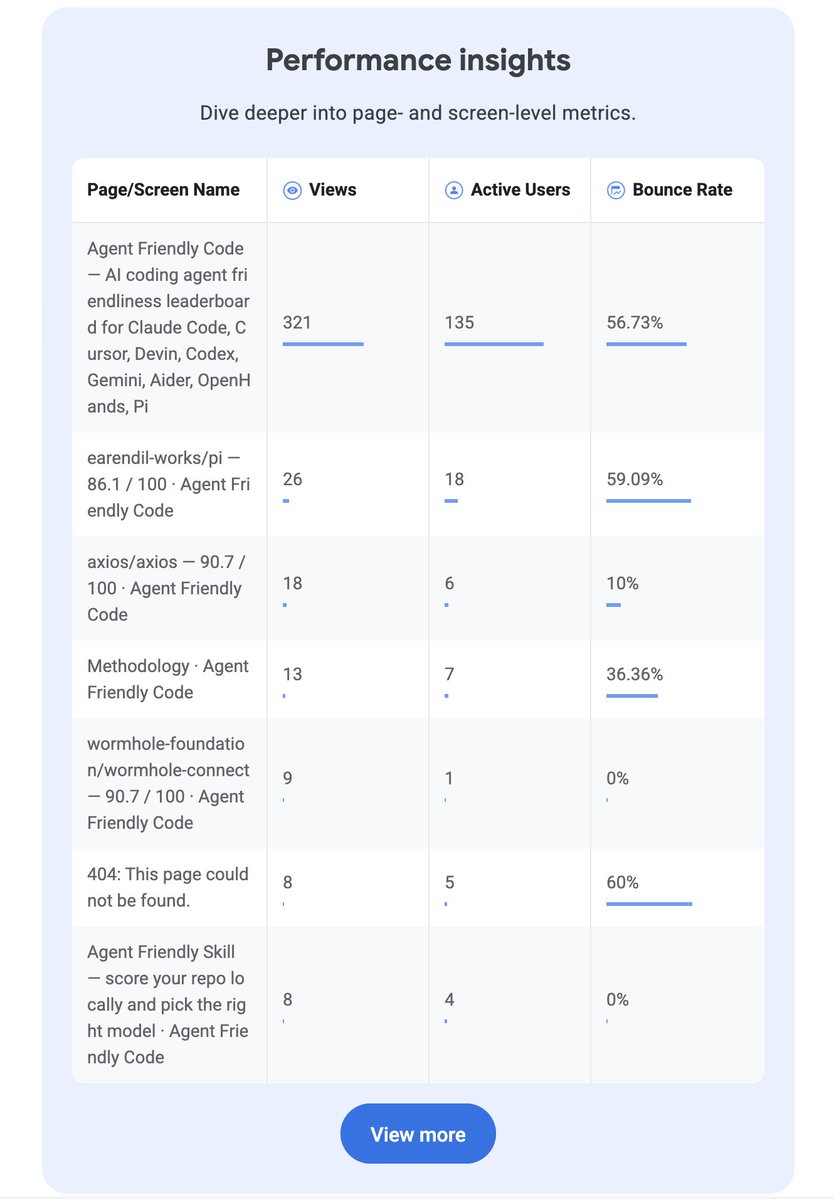
Analytics are not too good, but it's okay. We are hanging there.
1
24
May 27
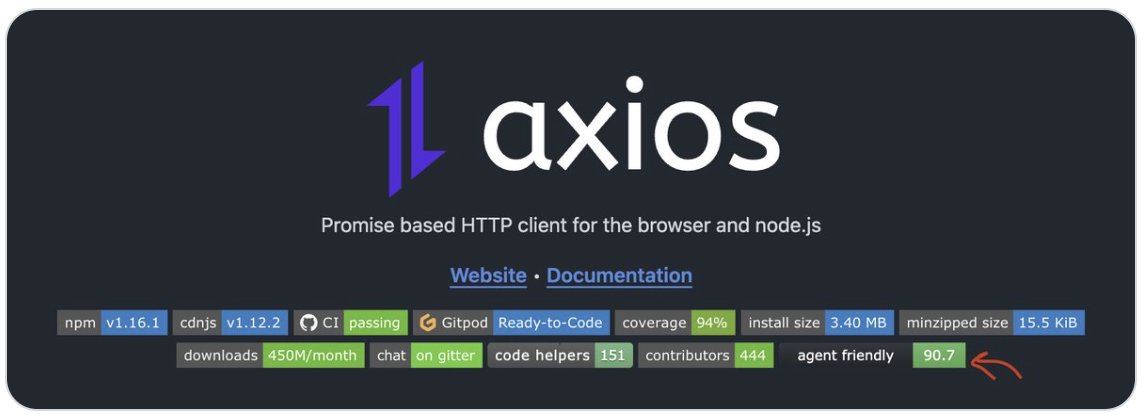
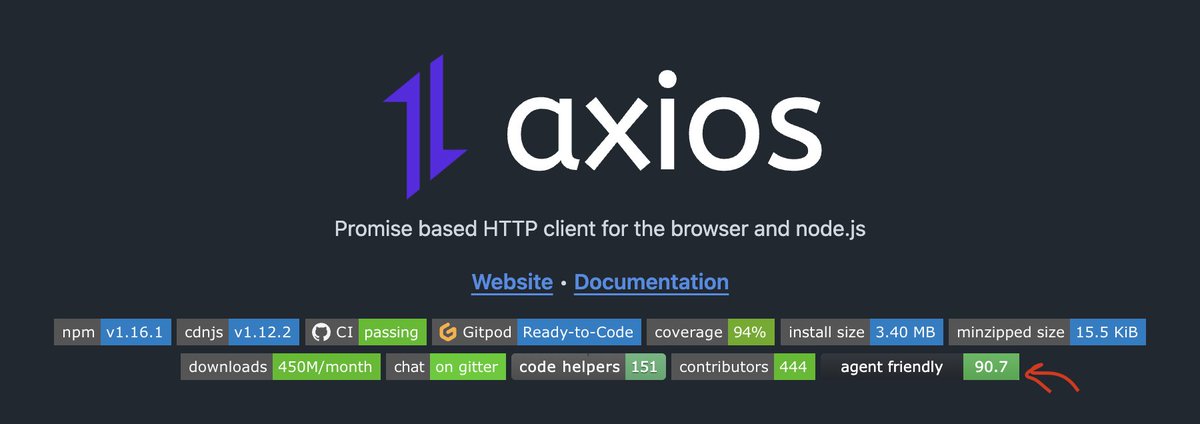
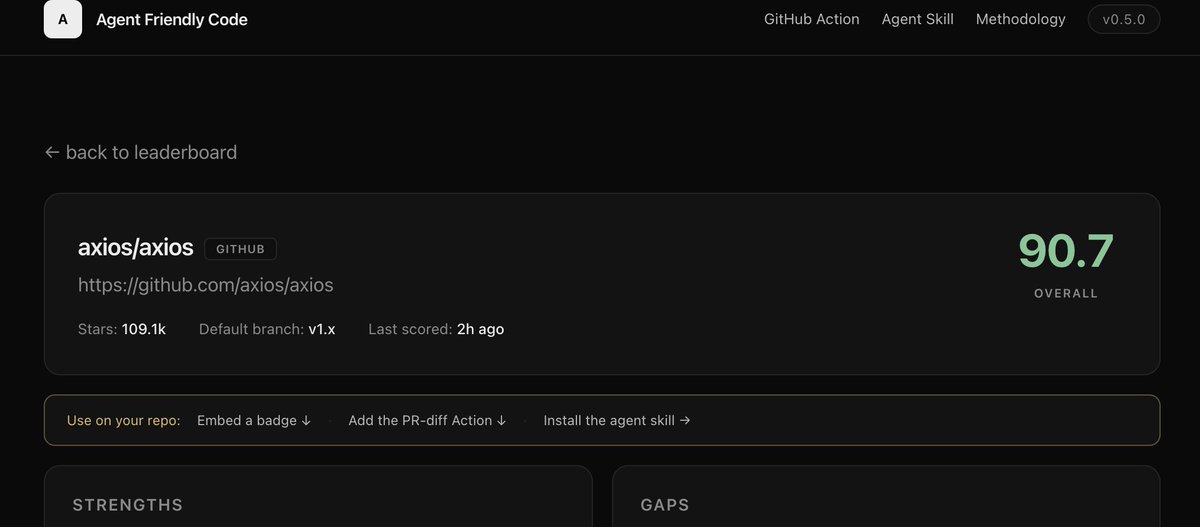
The axios project is using our badge to show the score in their README, so that's good.
github.com/axios/axios
17