Bluetooth to Space. Building a low earth orbit satellite network that any Bluetooth-enabled device can connect to.

Joined September 2021
33 Photos and videos
SpaceX went public yesterday. What does this mean for the rest of the space industry? SpaceX proved access to space could get dramatically cheaper. The biggest winners over the next decade may not be SpaceX. They may be the companies built because of it.
1
2
64
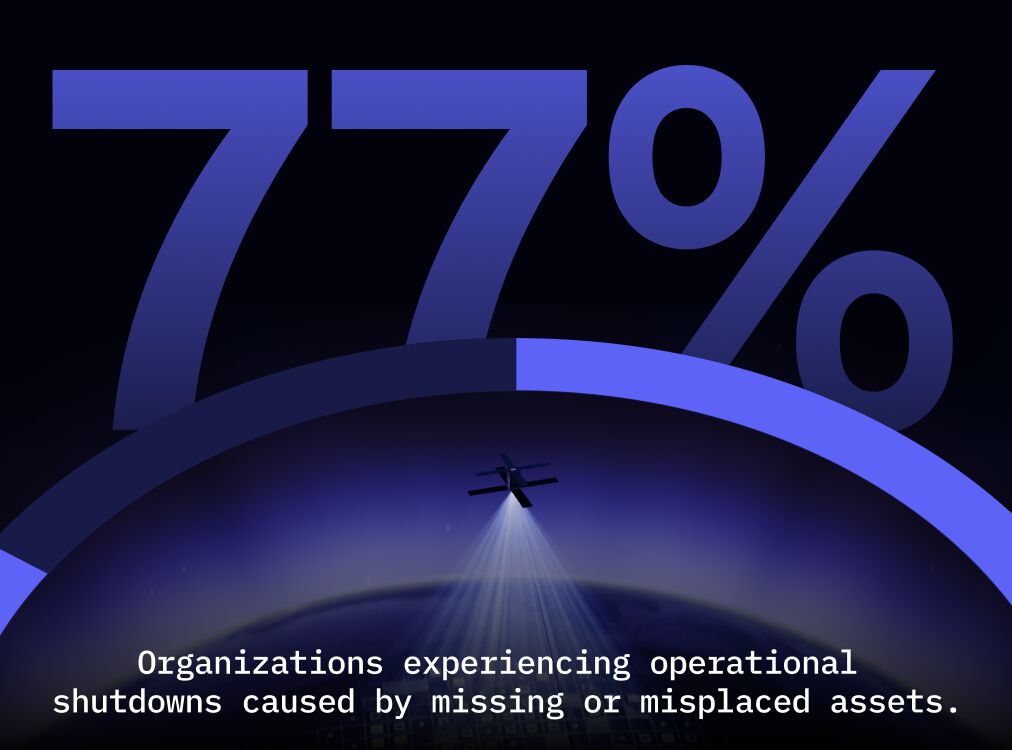
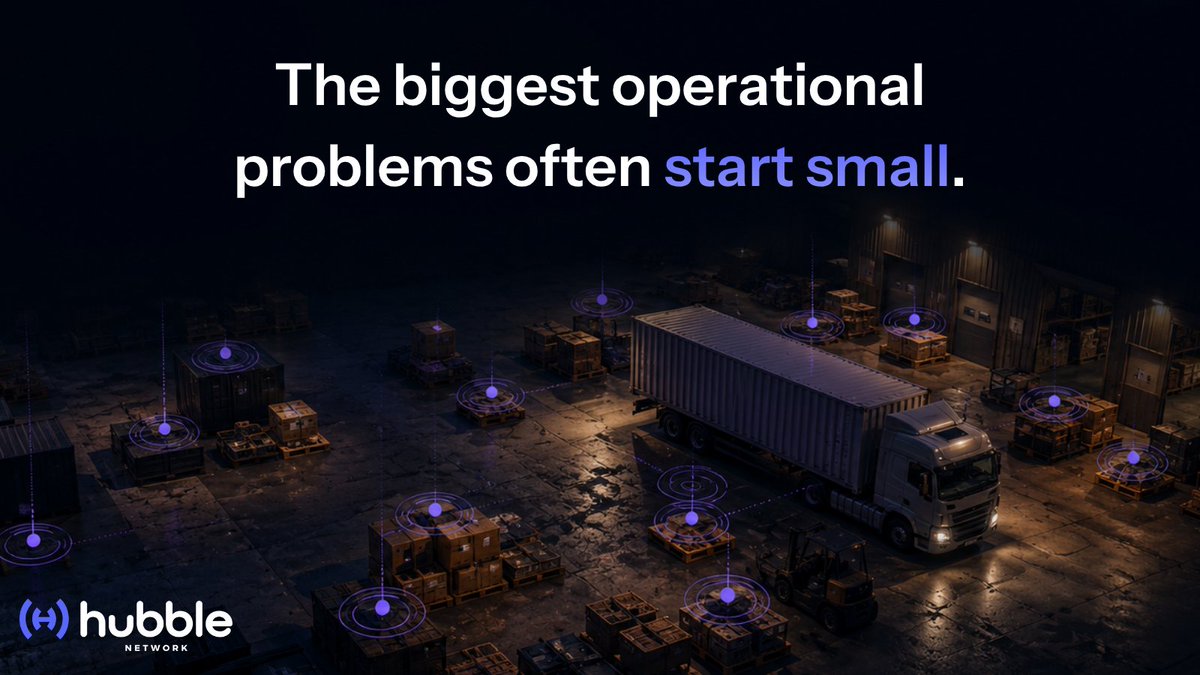
77% of organizations have experienced operational shutdowns caused by missing or misplaced assets. For some, that's tens of millions of dollars gone. The tracking technology has existed for decades. The economics didn't work. A $50 GPS tracker on a $5 pallet never made sense. Neither did a cellular plan for a soil sensor in the middle of nowhere. A low-cost Bluetooth tag connected to a global network changes that equation. At that point, companies stop deciding what's worth tracking. They start tracking everything.
1
4
174
The most interesting infrastructure shifts happen when existing technology starts doing things it was never expected to do. Bluetooth was designed for communication across a room. Today, it’s being used for global asset tracking. That’s a transformative shift for connected devices.
3
118
The most valuable infrastructure is usually invisible. GPS. Cloud. Wi-Fi. Most people don’t think about the systems behind them anymore. They just expect them to work. Industrial IoT connectivity is heading in the same direction.
3
175
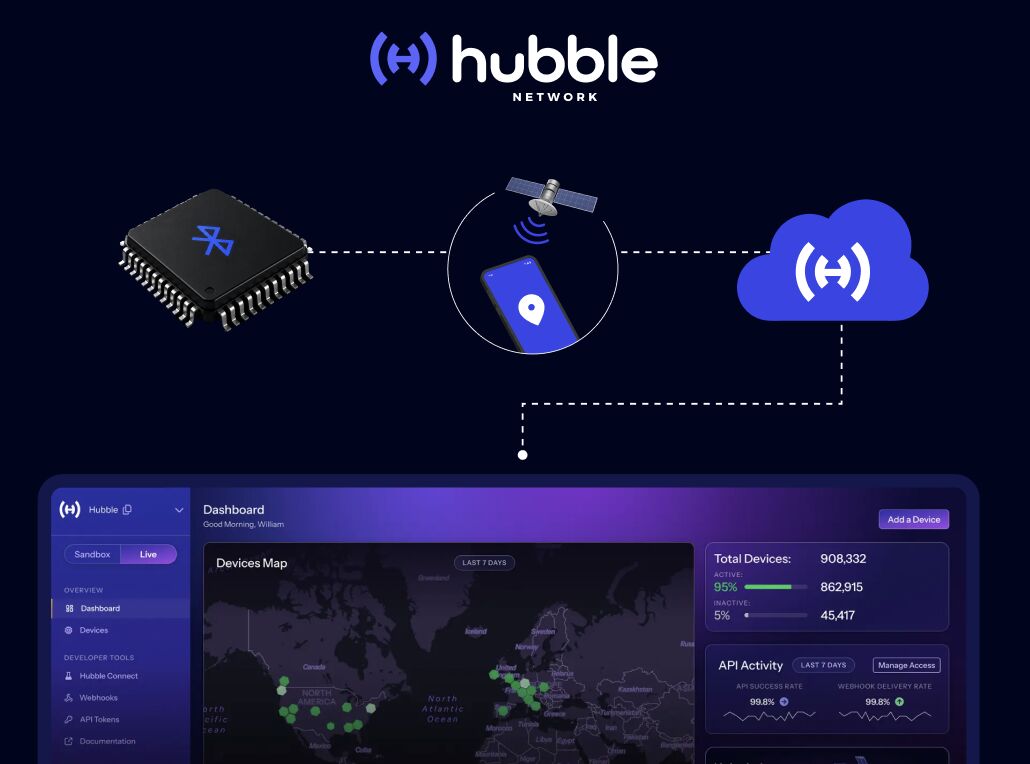
We get asked this a lot: How does a Bluetooth chip, originally designed to communicate across a room, connect to a satellite 600 kilometers away? The chip stays the same. The satellite is what’s different. Hubble’s network enables standard Bluetooth hardware to transmit small packets of sensor data directly to orbit, without changing the hardware already inside the device. That’s a very different model for global connectivity.
1
5
169
Until recently, connecting standard Bluetooth hardware directly to satellites sounded unrealistic. Now the conversation is shifting toward deployment scale, infrastructure economics, and what becomes possible once low-power hardware can operate globally. That’s not a small infrastructure shift.
1
83
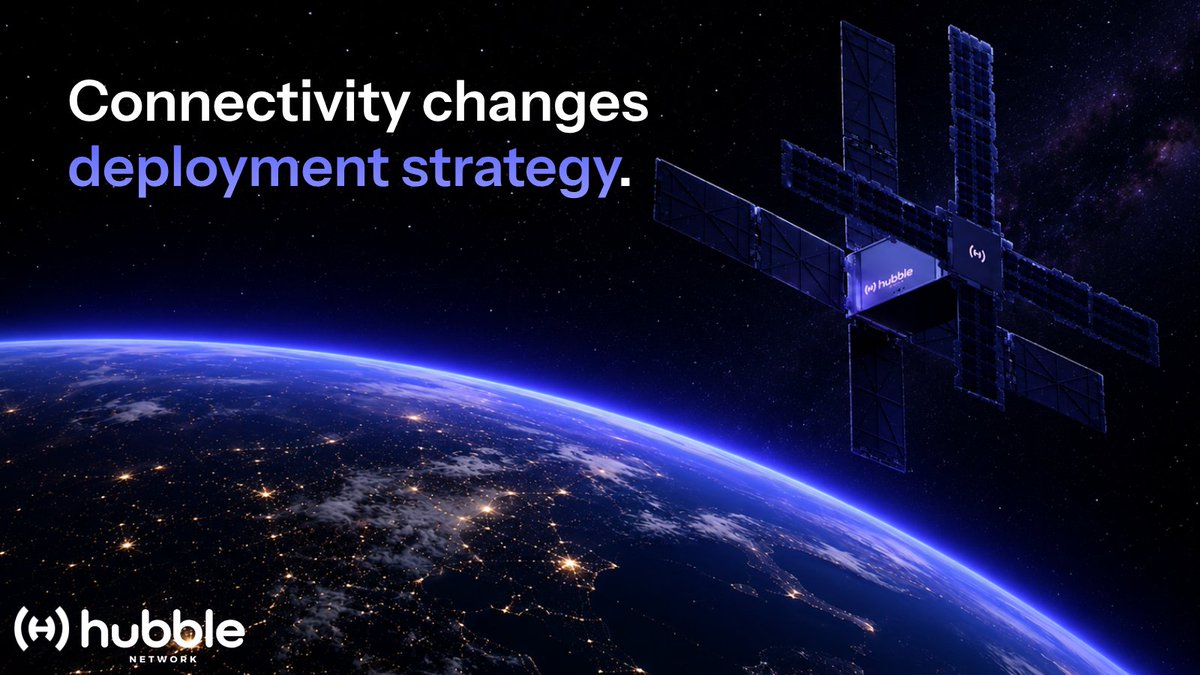
The infrastructure layer behind connected systems matters a lot more than most people realize. When connectivity becomes reliable and inexpensive enough, entire categories of assets suddenly become worth monitoring for the first time. That changes how companies think about operations, maintenance, logistics, and deployment strategy altogether.
2
74
hubblenetwork retweeted
(NEW EPISODE) This Serial Entrepreneur Raised Over $100 Million To Enable Standard Bluetooth Devices To Communicate Directly With Satellites From Anywhere On Earth @hubble_network alejandrocremades.com/this-s… @GaingelsVC @ycombinator @seraphim_space #entrepreneur #business #success
2
3
109
OpenAI is building robots. Every robot becomes a source of continuous real-world data, and that data is often just as valuable as the robot itself. The challenge isn't generating that data. It's moving it reliably. As physical AI expands into infrastructure, agriculture, and field operations, connectivity becomes critical. Data is useless if it never makes it back to the systems that need it. That's exactly the kind of connectivity challenge Hubble is built to solve.
2
98
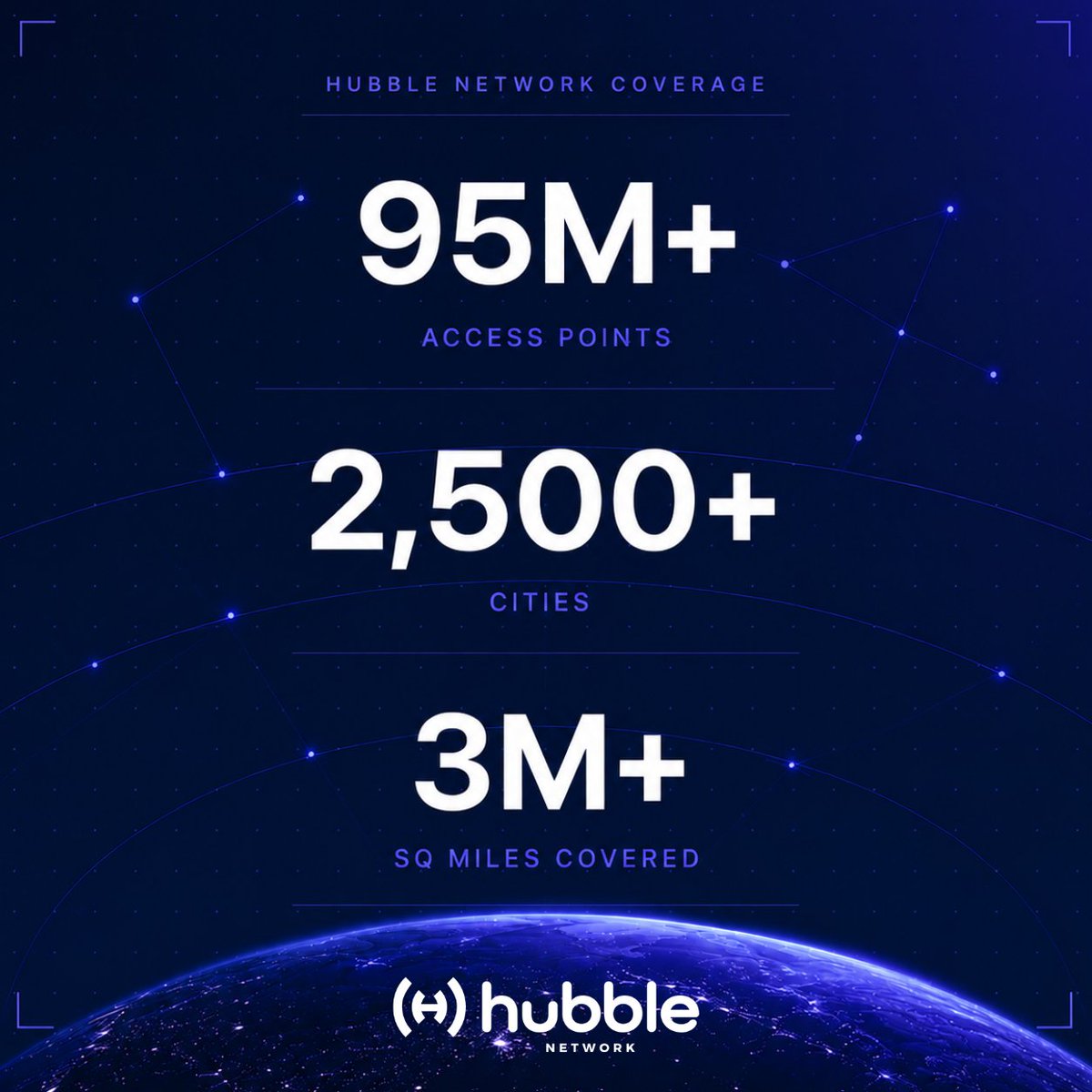
Most connectivity infrastructure was built around where people live. Hubble is built around where operations actually happen. From industrial infrastructure to agriculture to global shipping, connected systems need to keep reporting far beyond traditional coverage assumptions.
4
91
Hubble’s Head of Software recently joined the Mr. Beacon Podcast to break down what it actually takes to make Bluetooth-to-space work at scale. From hybrid terrestrial satellite infrastructure to ultra-low-cost global asset tracking, it’s a fascinating look at how existing Bluetooth hardware is starting to operate far beyond traditional coverage limits. Watch here: youtube.com/watch?v=DVviVLTh…
1
6
255
One of the more interesting things happening in connectivity right now is that existing wireless hardware is starting to operate in environments it was never originally designed for. A standard Bluetooth chip communicating with satellites would have sounded unrealistic not very long ago. Now it’s becoming part of how global connected systems get built.
1
3
140
Software scales quickly. Physical infrastructure doesn’t. That’s why so many connected systems look seamless in demos, then become much harder once they move into the real world. The gap between software assumptions and physical-world conditions is where a lot of infrastructure starts breaking down. What infrastructure limitation do you think the industry still underestimates most?
2
81
Connectivity gets really disruptive once it becomes cheap enough to make deployment always a yes. That’s when companies start monitoring things they previously ignored entirely. Lower-cost assets. Temporary deployments. Remote infrastructure. Physical systems that never made economic sense to connect before. That shift is already changing how connected products get built.
2
108
Most connected devices don’t fail because the hardware breaks. They fail because the infrastructure around them does. The sensor works. The battery works. The software works. Then the device leaves a predictable environment and suddenly reporting becomes inconsistent, delayed, or disappears entirely. That’s the part of connected systems the industry still underestimates.
2
85
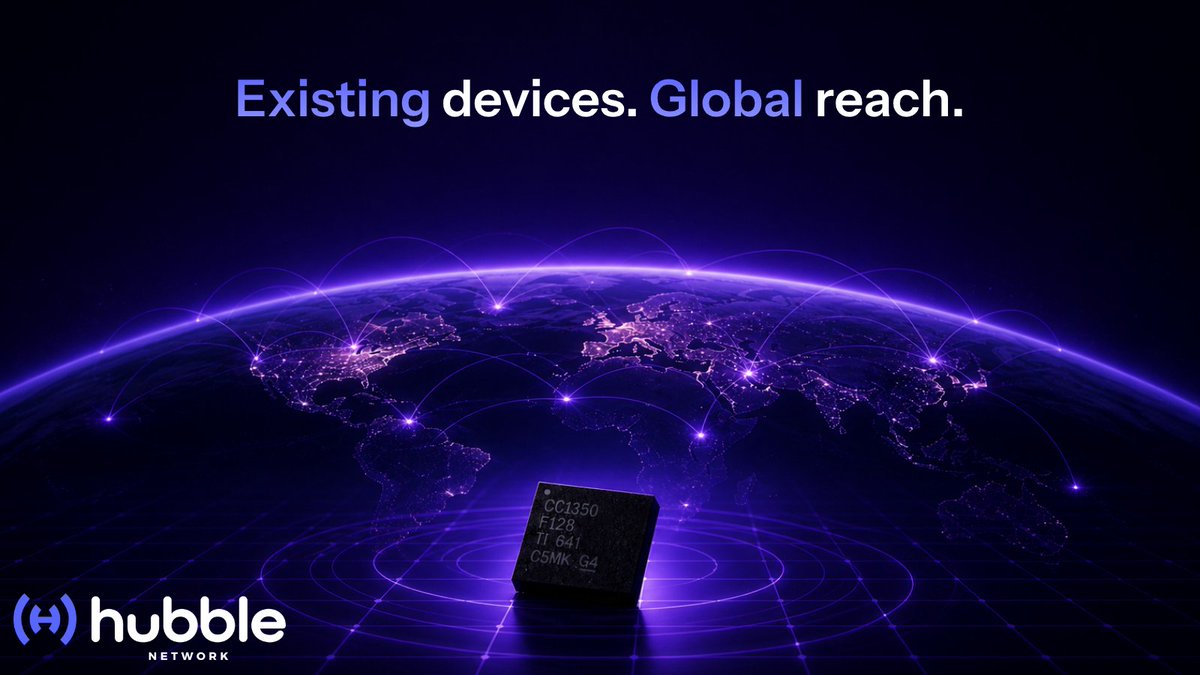
Texas Instruments recently featured how their Bluetooth® LE MCUs work with Hubble’s network to enable global asset tracking using existing low-power hardware. No custom radios. No specialized hardware. Multi-year battery life. Connectivity through terrestrial infrastructure LEO satellites. As connectivity infrastructure changes, the economics and scale of what becomes practical to monitor start changing with it. Watch here: youtube.com/watch?v=4ddQKAug…
3
171
One of the bigger shifts happening across connected systems is that operational visibility is no longer being reserved only for the highest-value assets. As deployment costs fall, industries can start monitoring many more components of the physical world continuously.
4
121
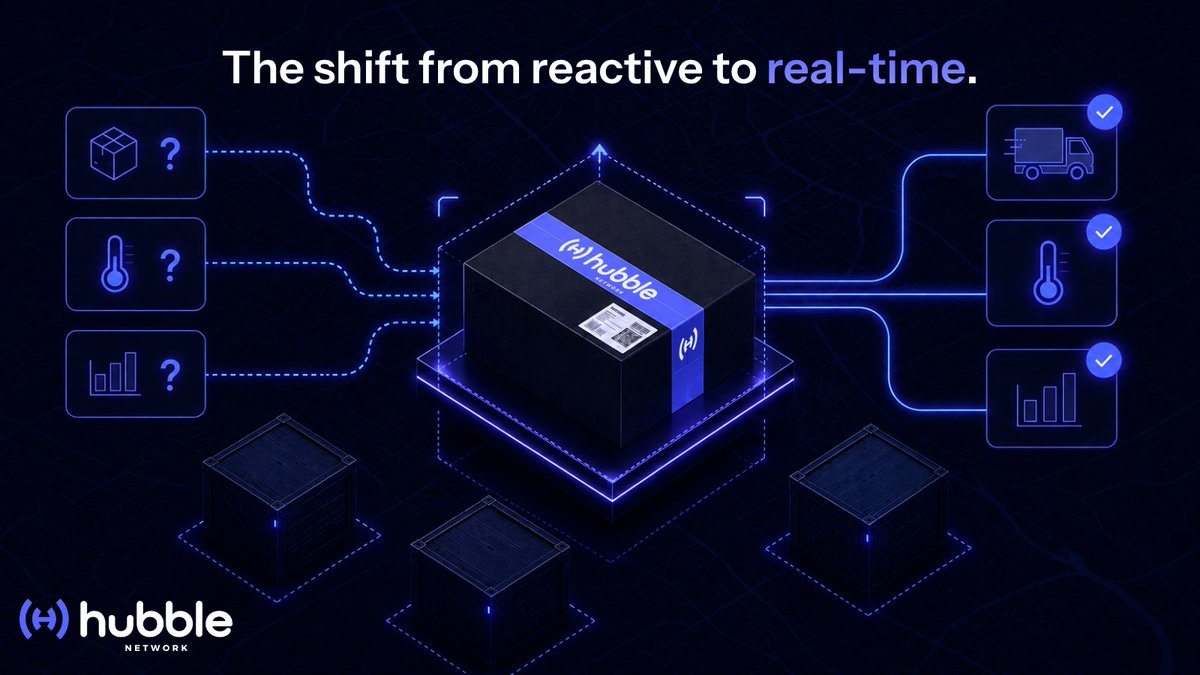
A lot of industrial systems still depend on people manually checking whether something happened. Did the shipment arrive? Did the conditions stay stable? Did the system report recently? As connected systems improve, more of those workflows start becoming predictive instead of reactive.
1
80
Physical-world systems generate enormous amounts of operational data every day. The challenge isn’t collecting more information. It’s reducing the delay between what’s happening physically and what operations teams actually know digitally.
2
84
A stolen vehicle doesn’t disappear. It just moves somewhere your current system can’t follow. The weak point isn’t detection — it’s what happens when the vehicle leaves the area where your tracker has coverage. Hubble’s customers track vehicles using a Bluetooth chip embedded deep in the hardware. No external antenna. No SIM card. Hard to find, harder to disable. Designed to maintain visibility beyond traditional coverage assumptions.
1
76