
Joined January 2024
- Tweets 5,189
- Following 62
- Followers 208
- Likes 9,546
280 Photos and videos
















hungarian sausage retweeted

Oh Canada!! 🇨🇦
If you earn it, they tax it
If you spend it, they tax it
If you save it, they tax it
If you invest in it, they tax it
If you build it, they tax it
If you sell it, they tax it
If you live in it, they tax it
If you drive it, they tax it
If you eat it, they tax it
If you give it away, they tax it When you die, they tax it
Then they waste it & Give it away!
The liberals wont make me hate my country, I’m born and raised Canadian and I love Canada!
LIBERALS ARE DESTROYING OUR COUNTRY AND CAUSING DIVISION!

136
674
1,258
13,427
hungarian sausage retweeted

Jun 10
When your government tells you; "we're all in the same boat!"
907
51,932
230,659
4,823,494
hungarian sausage retweeted

Jun 10
🇨🇦 Welcome to Canada.
Different opinions are welcome.
Different cultures are welcome.
Different backgrounds are welcome.
But if your goal is to complain about everything and respect nothing, you might be in the wrong place.
🍁 True North, Strong and Free.

48
120
371
7,245
hungarian sausage retweeted

Jun 9
🚨LE PÉTROLE N’EST PAS UN COMBUSTIBLE FOSSILE.
💥C’est une invention de Rockefeller et de quelques scientifiques en 1892 pour faire croire au monde entier que le pétrole était rare et en voie d’épuisement.
🤯Dans cette interview explosive, un ancien haut responsable explique comment :
🔥- On a délibérément défini le pétrole comme « résidu de matière autrefois vivante » lors d’une convention scientifique à Genève.
🔥- On n’a jamais trouvé de vrai fossile à plus de 5 000 mètres de profondeur… alors qu’on fore du pétrole à plus de 10 000 mètres.
🔥- Le pétrole est le **deuxième liquide le plus abondant** sur Terre.
🔥- L’idée de « raréfaction » permet de justifier des prix exorbitants et des « indemnités de tarissement ».
Vous comprenez maintenant pourquoi on vous répète depuis des décennies que « le pétrole va bientôt manquer » ?
Regardez cette vidéo jusqu’au bout. C’est l’un des plus grands mensonges industriels du XXe siècle.
Vous en pensez quoi ? Croyez-vous toujours que le pétrole est un combustible fossile ? Dites-le franchement en commentaire 👇
172
4,309
8,112
234,125
hungarian sausage retweeted

Jun 9
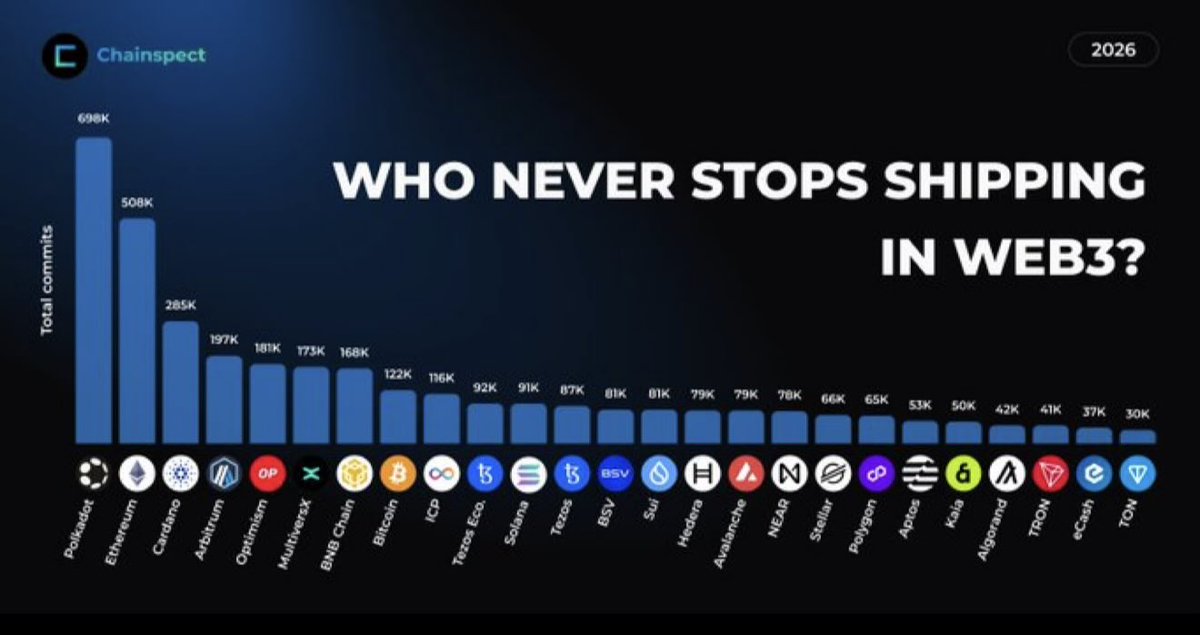
Always good to see continued activity on $EGLD #MultiversX.
Don’t get me wrong, this metric does not directly translate to price action.
But in a brutal market like the current one, it does take a lot of conviction to consistently build.
#EGLD
5
14
131
2,569
hungarian sausage retweeted

Jun 9
.@Polkadot is quietly rebuilding its entire engine 🌐
It's called JAM - maybe the most ambitious upgrade in crypto right now.
Here's JAM in 60 seconds 🧵

15
146
398
10,023

IMPORTANT!!! [save the Children]


26
8
135
42,313



For chickens in the meat industry, there’s no escape from the suffering and death around them. They can only hold on until their bodies give out, or they’re slaughtered.
@raisingcanes profits off of cruelty like this.
16
162
262
3,831

hungarian sausage retweeted

Jun 5
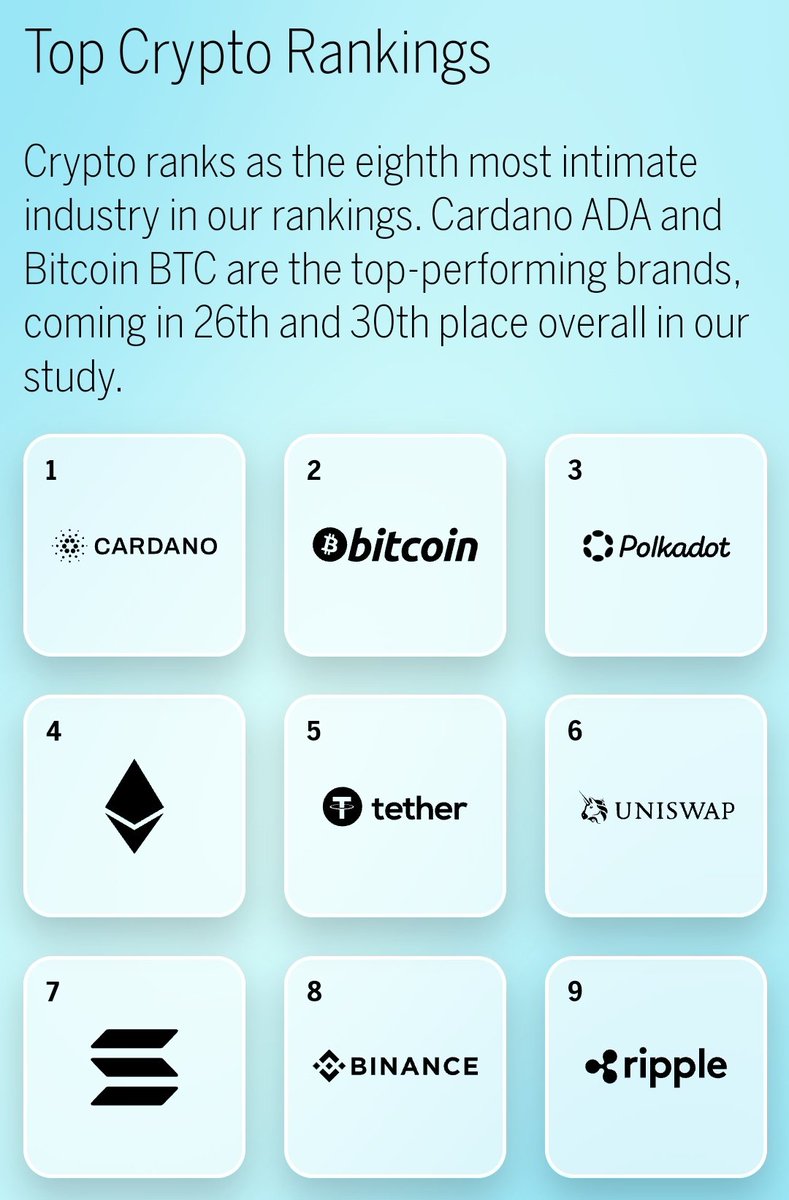
Cardano at #1 🔥
While people quickly forget — the numbers don’t lie.
In the latest Top Crypto Rankings:
Cardano takes the #1 spot among all crypto projects
Bitcoin at #2
Followed by Polkadot, Ethereum, and others
ADA continues to shine as one of the strongest performing brands overall (26th place).
This is what a solid, well-researched blockchain looks like.
Let’s stop the short-term noise and remember what we’re building here — real technology for the long term. 💪
#Cardano #ADA #CardanoCommunity
7
69
342
5,361
hungarian sausage retweeted

🚨BREAKING: A slaughterhouse has been identified on the outskirts of Yulin, China that slaughters dogs for the Yulin dog meat “festival.” We’re supporting the permanent closure of this slaughterhouse, but time is running out!
With the festival fast approaching, time is of the essence to save the surviving dogs and shut the operation down for good. Please donate NOW to help these and all animals: hwfa.link/x060426
115
1,148
1,608
21,228
hungarian sausage retweeted

Michael Saylor says, “If people in the rest of the world knew what I know… Bitcoin would go to $10,000,000 tomorrow.”
“If you have more time than money, then the volatility of Bitcoin is a gift to you.”
149
77
822
199,256

hungarian sausage retweeted

In 2014, Gavin Wood wrote the blueprint for a web where people own their digital lives. Not platforms. Not governments. People.
Parts of the space lost sight of that.
This June, Parity CEO @gavofyork returns to Web3 Summit to share his vision for the next decade of a free internet.
See you in Berlin.
web3summit.com/
42
67
254
27,405
PETA’s short film exposing the horrors of animal testing is officially award-winning🏆🎉
Inhuman won two Gold awards at the @tellyawards in Social Video for Social Impact and Not-for-Profit! Congrats to the team behind it for refusing to let animals suffering in labs remain hidden.
10
56
89
3,152
hungarian sausage retweeted

May 31
Imagine your dog trapped in a metal coffin for her entire life. She cannot go outside. She cannot walk. She cannot even turn around to see what's behind her. She is forced to live this way her entire life.
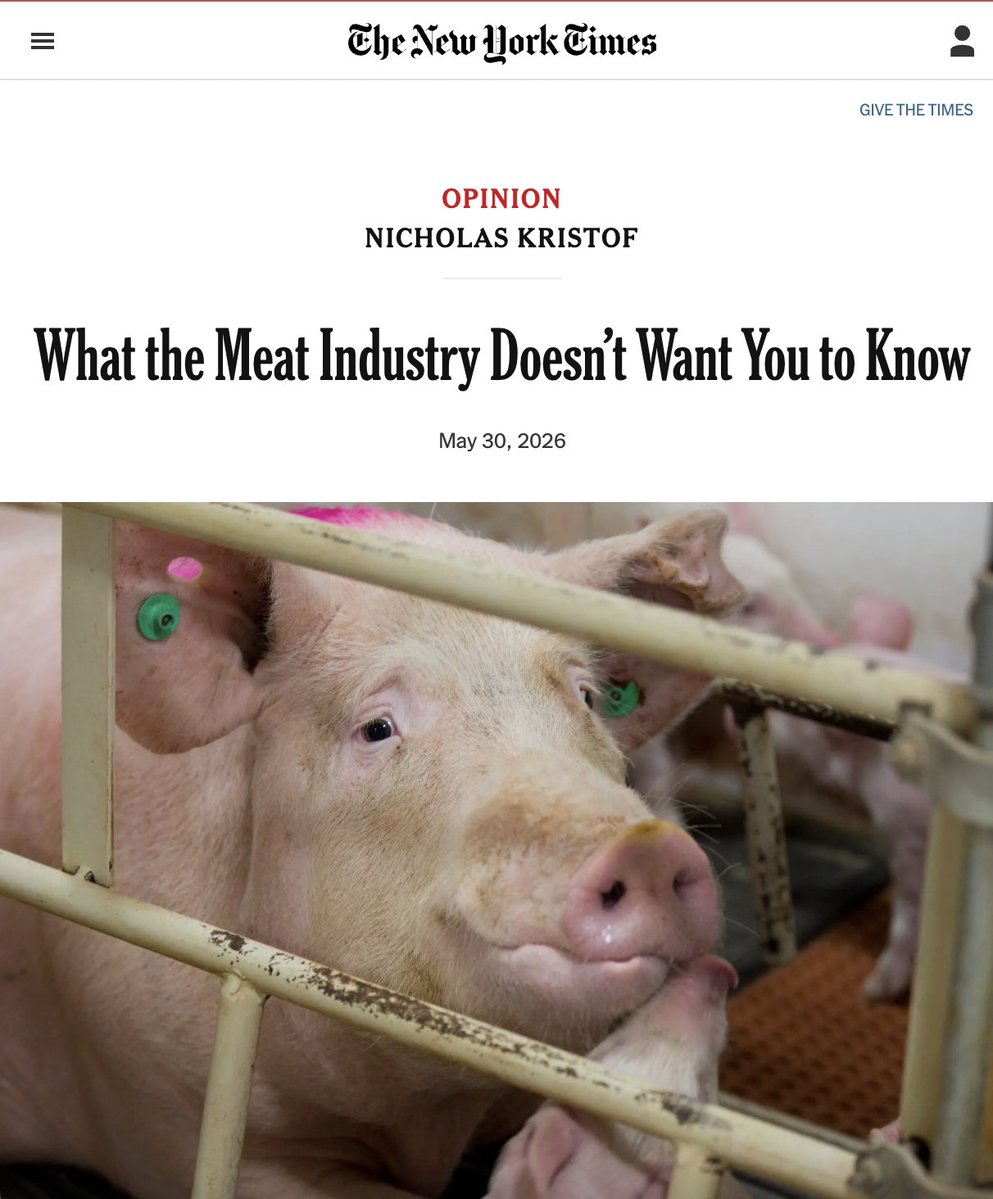
This is the mind-blowing that the pork industry is not just trying to hide, but trying to force YOU to accept through underhanded tactics. It has slipped this provision (the Save Our Bacon Act) into the Farm Bill, legislation that otherwise does things like fund food stamps.
But now that is all being exposed. The NYTimes published an op ed yesterday condemning the corruption and abuse and calling the fight for animals "one of the great but incomplete moral revolutions of our lifetime."
Columnist @NickKristof will be remembered by history for his moral prescience. But this is all being exposed not just because of Kristof. My friend @joshbalk has worked tirelessly to lobby legislators. @Lewis_Bollard has relentlessly pushed this story on social media. @leah_garces has worked for years to successfuly win over allies from within the industry. And, most important, countless Americans like you have raised YOUR voice.
Stories like this NYT piece are in many ways the product of the small efforts of millions. Every person who shares on social media, tells their friends or co-workers about the corruption they've read about, or sheds a quiet tear for these defenseless creatures — you are the ones triggering this moral revolution.
And exposure is just the beginning. Soon, because of you, every animal will be freed from their tormenter's cage.
66
920
2,538
129,386
hungarian sausage retweeted

May 30
FlappyWUD running on the JAMtoaster

1
2
5
115

hungarian sausage retweeted

May 27
Everyone sleeping on $DOT and i’m just quietly stacking 📈
real interoperability, constant dev activity, one of the most solid ecosystems in crypto
market’s wrong sometimes. never forever
May 26

AI solved software creation.
Now comes the harder problem:
software distribution.
Today, deployment pipelines are still built on trust assumptions:
centralized infra, opaque rollbacks, fragmented governance, and invisible supply-chain risks.
That’s why Palantir’s Apollo matters.
Apollo introduces ontology primitives for software distribution:
deploy, patch, rollback, validate, govern.
But the really interesting question is this:
What happens when systems like Apollo are combined with blockchain infrastructure like @Polkadot ?
Not just “put on-chain.”
Actually architected around decentralized execution, shared security, and transparent governance.
Suddenly software distribution becomes:
→ Verifiable instead of opaque
→ Multi-chain and sovereign by design
→ Tamper-resistant deployment infrastructure
→ Cryptographically auditable rollback history
→ Autonomous machine-to-machine coordination
→ On-chain governance for mission-critical upgrades
→ Decentralized validation instead of blind CI/CD trust assumptions
Imagine AI agents deploying software across sovereign cloud environments, edge devices, robotics networks, and critical infrastructure…
…while Polkadot provides the coordination layer, interoperability, governance, and shared security underneath.
This is where the narrative changes.
AI solved code generation.
But Web3 may solve trust, coordination, and accountability for autonomous software systems.
The future stack may look like this:
AI → creates
Apollo-like systems → distribute
Polkadot → secures, coordinates, governs
That is not just DevOps evolution.
That is the beginning of autonomous digital infrastructure.


4
9
68
2,442