
7-Figure Agency Exit | 8-Figure Agency Advisor | Want to Scale Your Agency, Without Being The Bottleneck? Go Here: agencyoperators.short.gy/het…
Joined May 2009
- Tweets 5,129
- Following 368
- Followers 16,002
- Likes 3,726
376 Photos and videos



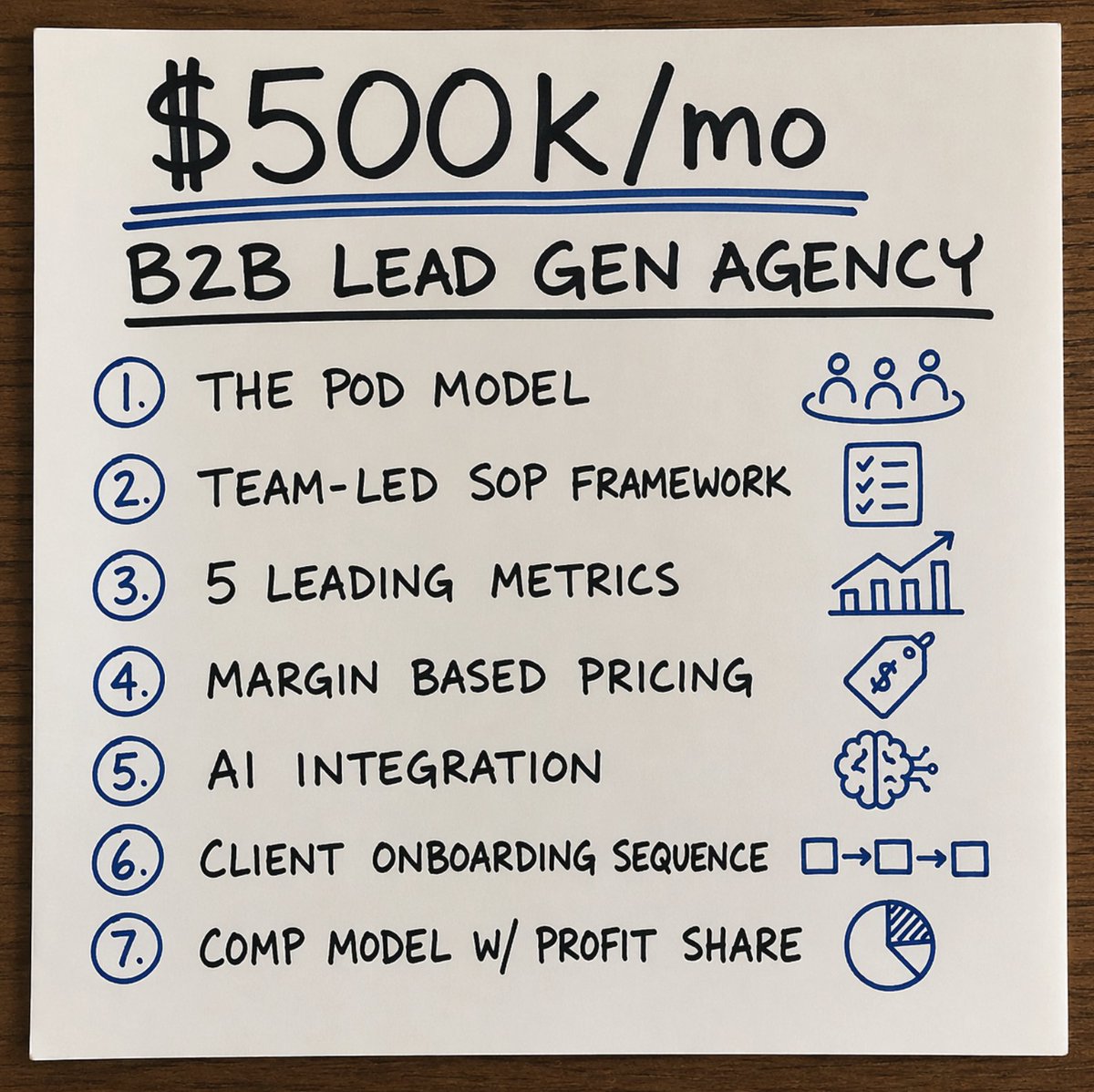
"This client is impossible. They can't articulate what they want, but they hate everything we send."
That's what a $3M/yr UGC Creative Agency founder told me a call.
During the kickoff call with the client, they asked, "What would you be thrilled if we delivered?"
Their answer: "I don't know. You're the creative agency. You should know."
Six weeks later they were rejecting every deliverable as "me-too ads." The team burned 40 hours that month trying to interpret what the client actually wanted.
The owner came to me frustrated.
I pulled their onboarding call recording. Zero structure around feedback. No discussion about what the client should weigh in on versus what they hired experts to decide. The relationship dynamic got set in that first call, and nobody set it intentionally.
We rebuilt their kickoff process around one concept... separating what's in the agency's expert control from what's in the client's control.
Hook pacing, music selection, ad framework, sequencing... that's what the client hired you for. Brand accuracy, factual corrections, talent approvals... that's where their feedback is actually valuable. When you never draw that line, every subjective opinion becomes a revision request.
Then we added something simple to every kickoff call. The team walks the client through a real revision example. "At the 4-second mark, the price says $29.99, but it should be $24.99" versus "I don't love it." They explain why specific feedback gets them better-performing ads faster.
The positioning matters. You were hired for expertise, not compliance. When you frame it that way, clients see it as professionalism, not pushback.
Agencies who do this can go from 30-50% client revision rates to under 10% in about six months.
If your team is burning hours interpreting vague direction, go listen to your last three kickoff calls and ask yourself whether you ever taught the client how to give you useful feedback.
119
Kyle Hunt | Agency Operations Expert retweeted

4 Oct 2022
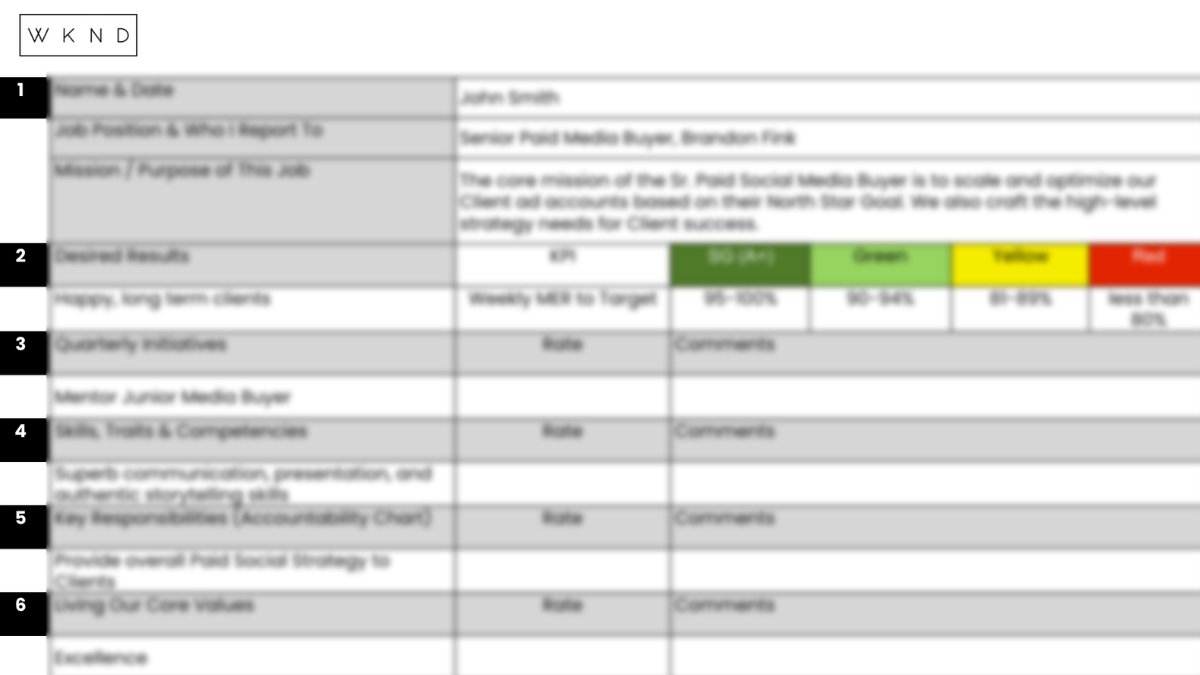
FOUNDERS: We scaled WKND from $0 to 8-Figures in 2.5 years using Simple Scorecards.
Want the FREE 6-Step-Scorecard Mini-Training so you can 10x your current team?
Like and Comment "Send" and it's yours.
(Must be following me so I can DM – 1 DAY ONLY)
311
32
316
Kyle Hunt | Agency Operations Expert retweeted
17 Oct 2022
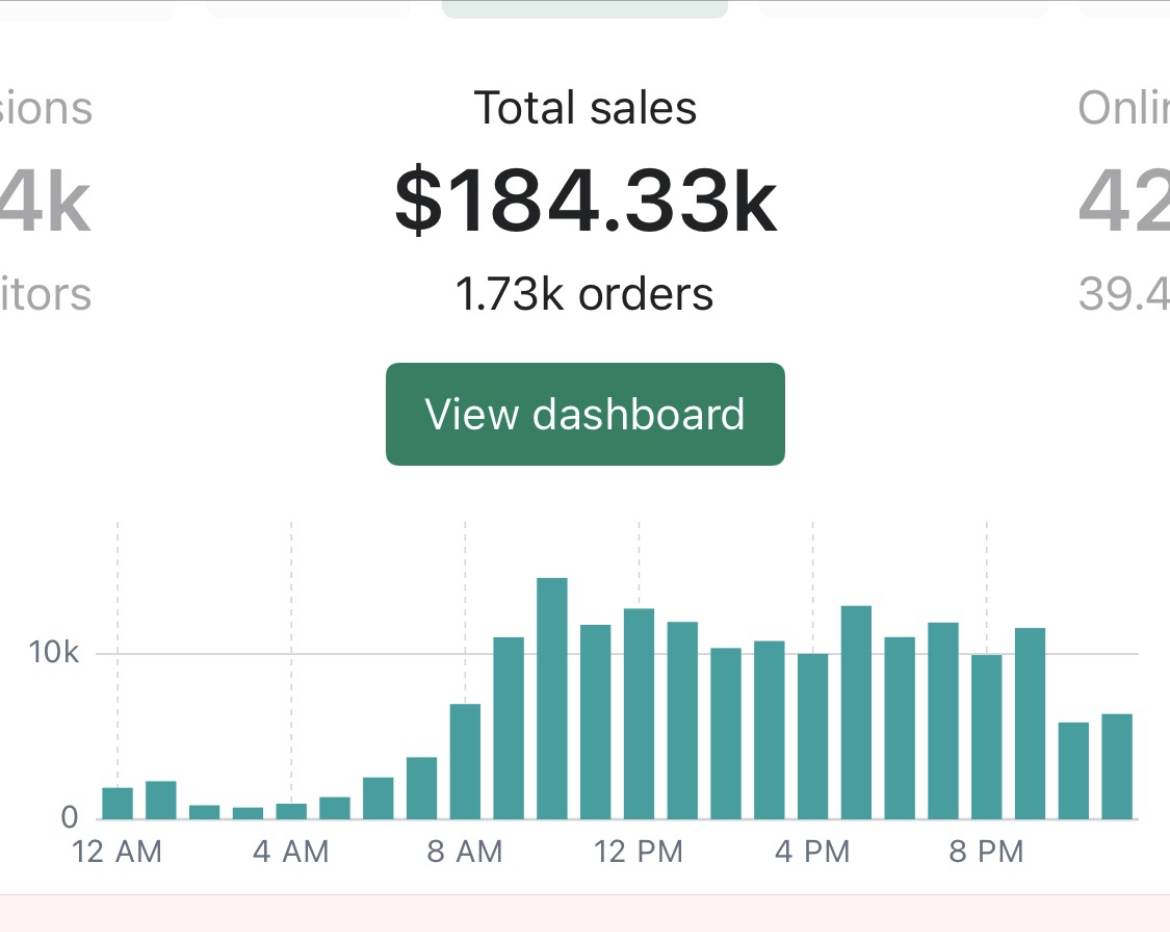
How to make 50% more profit with 6 simple changes
From an ecomm marketer who has generated over $70M in sales in his own brands in the last 24 months.
Bookmark this 💰💰💰 thread:
22
22
188
When your agency starts feeling boring... do NOT build a SaaS!
I talked to an agency owner last month who kept almost building a SaaS product. Every time he started, he hit the same wall. His words were, "This is gonna be a black hole. It's gonna suck all my time and energies and maybe it's not gonna end well."
His agency had a clear path to $800K MRR the entire time.
He had pod leads forming. A promotion pipeline developing. A creative agency with proven positioning and a working delivery model. The growth math was sitting right in front of him. Spend $15K/month on ads, acquire 5 clients, and the revenue compounds from there.
But the SaaS idea was "sexy."
He'd watched another agency founder go all-in on the software path. That founder is now questioning whether to go back to agency work.
This is what happens when the agency model starts working and delivery gets somewhat predictable. It feels... boring. So the founder starts flirting with productized offers or SaaS tools because building something new scratches an itch that running the agency no longer does.
But boredom with your model is not a signal to abandon it. It's a signal that the model works.
The fix for boredom is building the machine that runs without you, not building a second machine that pulls you deeper in.
Your agency growth math is knowable. The SaaS math is a complete guess. And at that stage, your attention is the thing you have the least of. Every hour you spend on a side venture is an hour you're not spending on the thing that's already working.
What are you building right now that's pulling attention from the business that already works?
1
1
131
Hiring a COO won't fix your burnout if you can't even explain what you do all day.
I hear two camps on founder burnout constantly.
Camp one says hire an operator, build a 90-day step-back plan, create a leadership layer. Camp two says take care of yourself first... therapy before reorg, rest before restructuring.
Both are wrong because both assume this is sequential. A burned-out founder can't design a 90-day operational overhaul. That's a fantasy project that adds more to your plate. But you also can't rest your way out of a structural problem where you're still the only person who can scope projects, approve creative, and handle escalations.
I was on a call with a $1.8M agency owner working 60-hour weeks. He was approving creatives, making hiring decisions, reviewing timelines, solving team conflicts. I asked him who else could have made those calls.
Long pause. "I... I guess most of them."
This is three separate dependencies, actually, all disguised as one feeling of exhaustion.
The fix is smaller than either camp wants to admit. Identify the 3-5 specific things only you can do right now. Scoping, approvals, escalations. Those are your dependencies. Pick one and hand it off this week with a 15-minute walkthrough. And block two hours of personal time that nothing touches. Both moves, same week.
Before you hire anyone or build any plan, spend one day tracking every single thing you touch. That list is your dependency map. Without it, every solution you try is guesswork.
1
2
147
The cheapest insurance policy in agency operations is a one-page form and a 15-minute call. Almost no agency at $1-2M has it.
I was talking to a $2M/yr creative agency. The Founder was the primary salesperson. She knew every client deeply. Their pain points, who actually approves work, what their last agency got wrong, what she promised on the closing call that didn't make it into the contract.
None of it was written down. Her delivery team got a signed SOW and a start date. Two weeks into every engagement, they'd hit a wall. A hidden approver nobody mentioned. An expectation the Founder set during sales that the team never heard. And she would get pulled back in to translate.
She thought talent was the root cause, but it's actually a handoff issue.
I had her build a one-page form that captures the stuff the SOW doesn't. Previous agency trauma. Promises or timeframes committed to during sales. Stakeholder mapping, specifically who the point of contact is versus who actually approves the work. Risk flags. Communication preferences.
Skip the obvious fields like start date and retainer amount. Your team already has those. The form should capture what only the founder knows from the sales process.
Then a 15-minute call between the salesperson and the delivery lead before kickoff. What does the client actually expect versus what the SOW says. Where's the quickest win to build early trust. And what landmines should the team avoid before they step on one in week three.
A one-page form and a 15-minute call. This is how you stop being the permanent translator between sales and delivery.
102
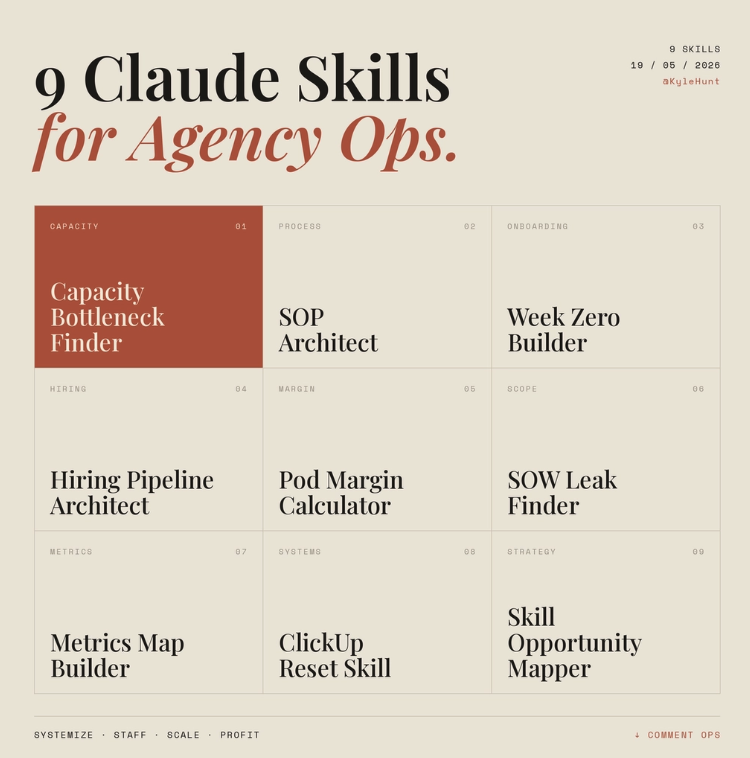
This is how performance marketing agencies run their operations in 2026:
1 Senior Operator Claude Skills
Here are 9 I use: 🧵
2
2
589
All skills respect best practices:
→ Under 500 lines
→ Key context in the body of the skill, additional context in resources
→ Clear and specific description and trigger
→ Each skill only does one job (well)
2
70
It's ready to upload to your own Claude. Follow me, reply "OPS" and I'll DM it to you!
1
59
My creative team found $5,000 in unnecessary software costs within a week. Nobody asked them to look.
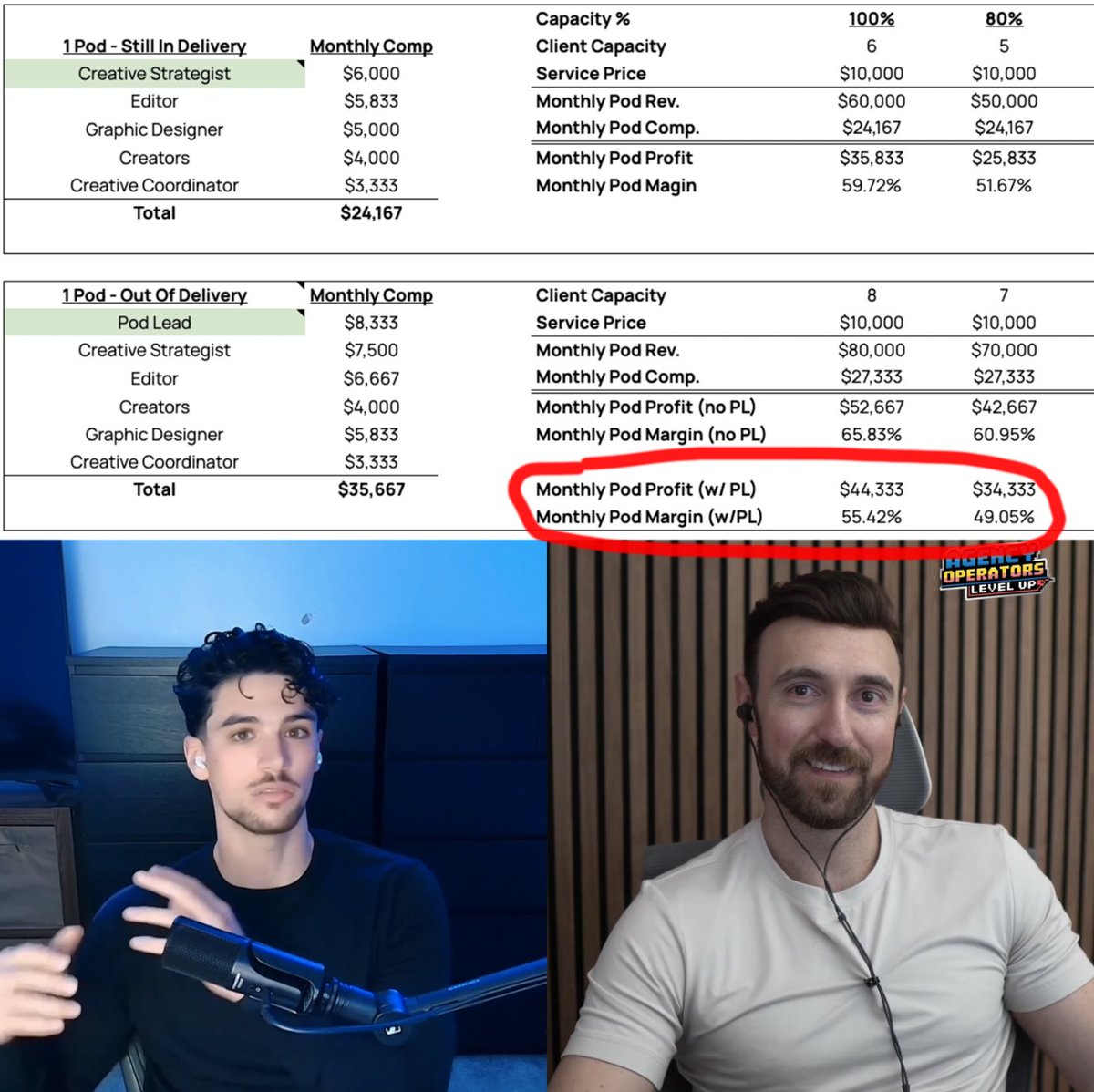
I'd just set up pod profit sharing and included the creative team. It was a simple structure; a percentage of quarterly pod profit above a margin threshold goes into a shared bonus pool for the team.
Before that, the team had zero visibility into what their pod actually cost to run. Software subscriptions piled up. Nobody questioned them because nobody had a reason to.
Then we built a monthly dashboard. Billed revenue, collected revenue, labor costs, software costs, pod margin. Nothing fancy. Just the math, laid out clearly.
Within a week of seeing it, the creative team ditched $5,000/month in software for a $300 alternative. They realized those costs were now coming directly out of their bonus.
That behavioral shift is the whole point.
Most agency teams I work with are measured on output volume. Tasks completed, deliverables shipped, hours logged. None of those metrics give anyone a reason to care about what things cost. So nobody does. The founder ends up being the only person in the company who worries about margins.
You can give culture talks about efficiency. You can send Slack messages asking people to be mindful of spending. It doesn't stick.
Showing someone their pod's actual costs and tying their compensation to the margin that remains... that sticks in about a week.
If nothing your team is measured on connects to margin, you've accidentally built a structure that trains them to ignore profitability.
143
Nobody is talking about Claude Cowork - but the ecomm agency owners who cracked the code are operating on a whole different level.
I mapped out exactly how the sharpest ecomm agency operators use it to remove work from their plate and move faster. 🧵
1
2
309
This is the kind of operational firepower that used to require a full ops hire.
Now it sits behind a single prompt.
1
33
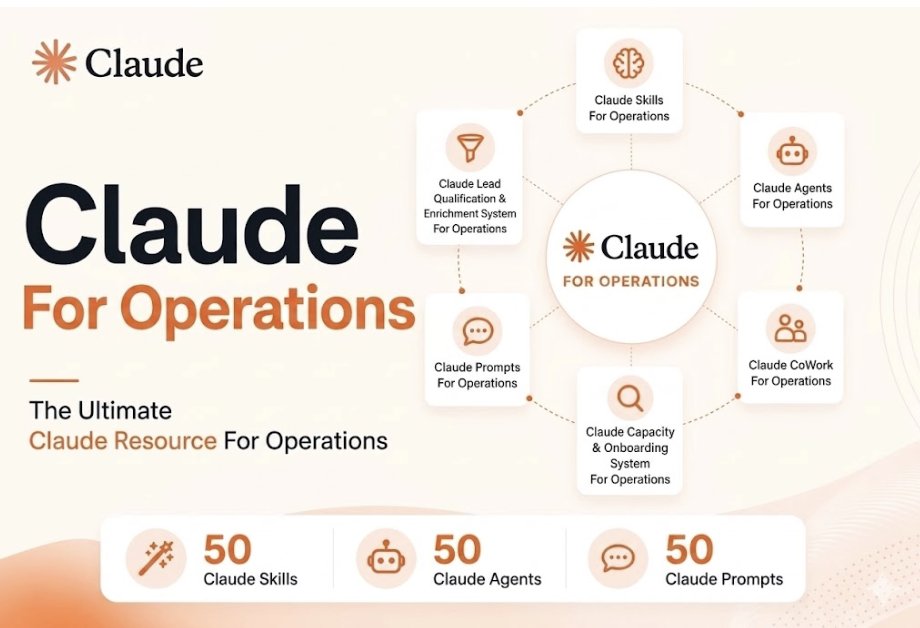
Want the Claude Cowork Mega Prompt Library for Ecomm Agency Ops?
1️⃣ Reply "Cowork"
2️⃣ Follow me
3️⃣ Like this post
43