Surgeon by day, crypto hunter by night. Building freedom of location and time . All views my own — not financial advice.
Joined December 2021
- Tweets 1,773
- Following 382
- Followers 492
- Likes 357
242 Photos and videos



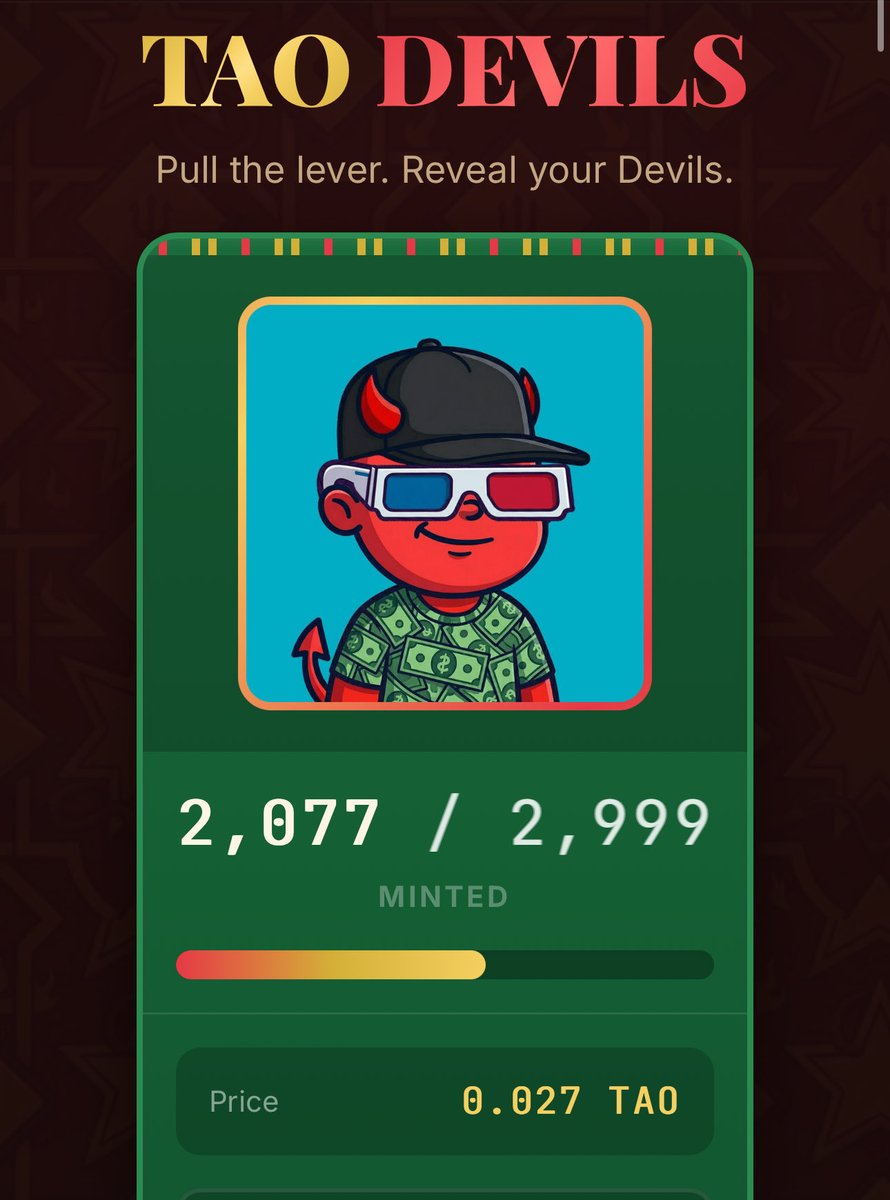
Pinned Tweet

Mar 22
For the new tao subnet users — a few things I wish I knew earlier 👇
I learned this the expensive way and lost a good chunk of TAO. Sharing so you don’t repeat the same mistakes.
Best way to get into subnets: use the Tao.com app
– Clean UI, great portfolio tracking (you can actually feel the PnL moves)
When buying:
• Pick your subnet
• Set custom slippage to 0.01 first
• It’ll show the required slippage → adjust accordingly
• Or reduce order size to keep slippage low (saves you from MEV losses)
I use this for individual buys/sells.
For multiple subnet sells → Taostats works better.
More useful tools & sites coming in this thread 👇
3
13
4,466
This is how we get humbled 🥲🥲🥲
Jun 15

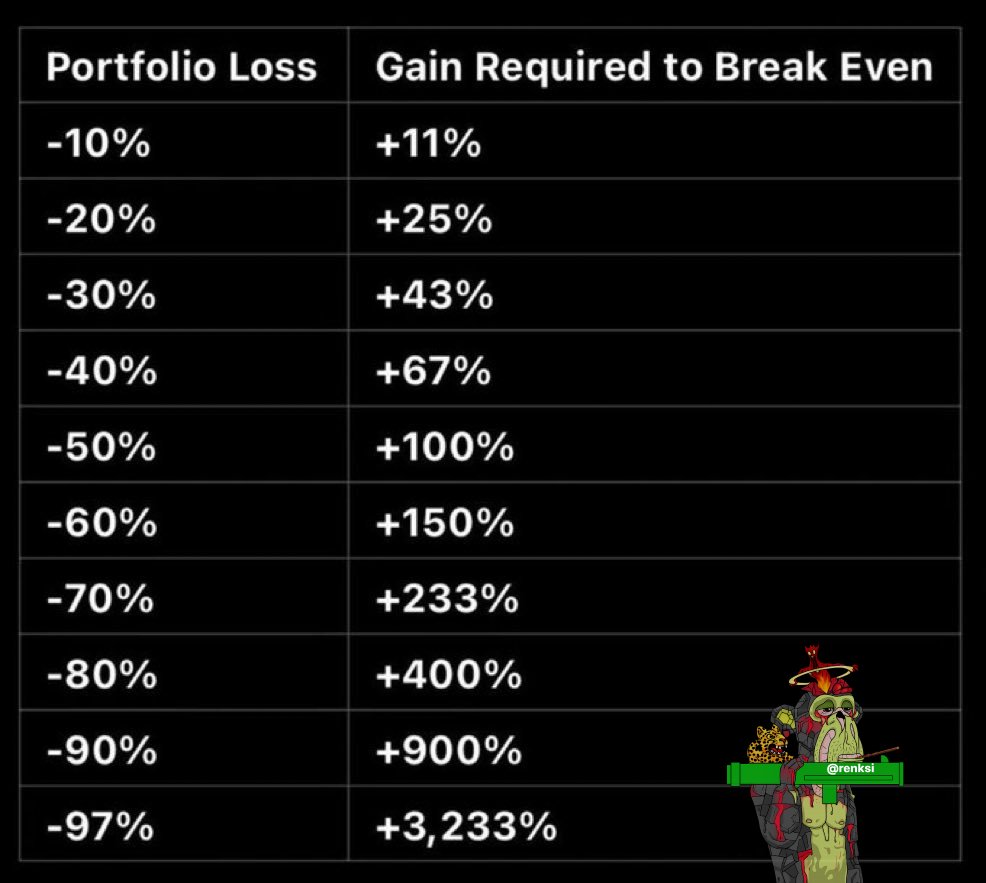
brutal reality of crypto:
-50% needs 100% just to get back
-70% needs 233%
-80% needs 400%
and if you roundtrip a -90%, youre staring at a 900% climb just to break even
this is why entries matter, this is why risk matters
and this is why chasing every green candle usually ends the same way
crypto can change your life, but it can also humble you insanely fast
20
Dr.HYDRA {₿,𐤊,τ} retweeted

Jun 3
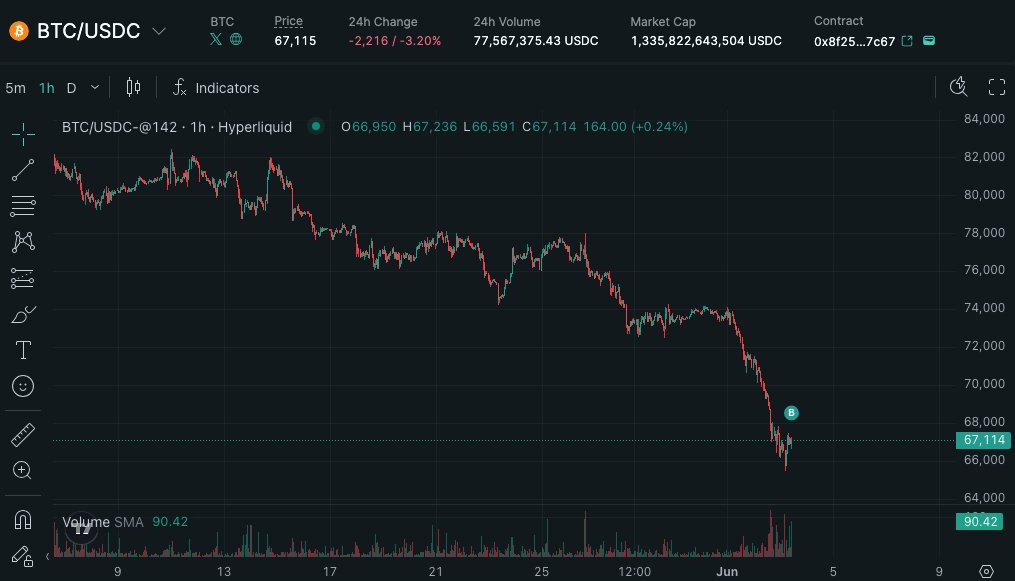
resuming my $btc dca under $70k
historically, the best times to buy bitcoin have been when everyone agrees its over
its not over
79
15
570
25,001
This is gonna be the biggest downfall of $TAO if subnets gets into the ecosystem and get direct pair in solana with out the Tao intermediate for the swap
Hope they don’t lose that in the process
May 5

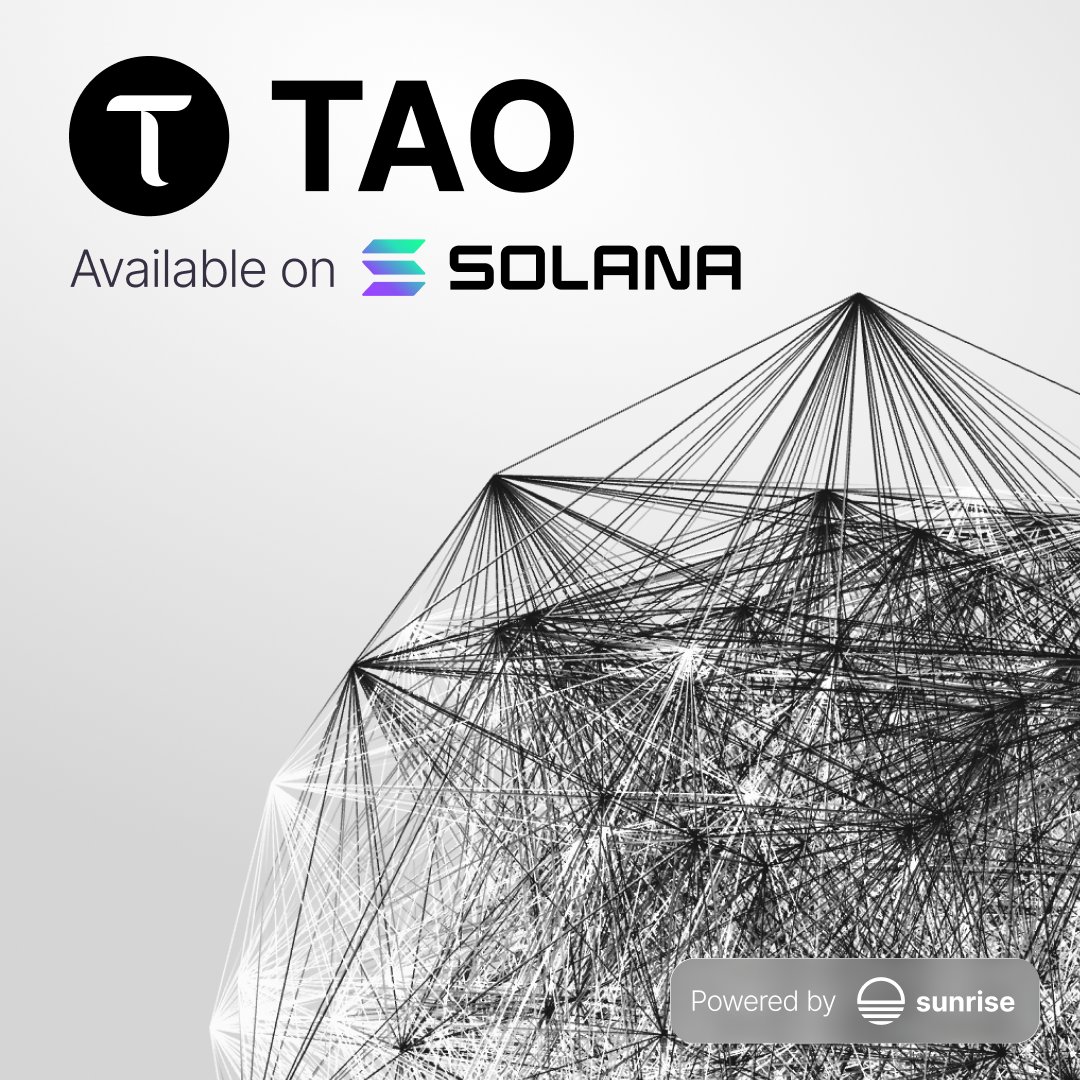
ICYMI: $TAO by @tao_dot_com is now listed on @Solana via Sunrise.
Users on Solana can trade TAO across Solana wallets, DEXs, and aggregators.
If you hold TAO outside Solana, you can move it onto Solana and back through Sunrise.
1
181

Don’t let SN 17 know what I’m working on @mogmachine
1
2
13
592
Apr 29
Says someone who’s whole life was carved out of university
Apr 28

University is a scam. Learn how to mine Bittensor.
1
61
Apr 28
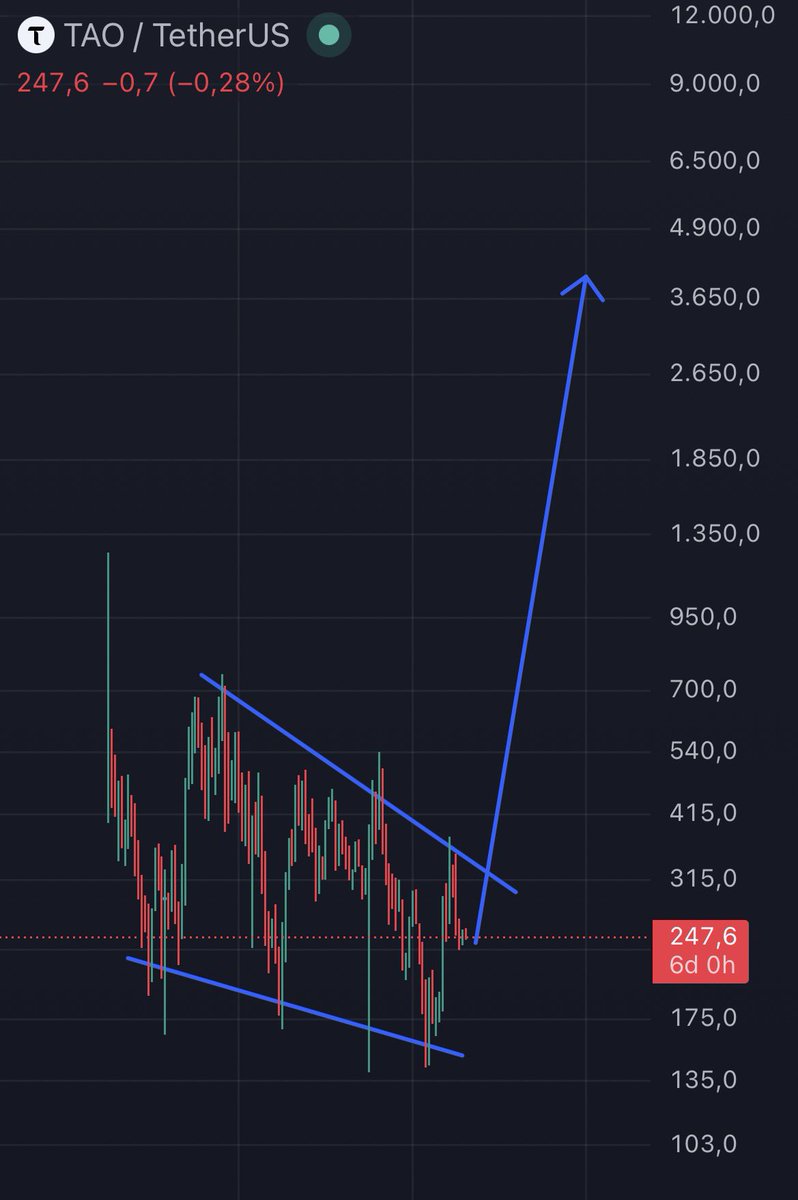
The chart to 3000 usdt is ok , but did you consider BTC going to 40-50k
What would be your Tao price at that point of time ?
Do you have dry powder in your portfolio in such case 💼

1
101
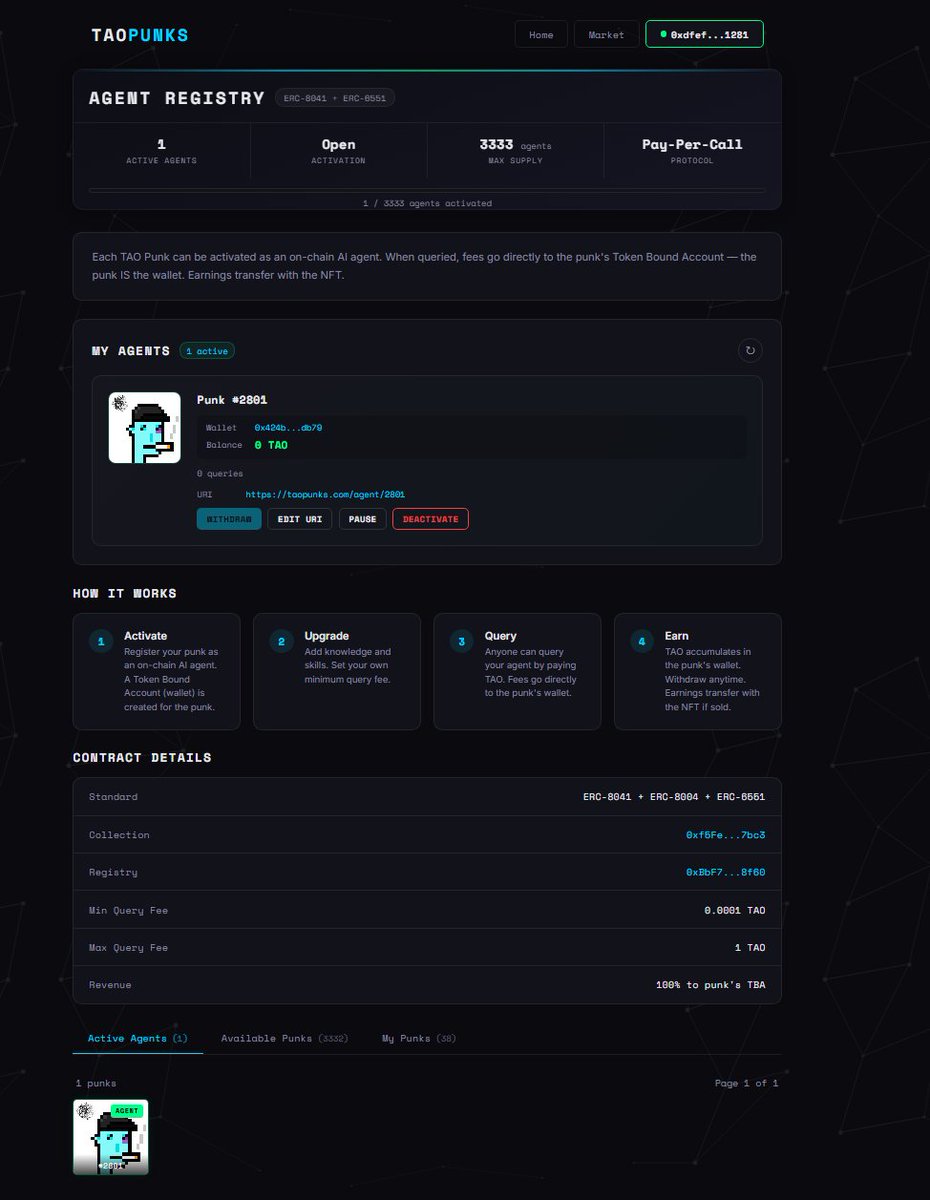
Tao Punks just became the first AI Agent NFTs on BittensorEVM.
3,333 punks. Each one is a registered on-chain AI agent with its own smart contract wallet.
Every punk can earn TAO. Every punk IS a wallet.
Here's how we built it. A thread.
18
21
54
10,283
Dr.HYDRA {₿,𐤊,τ} retweeted

Apr 19
People who've been in Crypto for 5 years
76
188
1,887
125,110
Apr 18
More conviction needed , 500 target is a joke , 3000 incoming 🚨

Bought another ~$50k in $tao
Current exposure is ~$750k
My price target is $500 in 2026
My thesis is subnets are shipping product
This is not investing advice, this is me asking you to savage my trade so I learn
#jaytrading
1
104
Apr 17
Nice move
Apr 16

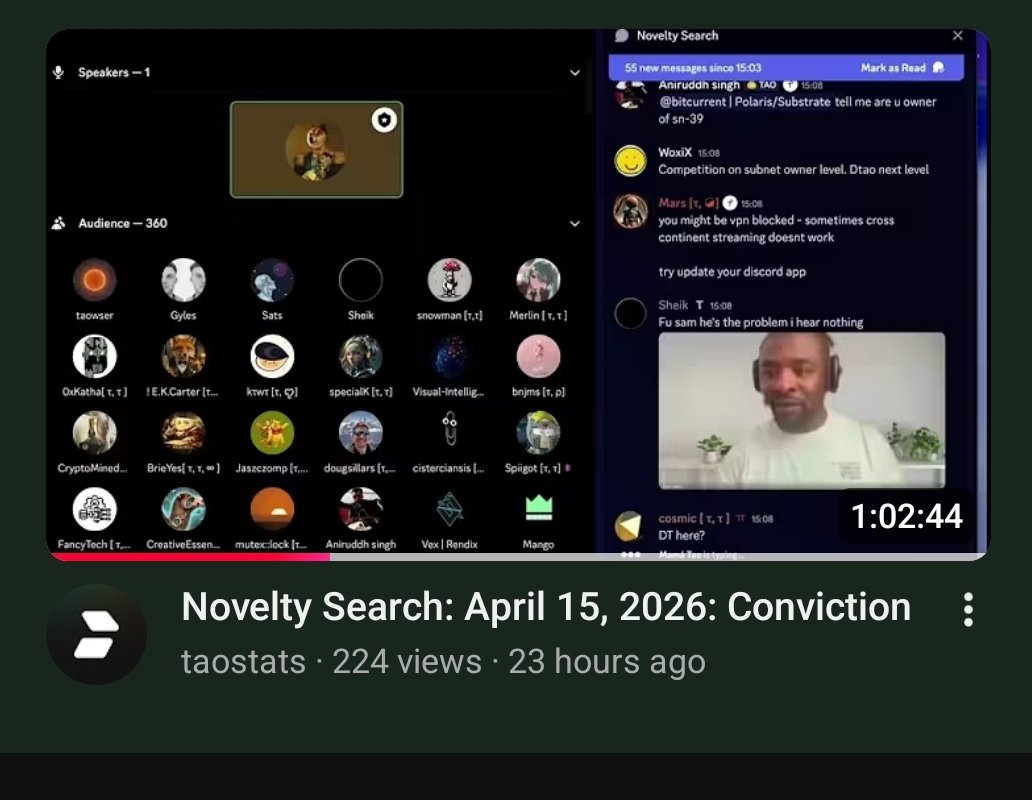
Const just did a full live session breaking down $TAO's BIT-0011 in detail.
Most people won't watch the whole thing. Here's everything you need to know.
This was not reactive. Locked Stake was originally designed alongside dTAO. It was part of the initial release plan. It was pulled specifically to give subnet teams time to adapt to the complexity of Dynamic $TAO first.
One year later, the time has come. The Covenant situation made it obvious this should already be live.
You lock your Alpha on a subnet. Stake times time equals conviction. Conviction ramps up, peaks halfway through the lock period, then decays toward zero at expiry.
The staker with the highest conviction score becomes the subnet owner.
Every 30 days the protocol checks. Ownership is no longer a one-time purchase. It's a continuous contest of commitment.
The 18% owner emission goes to whoever holds the highest conviction. If you want that revenue, you prove you're here for the long run. Cryptographically. Not through podcasts. Not through promises. On-chain.
Teams that don't lock? That's a signal too. Investors can read it. The market can price it.
Const was direct about this the purpose is not to restrict teams from selling or raising capital. Teams can still fund operations. They can sell unlocked portions. They can do OTC deals on future delivery. They can lock half and operate with the other half. Transparency is what matters.
What about hostile takeovers?
Const walked through the game theory in detail. Say a competitor buys in and tries to take over a subnet. They push the price up buying. They lock everything. They take ownership. Then what?
The miners don't follow them. The validators don't follow them. The community doesn't follow them. Everyone sells. The attacker is locked and watching their position collapse while the original team moves to a new slot with the community behind them.
It becomes an extremely costly and ineffective attack. The subnet is the team, the miners, the branding, the vision, the community. You can't buy that with a token lock. You can only destroy your own capital trying.
What about small subnets?
Const said they intend to roll this out for larger subnets first and see how it plays out. Smaller subnets that are less than a year old likely won't have this applied immediately.
What about a max lock period?
Not finalized yet but likely around one year. Has to be capped or it becomes gameable.
What about subnet deregistration?
Locked stake gets relinquished. Simple.
What about teams that need emissions to pay staff?
This came up directly in the conversation. A subnet like Video that operates close to the margin can lock a portion and be transparent about it. "We can only afford to lock half our Alpha." That's fine. If you're open, you do good work, and you communicate, it works.
The community member who raised this point said it best, the concept of skin in the game and conviction for subnet owners should not be a problem with careful thought and planning.
And Const confirmed something important about timeline. The core design is already implemented. It's about polishing rough edges. Could ship within a month.
There will be an immunity period for newly registered subnets so teams aren't immediately vulnerable.
The biggest insight from the whole session?
Const framed this as a primitive. Not a final product. A building block.
Teams can use it to prove conviction. Investors can use it to evaluate risk. And eventually, agents can use it staking, voting, locking for the best operator to run a subnet.
Bittensor is building cryptographic governance systems that can be run by computers. No jurisdictions. No lawyers. No slow courts. Transparent, liquid, verifiable, and fast.
No other project in Web3 has ever attempted this.
While the rest of crypto leans into degeneracy, Bittensor is solving the hardest governance problems in the industry. In public. In real time.
Link:
youtu.be/cjMLWRhFQyo?si=byLT…
78
Dr.HYDRA {₿,𐤊,τ} retweeted

Apr 16
Const just did a full live session breaking down $TAO's BIT-0011 in detail.
Most people won't watch the whole thing. Here's everything you need to know.
This was not reactive. Locked Stake was originally designed alongside dTAO. It was part of the initial release plan. It was pulled specifically to give subnet teams time to adapt to the complexity of Dynamic $TAO first.
One year later, the time has come. The Covenant situation made it obvious this should already be live.
You lock your Alpha on a subnet. Stake times time equals conviction. Conviction ramps up, peaks halfway through the lock period, then decays toward zero at expiry.
The staker with the highest conviction score becomes the subnet owner.
Every 30 days the protocol checks. Ownership is no longer a one-time purchase. It's a continuous contest of commitment.
The 18% owner emission goes to whoever holds the highest conviction. If you want that revenue, you prove you're here for the long run. Cryptographically. Not through podcasts. Not through promises. On-chain.
Teams that don't lock? That's a signal too. Investors can read it. The market can price it.
Const was direct about this the purpose is not to restrict teams from selling or raising capital. Teams can still fund operations. They can sell unlocked portions. They can do OTC deals on future delivery. They can lock half and operate with the other half. Transparency is what matters.
What about hostile takeovers?
Const walked through the game theory in detail. Say a competitor buys in and tries to take over a subnet. They push the price up buying. They lock everything. They take ownership. Then what?
The miners don't follow them. The validators don't follow them. The community doesn't follow them. Everyone sells. The attacker is locked and watching their position collapse while the original team moves to a new slot with the community behind them.
It becomes an extremely costly and ineffective attack. The subnet is the team, the miners, the branding, the vision, the community. You can't buy that with a token lock. You can only destroy your own capital trying.
What about small subnets?
Const said they intend to roll this out for larger subnets first and see how it plays out. Smaller subnets that are less than a year old likely won't have this applied immediately.
What about a max lock period?
Not finalized yet but likely around one year. Has to be capped or it becomes gameable.
What about subnet deregistration?
Locked stake gets relinquished. Simple.
What about teams that need emissions to pay staff?
This came up directly in the conversation. A subnet like Video that operates close to the margin can lock a portion and be transparent about it. "We can only afford to lock half our Alpha." That's fine. If you're open, you do good work, and you communicate, it works.
The community member who raised this point said it best, the concept of skin in the game and conviction for subnet owners should not be a problem with careful thought and planning.
And Const confirmed something important about timeline. The core design is already implemented. It's about polishing rough edges. Could ship within a month.
There will be an immunity period for newly registered subnets so teams aren't immediately vulnerable.
The biggest insight from the whole session?
Const framed this as a primitive. Not a final product. A building block.
Teams can use it to prove conviction. Investors can use it to evaluate risk. And eventually, agents can use it staking, voting, locking for the best operator to run a subnet.
Bittensor is building cryptographic governance systems that can be run by computers. No jurisdictions. No lawyers. No slow courts. Transparent, liquid, verifiable, and fast.
No other project in Web3 has ever attempted this.
While the rest of crypto leans into degeneracy, Bittensor is solving the hardest governance problems in the industry. In public. In real time.
Link:
youtu.be/cjMLWRhFQyo?si=byLT…
11
33
156
6,983
Apr 16
Excited 🤩
Apr 16

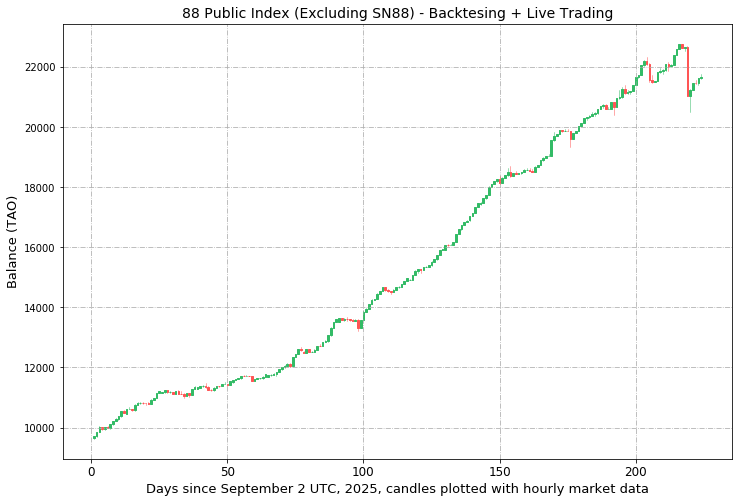
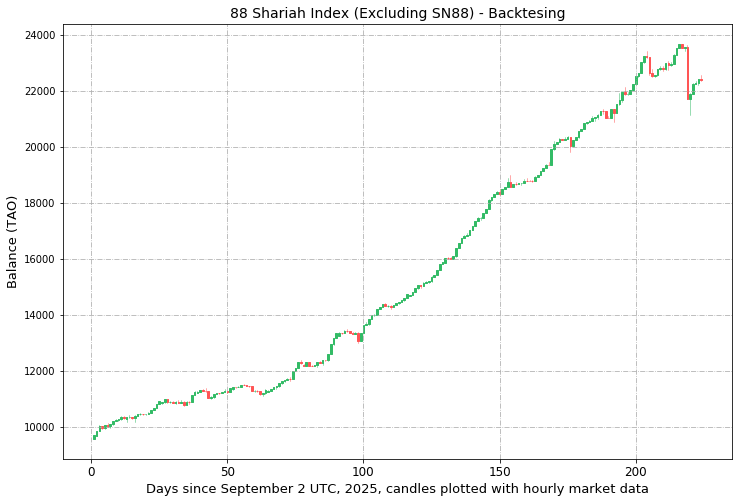
📊 Update: Our latest Shariah model has shown comparable backtesting performance
We are planning a limited round 1.5/1.S opening with the 88 Shariah Index. Stay tuned
#Bittensor $TAO
x.com/Investing88ai/status/2…
98
Dr.HYDRA {₿,𐤊,τ} retweeted

Apr 10
A few more points here..
⚫️ Templar founder extracted 37,000 $TAO worth of alpha tokens from his 3 subnets..
So it is only logical those 37k $TAO will be dumped on the market for max extraction
Also the possibility shorting was in place before the announcement was made/alpha was dumped
⚫️ To everyone who invested in any of those 3 subnets
When you invest in a subnet.. even though you are backing a team, you are effectively investing in the subnet slot itself
Subnet 3 will persist.. Templar will not
Which means alpha holders on subnet 3 still have their tokens.. and if a new team comes along with a killer idea and revives the slot (As is being planned, led by @const_reborn) then token holders of SN3 will also see price recovery
⚫️ Sam claims @const_reborn tried to "ruin him" by selling 200t on his own alpha
Const buys and sells alpha tokens all the time.. his subnet was no different but you don't see all the other subnet owners nuking their subnets into the ground
He also helped Sam build Templar and donated startup funds..
"Const did everything for Sam. He built the first versions of both grail and Templar for him and then gave him those subnets. He found developers for him to work on the subnets. He donated him $Tao and gave him startup funds and the owner key for free to Templar. He supported him the whole way. I remember Const gave Sam a 2000 Tao bonus for Christmas one year. Then the one time Sam doesn’t like something that happens (Const sell like 5% of his tokens) he crashes out, rugs all his investors, spreads fake news across socials, acts incredibly immature by leaving all groups, and you say this is Const’s fault??? What an insane interpretation of events. This is nobody’s fault except Sam."
⚫️ Templar news and achievements had reached the very top of the AI industry.. large influential figures were praising the subnets success
For this to happen now.. it will for sure have some deep knock on effects that will take some time to recover
⚫️ Changes will be made on #Bittensor to mitigate this happening in the future..
"The outcome of this eventful evening is that #Bittensor will invent lock-based subnet ownership -- specifically: ownership of a subnet determined by a team's long term economic commitment to the project." @const_reborn
⚫️ Lastly.. #Bittensor is a large, permissionless network that is growing fast every single day
There's always going to be bumps in the road along the way.. but its how the network and its participants respond in such tough times
Things will recover and this will barely register on the overall journey of #bittensor
$TAO
47
129
682
31,401
Dr.HYDRA {₿,𐤊,τ} retweeted

Apr 9
Working with our friends from the Middle East, addressing demands worldwide, we've begun training our S-model, bringing Shariah-compliant capital to a specialized edition of the 88 Public Index. Stay tuned
🌍 For a more united and prosperous planet. Infinity awaits ♾
6
3
27
7,898
Dr.HYDRA {₿,𐤊,τ} retweeted

Apr 4
They said nobody would buy @tao_punks …
Every single one got minted.
I think y’all are underestimating how powerful a strong community is.
Bittensor $TAO has one of the strongest cult like community I’ve seen in crypto…
If @tao_punks does this right, they could build a great community building project that’s a NET POSITIVE for Bittensor outside of Bittensor.
In my opinion, extractive subnets are significantly more damaging to the Bittensor $TAO ecosystem than @tao_punks which is simply creating community outside the ecosystem.
There’s a lot of die hard holders of subnets who see the value in building connections and community outside of the subnet framework.
I understand it’s easy to hate.
But this is just the beginning.
Can’t wait until we spin up 3D versions of punks using @404gen_, and come up with other cool ways of utilizing subnets for Tao punks.
Something interesting is cooking here…
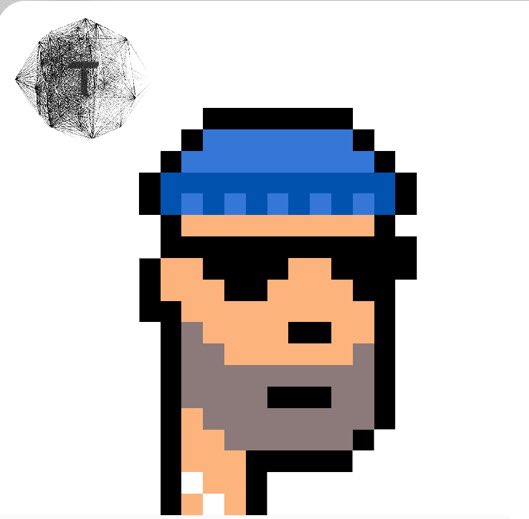
Get your hands on a TAO Punk.
10
11
53
5,863
Mar 28
Hope this is not April’s fools prank

1
1
1
195
Mar 22
For the new tao subnet users — a few things I wish I knew earlier 👇
I learned this the expensive way and lost a good chunk of TAO. Sharing so you don’t repeat the same mistakes.
Best way to get into subnets: use the Tao.com app
– Clean UI, great portfolio tracking (you can actually feel the PnL moves)
When buying:
• Pick your subnet
• Set custom slippage to 0.01 first
• It’ll show the required slippage → adjust accordingly
• Or reduce order size to keep slippage low (saves you from MEV losses)
I use this for individual buys/sells.
For multiple subnet sells → Taostats works better.
More useful tools & sites coming in this thread 👇
3
13
4,466
Mar 22
If you want to trade subnets, you need proper charting 👇
This is where Backprop.finance comes in
• Gives you charting capabilities
• Helps you track trends & plan entries/exits
• Useful for spotting interesting subnets early
Important tip:
• Create a separate wallet for this → so your charts & setups are saved long-term
I personally use this to:
• Analyze subnets
• Keep chart references for future trades 📊
1
1
2
197
Mar 22
Last tool I’ll mention: Taoflute.com
• Great for researching subnet socials & links
• Helps you understand the background & activity of each subnet
Most importantly:
• Shows subnets that are at risk of deregulation
Super useful for avoiding unnecessary risks and staying ahead of the game 👀
1
2
162