Tell yourself what you'd like.
Joined April 2020
- Tweets 20,445
- Following 4,430
- Followers 1,203
- Likes 68,546
164 Photos and videos









stop cop city / land back retweeted

This is the photo of the child I posted about yesterday. He was four years old.
Save his photo. It should be on the front page of every newspaper in the world. Shame on the complicit media which has failed to report on this.
Remember again, Israel killed Rayyan Abu al-Ajin by a bullet to the eye.
Look at his face. Look at his eyes.
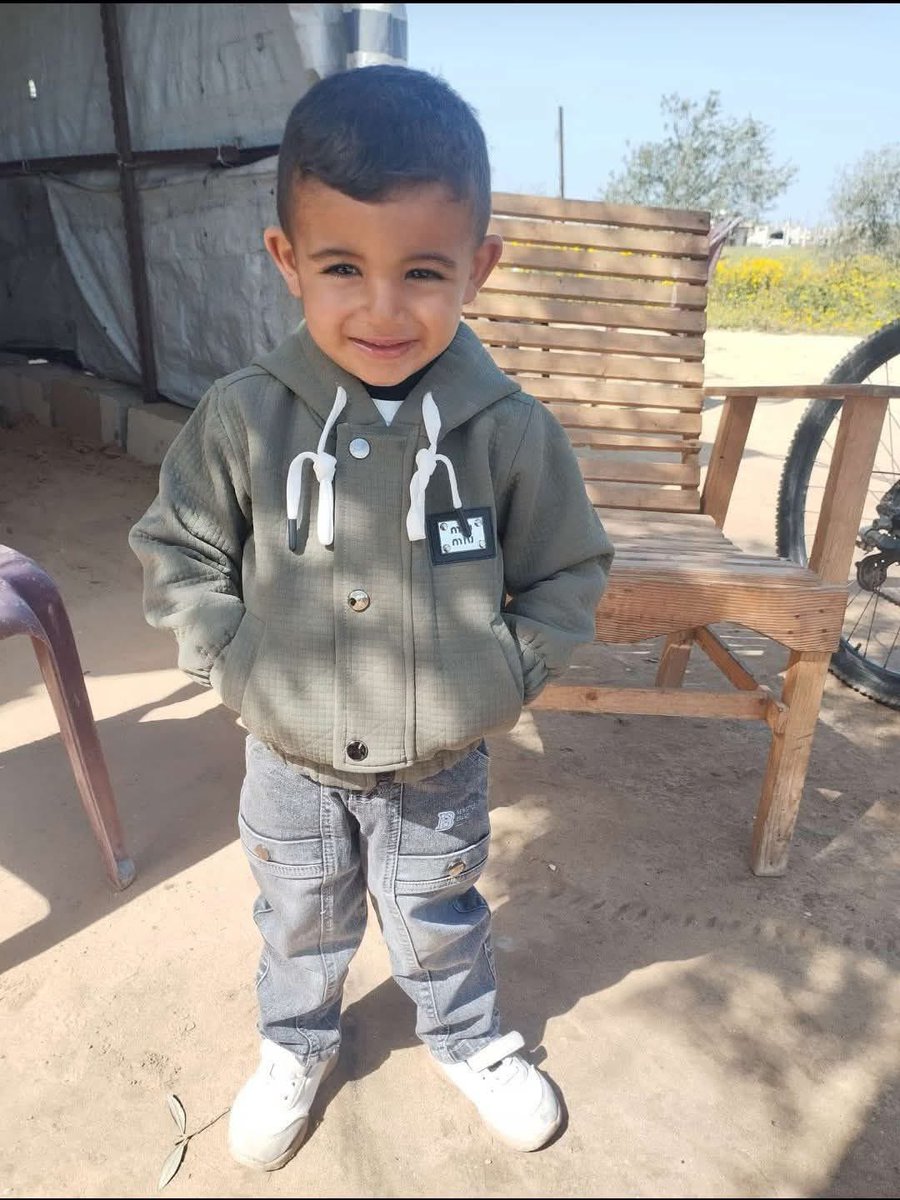

THIS SHOULD BE A HEADLINE EVERYWHERE:
The child was killed by a BULLET to the EYE.
30
943
1,437
30,729
stop cop city / land back retweeted

I know people are going to come forward.
1
3
50

White American man says what?
Jun 15

There can’t be more than 11 people in the United States who knew what Côte d'Ivoire was before the World Cup.
13

stop cop city / land back retweeted

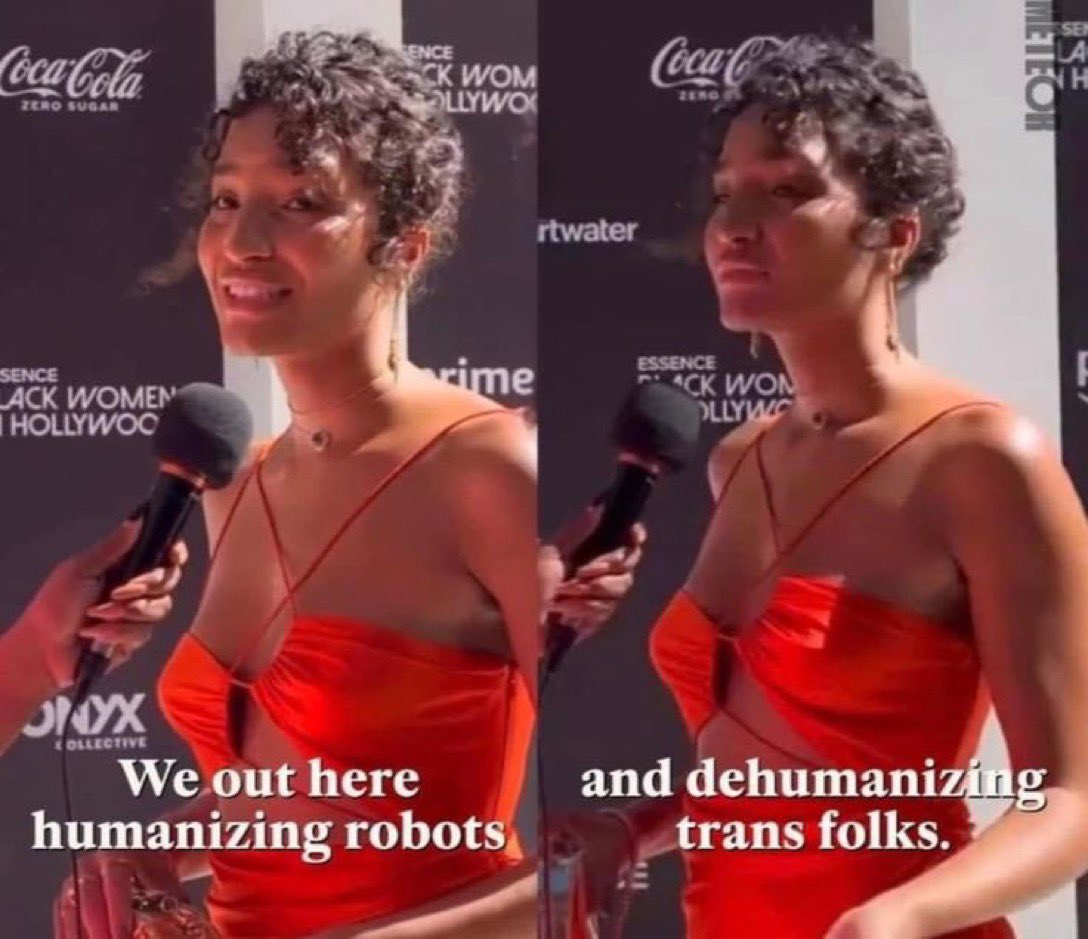
Is there any way to help this absolute king
3
113
954
6,721
stop cop city / land back retweeted

Israeli drones targeted me while I was clearly filming a report in an open space with all requirements (press signs on the car, vest and helmet with press signs, cellphones open and not doing anything else.
I was told that Lebanese army was blocking the road somewhere, so i went there searching for where the Lebanese army is.
I stopped at Arnoun-Yohmor-Kfartebnit roundabout because i didn't want to go further.
I got outside my car, with my cameras in the cage and my microphone with PressTV logo.
I was filming when the Israeli drones deliberately attacked where I was standing, and not my car.
Two brave men were able to come to my rescue after about 15 to 20 minutes. I was trying to get away from my car as I was expecting they might retarget it.
6 shrapnels hit my body (1 right chest, 3 right leg, 2 left leg).
I am better now.
Targeting journalists is a war crime.
I wish if any international legal side was able to benefit from this video to
Glory to the resistance, our only hope in front of those zionist criminals.
128
1,467
3,238
203,886
stop cop city / land back retweeted

It went from “porn” to everything like we all predicted

JUST IN: UK Government clarifies adults will still be able to use social media by verifying their identities with digital IDs, facial recognition, passports and credit cards.
99
7,509
76,797
2,496,420
stop cop city / land back retweeted

his entire fortune is extracted from the public purse. parasite.

Elon Musk is being given 715 acres of land in the Lower Rio Grande Valley National Wildlife Refuge. A lawsuit has been filed by numerous Conservation groups. They say it violates laws that are protecting refuges and harms endangered species. It’s on a National Historic Landmark.

34
3,367
12,606
144,445
stop cop city / land back retweeted

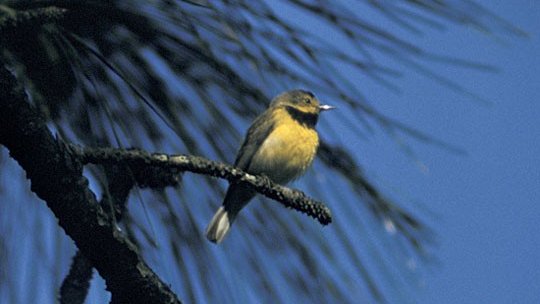
There was a small yellow songbird that lived in the swamps of the Carolinas, and it went extinct so quietly that almost nobody noticed it was gone.
It was called Bachman's warbler. A little over a century ago it was a fairly common bird, flitting through the dense cane thickets and flooded bottomland forests of the Southeast, buzzing out its song, eating insects, raising its young, then flying down to Cuba for the winter. Audubon's friend John Bachman first found it near Charleston in the 1830s.
Then the swamps started disappearing. We logged the bottomland forests, drained the wetlands, and cleared the cane, and the bird that needed all of it had nowhere left to go. There was no dramatic last stand for this bird. No famous final bird in a cage.
By 1950 it was one of the rarest birds in America. The last solid sightings came in the early 1960s. After that, nothing. People went looking, year after year, and the swamps stayed quiet.
The government didn't officially declare it extinct until October 2023, more than sixty years after anyone last saw one. A whole species gone, and most people never knew it had existed at all.
That's how it usually happens. Not with a bang, but with a habitat erased and a song nobody noticed going missing.
The point isn't to mourn one little warbler. It's that the time to save a thing is while it's still common, while you can still hear it.
9
126
421
7,009
stop cop city / land back retweeted

Jun 15
Just a reminder that some toddlers have spent more time in immigration detention than anyone has spent in jail over the Epstein files.
6
168
874
6,505
stop cop city / land back retweeted

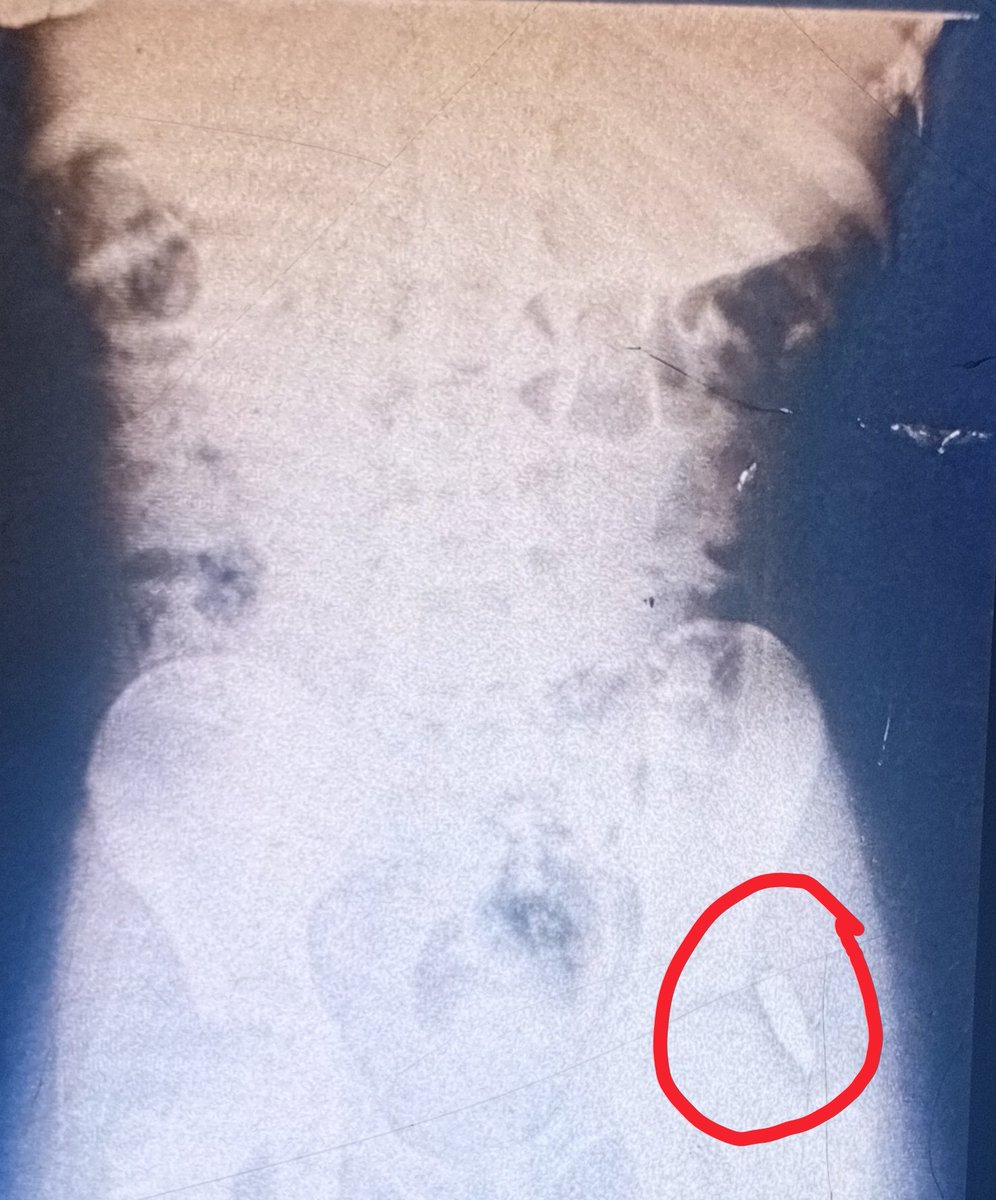
O Merciful World we need your support and prayers for my sister.She is currently in the hospital.Tomorrow she will undergo surgery to clean the wound,And also if they can extract the bullet,they will,but the location is very dangerous,close to a nerve.
gofund.me/4aa3c5070
2
10
12
450
stop cop city / land back retweeted

7h
Hey everyone,
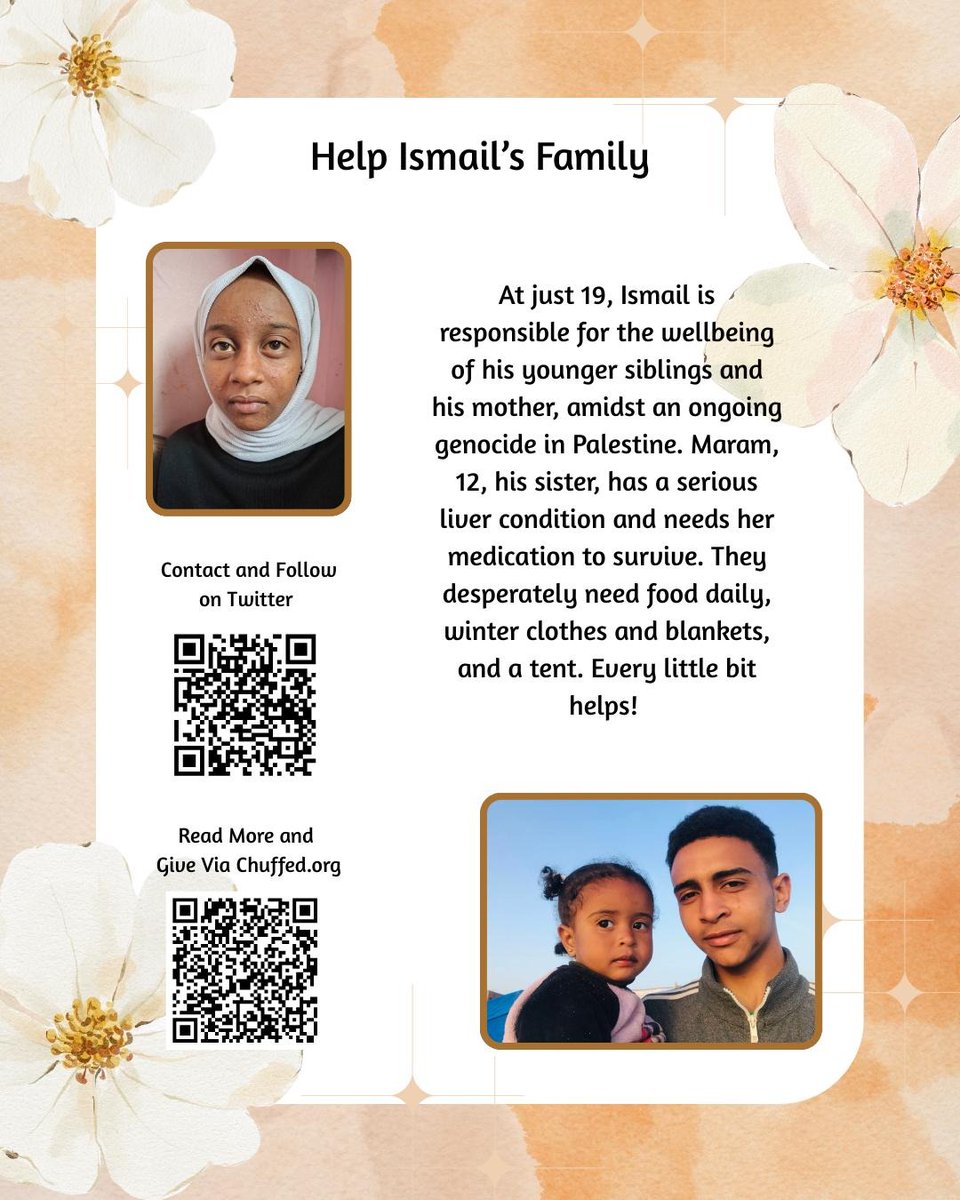
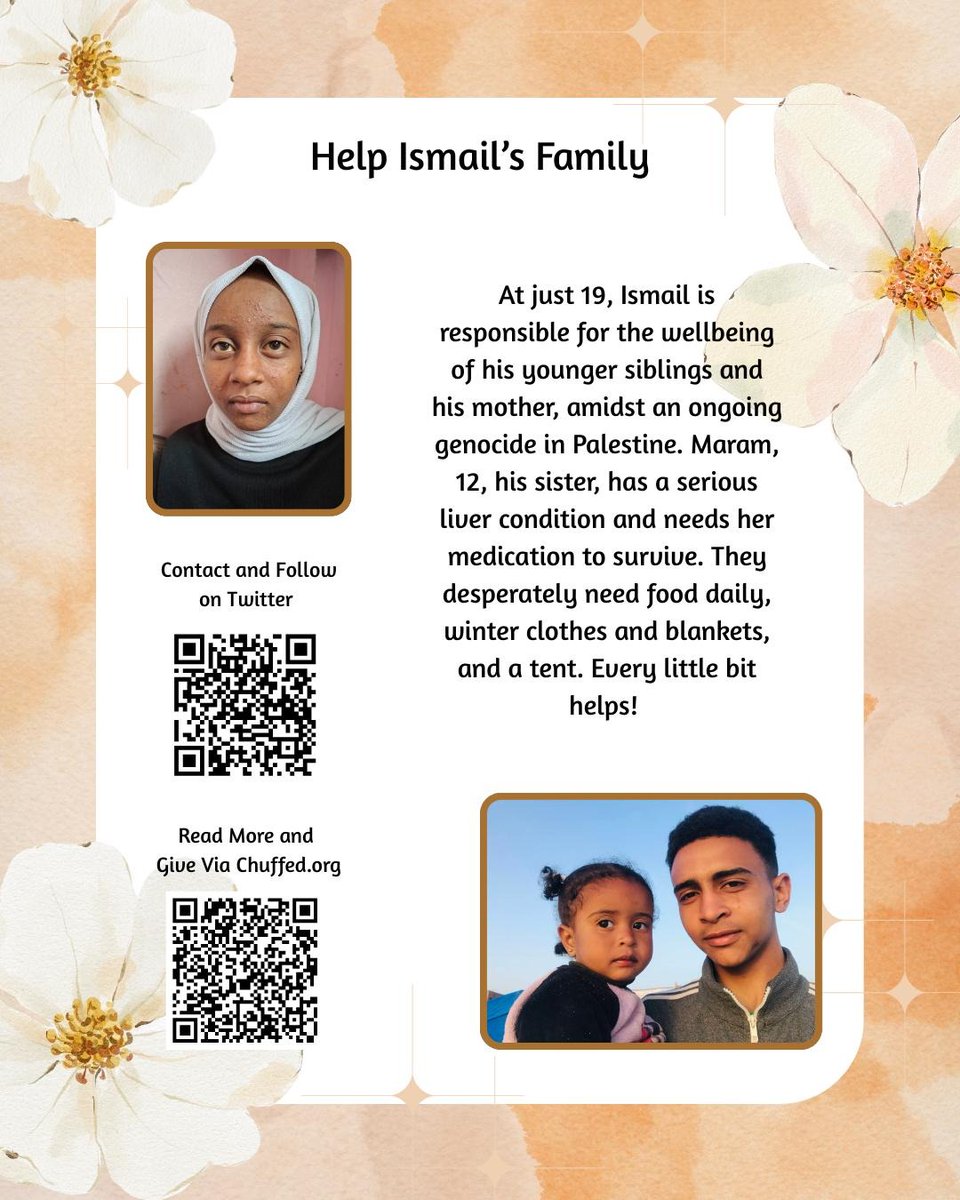
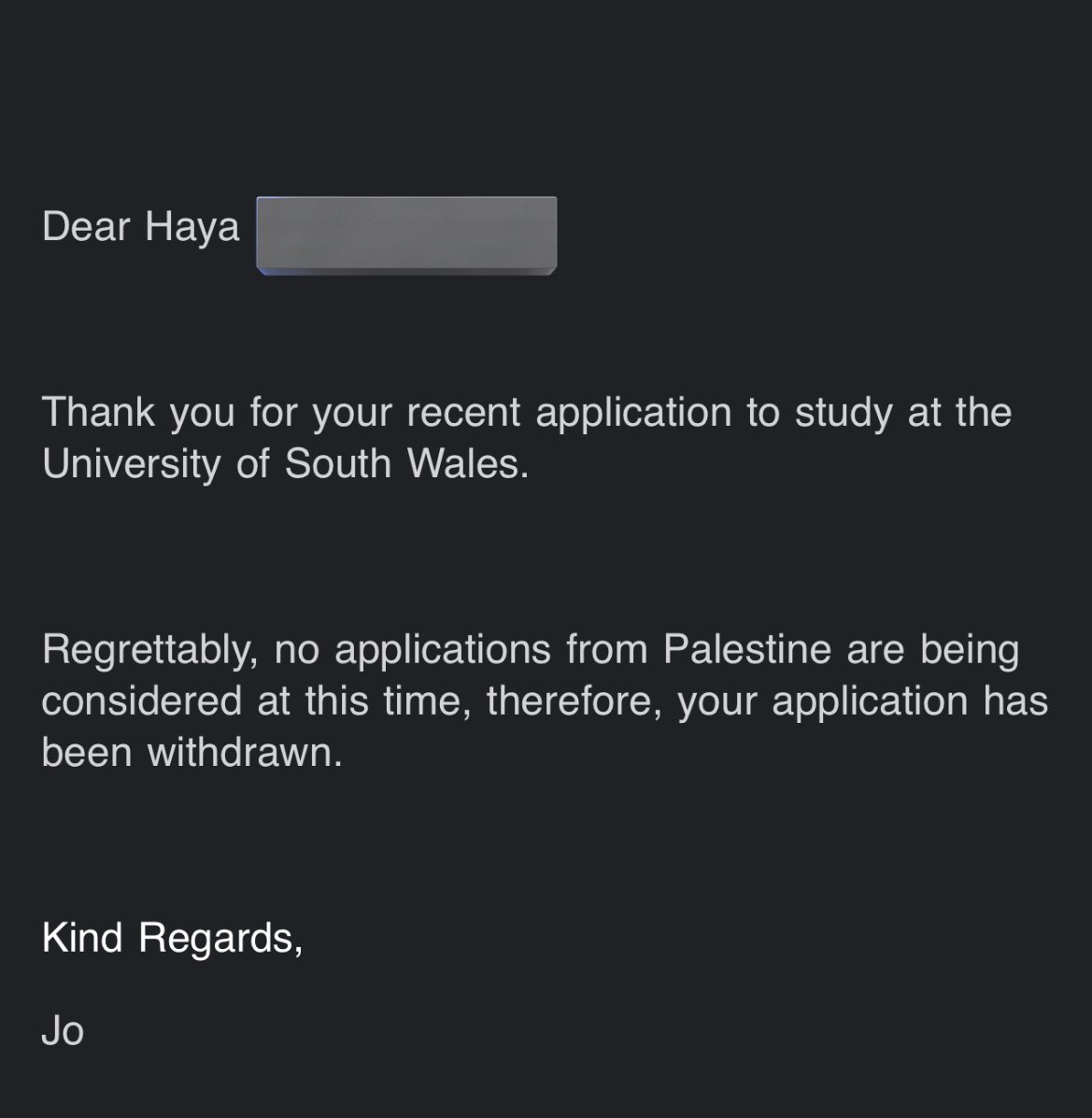
I’ve been fighting for this opportunity for almost a year, and I won’t let it slip away now. I’m in the final stage of my journey to join my dream program at the University of Aberdeen, but I only have 2 weeks left to raise the remaining funds for my evacuation.
I’m 51% of the way there.. help me cross the finish line every donation and share makes a world of difference.❤️
chuffed.org/project/hayaeduc…

4
53
83
3,596
stop cop city / land back retweeted

Jun 14
This news only increases my worry for Muammar. Who continues to be held in the same prison that this reported organ harvesting programme is reportedly being carried out. There is a lot more that the world could be doing to help force the release of those being held hostage by the militia

Jun 14

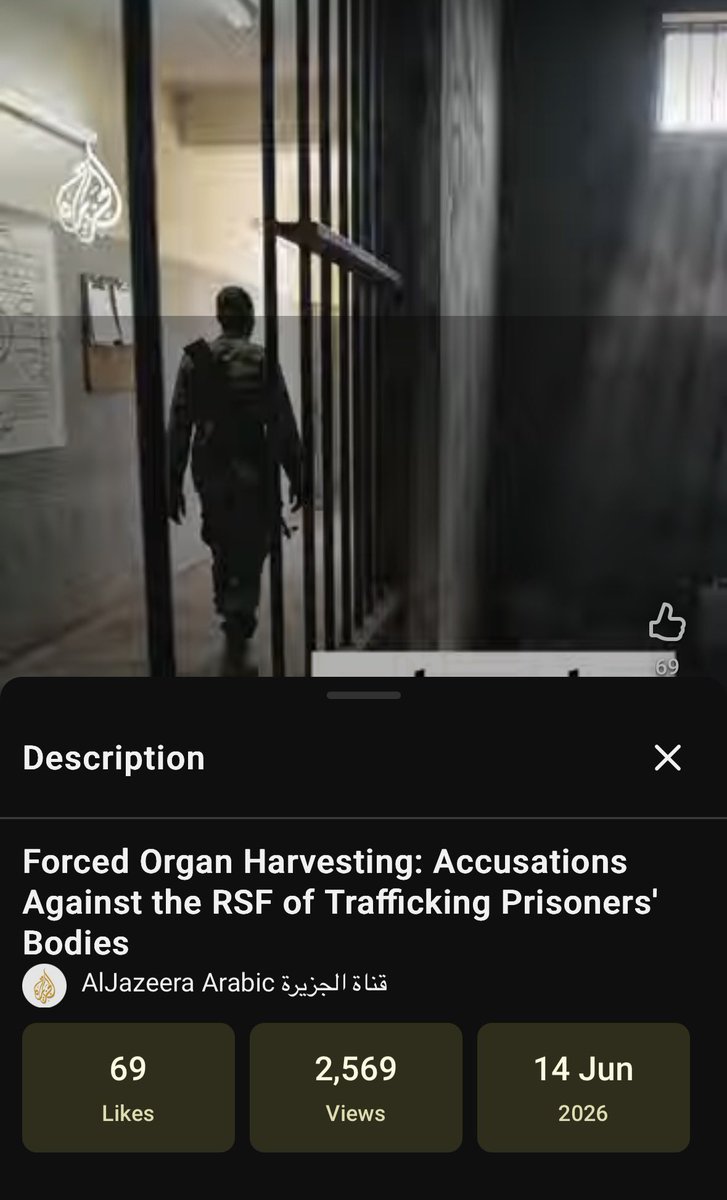
‼️The RSF is employing Colombian and Serbian rogue surgeons to harvest organs from amongst the thousand of prisoners it’s holding captive in Darfur as a means to generate revenue.
There is no atrocity that you can imagine that this genocidal militia has not already be committed. Any future worth envisaging for Sudan requires the full dismantlement of the RSF.
2
83
93
2,756
stop cop city / land back retweeted

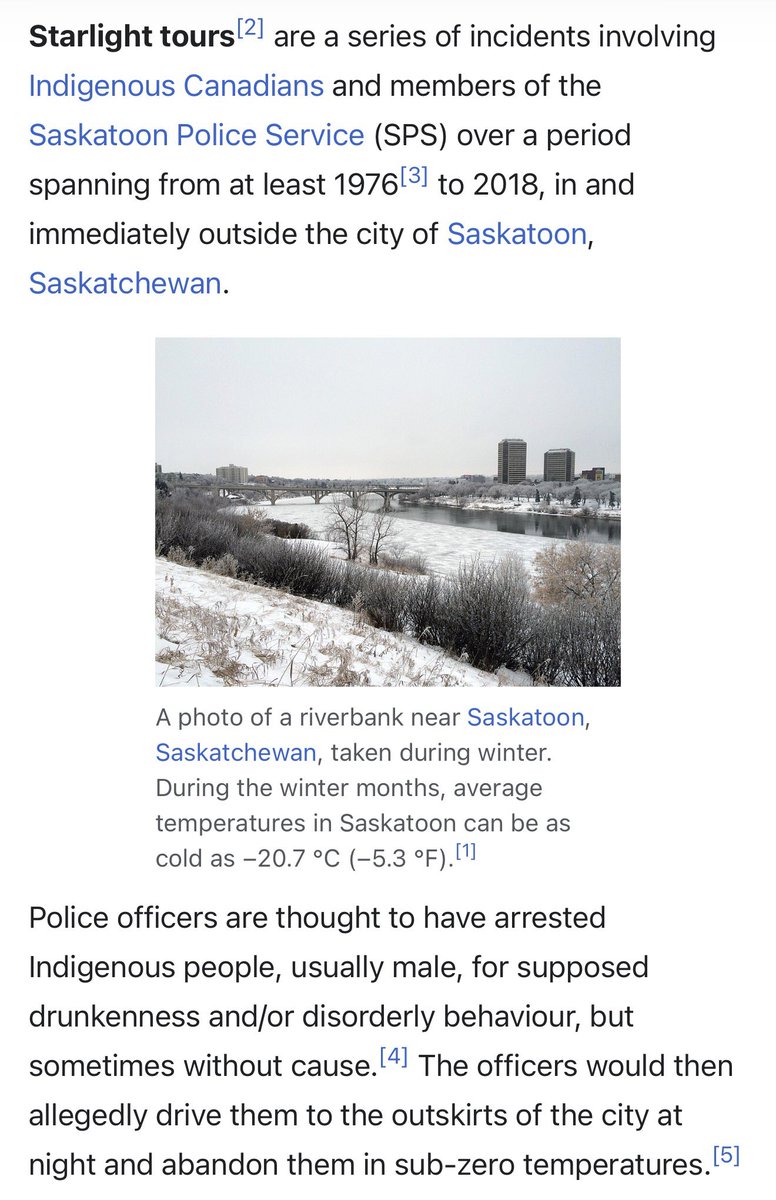
Another instance of ICE releasing vulnerable detainees in the middle of nowhere, in freezing weather, killing them. They did the same to Nurul Amin Shah Alam, who was legally blind.
Woman’s hypothermia death after her release by ICE is ruled a homicide theguardian.com/us-news/2026…
24
471
1,756
77,739
stop cop city / land back retweeted

My dream is to sleep on a warm bed, eat enough food, and drink clean water.
119
1,844
9,324
93,178
stop cop city / land back retweeted

Jun 14
They’re coming for everyone’s homes because you let them do it in Palestine
Jun 14

A heartbroken elderly Albanian man says Jared Kushner has taken everything he spent a lifetime building, including his land, his home, and the future he hoped to leave behind for his children.
He says he returned home one day only to find his property sealed off behind barbed wire, with men in black uniforms standing guard and refusing to let him step inside the house he once called his own.
In a single moment, he says, the life he had worked for was gone.
“It was the end of the world. The end of the world.”
“I felt imprisoned.”
“They took my freedom.”
“They took my livelihood.”
“They took my land.”
16
7,176
27,364
321,555
stop cop city / land back retweeted

Jun 14
Désolée mais je pense que dépenser de l’argent pour rendre la vie impossible aux SDF plutôt que pour les aider c’est le symbole parfait d’un système dépourvu d’humanité
Jun 13

These benches are designd to keep homeless pople from sleeping on them.
496
41,364
269,268
3,736,113
stop cop city / land back retweeted

x.com/i/status/2066114250615…
I'm not looking for a large amount but for ahelping hand that won't leave me to face this fear alone A small but consistent donation could mean food for us,a sense of security,relief from the constant worry that never leaves us😔🙏
chuffed.org/project/145641
Jun 14

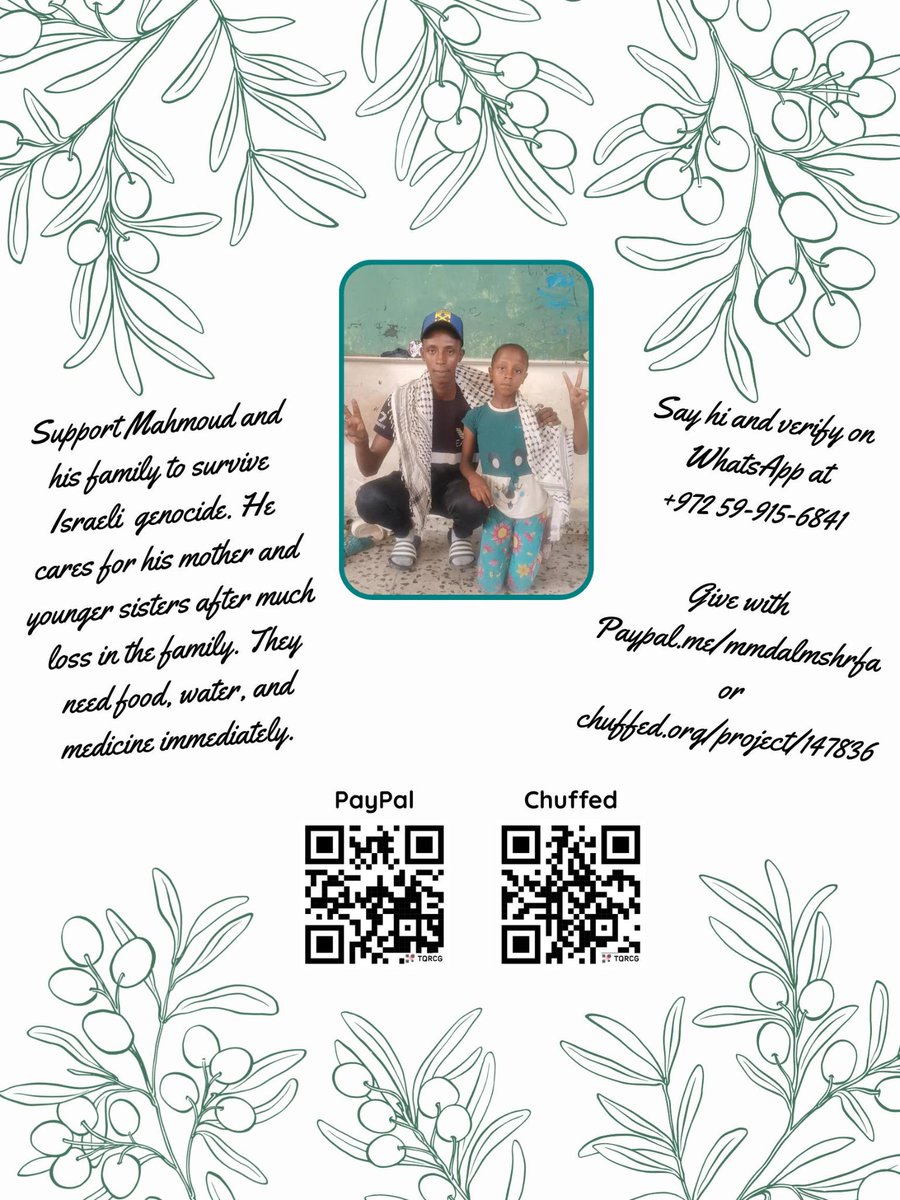
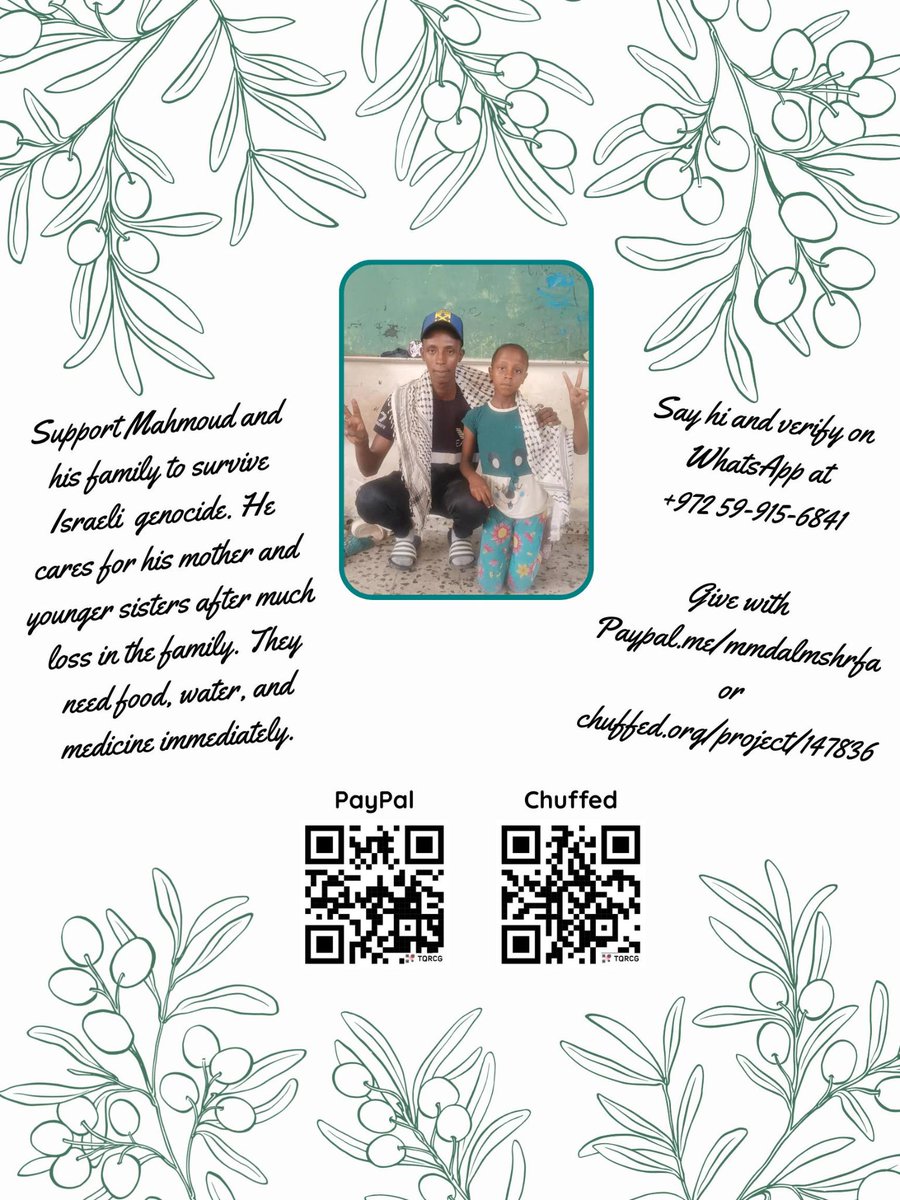
💔 Urgent appeal: My little sister urgently needs milk, and I cannot afford to provide it under these difficult circumstances. Any help, no matter how small, would make a huge difference. Thank you for your kindness. 🙏🤍chuffed.org/project/145641
29
22
22
463
Fucking stop it now is a crazy way for one western millionaire to talk for the "entire movement" to people actually taking militant action to break the siege. Just target elbeit is not an "entire movement" strategy anyway. This is a bonkers post. Fucking stop it now.

1) I will not demean anyone who has done past flotillas, especially detainees
2) fucking stop it now. The entire movement has made the point clear. The resources are wasted, the political line is too soft, the tactics aren’t doing it.
Stop.
Target fucking Elbit and stop re-inventing the wheel
1
3
344