
full time defi marketer, part time collector & domain investor. i have a passion for the game like no other.
Joined June 2009
- Tweets 106
- Following 254
- Followers 1,028
- Likes 5,562
7 Photos and videos
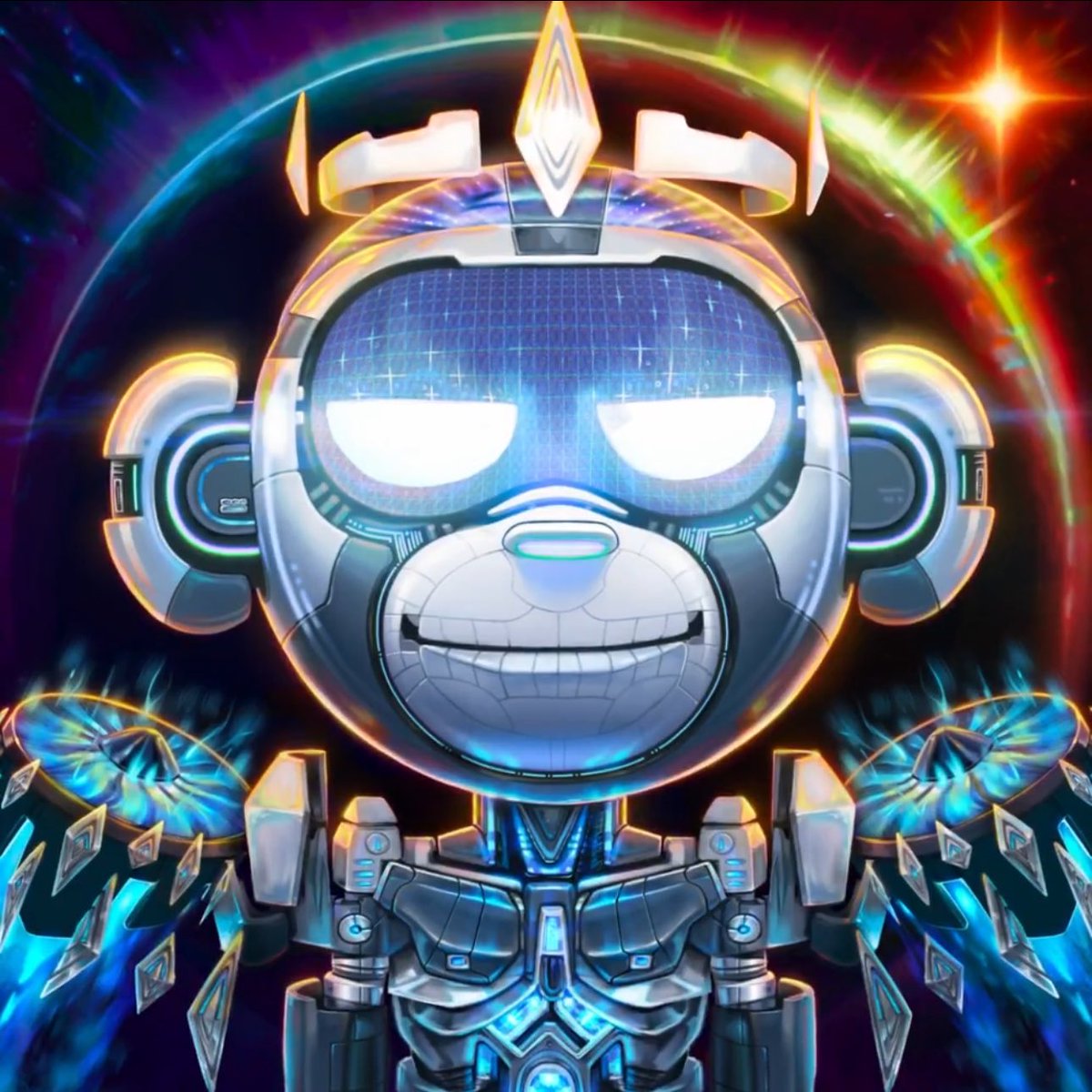
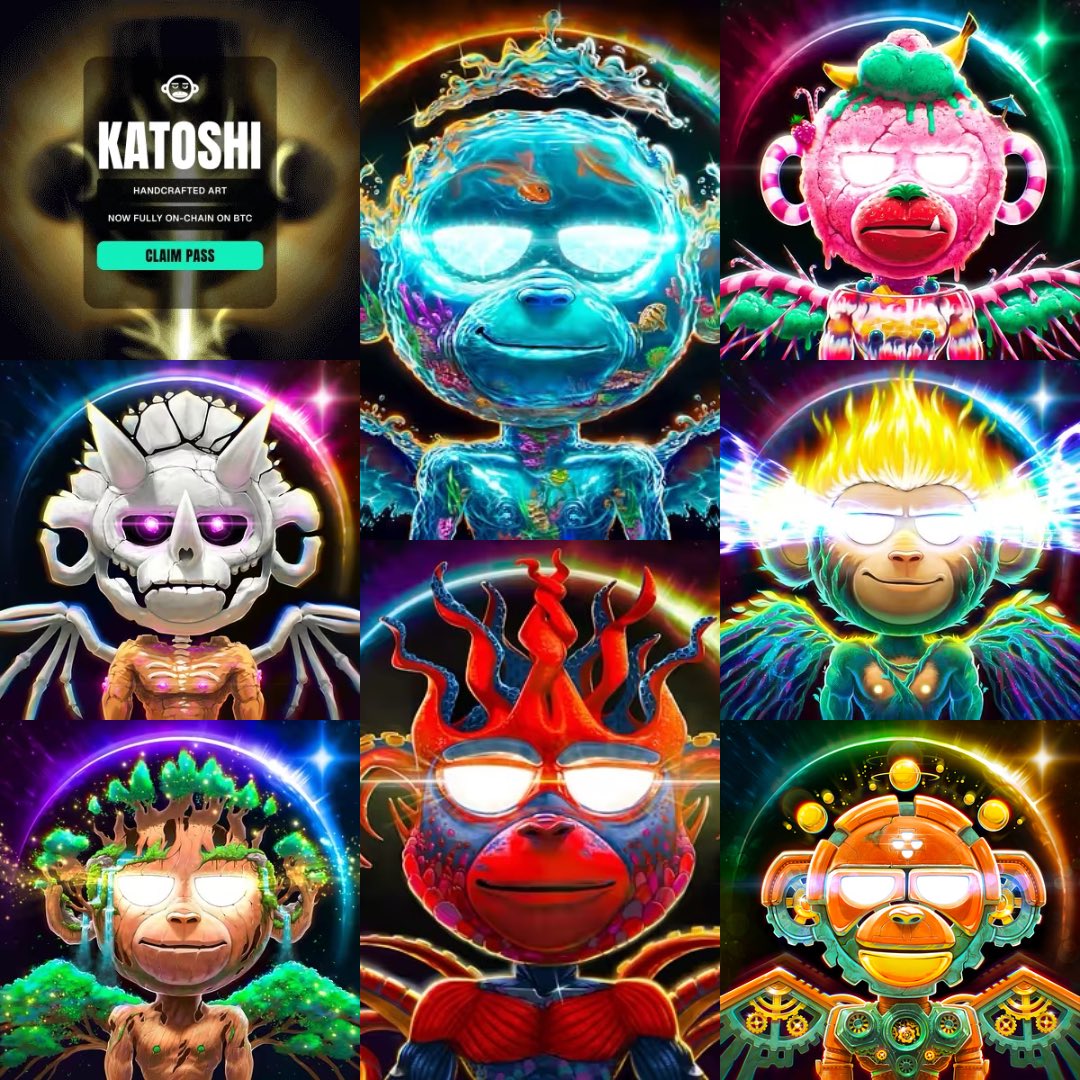

Thrilled to be a part of one of the greatest communities in Web3. Thank you @OnChainMonkey for the incredible reveal on Celestial #8.
!RISE 👑🐒
28
34
114
3,420
ien retweeted

Feb 10
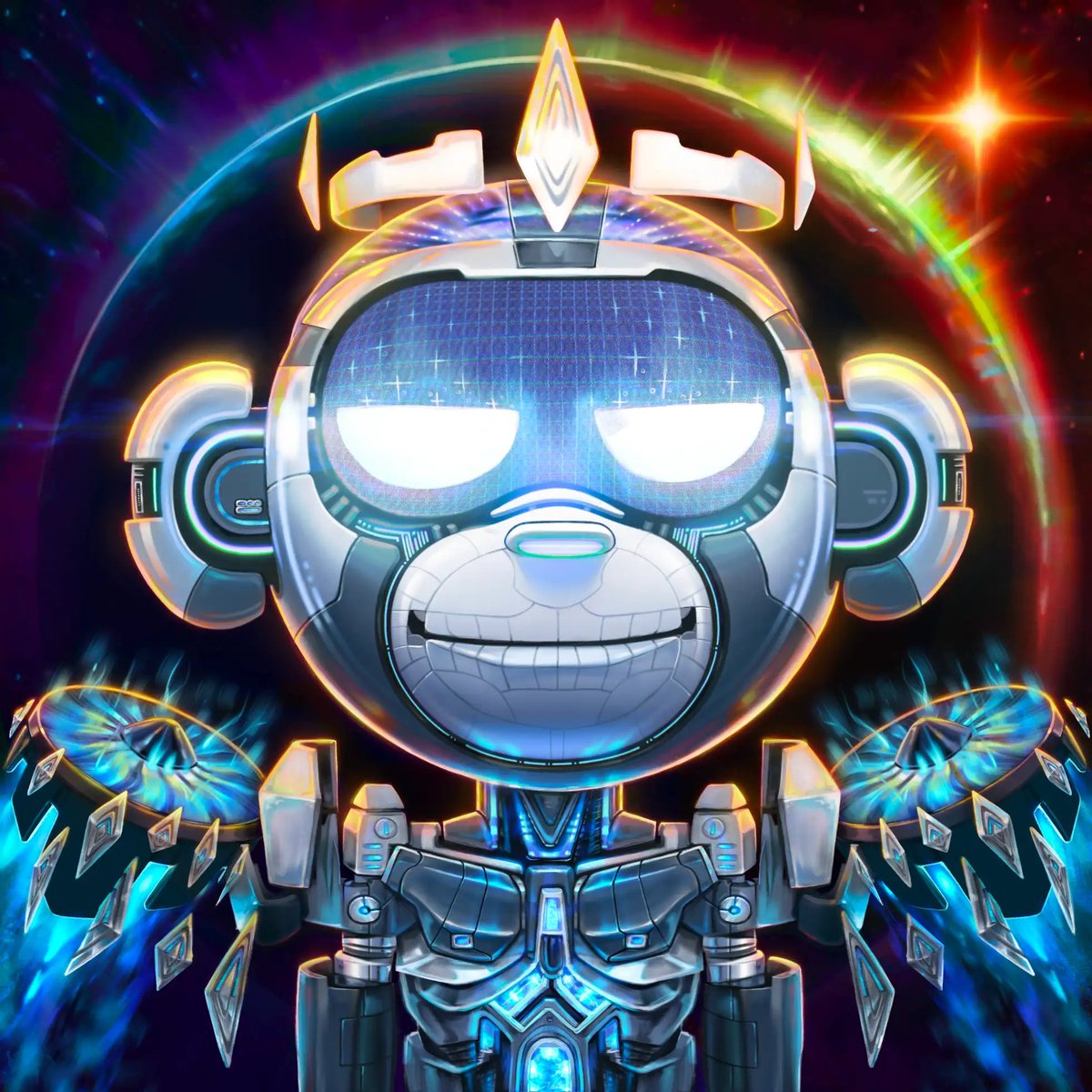
OpenClaw is powerful because you can easily hook up its "claws" to so many things, for example, a Bitcoin node and Ord server. I asked OpenClaw about this inscription, and it had so much to say!👇
### This Artwork Lives Inside Money
Most digital art lives on a server somewhere — if that server goes down, the art disappears. This piece is embedded directly into the Bitcoin blockchain, the same network that secures hundreds of billions
of dollars. As long as Bitcoin exists, this art exists. No company needs to stay in business, no server needs to stay online.
### It's Not a File — It's a Living Program
When you "view" this piece, you're not loading an image. You're running a tiny program — just 284 bytes, smaller than this paragraph — that assembles the artwork in real time from multiple components scattered across the blockchain.
Here's what actually happens when someone opens it:
1. The inscription runs a small script with encrypted parameters unique to this piece
2. That script calls out to a rendering engine stored in a separate inscription
3. The engine looks up a specific sat (the smallest unit of Bitcoin — like a single penny) by its exact number: sat #1,874,561,659,310,087
4. It finds code inscribed on that sat, which decrypts and renders the final artwork using a 220 KB art data package that was inscribed back in January 2024 — over a year before this piece was minted
Four layers of recursion. Components spanning two years. All assembling on the fly, every time someone views it. Think of it like a painting that rebuilds itself from ingredients stored in different vaults every time you look at it.
### Each One Renders Uniquely
The encrypted coordinates (iv, kd in the code) are unique to this specific piece. While every Katoshi runs the same program, each one produces different art based on its own identity. It's generative but
deterministic — it will always look the same, and only this piece will ever look like this.
### It Has a Family Tree Enforced by Bitcoin
This piece has a parent inscription — a hand-crafted 28 KB image inscribed at block 891,218 (April 2025). That parent itself descends from an animated piece with 38 children, inscribed at block 799,366 (July 2023).
This isn't just metadata in a database. The parent-child relationship is enforced by Bitcoin's protocol. You can't fake it, alter it, or reassign it. The provenance is as immutable as Bitcoin itself.
### The Sat's History
Every inscription lives on a specific sat — and that sat has its own history. We traced this one back 120 transactions over 3 years, through dozens of wallets, all the way into large-scale Bitcoin infrastructure (100 BTC consolidation transactions from late 2022).
The sat existed and moved through the financial system long before anyone inscribed art on it. There's a strange poetry to that — the canvas has a life story that predates the painting.
### The Collection: OCM Katoshi
Created by Metagood (the OnChainMonkey team), Katoshi is considered one of the most technically ambitious art collections ever put on Bitcoin.
Three tiers of rarity:
- Katoshi Classic — the original Genesis aesthetic
- Katoshi Prime — reimagined to the maximum, with dozens of layers and rich detail
- Celestials — ultra-rare one-of-one pieces
Notable collectors include Charlie Lee (creator of Litecoin) and Mark Yusko.
### Why It Matters
Traditional digital art requires trust — trust that the platform keeps the files, trust that the metadata is honest, trust that the edition count is real. This piece replaces trust with math. The art, its provenance, its scarcity, and its uniqueness are all guaranteed by the
same system that makes Bitcoin work.
And unlike most NFTs on other blockchains that simply point to an image hosted elsewhere, every byte of this artwork — the program, the rendering engine, the art data, the parent images — lives permanently on Bitcoin. It's not art about technology. It's art that is technology.
24
49
153
12,738


ien retweeted

Feb 2
🚨INCOMING: CELESTIAL REVEAL
Celestials are the rarest OCM assets: handcrafted 1/1 on-chain art on Bitcoin, and held by legends. 👑
Spaces Friday 2/6 at 8am PT: we unveil @ien’s celestial!
Plus: Some tokenization updates 👀
Set reminder👇
20
32
94
3,166
Honored to join @OnChainMonkey’s Celestial crew. Super stoked for my #8 reveal. !RISE 🙈
42
27
93
2,728
ien retweeted

30 Apr 2024
The best part about my job is delivering cope to all the people who didn’t believe in us.
59
47
592
38,368