
Joined November 2022
- Tweets 1,105
- Following 260
- Followers 153
- Likes 11,539
Photos and videos
Pinned Tweet

11 Dec 2022
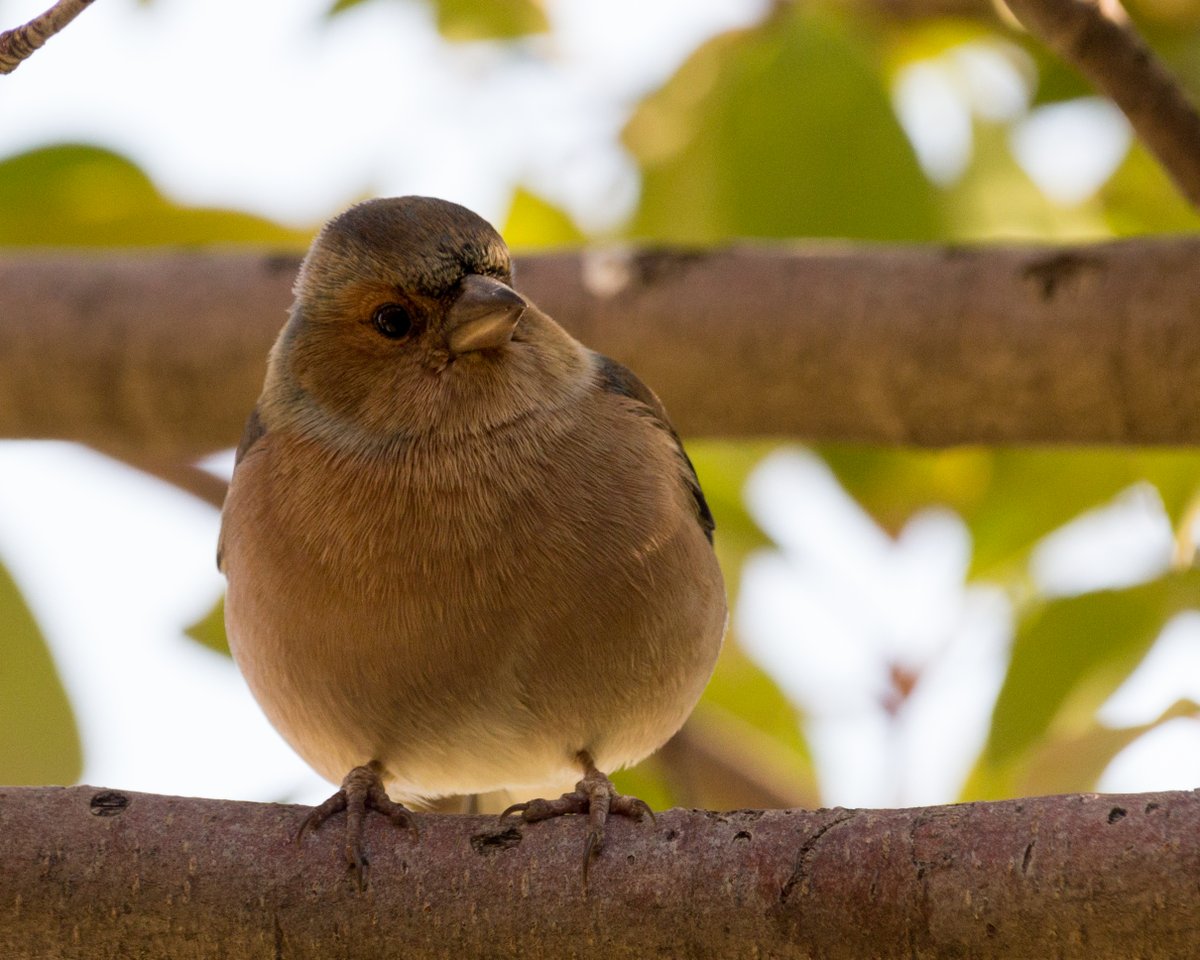
Today, I've added 25 new photos from 15 different kinds of bird to Diary of Birds collection as NFT.
There are total 40 photos from 19 unique bird kinds in my collection as NFT.
For detailed information about the collection 🧵
opensea.io/collection/diary-…
Diary of Birds - Collection | OpenSea
Hello, welcome to NFT collection; "Diary of Birds".
opensea.io 2
9
33
2 Feb 2023
GM 🌞
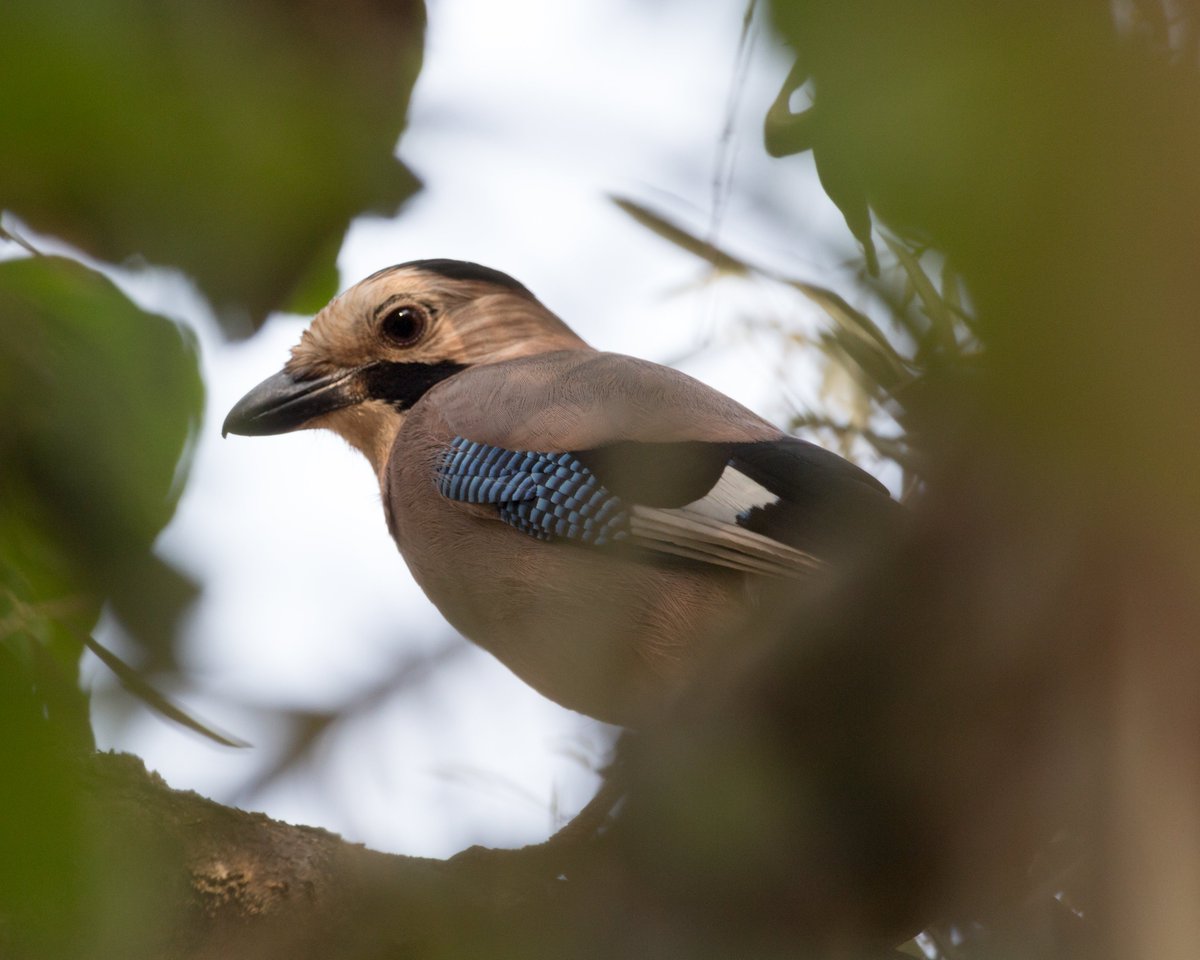
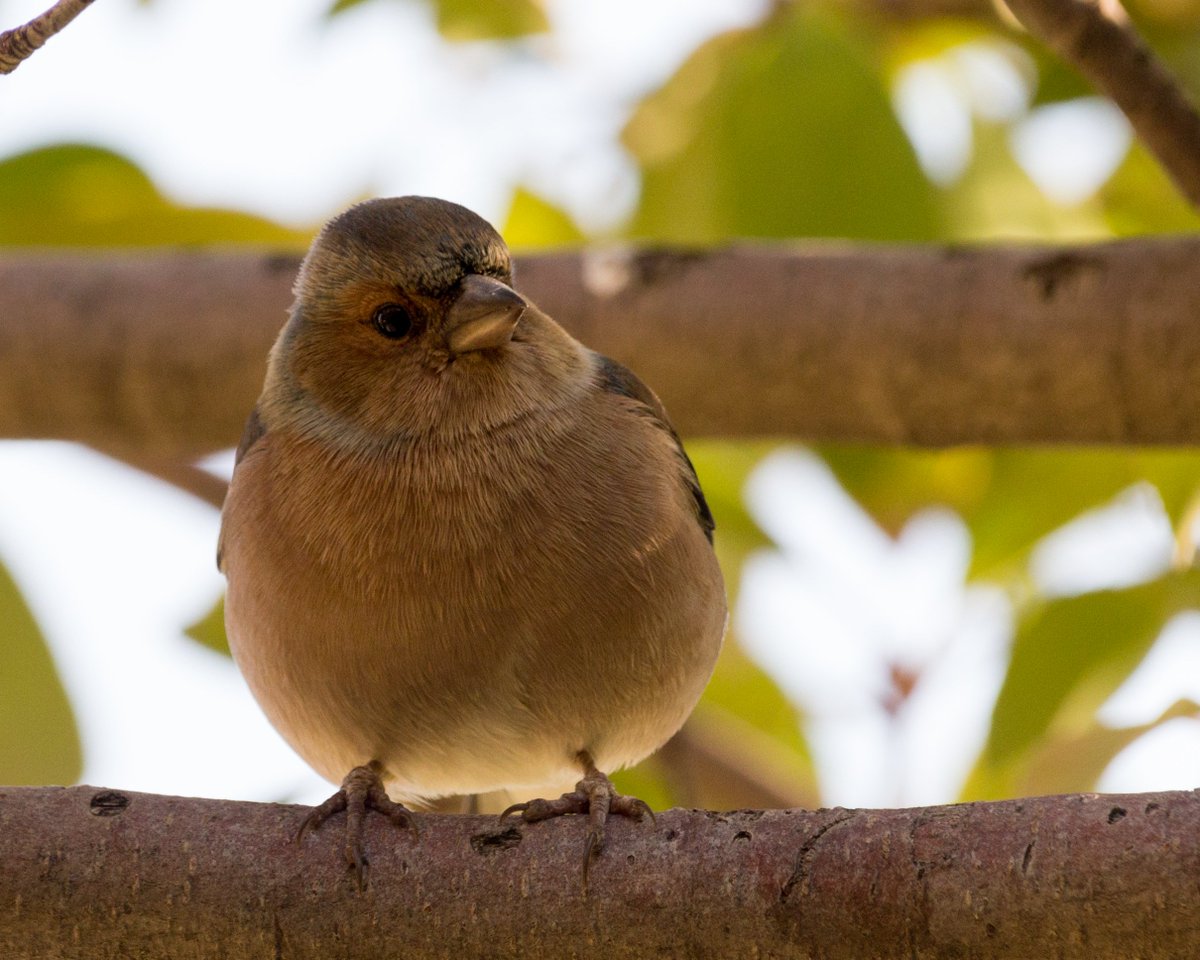
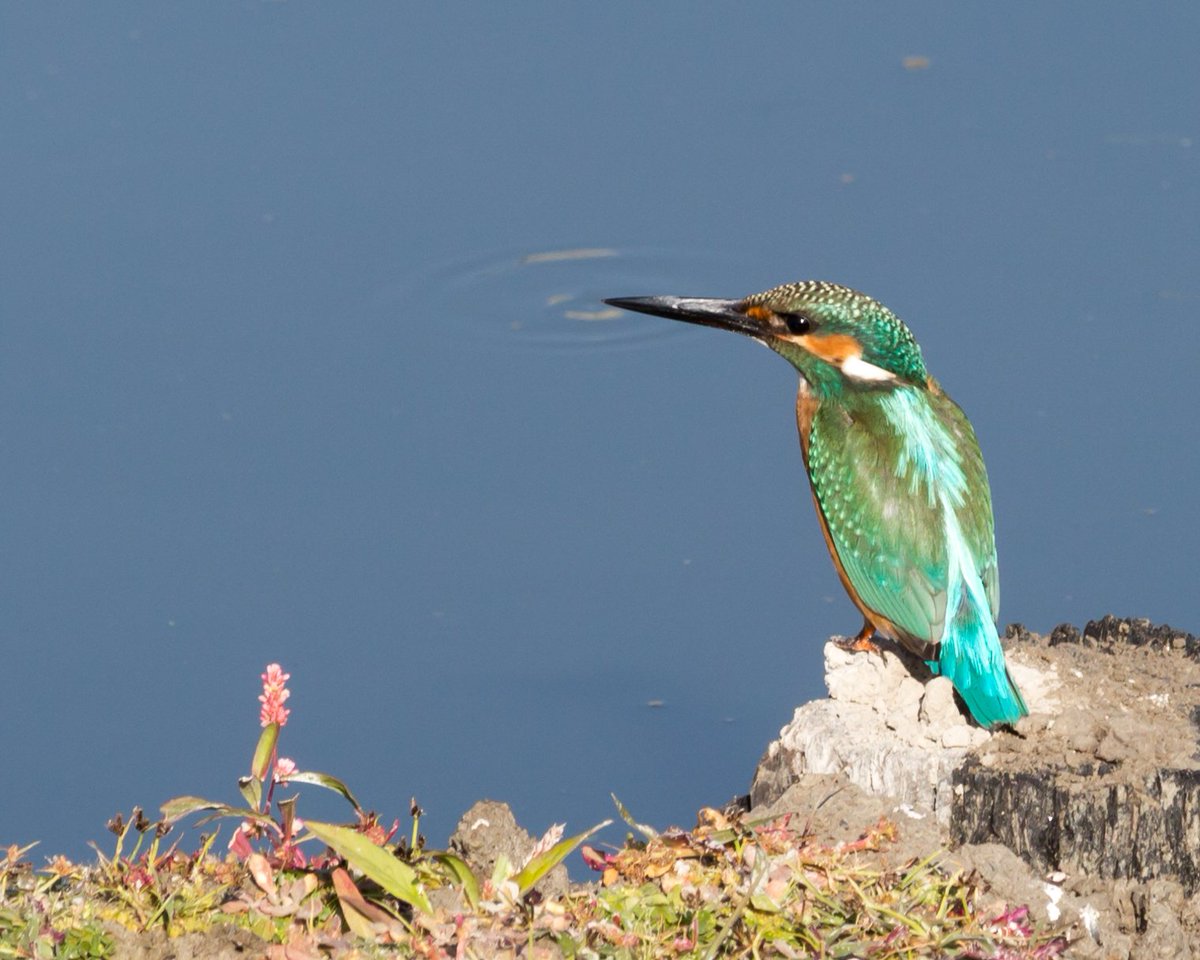
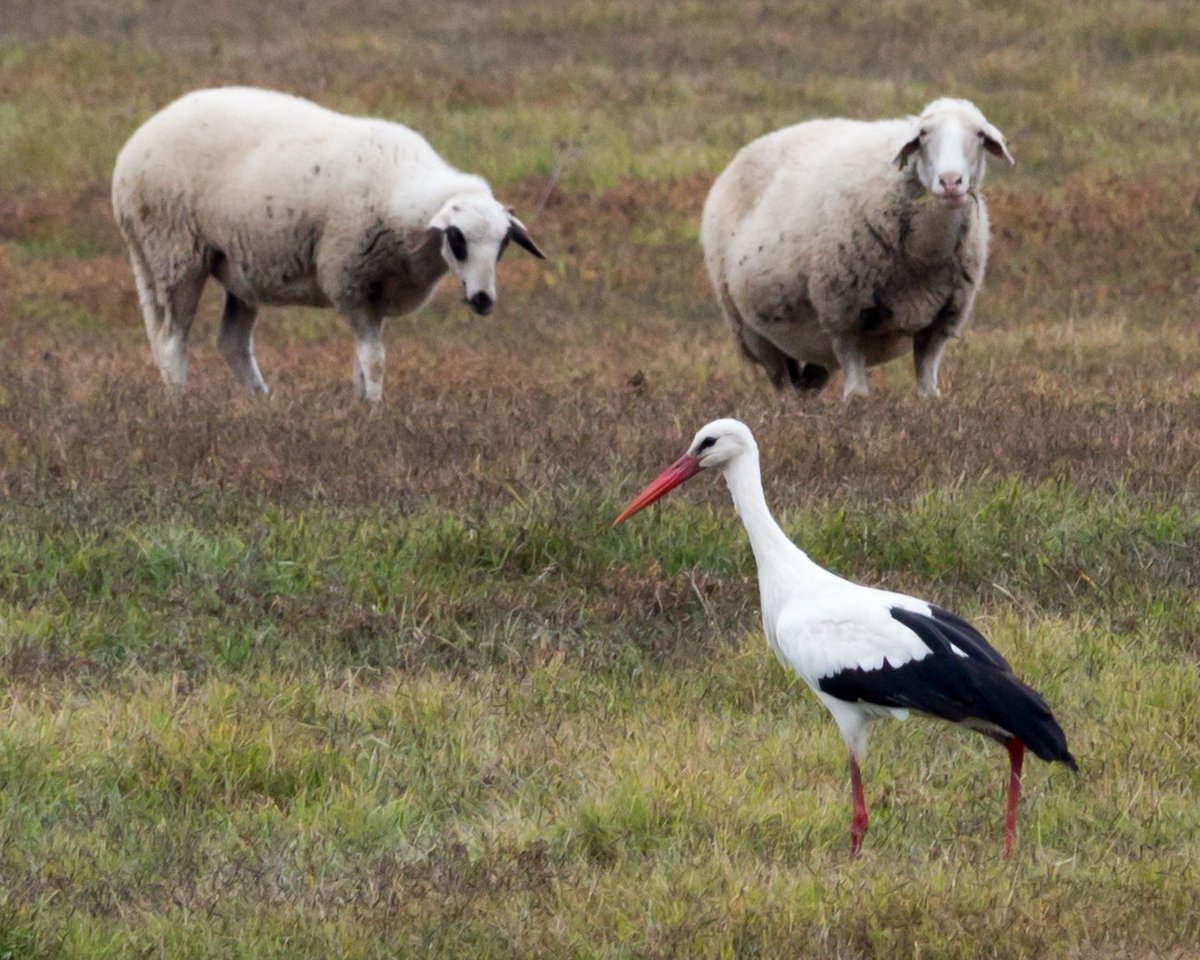
Would you want to take a look to "Diary of Birds" collection?
I will donate saplings to expand birds' habitat with every sale.
opensea.io/collection/diary-…
#NFTs #NFTCommuntiy #nftphotography #NFTCollection
@opensea
3
2
9
143
26 Jan 2023
GM 🌞
Would you want to take a look to "Diary of Birds" collection?
I will donate saplings to expand birds' habitat with every sale.
opensea.io/collection/diary-…
#NFTs #NFTCommuntiy #nftphotography #NFTCollection
@opensea
Diary of Birds - Collection | OpenSea
Hello, welcome to NFT collection; "Diary of Birds".
opensea.io 1
6
81
24 Jan 2023
GM🌞
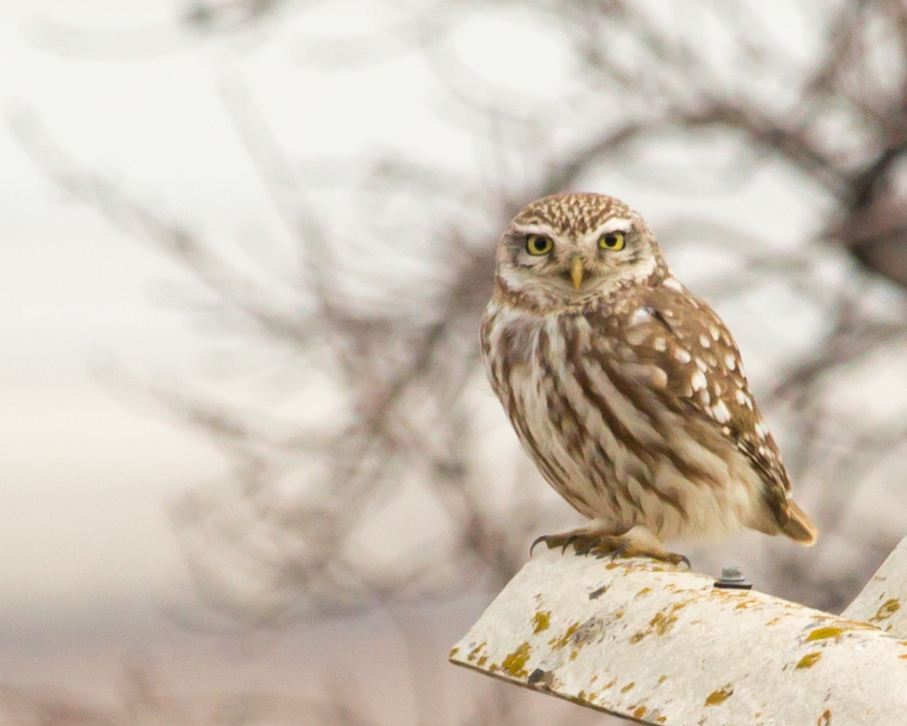
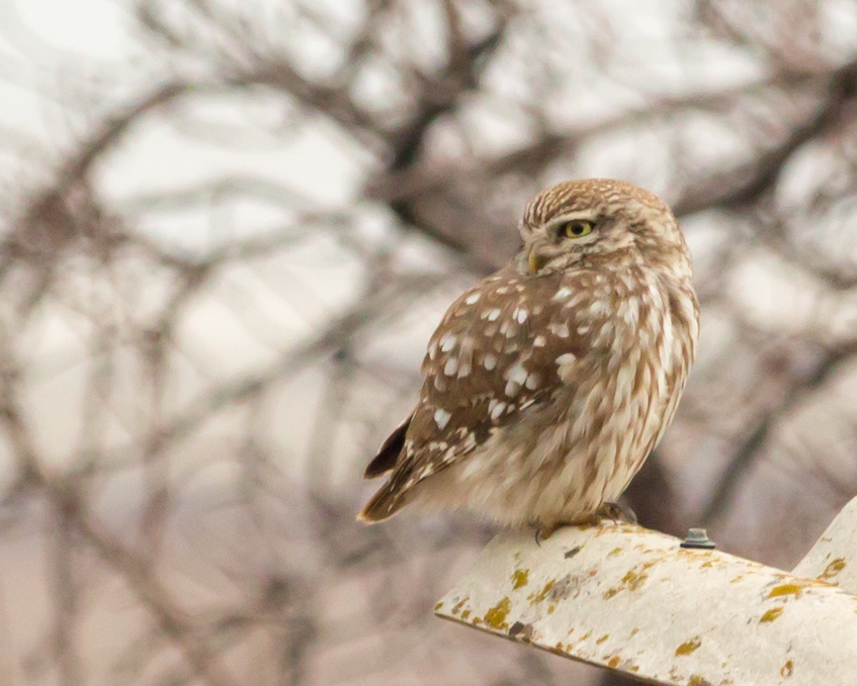
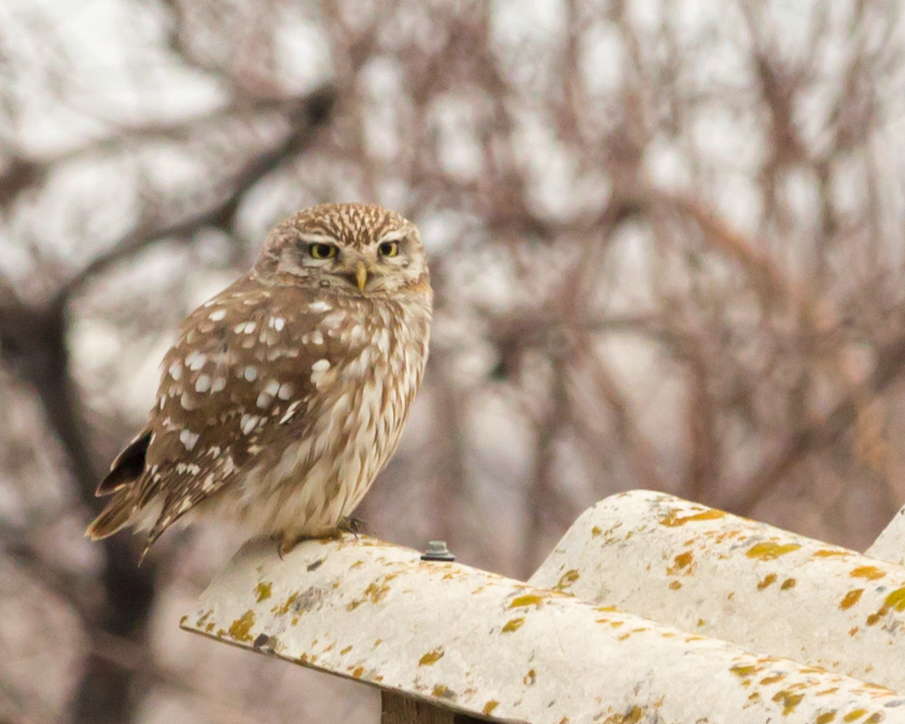
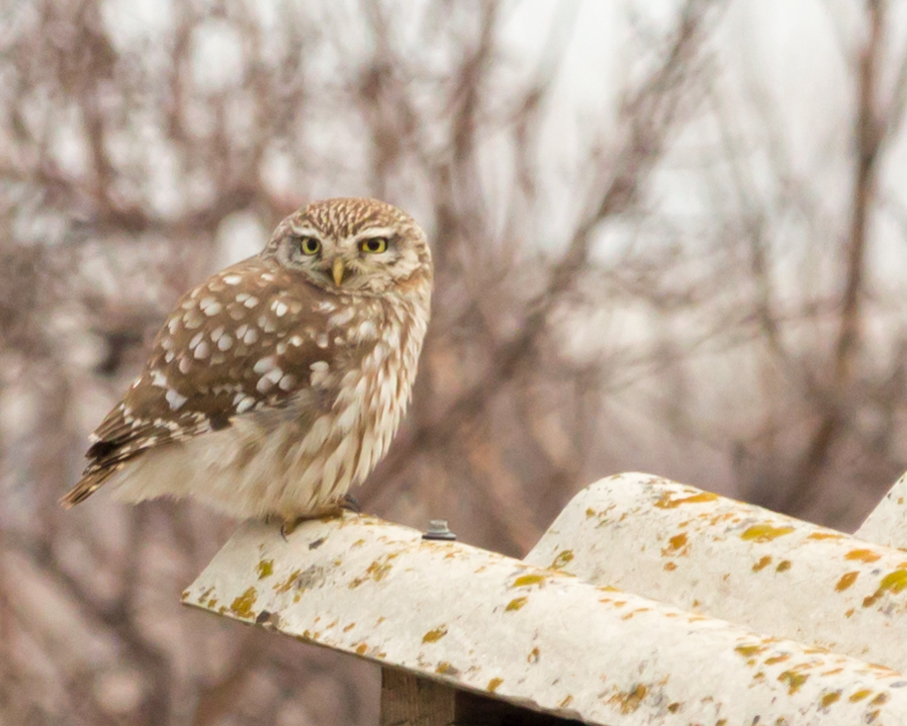
I've added 4 Little Owl photos to Diary of Birds collection.
opensea.io/collection/diary-…
#NFTs #NFTCommuntiy #nftphotography #NFTCollection
@opensea
3
1
11
248
24 Jan 2023
Staring yellow eyes and white brows, together with frequently upright stance, often create alert appearance. Nests in cavities in trees and rocks. Sometimes active by day, perching quietly on posts or rocks, but mainly active dusk to dawn. Flight low and undulating.
1
22
24 Jan 2023
Vocalizations are comprised of a range of endearing squeaks and high-pitched hoots.
1
20
20 Jan 2023
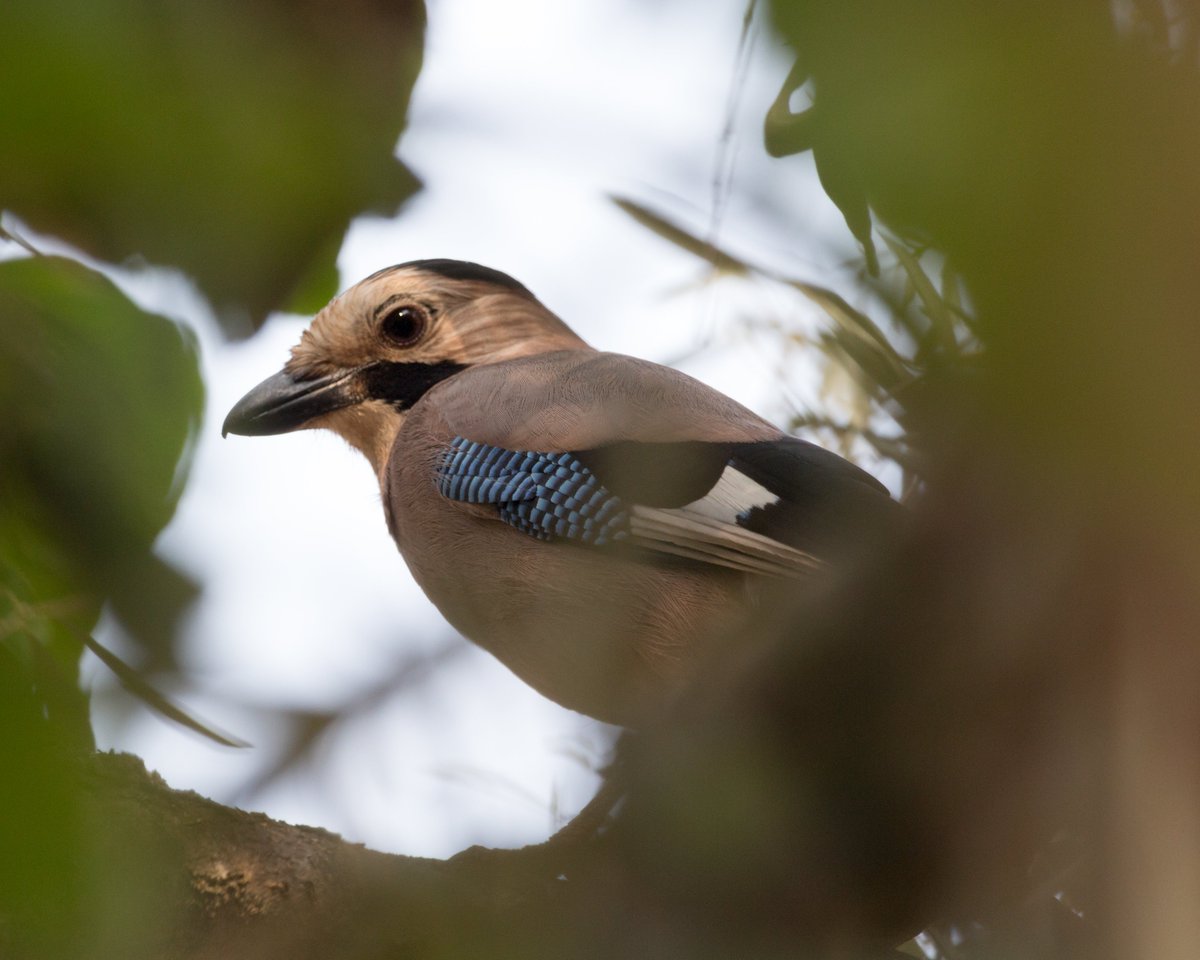
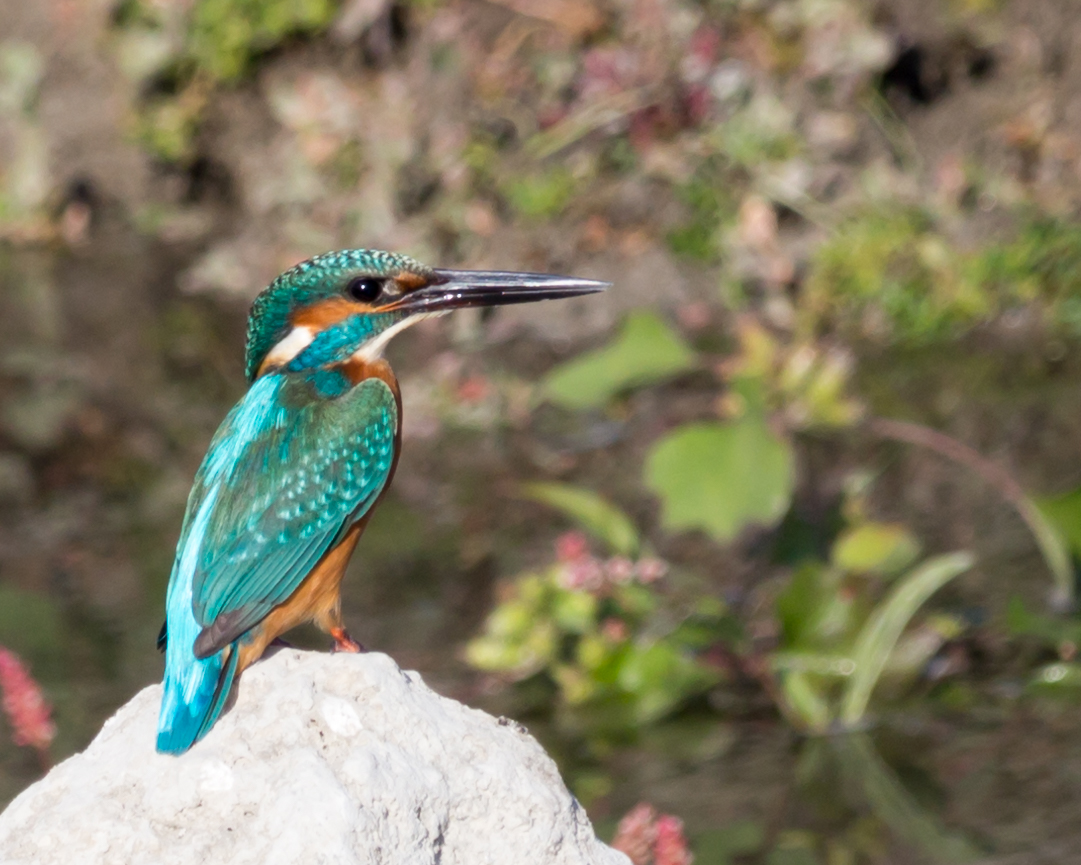
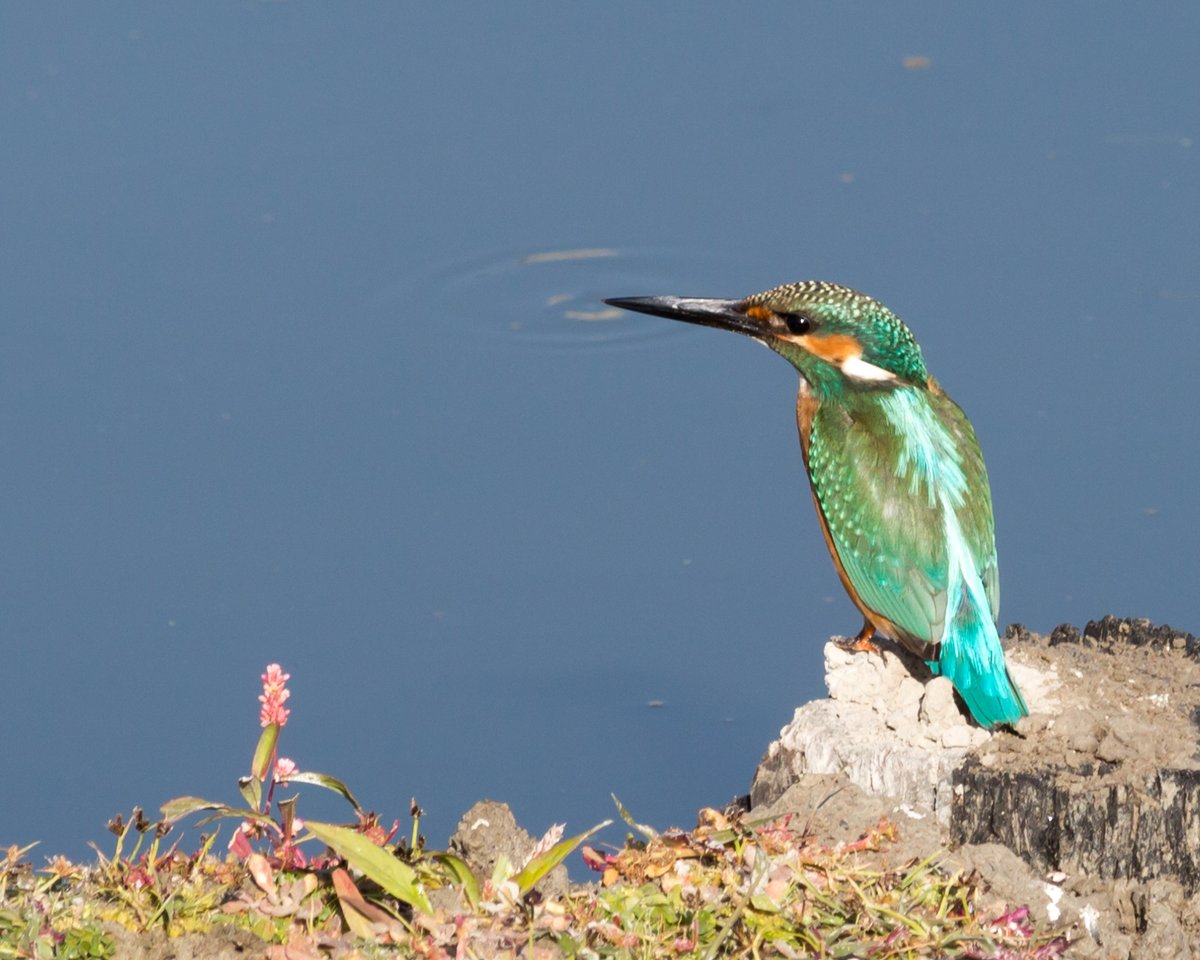
Gm 🌞
Do you like the color blue?
opensea.io/collection/diary-…
#NFTs #NFTCommuntiy #nftphotography #NFTCollection
@opensea
1
6
88
18 Jan 2023
GM 🌞
Would you want to take a look to "Diary of Birds" collection?
opensea.io/collection/diary-…
#NFTs #NFTCommuntiy #nftphotography #NFTCollection
@opensea
Diary of Birds - Collection | OpenSea
Hello, welcome to NFT collection; "Diary of Birds".
opensea.io 2
35
13 Jan 2023
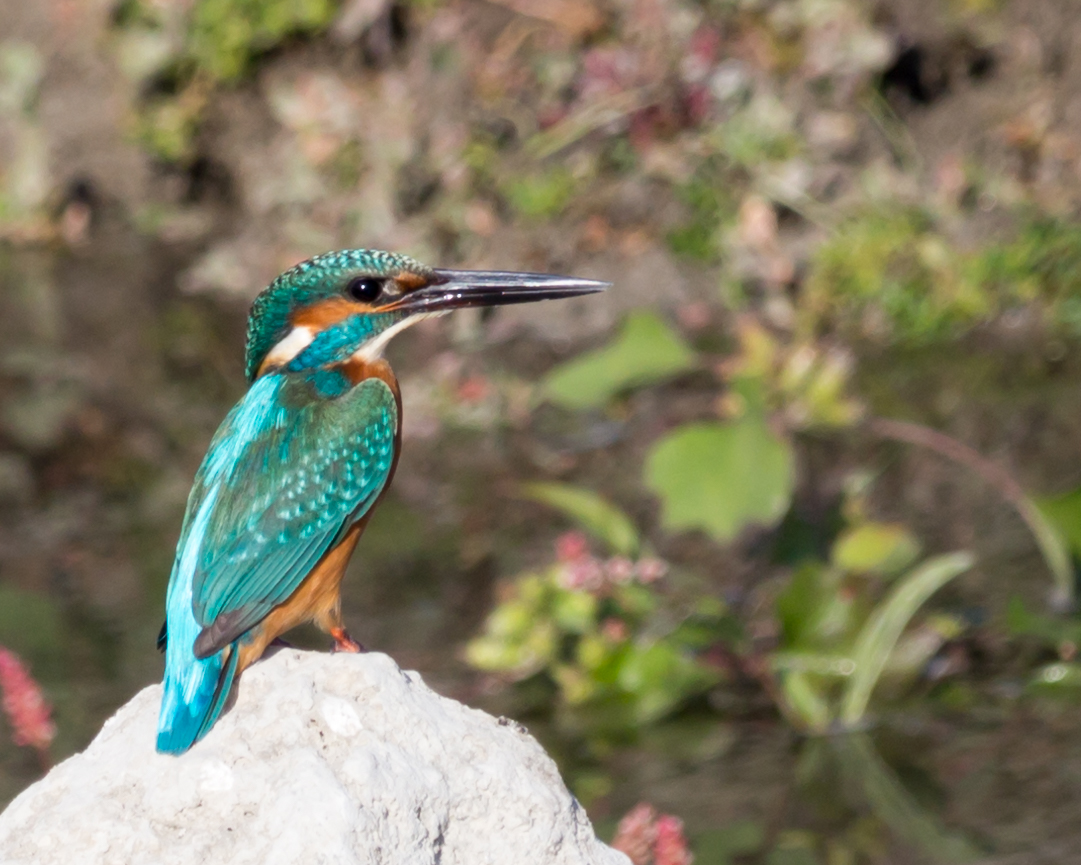
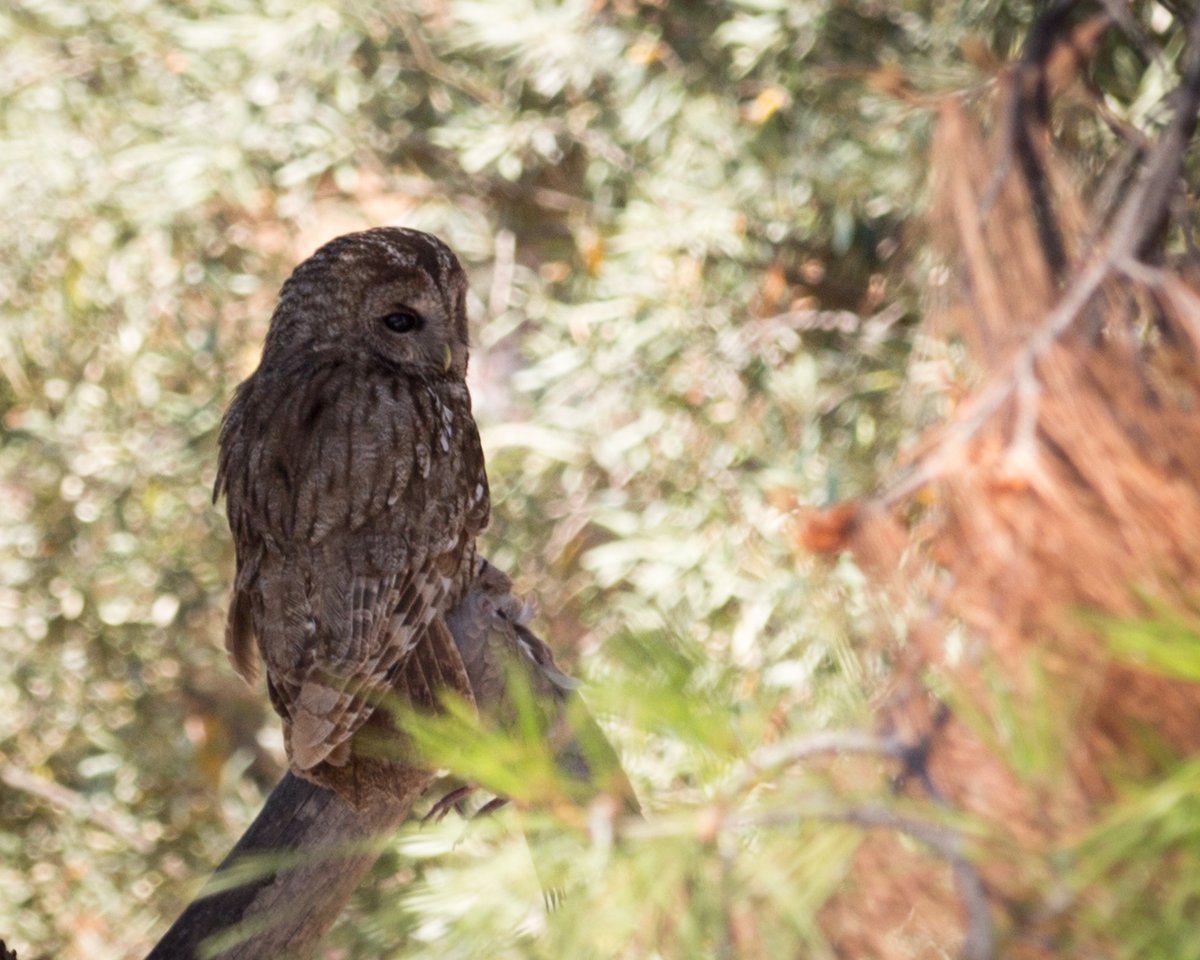
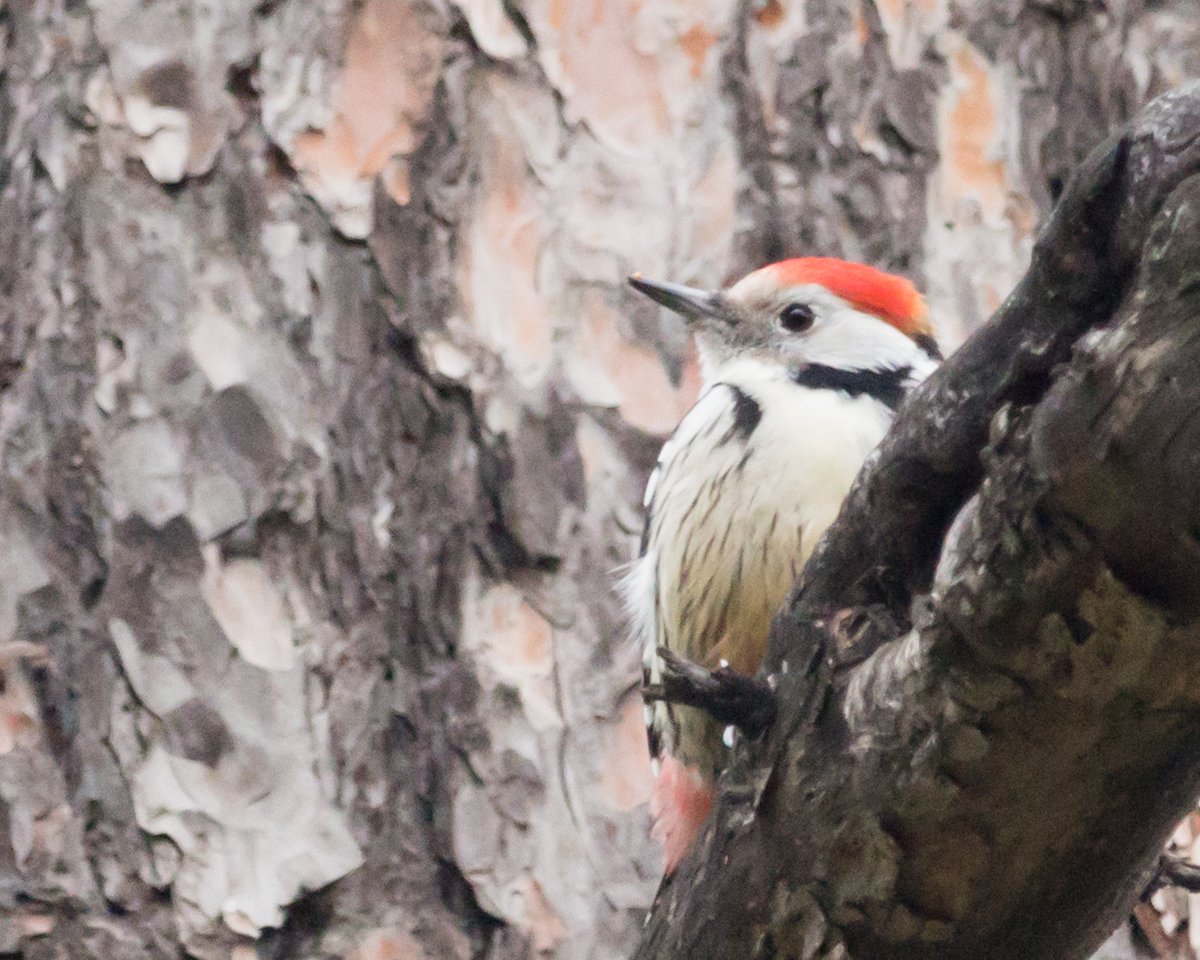
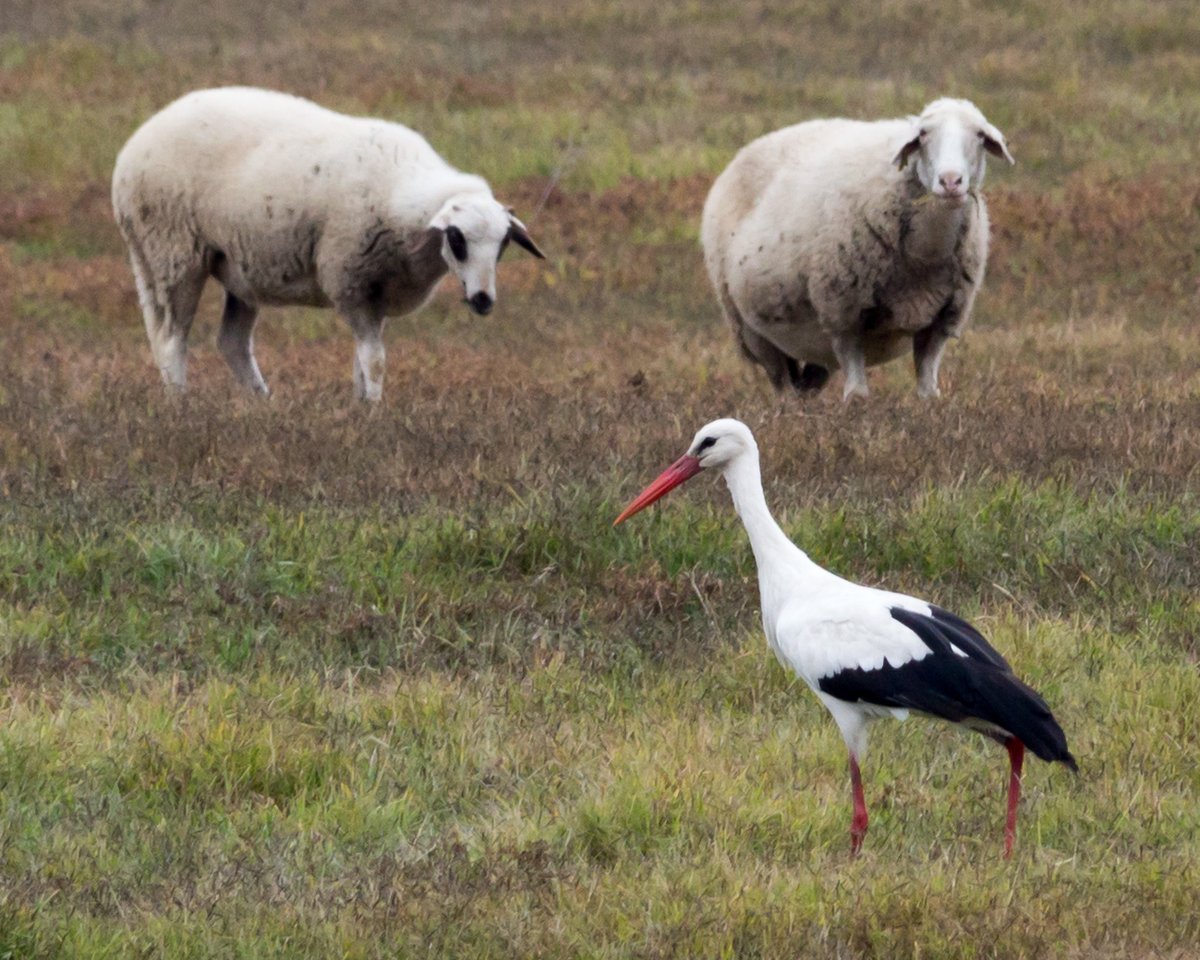
GM 🌞
Would you want to take a look to "Diary of Birds" collection?
I will donate saplings to expand birds' habitat with every sale.
opensea.io/collection/diary-…
#NFTs #NFTCommuntiy #nftphotography #NFTCollection
@opensea
26
12 Jan 2023
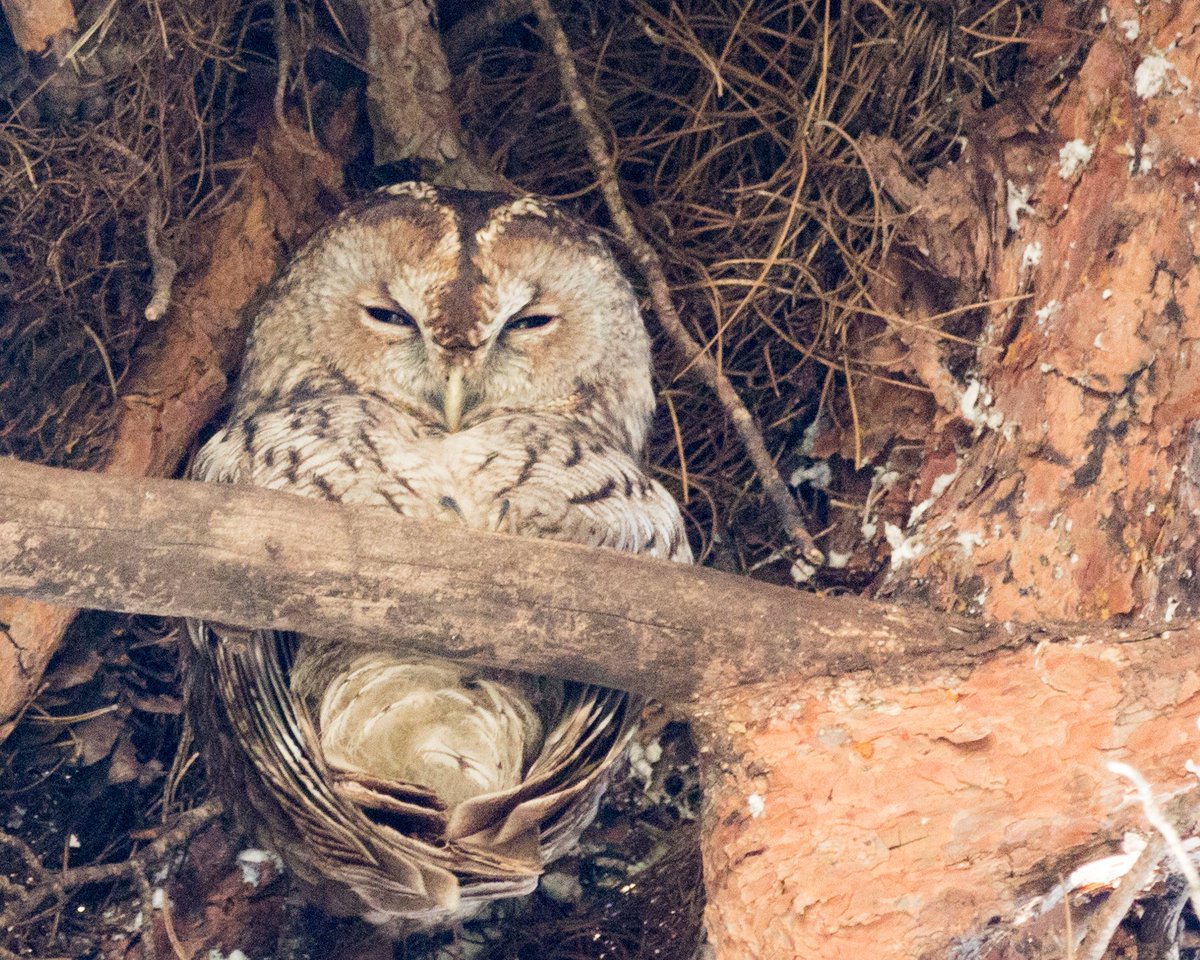
GM 🌞
Would you want to take a look to "Diary of Birds" collection?
I will donate saplings to expand birds' habitat with every sale.
opensea.io/collection/diary-…
#NFTs #NFTCommuntiy #nftphotography #NFTCollection
@opensea
1
1
7
172
11 Jan 2023
GM🌞
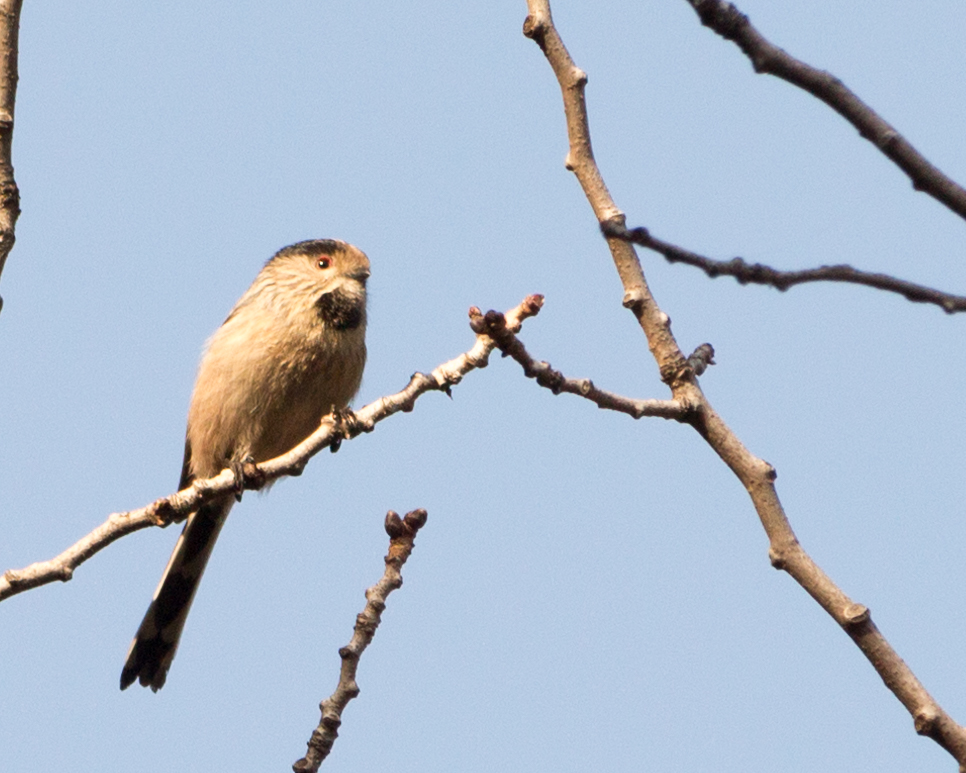
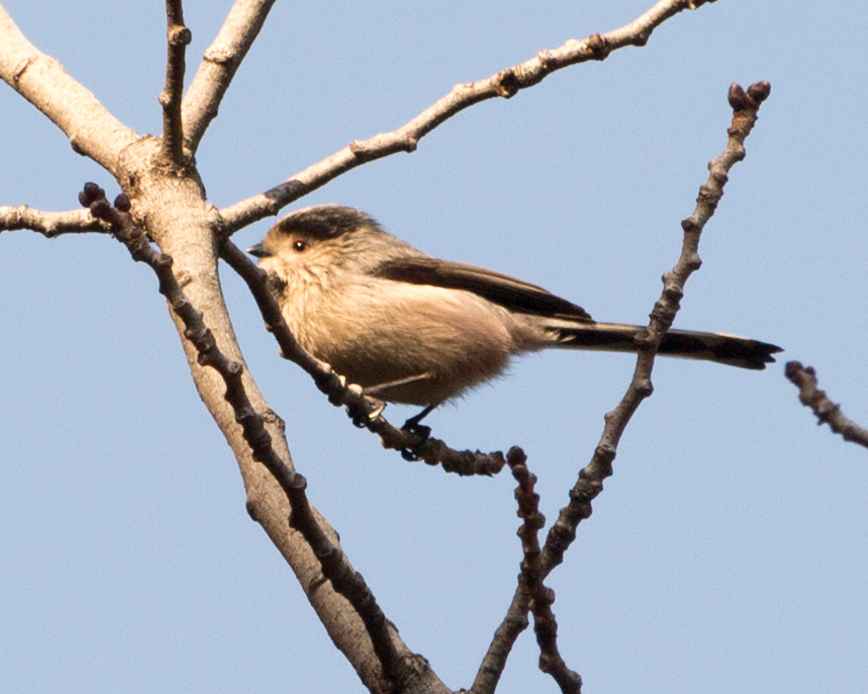
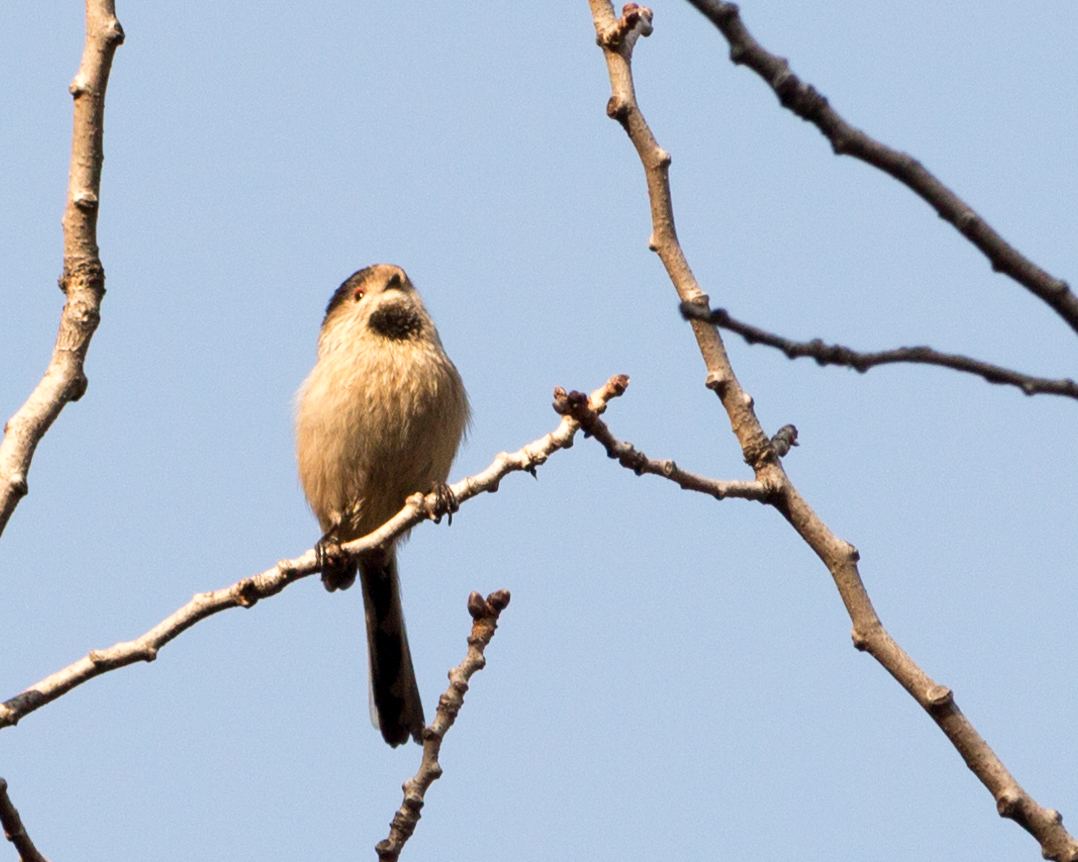
I've added 3 Long-tailed Tit photos to Diary of Birds collection.
opensea.io/collection/diary-…
#NFTs #NFTCommuntiy #nftphotography #NFTCollection
@opensea
2
1
6
149
11 Jan 2023
Some plumage variation across range; adults in northern parts of range have white head without broad black eyebrows and whiter underparts, while those further south are darker. Juveniles (seen in summer–early autumn) have brown head sides; become like adult by winter.
1
18
11 Jan 2023
Often travels in groups, at times joining with flocks of other tits and small woodland birds. High-pitched, fussy calls add to restless demeanor. Inhabits wooded and forested habitats, parks, gardens, and hedges in farmland; sometimes visits bird feeders.
41
10 Jan 2023
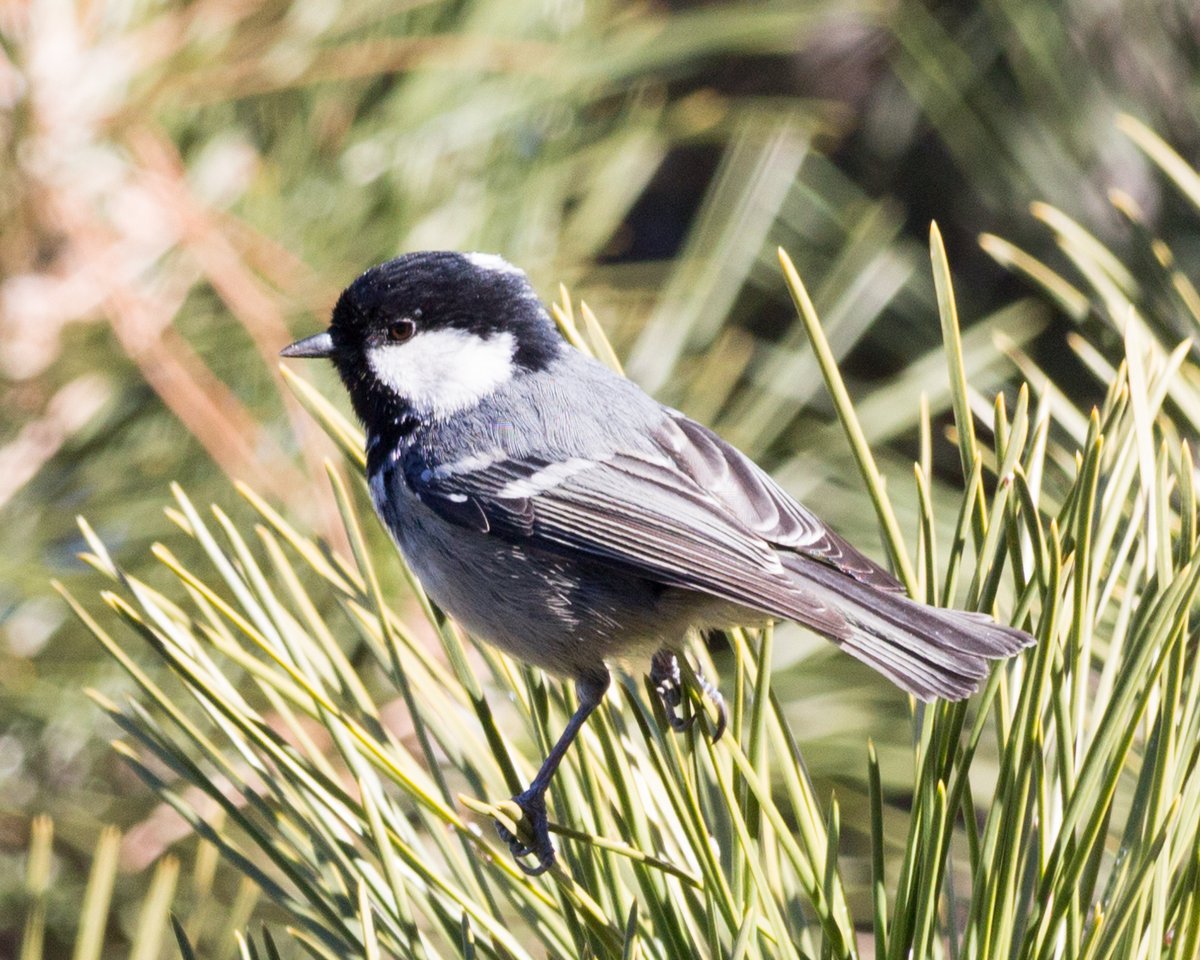
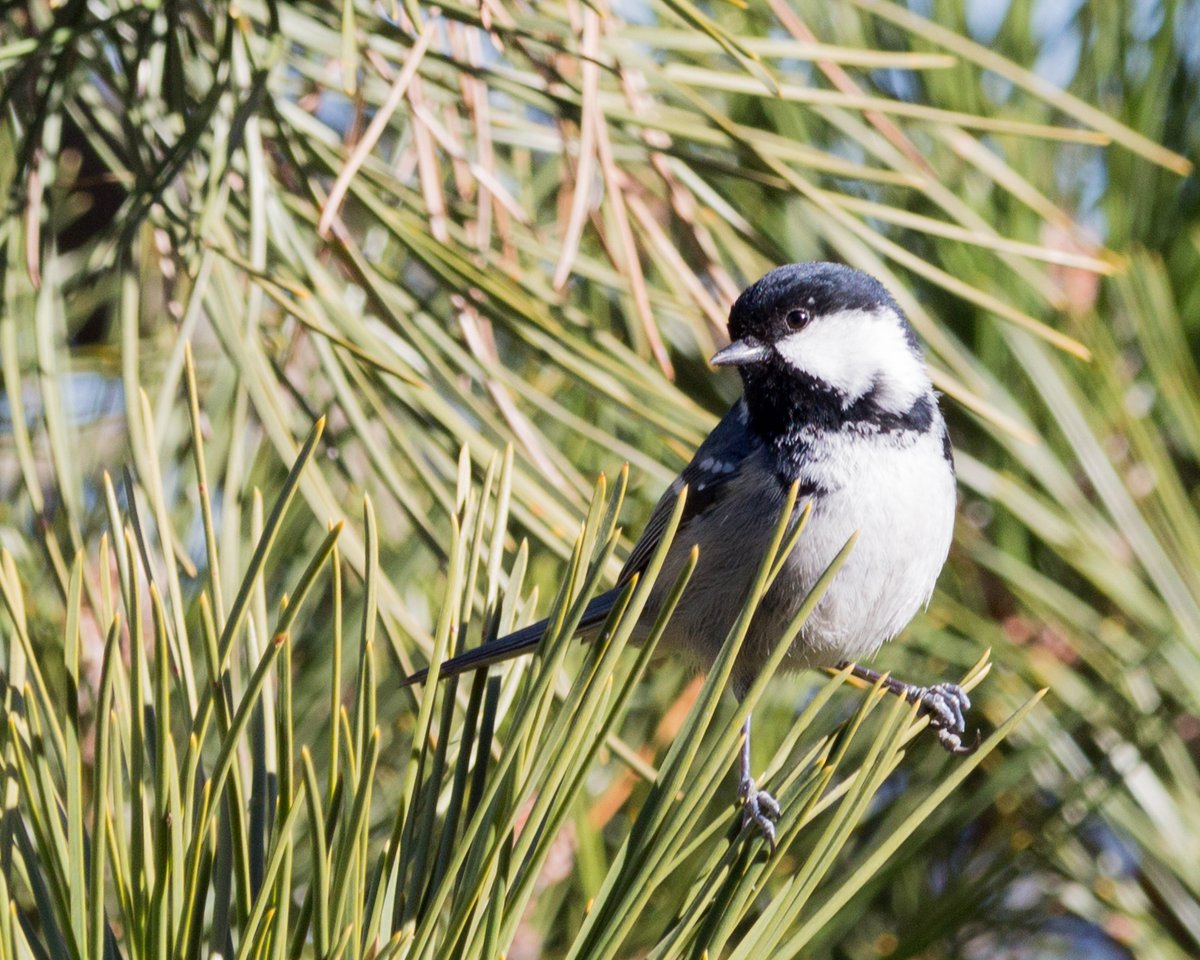
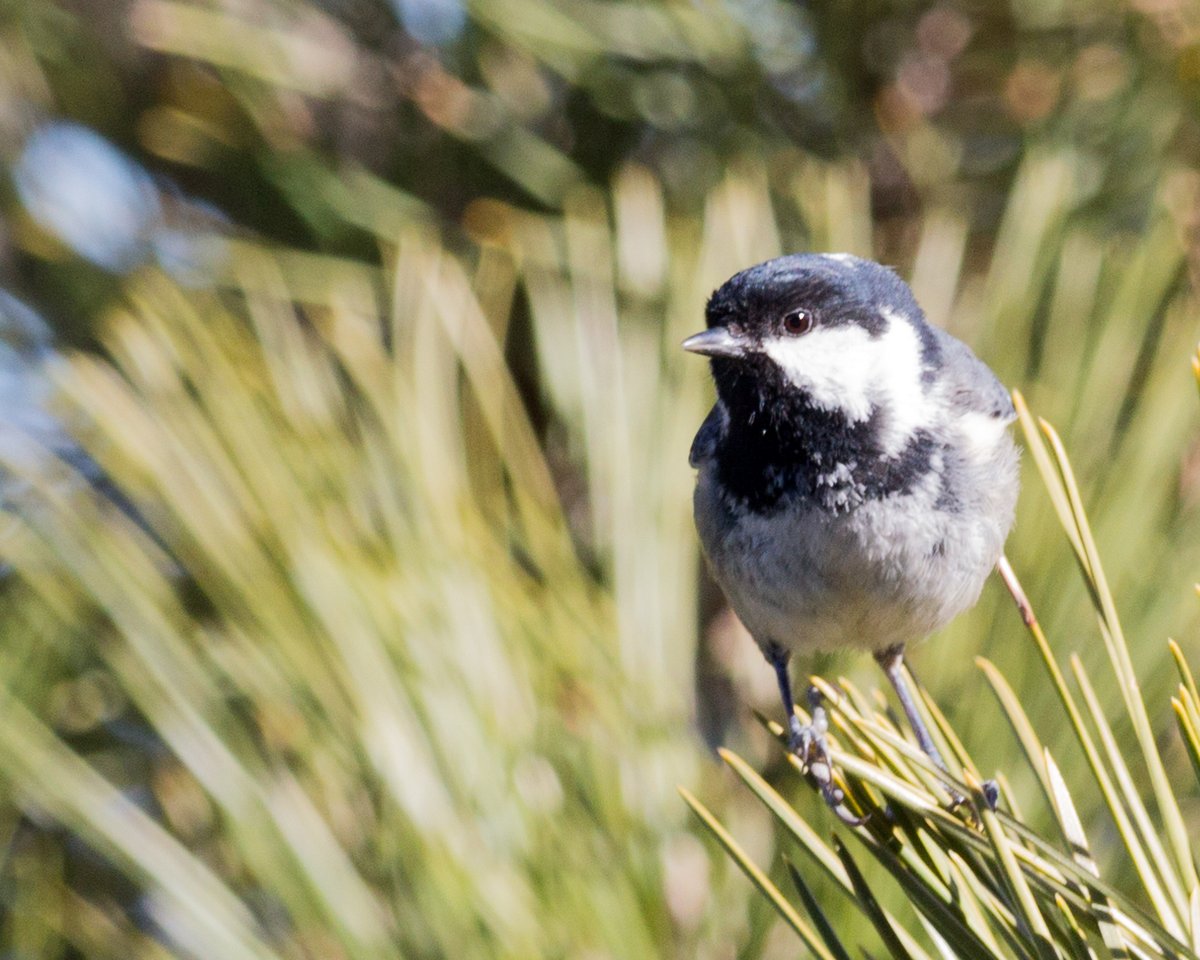
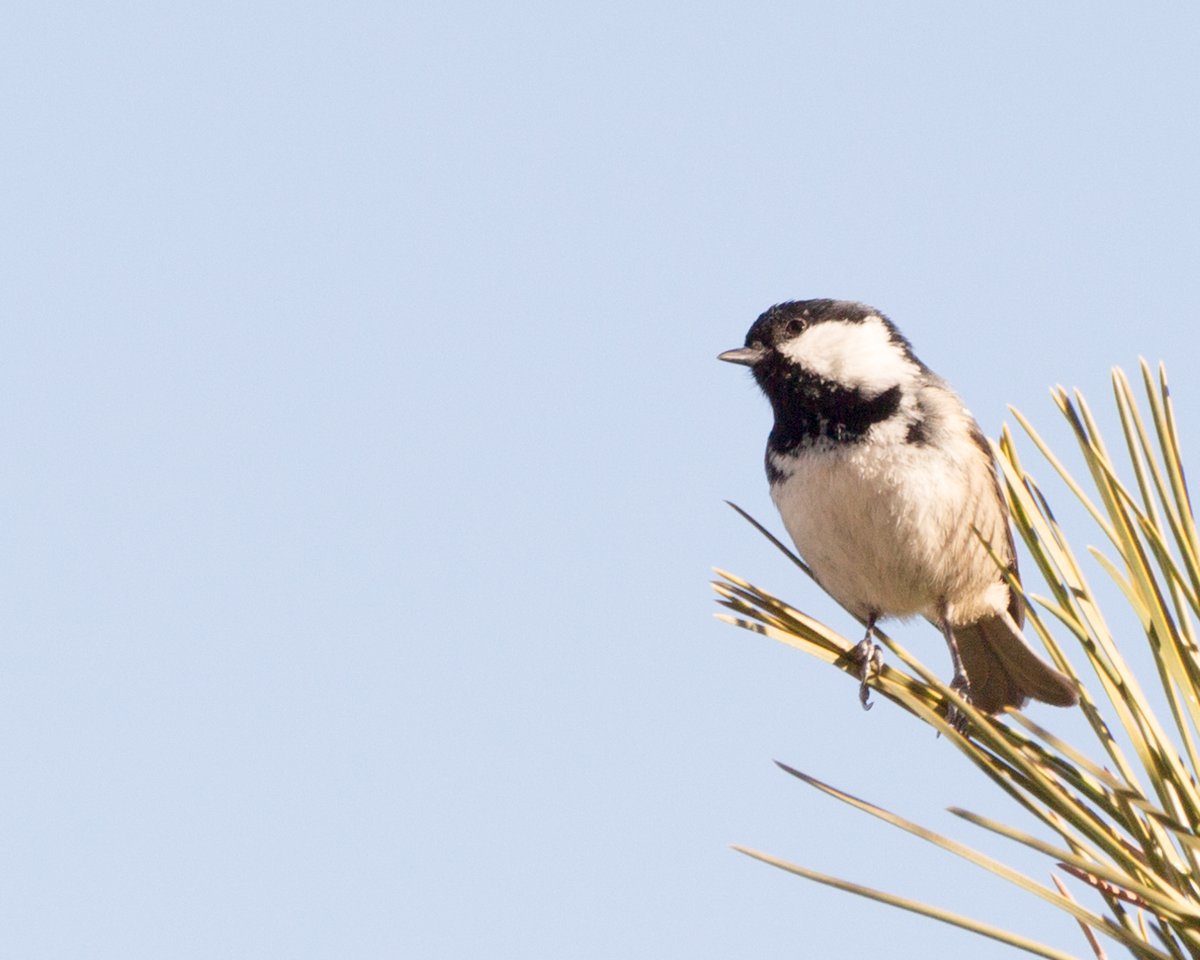
I've added 4 Coal Tit photos to Diary of Birds collection.
You can take a look to Diary of Birds collection via link.
opensea.io/collection/diary-…
#NFTs #NFTCommuntiy #nftphotography #NFTCollection
@opensea
1
2
92
10 Jan 2023
Often joins mixed-species flocks in autumn and winter, moving quickly through the foliage and giving high-pitched calls. Up-and-down song varies across range.
1
17
10 Jan 2023
Compare with slightly larger and chunkier Marsh Tit and Willow Tit, which have bigger white cheek patches, drabber overall plumage, and different voices.
24
10 Jan 2023
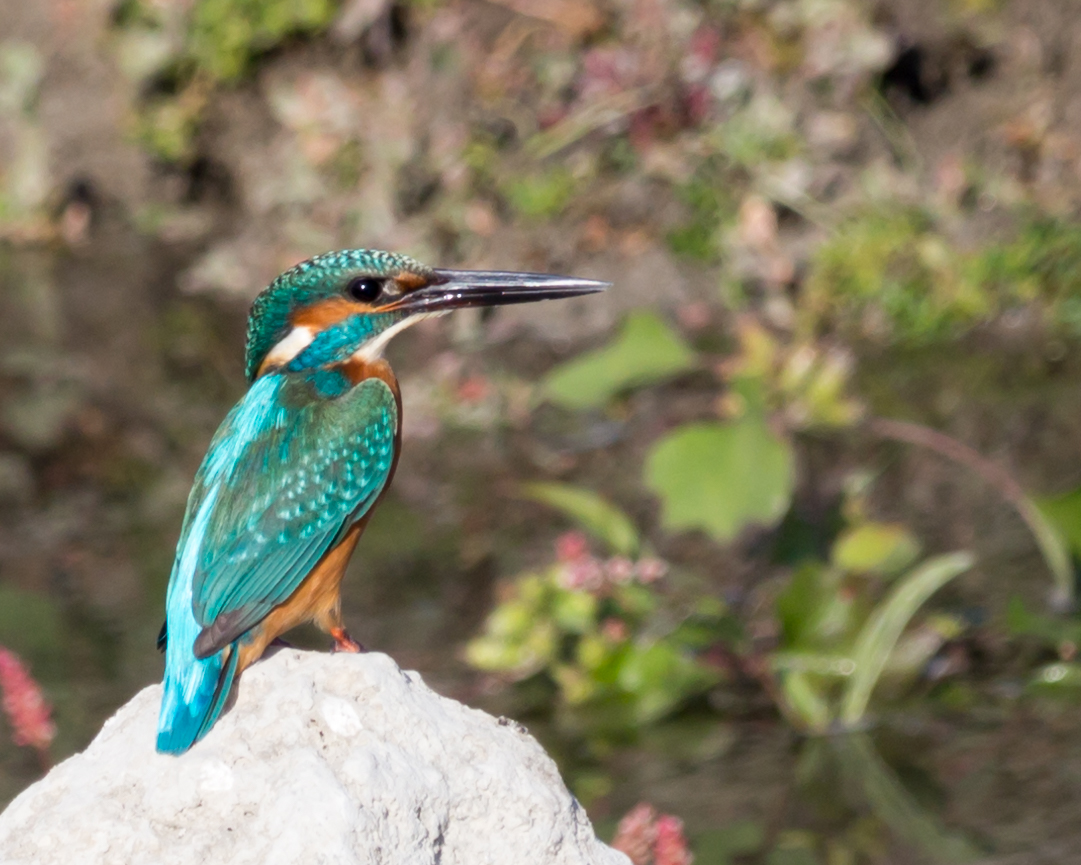
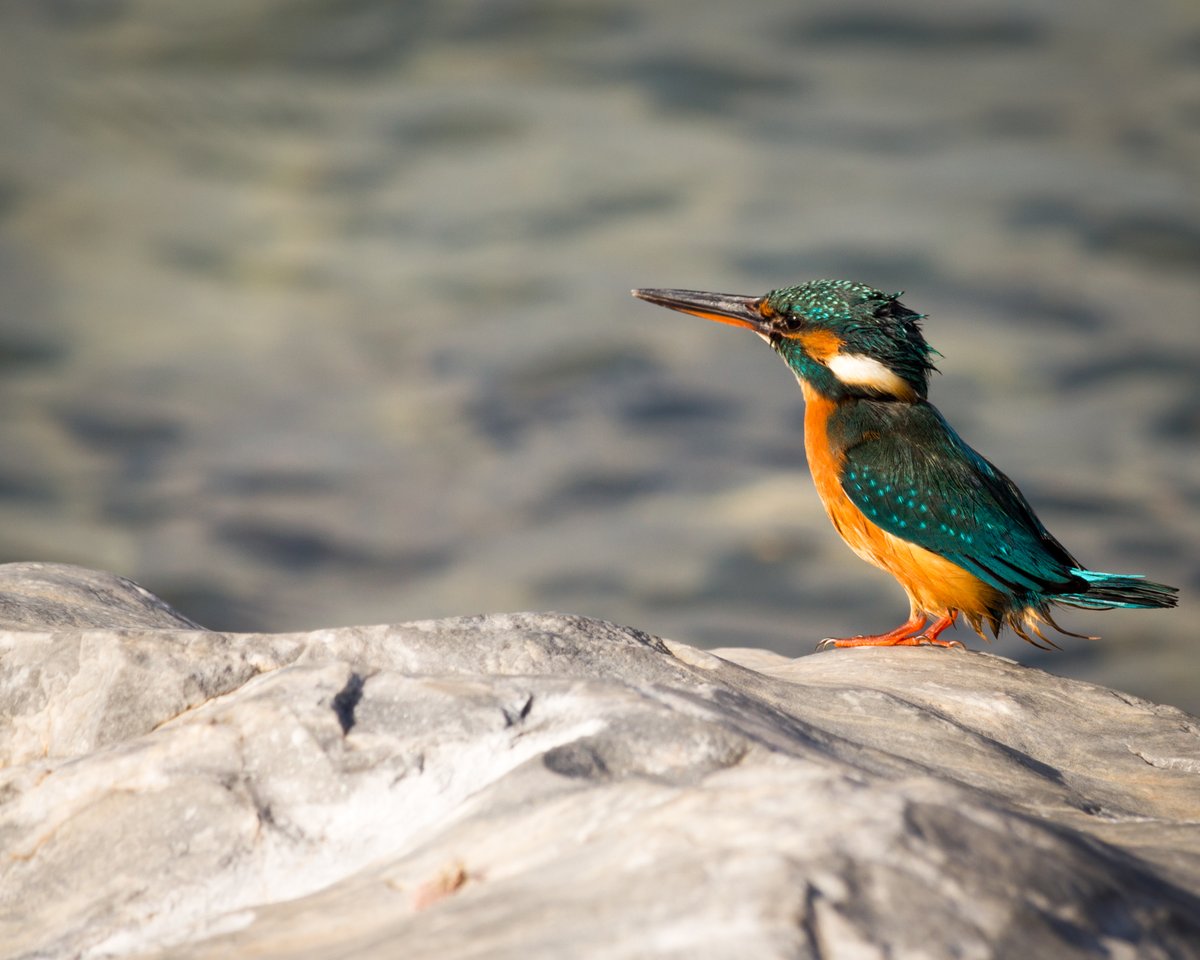
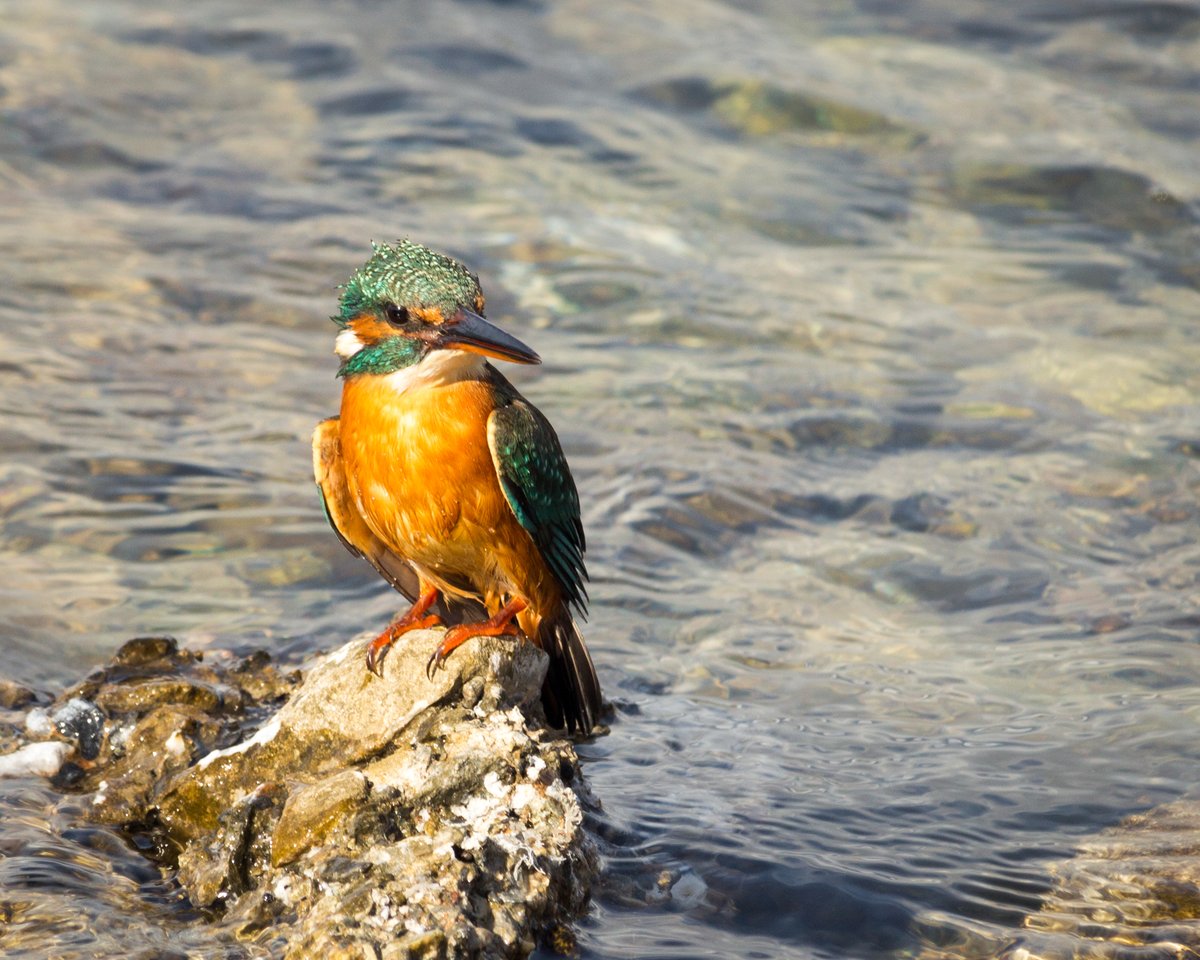
Gm 🌞
Do you like the color blue?
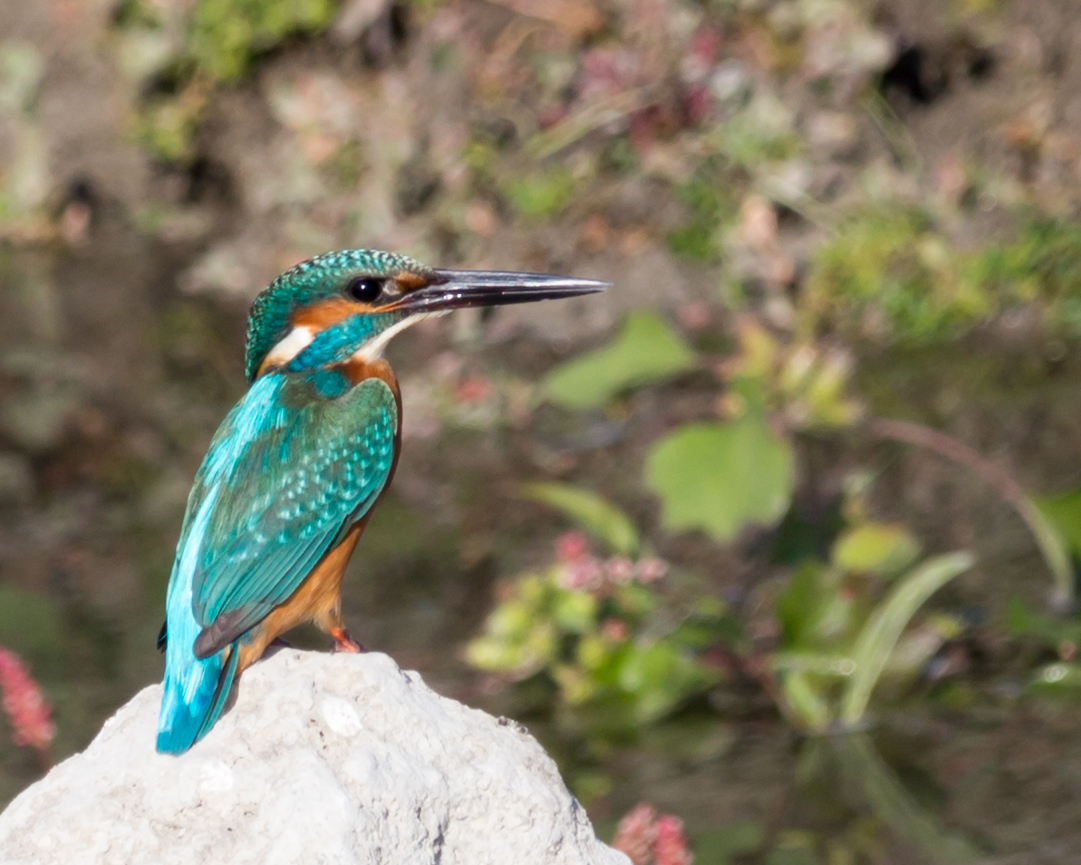
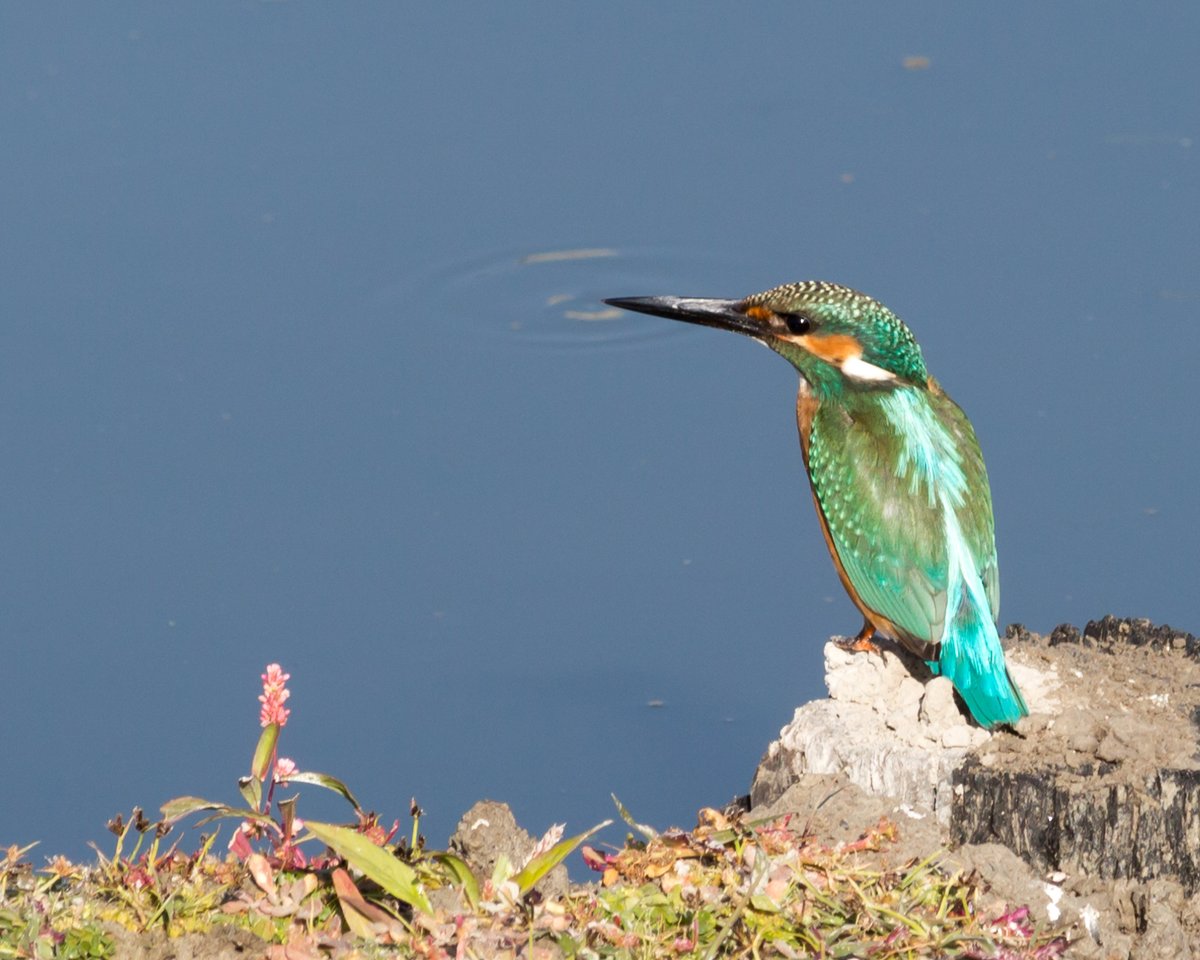
Let me introduce you to Common Kingfishers 👑
opensea.io/collection/diary-…
#NFTs #NFTCommuntiy #nftphotography #NFTCollection
@opensea
1
2
97
10 Jan 2023
Beautiful little blue-and-orange bird with a long, pointed bill. Often rather shy and inconspicuous despite bright plumage. Found along rivers, streams, lakes, and ponds—almost any fresh or brackish habitat with small fish
1
22
10 Jan 2023
Often perches quietly in trees over water; most often seen in very fast low flight as a turquoise flash over the water, usually flying away. Easily detected once its high, shrill whistled call is learned, even if the bird itself is hidden.
12