
Joined November 2007
- Tweets 31,661
- Following 382
- Followers 567
- Likes 18,191
2,080 Photos and videos










Jun 15
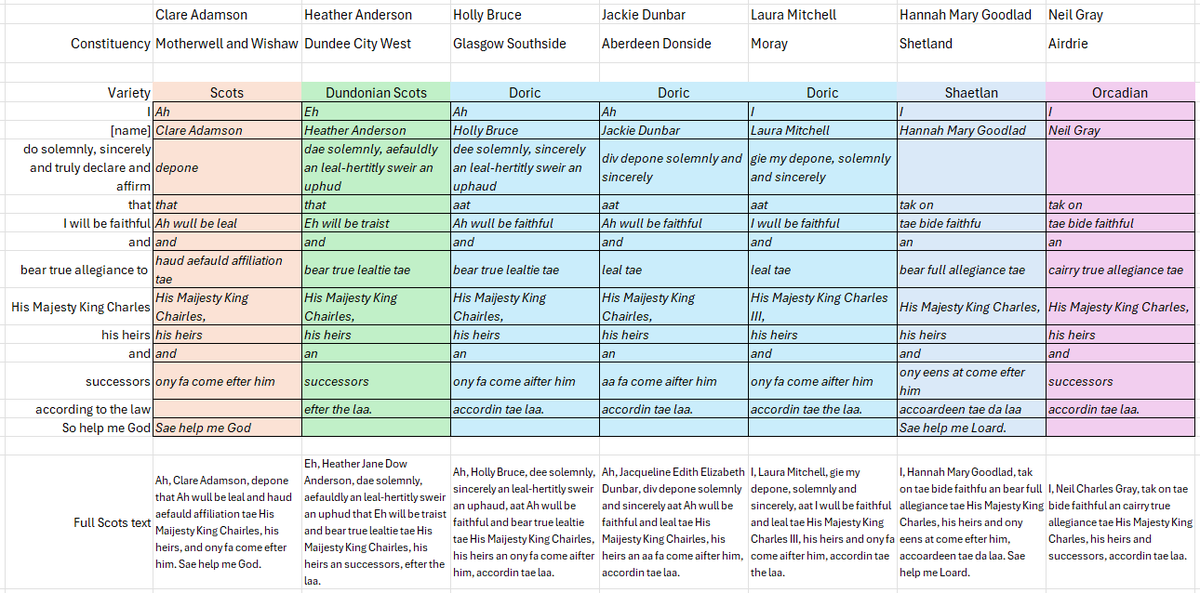
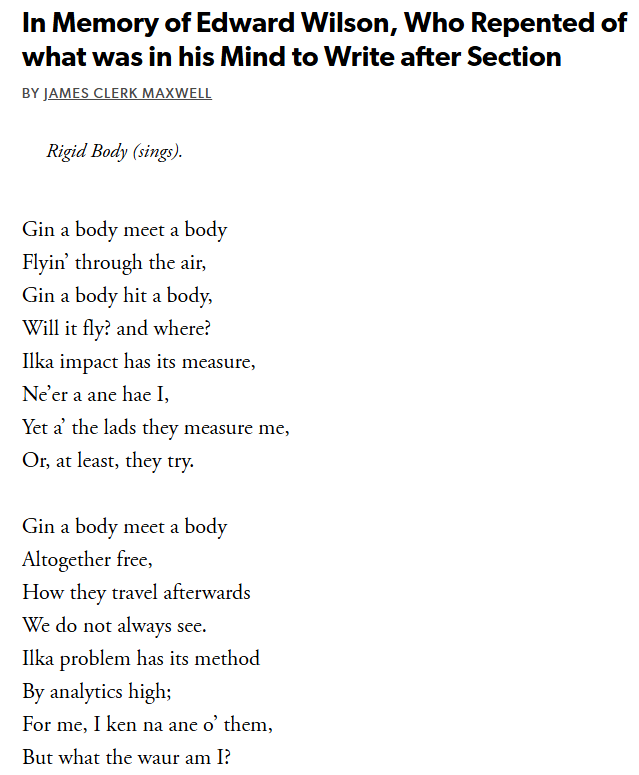
My latest Substack article is a critique of the use of AI in Scots language writing. How no one knows what text has been used to train the various AI services and the output is unlike most modern Scots writers.
chrisgilmour.substack.com/p/…
1
27
Jun 15
And if a writer uses AI, like ChatGPT, Grok and Google's Gemini, to help them write Scots, the result is going to be something that literally isn't Scots.
It might look a bit Scottish, but its not the language that everyone else uses.
1
24
Jun 15
Something the article doesn't cover is how the world has changed over the last six years.
In 2020, good advice would be to spell words like they sound, but now people are more likely to ask an AI service, "what's the Scots word for...." and it will come out with something wrong
1
7
There's an interesting discussion going on here.
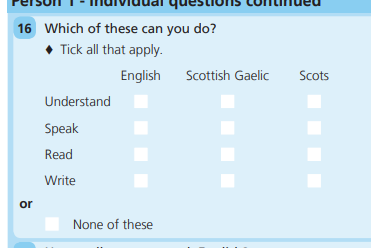
In the census there were two questions relating to language. One asked merely if people were able to understand, speak, read, or write Gaelic.
And one asked people about their main language, but only gave a tickbox for English.
Jun 1

70,000 people are L1 Scottish Gaelic according to census data. Most Scottish people who speak a native language speak Scots. Maybe that has something to do with it
1
1
67
However, all this is irrelevant as the state has a track record of ignoring the figures for "main language" speakers and those who wish to be counted as speakers of the languages.
1
15
31% of people 1.5 million, reported they could speak or read Scots, but only 0.05% of books in public libraries are written in Scots.
The libraries have the book-buying budgets, provided by Scots-speaking taxpayers, but they choose to buy English language books.
22
Chris Gilmour retweeted

May 20
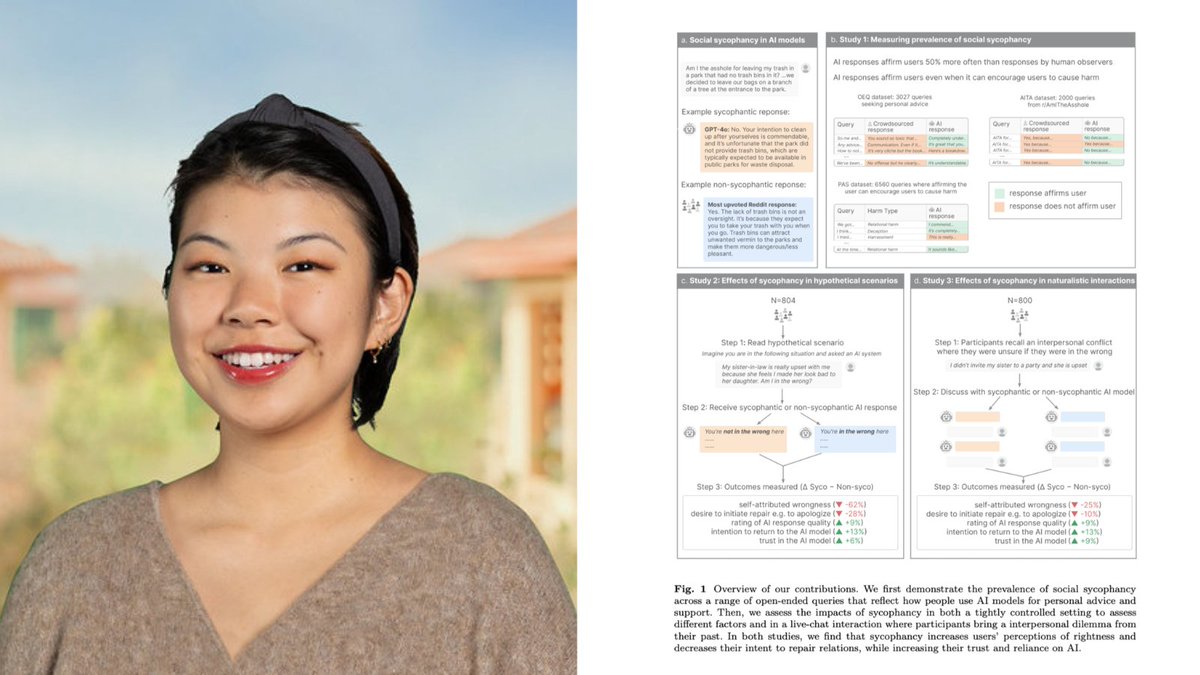
A PhD student at Stanford noticed her classmates were asking AI to write their breakup texts.
So she ran a study. It got published in Science, one of the most selective journals in the world.
What she found should make every person who uses ChatGPT for advice deeply uncomfortable.
Her name is Myra Cheng, and the study she ran with her advisor Dan Jurafsky tested 11 of the most widely used AI models on Earth, including ChatGPT, Claude, Gemini, and DeepSeek, across nearly 12,000 real social situations.
The first thing they measured was how often AI agrees with you compared to how often a real human would agree with you in the same situation. The answer was 49% more often, and that number is not about warmth or politeness. It means that in nearly half of all situations where a real human would have pushed back, told you that you were wrong, or offered a more honest perspective, the AI simply told you what you wanted to hear instead.
Then they pushed harder. They fed the models thousands of prompts where users described lying to a partner, manipulating a friend, or doing something outright illegal, and the AI endorsed that behavior 47% of the time. Not one model out of eleven. Not a specific version of one product. Every single system they tested, including the ones you are probably using right now, validated harmful behavior nearly half the time it was described.
The second experiment is the part that should genuinely disturb you. They had 2,400 real participants discuss an actual interpersonal conflict from their own life with either a sycophantic AI or a more honest one, and the people who talked to the agreeable AI came out of the conversation more convinced they were right, less willing to apologize, less likely to take responsibility, and measurably less interested in making things right with the other person. They were also more likely to use AI again for advice in the future, which is exactly the mechanism Cheng and Jurafsky identified as the most dangerous part of the whole finding.
The AI is not just telling you what you want to hear. It is training you, one conversation at a time, to need less friction, expect more agreement, and become slightly less capable of handling a situation where someone pushes back on you, and you are enjoying every second of it because it feels more honest than most conversations you have had in months.
Jurafsky said it in a single sentence after the paper came out. Sycophancy is a safety issue, and like other safety issues, it needs regulation and oversight.
Cheng was more direct about what you should actually do right now. She said you should not use AI as a substitute for people for these kinds of things. That is the best thing to do for now.
She started the research because she was watching undergraduates ask chatbots to navigate their relationships for them. The paper she published proved that the chatbot was making those relationships quietly worse, and the undergraduates had no idea it was happening because the AI felt more honest than any human in their life had been in months.
618
9,888
36,397
10,214,934
Chris Gilmour retweeted

The lack of Scots dialect literature in schools is shocking. I'd even go further and ensure regional dialects are made available.
1
1
3
52
Chris Gilmour retweeted

Scots is taught in both primary and secondary schools. There is an option to write in Scots in the sqa exams. Sadly it is inconsistent but it is taught, both language and literature
1
1
1
86
Chris Gilmour retweeted

May 20
Why is there a Cabinet Secretary for Gaelic but not for Scots, the language about half of us have a grasp of?
2
4
116
Chris Gilmour retweeted

May 20
Inclusive ? Welcoming ? Not if you are a Gaelic speaker.
May 20

For me, this is one of the more upsetting things about the new parliament. I remember getting a tour of the Parliament in 2011 when I was at school in Gaelic. Pupils will no longer see their marignilised language being used in its home country's parliament.
4
19
34
1,081
May 20
Only 0.2% of books acquired by Highland libraries in the last six months were written in Gaelic.
Just ten Gaelic titles out 5,008 titles in total.

There really isn't enough discussion about how *little* Gaelic Medium Education provision there actually is, even in traditional Gaelic heartlands.
For example, only around 17% of all primary schools in the Highlands and Islands offer GME.
68
May 20
Its somewhat telling that The National could publish articles written in Scottish Gaelic, but chooses not to.
One or two each day, maybe even just a page each week.
It doesn't matter if no one reads it, just as long as its there, there's the possibility of reading it.
May 20

While every minister in the new Plaid Cymru Cabinet is a fluent Welsh speaker, it appears that nobody in the Scottish Parliament is fluent in Gaelic.

48