
I write.
Joined October 2013
- Tweets 4,466
- Following 178
- Followers 2,791
- Likes 6,191
258 Photos and videos


Pinned Tweet

12 Jul 2020
If you are a fanatic of any sort, my hobby is to offend you. And I am not sorry about that.
3
5
164
Jun 13
The sheer suddenness of the notorious hydration break that makes me wonder if I was watching IPL all the while!
#FIFA26
1
15
546
Rahul Gautam Sharma retweeted

Jun 11
Low-cost, good-quality higher education has been completely destroyed in India. IITs, NITs, IIMs, NLS have fees comparable to private universities. And places like DU, JNU which are still relatively affordable, has had their faculty & curriculum gutted by the sangh
27
349
2,393
51,018
Jun 11
Kashtanka divided the whole of mankind into two very unequal parts: the masters and the customers; there was an essential difference between them: the first had the right to beat her, the second she herself had the right to nip on the calves.
- Chekov
14
406
“ফুলবোৰ নিছিঙিবা- গছে কষ্ট পায়।”
সংলাপটোৰ পাছৰখিনি সিহঁতে কষ্ট পায় বুলি লিখিছিলোঁ। গছ শব্দটো জুবিন গাৰ্গৰ। কৈছিল- কষ্টটো গছৰহে, যি গুচি যায় সি গুচিয়েই যায়, কষ্টটো থাকি যোৱাখিনিৰহে।
সকলোলৈ পৰিৱেশ দিৱসৰ মৰম।
1
10
85
1,372
Rahul Gautam Sharma retweeted

Jun 1
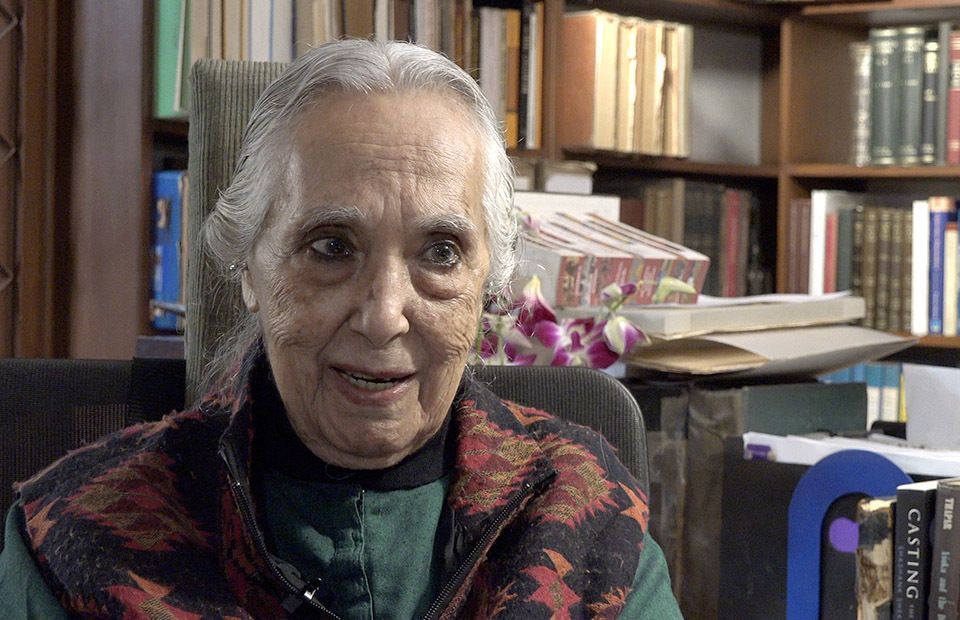
Dr. Romila Thapar was interviewed at her home in New Delhi on February 24, 2026 by Omar Khan and Dr. Sudeshna Guha, with Yousuf Saeed. Dr. Thapar was born in 1931 and is one of India's most distinguished historians, author of numerous books on early Indian history, and winner of the US Library of Congress Kluge Prize for lifetime achievement. This exclusive interview covers her early life in what was then British India, her work, visits to ancient Indus sites and historiography.
Omar: Where were you born and where did you grow up, and tell me a little bit about what your parents did?
Romila: That’s a lot of questions! Yes, alright, I was born in Lucknow in 1931. I grew up in what was then called, in the 1930s and early 1940s before Partition, the Northwest Frontier Province in the northwest of the subcontinent. My father, being a doctor in the army, tended to be posted from place to place every two or three years. So, we moved around from the frontier forts to Peshawar to Rawalpindi before he was transferred to Pune in 1942. Then there was a long stretch in Pune, which was very nice for me because otherwise it meant getting up and hopping around all the time. So that’s where I grew up.
My father, as I said, was a doctor in the army. From what I’m told, his first posting was in Lahore, which was of course the family place, as it were. My grandfather, who was a schoolteacher, Kunj Bihari Thapar, moved from Ludhiana, where he first had a job as a schoolteacher, to Lahore. That was the first move toward what was really the hub of culture and education, whatever was going on in the northwest. [Lahore] was sometimes referred to as the Calcutta of the Northwest because Calcutta was the hub in Bengal and eastern India. So, it was very much a major attraction for anybody.
He thought that school teaching would be great fun in Lahore, so he moved there with his wife, who was universally known as Manji. They had ten children, of which six survived. Two died fairly young, and two daughters died after bearing a few children. The other six had their own little families.
Cont. at harappa.com/content/intervie…
1
37
151
11,422
May 31
Preserve this brain

But why? Reputation laundering? Money laundering? Why would someone from Cowbelt produce Bengali 'art' films when Bollywood was at its peak?
1
2
828
May 29
Shekharjyoti Goswami’s bail petition rejected by Session’s Court.
May 29

Shyamkanu Mahanta’s bail petition rejected.
1
48
2,015
May 26
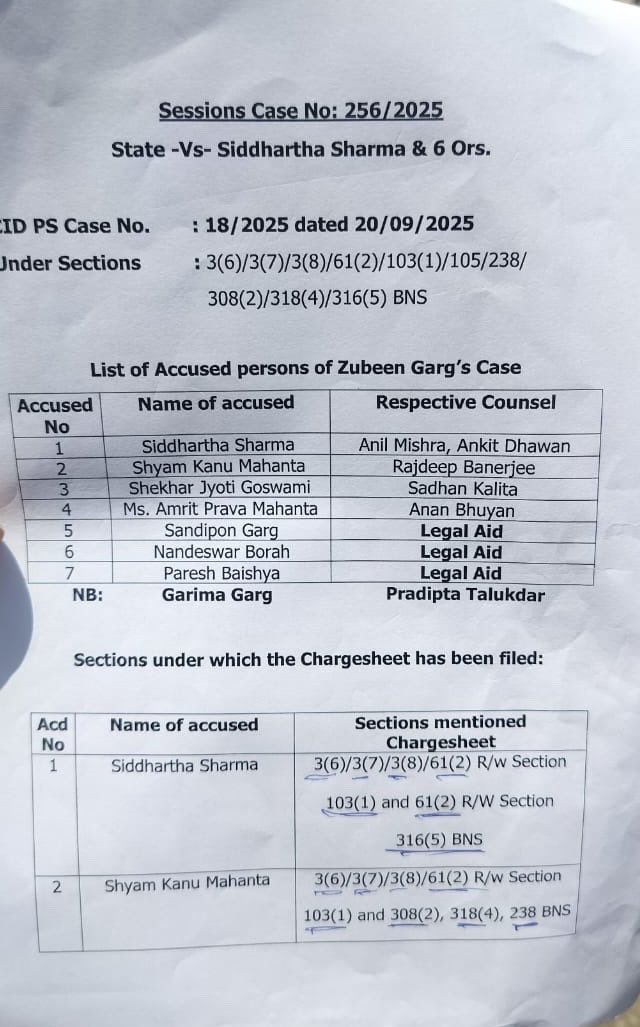
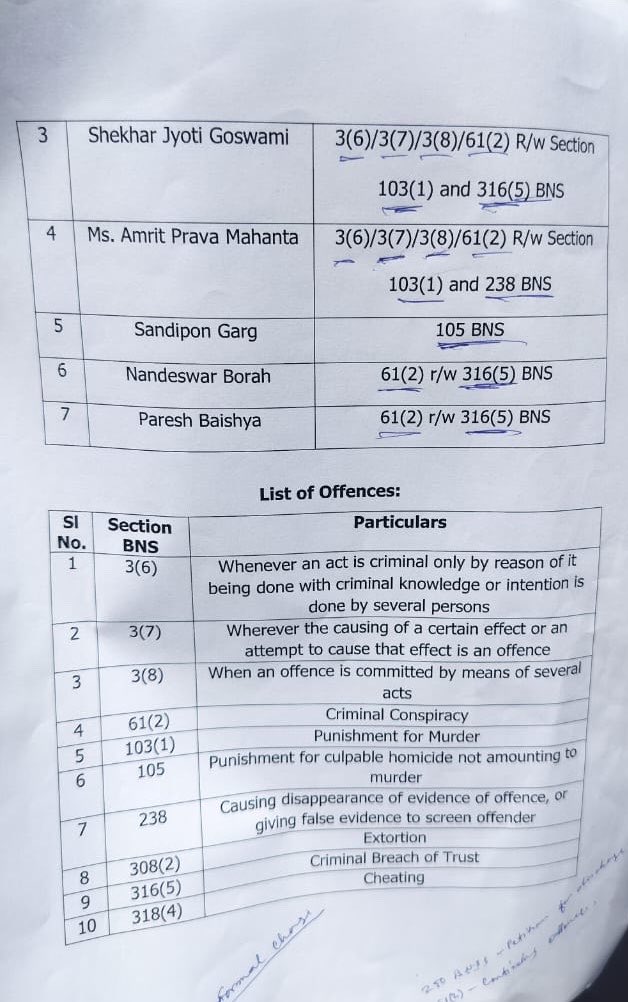
In the matter pertaining to the murder case of Zubeen Garg, charges under all applicable sections, including the relevant provisions of culpable homicide amounting to murder, have been framed against all the accused persons by the Special Fast Track Court. The said order was pronounced before the Fast Track Court presided over by the Hon’ble Judge Sharmila Bhuyan.
#JusticeForZubeenGarg
3
11
84
6,418
Rahul Gautam Sharma retweeted

May 23
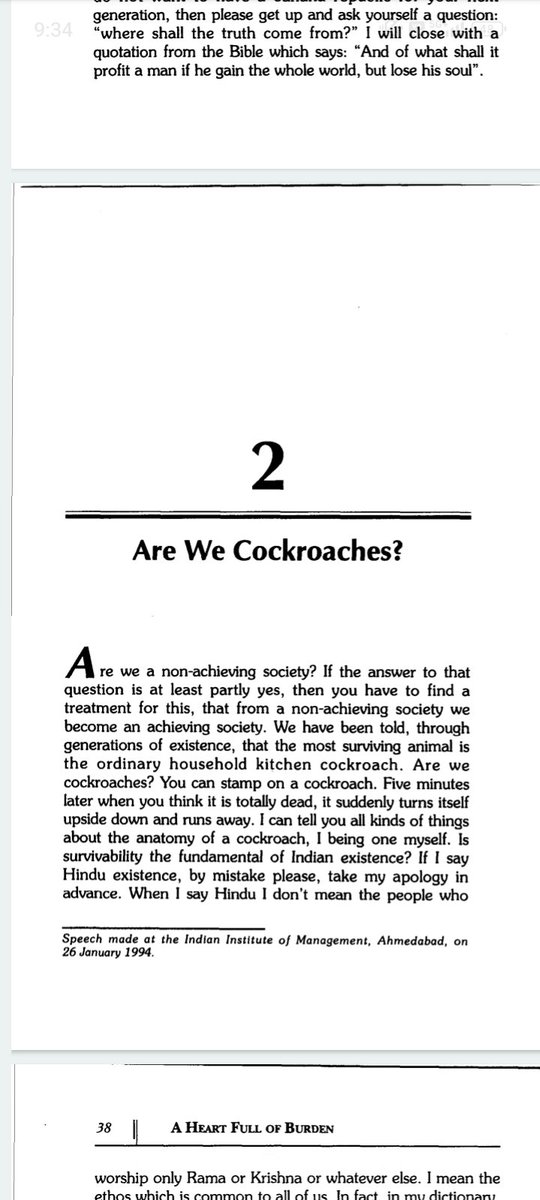
T.N.Seshan in his 1995 book .
1
9
100
2,874
May 23
Blindly supporting any incumbent government and believing to be a patriot.
May 23

What is not a sign of intelligence, but people think it is ??
7
821
May 23
I like this. However, the way your name is out of display, I wonder if you were ever married to a political leader who once served tea at a fictional station.

Jitna faayda aapne BJP ka kiya hai, no wonder your name is Rahul
2
1
18
1,491
Rahul Gautam Sharma retweeted

May 23
Someone should do something about great titles that were once published by Oxford University Press India. Most titles, barring a few, are out of print. There’s no way one can get their hands on these books today, except in pirated copies swirling around the Internet. Some stalwart voices were represented by OUP then.
2
9
41
2,889
May 23
Whenever I start living in a new place, BJP forms government in the subsequent elections there.
Delhi, Maharashtra, WB done. Where should I move next?
205
5
168
16,285
May 22
One of the very few songs that I feel really happy about!
youtu.be/SuwyTVy-4cg?si=95hJ…
1
12
1,608