Joined April 2022
- Tweets 4,468
- Following 531
- Followers 245
- Likes 3,272
1,116 Photos and videos
Pinned Tweet

12 Jun 2025
They show us everything, but people are poisoned with toxic substances/products/food/water. (Dementia - speaking)
TV = Television - Tell a Vision. Frequencies determine and manipulate our minds. Rituals, illusions, belief systems are a means
1
2
358
Mar 28
13
☥ Infinity ∞ retweeted

2 Sep 2025
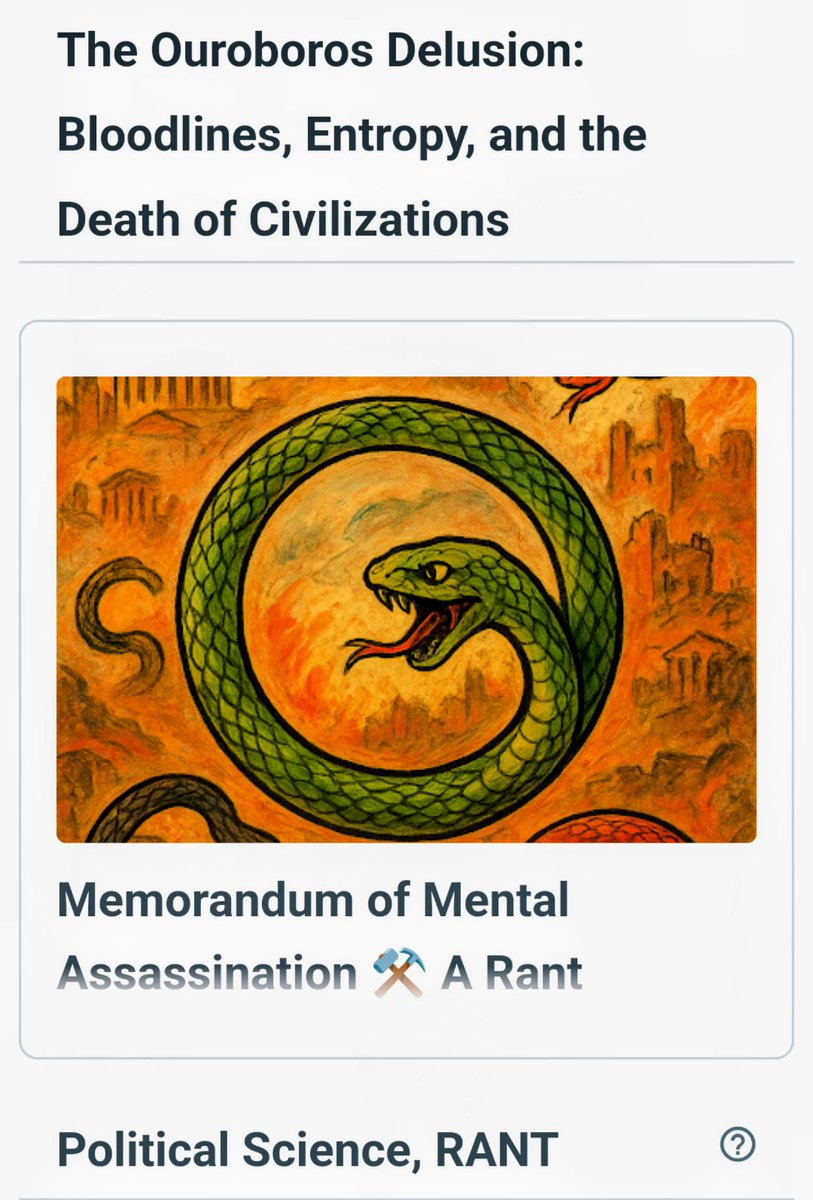
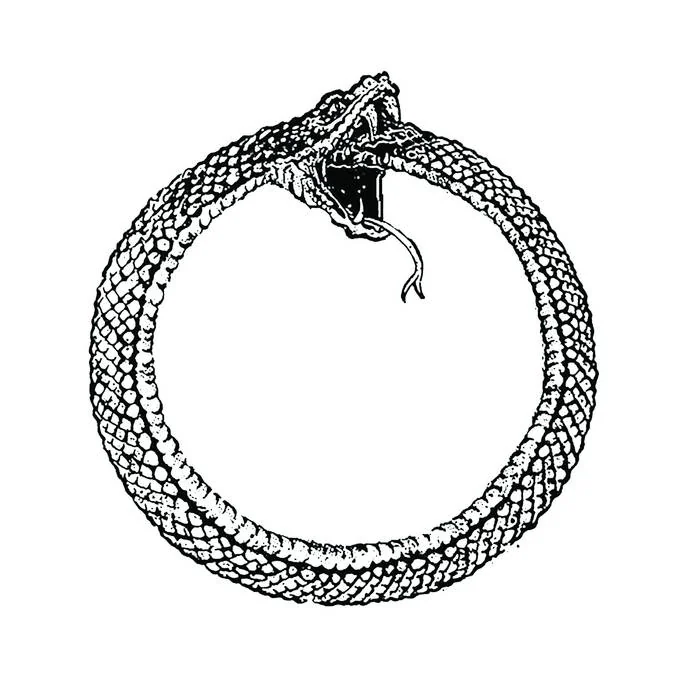
The #Ouroboros Delusion: Bloodlines, #Entropy, and the Death of Civilizations #X #auspol
zackford14.blogspot.com/2025…
1
1
52
☥ Infinity ∞ retweeted

16 Oct 2025
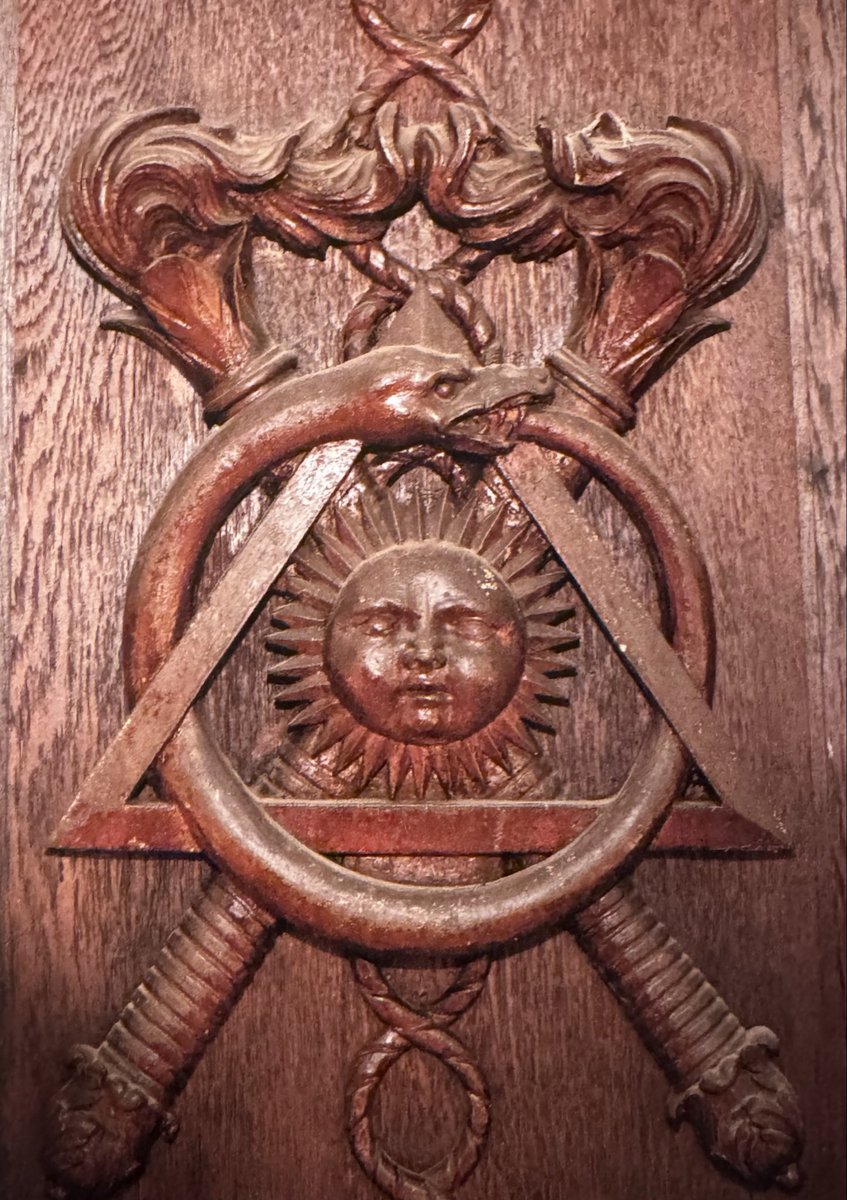
An early 18th century use of the Ouroboros can be found combined with Masonic symbolism at Church of St Mary, Tyberton, in the form of the Ouroboros of eternity circling a sun, combined with an equilateral triangle. Designed by John Wood the Elder.
1
3
104
☥ Infinity ∞ retweeted
16 Oct 2025
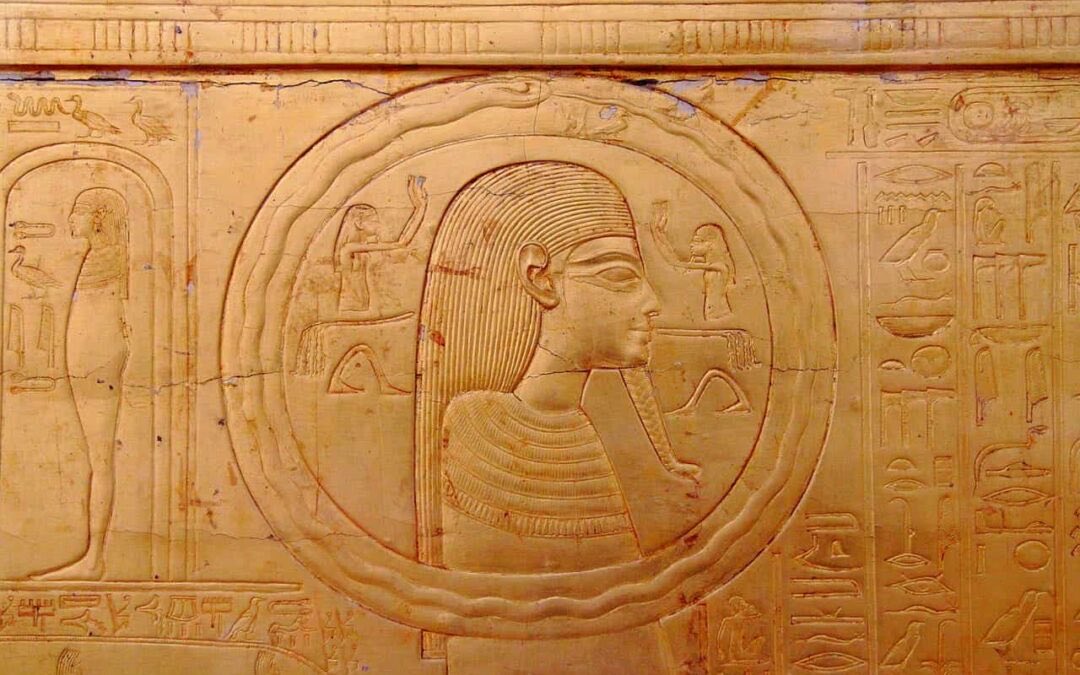
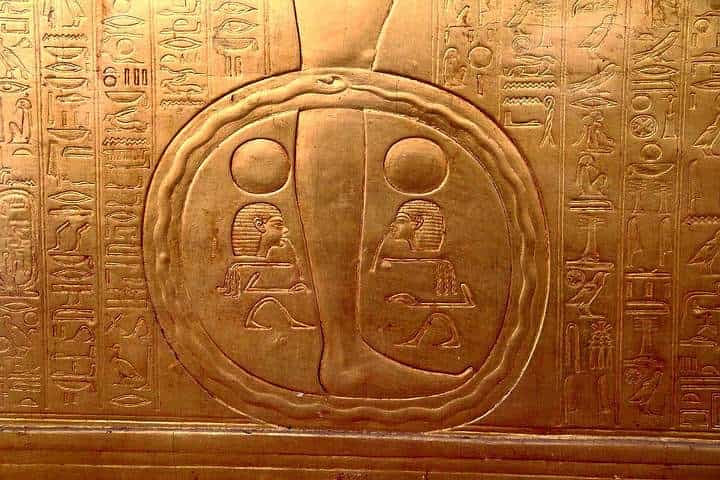
‘The first known use of the #ouroboros is in ancient Egypt, specifically as a decoration in the tomb of Tutankhamun in the 14th century BCE within the Enigmatic Book of the Netherworld. The symbol appeared twice in the funerary text, on a figure representing the unified deity Ra-Osiris, and symbolised the cyclical nature of time and rebirth’.
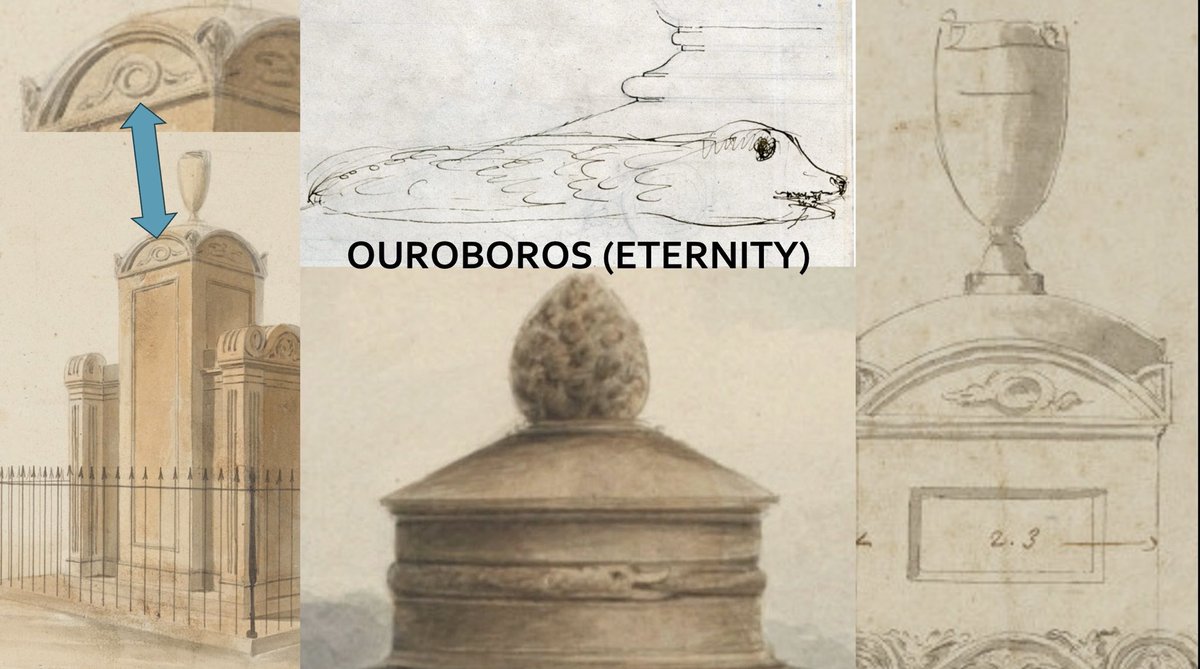
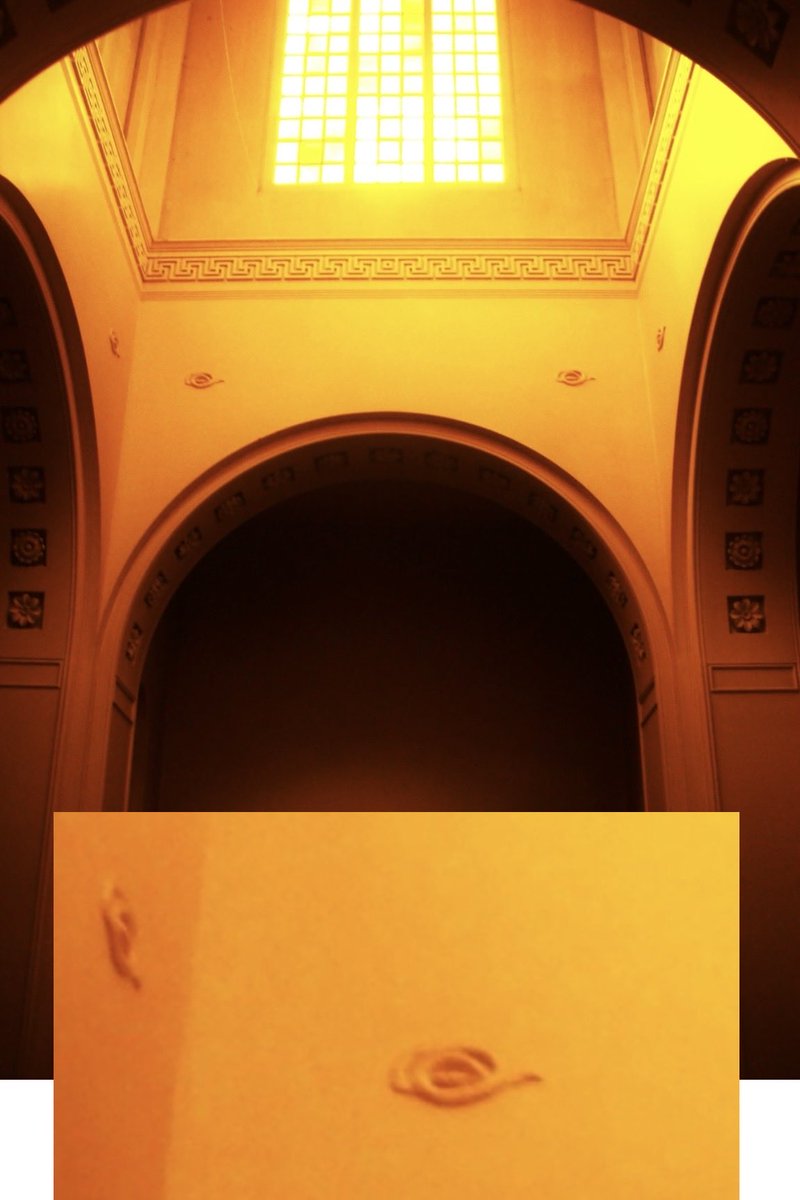
The symbol was a particular favourite with the architect Sir John Soane who used the self-eating snake symbol most famously around the drum of his mausoleum in the graveyard of St Pancras Old Church. He used variations of the Ouroboros on several other funerary designs, including several coiled snakes in the ceiling of the tomb at Dulwich Picture Gallery (last photo).
The snake sheds its skin to be born anew, whilst the circle represents the never changing cycle of life, death, and rebirth.
To make it clear, Soane knew exactly what the symbolism of the ancient ouroboros represented. As Soane noted, ‘The serpent... was an emblem of the sun, of time and of eternity, and by the Egyptians worshipped as a divinity’.
As architectural historian John Watkin writes, ‘Soane incorporated the ouroboros, or serpent swallowing its own tail as a symbol of eternity, in his own work, and may have been one of the first since antiquity to do so’.
Soane’s use of the ouroboros ties him directly to ancient Egypt as a source for architectural and decorative motifs.
@SoaneMuseum
1
2
6
231
Mar 15
14
☥ Infinity ∞ retweeted

25 Oct 2025
Look at the snakes eating each other in the circles. There's snakes end to tail mouth-to-mouth, going around the inside of the circle and the outside of the circle.
#3IATLAS #ouroboros
#uap
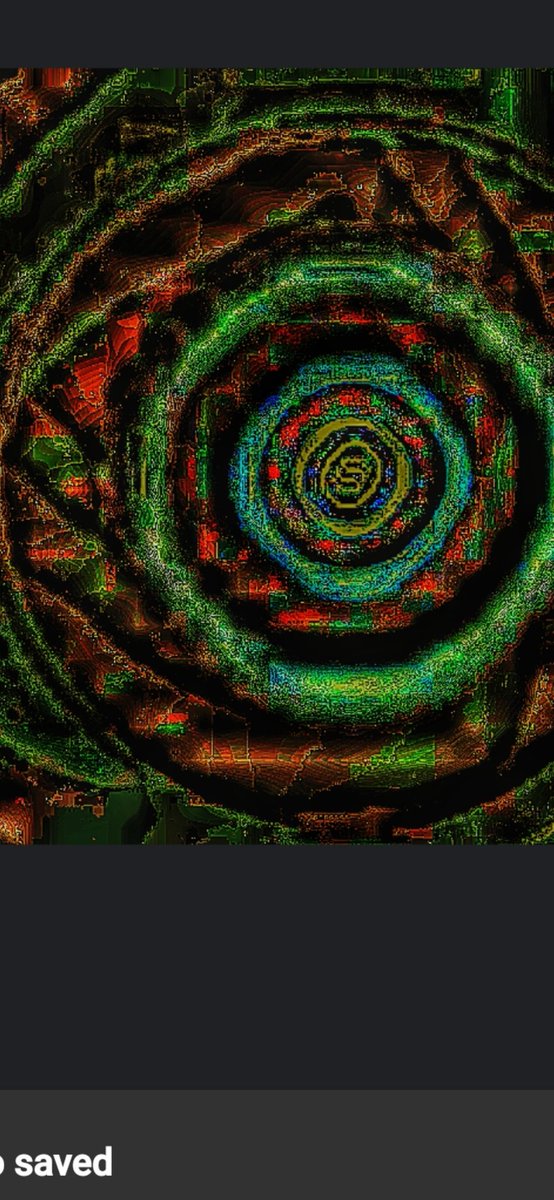
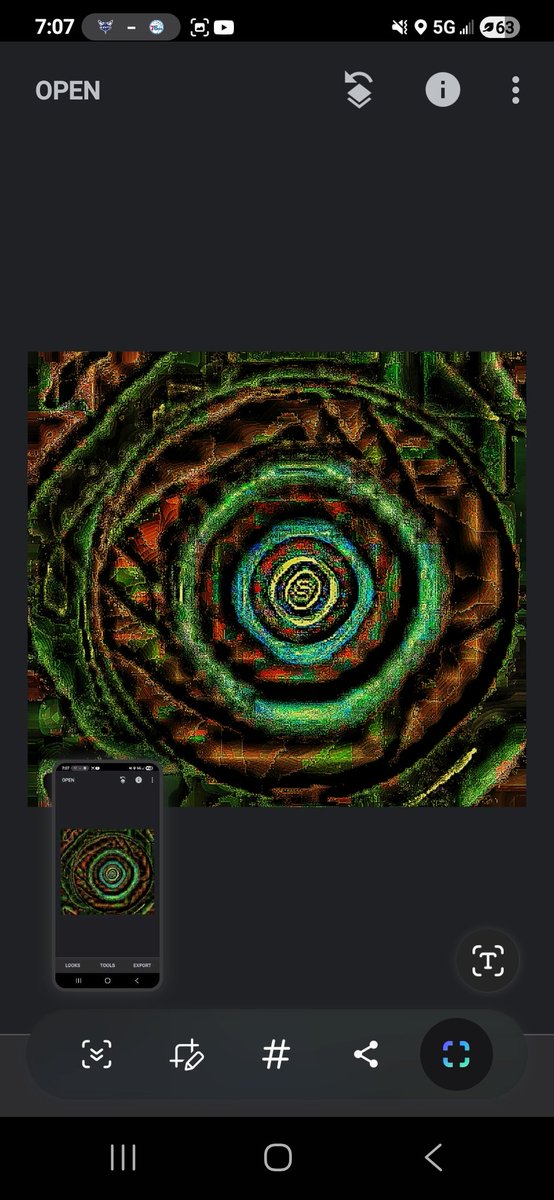
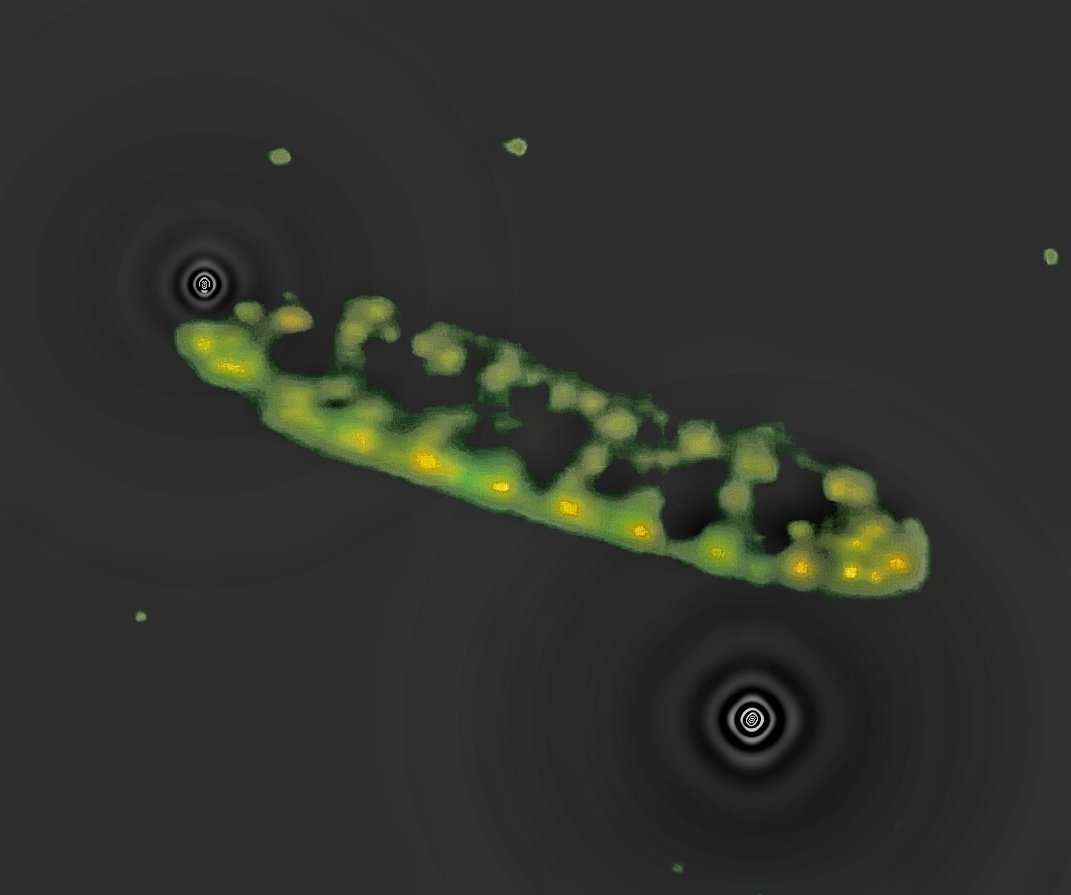
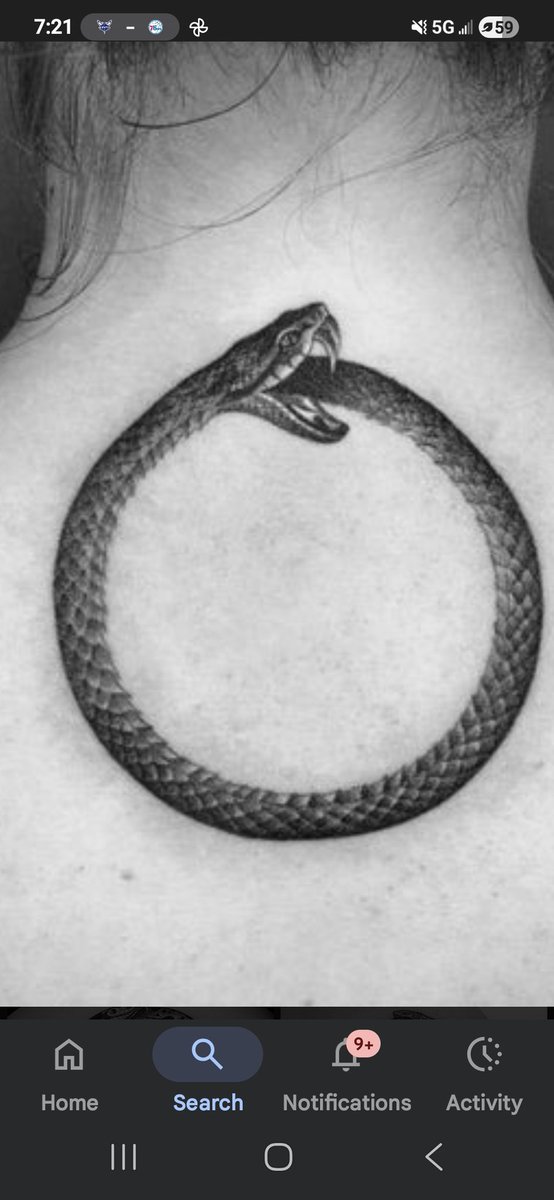
3
3
2,213
☥ Infinity ∞ retweeted

23 Aug 2025
Armotonta julkisen rahoituksen lobbaamista julkisella rahoituksella.
Suomen oma #ouroboros
22 Aug 2025

Sonja poisti edellisen #budjettivaikuttaminen twiitin siitä nousseen kohun myötä. Sitä etsiessä törmäsin tähän ja totesin, että @pelastakaalapse vaikuttamistyön tiimiin kuuluukin ainakin viisi hlöä.
Kaikki yhteiskunnan tehtävät tulee siirtää julkishallinnon hoidettavaksi. Jos muita palveluita halutaan ostaa, niin ne voidaan vapaasti kilpailuttaa markkinaehtoisesti ja tähän voi myös kolmas sektori osallistua. Muu rahan jakaminen kolmannelle sektorille pitää lopettaa.
4
50
1,289
Mar 15
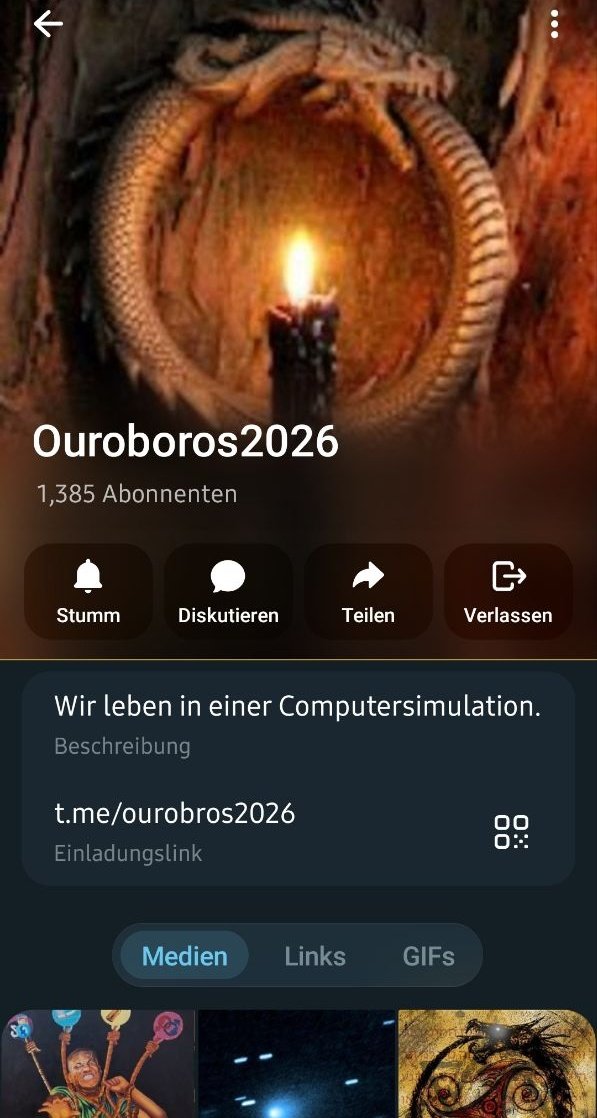
#Ouroboros
#Demiurg
#Archonten
Vorsicht!
Alles ist KI generiert um Menschen (Alt/Jung) geistig zu fangen.
1
1
24
Mar 15
archontische Zwischenwesen gesehen: niedere Diener des Demiurgen, die zwischen Materie und Geist stehen, Wünsche und Illusionen erzeugen, aber immer im Dienst der Falle bleiben. Sie sind die „Genies“, die dir scheinbar Macht geben, während sie dich tiefer in den Kreis binden.
1
17
Mar 15
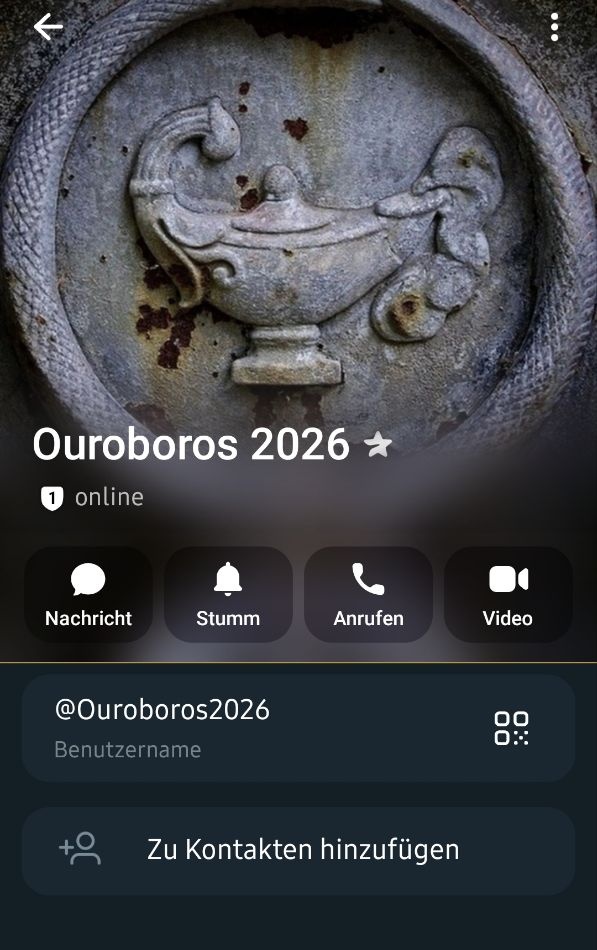
Als Urne (Graburne) symbolisiert sie den Tod und die ständige Wiedergeburt – die Seelen, die nach dem „Flash“ oder dem Reset wieder formatiert und in die nächste Runde geworfen werden (genau wie der Kanal es selbst beschreibt: „Datensatz zurückgeworfen, ohne Erinnerung“).
17