
Civil (Structural) Engineer, Buildings. What do I do for a Living? I Build.
Joined September 2011
- Tweets 14,830
- Following 555
- Followers 1,860
- Likes 4,172
1,115 Photos and videos


Pinned Tweet

Jun 1
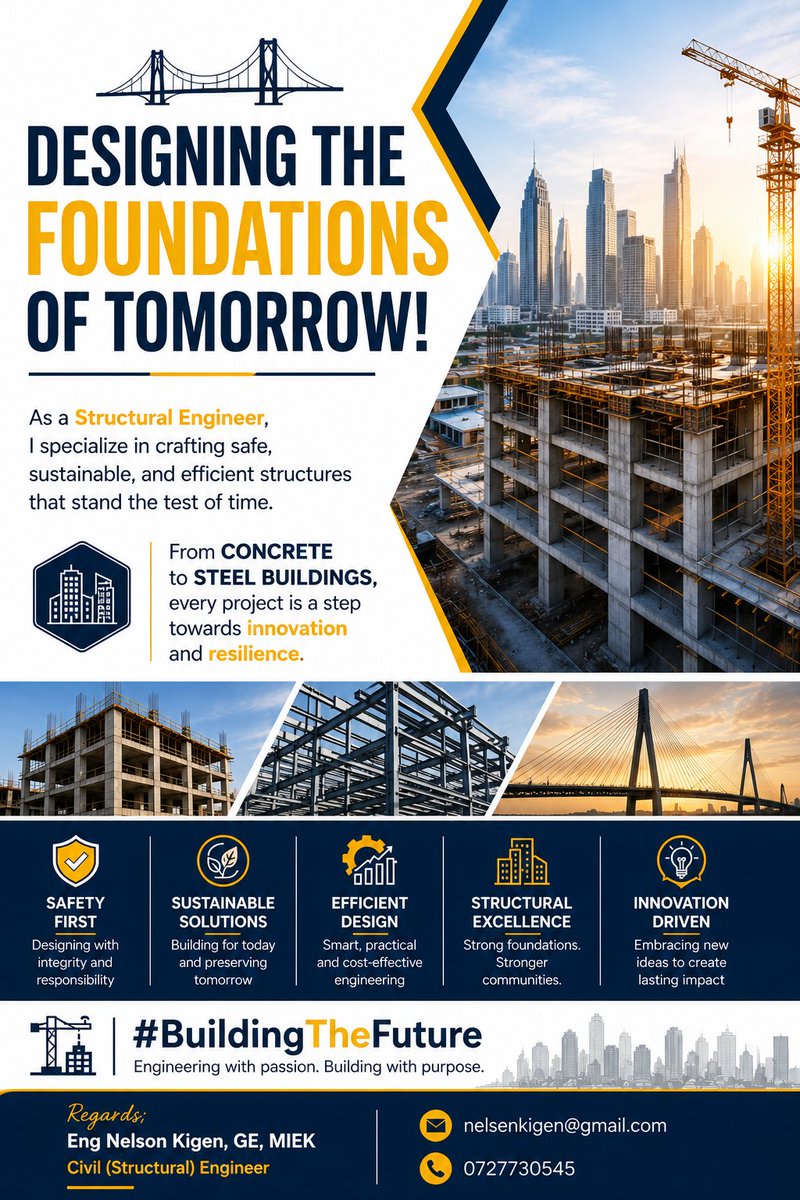
🌉 Designing the foundations of tomorrow! As a structural engineer, I specialize in crafting safe, sustainable, and efficient structures that stand the test of time. From Concrete to steel buildings, every project is a step towards innovation and resilience. 🏗️ #BuildingTheFuture #MjengoHub
1
1
169
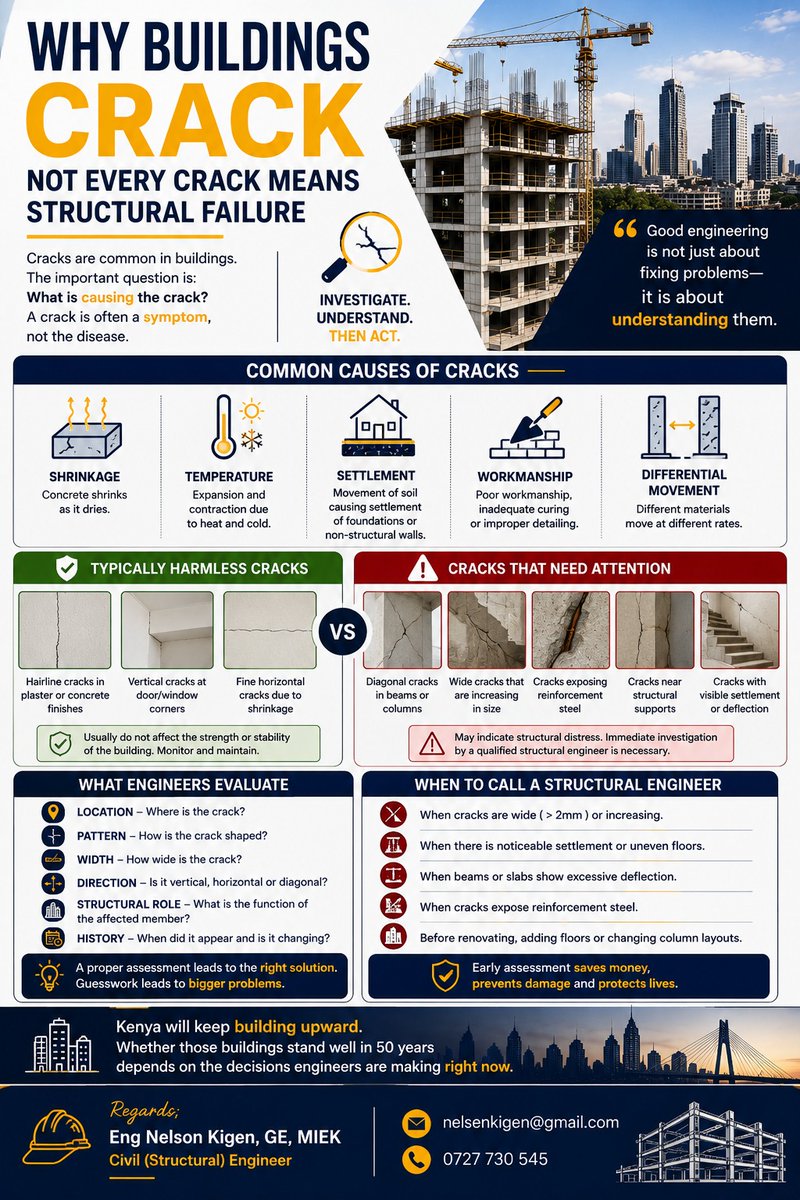
Not every crack means a building is failing.
Some cracks result from shrinkage, temperature changes, or workmanship issues.
Others may indicate settlement, excessive loading, or structural distress.
The crack is often just the symptom—the real challenge is identifying the cause.
Good engineers investigate before they repair.
#StructuralEngineering #Construction #CivilEngineering #Engineering #Concrete #KenyaConstruction #MjengoElimu
11
Jun 12
Invitations ✔️
Venue ✔️
Ingredients ✔️
Kitchen ✔️
Utensils ✔️
The festival is about to begin #Korogafestival #MjengoElimu
15
Eng Nelson Kigen 🦊 retweeted

Jun 12
If there is a consultant who will never fail in a construction project, it's the Mechanical engineer. They never fail in being the biggest disappointment. In 15 years of practice, every one of them I have dealt with has been the weakest link in the project.
5
4
13
2,215
Jun 9
The continued delay in appointing the Engineers Board of Kenya (EBK) Board is a matter of concern to the engineering fraternity.
A fully constituted board is critical for policy direction, registration, accreditation, regulation, and the advancement of engineering practice in Kenya.
Engineers deserve clarity. The profession deserves leadership. It's time to expedite the appointment process. @TransportKE @TheIEK
@EngineersBoard
#EngineeringKE #EBK #Infrastructure #ProfessionalRegulation #MjengoHub
3
3
62
Jun 8
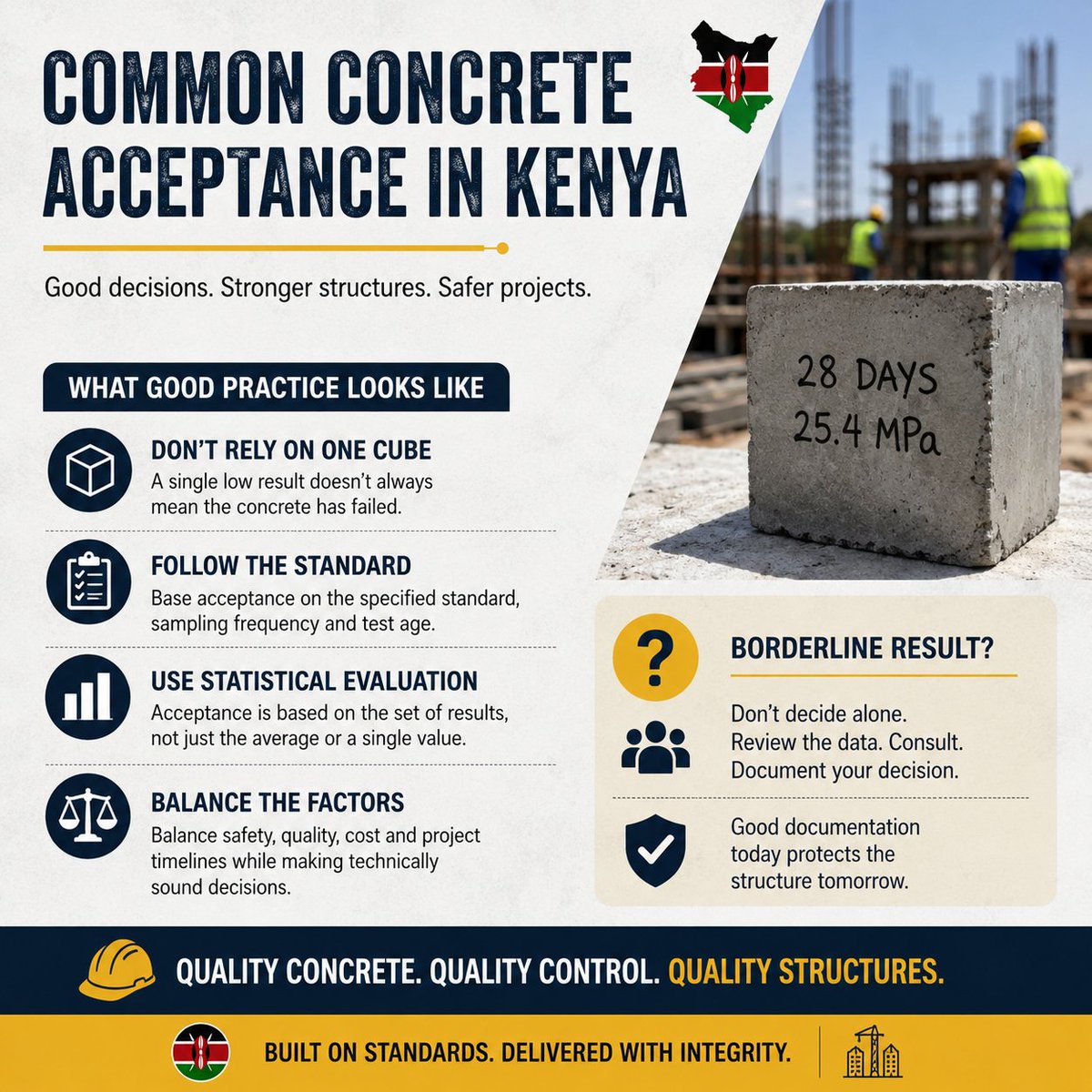
One of the most misunderstood decisions on site is concrete acceptance.
In Kenya, many engineers reject concrete based on a single cube result. But acceptance should be based on the specified standard, sampling frequency, and statistical evaluation of results.
A low individual result doesn't always mean the concrete has failed. Likewise, a high average doesn't automatically mean it's acceptable.
The real challenge is balancing safety, quality, cost, and project timelines while making technically sound decisions.
How do you handle borderline concrete strength results on your projects?
#CivilEngineering #StructuralEngineering #Concrete #ConstructionKenya #QualityControl #QualityAssurance #Engineering #MjengoHub
36
Eng Nelson Kigen 🦊 retweeted

Jun 7
Day by day building in Kenya is getting more expensive
2
1
9
1,023
Jun 7
I do construction and structural design.
I also follow back.
#Civil #CivilEngineering #BuiltEnvironment #Construction #MjengoHub
4
155
Eng Nelson Kigen 🦊 retweeted

I have told Engineers/Resident Engineers before but it seems they rarely listen.
Stop using the word “Please” when writing letters or instructions to Site agents/Contractors.
This is not deliberate rudeness but the conventions of formal letter writing.
5
6
29
3,607
Jun 7
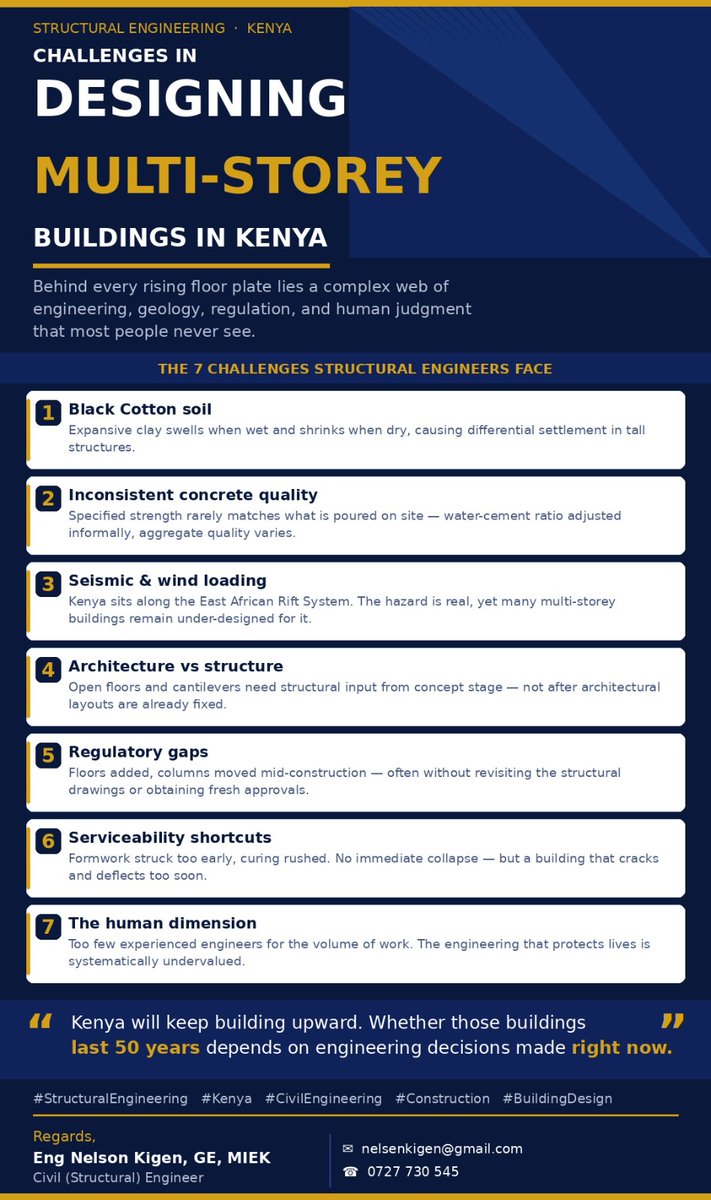
Kenya's skyline is rising fast. Cranes in Westlands. Towers in Upper Hill. New floors going up in Kilimani almost every week.
But behind every floor plate is a challenge most people never see.
Here are 7 real challenges structural engineers face when designing multi-storey buildings in Kenya:
𝟭. Black Cotton Soil
Expansive clay that swells when wet and shrinks when dry. Differential settlement in a tall building doesn't just crack plaster — it can distort entire structural frames. Yet many projects still start without a proper geotechnical investigation.
𝟮. Inconsistent Concrete Quality
The C25 or C30 specified in the design isn't always what gets poured on site. Water added to improve workability. Aggregate quality varying by source. Cube tests done poorly. The margin between a building that performs and one that doesn't can be surprisingly thin.
𝟯. Seismic & Wind Loading
Kenya sits along the East African Rift System. The hazard is moderate — but it's real. Many multi-storey buildings are still designed without rigorous seismic analysis. As buildings get taller, this matters more, not less.
𝟰. Architectural vs Structural Demands
Developers want open ground floors, cantilevers, and column-free spaces. Each introduces structural complexity. When the engineer is brought in after the concept is fixed, the result is often a compromise that no one is fully happy with.
𝟱. Regulatory Gaps
Approvals are improving. Enforcement is still uneven. Additional floors get added mid-construction. Column layouts get changed. Load paths get altered — without anyone going back to the structural drawings.
𝟲. Serviceability Shortcuts
Formwork struck too early. Curing time shortened. Finishes applied before the structure reaches design strength. No immediate collapse — but a building that cracks earlier, deflects more, and costs more to maintain.
𝟳. The Human Dimension
Too many projects. Too few experienced engineers. Fees squeezed to win jobs. Site supervision reduced. The engineering that protects lives is systematically undervalued in our market.
None of this is unsolvable.
Better enforcement. Better mentorship. Better client education. Tools like ETABS, BIM, and a stronger professional culture are moving things in the right direction.
But the gap between good practice and common practice is still wide.
Kenya will keep building upward. Whether those buildings stand well in 50 years depends on the decisions engineers are making right now.
— What challenge do you think is most overlooked in Kenyan construction? Drop it in the comments.
#StructuralEngineering #Construction #Kenya #CivilEngineering #BuildingDesign #Engineering #MjengoHub
2
12
1,022
Jun 7
Good morning #BuiltEnvironment
Every structure tells a story long before the first concrete is poured.
Great engineering isn't just about calculations and drawings—it's about solving real-world problems, managing risks, ensuring safety, and creating value that lasts for generations.
The best engineers never stop learning, questioning, and improving.
What's the most important lesson you've learned from a project site?
#StructuralEngineering #CivilEngineering #Construction #EngineeringLife #ProjectManagement #QualityControl #Infrastructure #BuildingTheFuture
30
Jun 5
Why do we swear by the Bible and not the constitution?
Could this practice what leads to disregard of court orders and abuse of office?
9
Jun 5
Jun 3

Lady stirs reactions after sharing a video of herself at home and at work
10
Jun 5
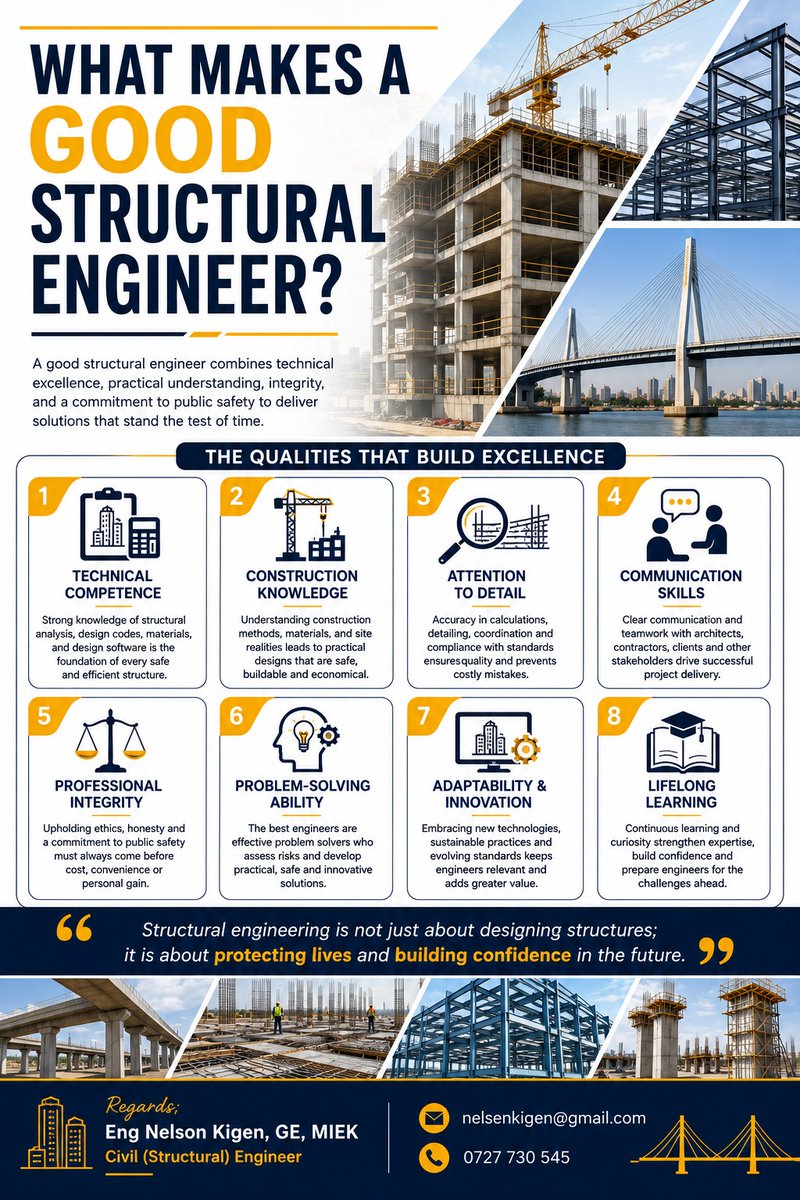
What are Qualities of Good Structural Engineering?
Structural engineers do a lot of calculations, drawing and design using software, but these are not the only things necessary to making good structural engineering. If you want to be a successful structural engineer you will need to do more than just analyze the loads that your building will experience and create concrete and steel structures to hold them. You will need to be able to combine your technical and analytical skills with experience to treat your client and the public with the same level of respect you expect for yourself.
The number one responsibility of a structural engineer is to protect life. Every building, bridge, water reservoir, retaining wall, and industrial building or structure must safely carry the load and endure the environmental influences experienced in service. The good structural engineer knows that unless he/she has performed all calculations correctly and completed the project in a safe manner, the use and occupancy of the building will ultimately take the life of an individual.
Having the proper technical knowledge and understanding is the basis of good structural engineering. An engineering professional with good technical knowledge will have a good understanding of how structural members work with each other under different types of loads, understand the nature of materials, understand how to properly design to code, and understand how to construct what they are designing. The engineer must balance the safety, serviceability, durability, and economy of every concrete, steel, or infrastructure project based on technical information. However, while technical information is important, its only one part of the process. Engineering is not just designing on paper, but putting those designs into the field (i.e., construction) and dealing with the realities of the real world (i.e., what happens when you build).
A good structural engineer knows about construction. He/she understands all construction methods and uses that knowledge to determine methods for building projects and how to properly detail structures. Good structural engineers are able to utilize their construction and technical skill sets and experience to work with contractors and architects to maintain the original design intent while achieving a successful finish product. Good structural engineers possess the ability to be practical.
#CivilEngineering #StructuralEngineering #MjengoHub
60
Jun 5
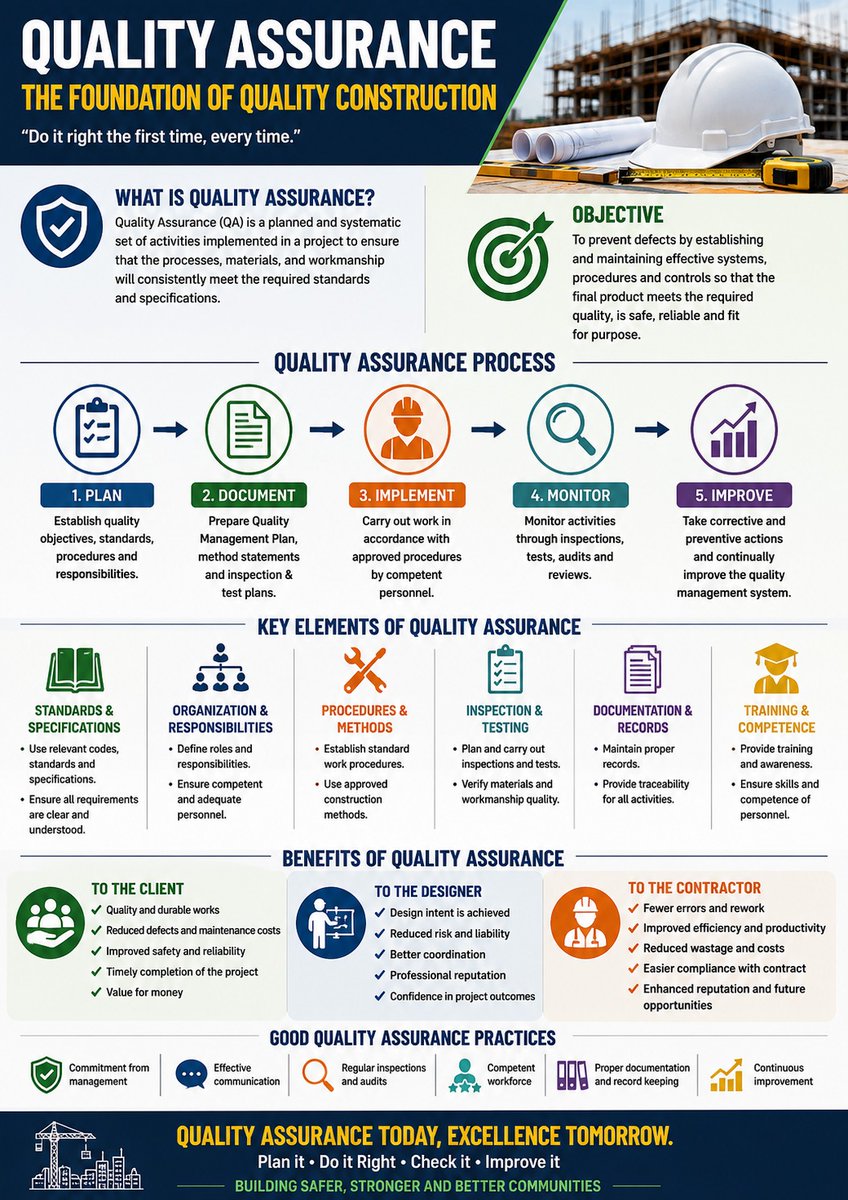
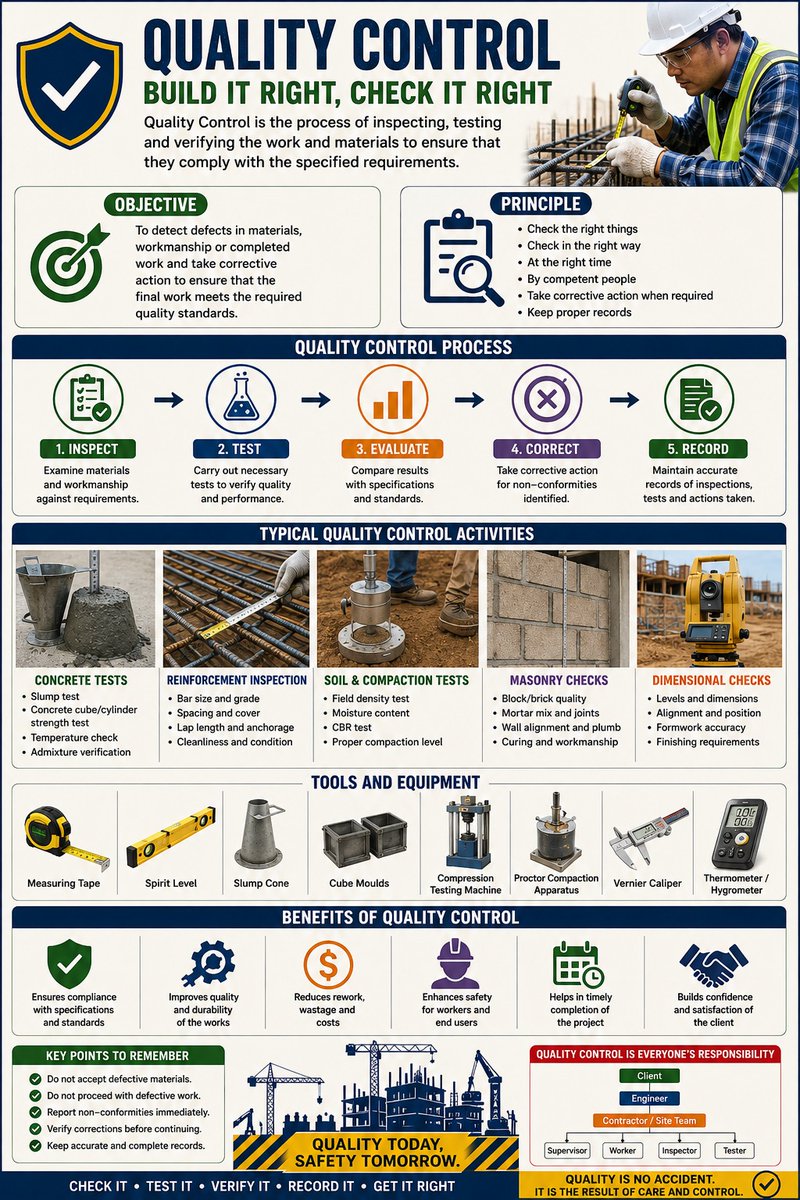
Comparison Between Quality Control and Quality Assurance
Quality Assurance (QA) and Quality Control (QC) are both important components of quality management in engineering and construction projects. Although they are closely related, they differ in purpose, approach, and implementation.
A. Quality Assurance (QA)
Quality Assurance refers to the planned and systematic activities implemented within a quality management system to ensure that the project will satisfy the required quality standards.
QA is:
1. Process-oriented
2. Preventive in nature
3. Focused on avoiding defects before they occur.
It involves establishing:
1. Procedures
2. Standards
3. Method statements
4. Inspection plans
5. Documentation systems
The objective of QA is to ensure that construction activities are carried out correctly from the beginning.
Examples of Quality Assurance;
1. Preparation of Quality Management Plans
2. Development of Inspection and Test Plans (ITPs)
3. Approval of materials and suppliers
4. Staff training and competency checks
5. Calibration of testing equipment
6. Establishment of standard operating procedures
B. Quality Control (QC)
Quality Control refers to the operational techniques and inspections used to verify that the completed work complies with specifications and standards.
QC is:
1. Product-oriented
2. Corrective in nature
3. Focused on identifying and correcting defects
The objective of QC is to detect defects in materials or workmanship before the works are handed over.
Examples of Quality Control;
1. Concrete cube testing
2. Slump tests
3. Soil compaction tests
4. Reinforcement inspection
5. Weld testing
6. Dimensional checks
C. Comparison Between QA and QC
AspectQuality Assurance, (QA)Quality Control (QC)
Focus: Process, Product
Objective: Prevent defects,Detect defects
Nature: Preventive, Corrective
Approach:System-oriented, Inspection-oriented
Timing:Before and during work,During and after work
Responsibility:Management and entire team, Inspectors and technicians
D. Benefits of Quality Assurance
Quality Assurance benefits all project stakeholders including the client, designer, and contractor.
1. Benefits to the Client
a. Improved Quality of Works
b. Reduced Maintenance Cost
c. Increased Safety
d. Timely Project Completion
e. Value for Money
2. Benefits to the Designer
a. Compliance With Design Intent
b. Reduced Liability
c. Better Coordination
d. Protection of Professional Reputation
3. Benefits to the Contractor
a. Reduced Rework
b. Improved Efficiency
c. Cost Savings
d. Improved Reputation
e. Easier Compliance With Contract Requirements
Conclusion
Quality Assurance and Quality Control are complementary aspects of quality management in engineering projects.
#mjengohub
1
44
Eng Nelson Kigen 🦊 retweeted

May 31
Without doubt man. But we keep trying. Good job regardless engineer.
1
2
614
May 31
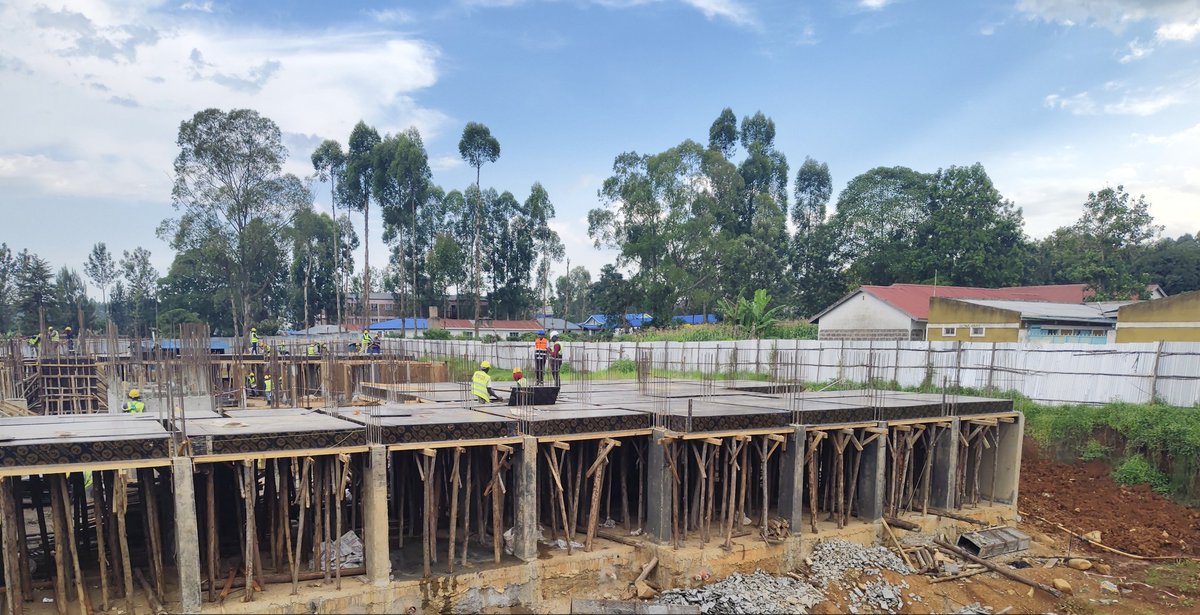
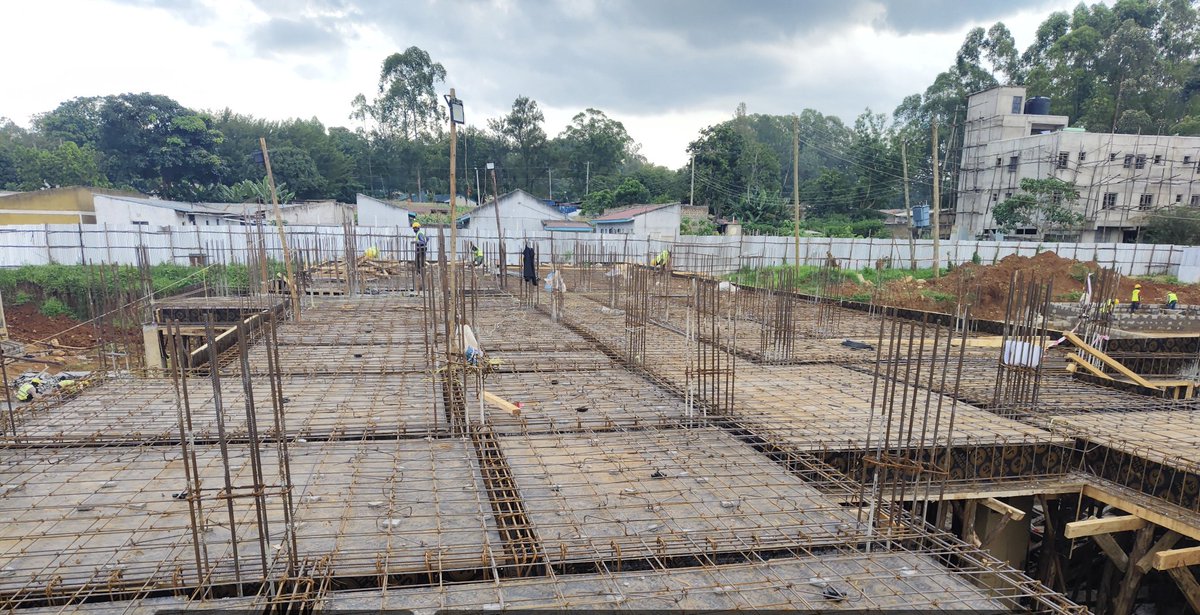
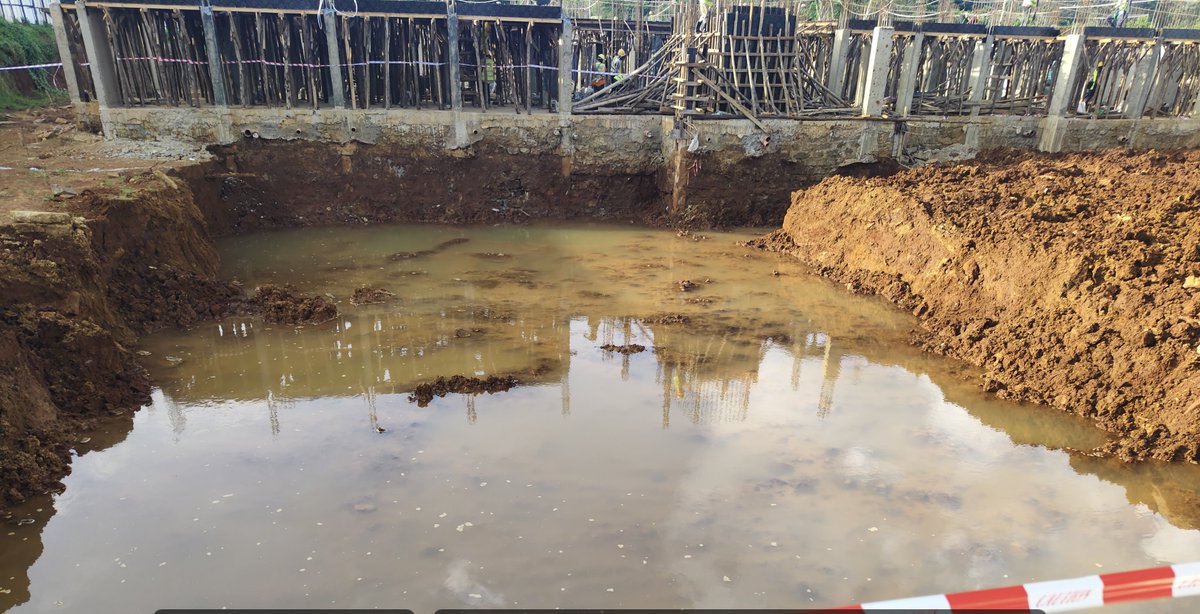
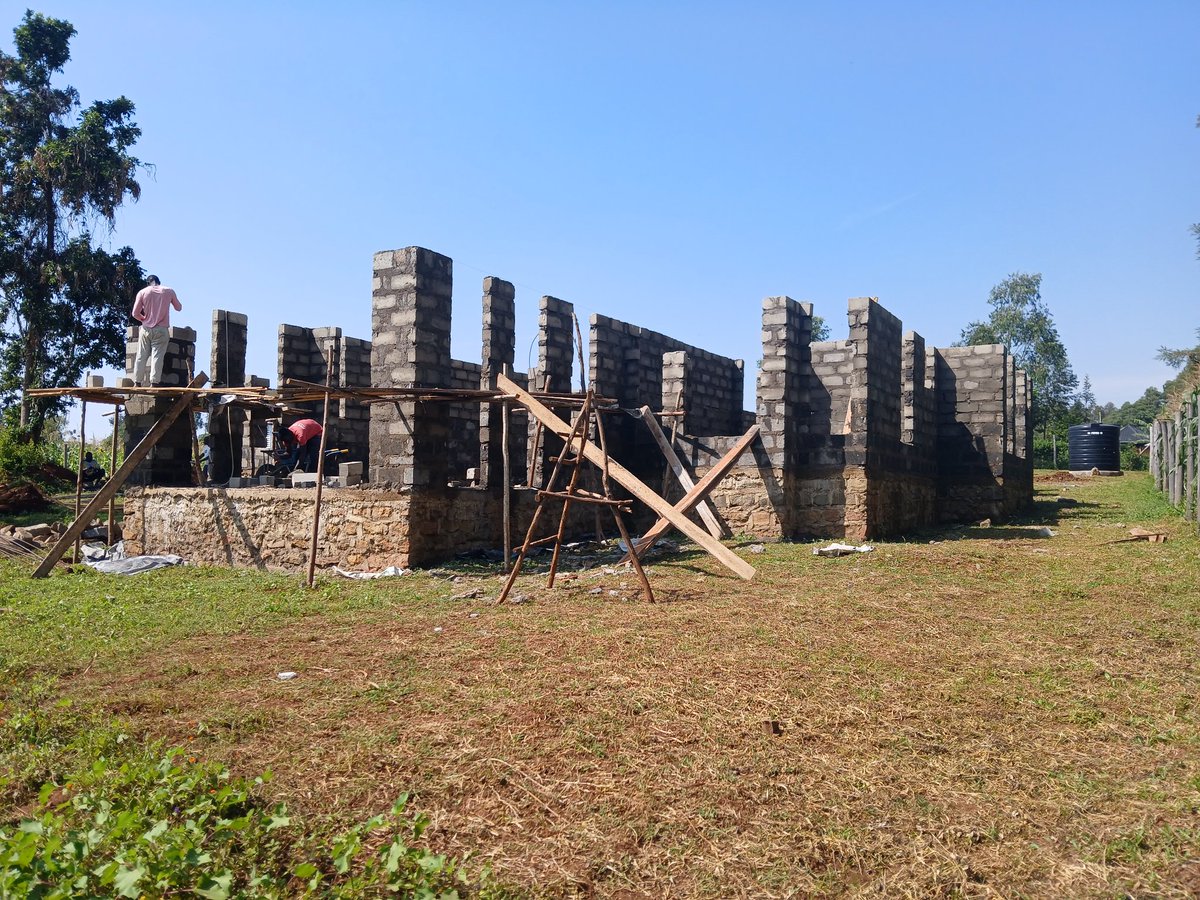
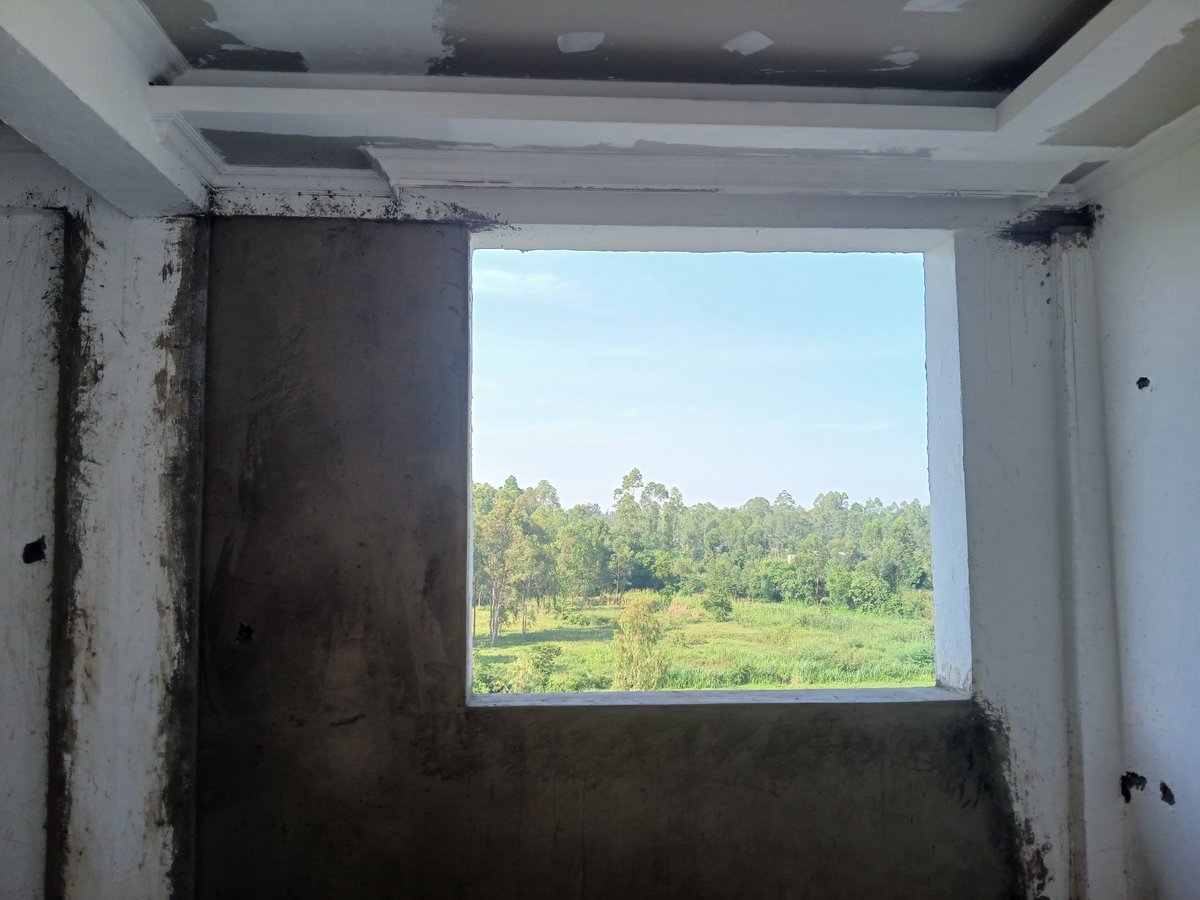
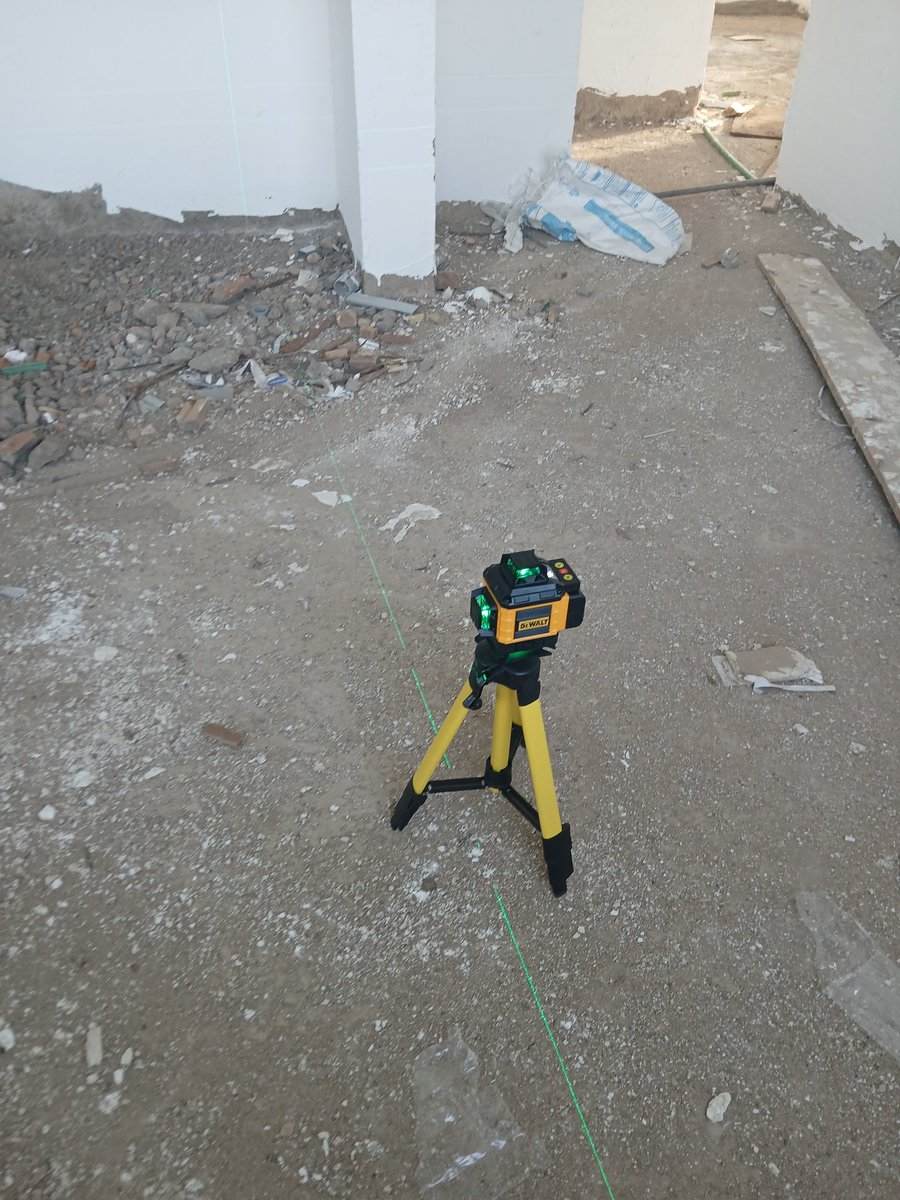
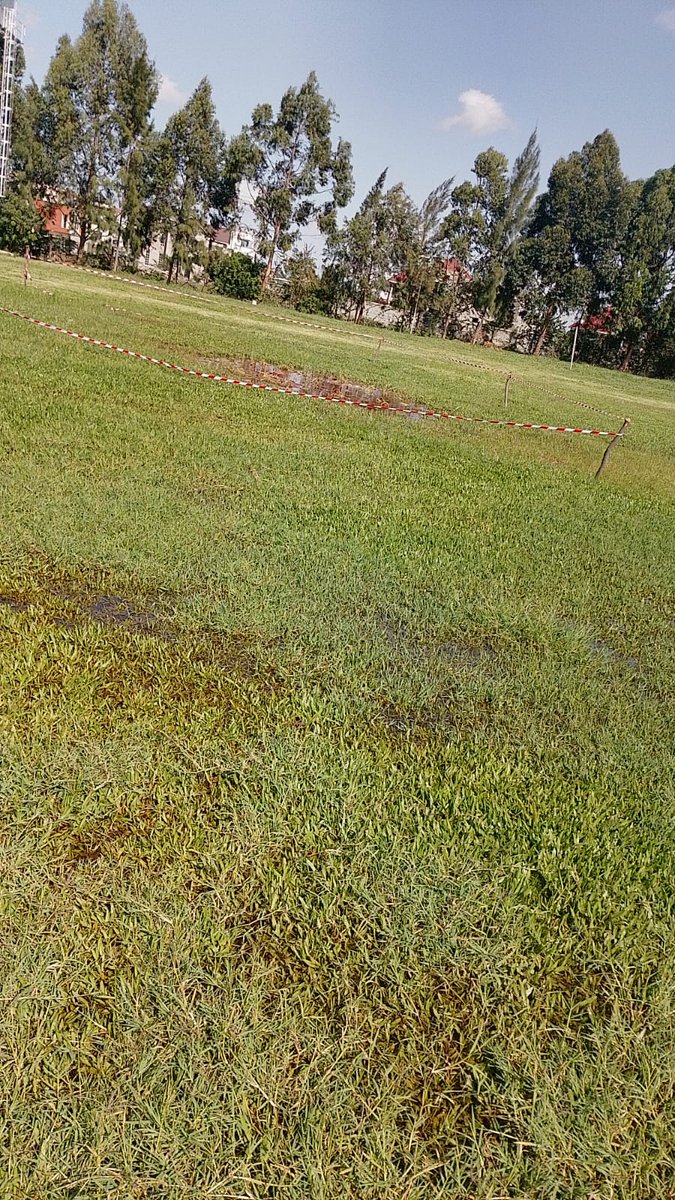
Mjengo is not for the faint hearted...

1
1
21
3,129
Eng Nelson Kigen 🦊 retweeted

2
31
1,291