
Perwakilan resmi @inter_link di Indonesia. Membangun komunitas Human Network yang tumbuh secara organik dan terverifikasi manusia asli, bukan bot.
Joined December 2013
- Tweets 1,224
- Following 58
- Followers 12,864
- Likes 1,844
570 Photos and videos

Pinned Tweet

18 Jun 2025
🇮🇩 Halo, Indonesia!
Kami dengan bangga membuka InterLink Human Network Indonesia ruang bagi para Web3 explorer & creator Nusantara.
🔥 Gabung sekarang: t.me/interlinkIDchat/26251
170
143
462
47,153
📢 Memahami Visi Jangka Panjang InterLink
Teman-teman, mungkin ada yang bertanya mengapa update seperti pembelian pulsa menggunakan kripto dianggap penting bagi perkembangan InterLink.
Sebenarnya, fitur tersebut bukan hanya tentang membeli pulsa. Itu adalah salah satu langkah awal dalam membangun infrastruktur pembayaran yang lebih besar.
Hari ini mungkin digunakan untuk pembelian pulsa, tetapi di masa depan teknologi yang sama dapat digunakan untuk pembayaran hotel, tiket perjalanan, layanan digital, dan berbagai kebutuhan lainnya menggunakan aset kripto.
Sama seperti membangun sebuah gedung, fondasi harus dibuat terlebih dahulu sebelum membangun bagian yang lebih besar. Infrastruktur pembayaran adalah fondasi tersebut.
Selain itu, InterLink juga sedang mempelajari berbagai konsep yang telah terbukti sukses di dunia keuangan tradisional, seperti sistem pembayaran, penyelesaian transaksi, pencatatan aset, dan likuiditas pasar.
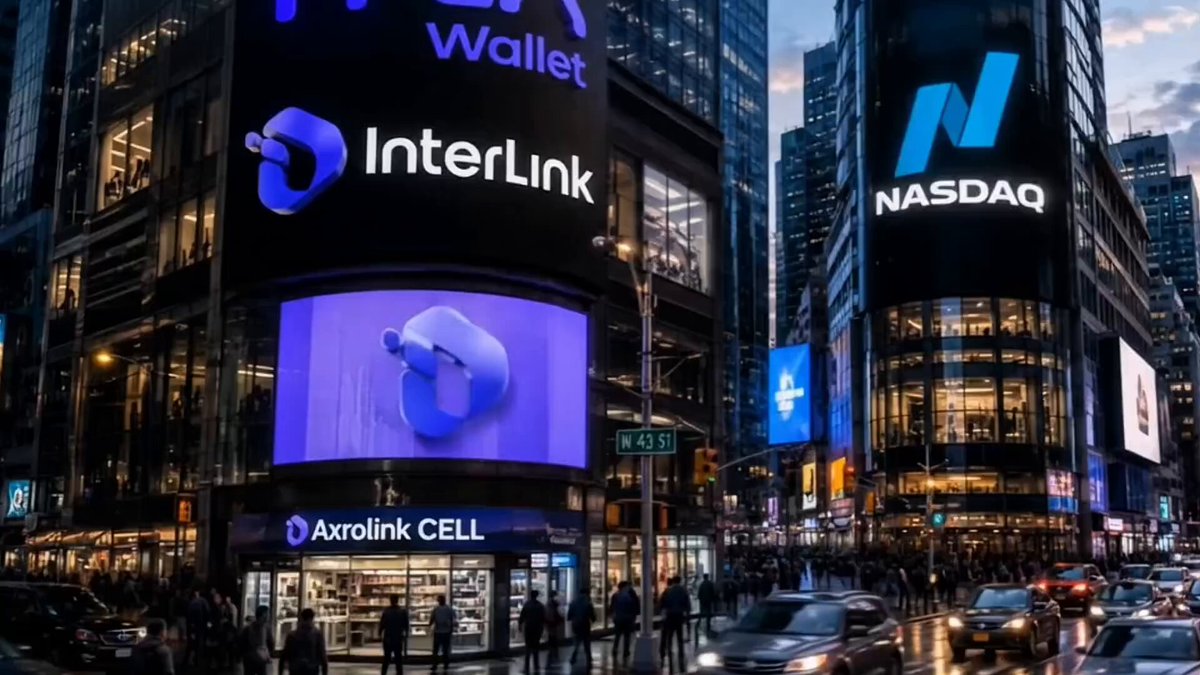
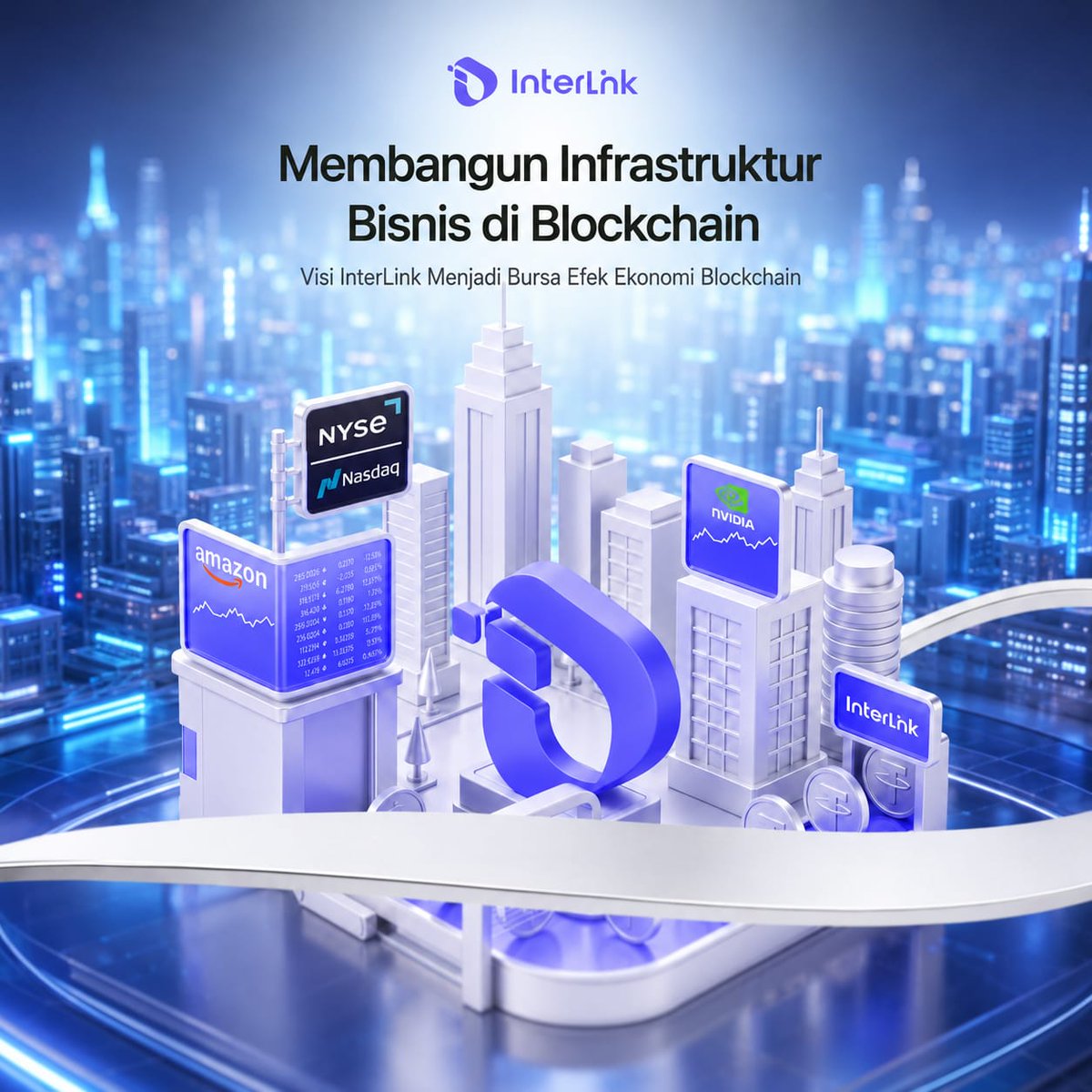
Tujuannya bukan untuk meniru Nasdaq atau NYSE, melainkan mempelajari bagaimana sistem-sistem tersebut bekerja dan mengadaptasi keunggulannya ke dalam teknologi blockchain yang lebih modern dan transparan.
Visi jangka panjang InterLink adalah membangun ekosistem yang mampu menghubungkan aset digital dengan aktivitas ekonomi nyata, sehingga blockchain tidak hanya menjadi tempat untuk transaksi aset digital, tetapi juga dapat memberikan manfaat dalam penggunaan sehari-hari.
Tentu semua proses ini membutuhkan waktu, pengembangan bertahap, serta dukungan dari komunitas. Karena itu, setiap pembaruan yang terlihat sederhana hari ini bisa menjadi bagian penting dari fondasi yang sedang dibangun untuk masa depan yang lebih besar.
Mari kita terus mengikuti perkembangan dengan perspektif jangka panjang dan melihat bagaimana setiap langkah berkontribusi pada pertumbuhan ekosistem InterLink. 🚀
#InterLink #ITLG #ITL
1
6
22
334
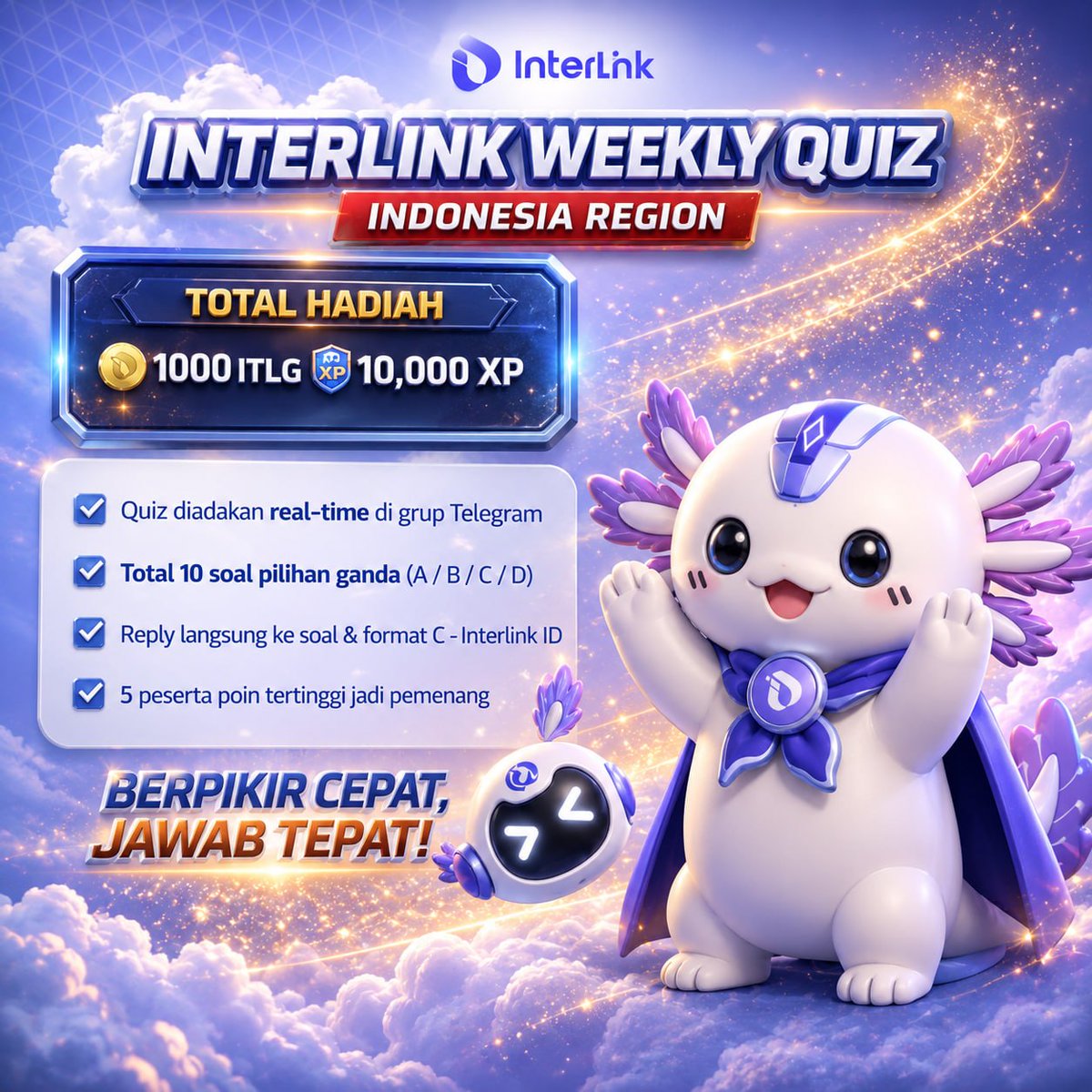
🎯 INTERLINK WEEKLY QUIZ – INDONESIA REGION
🎁 Total Hadiah
⚡️ 1000 ITLG
⚡️ 10,000 XP
Hadiah akan dibagikan kepada 5 peserta dengan poin tertinggi
📆 Waktu Pelaksanaan
• Hari ini - minggu
⏱️ WIB: 20:00 – 21:00
⏱️ UTC: 13:00 – 14:00
📌 Ketentuan Umum
• Quiz dilakukan secara real-time melalui chat grup Telegram
( t.me/interlinkIDchat )
• Seluruh aktivitas berlangsung di topik Indonesia
• Peserta wajib aktif memantau chat karena soal akan muncul langsung di chat
• Event berlangsung cepat, pastikan selalu siap
🧠 Format Quiz
• Total: 10 soal
• Jenis: Pilihan ganda (A / B / C / D)
• Setiap soal memiliki nilai (poin)
• Poin akan diakumulasi setelah seluruh soal selesai
🖼 Format Soal
• Soal akan dikirim dalam bentuk gambar (visual)
• Gambar akan menggambarkan konteks soal
• Detail soal dan pilihan jawaban tetap dituliskan sebagai keterangan di chat
😯 Cara Menjawab
• Jawaban dikirim di chat grup pada topik Indonesia
• Peserta wajib reply langsung pada pesan soal
• Format wajib:
Huruf - InterLink ID
Contoh:
C - 123456
⚠️ Aturan Jawaban (WAJIB DIPATUHI)
• Jawaban yang diedit = tidak dihitung
• Jawaban yang tidak reply ke soal = tidak valid
🏆 Penentuan Pemenang
• Diambil 5 peserta dengan poin tertinggi
• Jika skor sama → ditentukan dari kecepatan menjawab
• Keputusan panitia bersifat final
🚫 Larangan
• Dilarang spam di chat
• Dilarang mengganggu jalannya event
• Dilarang memberikan jawaban kepada peserta lain
❗️ Catatan Penting
• Soal akan muncul langsung di chat ( Room Indonesia )
• Peserta wajib fokus dan tidak delay membaca soal
• Keterlambatan membaca soal bukan tanggung jawab panitia
🔥 Penutup
Event ini dirancang real-time, kompetitif, dan menguji kecepatan serta pemahaman peserta terhadap ekosistem InterLink
#InterLink #ITLG #ITL
2
7
25
622
InterLink Network Indonesia 🇮🇩 retweeted

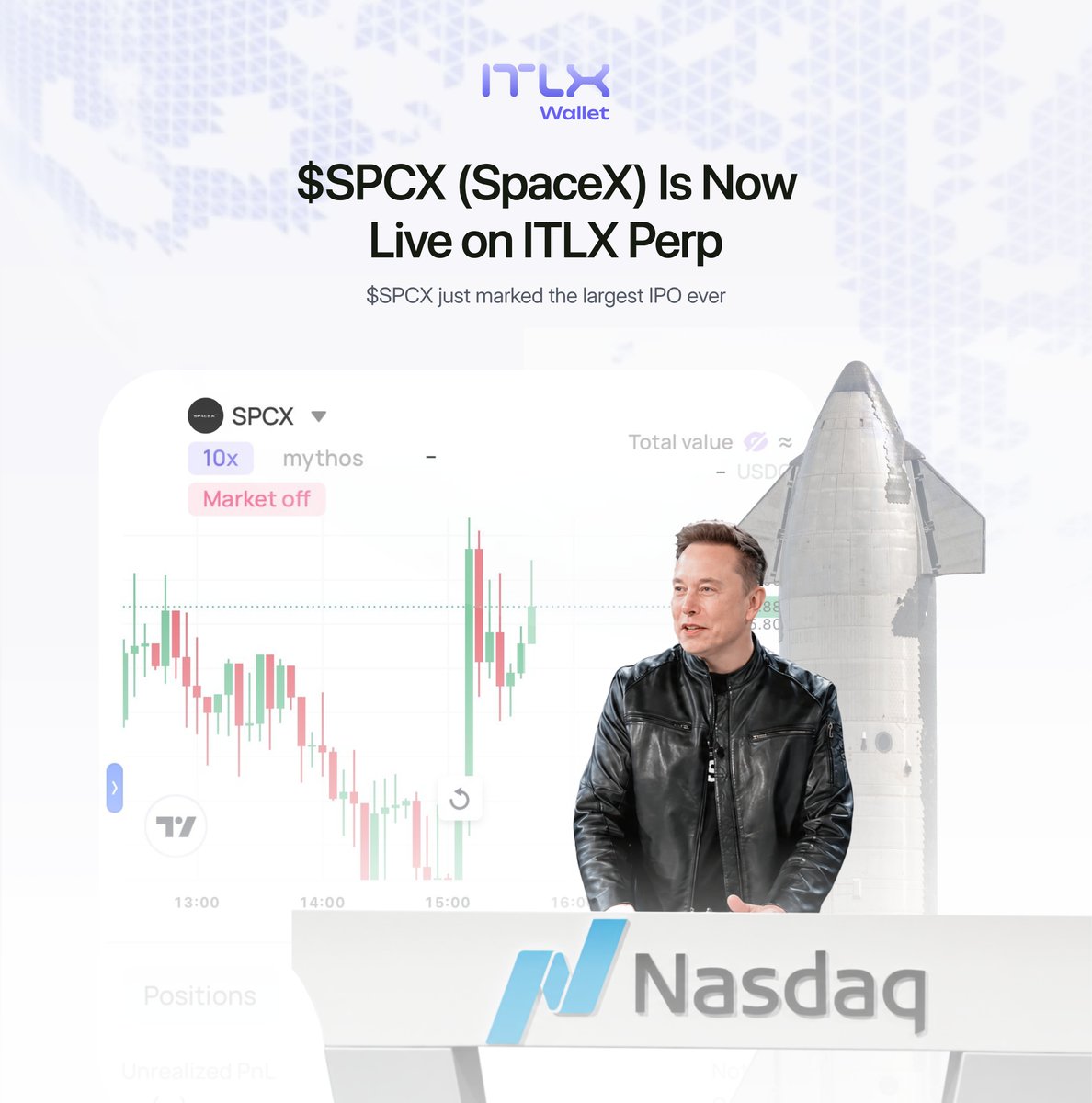
📈$SPCX Goes On-Chain With ITLX
$SPCX just marked the largest IPO ever
And now you can trade it across 300 perp DEXs with up to 10x leverage.
Go long if you believe in the upside, or short if you think it is overhyped.
@itlx_defi is building a permissionless trading layer for the future of on-chain markets. 🌐
#ITLX #ITLG #ITL
309
344
619
8,494
InterLink Network Indonesia 🇮🇩 retweeted

13h
Learning from Wall Street and Bringing Nasdaq-Level Financial Infrastructure Onchain. The Long-Term Vision of InterLink.
In my previous post, I asked a simple question:
"Could @inter_link become the Nasdaq/NYSE of Web3?"
Today, I'd like to dive deeper into the vision and infrastructure that could make such a future possible.
Yesterday, we saw the release of a small update, v5.0.4, enabling users to purchase mobile top-up cards with crypto. At first glance, this may seem like a minor feature. In reality, it represents one of the first building blocks of a much larger payment infrastructure that could eventually support tokenized asset listings and on-chain capital markets.
Before you can build infrastructure for tokenized equities, you first need robust payment infrastructure.
So how is @inter_link approaching this?
Let's take a simple example: purchasing a SIM card with USDT. In the future, the same infrastructure could be used for airline tickets, hotel bookings, travel services, and much more.
The process begins with Wallet and Payment infrastructure integrated into ITLX and connected to blockchain networks. Next comes a real-time Payment Gateway that tracks every stage of the payment lifecycle. An Oracle and Pricing Engine then retrieves live USDT/USD exchange rates to determine the correct conversion value.
From there, the system connects to fiat settlement networks such as ACH, SEPA, SWIFT, and local banking rails. Fiat is settled and ultimately delivered to service providers such as airlines, hotels, telecom companies, ticketing platforms, and merchants.
This is the simplest form of a crypto-to-commerce infrastructure that enables digital assets to be used seamlessly in the real economy.
But what about building an on-chain stock exchange?
(InterLink is studying and rebuilding some of the most successful financial infrastructure concepts ever developed on Wall Street, then bringing those concepts onto programmable on-chain infrastructure)
1. Settlement: From T 2 to Seconds
Nasdaq has built one of the most successful financial infrastructures in the world. Its settlement process prioritizes security and reliability through multiple layers of clearing and reconciliation across brokers, custodians, and financial institutions.
InterLink learns from this model while exploring how blockchain can streamline the process. Using Byzantine Fault Tolerant (BFT) consensus with four phases — Propose, Verify, Lock, and Finalize — transactions can reach final settlement within seconds.
This is not about replacing traditional finance. It is about leveraging modern technology to reduce complexity while preserving trust and security.
2. Clearinghouse: Bringing DTCC Logic On-Chain
For decades, institutions such as DTCC have played a vital role in maintaining ownership records, processing transfers, and supporting global capital markets.
InterLink’s RWA Protocol takes inspiration from this proven framework. Acting as a Layer 2 clearing infrastructure, it explores how ownership records, settlements, and asset transfers can be managed through transparent and programmable smart contracts.
The underlying principles remain the same. Blockchain simply introduces a new way to implement them.
3. Order Books: AMMs as Always-On Liquidity
Traditional exchanges rely on market makers to provide continuous liquidity and efficient price discovery.
InterLink expands on this concept through protocol-level Automated Market Makers (AMMs) operating at Layer 2. Liquidity pools can remain available 24/7, enabling continuous access to markets while complementing existing liquidity models.
Rather than viewing this as a replacement for traditional market makers, it can be seen as an additional liquidity layer enabled by blockchain technology.
4. Asset Valuation: Connecting Real Revenue to Token Value
Public companies listed on Nasdaq are valued based on business performance, revenue growth, and long-term fundamentals. This principle remains one of the strongest foundations of modern capital markets.
InterLink’s Transaction-Backed Digital Asset Protocol explores how real economic activity can be reflected more directly within digital asset ecosystems. As transaction volume and business activity grow, liquidity can deepen and market signals may respond more dynamically.
The goal is not to reinvent finance. The goal is to learn from proven systems such as Nasdaq and DTCC while using blockchain technology to build a more transparent, efficient, and accessible financial infrastructure for the future.
The bigger picture is that InterLink is not trying to become another Nasdaq, nor is it attempting to copy the NYSE. The vision is to study the most successful financial infrastructure ever built, learn from over a century of innovation on Wall Street, and combine those lessons with blockchain technology to create a new generation of programmable financial infrastructure.
Traditional markets spent decades perfecting systems for payments, settlement, clearing, liquidity, custody, and capital formation. Blockchain gives us the opportunity to reimagine parts of that infrastructure for a digital-first world.
The path forward is becoming increasingly clear: build payment infrastructure first, connect crypto with real economic activity, create infrastructure for businesses, enable tokenized assets, and gradually lay the foundation for a truly on-chain digital economy.
At the same time, we continue to invest heavily in people. Technology alone is not enough. Building this vision requires world-class engineers, researchers, economists, and infrastructure specialists. That is why InterLink continues to recruit top talent and invest in human capital as one of its highest priorities.
In the end, great infrastructure is not built by code alone. It is built by exceptional people with the ambition, discipline, and long-term commitment to create systems that can serve millions — and eventually billions — of users around the world.
383
439
864
15,885
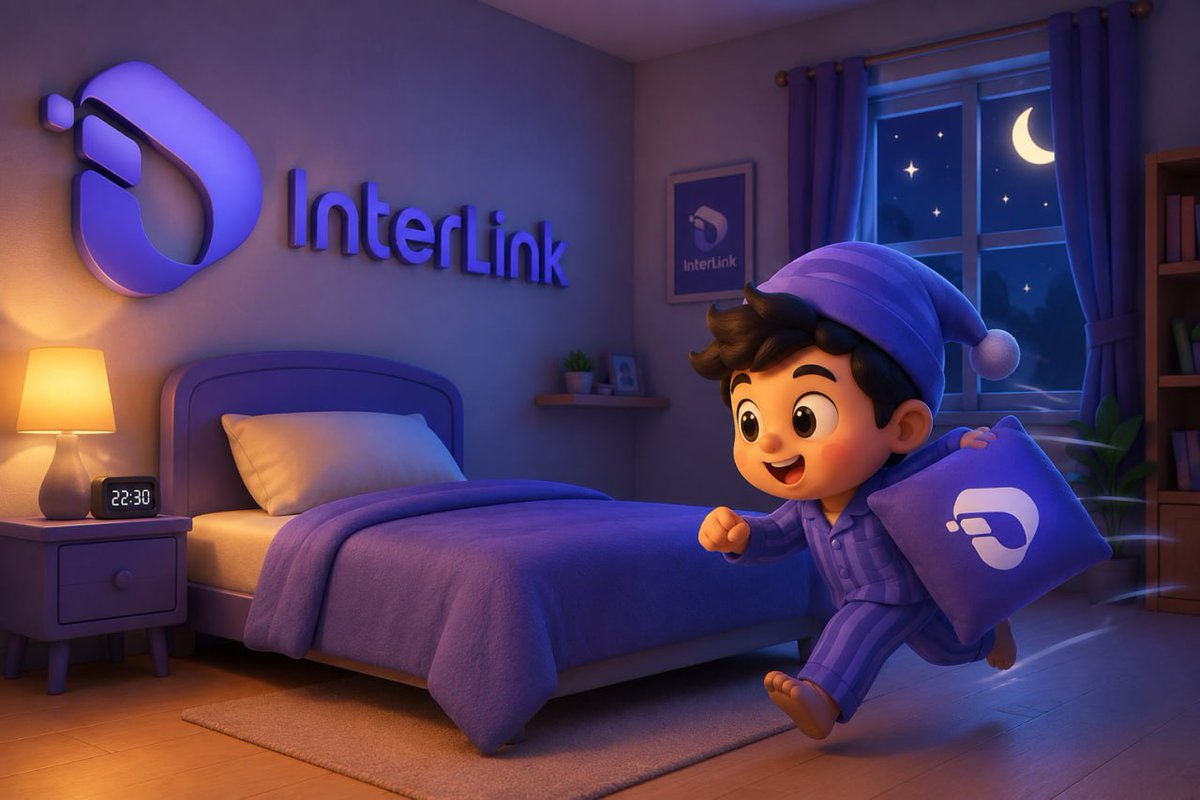
Selamat malam ✨🌙
Waktunya istirahat untuk para linkers
semoga esok pagi impian dan harapan kita semua akan segera tercapai 🚀.
#InterLink #ITLG #ITL
2
6
37
490
InterLink Network Indonesia 🇮🇩 retweeted
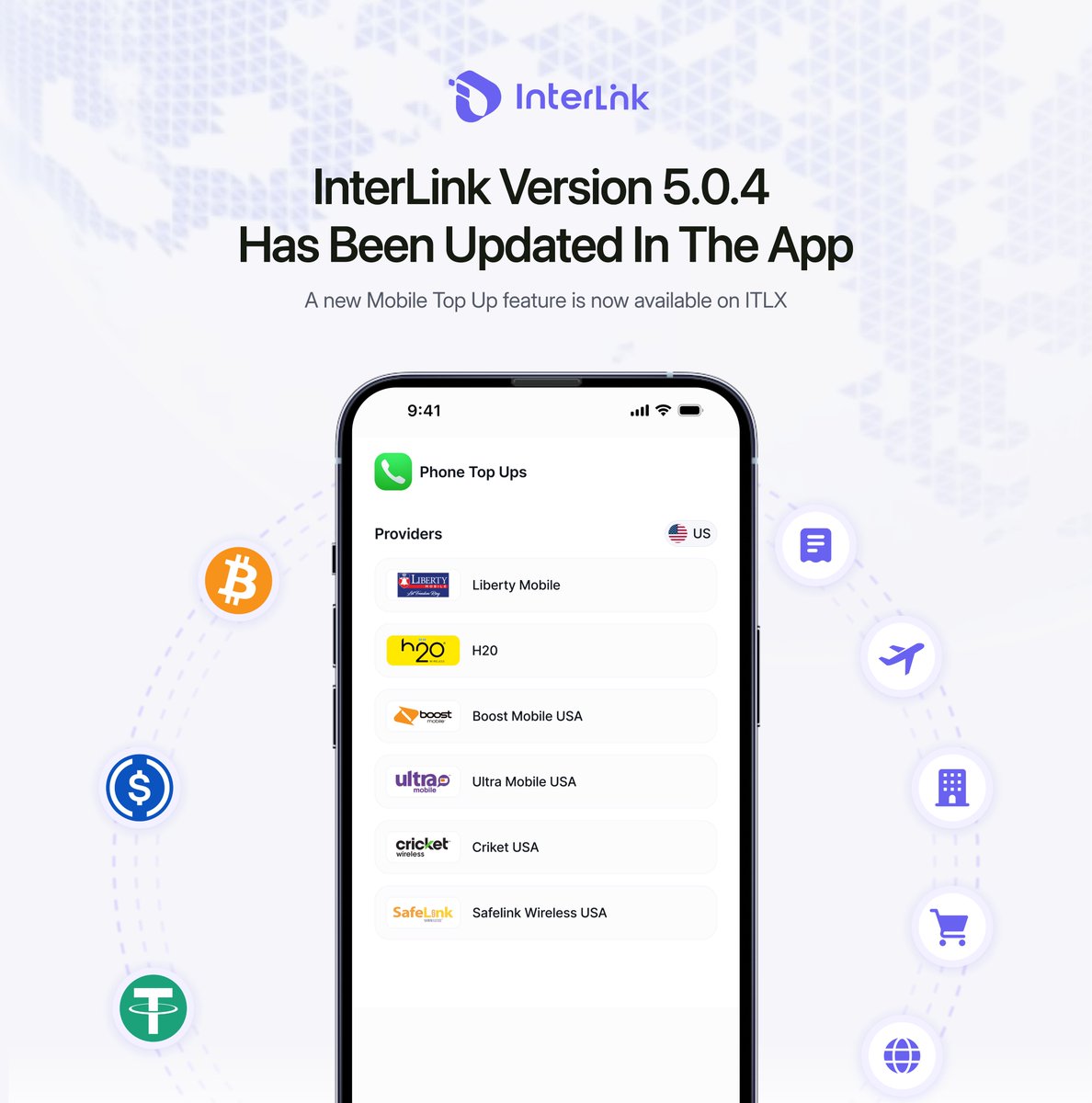
🚀 InterLink Version 5.0.4 Has Been Updated In The App
A new Mobile Top Up feature is now available on ITLX.
Users can use crypto directly in the app to top up mobile credit across multiple countries and supported carriers.
The feature supports payments with BTC, USDT, USDC, ETH, and 100 other cryptocurrencies, covering 600 mobile operators in around 150 countries. No KYC is required, and transactions are processed instantly once the on-chain confirmation is completed, with the code or PIN delivered right away.
This helps turn crypto from something people only hold into something they can use in daily life. More real-world utility is coming to the @inter_link ecosystem.
We are gradually completing the payment infrastructure for Web3. In the near future, you’ll be able to book flights, hotels, and many other services directly through @itlx_defi.
We are building the infrastructure that enables seamless conversion between crypto and fiat, creating a bridge between the digital asset economy and traditional industries.
Through strategic partnerships with established businesses, starting with telecommunications providers and expanding to travel companies, luxury hotels, airlines, and other major enterprises, we aim to create a unified gateway that allows digital assets to be used in real-world economic activity.
Our vision is to connect the crypto ecosystem with traditional commerce, making it easier for individuals and businesses to transact, access services, and participate in both economies through a single integrated network.
#InterLink #ITLG #ITL
370
439
997
18,052
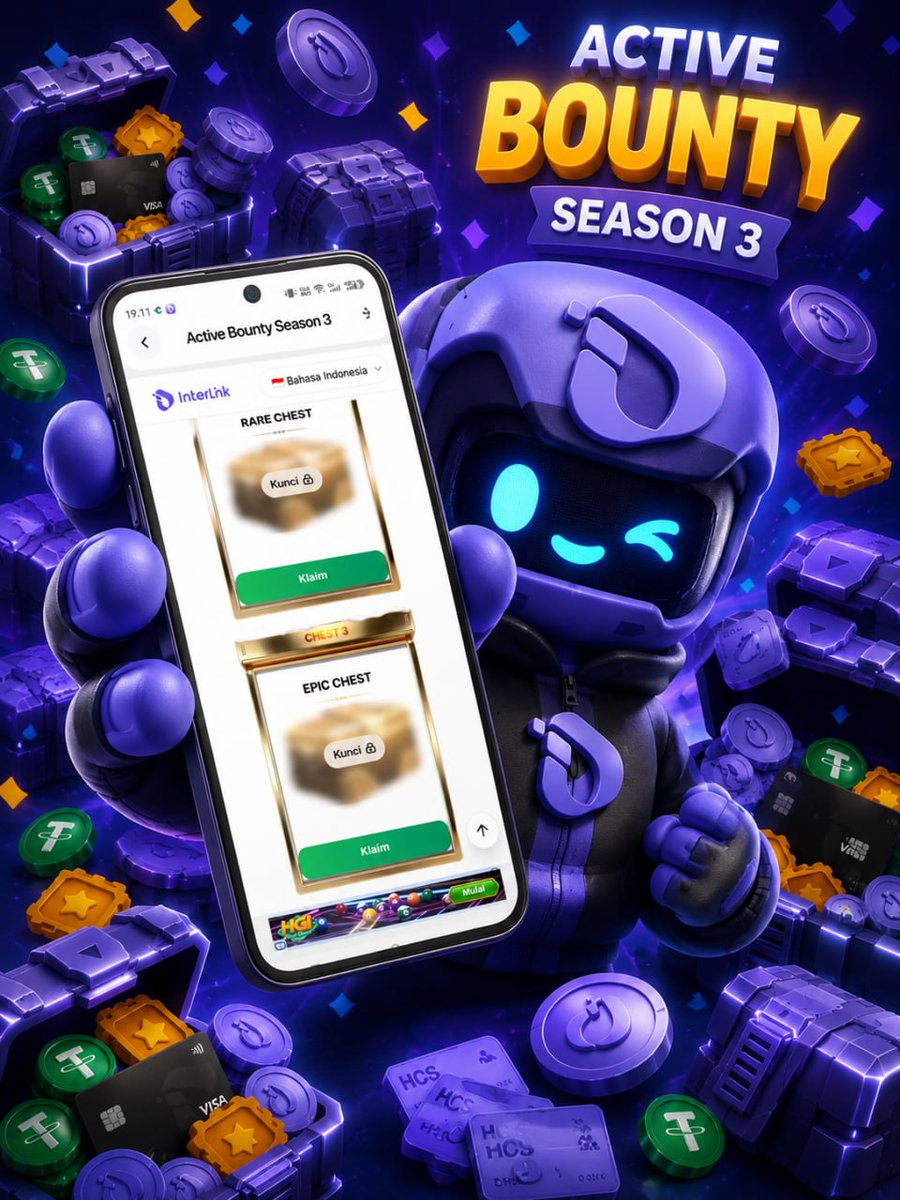
🎁 ACTIVE BOUNTY SEASON 3 🚀
Telah Berakhir . Sudah kah Kalian Membuka Kotak nya ?
Bagikan Pengalaman kalian Di dalam kolom komentar
apa yang Kalian dapatkan 🫣
👇🏻👇🏻
#InterLink #ITLG #ITL
12
8
60
2,002
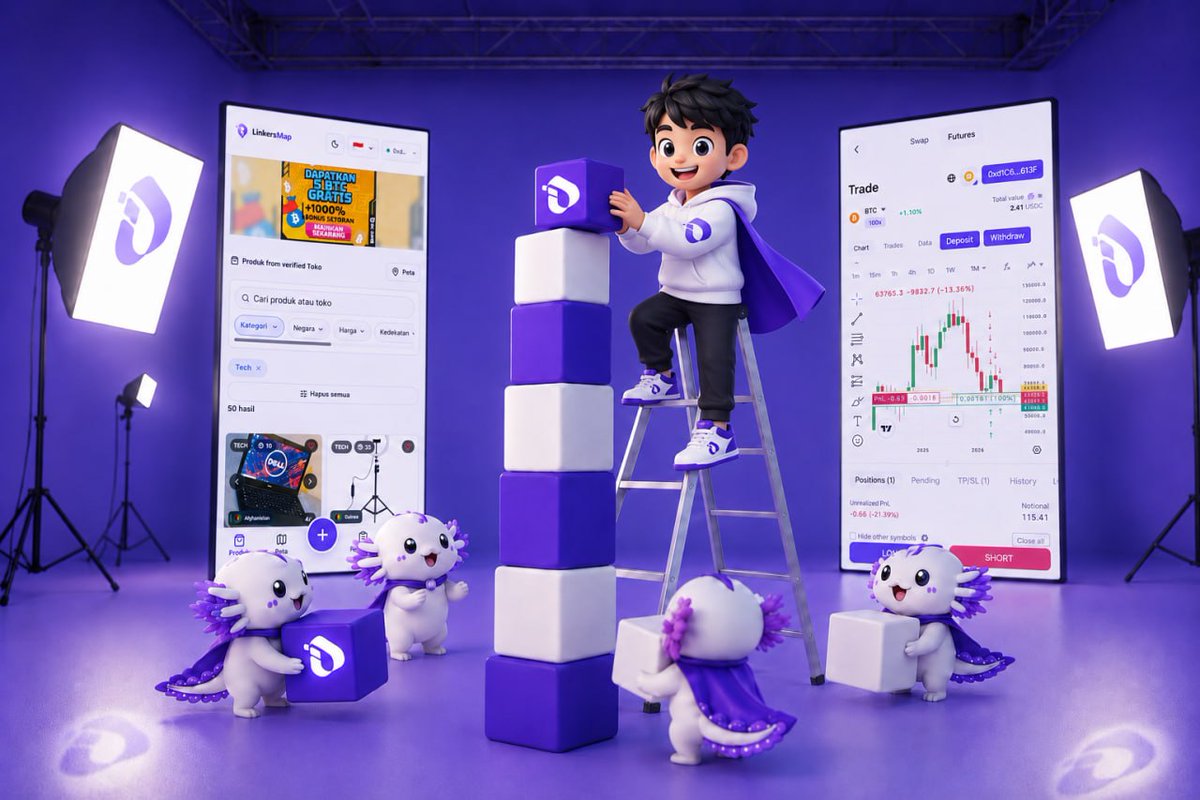
Di InterLink, kami sedang membangun fondasi-fondasi ini:
👉🏻 Identitas digital
🤝 Perdagangan terdesentralisasi
👥 Pertumbuhan berbasis komunitas
👉🏻 Infrastruktur blockchain
🪙 Ekosistem bisnis berbasis token di masa depan
Saat potongan-potongan ini bersatu, InterLink semakin mendekati menjadi jaringan ekonomi lengkap di mana pengguna, bisnis, dan aset digital dapat berinteraksi dalam satu ekosistem terpadu.
Struktur terkuat dibangun satu blok demi satu.
InterLink sedang membangun masa depan.
Tetap bertumpuk. Tetap Terhubung InterLink.
#InterLink #ITLG #ITL
1
6
36
749
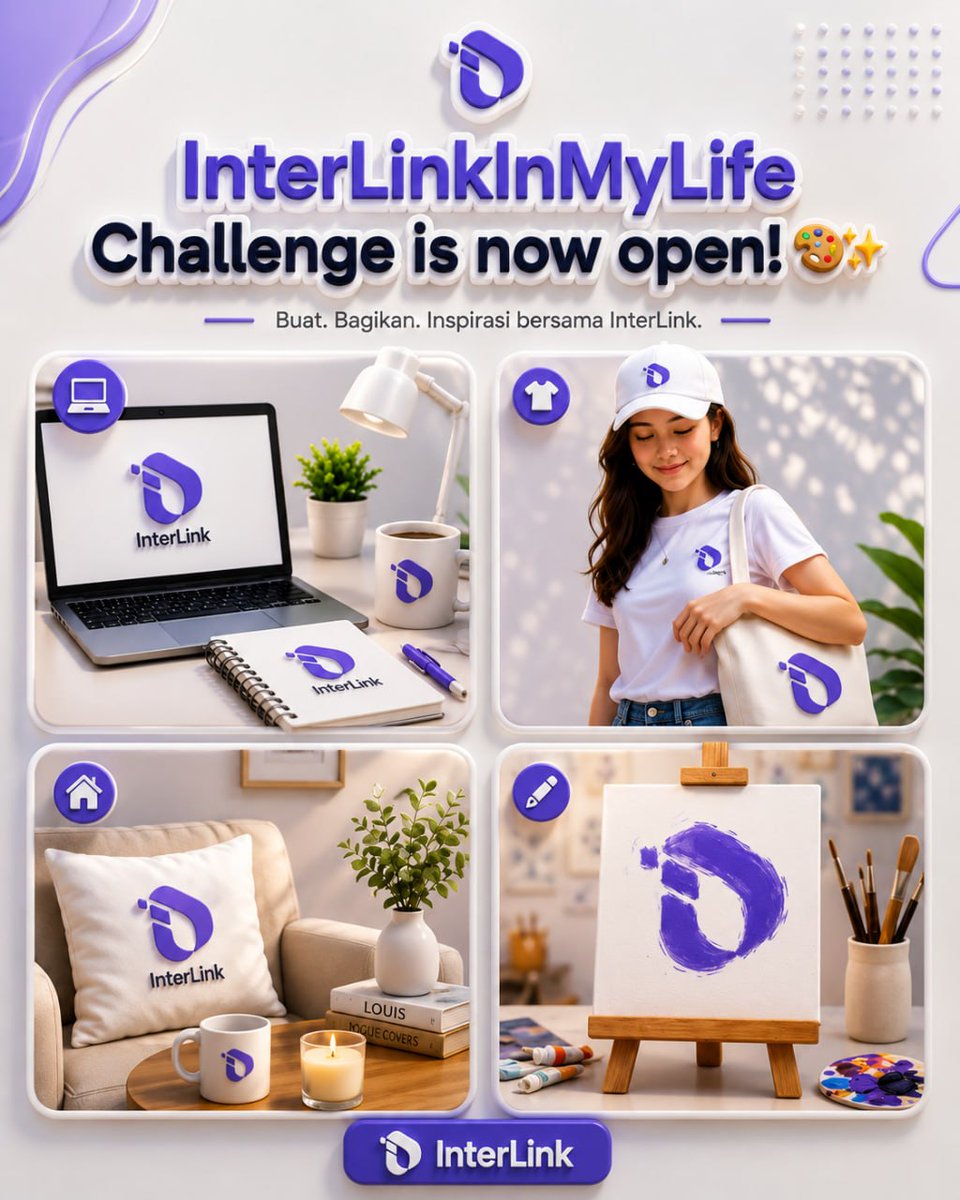
Tantangan InterLink In My Life kini dibuka! 🎨✨
Semua Ambassador, Linkers dianjurkan untuk membuat konten kreatif, termasuk gambar dan video, yang menampilkan logo resmi InterLink. Kreasi-kreasi ini dapat dikirimkan melalui sistem untuk mendapatkan hadiah.
1. Persyaratan
Saat bergabung dalam tantangan, gunakan 3 hashtag:
#InterLinkInMyLife #YourID #ReferralID #YourID = ID InterLink Anda #ReferralID = ID orang yang mengundang Anda
Contoh: Jika ID Anda adalah 02453 dan orang yang mengundang Anda memiliki ID 90281879 , gunakan:
#InterLinkInMyLife #02453 #90281879
Jika Anda mengundang orang lain, minta mereka menggunakan ID Anda sebagai Referral ID mereka.
Ini membantu sistem melacak rujukan. Jika Anda atau peserta yang Anda rujuk memenangkan hadiah, bonus rujukan dapat dihitung dengan benar.
2. Mekanisme Hadiah Rujukan
Cara Kerjanya
- Semua Ambassador, Linkers dianjurkan untuk mengundang komunitas eksternal untuk berpartisipasi dengan membuat dan membagikan gambar atau video yang menampilkan logo resmi InterLink.
- Platform media sosial: X, Facebook, TikTok, dan Instagram.
- Tidak ada batas jumlah orang yang dapat diundang oleh seorang Ambassador. Semakin banyak peserta berkualifikasi yang berhasil Anda rujuk, semakin besar peluang Anda untuk mendapatkan hadiah tambahan.
3. Hadiah 🏆
- Total Kumpulan Hadiah: $200
- 10 Gambar/Video Paling Mengesankan Teratas: $20 masing-masing
- Bonus Rujukan: Terima $10 jika Anda atau peserta yang Anda rujuk memenuhi syarat dan menerima hadiah
- Bonus ACS: Terima 0.1 ACS untuk setiap peserta valid yang berhasil Anda rujuk
⏰Batas Waktu: 17 Juni 2026
💡Tips: Semakin realistis dan mencerminkan kehidupan sehari-hari gambar Anda, semakin banyak perhatian yang akan didapat.
.
.
#InterLink #ITLG #ITL
#InterLinkInMyLife #90281879 #02032015
3
5
26
681
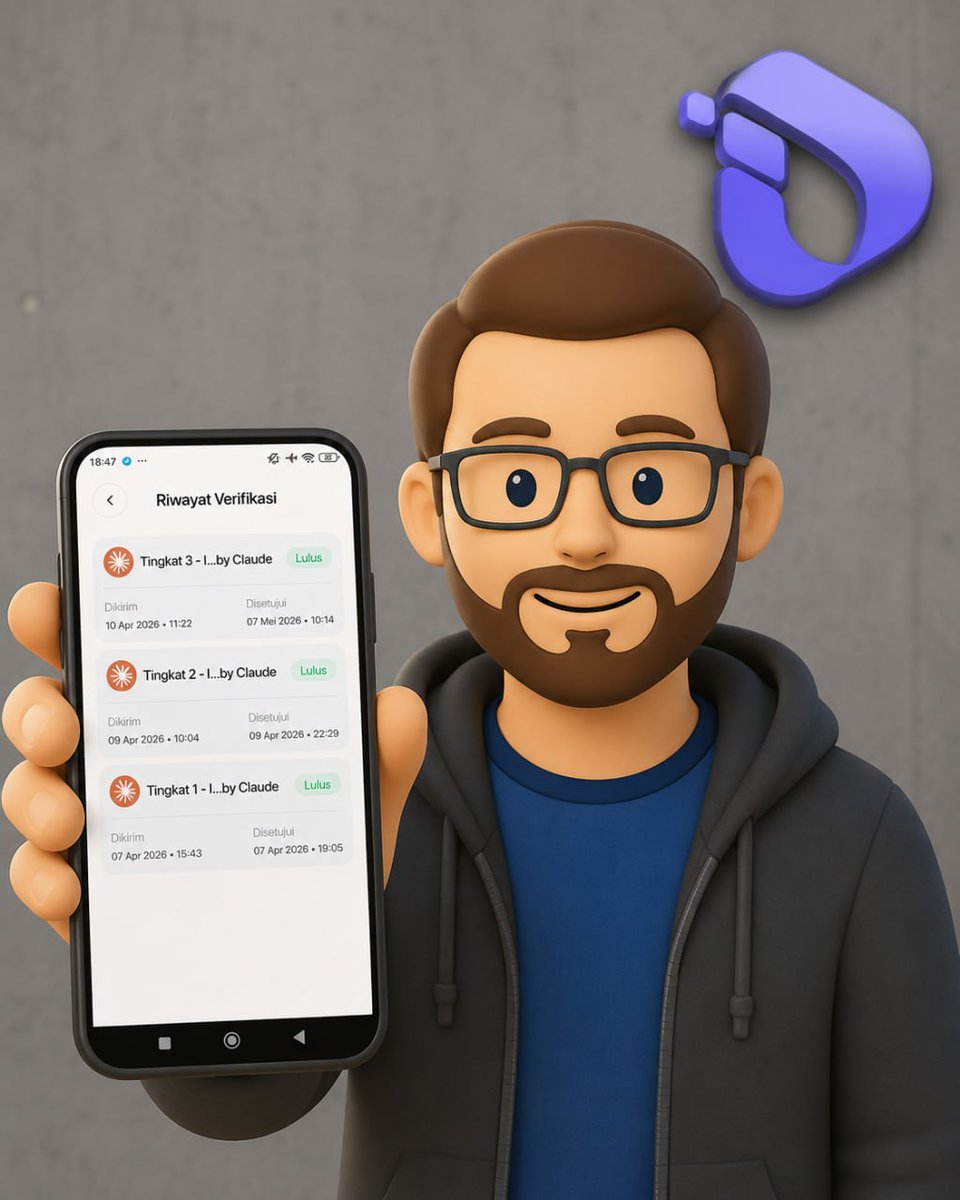
Bagaimana Proses KYC Kalian Linkers ?
Sudah Sampai Tahap berapa ?
Berikan Jawaban kalian pada Kolom Komentar
👇🏻👇🏻
#InterLink #ITLG #ITL
74
8
78
3,751
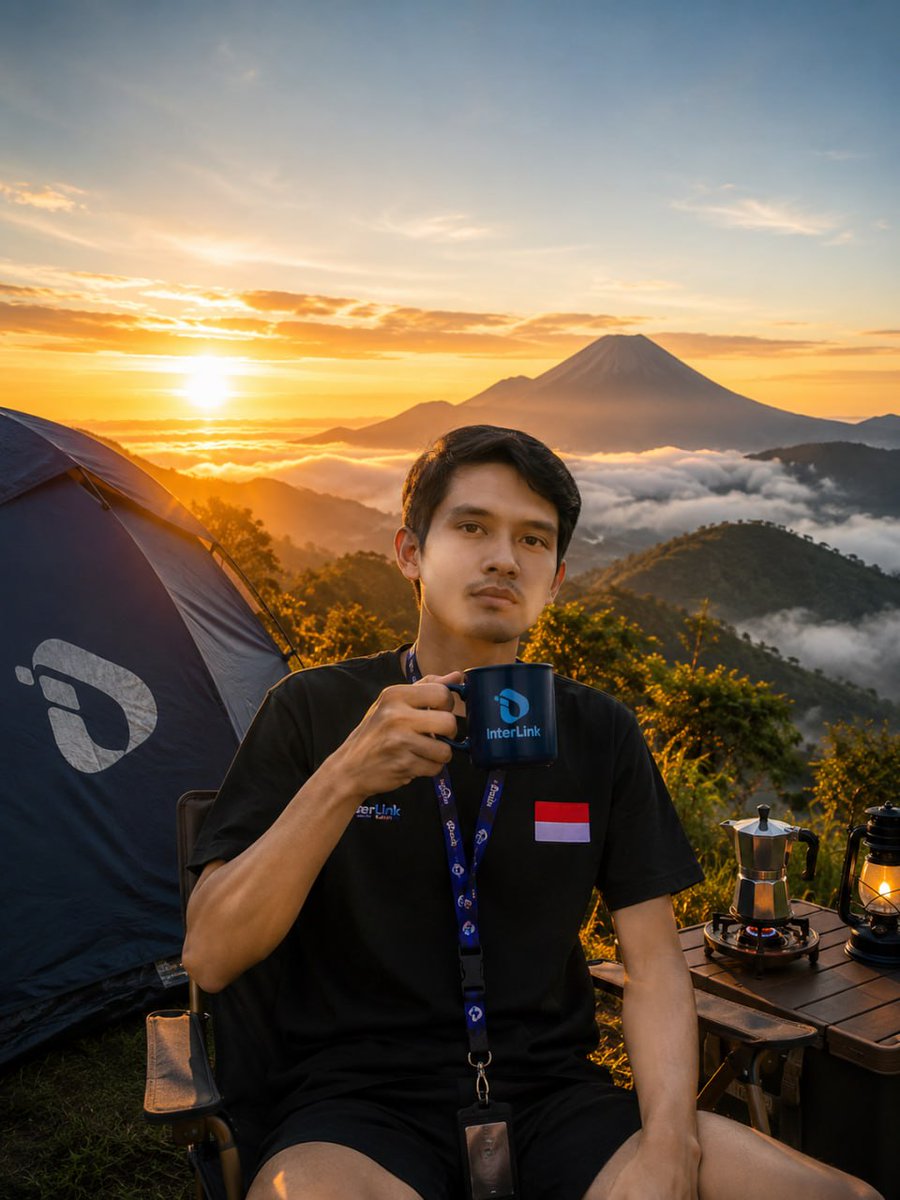
Selamat Pagi ⛅️
Nikmati Kopi mu dan Hangatkan Hari Libur mu 😎.
#InterLink #ITLG #ITL
#InterLinkInMyLife
3
7
44
634
InterLink Network Indonesia 🇮🇩 retweeted

Jun 12
Wall Street Is Moving Financial Infrastructure Onchain. What's Next for InterLink?
Wall Street is not just tokenizing assets anymore. It is beginning to move the underlying infrastructure of financial markets onchain.
The recent decision by S&P Dow Jones Indices to tokenize its iBoxx US Treasuries Index on the Canton Network is a significant milestone. While many people focus on tokenized stocks, bonds, or real estate, the larger story is that benchmark data itself is now being delivered through blockchain infrastructure.
For decades, financial institutions have relied on centralized databases, data vendors, and proprietary systems to access market information. Blockchain introduces a different model where assets, market data, ownership records, compliance rules, and settlement systems can exist within a shared digital environment.
This is particularly important for US Treasuries, which are increasingly becoming the foundation of tokenized finance. Today, tokenized Treasury products represent the largest segment of the global RWA market and continue to attract significant institutional interest because they combine the stability of government debt with the efficiency of blockchain infrastructure.
However, tokenization is only one piece of the puzzle.
The real challenge is creating the infrastructure that allows billions of dollars of real world assets to move securely between businesses, institutions, applications, and users. Assets need trusted ownership records. Businesses need verifiable identities. Regulators require compliance frameworks. Developers need infrastructure to build applications. Markets require liquidity and discovery mechanisms.
This is where ecosystems like @inter_link can play an important role.
For real world assets to be tokenized at scale, there must be a trusted digital identity layer connecting people, businesses, merchants, organizations, and institutions. Without trusted identity, the value of tokenization remains limited because participants cannot easily verify who they are interacting with.
@inter_link is building infrastructure that can support this future through verified human identity, business verification, payments, decentralized applications, and a growing ecosystem of real world utility.
Imagine a future where:
• Businesses can tokenize ownership, revenue streams, memberships, loyalty programs, or real world assets.
• Verified merchants can issue digital assets linked to real economic activity.
• Users can discover, trade, purchase, and interact with tokenized products through applications built on the ecosystem.
• Payments, settlements, reputation, and identity are connected through a common infrastructure.
• Developers can launch applications that bridge traditional business activity with blockchain technology.
Tokenization will not be limited to government bonds, stocks, or financial products. Over time, it could extend to businesses, intellectual property, memberships, services, rewards programs, commercial agreements, and many other forms of value.
The winners of the next decade may not be the platforms that simply tokenize assets.
They may be the ecosystems that provide the identity, payment, application, and business infrastructure necessary for those assets to be useful in the real world.
Wall Street is showing us that the future is moving onchain.
The next step is ensuring that real people, real businesses, and real economic activity can move onchain as well.
#InterLink #ITLG #ITL
463
617
1,247
20,631
8
12
51
806
Selamat Malam Linkers 🌃
Versi 5.0.4 memperkenalkan beberapa fitur baru yang berguna untuk ekosistem:
- Pengguna sekarang dapat mengisi ulang pulsa seluler langsung dari dompet
- Penambahan DApps baru
- Antarmuka pengguna yang ditingkatkan dan disempurnakan
- Perbaikan bug untuk performa yang lebih baik
#InterLink #ITLG #ITL
#InterLinkInMyLife #90281879 #02032015
14
25
110
3,232
Bergabunglah denganku 🚀
di InterLink In My Life dan bagikan ceritamu untuk kesempatan memenangkan hadiah!
Jangan lupa gunakan hashtag yang benar saat memposting
#InterLinkInMyLife #90281879 #5192411
Jun 12

I hope I will receive a reward from InterLink In My Life 😜
#InterLinkInMyLife #016112004 #20250107
2
8
28
665
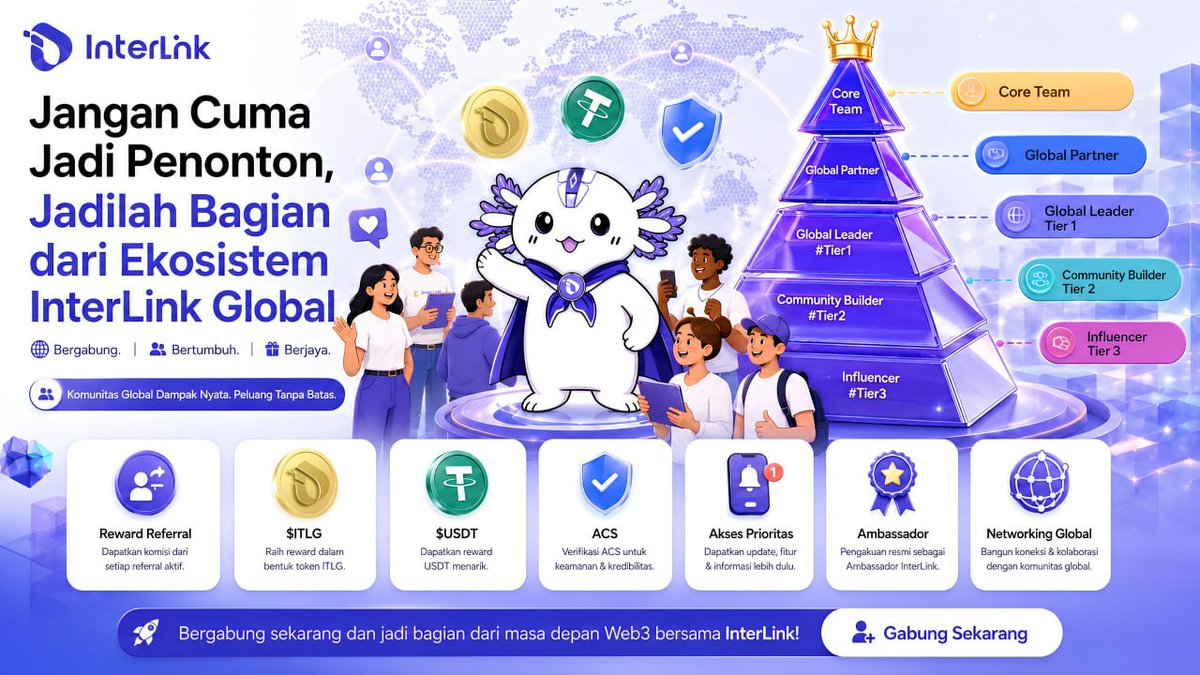
🔥 Mengapa Anda Harus Bergabung dengan Program Ambassador InterLink ?
Program InterLink Ambassador adalah kesempatan bagi individu yang ingin berkontribusi dalam pertumbuhan ekosistem InterLink sekaligus mendapatkan berbagai reward dan pengakuan berharga.
✅ Reward & Keuntungan
● Reward Referral
Dapatkan reward untuk setiap pengguna yang bergabung ke program menggunakan
kode referral Anda ( InterLink ID ).
● Revenue Sharing
Ambassador dengan performa terbaik akan menerima bagian dari nilai ekosistem yang didistribusikan kembali kepada mereka yang aktif membantu memperluas komunitas.
● Reward Bulanan Menarik
Ambassador berkesempatan mendapatkan hingga:
💎 1.000.000 $ITLG
🤑 10.000 $USDT
🏆 ACS
Reward diberikan berdasarkan performa dari Daily Tasks, Monthly Tasks, dan aktivitas ekosistem lainnya.
ACS yang lebih tinggi = tingkat kepercayaan lebih tinggi = peluang lebih besar mendapatkan alokasi $ITLG terverifikasi tambahan.
● Gelar Resmi & Pengakuan
Mendapatkan pengakuan resmi di Aplikasi InterLink / Discord / Telegram sebagai InterLink Ambassador.
● Akses Prioritas ke Update Ekosistem
Mendapatkan akses lebih awal ke pembaruan penting, produk baru, dan perkembangan ekosistem.
🔹 Proses Pendaftaran Kandidat
Langkah 1: Kirim aplikasi Anda
Silakan lengkapi semua informasi yang diperlukan pada formulir pendaftaran berikut:
docs.google.com/forms/d/e/1F…
👉 Kode Undangan : 5192411
Langkah 2: Bergabung dengan grup dukungan
Bergabung dengan grup dukungan resmi wajib untuk mendapatkan informasi jadwal pelatihan dan pengumuman terbaru.
t.me/Interlink_Coach_House_O…
Langkah 3: Cek status pendaftaran Anda
Kandidat dapat memeriksa status pendaftaran pada daftar kandidat berikut:
docs.google.com/spreadsheets…
Hubungi Team Support :
Telegram – t.me/dwi900
Telegram - t.me/testnetronin
Telegram - t.me/Ciweng22
Mari bersama-sama membangun komunitas InterLink yang kuat dan memperluas dampaknya ke seluruh dunia. Masa depan ekosistem dimulai dari tindakan yang kita lakukan hari ini.
#InterLink #ITLG #ITL #ITLX #AmbasadorProgram
6
25
576
InterLink Network Indonesia 🇮🇩 retweeted
Jun 12
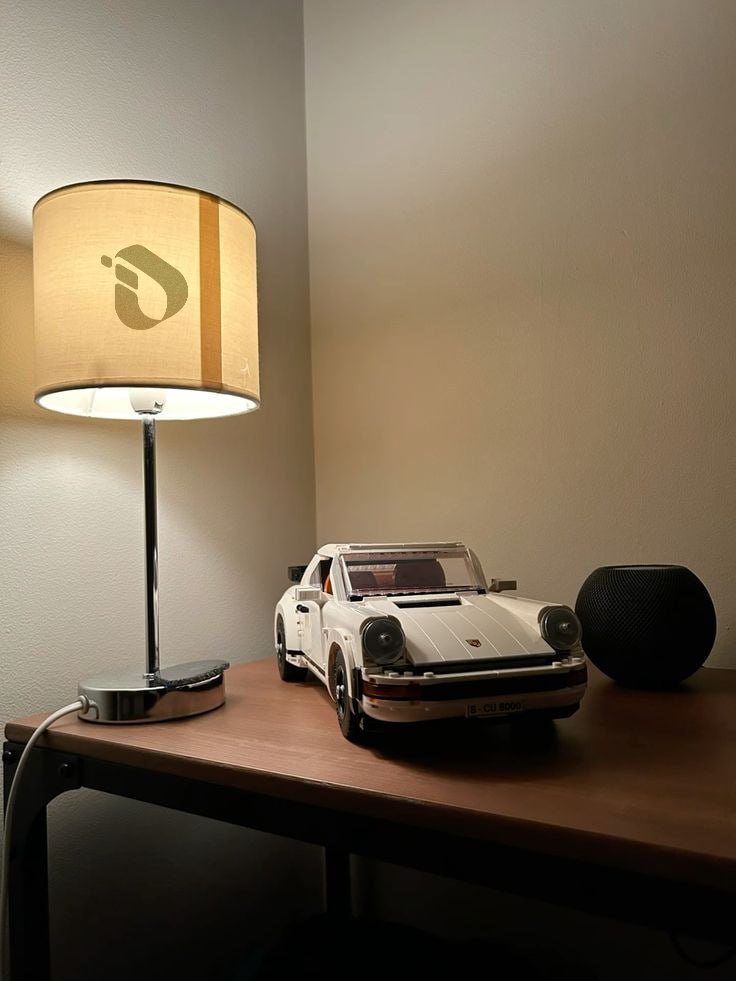
A little InterLink light to brighten every idea. 💡✨
Building the future, one inspired moment at a time.
#InterLink #ITLG #ITL
471
526
1,121
17,395
Hitungan mundur dimulai! 🚀
Pembaruan v6.0.0 Private Mainnet sedang dalam tahap sentuhan akhir. Sebagai komunitas, kita semua menantikan langkah besar ini dengan penuh antusiasme.
Menurut kalian, berapa hari lagi V6.0.0 Private Mainnet akan dirilis?
Bagikan prediksi kalian di kolom komentar. 👇
#InterLink #ITLG #ITL
26
32
188
6,043
Selamat pagi pagi🌤
Apakah Kamu siap Belanja Kebutuhan mu Pada Hari ini ? 🛒🎁
#InterLink #ITLG #ITL #ITLXWallet
2
13
60
967