Centre @iCERCA dedicat a la recerca, docència i socialització de l'evolució humana 🦴 Research in #HumanEvolution and #Prehistory
Joined November 2009
- Tweets 14,082
- Following 2,063
- Followers 8,022
- Likes 17,834
1,679 Photos and videos





IPHES-CERCA retweeted

Jun 9
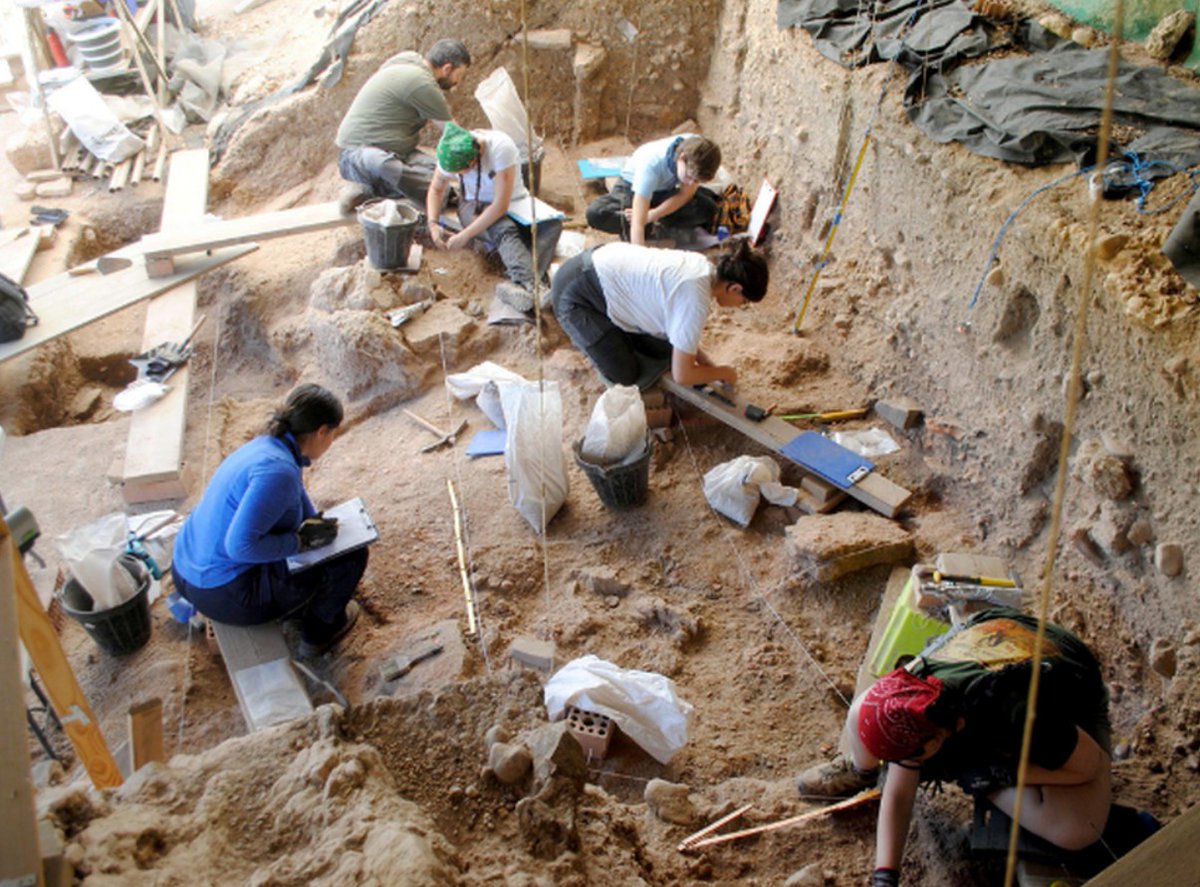
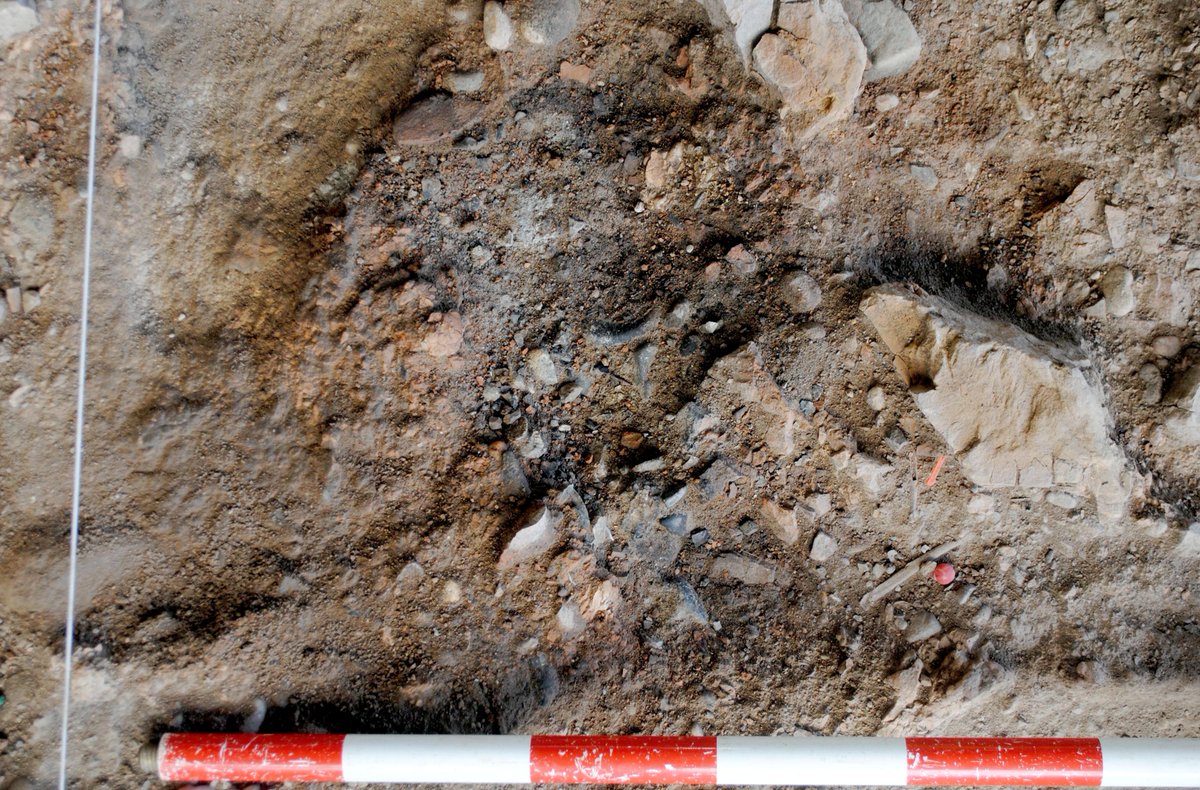
HOGARES PALEOLÍTICOS
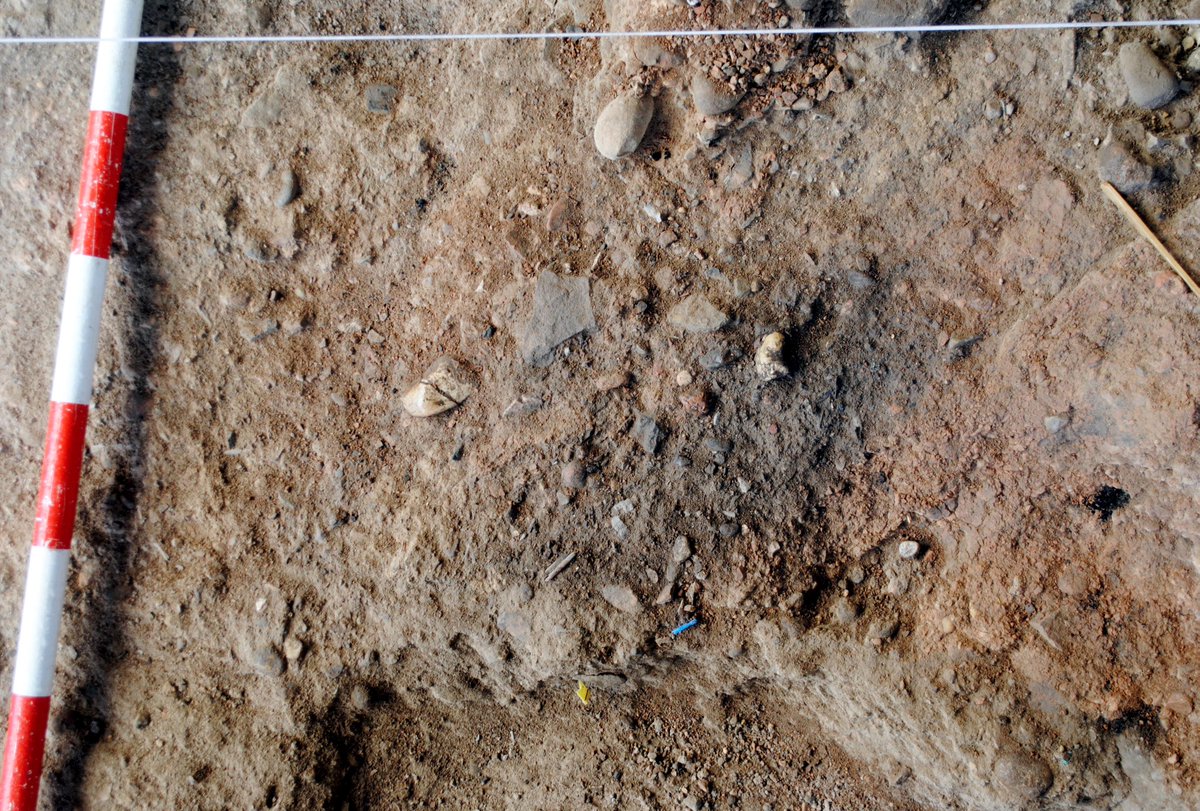
Documentan restos de hogares de hace 15.000 años en el Molí del Salt (Tarragona, España) pertenecientes a los últimos grupos de cazadores-recolectores del Paleolítico Superior
📰comunicacio.iphes.cat/spa/p/…
vía @iphes
#Paleolitico #Arqueologia
9
12
554
IPHES-CERCA retweeted

Jun 9
🔜 Ens acompanyes a una edició més de la #FiraFAIRData? La setmana que ve a la Universitat Rovira i Virgili #URV abordarem la gestió i reutilització de dades segons els principis #FAIR
Apunta-t'hi, encara hi ets a temps! tuit.cat/623vq

5
8
710
IPHES-CERCA retweeted

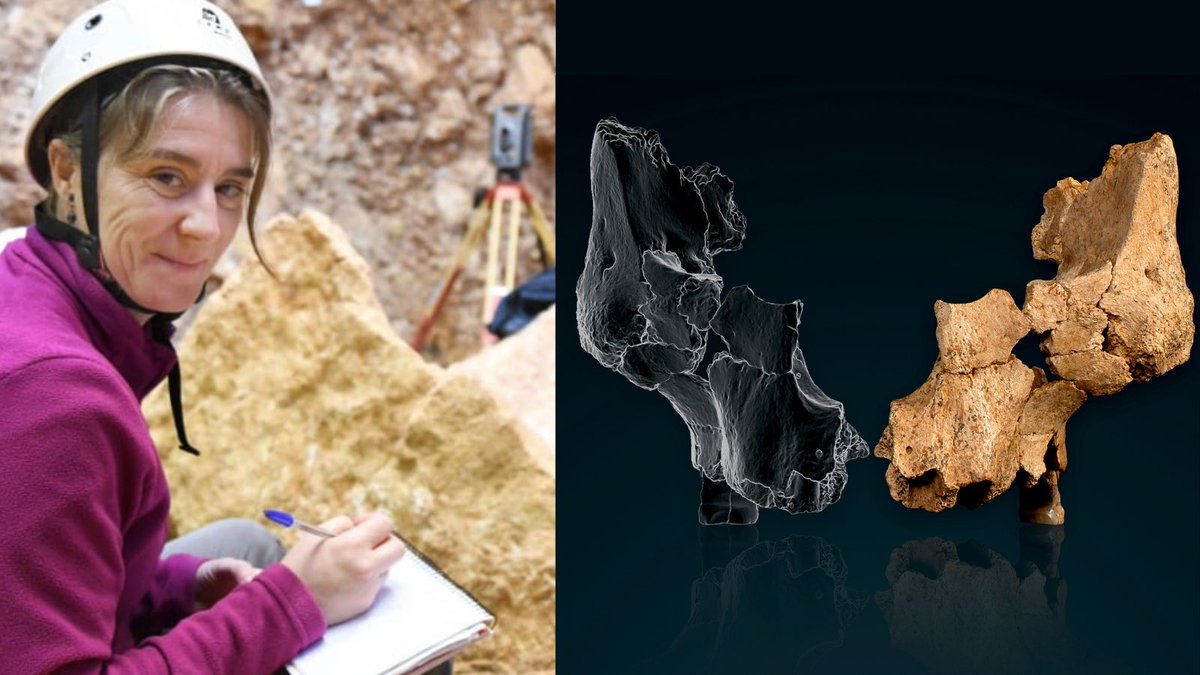
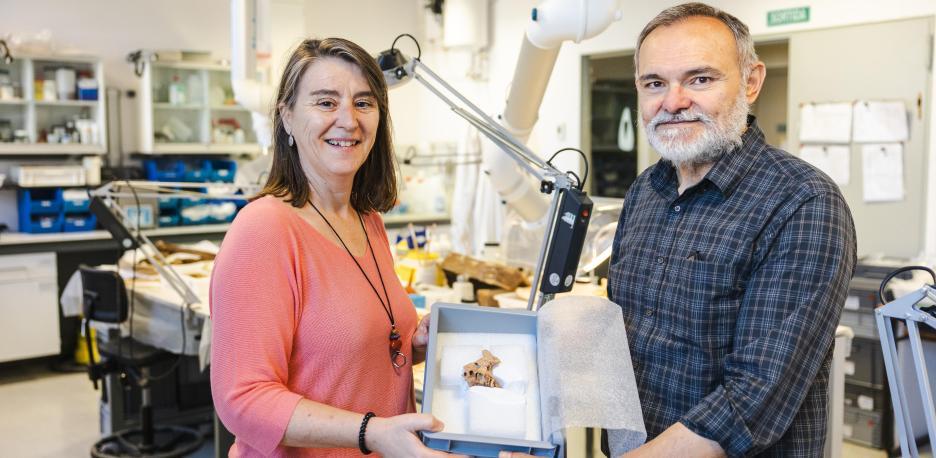
h“La cara de Pink es muy distinta a la de ‘Homo antecessor’ lavanguardia.com/vanguardia-… @FATAPUERCA
3
5
378
IPHES-CERCA retweeted

FIL 🧵 | Com es pot mesurar l'impacte real d'un centre de recerca?
Sovint només es parla de publicacions o patents. Però això és només una petita part de la història.
Aquest és un possible marc d'anàlisi que comparteixo. 👇
3
18
33
4,245
IPHES-CERCA retweeted

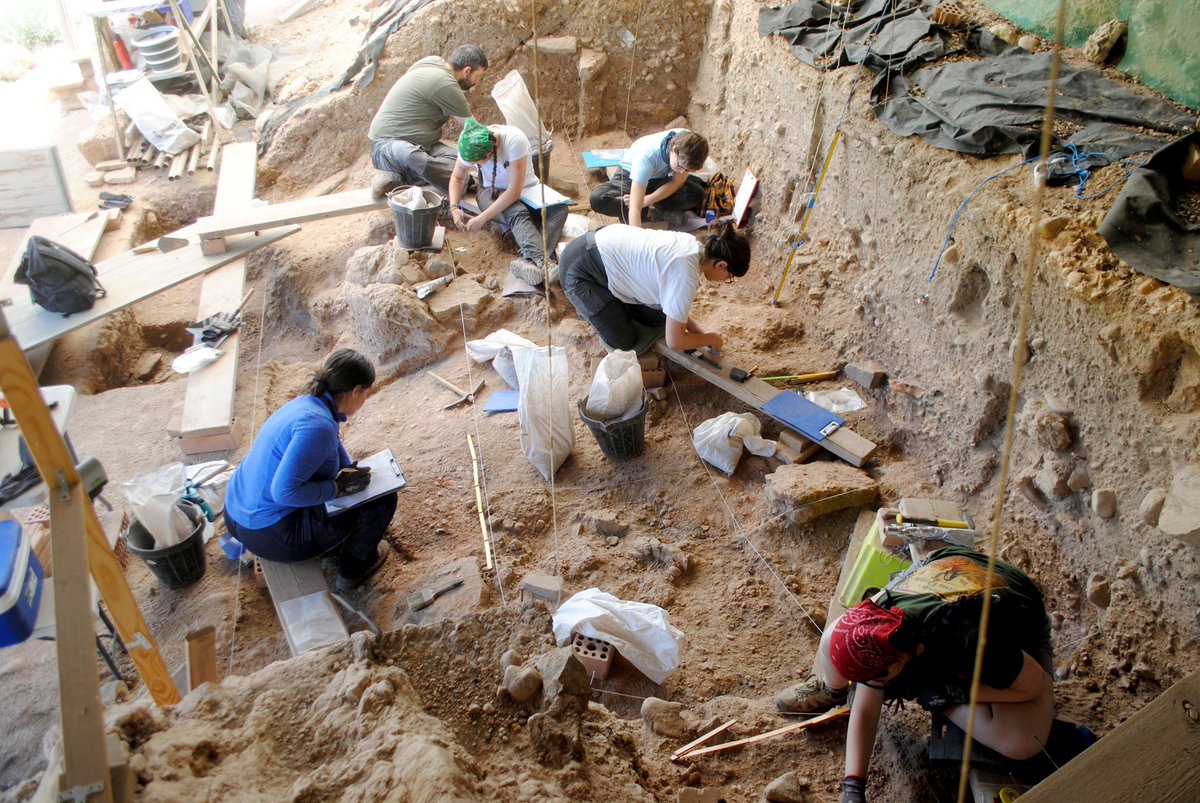
🙋♀️ #NOTÍCIES | Documenten restes de fogars de fa 15.000 anys al Molí del Salt, un dels principals assentaments dels darrers caçadors-recol·lectors de Catalunya @iphes
Tota la ℹ aquí 👇
concadebarbera.cat/ca/notici…
3
3
273
IPHES-CERCA retweeted

Jun 5
Descobreixen restes de fogars per ocupacions humanes de fa 15.000 anys al jaciment del Molí del Salt / Els arqueòlegs remarquen que la troballa ajuda a entendre la vida quotidiana dels caçadors-recol·lectors de la zona @AjtViP @iphes @universitatURV
infocamp.cat/descobreixen-re…
3
3
186
IPHES-CERCA retweeted

Jun 5
🦙 ¡Un tapir de hace 4 millones de años ha despertado de su sueño en #Girona! El esqueleto completo del animal fue hallado en un antiguo lago volcánico 🌋 @iphes
#HistoriaViva #Descubrimiento #Arqueologia #Archaeology #Historia #History
lavanguardia.com/ciencia/202…
3
4
301
IPHES-CERCA retweeted

A child’s tooth and strange green stones uncover a 5,500-year-old mystery sciencedaily.com/releases/20…
8
18
1,176
IPHES-CERCA retweeted

Jun 4
El hallazgo de varios esqueletos casi completos de 'Parabos tigneresi' en el yacimiento ibérico de Camp dels Ninots, la Pompeya del Plioceno en Girona, obliga a revisar el origen y el estilo de vida de los ancestros de los actuales búfalos y bueyes
agenciasinc.es/Noticias/Ante…
3
5
432

L'esquelet de cria de tapir més complet d'Europa, un exemplar que va viure fa quatre milions d'anys, ha estat trobat al jaciment arqueològic i paleontològic ... ara.cat/societat/l-esquelet-…
3
8
1,383
IPHES-CERCA retweeted

#HeritageHeadlines
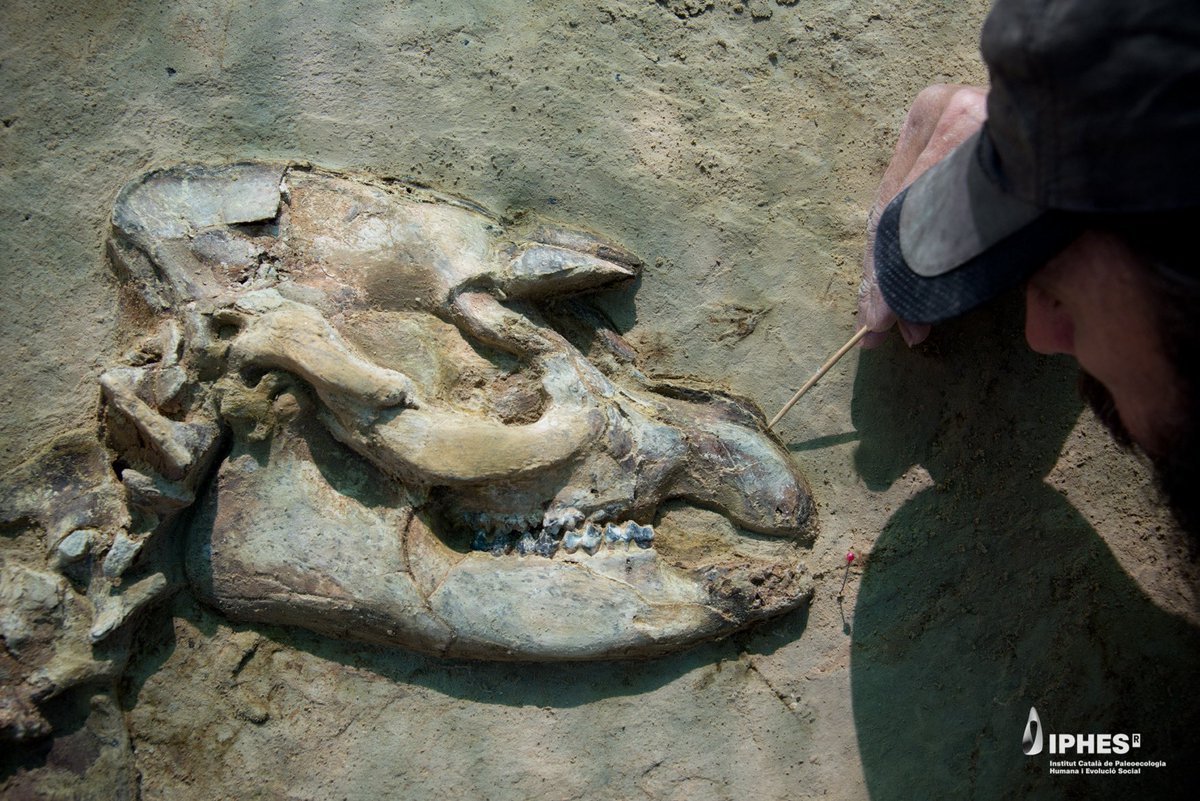
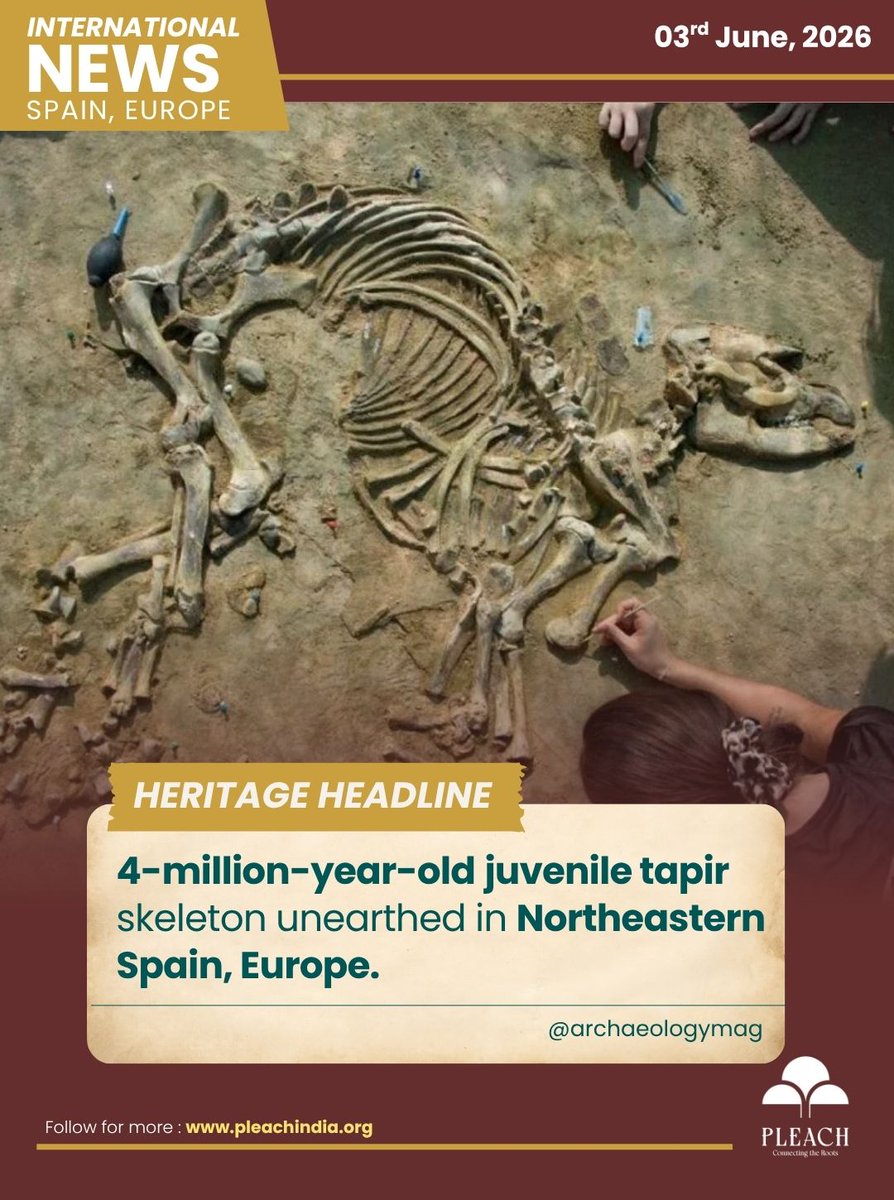
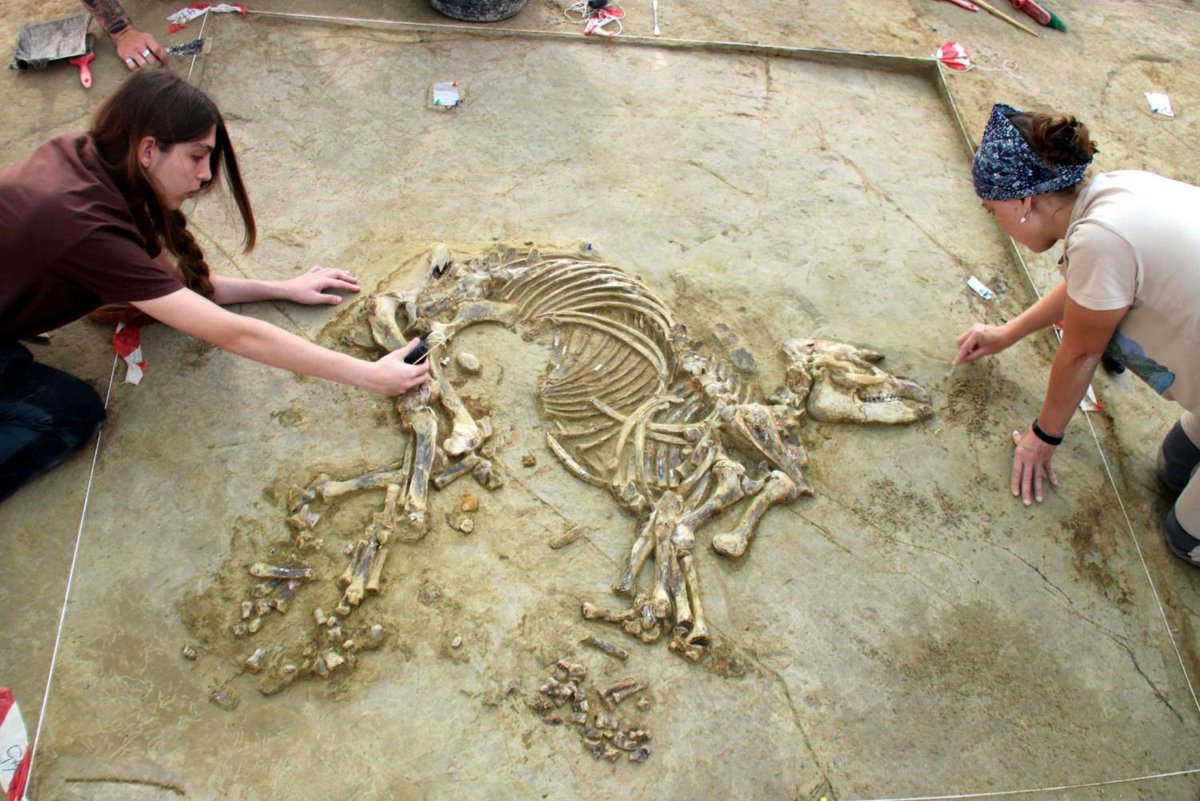
A remarkable paleontological discovery has emerged from northeastern Spain. Researchers have uncovered a nearly complete 4-million-year-old juvenile tapir skeleton at the Camp dels Ninots fossil site in Girona. The specimen, identified as Tapirus arvernensis, belonged to a young animal estimated to be around one year old and is considered the most complete juvenile tapir skeleton ever found in Europe. The fossil was preserved with many bones still in their original anatomical positions, offering an exceptionally rare glimpse into the early life stages of an extinct species.
During ongoing excavations at the Pliocene-age site, researchers recovered a remarkably preserved juvenile tapir skeleton. With this discovery, the total number of Tapirus arvernensis individuals found at the site has reached seven, representing different ages and sexes. This makes the site one of the most significant reference localities for studying the species, offering rare insights into its growth, development, and population structure.
Experts are documenting the skeleton through detailed 3D recording and sediment analysis before transferring it to the laboratory for further study. Its exceptional preservation is attributed to the unique volcanic crater-lake environment of the site, which created ideal conditions for fossilization. Researchers expect the specimen to provide important insights into the biology, ecology, and evolution of one of Europe’s last tapir species nearly four million years ago.
@archaeologymag
Source: archaeologymag.com/2026/06/4…
3
8
205
IPHES-CERCA retweeted

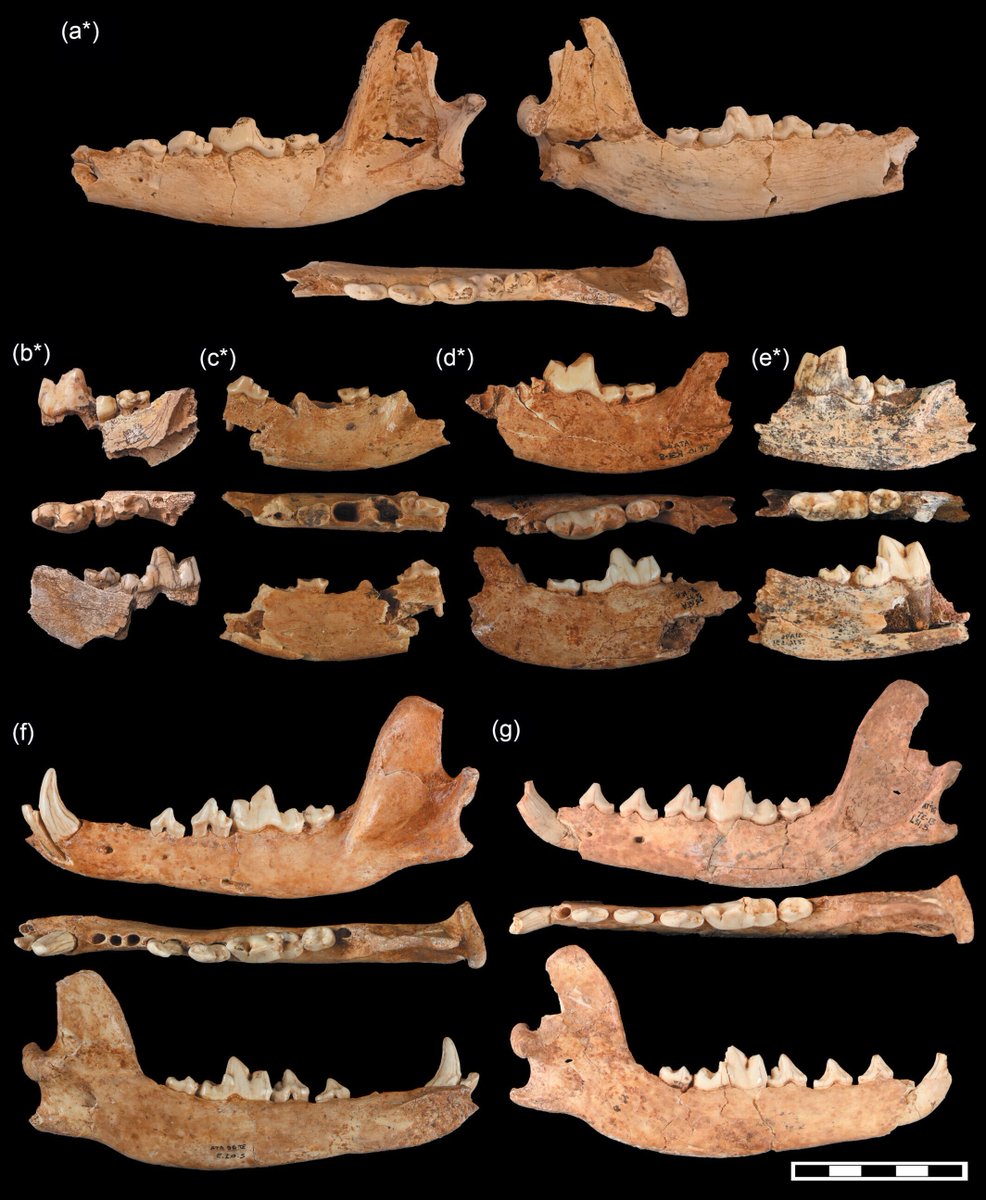
From Canis mosbachensis to modern wolves: Canid evolutionary insights from the Early and Middle Pleistocene of Atapuerca (Spain)
Study by Raquel Blázquez-Orta et al.:
anatomypubs.onlinelibrary.wi…
1
20
60
7,307
IPHES-CERCA retweeted
Jun 3
TAPIR PREHISTÓRICO
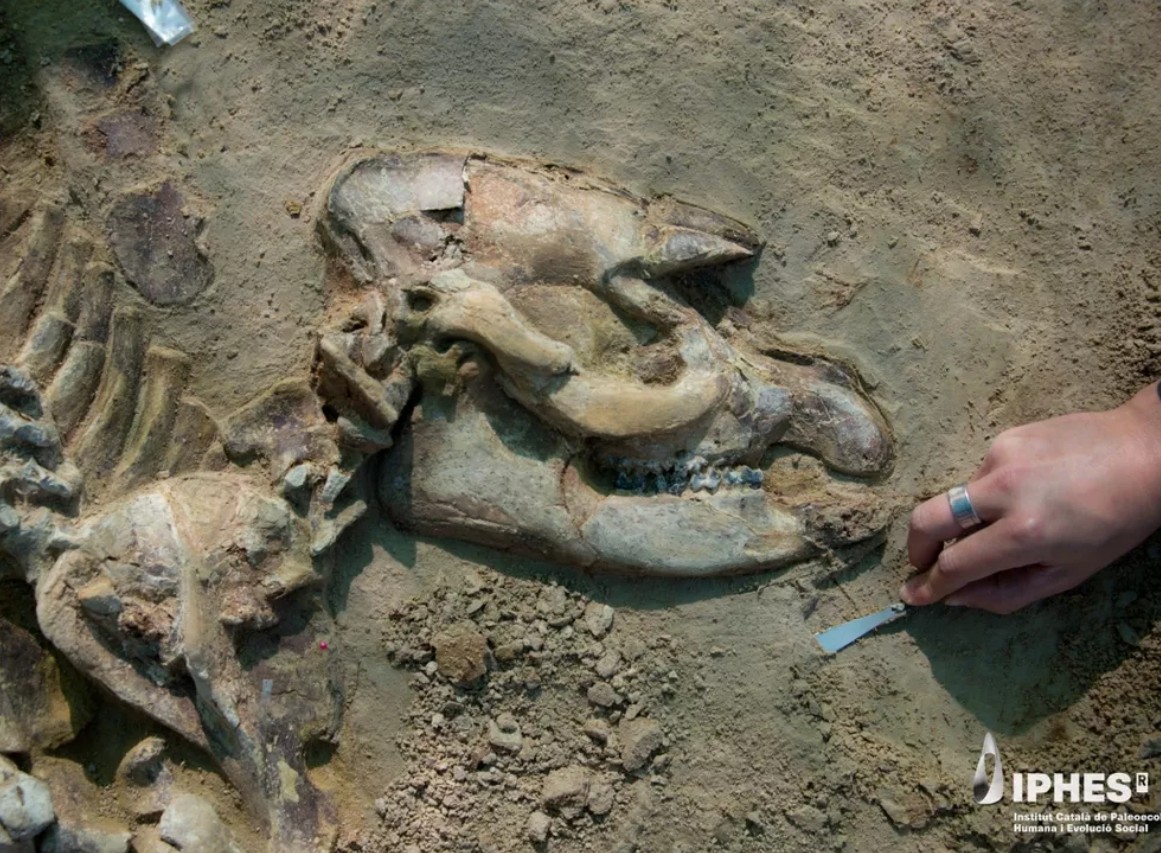
Sale a luz en el yacimiento de Camp dels Ninots (Caldes de Malavella, Girona, España) el esqueleto de un tapir juvenil de hace 4 millones de años
📰comunicacio.iphes.cat/spa/p/…
vía @iphes
#Plioceno #Mamiferos
6
27
536
IPHES-CERCA retweeted

Jun 3
Descubren en Girona el esqueleto de cría de tapir "más completo" de Europa, de aproximadamente un año de edad y que vivió hace cerca de 4 millones de años europapress.es/catalunya/not…
2
8
26
2,571
IPHES-CERCA retweeted

Jun 3
Descubren en Girona el esqueleto de cría de tapir "más completo" de Europa: tiene cuatro millones de años 20minutos.es/cataluna/girona…
11
23
1,869
IPHES-CERCA retweeted

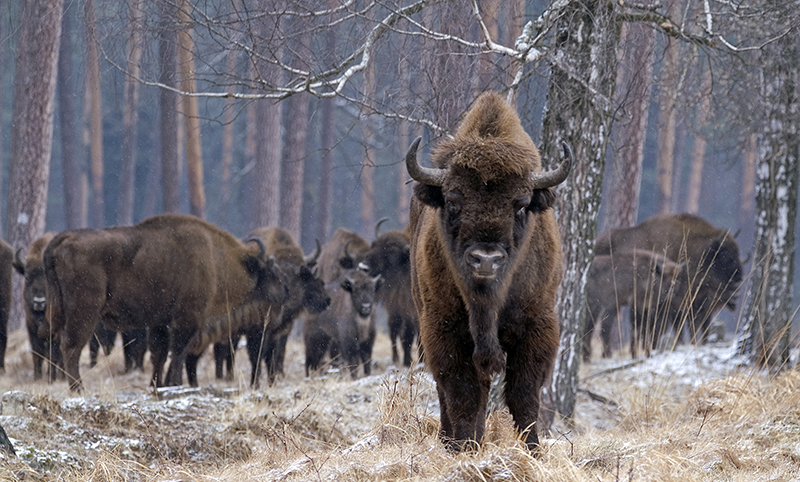
Y si el debate sobre el bisonte europeo en la Península Ibérica estuviera mal planteado desde el principio?
Mientras unos defienden que nunca estuvo aquí y otros reclaman su regreso, acaba de aparecer un bisonte de hace unos 2.000 años en Urbasa (Navarra).
Abramos el melón🦬🧵
17
108
430
46,467
IPHES-CERCA retweeted

Troben l’esquelet de cria de tapir del Pliocè més complet d’Europa al jaciment del Camp dels Ninots de Caldes tarragonaradio.cat/troben-le…
2
5
311
IPHES-CERCA retweeted

Descubren el esqueleto de cría de tapir más completo de Europa en un yacimiento de Girona efe.com/cataluna/2026-06-02/…
4
8
264
IPHES-CERCA retweeted

Jun 2
Troben l'esquelet de cria de tapir del Pliocè més complet d'Europa al jaciment del Camp dels Ninots de Caldes. Va viure fa uns 4 milions d'anys i eleva a set els exemplars de diferents edats descoberts durant totes les campanyes.
ow.ly/tLxy50Z6x7Z
9
8
1,027
IPHES-CERCA retweeted

Nova troballa excepcional al jaciment prehistòric del Camp dels Ninots de Caldes de Malavella via @som3cat 3cat.cat/3cat/nova-troballa-…
3
6
202