Reimagining AI Governance / Founder ~ @Wastezon1 / MPP ‘24~@UniofOxford. MA Cyber Policy’27~ @Stanford
Joined March 2018
- Tweets 2,416
- Following 1,649
- Followers 1,822
- Likes 4,742
145 Photos and videos





Ghislain Irakoze retweeted

Apr 20
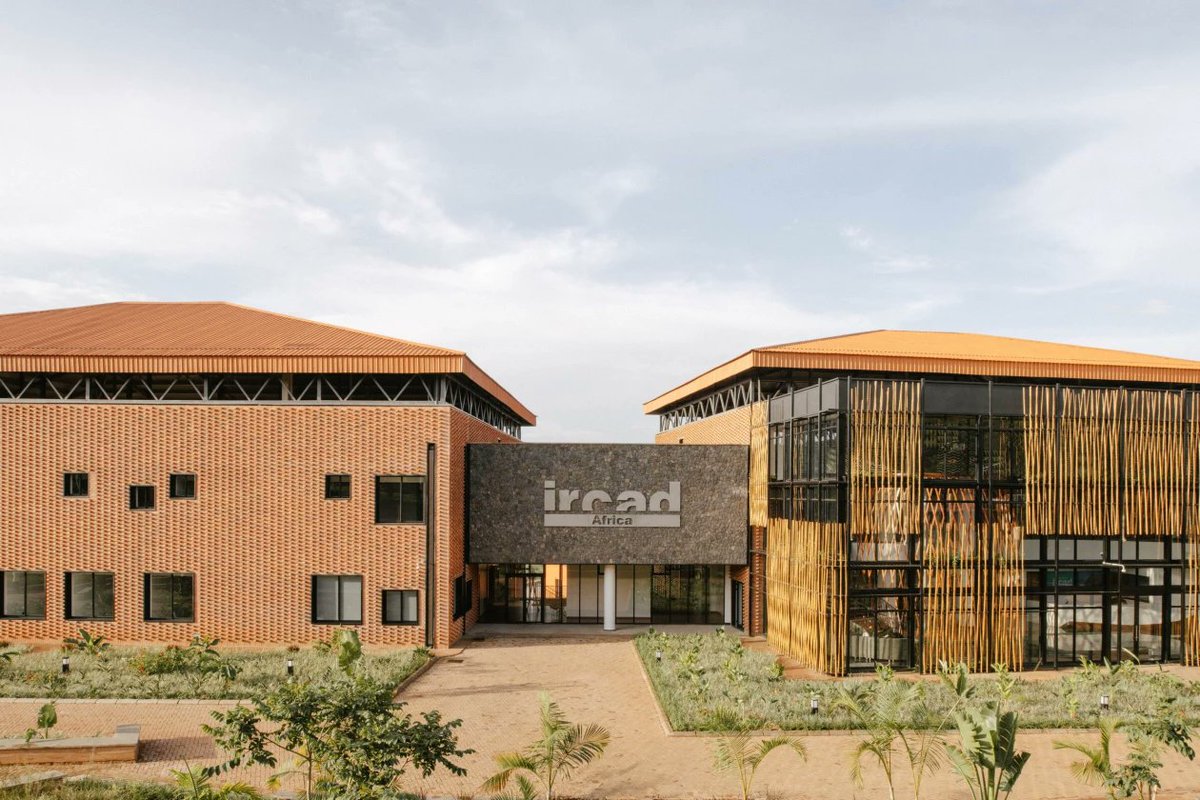
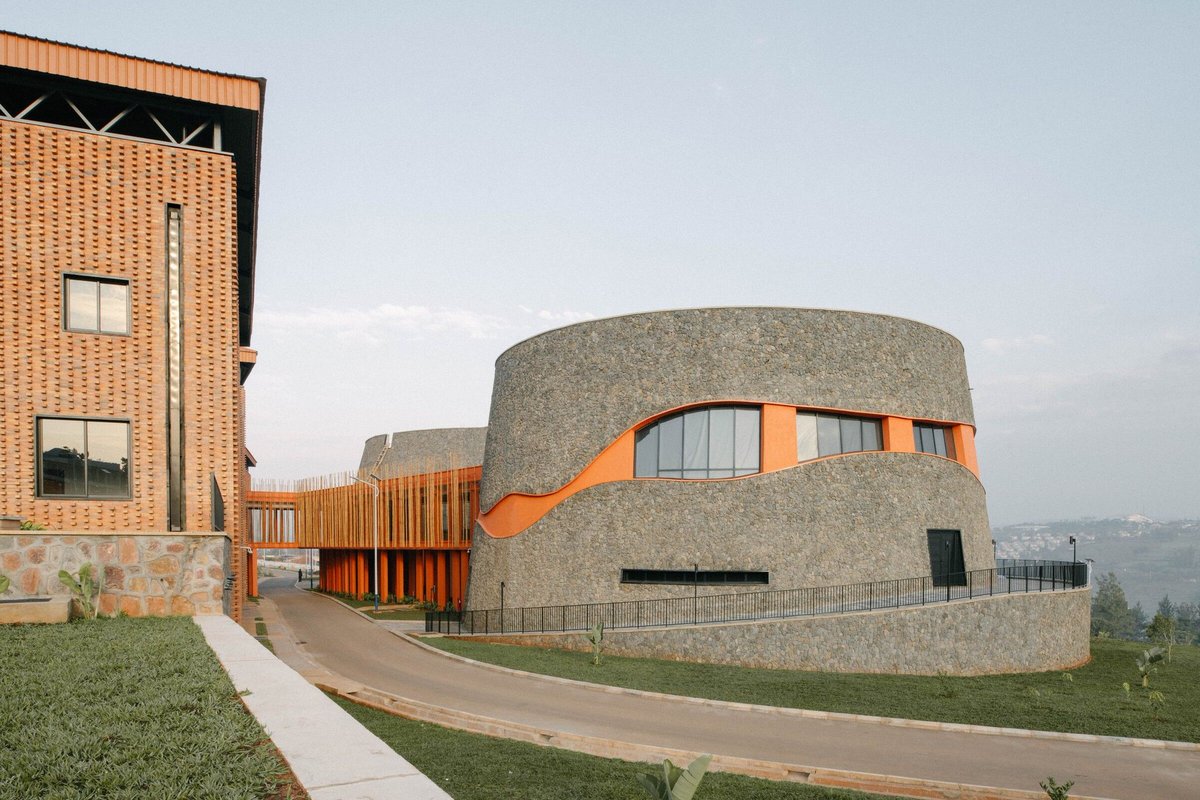
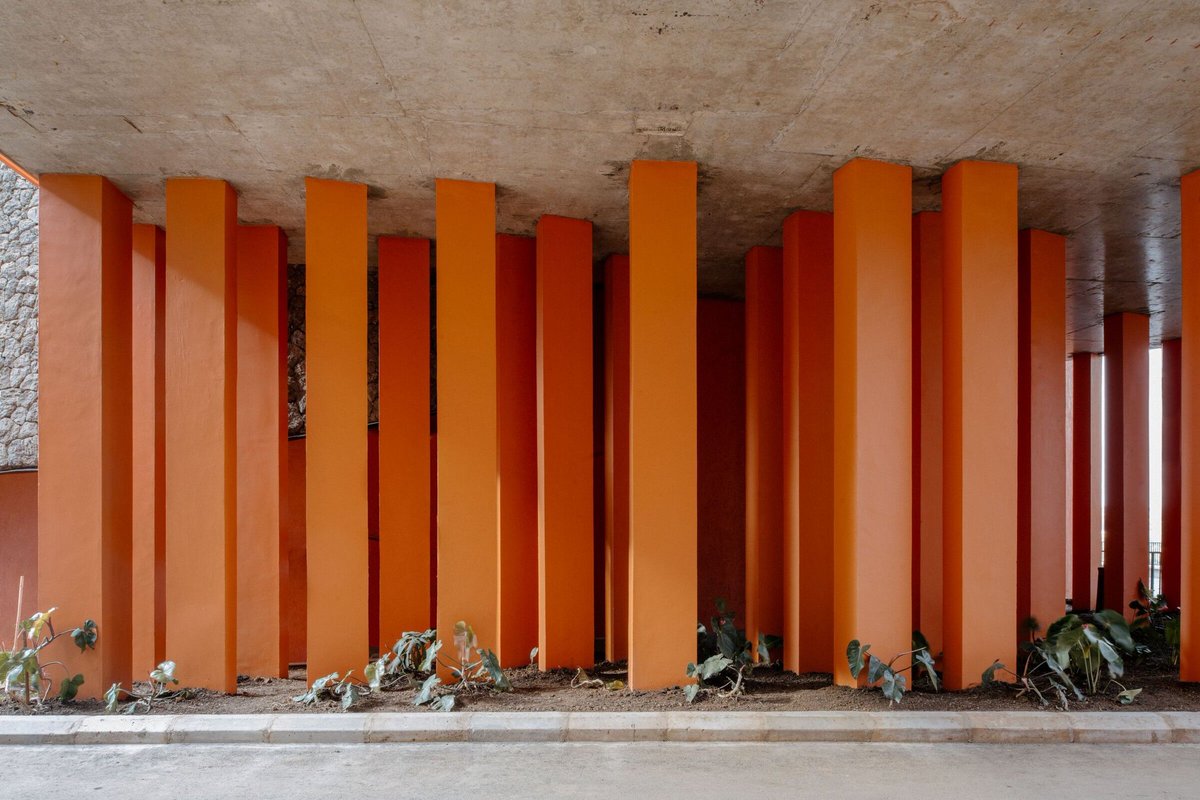
Ircad Africa by S&AA – Schweitzer & associés architectes
Rwanda 🇷🇼
3
98
591
27,015

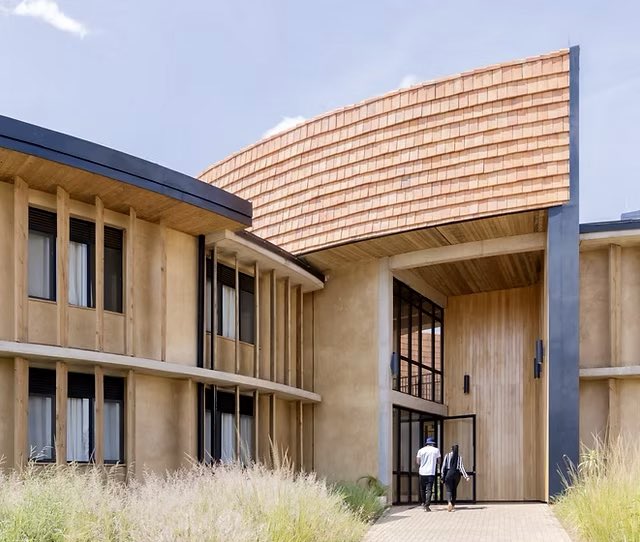
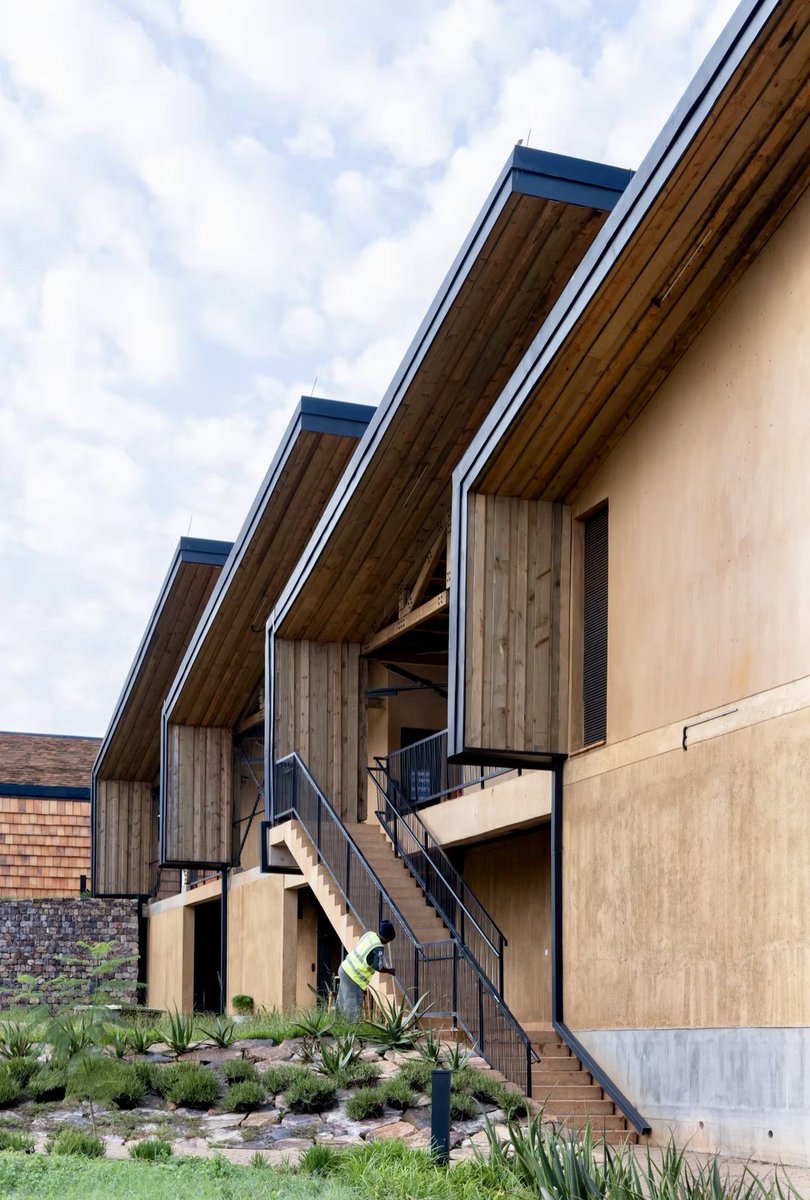
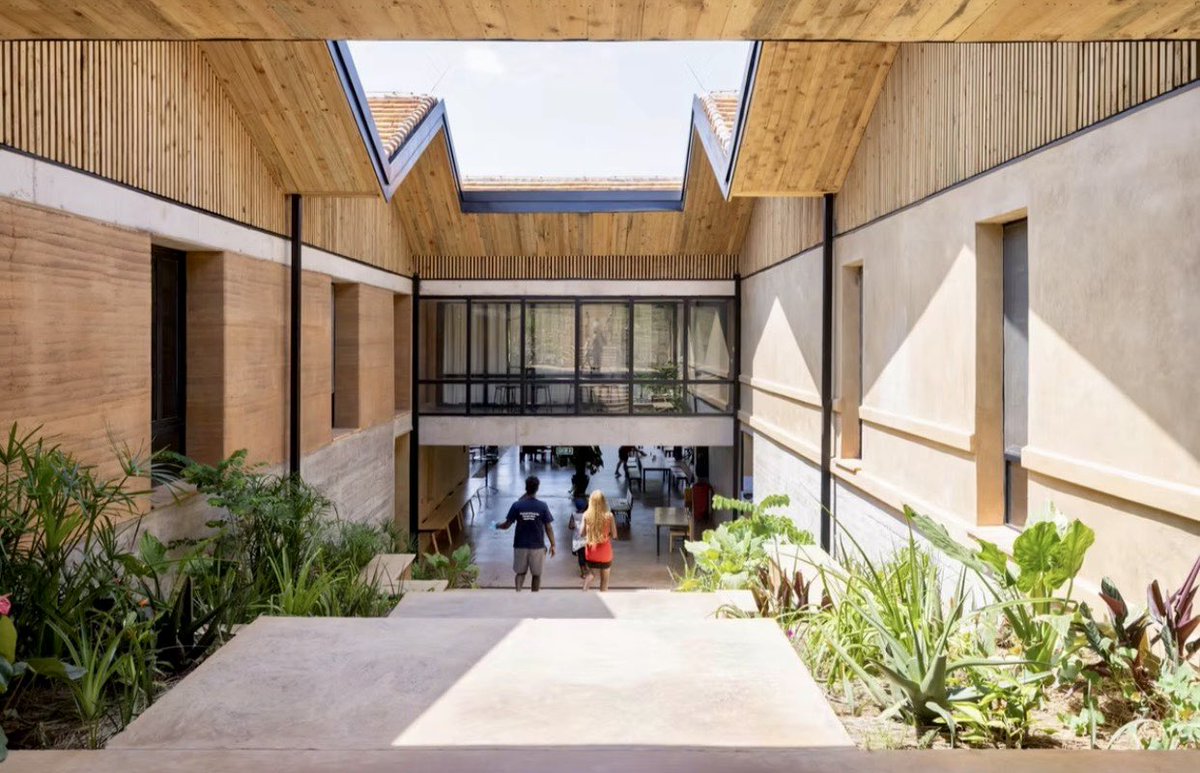
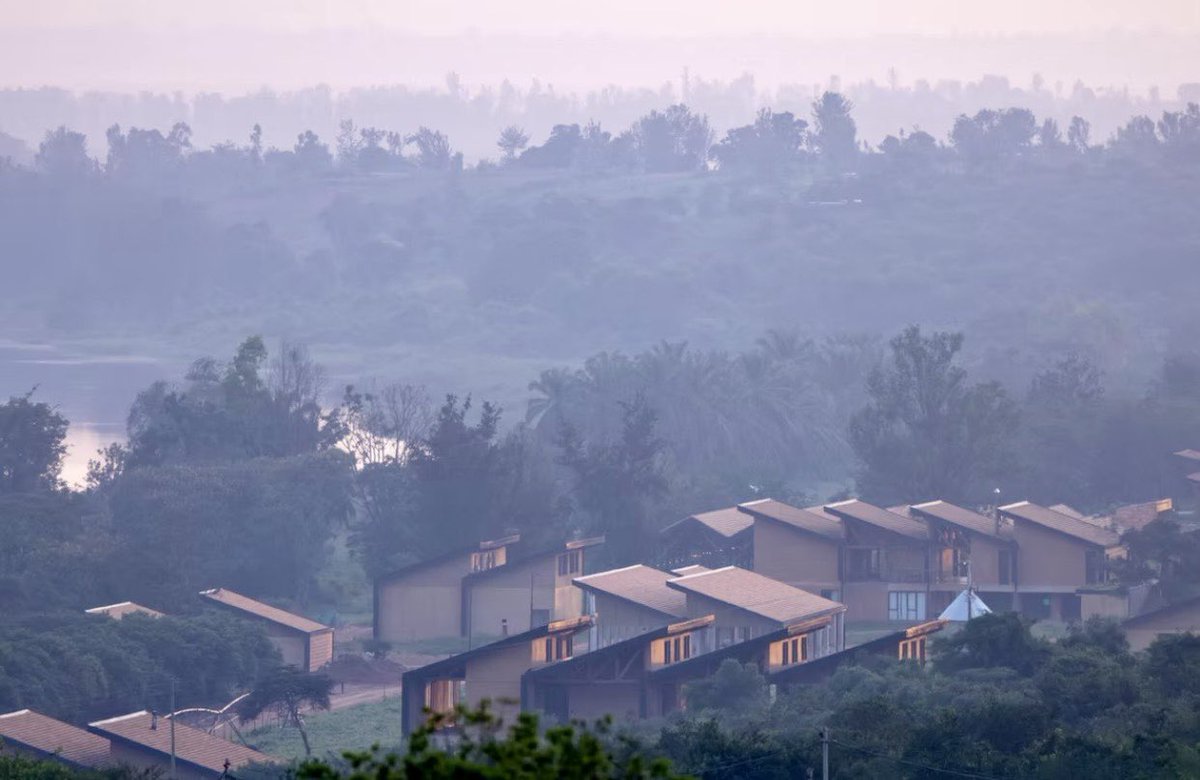
Six years ago, rammed earth was illegal to build with in Rwanda. Today it’s the primary material of a 69-building university campus built almost entirely by local hands.
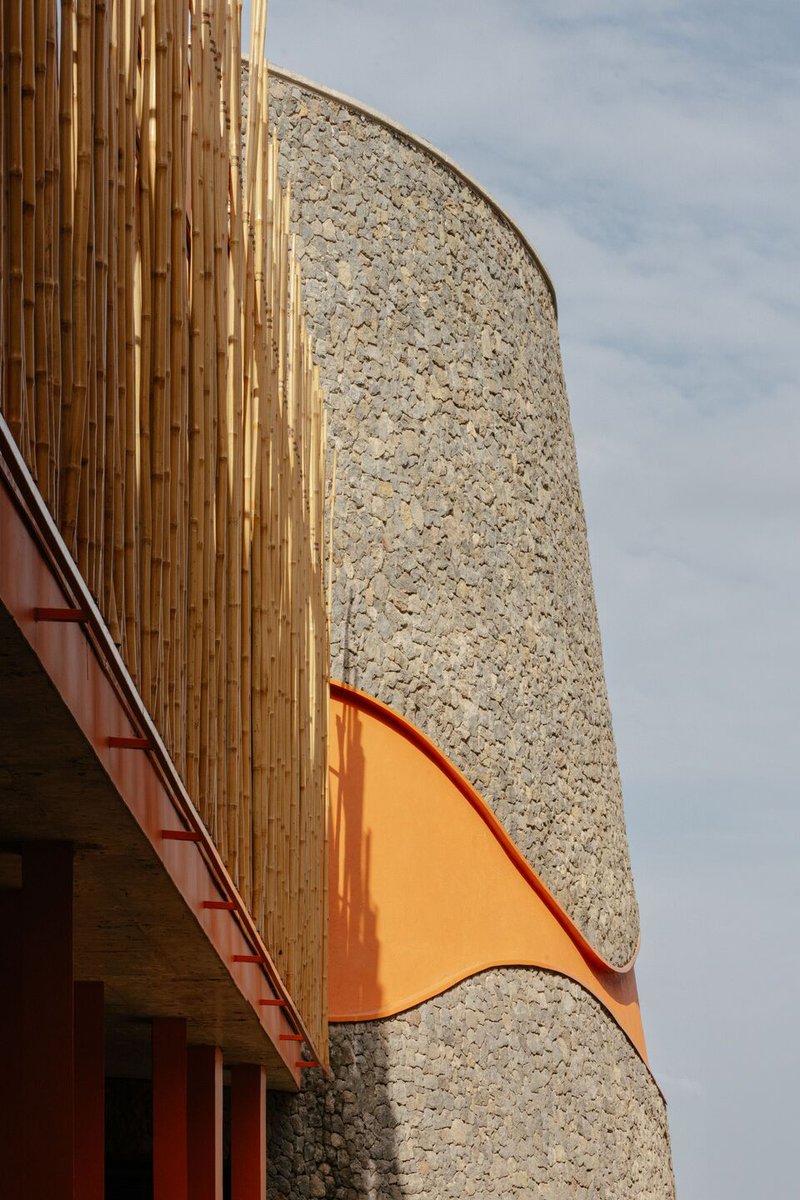
96% of all construction materials sourced within Rwanda. Rammed earth, compressed earth blocks, locally quarried stone, terracotta roof tiles made from on-site soil and clay. The buildings were literally harvested from the ground they sit on.
One cooperative formed by workers trained in rammed-earth techniques during construction now carries that expertise to projects across Rwanda. The building didn’t just train students, it trained builders and changed the local construction economy.
Embodied carbon 60% below the global average for institutional buildings. Fully off-grid, powered by a 1.5MW solar array. Projected to become fully climate-positive by 2040, removing more carbon than was produced during its construction.
Earth blocks were actually illegal in Rwanda until 2019. MASS worked with the Government of Rwanda to write new standards and guidelines to legalize their use. They didn’t just build a campus, they changed national building policy.
This is what it looks like when architecture takes its responsibility seriously.
RICA, Rwanda Institute for Conservation Agriculture, Gashora, Rwanda by MASS Design Group.
📷 Iwan Baan
21
258
1,050
63,300

🧵 : This last UCI world championships was testament to Rwanda’s determination and commitment towards excellence.
We showed once again that we can pull off amazing results if we prepare.
And prepare is what I want to talk about in this thread.
2
6
82
4,987
Ghislain Irakoze retweeted

27 Aug 2025
Excited to share my article published by emerald publishing with a title "A world where every billionaire’s net worth grows with every life they touch."
Should billionaires exist? Yes or No? Well I offer a different perspective. 👉 Read it here:
emeraldgrouppublishing.com/o…

1
5
21
2,692
Ghislain Irakoze retweeted

9 May 2025
🎥 Workshop Moments | Resilience Through Ages
Watch how our fellows use storytelling to connect generations and inspire climate action!
This is what community-powered climate action looks like — creative, inclusive, and rooted in culture. 💚
#ResilienceThroughAges
1
4
176
Ghislain Irakoze retweeted

23 Mar 2025
This recent super eagles match at Rwanda just revealed to us all how much of a beautiful place Kigali is. Very beautiful country 🔥
40
4
103
1,254
Ghislain Irakoze retweeted
12 Mar 2025
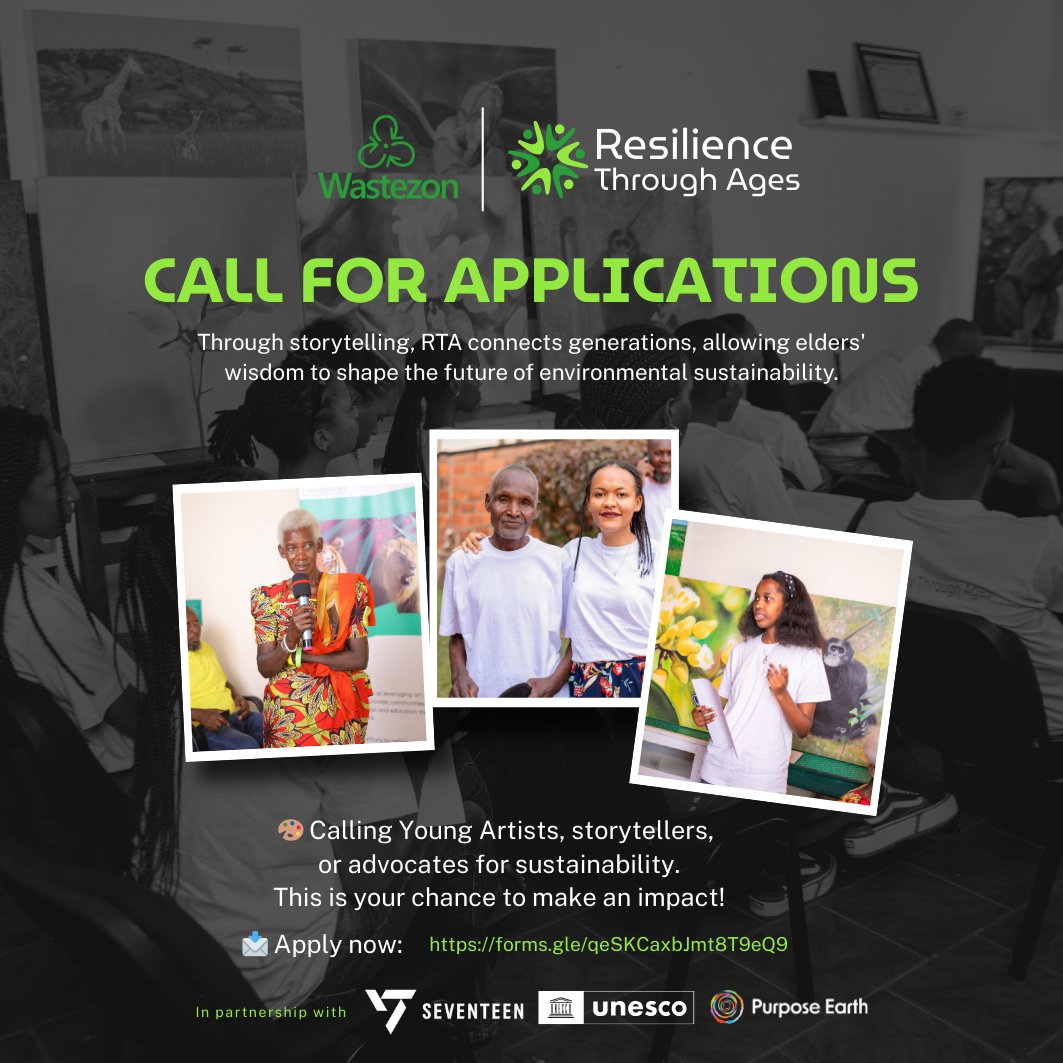
Calling All Young Artists! 🎨✨
Are you passionate about storytelling, art, and climate action? Resilience Through Ages is offering young artists an incredible opportunity to use their creativity to bridge generations and promote climate resilience!
🔗: wastezon.com/rta/
3
7
227
Ghislain Irakoze retweeted

22 Feb 2025
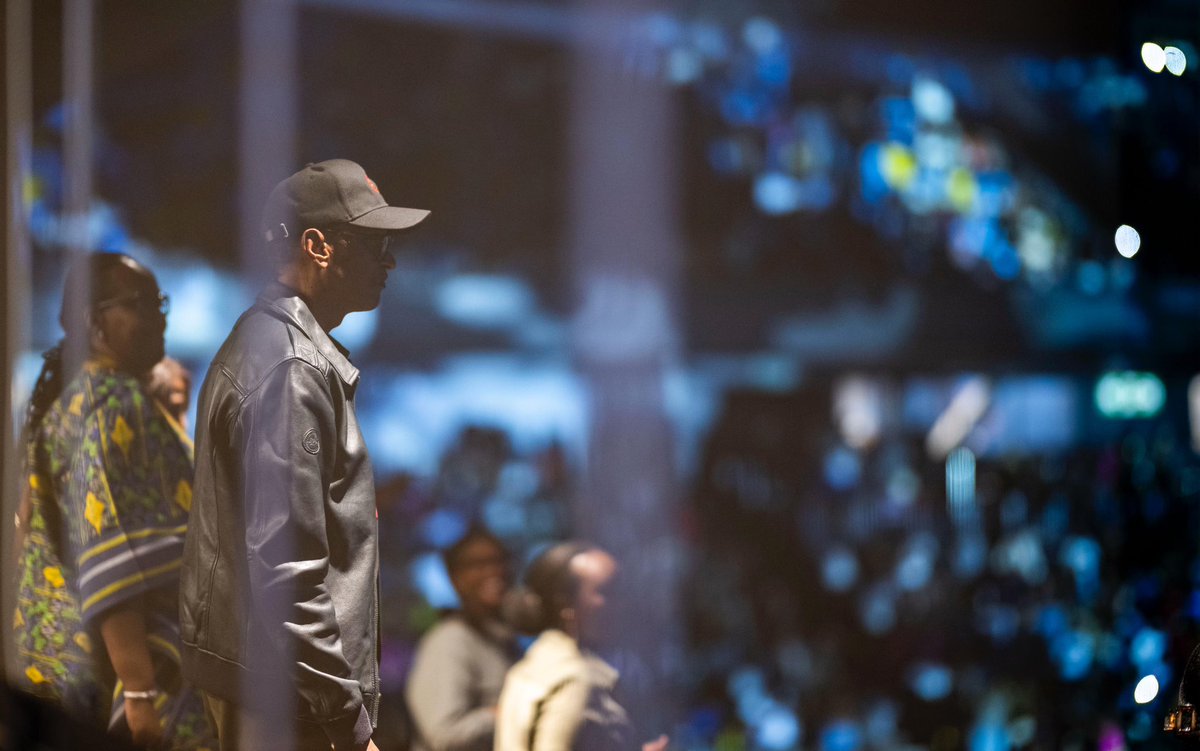
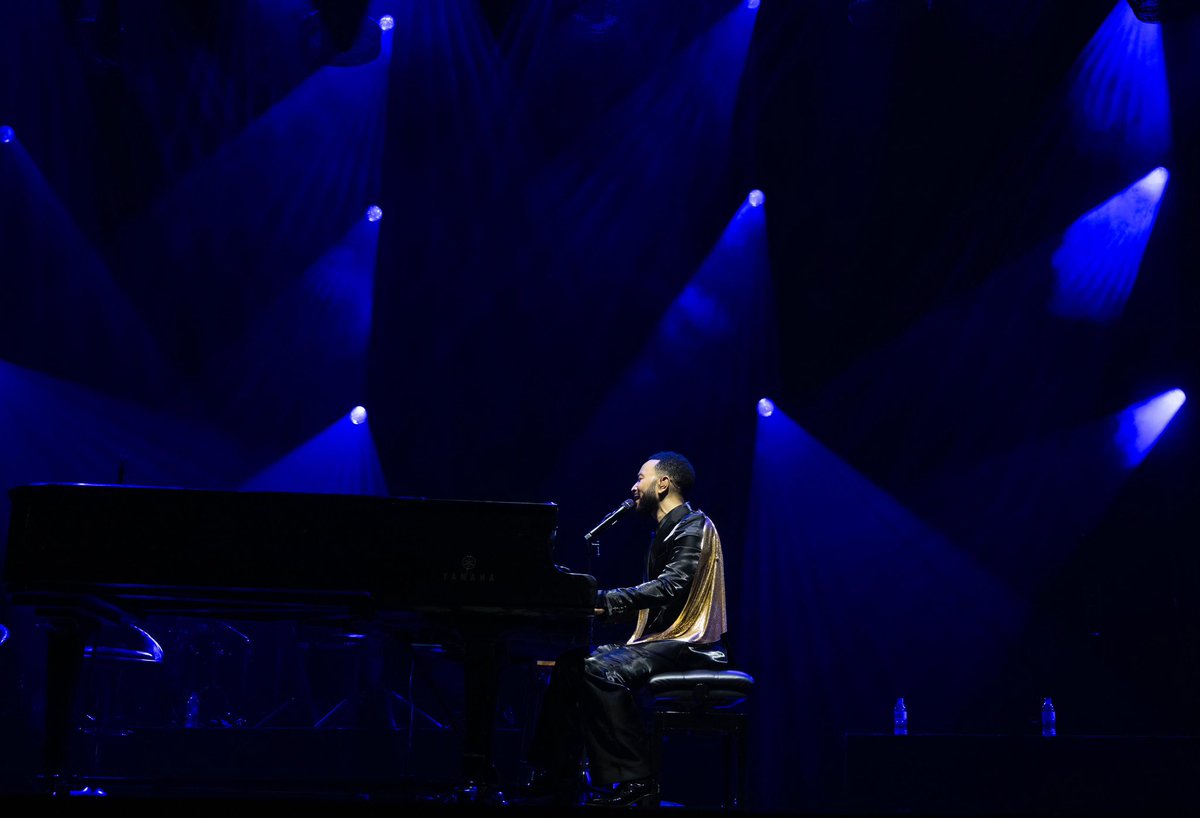
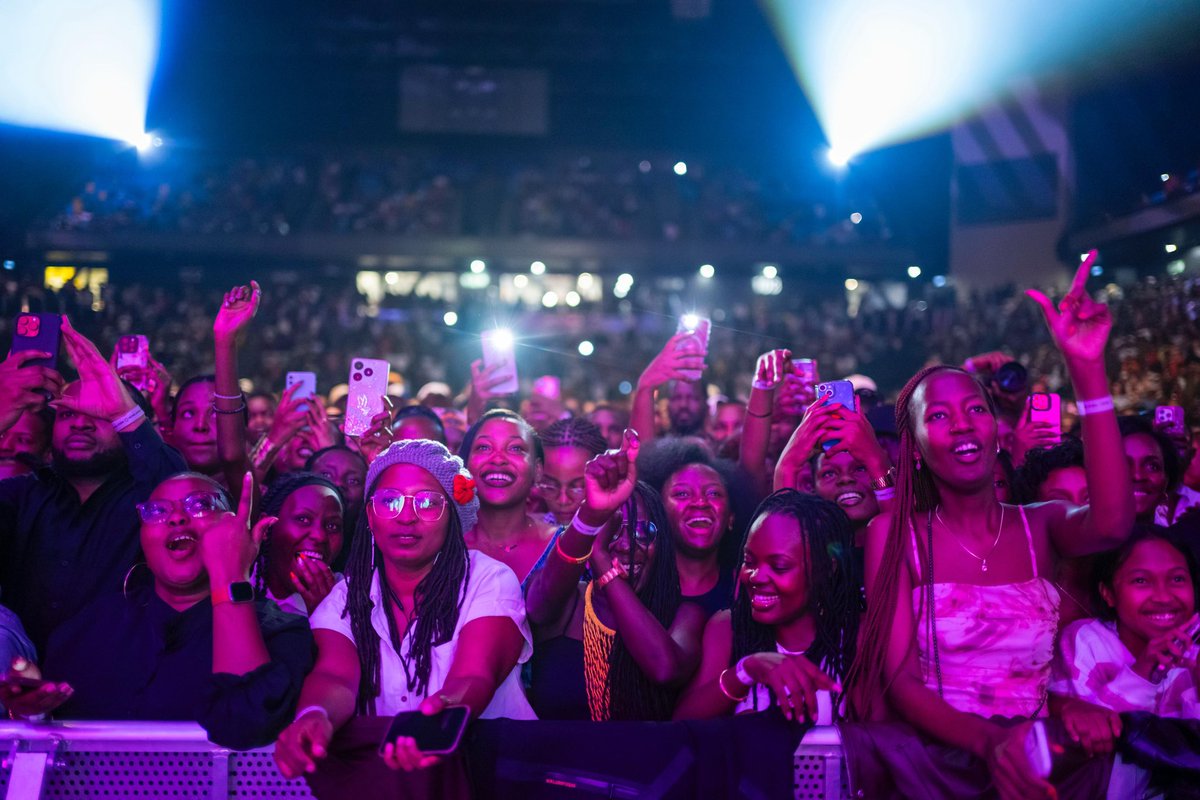
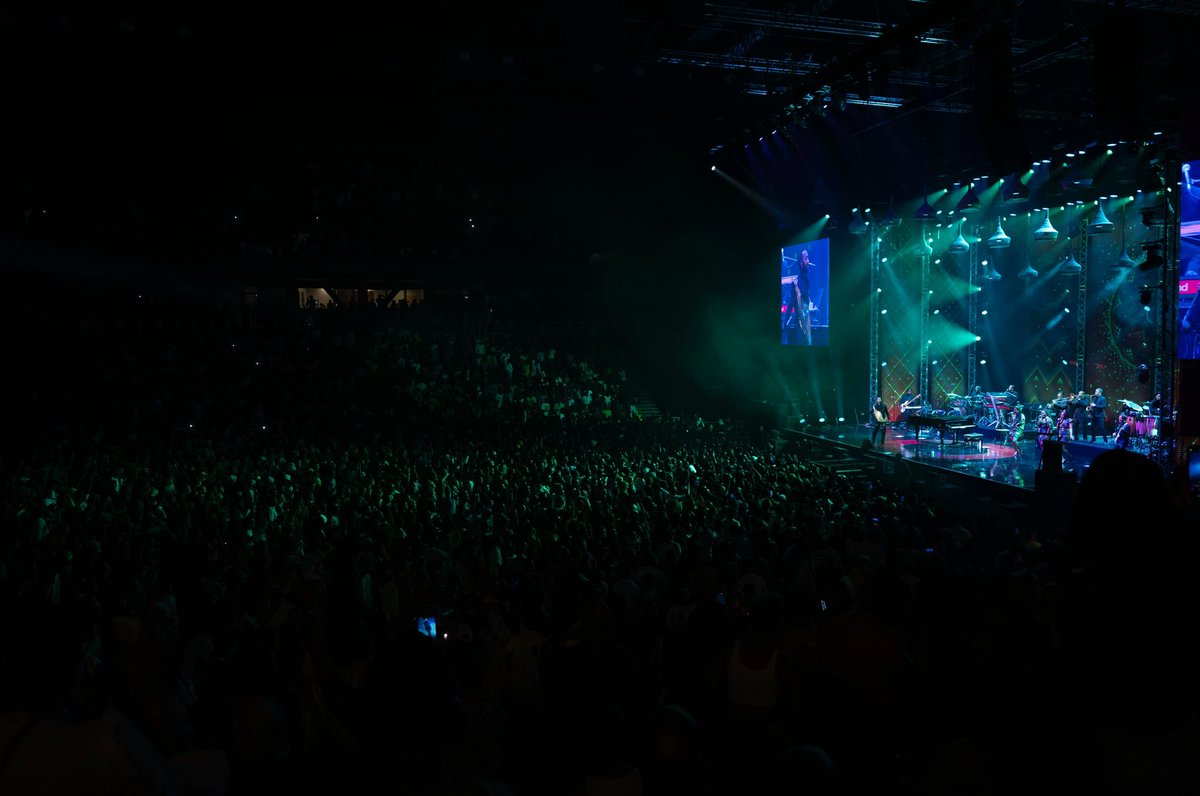
President Kagame and First Lady Jeannette Kagame joined thousands of music enthusiasts for the second edition of Move Afrika Concert featuring EGOT-winning artist and producer @johnlegend.
142
841
4,045
161,128
Ghislain Irakoze retweeted

8 Feb 2025
How do we ensure electricity reaches everyone? 🤔
@_mathiascharles of @akofresh_co shares solutions for affordable and equitable access, crucial for #PoweringAfrica.
⚡ wrld.bg/bFk850UUAV9
13
34
6,780
Ghislain Irakoze retweeted

22 Jan 2025
WATCH: #Rwanda's Minister of ICT and Innovation, Paula Ingabire, highlights the transformative potential of AI in driving Rwanda's GDP growth during the World Economic Forum 2025 panel, "AI: Lifting All Boats."
65
446
1,354
524,127
Ghislain Irakoze retweeted

20 Jan 2025
Our mascot was unstoppable yesterday! 🚲🦍From traditional dances to weightlifting, fencing, aerobics, & cycling, it brought the spirit of the Kigali #UCI Road World Championships to life at Car-Free Day. This is just the beginning—September can’t come soon enough! #Kigali2025
3
61
157
16,355
Ghislain Irakoze retweeted

17 Jan 2025
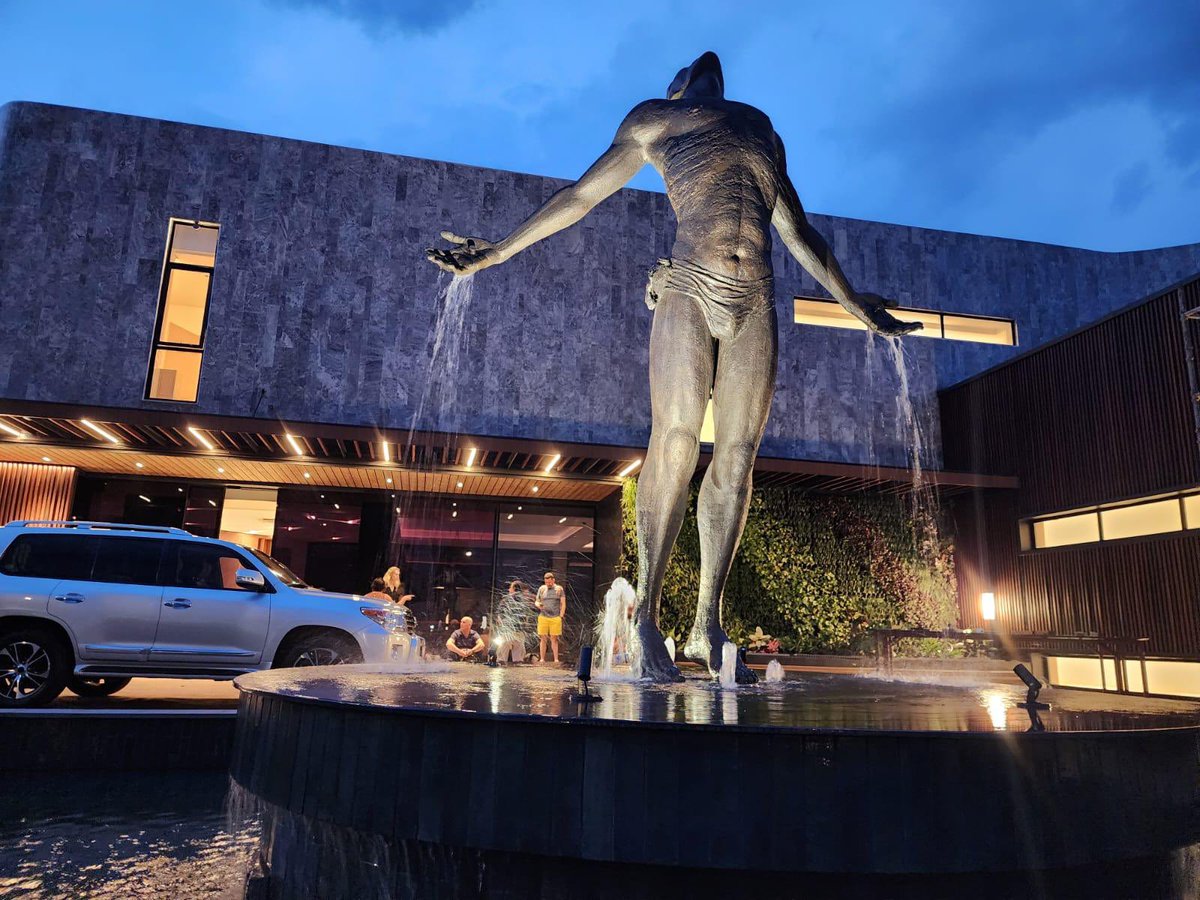
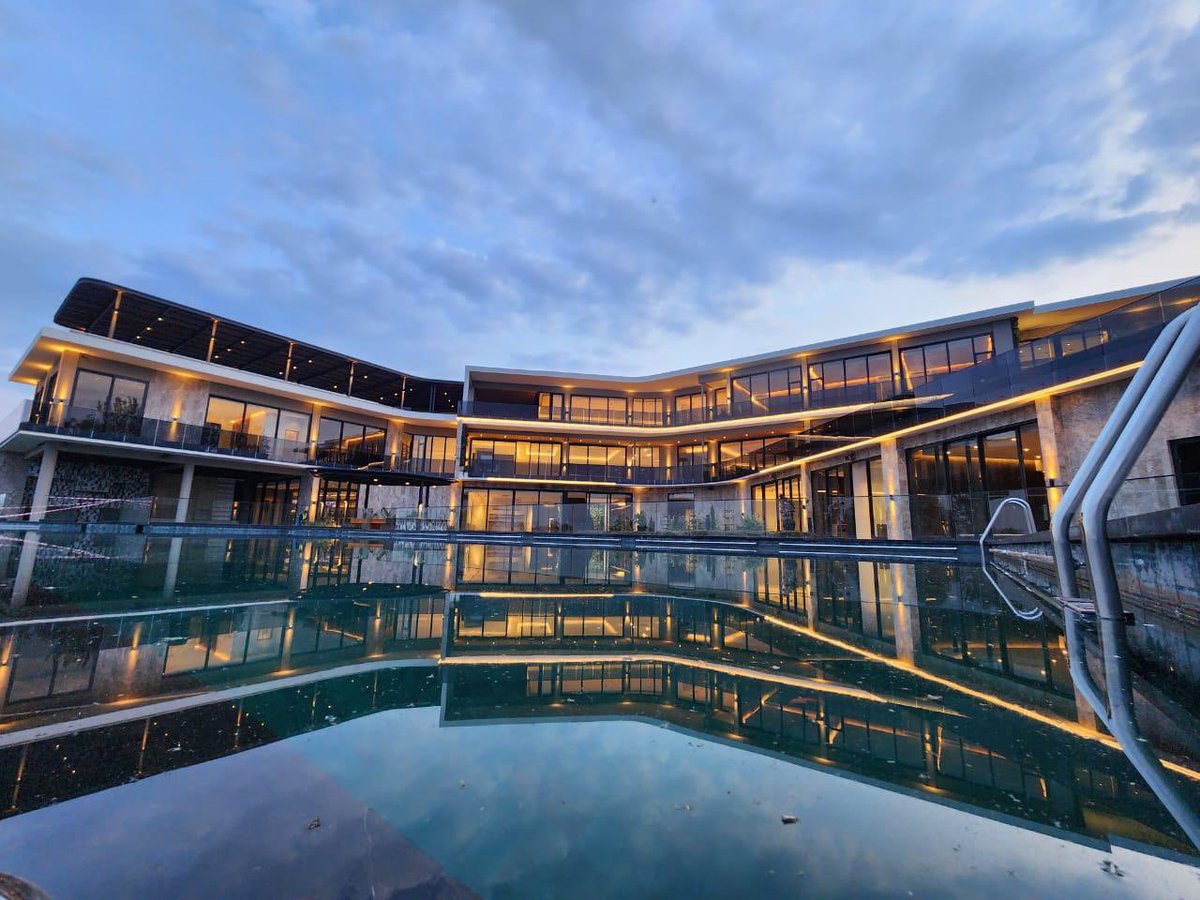
Rwanda is really pushing for premium tourism. You might think the photos are just renders but you see the video and realize investors are believing in the country and it's vision. This is going to be one good hotel on top of the hills.
Rwanda Nziza for sure
5
11
43
6,341

15 Jan 2025
Kenya & Tanzania are sitting on incredible tourism potentials. I wish they could unlock them through serious strategic marketing. I am quite confident they can even overtake Egypt & Morocco.
1
1
1
150
15 Jan 2025
I guess Rwanda should continue to apply a holistic marketing mix to strategically position itself in this competitive EAC tourism market. MICE tourism is definitely a right path, because these neighbours are so endowed with incredible natural touristic wonders.
1
88
Ghislain Irakoze retweeted

7 Jan 2025
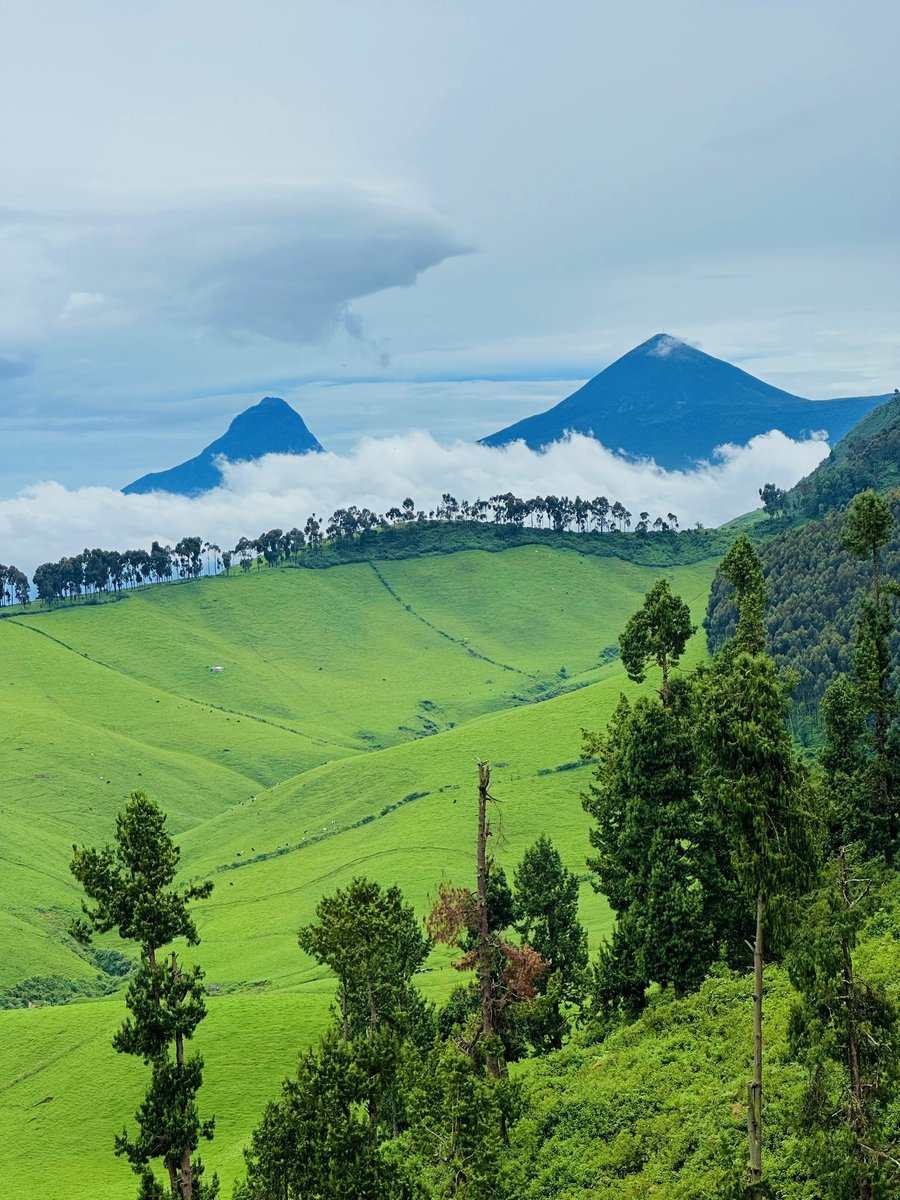
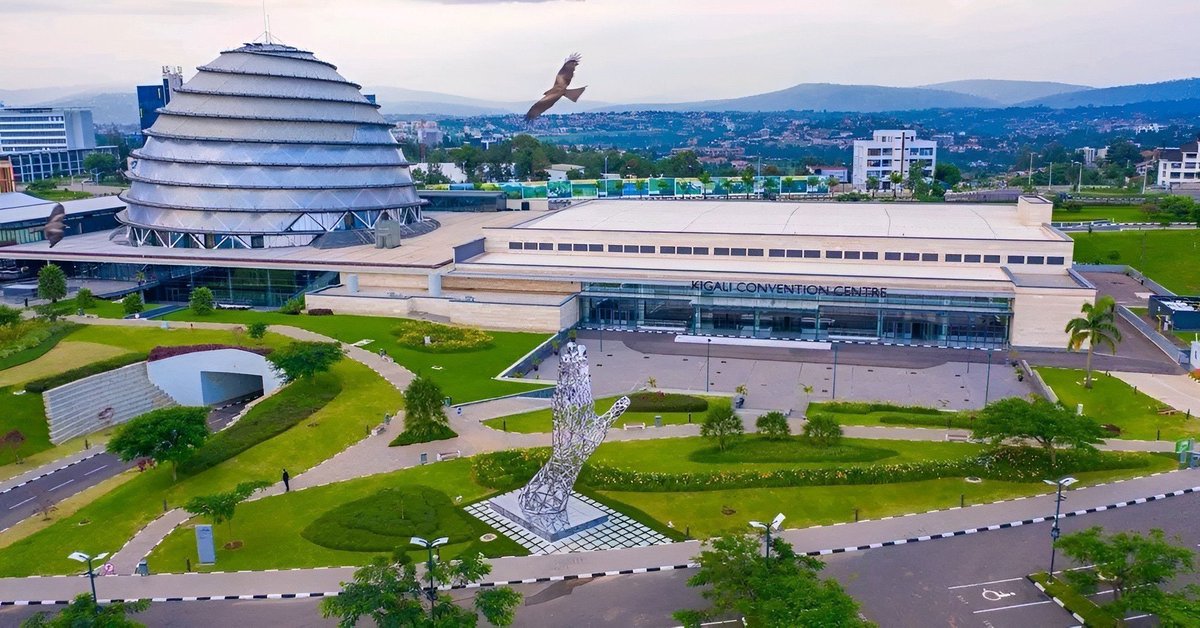
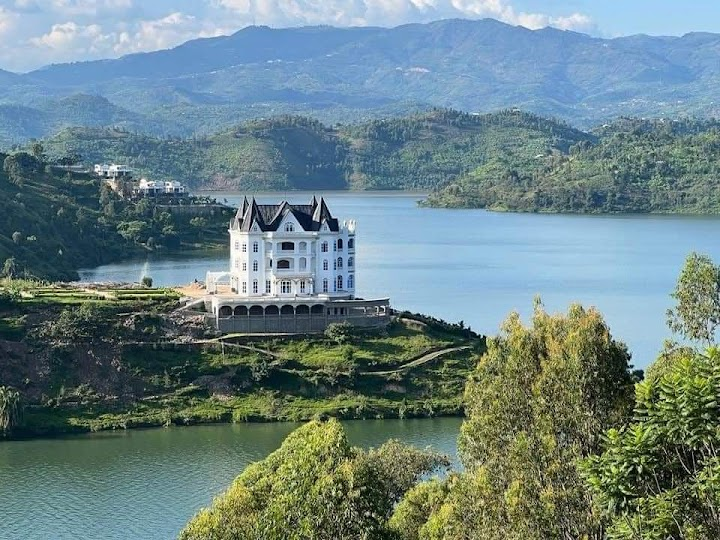
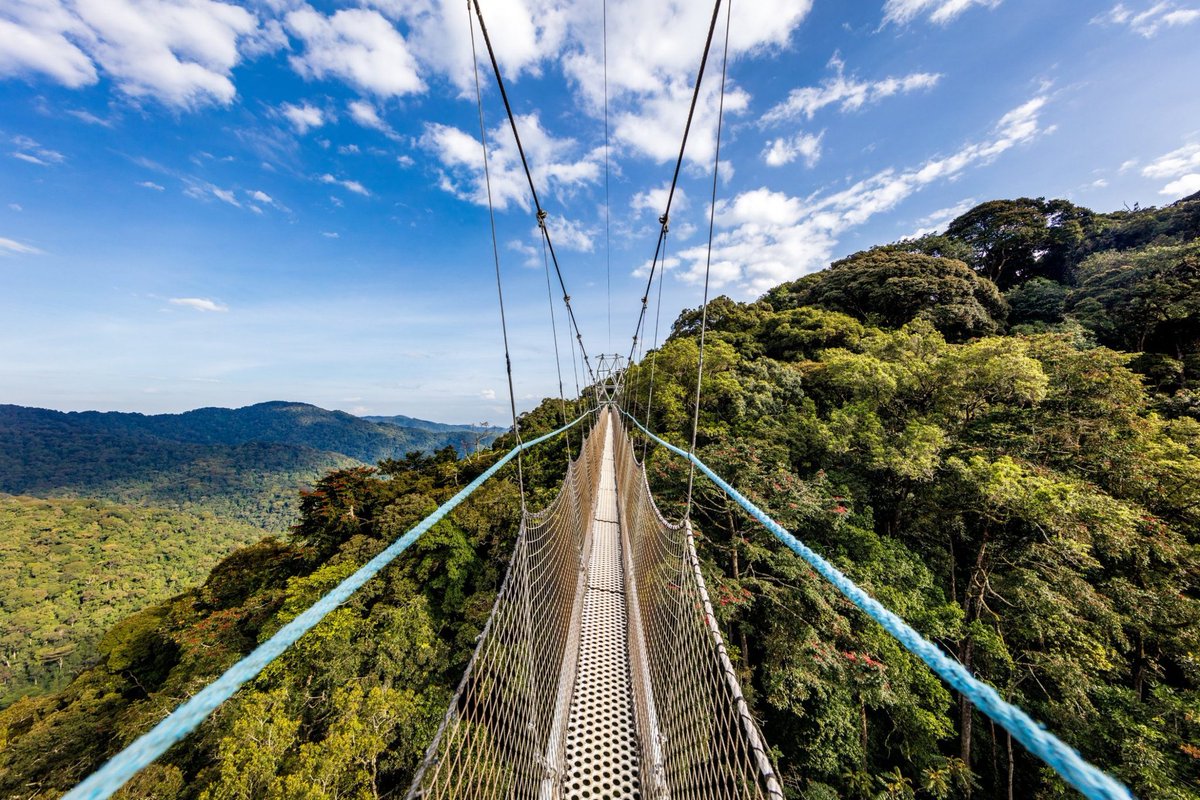
I am no tourist, but since 2022, I have traveled to over 8 countries across Europe, Africa, and Asia.
Many people at the airport, hotel, and in the city always ask me where to visit in Rwanda.
At first, I had no clue—but after visiting all 30 districts, here is some recommendation of different places that you can visit in the country of thousand hills before 2025 end....
94
663
3,025
524,570
Ghislain Irakoze retweeted

5 Jan 2025
Earlier this summer I gave probably my favourite talk I've ever given. It's all about how do a PhD, particularly in AI (safety). Video and accompanying blog post linked below, and the post also has tonnes more advice from people much smarter and more successful than me :)

3
17
209
17,761
7 Jan 2025
One of the underrated touristy sites.
7 Jan 2025

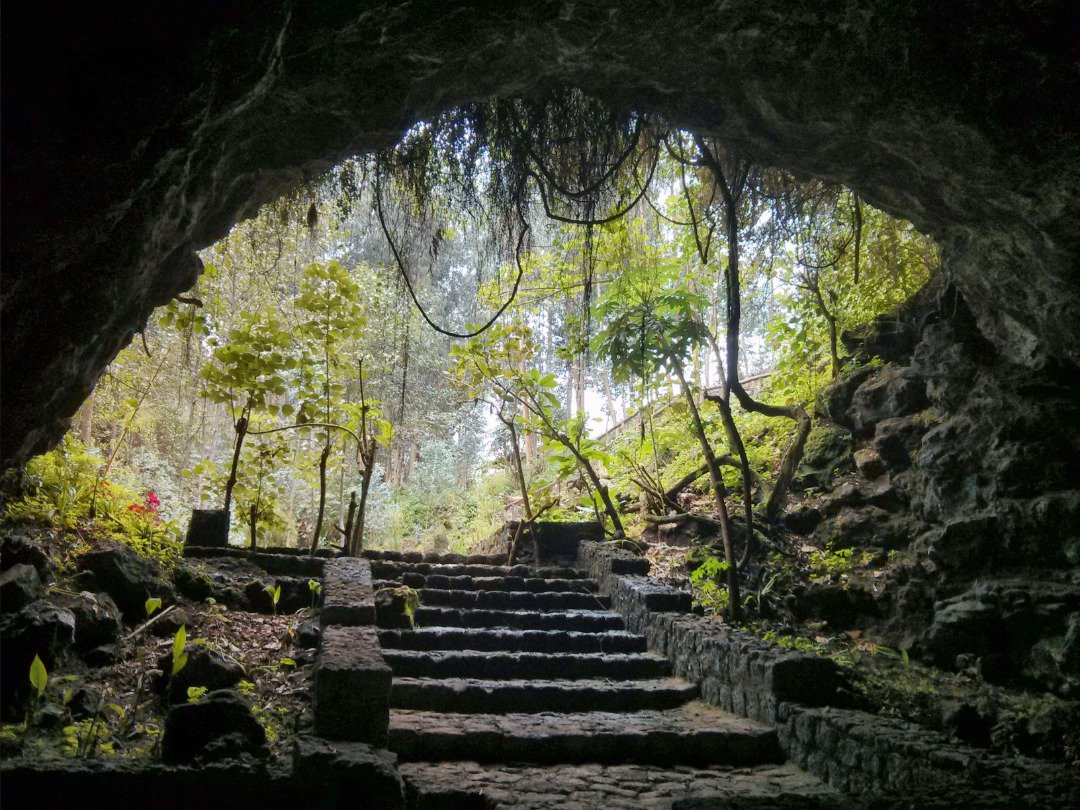
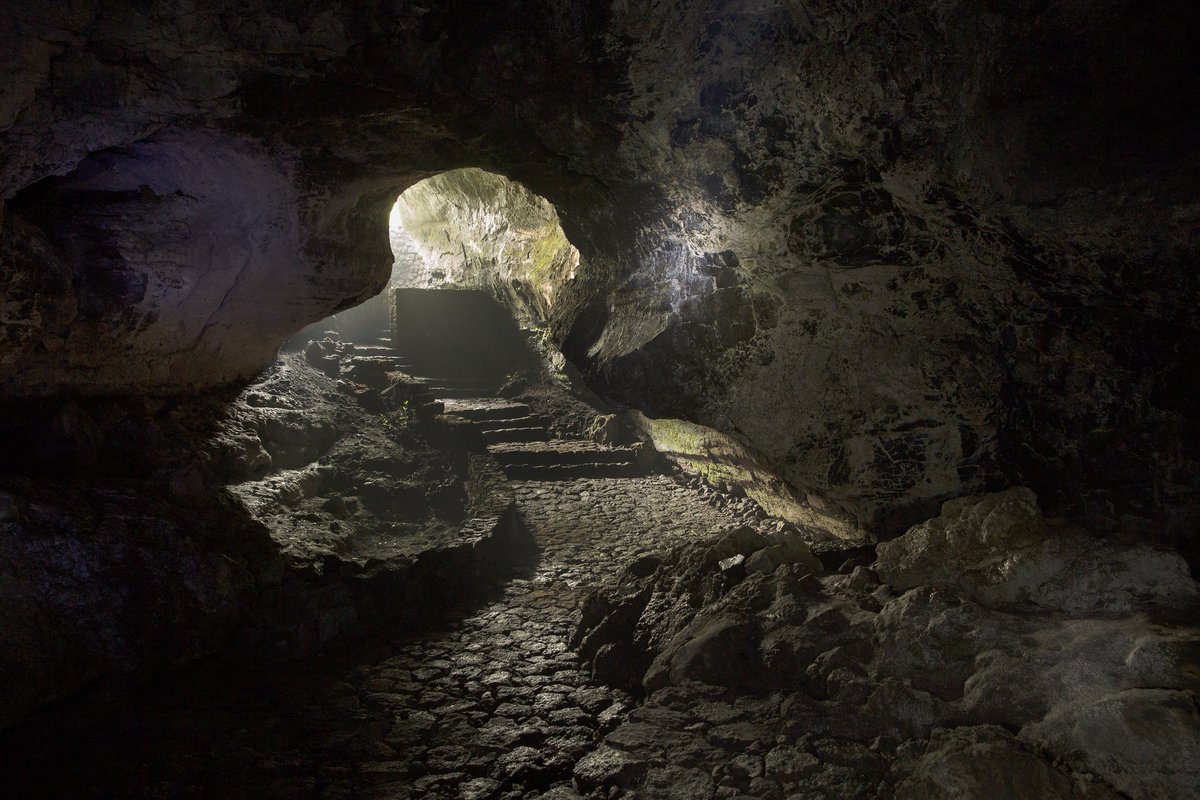
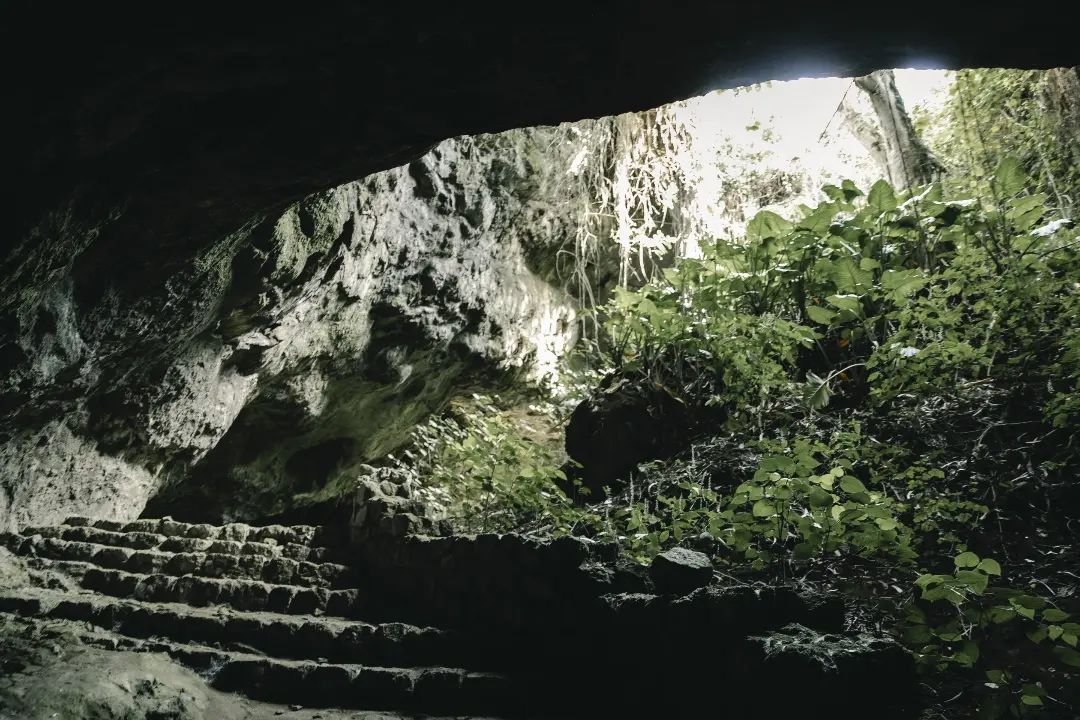
Musanze Caves:
It offers an intriguing underground adventure with vast chambers, tunnels, and impressive rock formations, providing visitors with a unique insight into the geological history of the region.
1
1
2
641
Ghislain Irakoze retweeted

1 Jan 2025
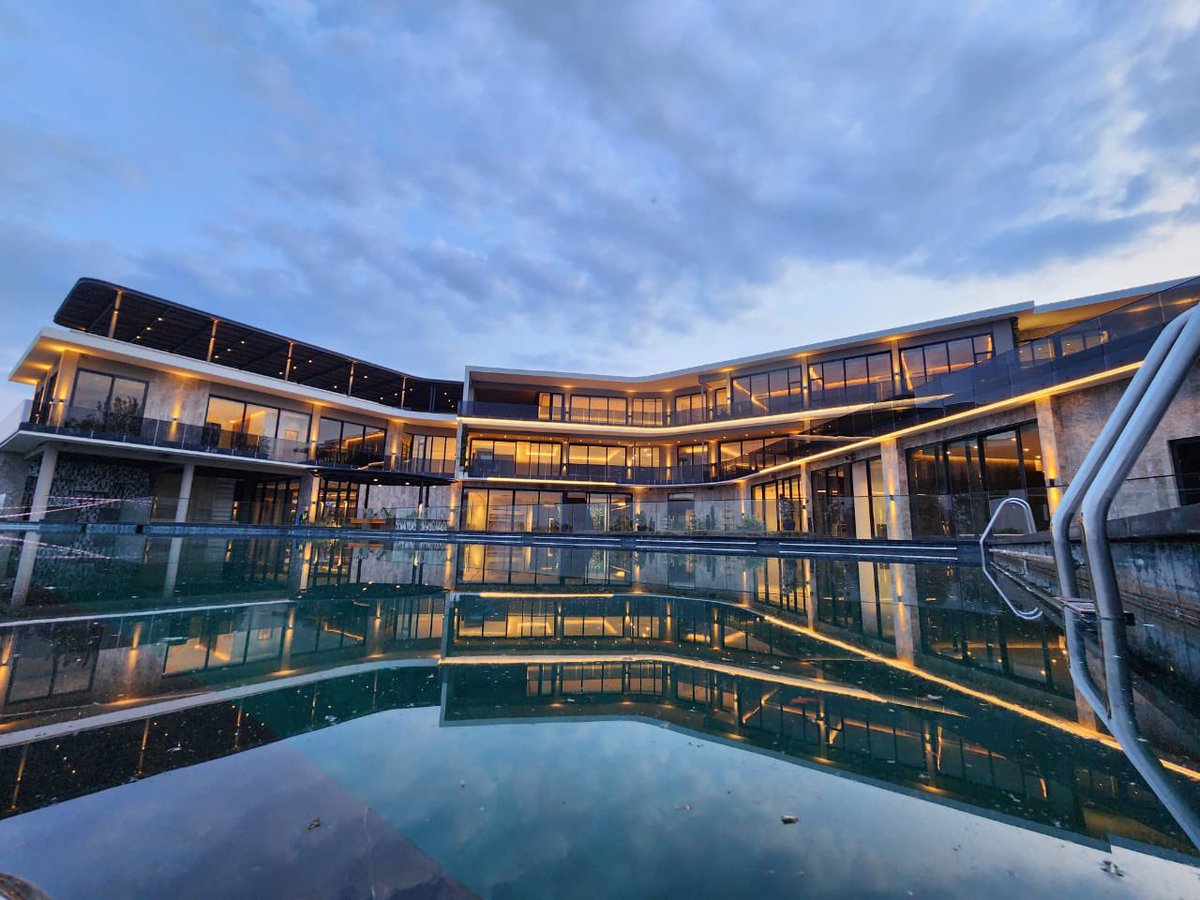
Introducing The Pinnacle Kigali (@pinnaclekigali), the ultimate experience for HNWIs and the MICE elite, redefining Rwanda’s hospitality landscape. Sophistication, exclusivity, and innovation. #PinnacleKigali
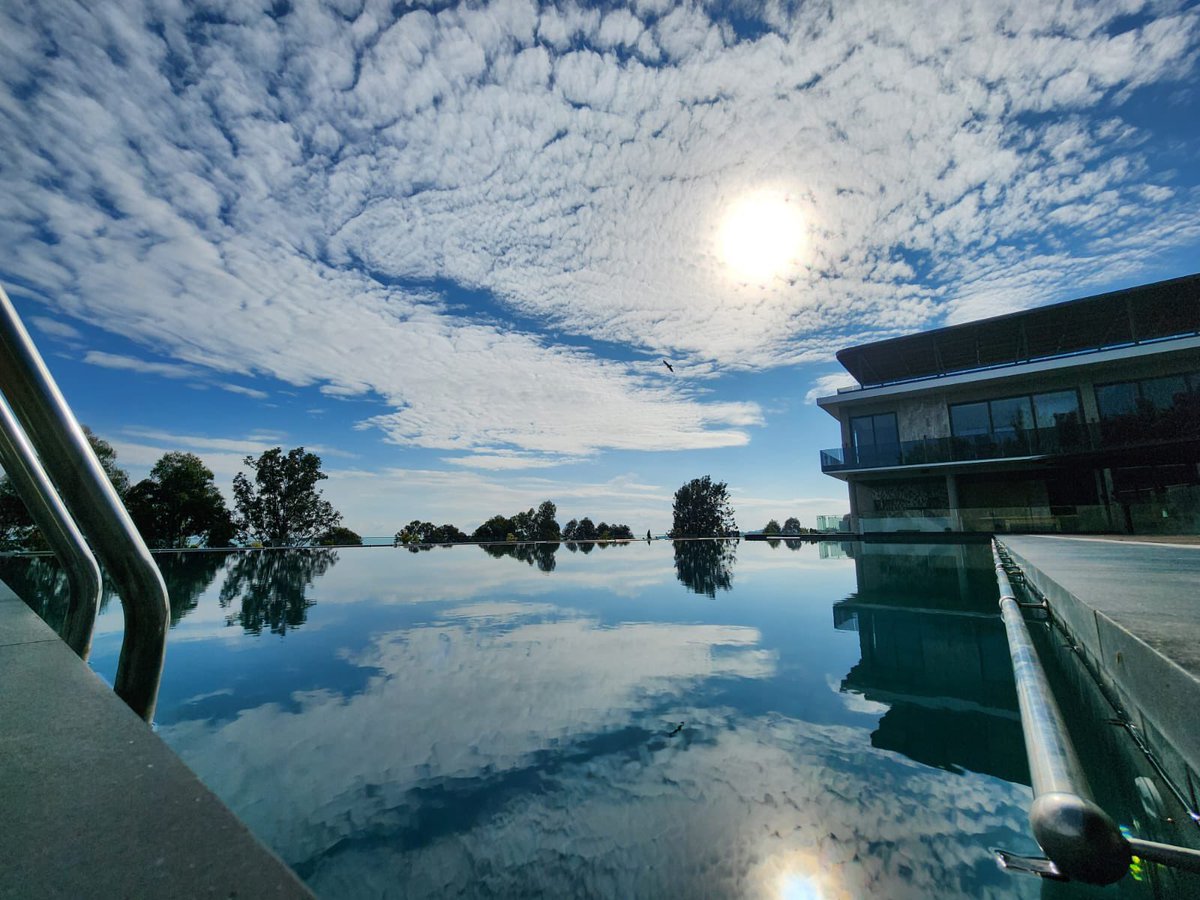
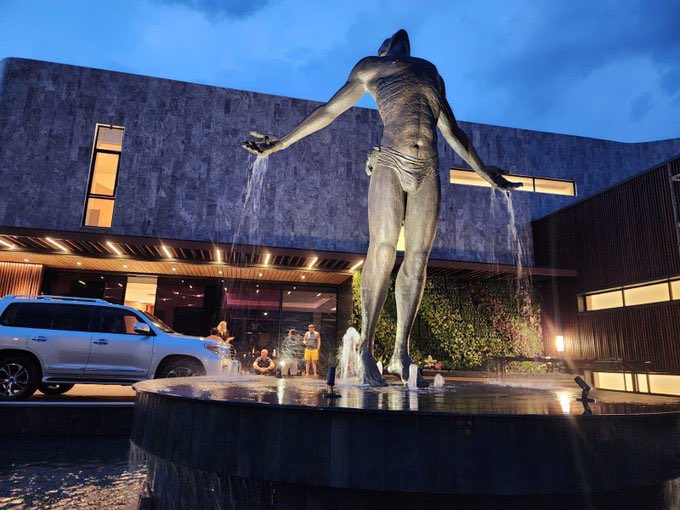
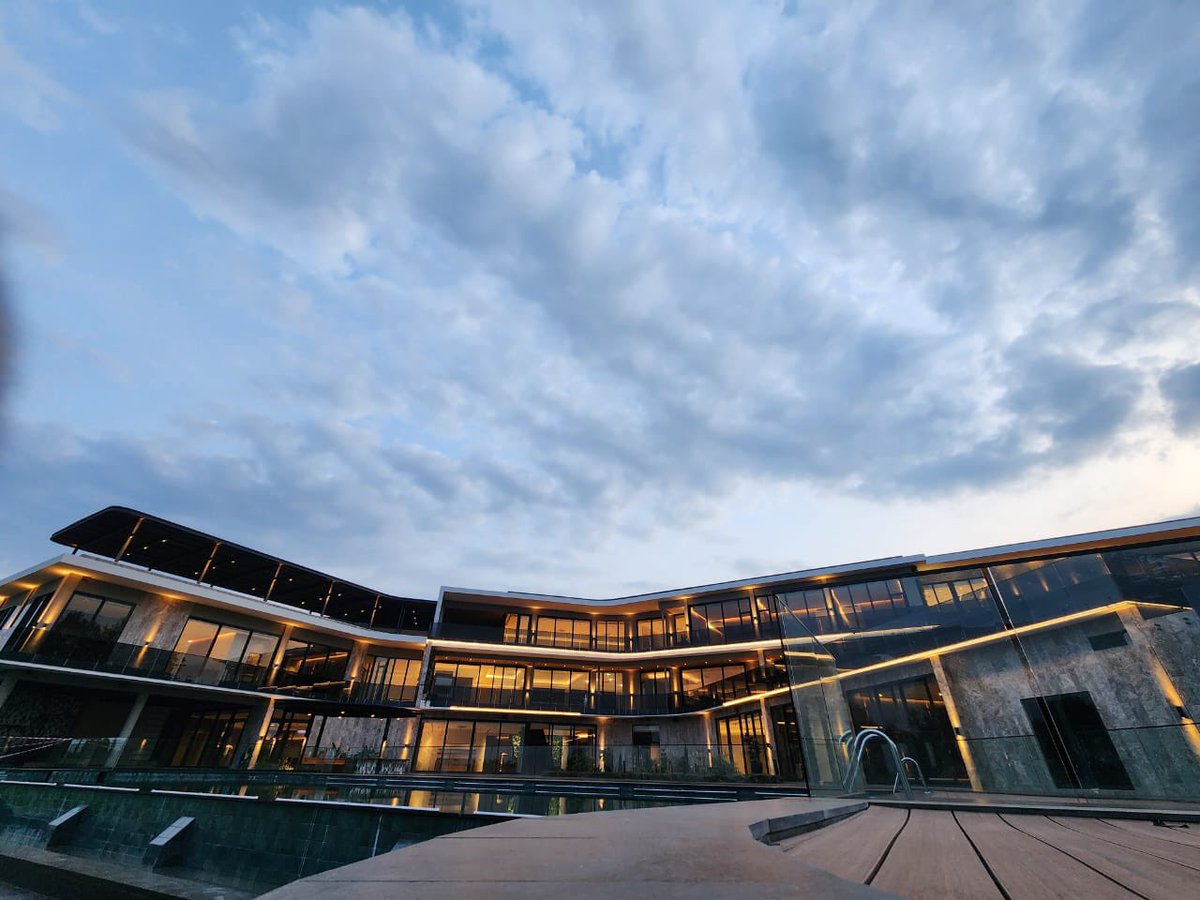
1
12
56
7,156