
Joined July 2021
- Tweets 9,056
- Following 408
- Followers 13,989
- Likes 34,245
715 Photos and videos




Pinned Tweet

8 Aug 2022
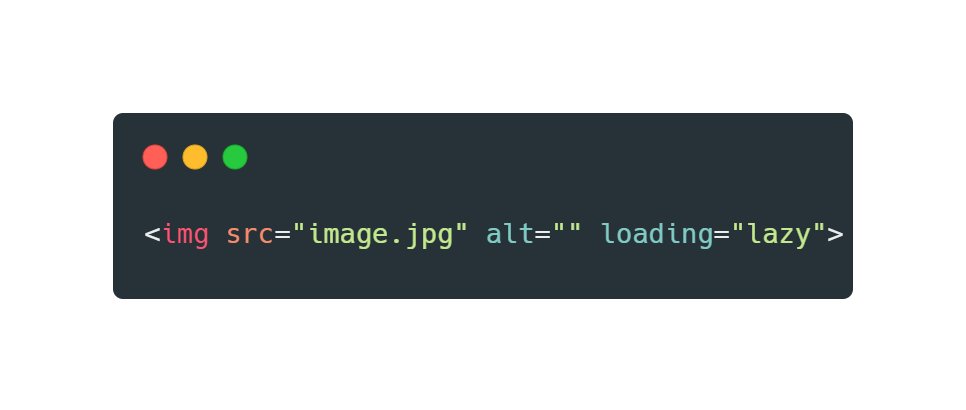
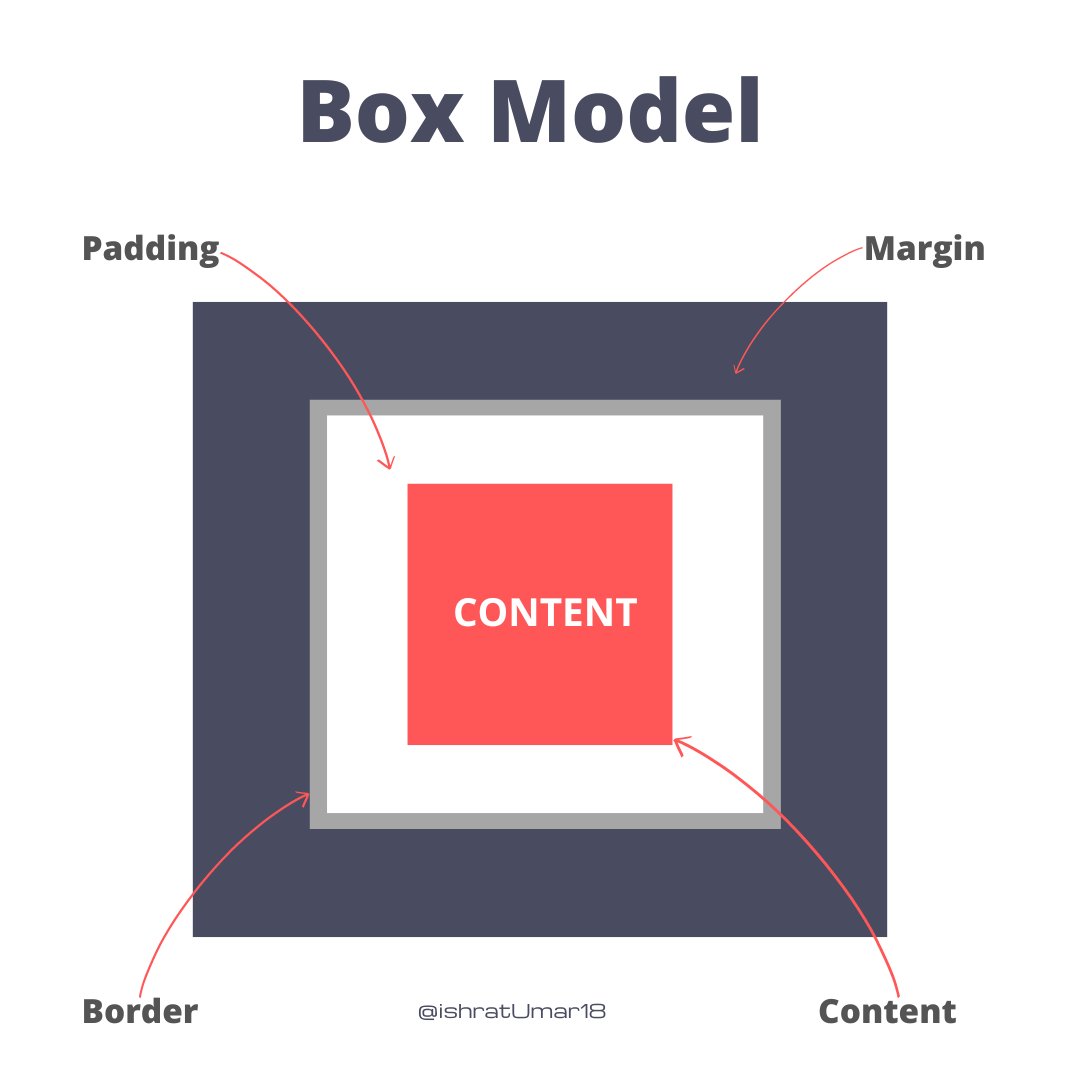
The Box Model in CSS 🎨
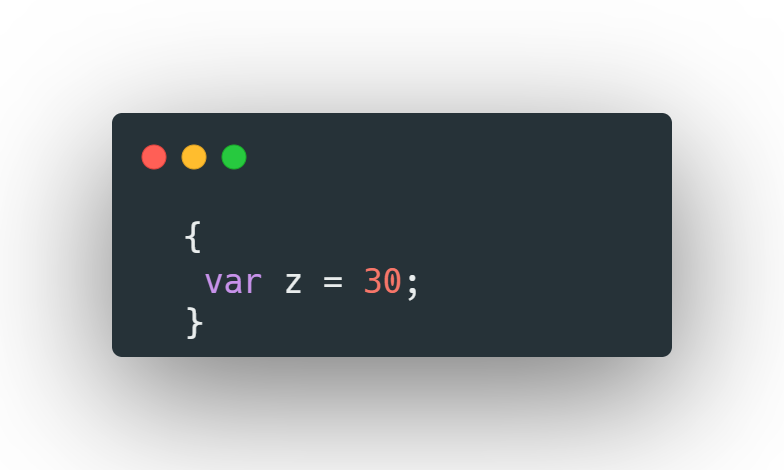
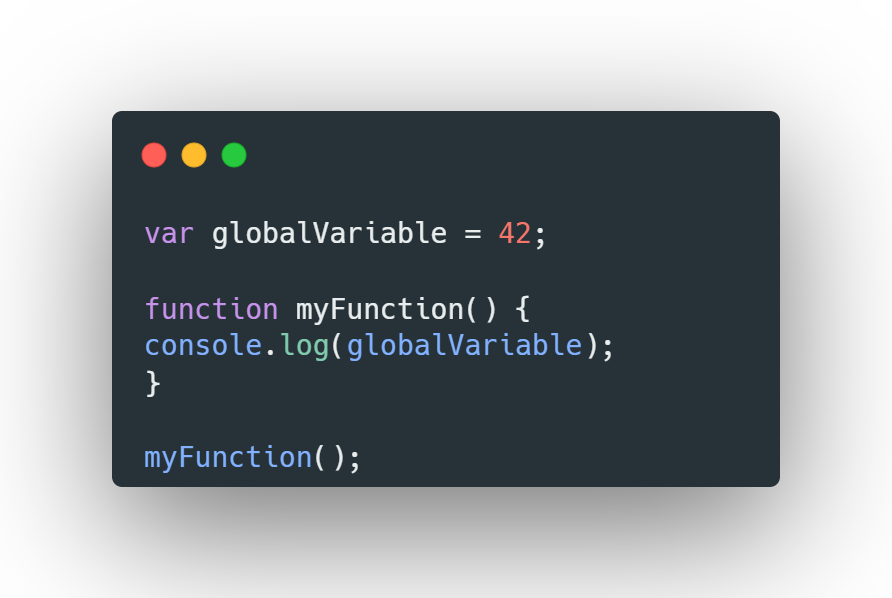
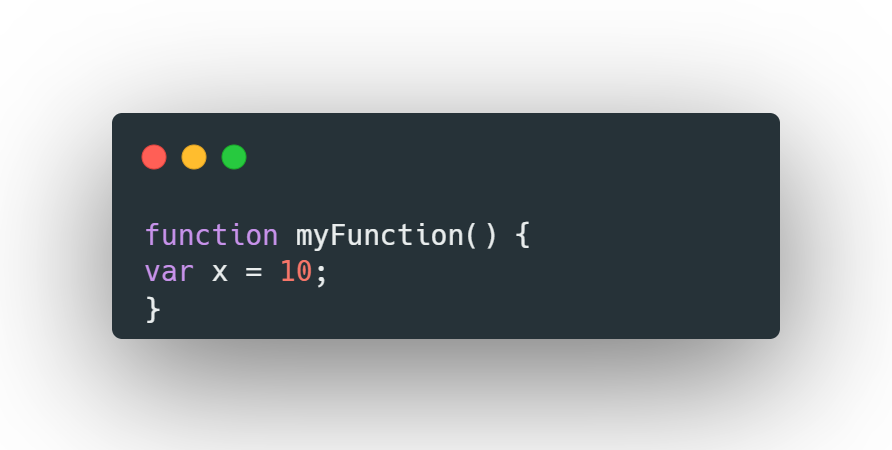
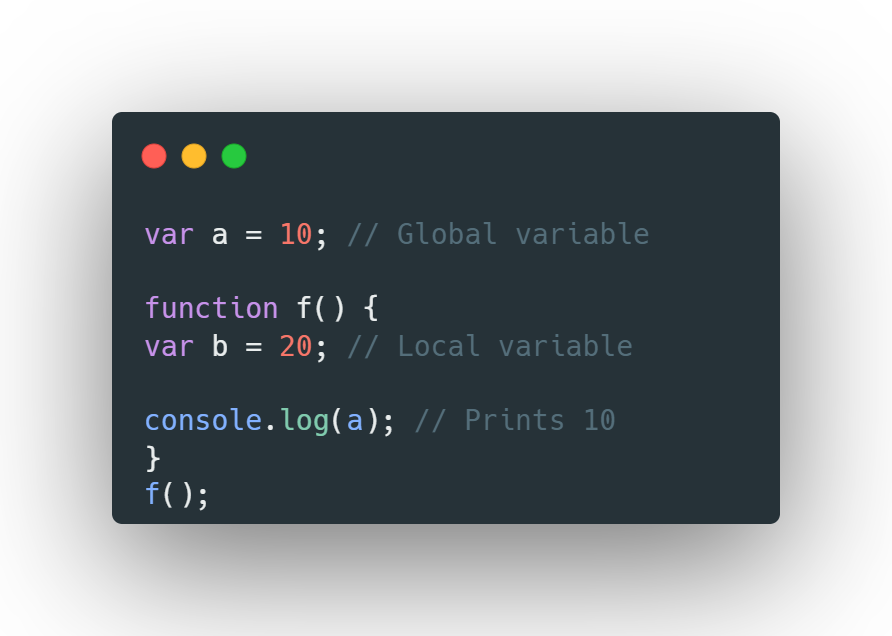
✧ In HTML, all elements are considered as a box. A box comprises padding, border, and margin in addition to its actual content.
A thread 👇🏻
47
212
1,086
Ishrat retweeted

Apr 7
I built this thing called Clicky.
It's an AI teacher that lives as a buddy next to your cursor.
It can see your screen, talk to you, and even point at stuff, kinda like having a real teacher next to you.
I've been using it the past few days to learn Davinci Resolve, 10/10.
1,320
1,187
15,783
2,960,910
Ishrat retweeted

29 Sep 2025
Many are asking if they can move their Next.js projects from Vercel to Replit?
Yes!
- Go to Import then GitHub
- enter repo URL
- Agent will take care of the rest
It will set up the dev and deployment environments!
For companies moving lots of work, happy to help discount.
347
2,204
14,607
3,004,215
1 Aug 2025
Funny how the harshest critics have private profiles, zero posts and no audience.
It’s easy to throw rocks from the sidelines.
Harder to show up, share your thoughts, and build something real.
Before you second guess your post:
Check who’s criticizing. Most times,
3
4
695
1 Aug 2025
it’s someone with 0 posts, 0 audience, and 0 clue.
Ignore the noise. Builders build.
3
2
514
19 Jul 2025
Lovable raised $200M at a $1.8B valuation.
I remember watching Henrik Lovable vs Brett Webflow in that live Build Wars showdown.
Henrik didn’t win that day in front of 600,000 live viewers but they definitely won something bigger: attention.
1
3
599
19 Jul 2025
Fast forward just a few months and now they’re officially a unicorn:
- $200M Series A
- $1.8B valuation
- 2.3M users
- 180K paying subscribers
- All in under 8 months
Never underestimate the power of showing up - even when you’re not perfect yet.
1
1
392
19 Jul 2025
Missed the battle? Here’s the original Build Wars livestream:
x.com/i/broadcasts/1ynJOlvma…
368
6 Jul 2025
Every billion-dollar startup you admire started the EXACT same way:
localhost:3000
Not AWS.
Not Kubernetes.
Not microservices.
Not Docker containers.
Just a developer hitting "npm start" on their laptop at 2 AM.
1
9
631
Ishrat retweeted

28 Feb 2025
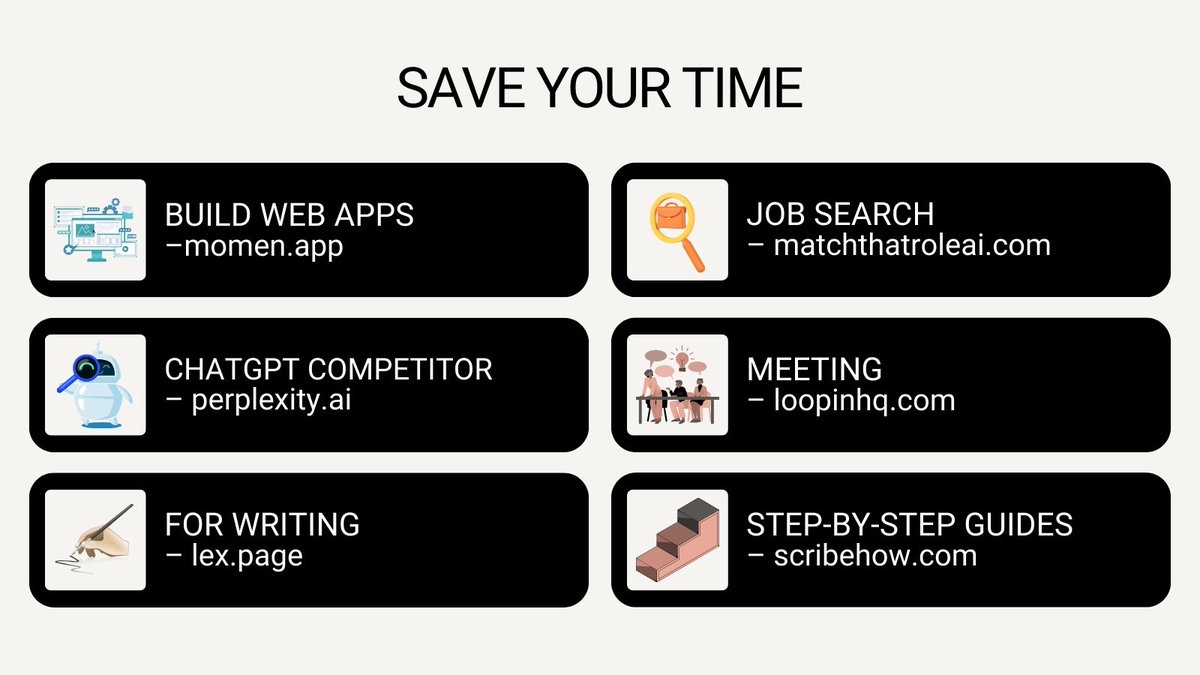
Here’s how you can use famous AI tools to deploy your products faster:
1) Use Perplexity AI for research.
2) Use ChatGPT to turn that research into a clear plan.
3) Use v0 .dev to design your product
4) Use Cursor to write the code.
5) Use Claude to fix bugs.
All of this?
Costs about $100/month.
3
13
1,371
Ishrat retweeted
26 Feb 2025
Claude 3.7 Sonnet Replit Agent v2
It's been a HUGE week for AI-powered development. Two major releases just dropped that are changing how indie hackers & solo founders build products.
Here's my experience with both:
1/ Anthropic's Claude 3.7 Sonnet
Just tested this and I'm genuinely blown away. This isn't just another incremental AI update - it's redefining what's possible for developers.
What's new:
- The new "extended thinking mode" solves complex problems that stumped earlier models
- Generating code that works the first time
- Command-line interface that feels like having a senior dev on your team
The most impressive part? It doesn't just write code - it writes *good* code with proper architecture and clean patterns. You can create entire Next.js applications in one shot.
2/ Replit Agent v2
Replit also just launched their second-gen AI coding assistant, and it complements Claude perfectly.
The standout features:
• Build full applications from plain English commands
• Real-time design preview as you describe what you want
• An intuitive workflow for non-tech founders
At $15/month (Core plan), it's saving weeks of development time and thousands in contractor costs.
What this means for indie hackers/solo founders
The barrier to entry for building software just dropped dramatically. Ideas that would have taken months can now be prototyped in days.
MVPs that cost $20K can now be built for a fraction of that. Features that required deep technical expertise are suddenly accessible to non-coders.
We are seeing the advancement of real-time software development.
3/ My take
These tools aren't replacing developers - they're supercharging them. The real value is in the problems you solve and the products you design.
The winners will be the founders who learn to leverage these tools effectively while focusing on what truly matters: solving real customer problems.
People are building crazy stuff.
Need proof?
Check out what @SullyOmarr built with Claude 3.7 Sonnet using this simple prompt:
"please create me a saas landing page template designed extremely well. create all components required"
2
5
955
Ishrat retweeted
30 Sep 2024
If you’re into health and have NoCode skills, this is a great opportunity
29 Sep 2024

I'm starting a new side project and I need a CEO/co-founder to run it.
I won't say exactly what it is but:
- Health related
- Involves laboratory testing
- Riding a major trend
- Public good/public service angle, but can likely make profit
Email me if you're interested.
You:
- Early stage of your career, but you've done stuff before
- Ready to dive in immediately
- Know how to build websites using NoCode tools like Webflow
- Passionate about public health
- Willing to work for a low starting salary (weighted towards bonus and equity)
1
1
7
1,207
Ishrat retweeted
11 Sep 2024
Your Conversion Rate is the outcome of 2 crucial steps:
1. A strategic approach to turning visitors into customers
2. Consistent optimization to maximize conversions at each stage
For the first step, you need to:
- Decide WHAT actions you want users to take
- Ensure your product truly solves their problems
- Make your value proposition crystal clear
Track these 3 key points in your SaaS pipeline.
First step is easier because YOU control the user experience.
But it gets trickier with the second step:
You need to turn potential into paying customers.
You need to:
- Go from "I want X% to convert"
- To "X% of my users are converting"
You don't decide anymore, YOUR USERS decide.
That's why the second step is harder and ongoing:
- Optimize your website and onboarding
- Use content to showcase value
- Stay consistent with your messaging
- Keep testing and improving (even when it's frustrating)
Keep refining your funnel to achieve the conversion rates you desire.
Remember:
- Average B2B SaaS trial-to-paid: 25-30%
- Rates vary widely (17.4%-51%) based on factors like:
• Industry and product complexity
• B2B vs B2C
• Marketing channels
• Subscription model
• Product maturity
Higher conversion rates = more customers = lower CAC
3
2
10
1,301
Ishrat retweeted
12 Aug 2024
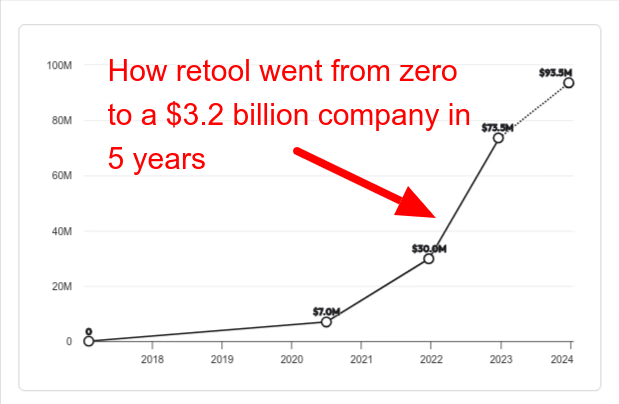
Just read about @retool's fascinating journey on Reddit:
• Founded in 2017 by David Hsu, 6 months after graduating from Oxford
• Solved the problem of slow internal tool development
• Started with YC, focused on staying "default alive"
• Find market fit fast by changing messaging, not product
• Grew to $500K revenue in first 9 months through cold outreach
• Public launch in 2018 with $2M ARR and 40 customers
By 2023: $93.5M revenue, 500,000 customers including DoorDash, Mercedes-Benz
Last raised $45 million at a valuation of $3.2 billion in 2022.
Key takeaways from Retool's journey:
→ Product-led growth freemium model
→ Heavy focus on customer success and rapid problem-solving
→ Sophisticated outbound sales inbound lead optimization
→ Built strong community, fueling organic growth
It's impressive how they turned a "boring" problem into a $3.2B company.
Shows the power of finding the right product-market fit, perfect timing, and relentless execution.
2
2
8
1,337
Ishrat retweeted
6 Aug 2024
Most of us struggle to build a culture of excellence.
Here's how Netflix builds a winning team:
Netflix, with over 25 years in the industry has built a strong, unique culture.
Netflix's CTO, Elizabeth Stone, leads the tech team. She is the first economist to hold this position at a Fortune 500 company.
Her team has built a streaming platform serving 230M subscribers globally.
Here's how Netflix recruits, manages, and empowers its teams to sustain its culture:
Hiring
Netflix offers salaries 10–20% higher than the average in the industry to attract top talent.
They customize compensation based on individual market values.
Ensuring employees feel valued without the constraints of long-term compensation packages.
This approach keeps the talent bar high and helps Netflix attract the top 1% of candidates.
Management
Netflix uses the "keeper test" where managers ask if they’d fight to keep an employee.
Their 8% turnover rate is well below the industry average and helps them maintain a high talent density.
Netflix gives continuous, direct feedback to employees instead of traditional performance reviews. This makes employees 15% happier.
Feedback at Netflix is direct and candid, yet supportive.
Managers give feedback one-on-one, which has helped them keep 12% of their employees.
Culture
They focus on what matters most. And produce over 1,500 hours of original content each year.
They provide significant autonomy to their 11,300 employees.
This freedom, along with a lot of responsibility, has made the team 30% more productive as a whole.
They also prioritize smart work over long hours, with an average workweek of 50 hours.
Netflix revises its culture deck once a year.
They pay above-market salaries to attract and retain talent.
When hiring, they look for people who will improve the entire team rather than just fill a role.
The culture has a lot of expectations, which can be stressful. Open communication is meant to help with this.
What's your take?
---
That’s it for now!
If you found value in this post, like and share it with your audience. Follow me @umar482 for more!
1
3
8
952
Ishrat retweeted
27 Jul 2024
@gregisenberg built a 7-figure business using Reddit and AI tools.
The way he does it is truly mind-blowing.
Here’s his process 🧵
1
2
3
894
Ishrat retweeted
22 Jul 2024
Why Notion horizontally re-shard its Postgres database?
In 2023, Notion's team switched the live database PostgreSQL cluster from 32 to 96 machines with no downtime.
Notion's database architecture has evolved several times to keep up with the rapid growth of its user base.
Initially, the company relied on a single, large Postgres database on Amazon RDS.
As usage increased, the database was horizontally sharded to handle the increasing load.
The 32-machine space shard served well for a while. However, as Notion continued to grow, several issues emerged:
Problems they were facing
• 90% CPU utilization at peak traffic
• Near-full disk bandwidth (IOPS) utilization
• Connection limits in PgBouncer
With 5.8 million potential user firms and an anticipated new-year traffic spike, the company needed a swift, careful solution to maintain performance and availability.
After evaluating multiple solutions, they decided to add More Databases!
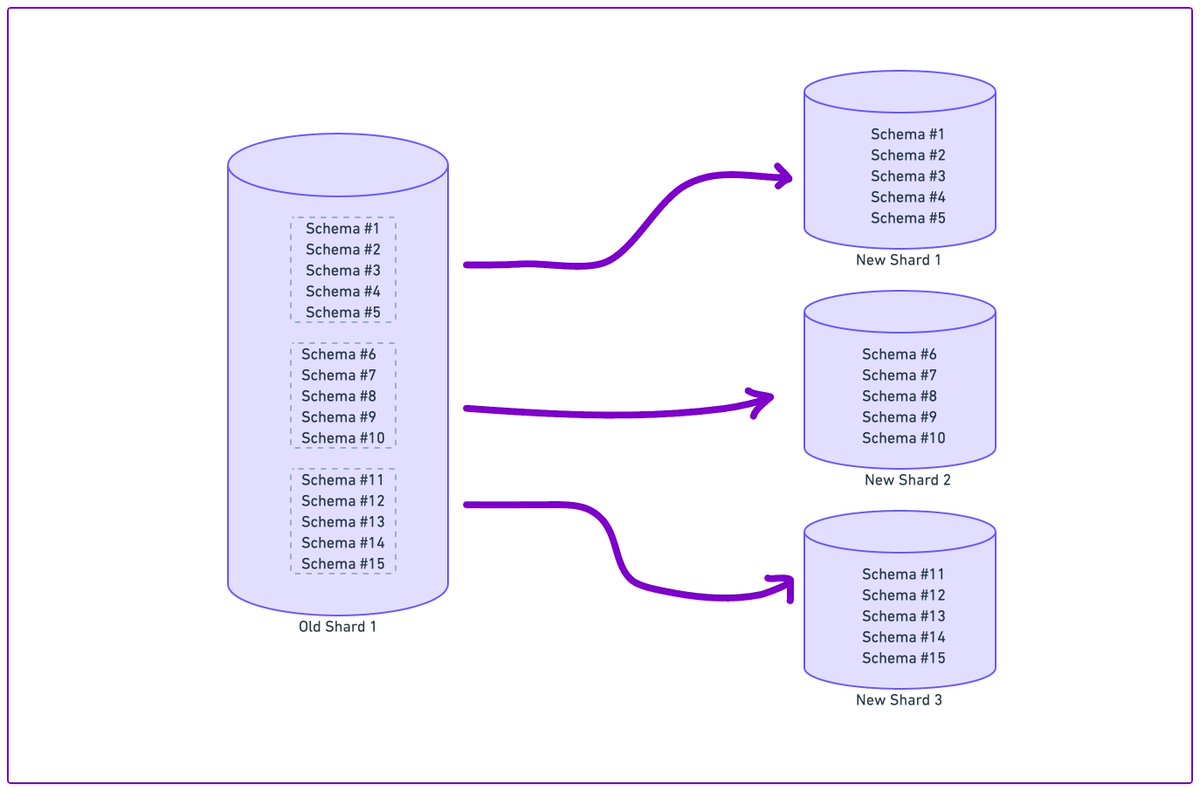
They chose to scale horizontally by tripling the number of instances from 32 to 96, allowing for load distribution and improved performance.
🔹Implementation steps
1/ Setting up the New Shards
They created a new database cluster using smaller instance types and disks.
⇢ Created 96 new database instances
⇢ Reduced from 15 to 5 logical schemas per database
⇢ Used Terraform for automated provisioning
2/ Synchronizing Data
They used Postgres logical replication to copy historical data and continuously apply new changes.
⇢ Created 3 Postgres publications per existing database
⇢ Set up subscriptions on new databases to consume publications
⇢ Skipped index creation during initial copy to speed up the process
3/ Verification
They run tests to ensure the integrity and performance of the data.
⇢ Split PgBouncer into 4 groups to manage connection limits
⇢ Gradually migrate traffic to avoid overwhelming databases
4/ Testing
Implemented "dark reads" to compare results between old and new databases
⇢ Limited comparisons to queries returning up to 5 rows
⇢ Implemented a 1-second delay in NodeJS web server using `setTimeout` to enable replication catch-up
5/ Failover
They executed a careful failover process to switch traffic to the new shards without downtime.
⇢ Paused traffic to existing database
⇢ Updated PgBouncer shard mapping
⇢ Resumed traffic to new shards
⇢ Implemented reverse replication for rollback capability
✅ By extending horizontal sharding, Notion's system scaled to handle increased load, providing a better user experience.
✅ The new CPU and IOPS utilization stays around 20% during peak traffic, so there is much room for growth.
Source: notion.so
---
That's all for now!
If you're finding value in this post, like and share it with your audience. Don't miss out on more insightful content — follow me @umar482
2
6
1,342
Ishrat retweeted
12 Jul 2024
How engineering leaders build High-Performance teams?
Building a high-performance team demands sharp focus & top Engineering Leaders know this.
Here’s their blueprint 🧵↓
1
3
3
912
Ishrat retweeted
3 Jul 2024
Netflix has around 2800 Java applications & around 1500 internal libraries.
Netflix is primarily a Java-based company. Uses Java for its backend across its various applications.
Including
- internal tools
- film production software
- streaming.
Over the years, they have continuously evolved their Java usage to meet the demands of their large-scale video streaming platform.
They previously used custom frameworks and legacy Java EE libraries.
How Java has evolved at Netflix:
Netflix's journey to adopt different technologies shows their quest for efficient, scalable solutions.
It all started nearly seven years ago when Netflix started using Groovy in a microservices setup, where each service handled specific tasks and data.
They used Groovy scripts and a backend-for-frontend system for better data retrieval and integrated RxJava and Hystrix for fault tolerance and concurrent operations.
However, managing scripts and reactive programming was difficult, leading to data fetching problems with their REST APIs.
So, Netflix switched to GraphQL Federation, combining microservices into Domain Graph Services (DGSs) with a unified GraphQL schema.
This change streamlined data fetching, removed the need for separate backends, and reduced reliance on RxJava and Hystrix.
GraphQL’s schema-based querying provided accurate data tailored to UI needs, making development more efficient.
🔹Java at Netflix
Netflix relies heavily on Java to support diverse functions, with 2800 microservices and 1500 internal libraries.
Their Java setup includes the Azul Zulu JVM, an OpenJDK build. They use Gradle with Nebula plugins for version control and dependency management, and IntelliJ with custom plugins for development workflows.
The transition from Java 8 to Java 17 marked a significant milestone for the company. Before, they were stuck on Java 8, even though Java 11 and 17 were available. The delay was due to older microservices running on a custom stack with outdated libraries.
When they finally upgraded to Java 17, they saw a 20% improvement in CPU usage with the G1 garbage collector on Java 17.
For their proxy, Zuul, they use the Shenandoah garbage collector because of its low pause times.
They have begun testing Java 21 as well, as it is already out. Moving to Java 21 from Java 17 is easy and brings exciting features. Virtual threads offer better scalability, and the enhanced ZGC garbage collector works for more use cases. Java 21 also introduces data-oriented programming with new language features, making Java even more powerful.
🔹Spring Boot 3
Netflix has successfully migrated from its legacy Java stack to Spring Boot.
It was challenging, but it unified their development process. All new applications are developed using Spring Boot, and Netflix has developed Spring Boot Netflix, which incorporates gRPC, Spring Security, and observability features.
The switch also enabled the transition from Java 8 to Java 17, with plans for Java 21 .
From in-house frameworks to modern microservices using RxJava and GraphQL Federation, Netflix's Java stack has improved scalability and efficiency with each adaptation.
---
That's all for now!
If you're finding value in this post, like and share it with your audience. Don't miss out on more insightful content — follow me @umar482
2
4
1,109
Ishrat retweeted
28 Jun 2024
I've written a lot about founders, but here are the top 10 stories you must read.
These founder stories will blow your mind & inspire you to work harder.
From garages to billion-dollar companies, these are pure gold.
Don't miss out — bookmark for later 🧵
1
5
2
849
Ishrat retweeted
24 Jun 2024
I recently read an article on how @37signals handles internal communication & it’s quite enlightening.
Here's how they ensure efficiency in their communications: 🧵
1
3
3
1,035