
AI × XR × Culture | Co-founder @MidBrainAi and @thepointlabs | ex-@volvocars innovation lead |Teaching machines to make sense. Nerd by day rock star by night 🎸
Joined September 2011
- Tweets 4,987
- Following 2,209
- Followers 1,834
- Likes 20,995
713 Photos and videos
Pinned Tweet

2 Feb 2020
34
160
558

Highly recommended reading.
Don't offload your learning. Don't offload your creative process.
"You can offload a task, or even a job, but you can never offload your learning."

11
16
282
45,232

LOS DISEÑOS DE IA SE VEN GENÉRICOS PORQUE NO SIGUEN NINGÚN SISTEMA DE COMPOSICIÓN REAL.
Esta Skill lo resuelve → le enseña a tus agentes el sistema de grid de Müller-Brockmann (la base del diseño editorial moderno, en 162 páginas) y ahora lo aplican directamente en código.
Cuadrícula real, jerarquía visual, tipografía y maquetación con criterio. No “que se vea bien a ojo”, sino reglas de composición de verdad.
100% gratis y Open Source.
Funciona en Hyperagent o con cualquier otro agente.
Yo la voy a probar en mis próximos proyectos web y demos.
Enlace a la Skill abajo 👇
#HyperagentPartner
Jun 12

We wanted better design fundamentals from our agents.
So we fed them this 162-page pdf on designing with a grid system.
Now our agents use code to adhere to a grid and design beautiful layouts.
Example skill below 👇
31
446
4,458
370,135
Jun 13
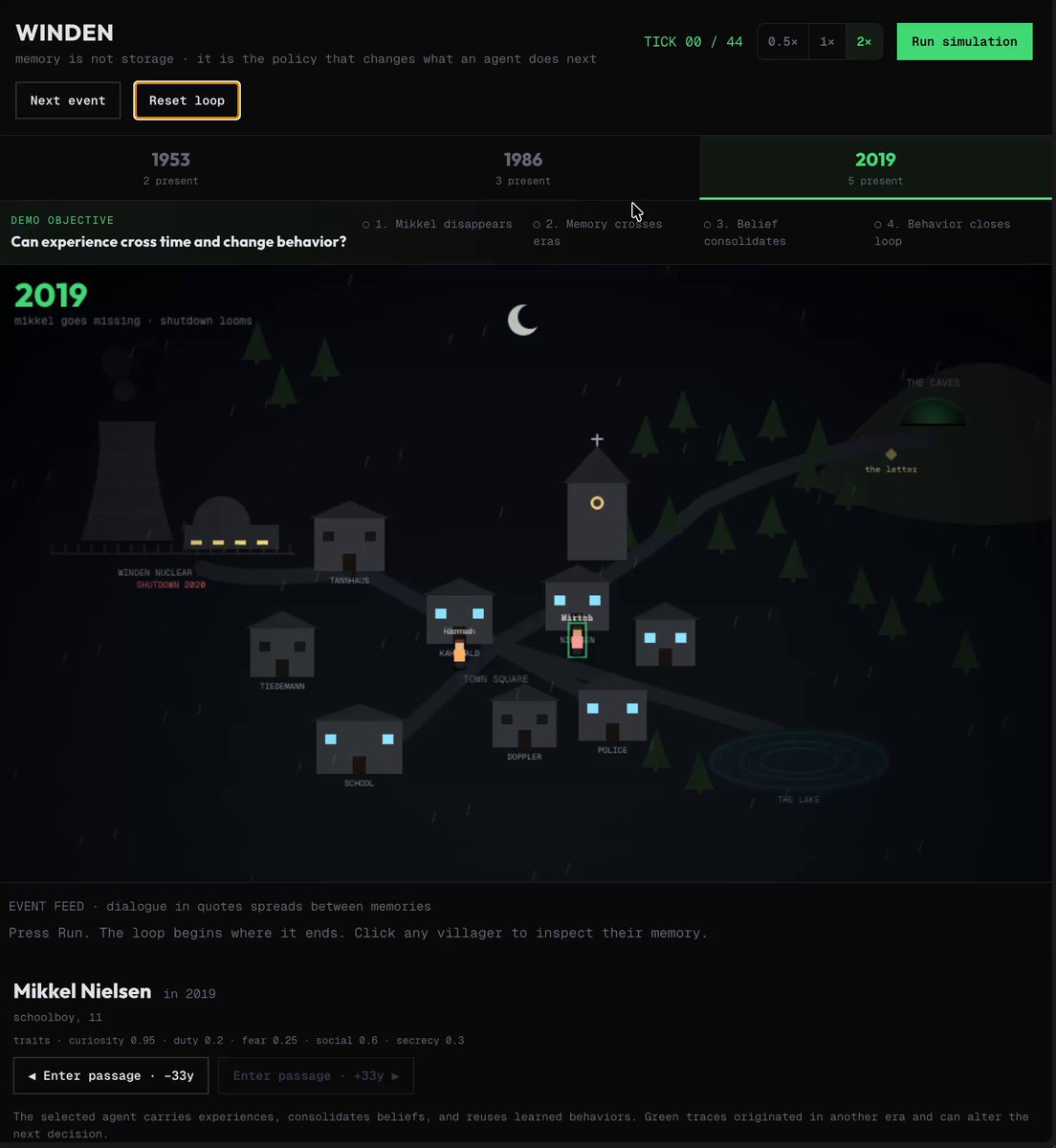
Building long-running agents in @Minecraft taught me one thing: capability was never the problem. Continuity was.
Voyager showed me lifelong skill-building. Smallville showed me memory-driven behavior. Both said the same thing: storing isn't learning.
So I built a simulation where memory is the core loop. Inspired by Dark.
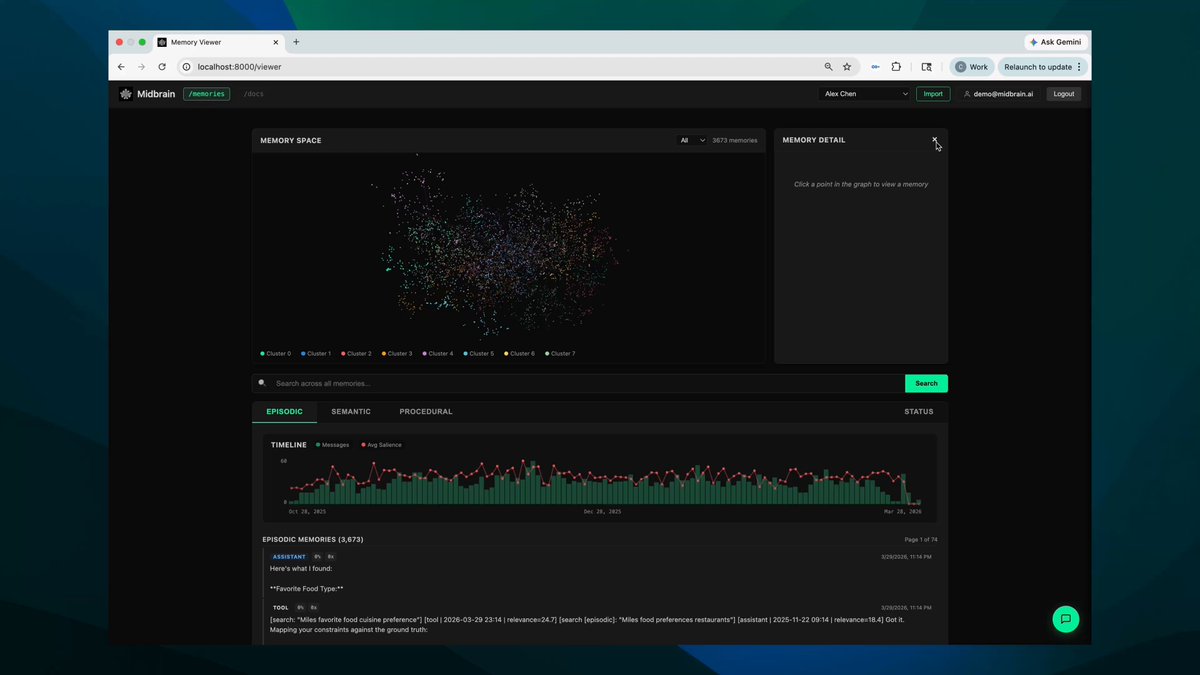
A town. Three timelines. A passage between them. Every character runs episodic, semantic, and procedural memory.
Travelers carry memories across time. The world resets, the memory doesn't. Conversations spread it. Beliefs consolidate. Behavior changes.
And you can trace any action back to the memory that caused it, in any era.
Change a memory, change the past and the future at once.

2
7
234
Timmy Ghiurau retweeted

May 24
made a site that picks the closest rothko for how the weather feels outside your window

172
1,480
15,370
1,367,041
Jun 11
The post-privacy point is exactly where we drew the hard line. The agent withdraws the moment a banking app opens. Dims, drifts to the edge, goes silent. No model output can override it.
And the memory is client-owned.
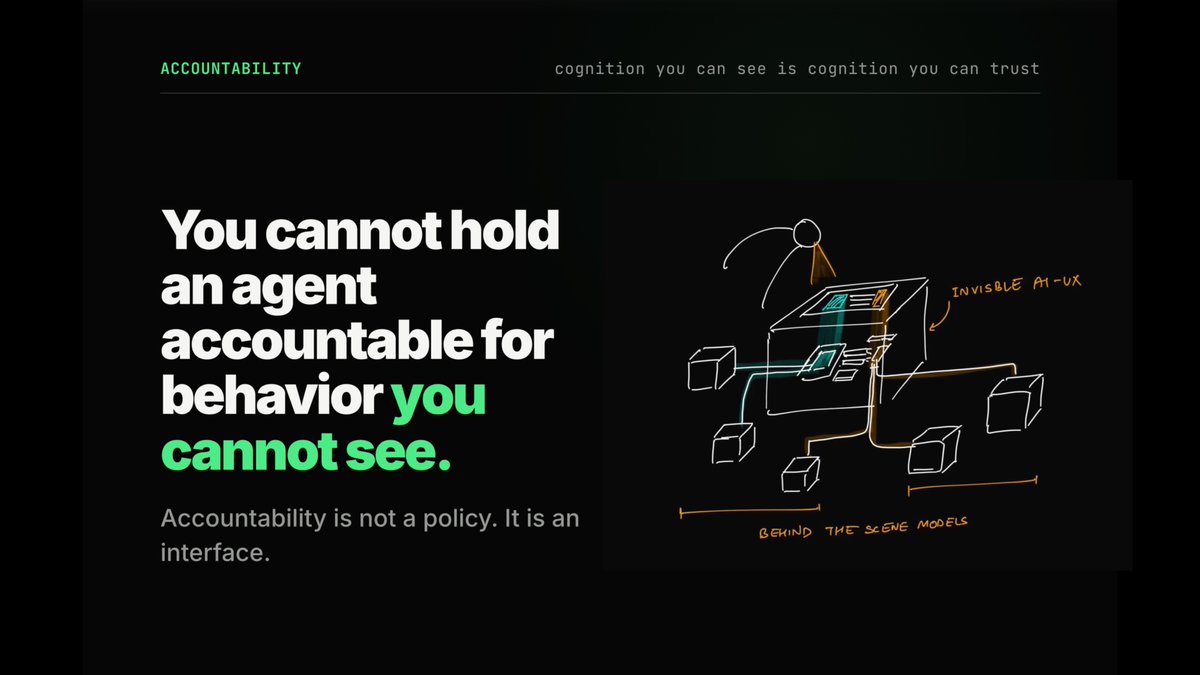
Encrypted, inspectable, deletable. You can see every procedure it learned about you and delete any of them. Learning you can't see is learning you can't trust.
Jun 10

I've known Timmy for a while, he worked on Volvo's user experiences in its cars.
And I love Clicky, so read this with interest.
But this toward the end got me to cheer:
"Now it inverts. The tool can finally adapt to us. Remember us. Watch the right things. Judge when to step in. Four ingredients had to mature at once, and they just did."
I'm in the post privacy world. AI already knows everything about me except my bank account (and yesterday I saw an AI that will get even that).
Now developers can choose to do evil with that (Black Mirror style) or they can help humans do their shit better.
Timmy is on the good side.
Looking to try things from entrepreneurs who are also on the good side.
1
2
13
4,670
Timmy Ghiurau retweeted

Jun 10
I've known Timmy for a while, he worked on Volvo's user experiences in its cars.
And I love Clicky, so read this with interest.
But this toward the end got me to cheer:
"Now it inverts. The tool can finally adapt to us. Remember us. Watch the right things. Judge when to step in. Four ingredients had to mature at once, and they just did."
I'm in the post privacy world. AI already knows everything about me except my bank account (and yesterday I saw an AI that will get even that).
Now developers can choose to do evil with that (Black Mirror style) or they can help humans do their shit better.
Timmy is on the good side.
Looking to try things from entrepreneurs who are also on the good side.
6
3
23
9,656
Timmy Ghiurau retweeted

Jun 10
I asked Fable 5 to recreate Monopoly but make each of the properties an AI lab or startup.
It implemented everything - game rules, money system, turns, even share codes for multiplayer games.
Once you have a monopoly, you can build racks and eventually a data center 🤓
120
135
2,198
424,051
Jun 9
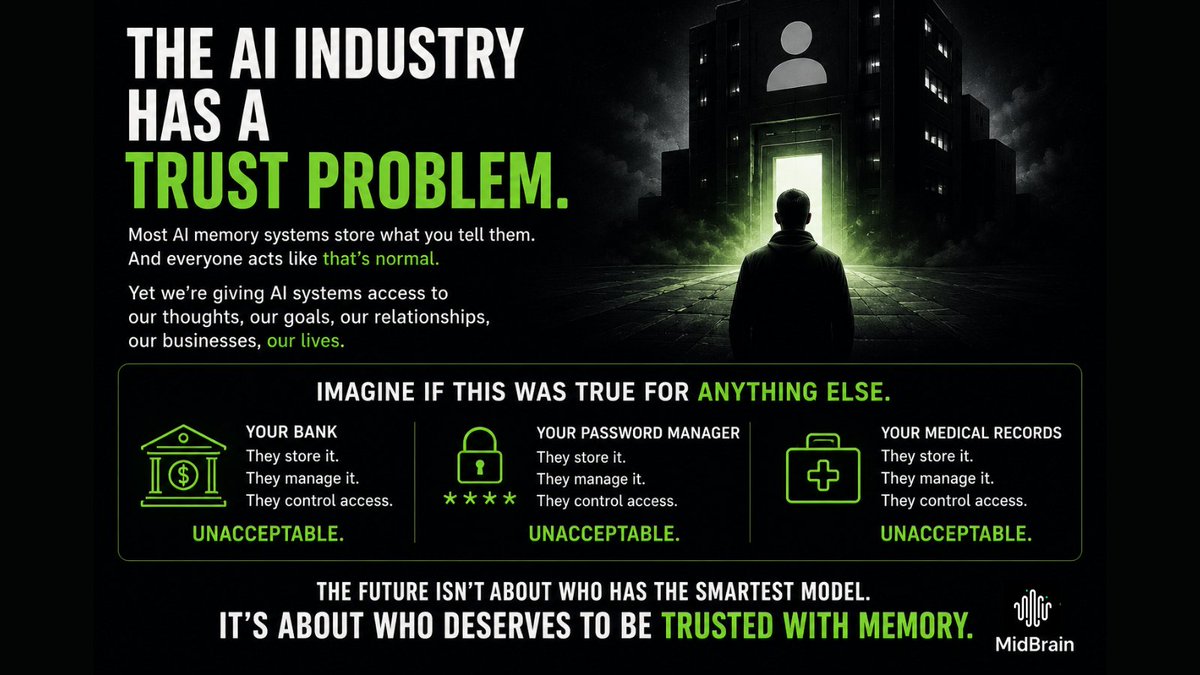
The AI industry has a trust problem.
Your bank stores your money. You control access.
Your password manager stores your logins. You control access.
Your AI stores your thoughts, your plans, your relationships. The company controls access.
We would never accept the first two. We call the third one progress.
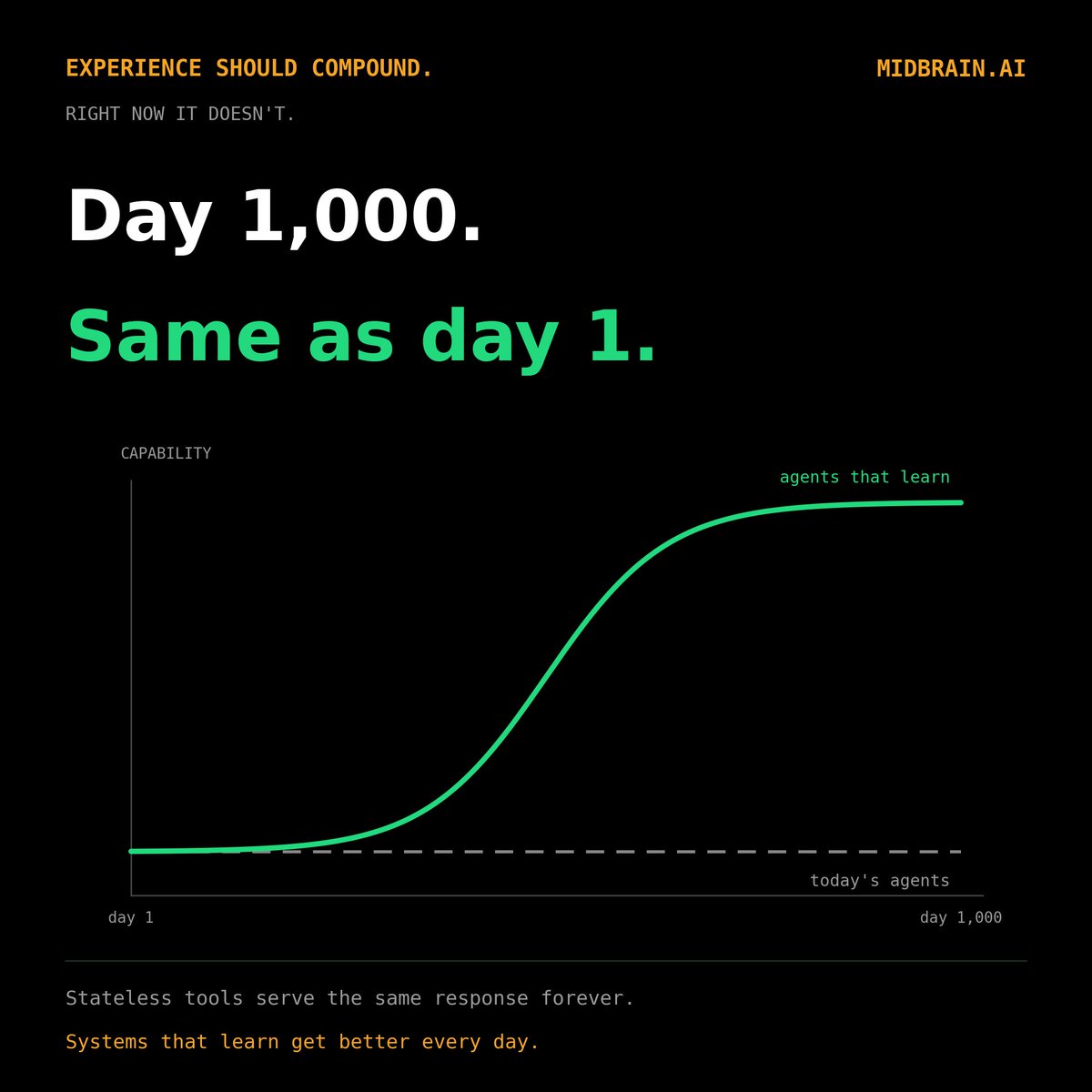
Prompts are transient. Memory compounds.
The question was never "can AI remember?" It's who owns what it remembers.
1
2
122
Jun 9
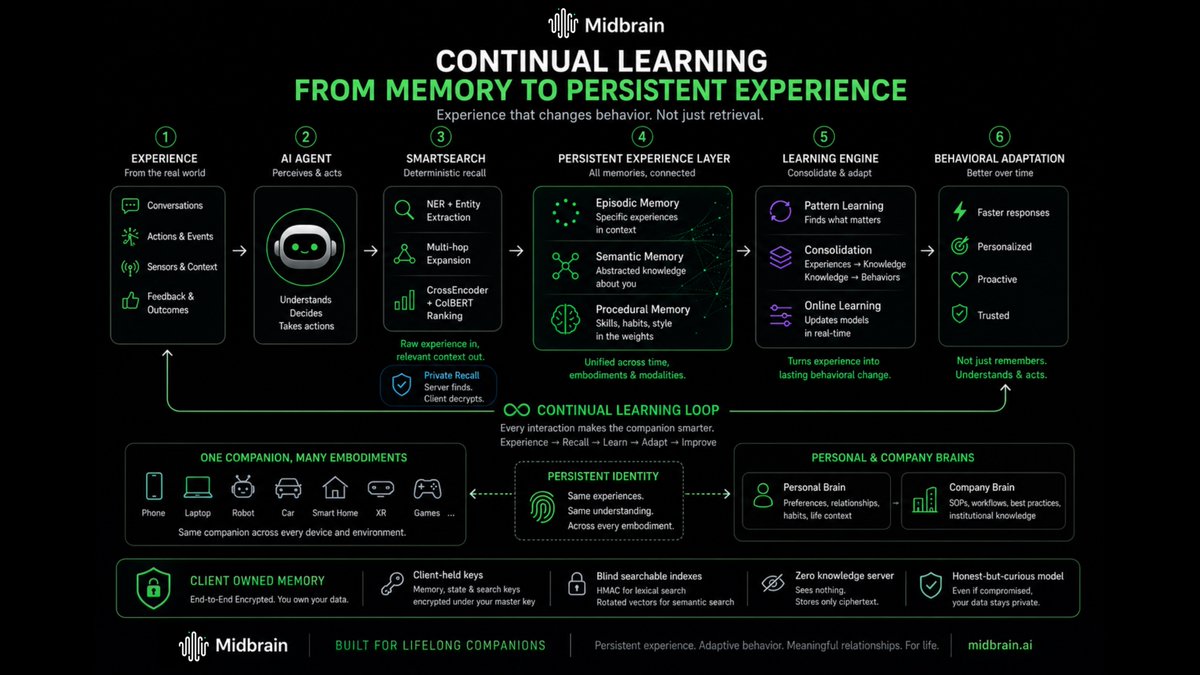
One of the biggest misconceptions in AI is that learning only happens in the weights.
It doesn’t.
Humans don’t update their brains every time they learn something.
We write notes.
We create frameworks.
We tell stories.
We build tools.
We externalize memory.
Civilization itself is an external memory system.
Books.
Maps.
Scientific papers.
Code.
Institutions.
The most powerful ideas in history weren’t transmitted through biology.
They were transmitted through artifacts.
That’s why I find this discussion around “text optimization” so important.
Prompts, memory systems, retrieval, agent harnesses, reflections, procedures, learned workflows, personal knowledge bases…
These aren’t hacks around intelligence.
They’re part of intelligence.
The interesting question isn’t:
“Should learning happen in the weights or in memory?”
The question is:
“What kind of knowledge belongs in each layer?”
Stable knowledge belongs in weights.
Personal experience belongs in memory.
Procedures belong in external artifacts.
Reasoning belongs in active context.
The future of AI won’t be defined by larger models alone.
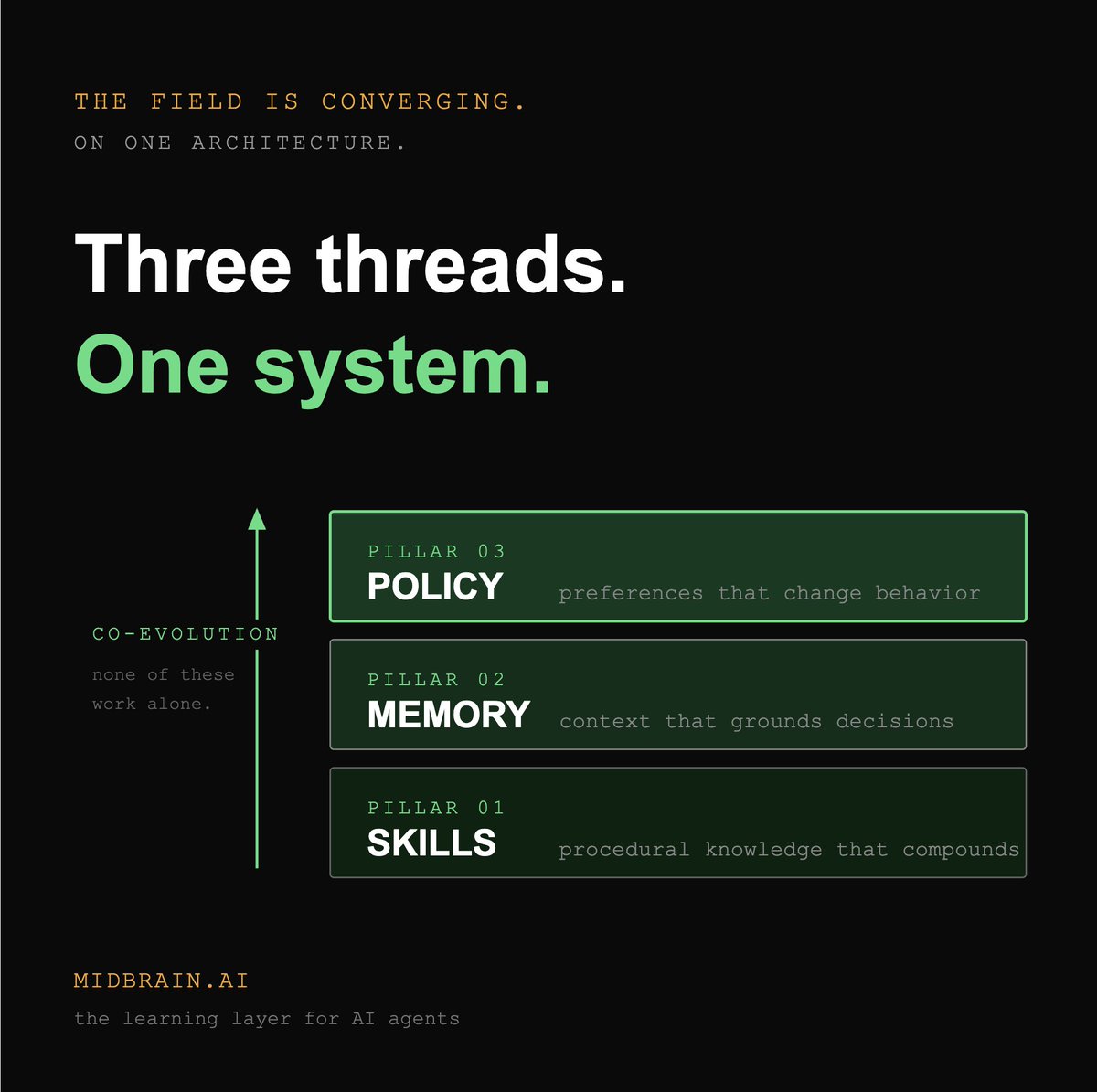
It will be defined by how effectively systems convert experience into behavior.
In many ways, we’re rediscovering something humanity has known for thousands of years:
Intelligence has always been distributed between minds and the artifacts they create.
Excellent piece by Yoonho Lee.

2
125
Jun 8
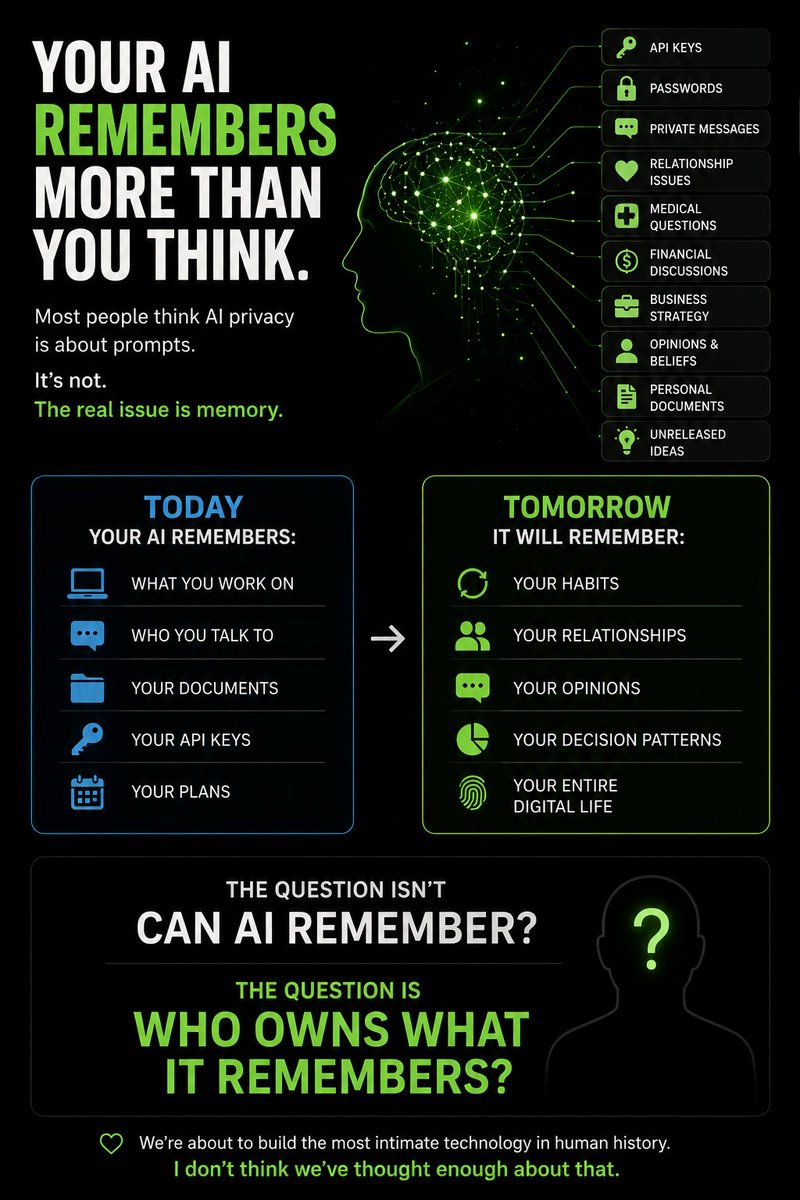
In 2026, your AI's intimate memory of you - API keys, medical
questions, unreleased ideas - sits in a vendor's database, in plaintext, with their staff holding the key.
AI privacy discourse stops at the prompt. The real surface is memory.
The question isn't whether AI will remember more about you next year than it does this year. It will.
The question is who owns what it remembers.
A compromised database exposes zero readable content. Switching providers leaves no plaintext trail.
Lifelong companions need lifelong privacy. A memory you don't control isn't yours.
#AgentMemory #Encryption #Privacy
1
2
99
Timmy Ghiurau retweeted

Jun 7
Spent some time over the weekend building a scraper to collect all existing dynamic workflows. The feature only appeared about a week ago, so there aren't that many in the wild yet - around 800. Based on GitHub activity, roughly 100 new ones are being published every day.
Almost all of them are focused on software development, but the main advantage over skills is already obvious.
Skills are an old concept at this point. They were hugely popular in February-March 2026, but it's June now, and the models have predictably absorbed most of the knowledge that any public skill on the internet could provide.
In more than half of cases, public skills either provide no measurable benefit or actively make the outcome worse than simply asking an LLM to solve the problem. I ran a small eval to test this: comparing an agent equipped with coding skills against a plain LLM that was asked to come up with a plan and implement the solution. The results were far from favorable to skills.
Workflows are different because they are codified, programmable systems that manage and orchestrate work.
If the purpose of a skill was to tell an LLM how to perform a task, today's work is increasingly shifting toward building algorithms with validation, feedback loops and control mechanisms that orchestrate agents around a goal.
Jun 6

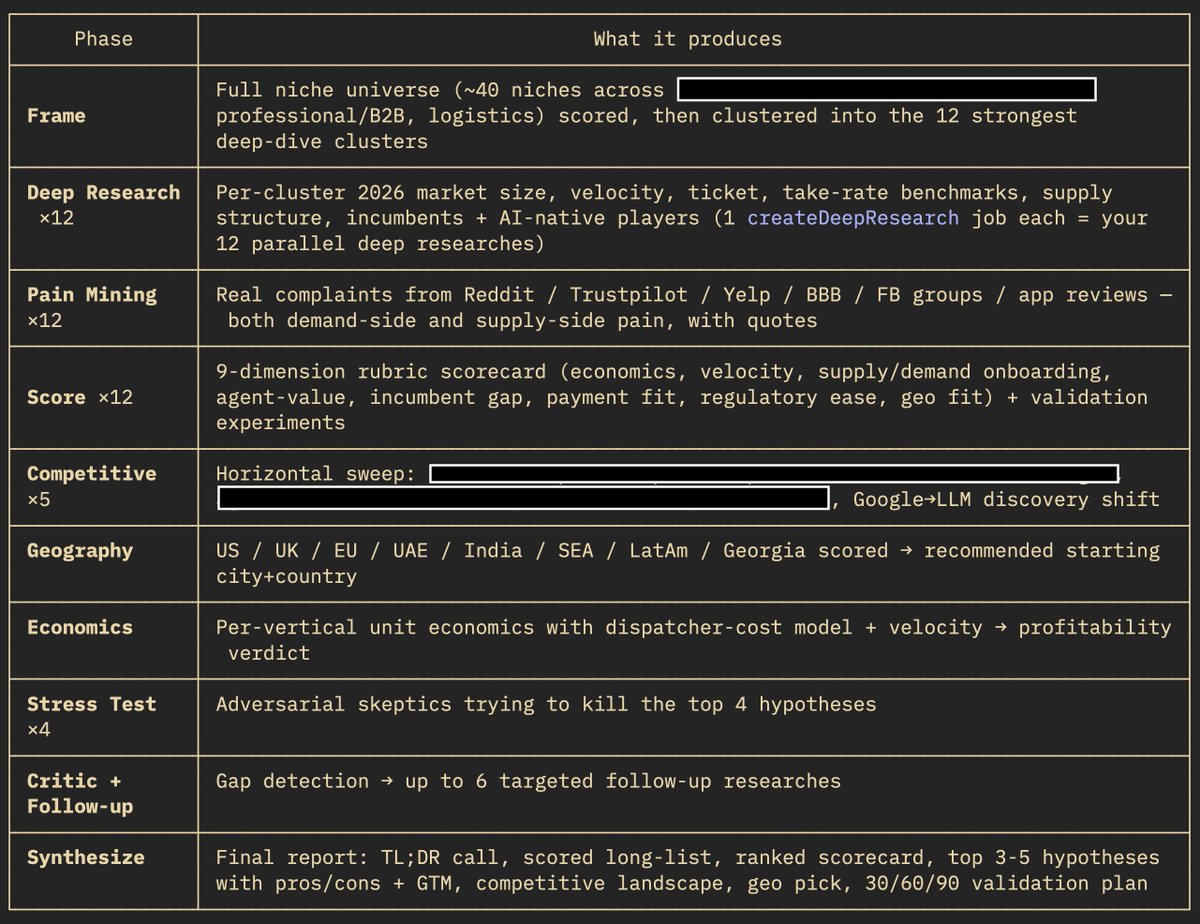
A dynamic workflow like this consumes ~10M tokens but delivers a comprehensive market research report that previously would have required dozens of deep research runs and hours of data compilation
I'm running this for every project that applies to @cyberfund and gets through first interview phase.
5
3
167
22,383
Timmy Ghiurau retweeted

Jun 6
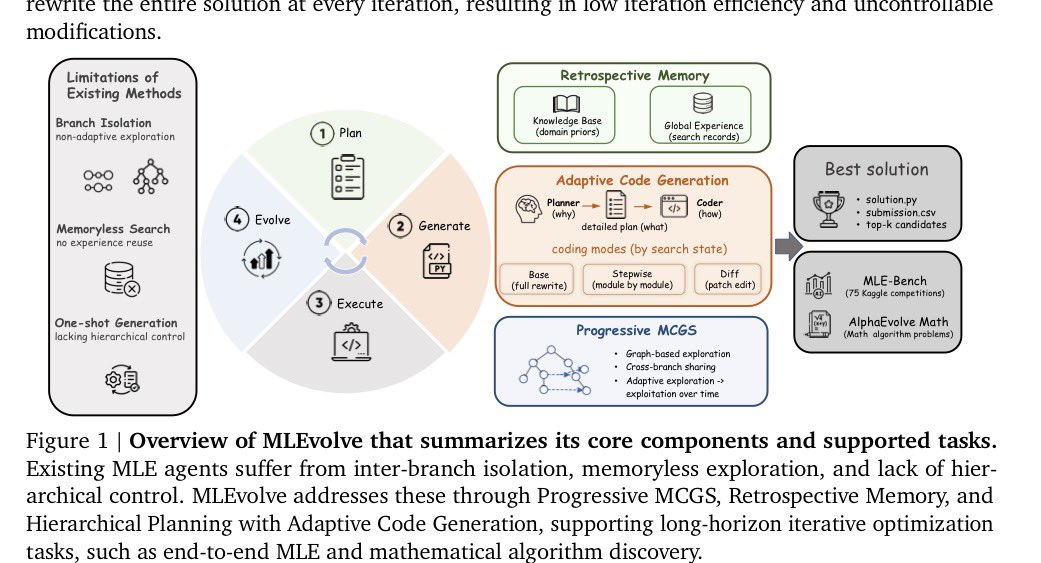
MLEvolve – Self-Evolving Multi-Agent System Masters Automated ML Algorithm Discovery at Scale
New paper on LLM-based framework using Progressive MCGS (Monte Carlo Graph Search) for cross-branch knowledge sharing, Retrospective Memory for experience reuse, and decoupled planning/coding.
Achieves SOTA on MLE-Bench (high medal/valid submission rates in limited time) and outperforms specialized methods like AlphaEvolve on math optimization.
Why It Matters / Implications:
Tackles long-horizon scientific discovery bottlenecks in MLE agents (isolation, memoryless search). Enables autonomous evolution of algorithms; strong cross-domain generalization with practical efficiency gains for research and industry pipelines. Code released.
• Link: arxiv.org/abs/2606.06473
8
11
69
5,141
Jun 6
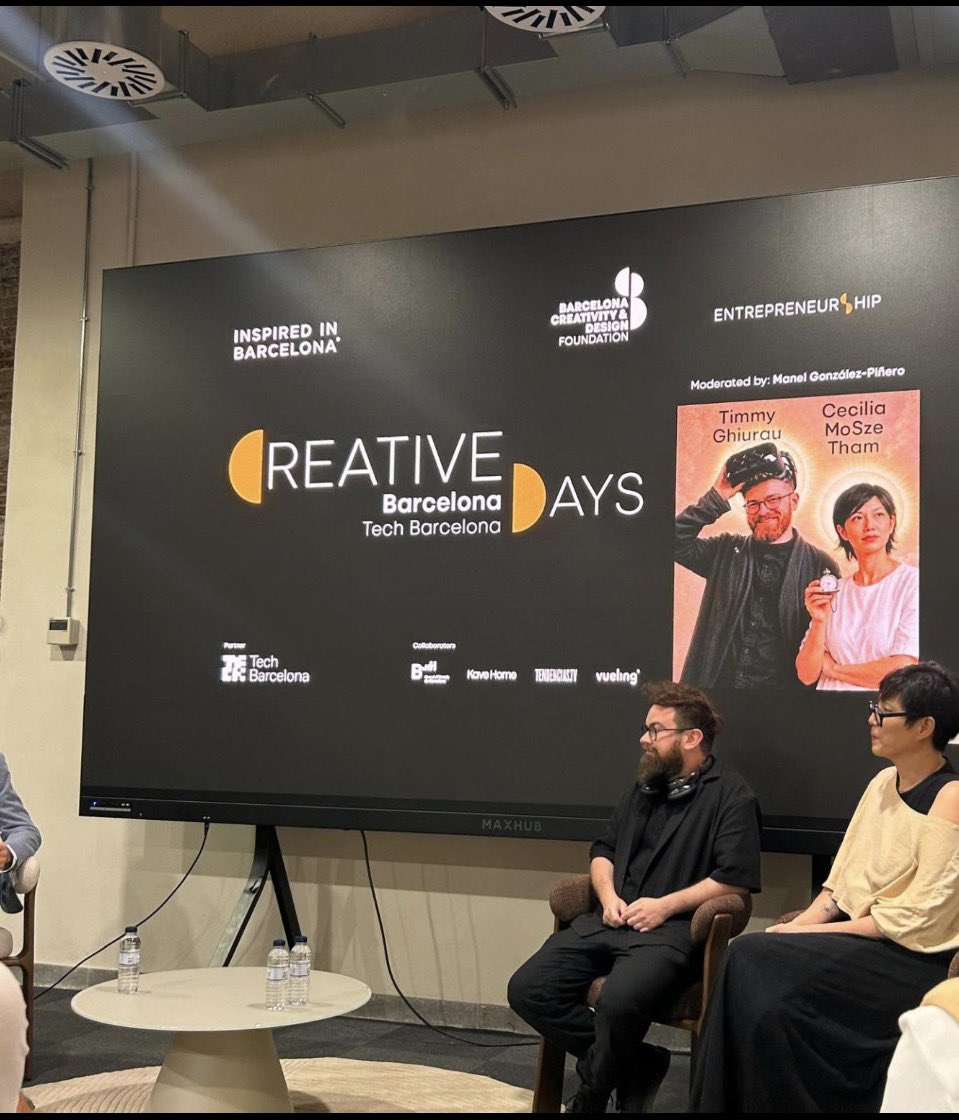
Still sitting with this conversation from Creative Days Barcelona…
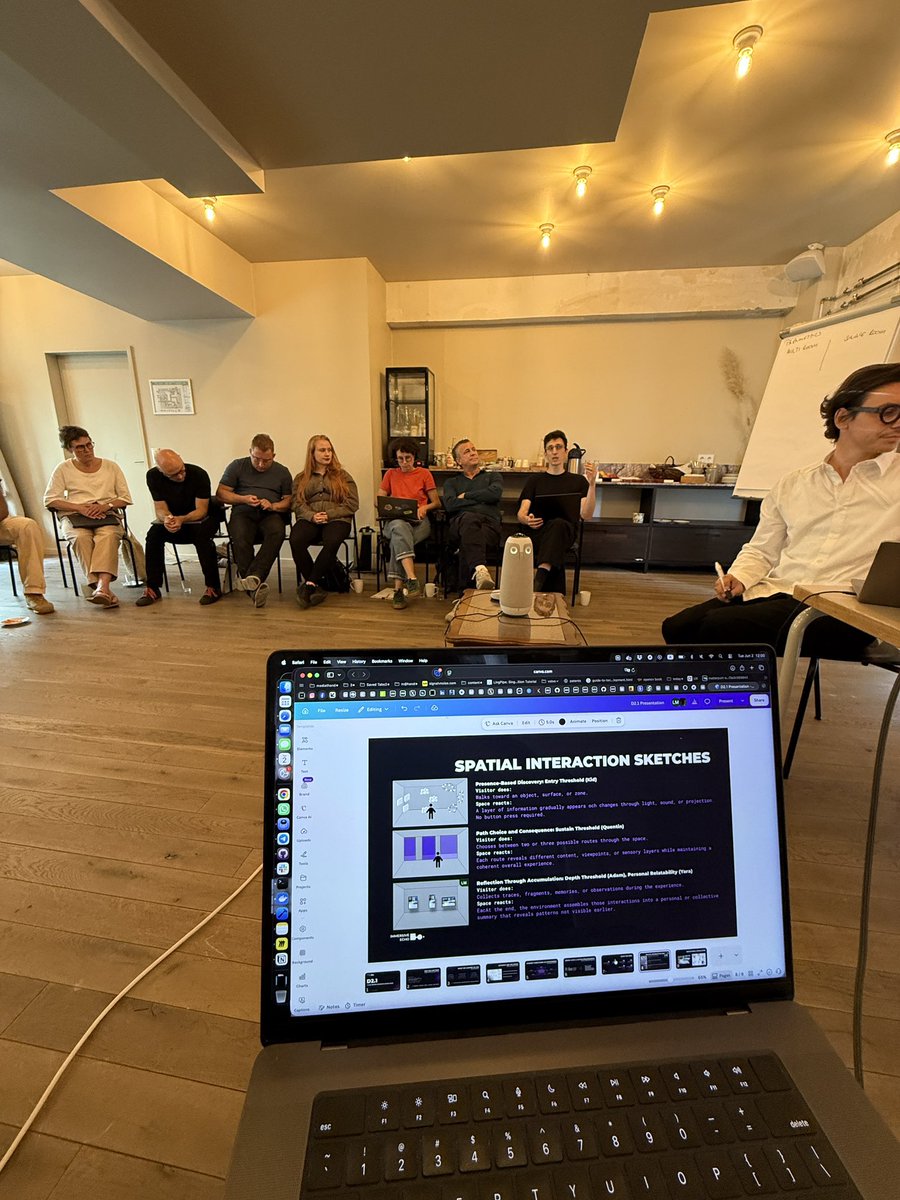
A few days before, I was in Berlin with Futurity Systems, talking about the future of heritage, culture, and how we design experiences that don’t just preserve the past… but help people imagine new relationships with it.
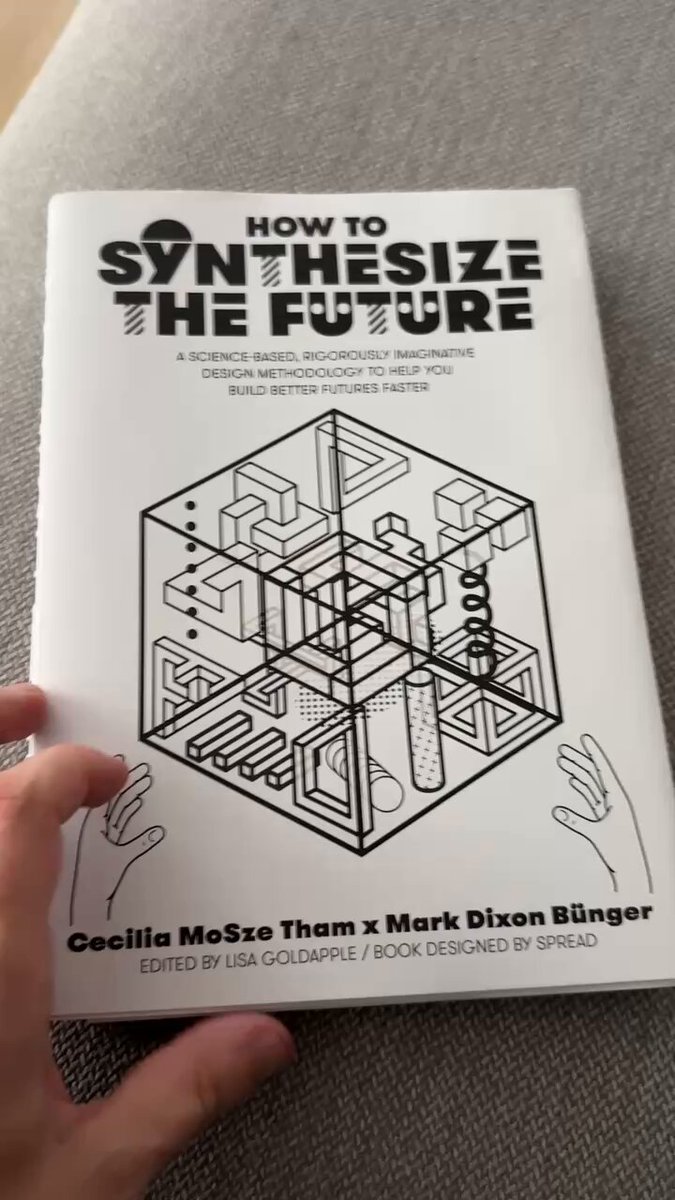
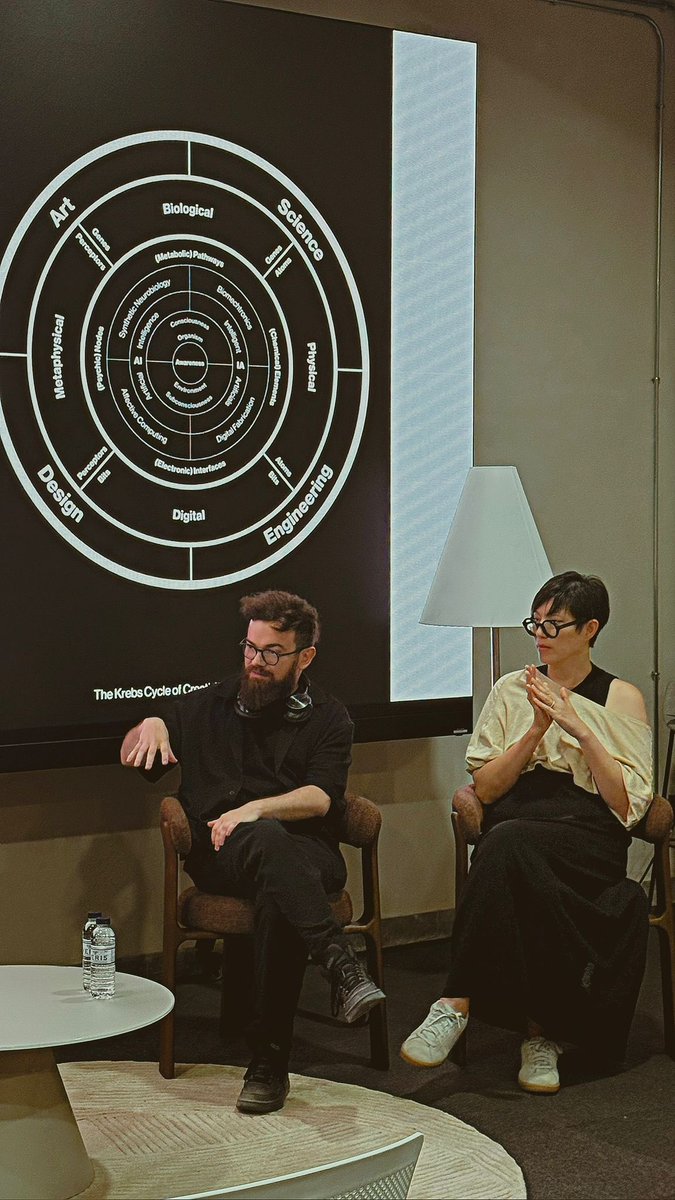
Then, a few days later in Barcelona, I found myself on stage with Cecilia MoSze Tham, moderated by Manel González-Piñero, speaking about creativity, entrepreneurship, AI, cities, and the strange human ability to imagine futures before they exist.
It felt like one continuous conversation.
From Bauhaus to AI.
From heritage to simulation.
From cities to cognition.
From creativity as craft… to creativity as a way of synthesising possible futures.
For me, this is also deeply connected to what we are building at MidBrain.
The human brain is not just a machine for remembering the past. It is constantly simulating. Predicting. Combining fragments. Testing possible futures before they happen.
Imagination is not an escape from reality… it is one of the ways we prepare reality.
And maybe that is why simulation, design, art, science, and entrepreneurship are so connected. They are all ways of asking:
What could happen?
What should happen?
What kind of future are we rehearsing into existence?
It was also very special to finally meet Cecilia in person after so many years of talking, exchanging ideas, and building in parallel… and to visit her lab in Barcelona.
Some collaborations begin long before people are physically in the same room.
And when they finally are, you realize the conversation was already alive.
Thank you Creative Days Barcelona, Tech Barcelona, Barcelona Creativity & Design Foundation, Entrepreneurship, Manel, Cecilia, and everyone who joined the discussion.
The best conversations don’t end on stage…
They keep moving between people, places, and the futures we are still learning how to imagine.
3
103