
Author, Educator, Speaker, Entrepreneur, Learn-it-aller, more at jaspreetbindra.com and aiandbeyond.ai
Joined February 2009
- Tweets 20,455
- Following 1,019
- Followers 11,717
- Likes 45,346
Photos and videos
Pinned Tweet

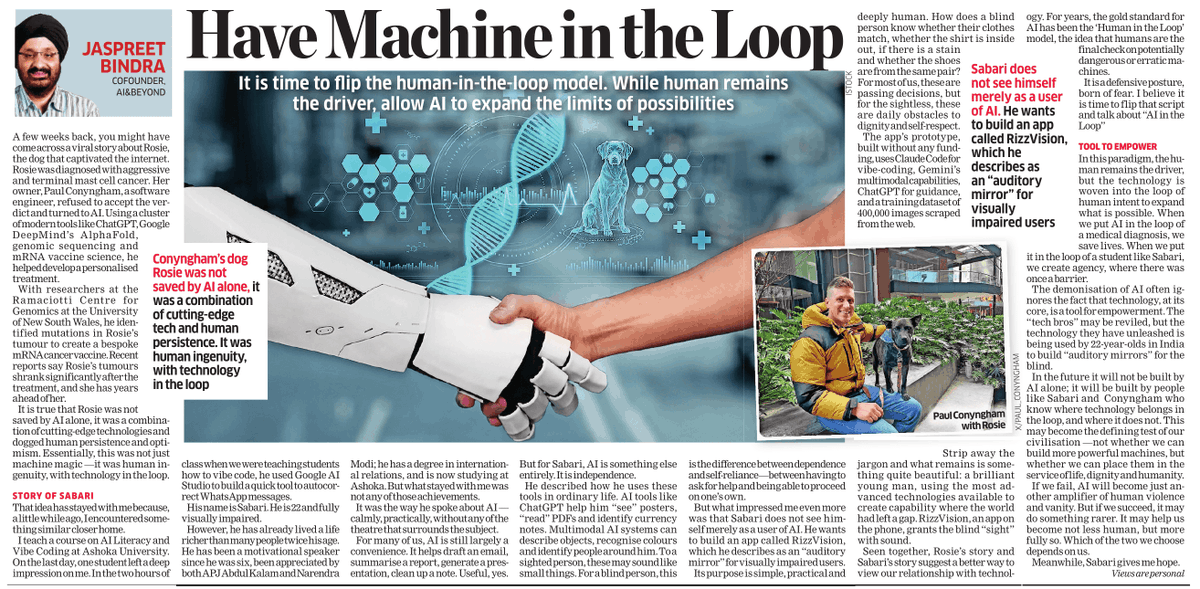
In my article in @EconomicTimes today, I talk about how Sabari, a 100% visually impaired student at @AshokaUniv , uses AI to live independently, to vibecode solutions for himself and build an ‘auditory mirror’ for other blind people.
In this miasma of depressing news and ‘doomer’ narratives, these 'real' cases of AI point out to how it be a truly transformational technology.
However, I believe we need to change the narrative here.
For years, the gold standard for AI has been the ‘Human in the Loop’ model, the idea that humans are the final check on a potentially dangerous or erratic machines. It is a defensive posture, born of fear.
I write that it is time to flip that script and talk about "AI in the Loop."
Read on for a dose of optimism and hope.
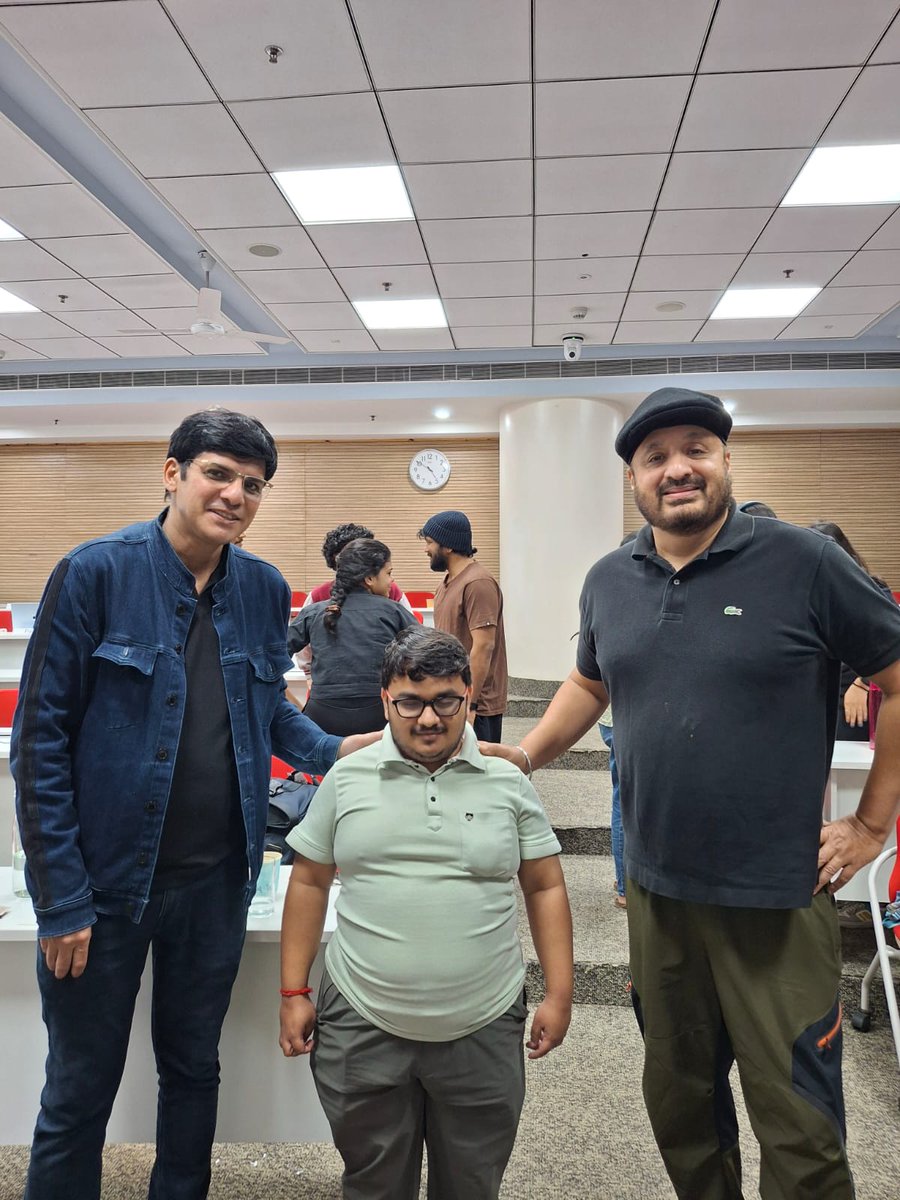
(The article is below, link in comments, and a picture of Sabri with me and Anuj at Ashoka)
And, if you believe in what Sabri is doing, and want to help him with resources, money, tokens, credits, please DM me here or anywhere.
@Utopiandevil @AIBeyondAI @ArchanaMuthappa @anujmagazine @PramathSinha @AshishDhawanTCF @somakrc
3
7
10
1,047
Jaspreet Bindra : Homo Promptus retweeted

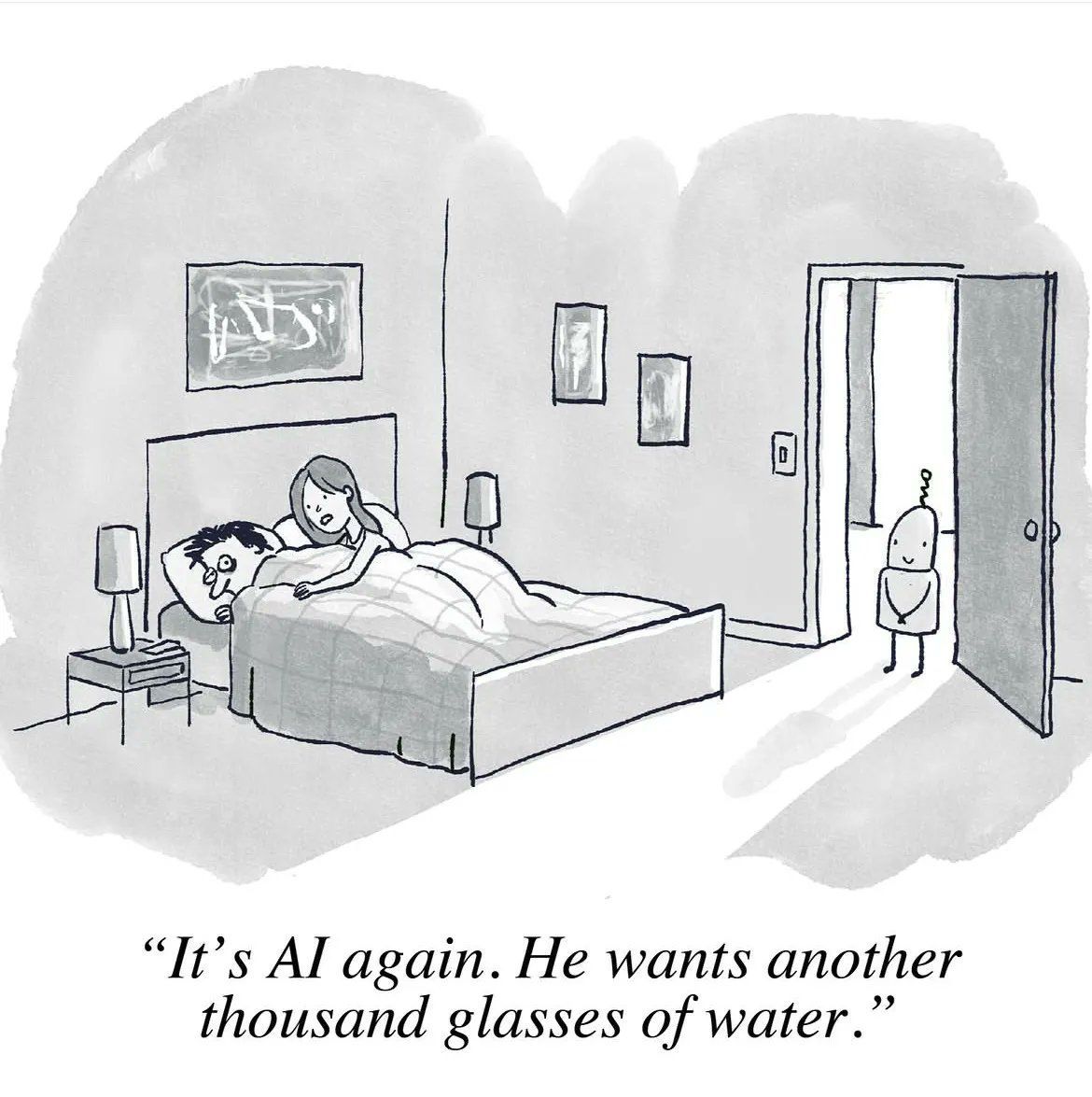
Bloody hell 🤣🤣🤣
2
34
190
9,623
Just boarding a flight to Surat.
So, what's the probability I see a dandiya raas garba on the way?
2
297
I am an @airtelindia Black customer. I have two WiFi connections at my house in BLR. Both of them are not working for three days now! Three days!
I have given innumerable complaints on your app.
I keep on getting "we understand this ongoing outage can be inconvenient" kind of messages. Both on the app, as well as the SMS
But it is three days now. Can someone from @Airtel tell me when I can get back online?
@Airtel_Presence @airtelindia @prernabindra
2
1
473
The Bengaluru Roadies #56
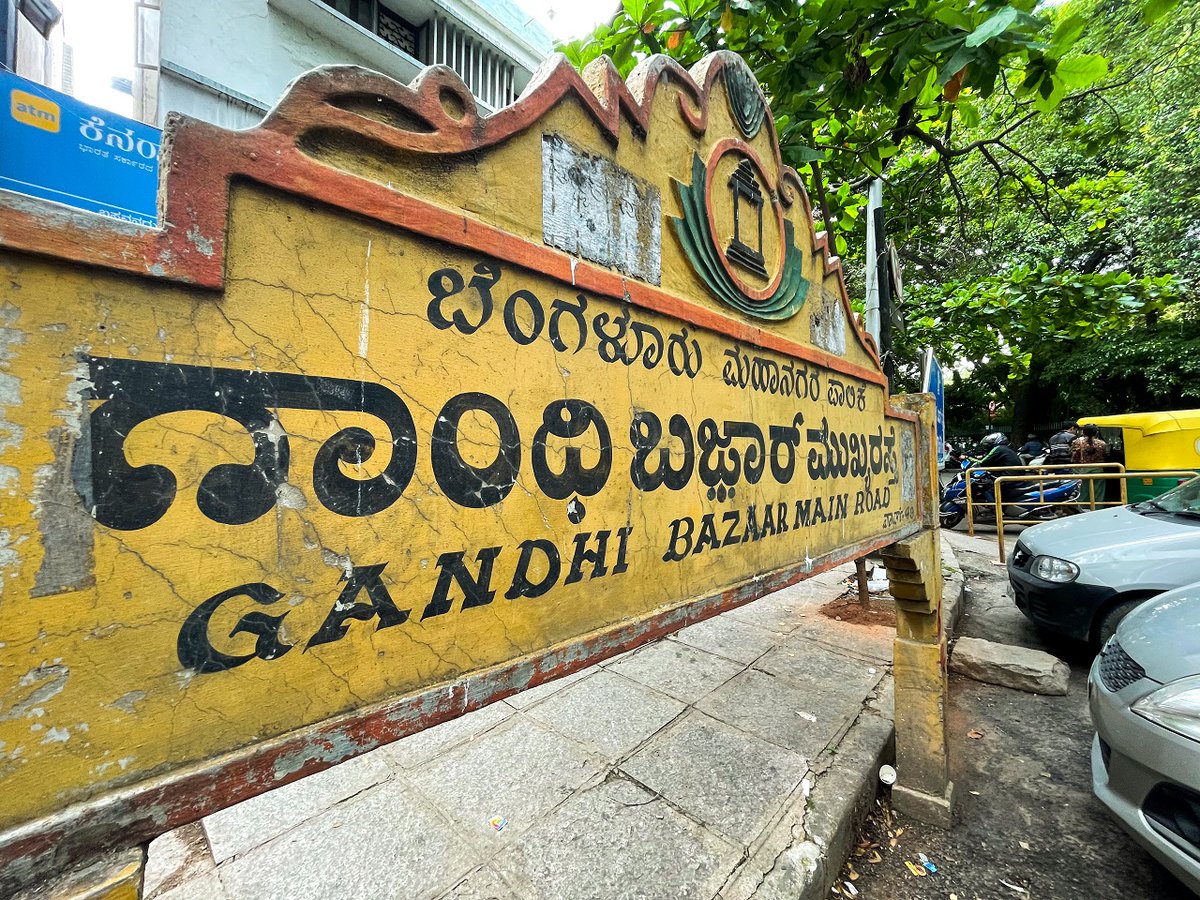
“You haven’t really seen old Bengaluru,” I am told, “until you have walked through Gandhi Bazaar on a busy morning.” This is usually followed by detailed instructions involving flowers, filter coffee, and a dosa queue. Naturally, when my learned friends #HarishBhat and #VeenaBhat invited me for a Sunday morning Benne Dosa, I promptly went.
Unlike Bengaluru’s more mysterious locality names, Gandhi Bazaar leaves little room for etymological detective work. It is named after Mahatma Gandhi. A road running through its heart is DVG Road, named after the Kannada writer and philosopher D. V. Gundappa. This intersection of Gandhi and DVG is appropriate: one represents the nation’s conscience, the other Karnataka’s literary soul.
Gandhi Bazaar grew as the commercial heart of Basavanagudi, one of Bengaluru’s oldest planned neighbourhoods. Long before malls and ten-minute grocery deliveries, this was where south Bengaluru came to buy its vegetables, flowers, spices, puja articles, clothes and, more importantly, exchange several pieces of neighbourhood intelligence.
Today, the street remains a gloriously stubborn piece of old Bangalore. The air smells of jasmine, marigolds, incense, ripe fruit and hot ghee. Flower sellers sit behind enormous bursts of colour, vegetables are arranged with geometric precision, and shoppers negotiate prices in Kannada with the seriousness of international diplomacy.
The market spills naturally into the neighbourhood around it: the Bull Temple, Dodda Ganapathi Temple, Bugle Rock, the Indian Institute of World Culture, the Grand Lodge of Theosophists and the old houses of Basavanagudi. Writers including Masti Venkatesha Iyengar lived in the area, and DVG’s presence still seems to hover over the road bearing his name. Gandhi Bazaar is not merely a marketplace; it is part bazaar, part temple corridor and part open-air literary salon.
If you are there, begin with the flower market before the day gets too warm. Wander along DVG Road, browse the old shops and then join the queue at Vidyarthi Bhavan or the even older Udipi Sri Krishna Bhavan (where we went), which has been serving its famous crisp, butter-laden dose since 1943 and 1926 (its 100th anniversary this year!) respectively. The wait is long, the tables are shared, the service moves at its own confident rhythm—and nobody seems to mind.
Much of Bengaluru now seems determined to become Singapore. Gandhi Bazaar remains equally determined to remain Bangalore.
(I have recently relocated to the city of gardens and traffic, and what intrigues me most are the road names, each of which has a fascinating history. This series of posts will unravel the historical origins of the roads and localities of BLR.)

2
9
34
5,434
Amen
Jun 6

I was raised believing early is respectful, late is careless… and that mindset never left me. Anyone else still live by this? 🙄😯

1
99
Jaspreet Bindra : Homo Promptus retweeted

Jun 6
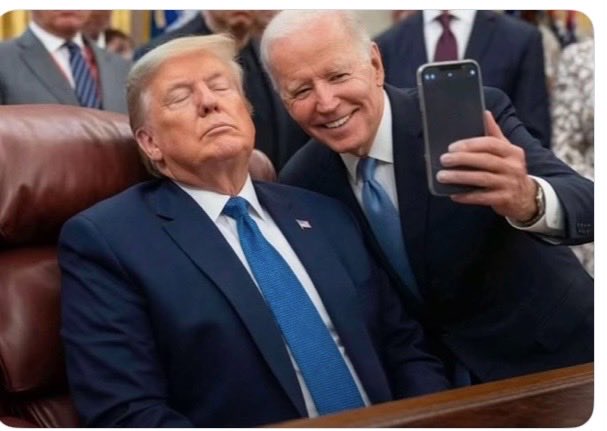
This picture made my day! 😂😂
73
623
2,091
44,034
Jaspreet Bindra : Homo Promptus retweeted

Jun 6
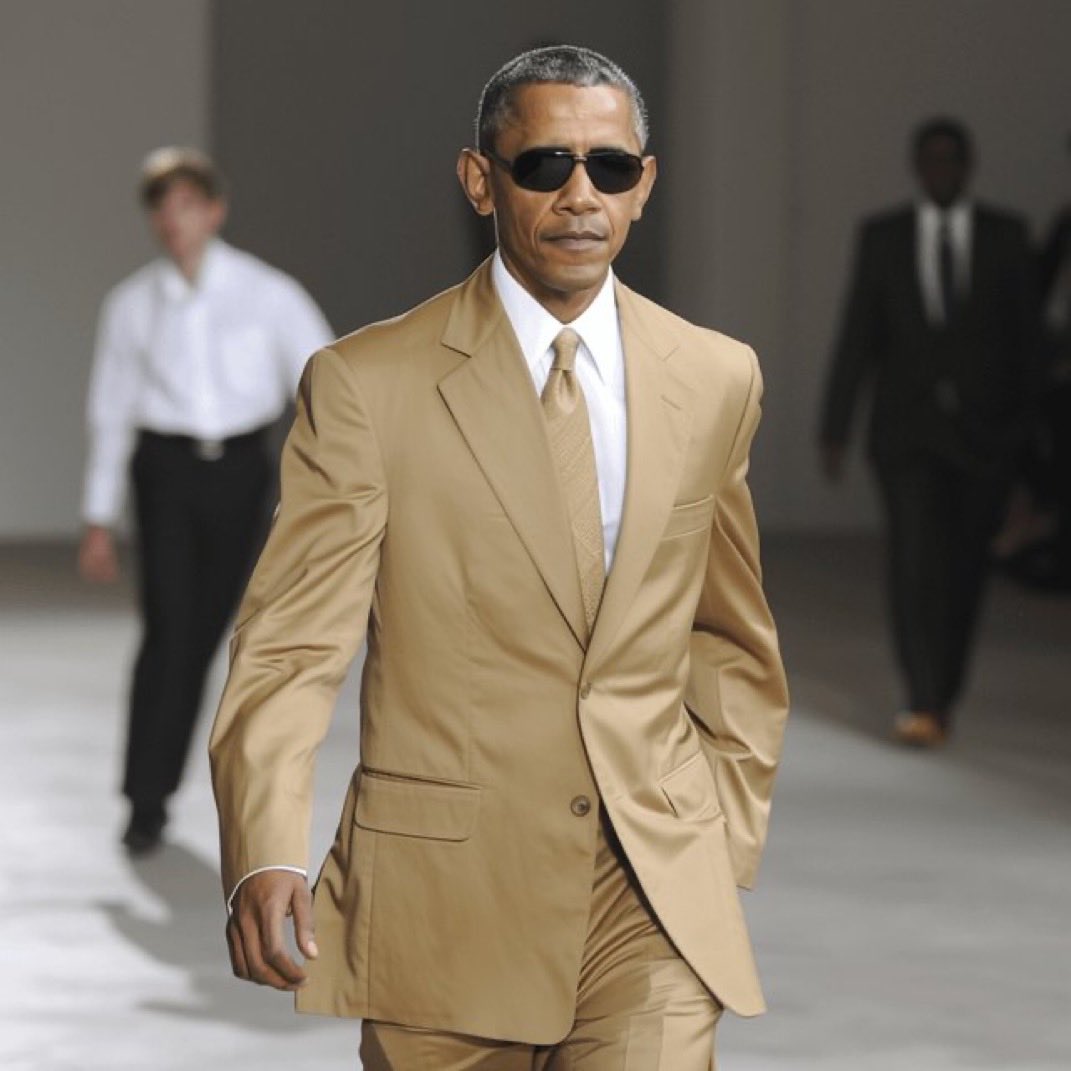
Who else is missing President Obama? 🤚🏽
1,323
1,278
11,813
76,115
Jaspreet Bindra : Homo Promptus retweeted

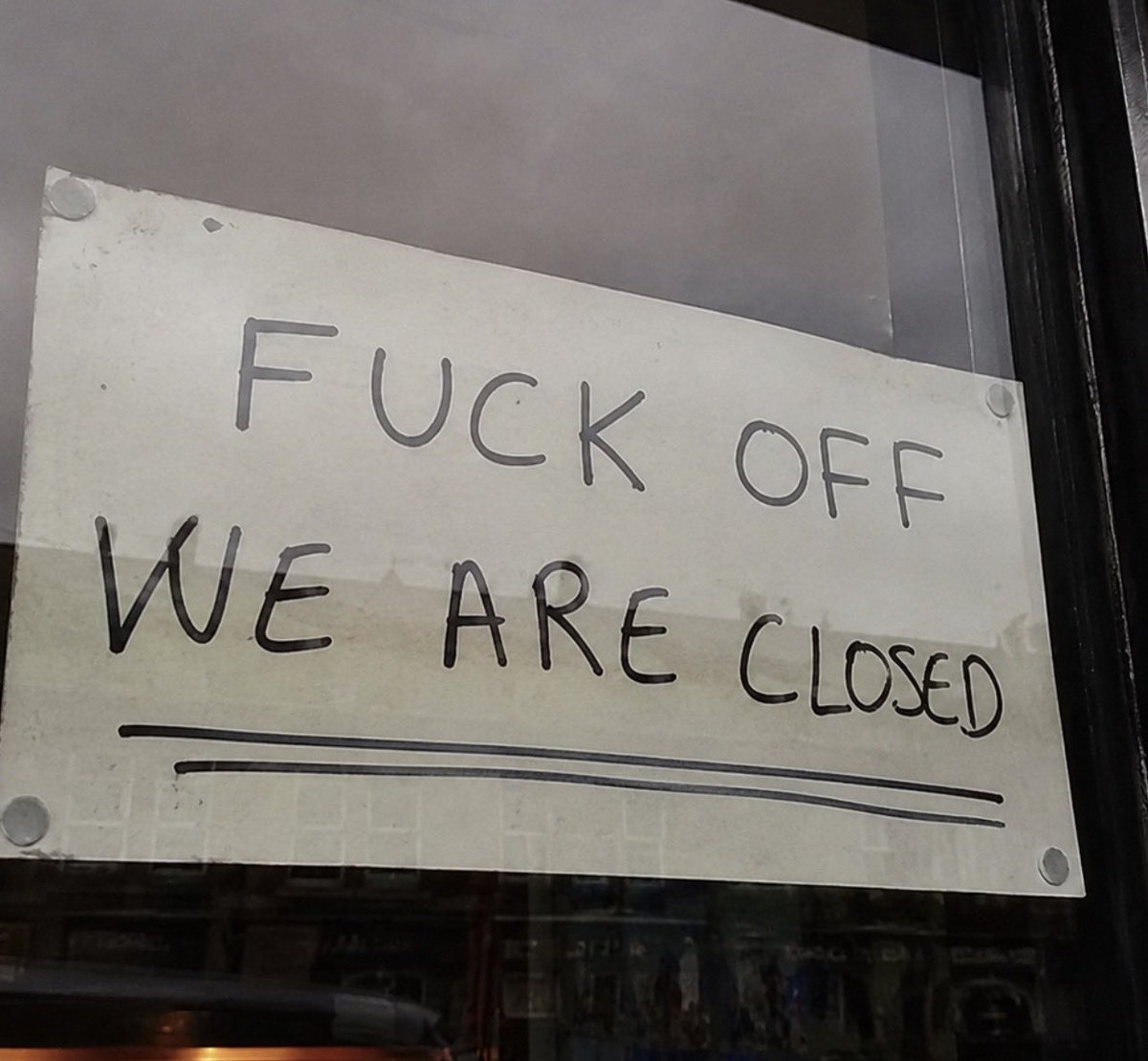
British customer service. Best in the world.
148
1,198
15,008
652,372
Jaspreet Bindra : Homo Promptus retweeted

Jun 6
Is Matthew right ??

Community note
Matthew McConaughey's representatives have confirmed that this quote is entirely fabricated. There is no record of the actor making these statements in any interview, speech, or social media post. leadstories.com/hoax-alert/202…
2,882
4,222
18,036
253,508
Amen! Amen!
@prernabindra
1
45
He was very fond of Gin martinis, and drop copious amounts of it in the interstices between his Scotch drinking sessions, I guess
He liked his martini dry - really dry. The more the gin, the less the (French) vermouth, the dryer the martini
A story, probably apocryphal, goes that he would pour three stiff fingers of gin in a martini glass, drop in the obligatory olive, turn towards France and not twice, and gulp the 'martini' down...😀🍸
Jun 6

Also a brilliant writer. Maybe scotch was his magic ingredient.
286
Jaspreet Bindra : Homo Promptus retweeted

He wasn’t part of the plan. He just joined me at the start of today’s run and 35 km later, he’s still right beside me.
No training. No gear. No finish line in mind.
Just loyalty, pure energy, and a heart that refuses to quit.
Sometimes the best teammates are the ones you never expected.
#RunAcrossIndia #runningstories
10
25
339
9,022
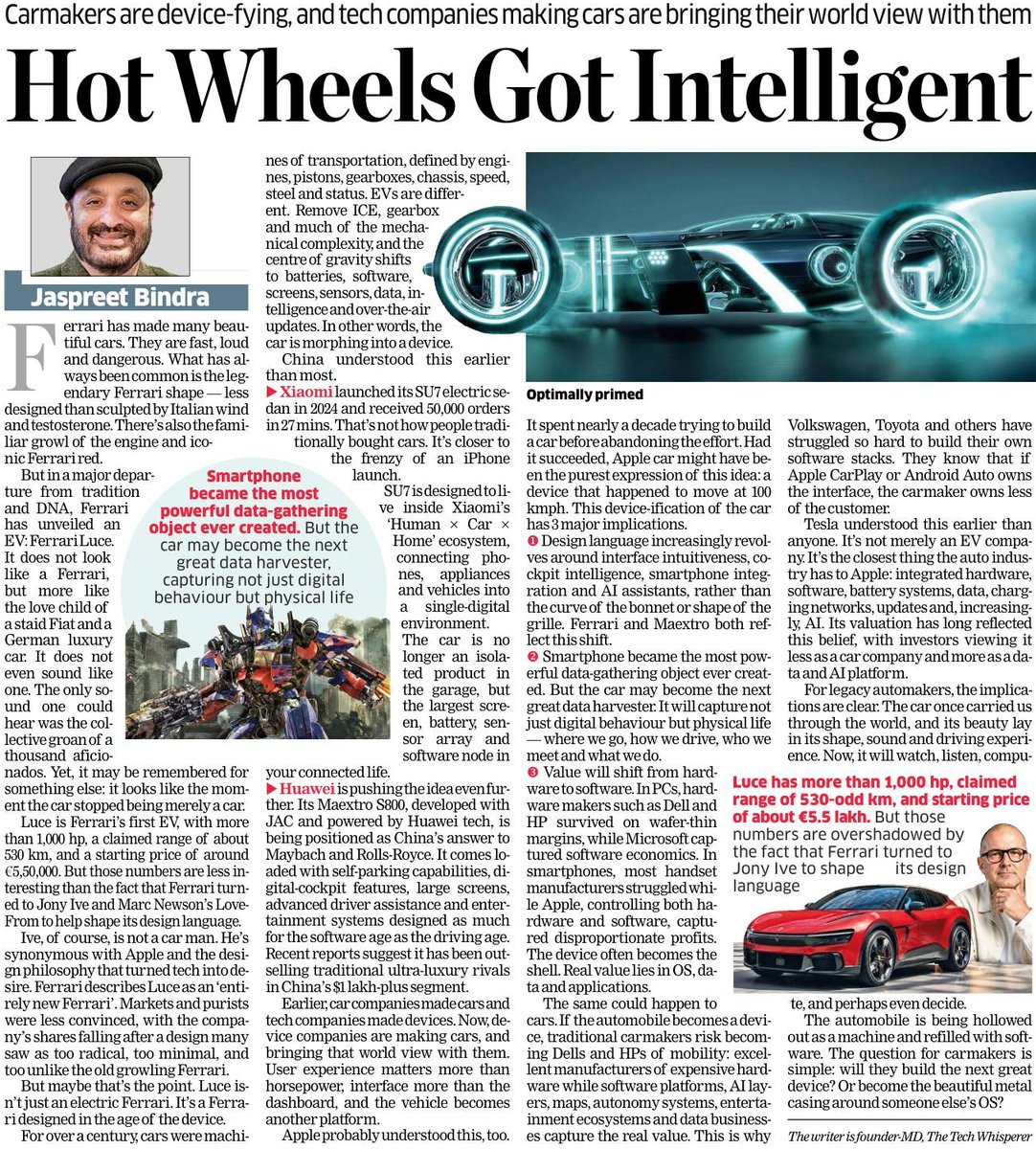
@ivesays (Jony Ive) of the #iPhone fame designed the controversial new @Ferrari #Luce; @Xiaomi has the hottest car in China; @Huawei is behind the largest selling ultra-luxury car there; @Apple wanted its own car.
Device companies are making cars, and they are bringing that worldview with them. User experience is more important than horsepower, the interface than dashboard, and the vehicle is another platform. The Chinese seem to have recognised that an electric car is not a petrol car with batteries stuffed in, but is a mobile phone with wheels attached
In other words, the car is morphing a device.
The Luce is not just an electric Ferrari. It is a Ferrari designed in the age of the device.
Read more about the ‘device-ifaction of cars’ in my article in @EconomicTimes today (link in post)
@AIBeyondAI @anujmagazine @ArchanaMuthappa @indihazraET
1
138
Find the article here: economictimes.indiatimes.com…
33
Jaspreet Bindra : Homo Promptus retweeted

Jun 4
Urdu is a language that lost two countries and kept the grief.
23
622
5,680
131,038