
Computo Ergo Sum. (Capital market is my hobby). BG image courtesy quixoticfinance.com
Joined October 2009
- Tweets 20,084
- Following 553
- Followers 3,313
- Likes 1,218
1,338 Photos and videos












volmaru retweeted

Jun 13
A short history of how we got here, because the chronology is the whole story.
January: the Pentagon demands unrestricted use of Claude for autonomous weapons and domestic surveillance. Anthropic says no.
February: the President orders every federal agency to drop Anthropic. The Defense Secretary bans Pentagon contractors from doing business with them. A rival announces its classified-network deal within hours.
March: the Pentagon designates an American company a "supply chain risk" under a statute written for foreign adversaries. A federal judge blocks it.
May: the Pentagon signs AI deals with seven companies. Anthropic is not one of them.
June 9: Anthropic releases Fable 5.
June 12: Commerce issues an export control directive over a jailbreak that, by the government's own account, was demonstrated verbally, came with no written explanation, and involves a capability you can get from other publicly available models today.
Two things are true at once.
First: Anthropic spent months marketing Mythos as too dangerous to release. Sam Altman said it was "incredible marketing to say we have built a bomb." The Commerce Department has now formally agreed it is a bomb. If you describe your product as a munition in every press release, eventually a government takes you at your word. They wrote the legal predicate themselves and called it a brand.
Second: we have run this experiment before. In the 90s the government classified encryption as a munition under ITAR. Activists defeated it by printing PGP's source code as a book, because books are protected speech and floppy disks were arms exports. A t-shirt with three lines of RSA Perl was legally a munition. The controls collapsed because math does not stop at customs.
The new wrinkle is the "deemed export" rule: showing controlled technology to a foreign national inside the US counts as exporting it abroad. Which is why Anthropic's own foreign-national employees are now locked out of the model they built. The munition is in the building and the people who made it are not allowed to look at it.
The jailbreak is the paperwork. The refusal was in January.
Jun 13

The US government, citing national security authorities, has issued an export control directive to suspend all access to Fable 5 and Mythos 5 by any foreign national, whether inside or outside the United States, including foreign national Anthropic employees.
The net effect of this order is that we must abruptly disable Fable 5 and Mythos 5 for all our customers to ensure compliance.
Access to all other Claude models is not affected.
We apologize for this disruption to our customers. We believe this is a misunderstanding and are working to restore access as soon as possible.
Read our full statement: anthropic.com/news/fable-myt…
130
516
2,887
594,567
volmaru retweeted

May 25
If you use markov chain models to lose money, it feels more effortful and satisfying. The goal in the stock market is not to make money. That's not possible. The goal should be to lose money in a way that makes you feel like you did something.

a citadel quant told me something that broke my entire trading framework
"we don't predict markets. we model the state machine"
he explained markov chains in 90 seconds
the market is never random - it always exists in one of three states
trending up, trending down, ranging - each has a fixed probability of shifting to another
build the transition matrix from real price data:
> trending up -> 68% stays trending, 21% flips to range, 11% reverses
> ranging -> 54% stays range, 28% breaks up, 18% breaks down
> trending down -> 61% stays falling, 24% flips to range, 15% reverses
now you're not guessing, you're playing probability
identify current state, enter with the 68% edge, size with kelly criterion based on that probability
the formula is public - markov published it in 1906
hedge funds use it, the math costs nothing
what costs you is asking the wrong question
"where is price going?" is random
"what state am I in right now?" has an answer
transition matrix built from 10 years of data is your edge
Bookmark it
not a signal, not an indicator - just conditional probability that compounds every single trade
2
9
803
How many can relate to this? instagram.com/reel/DYKeJR_T4…
349


volmaru retweeted

AI makes backtests trivially easy to produce. The bottleneck was never mechanical. It was always: why does this edge exist? Who is on the other side, and why do they keep losing? More backtests does not mean more alpha.
1
2
380
volmaru retweeted

Apr 20
So prompt engineers learned English is imprecise for coding and started using stricter syntax. I wonder how long it will take before they come full circle and land back at programming languages again.
181
1,554
18,560
804,754
Combinatorics
Apr 17

The hardest question of 2026 amid AI disruption is advising an 18-year-old on which degree they should pursue at university
1
10
1,546
volmaru retweeted

Apr 11
In 1977, two American boys discovered that a local ice‑cream chain offered free birthday sundaes by mail, so they invented a fictional child named “Robert Alan Peters” to keep collecting the yearly treat.
They filled out the birthday club form, listed their real home address, and for years received coupons addressed to their imaginary creation. The prank was harmless fun, just kids gaming a promotional system for a few extra sundaes.
But in 1984, everything changed when a letter arrived from the Selective Service System ordering “Robert Alan Peters” to register for the draft. The boys, now older, were stunned: their fake child had somehow entered a federal database.
The incident exposed that the U.S. government had quietly obtained and used the ice‑cream chain’s mailing list without permission, sparking public debate about privacy, data‑sharing, and how easily personal information could be swept into government systems long before the digital age.
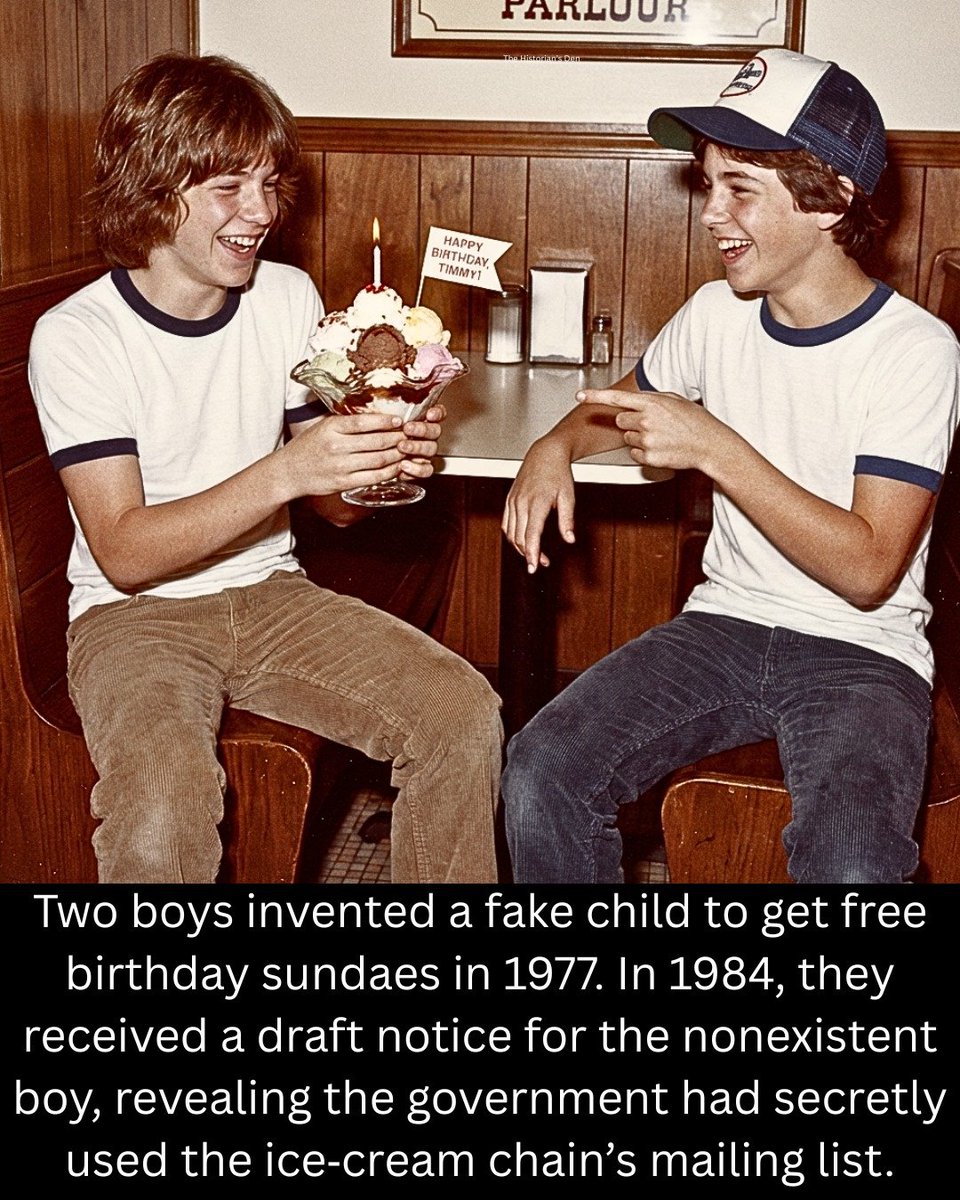
Community note
This post recounts a true 1984 privacy incident with some inaccurate details. The real fictional name was "Johnny Klomberg," and the brothers never received any ice cream coupons. The Selective Service purchased the list without the parlor's permission.
nytimes.com/1984/08/04/us/…
upi.com/Archives/1984/…
130
3,398
18,270
1,177,654
volmaru retweeted

Mar 28
Haha

1
7
2,423
volmaru retweeted

Mar 27
As a citizen of an irrelevant vassal state I'm glad about the Chinese open weight strategy. In some sense the world is a better place if this stuff is commoditized.
But it's a decidedly weird feeling to say "thank you communist party of China for preserving my liberty".
1
1
26
1,628


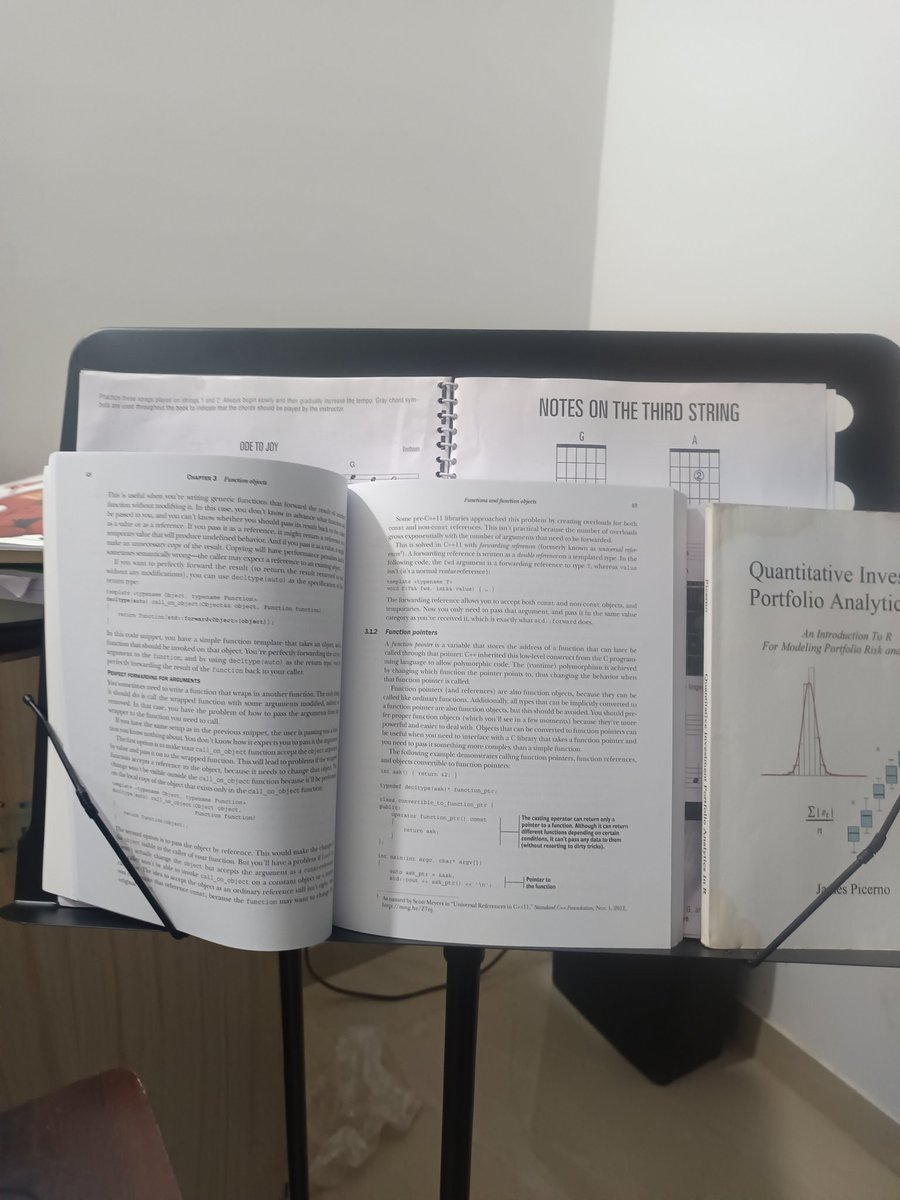
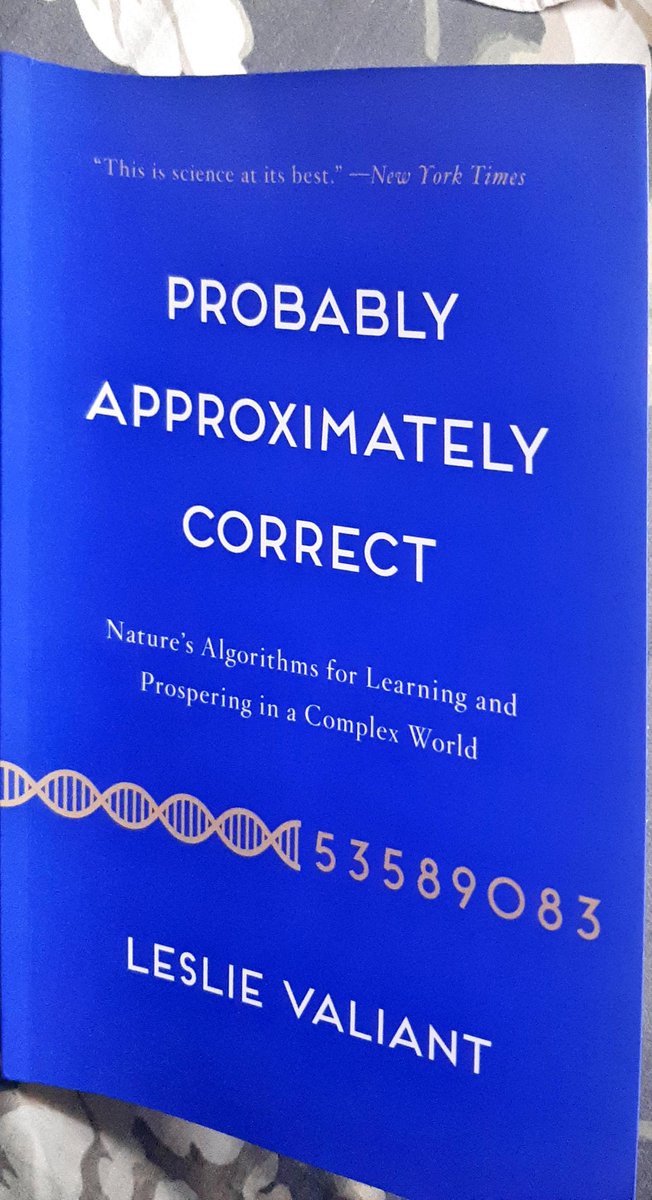
Price drop: 30% off. Usually ~1000/-, today @~700 amazon.in/Probably-Approxima…

Got this delivered yesterday,still at chapter 5 but lot of "aha" moment for me.
2
2
553
volmaru retweeted

皆さん、今海外で話題の風刺画を頂きましたのでお配りしておきますwwww

206
2,320
24,553
787,099
volmaru retweeted

Mar 21
Iran used a drone with a loud speaker attached. Then a single Iranian chanted "Death To America!!!" and this happened.
1
2
418

volmaru retweeted

Mar 19
This country isn’t real man 😭
3,152
17,606
114,796
6,321,487
volmaru retweeted

Mar 17
Personally I view him as an unfiltered view of how americans think about the rest of the world and operates. It just cuts through all the bullshit these people throw around their evil deeds.
Mar 16

I AM LOST FOR WORDS…
"It's Little Unfair" of Iran to Fight Back.
-Donald Trump
97
5,237
26,800
440,743