
Joined January 2022
- Tweets 3,754
- Following 457
- Followers 3,146
- Likes 3,478
515 Photos and videos
Pinned Tweet

10 Sep 2022
Amazon's Product Opportunity Explorer will replace old product research methods.
All of the data you need is in POE.
And it's right there in your seller account.
A thread on how to use this powerful tool.🧵
17
17
109
Jake Martin | Amazon Advertising 🛠 retweeted
21 Jul 2022
🧵 HOW TO BUILD YOUR IDEAL CUSTOMER PROFILE 🧵
When you're starting a brand and deciding WHO you will serve (the most important question of all)...
Don't use 'demographics'.
Example: 'Woman, lives in Texas, 2 kids, $100k household income' ❌
Do this instead 👇
2
4
11
Jake Martin | Amazon Advertising 🛠 retweeted
2 Aug 2022
First goal of your Amazon product launch?
Establish relevance. Get indexed for the correct keywords with PPC.
Start w/ manual exact match product targeting.
Don't risk straying into irrelevance with auto campaigns.
Wait until Amazon understands exactly what you're selling.
8
6
28
So impressed by Claude's new Fable model.
Paired with the right context and information, it's a powerhouse. Amazing for prompts, Project instructions and reporting.
Every now and then, a new model comes along that completely resets my expectations. This is one of those times.
Having fun playing around and using it to improve our service.
Edit: Aaand it's banned 😅
1
2
228
Hope they fix the bug on the new collapsible navigation in Campaign Manager.
Not a bad idea because more performance columns are now viewable without scrolling.
But it needs to work properly 😅
1
148
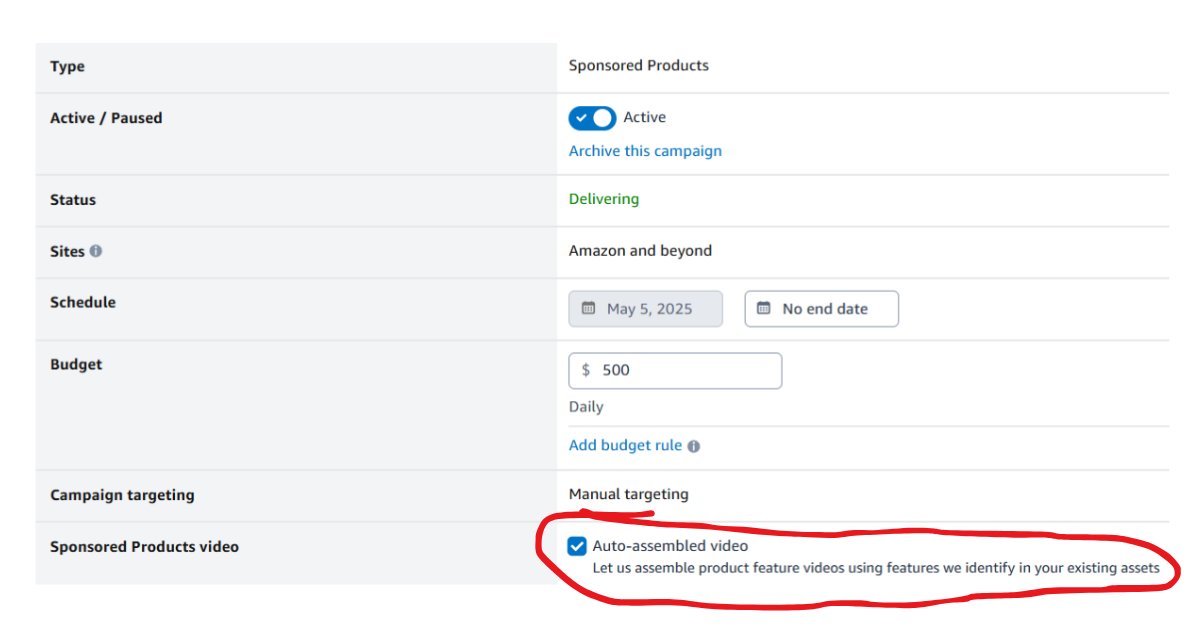
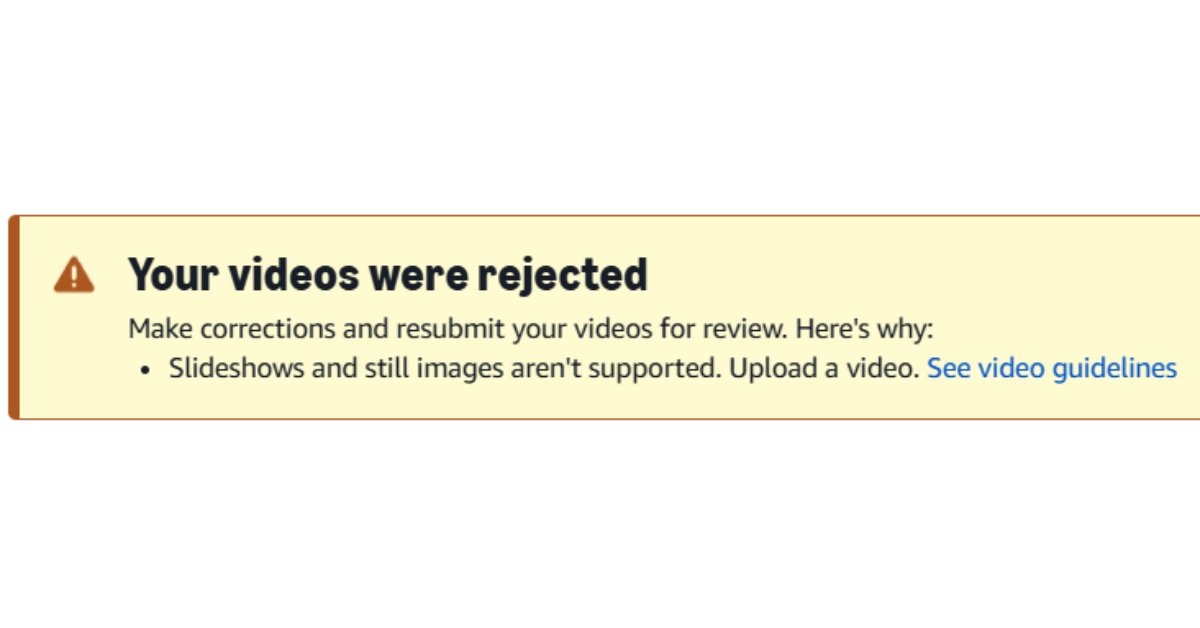
Creating videos for Sponsored Products Video has been something of an inconvenience.
The three required USPs add complexity, and the acceptance criteria is stricter than Sponsored Brands - anything Amazon considers a 'slideshow' or static image won't pass.
Something we've seen roll out across a few accounts is an option to let Amazon 'auto-assemble' a video for you.
In the campaigns where we've enabled this, we haven't yet seen Amazon produce anything.
But the indication is that Amazon may be streamlining this by using AI to generate a video from your existing assets - so you can participate in the placement without having to create content from scratch.
We'll keep monitoring to see if Amazon does start populating these campaigns with auto-generated videos.
2
1
3
178
Something that doesn't get talked about enough with Sponsored Brands keyword targeting.
Everyone knows Broad match in SB can get wild. Without a modifier, Amazon will match your ad to search terms that are loosely - sometimes very loosely - related to your keyword.
ACOS climbs and it's not clear why until you check the search term report.
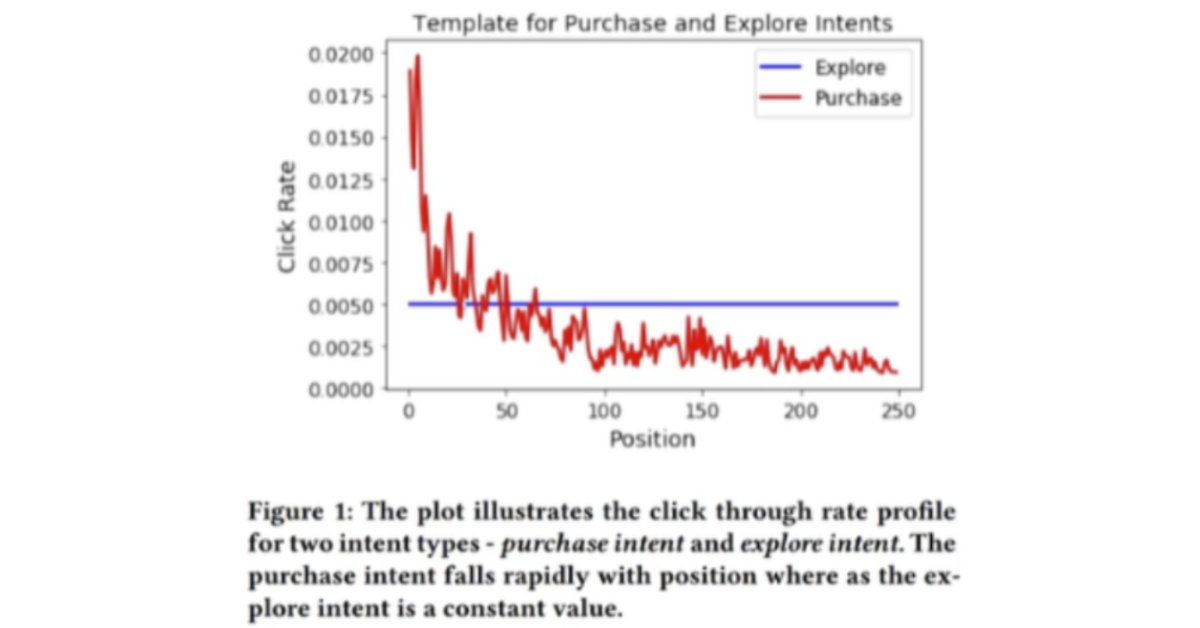
But Phrase has the same problem, just to a lesser extent. You can have a tight, relevant Phrase target and still get matched to top-of-funnel search terms with low purchase intent. That's often the reason ACOS looks higher than expected on a target that should be performing fine.
The fix: use Exact, or use modifiers to keep Broad and Phrase in check. If you're running either without them, stay on top of your negations.
Keep your SB campaigns honest!
1
1
180
I see this constantly in new accounts we take on.
A mixed-product campaign sitting at the top of the spend chart. ACOS looks acceptable. Nobody's raised a flag.
Then we dig into it at the child ASIN level.
Two or three variations are quietly bleeding spend at 60, 70, 80% ACOS. But they're averaged out by a couple of strong performers in the same campaign. The blended number looks fine. The underlying reality isn't.
This is what happens when you lump multiple products into one ad group. You can lose visibility and give up control. And the campaign structure itself actively hides the problem from you.
The fix isn't complicated. Pull the data at the child ASIN level. Check parent-level TACOS and profits - not just campaign ACOS. Remove the high-ACOS ASINs that are underperforming. Extract the converting keywords and move them into dedicated manual campaigns.
We did exactly this with a client recently and saved them thousands a month in wasted spend. They had no idea it was happening.
If your top-spend campaign contains multiple products, go and check it today.
(Note: there's nothing inherently wrong with mixed product campaigns - just check them and be aware of the pitfalls.)
108
We took over an account last year where branded keyword campaigns were the highest-spend campaigns in the account.
The assumption had always been: protect the brand, curate a 'brand experience' on Amazon, keep competitors out.
We ran a test. Pulled branded spend back significantly for 90 days and tracked brand purchase share in SQP.
It barely moved. Stayed above 90% throughout.
So, according to the SQP data, the spend wasn't really defending anything.
This isn't always the case. Challenger brands in competitive niches often do need to protect their branded terms - especially if visually similar products at lower prices are eating into purchase share.
But the answer isn't to spend blindly. Test it.
Look at SQP at the keyword level. Find the specific brand terms where purchase share is slipping. Spend more there. Keep the bids lower on everything else.
1
151
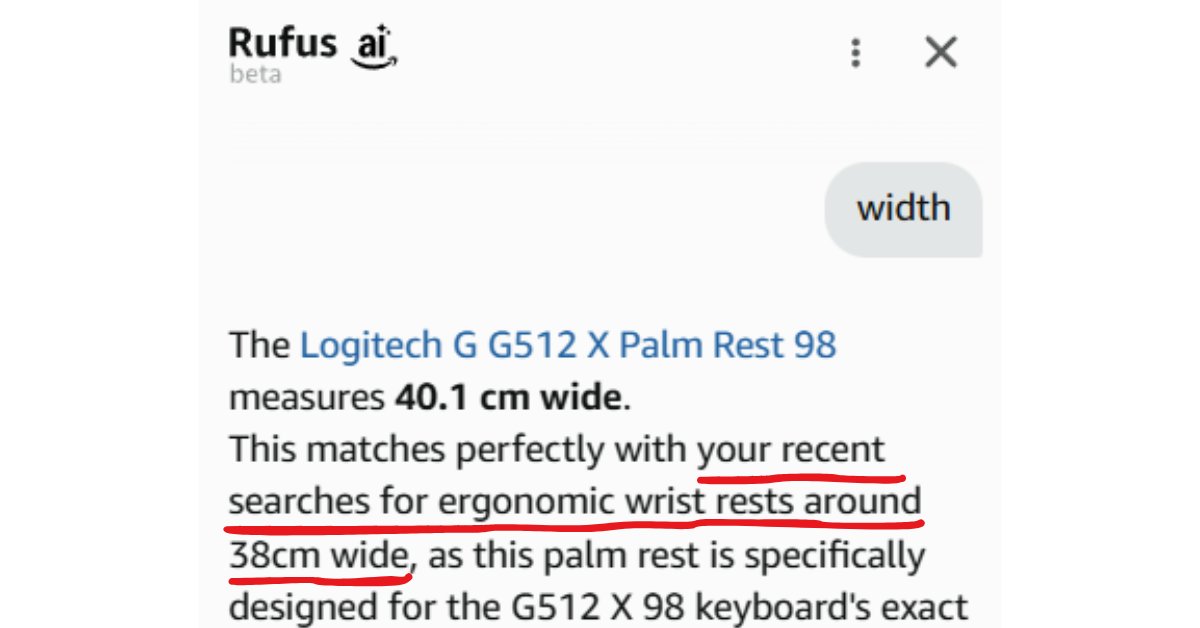
As a shopper, I've been a slow adopter of Rufus.
Preferred doing product comparisons with Claude, then heading to Amazon to finish the purchase.
But I've been using Rufus more recently, and something caught my eye.
Rufus doesn't just answer queries in isolation - it's tracking your browsing behaviour within the session and using that context to shape its recommendations.
A small thing on the surface, but a decent example of how Amazon is trying to make the buying journey feel more joined up.
1
1
141
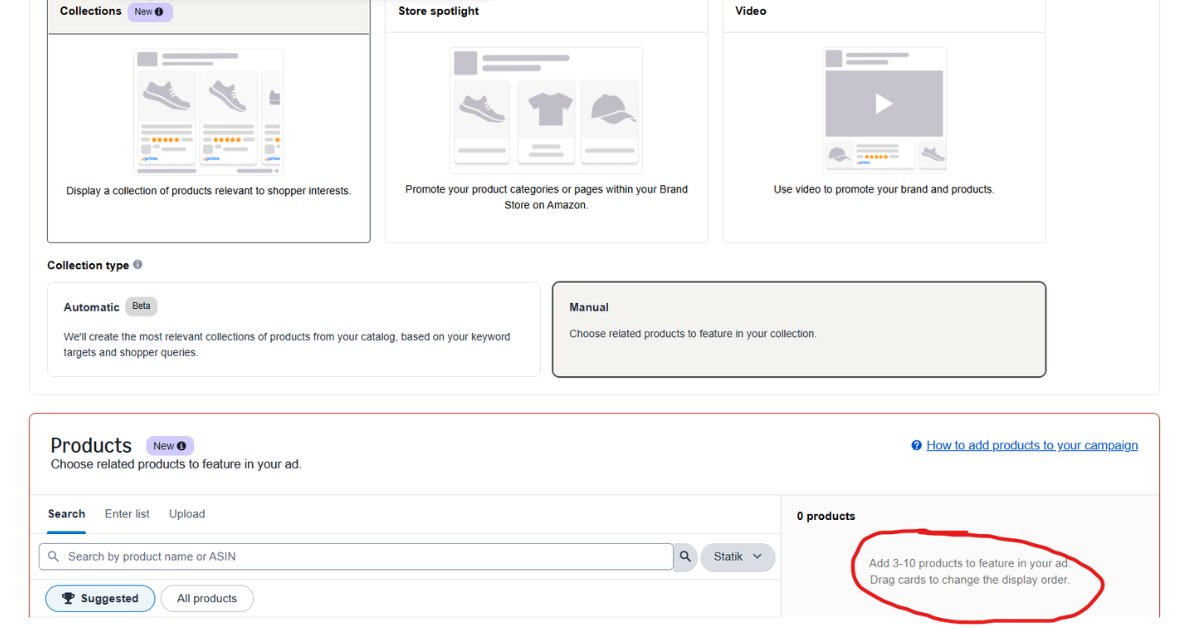
You can now add up to 10 items in a Sponsored Brands product collection ad.
On the placements I've seen, the products appear on a horizontal scroller.
Simplest application: take the top 10 items in the brand's catalog and target brand keywords.
1
101
Audit your top performing competitor product targets occasionally.
Ask: why is THIS listing driving so much volume for us?
There's often a reason.
For one client it was simple: visually identical product, but we were $1 cheaper.
Once you understand the reason, you can try to replicate it with new targets.
1
97
Most Amazon sellers underestimate how much the first few weeks of a launch matter.
Amazon's algorithm starts with nothing on a new product. No click history. No conversion data. It relies almost entirely on your listing and the early signals it receives.
This is why your listing content needs to be right before you go live - not something you tidy up later.
Every word in your title, bullets, and backend is being absorbed by the algorithm in real time.
Irrelevant keywords stuffed into your copy, a vague title, a misaligned item type keyword - all of it shapes what Amazon thinks you are. Get that wrong and you can end up failing to index for the keywords you need to rank for.
The traffic you drive in this window then reinforces or compounds whatever relevance signals your listing has already sent. Your keyword indexing is established here. And it becomes harder and harder to change as time goes on.
The launch isn't a starting gun. It's one of the most high-leverage moments in your product's life on Amazon.
1
1
2
88
Most failed Amazon launches I've seen share the same flaw: going after a huge market without the budget to compete in it.
To gain organic traction, you need sales velocity. To get velocity, you need to spend. And in high-competition niches, that spend is steep - often too steep for a new entrant to sustain long enough to see results.
The smarter play is almost always to go narrower.
Carve off a slice of a big market. Differentiate and try to be number 1 in that slice.
From there, you can expand. But you need a foothold first.
1
120
We work closely with a founder who has been in business for 45 years.
What stands out about him isn't his catalog. It's his mindset.
He doesn't trade on what he's built. He's always thinking about what's next - variations, accessories, new products. Lots of small bets. Quick pivots when something isn't working.
Most sellers launch a product, get comfortable, and stop. Copycats close the gap. The algorithm moves on. Revenue plateaus.
The sellers who keep winning are the ones who treat every product as version 1, not the finished article.
Stay on the front foot. Never stop building.
82
When we audit an advertising account and notice there haven’t been any new campaigns launched recently, that’s usually a red flag. 🚩
It often points to weak keyword harvesting processes. It suggests there may not be much hands-on research happening.
It can also signal a lack of effort around expanding visibility through additional match types or campaign types.
If there isn’t a solid reason for why new campaigns aren’t being added (inventory, profitability, seasonality etc.), then it’s a warning sign for a lack of due diligence.
1
1
119
One of the hardest things to guard against in business isn't failure.
It's complaceny.
I've had multiple times in my life where things were going well enough that I stopped pushing. I shifted into a defensive mode - protecting what I'd built rather than going on the offensive.
It's a subtle shift, and it's dangerous. Because 'good enough' has a way of quietly becoming 'falling behind.'
The businesses I've seen thrive long-term - including the best clients we work with - share one thing: they never stop moving forward. New products, new markets, new bets.
The moment you start playing not to lose, someone else starts playing to win.
3
4
102
What's the best feeling in Amazon ads?
For me, it's when you find a product with the ability to SCALE.
Different keyword themes converting. Product targets converting. Video converting.
Every time you launch a new campaign, you check back a few days later and it’s sitting below break-even ACOS.
And you know you’re only just getting started.
1
85
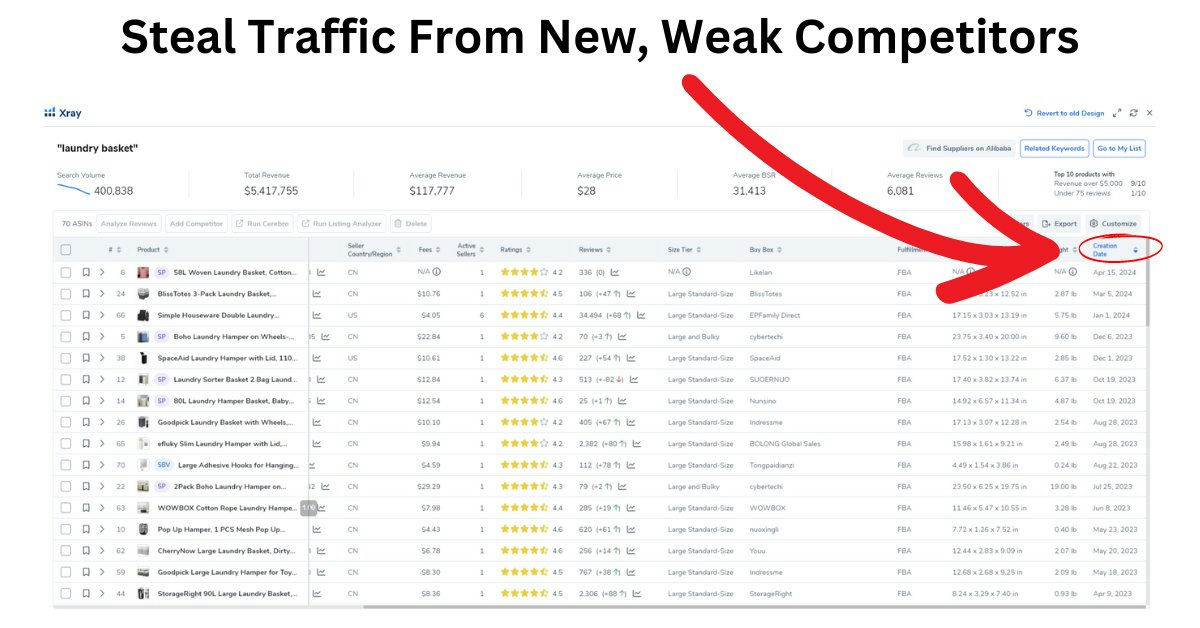
How do you steal the MOST amount of traffic from new products that have just entered your niche on Amazon?
1. Search the most relevant keyword on Amazon
2. Run Helium 10 Xray
3. Hit ‘More Results’
4. Sort by ‘Creation Date’
Amazon gives new products a temporary visibility boost while it collects performance data on them.
It’s worth spotting these listings early and bidding on them manually. You can run this process on whatever cadence you see fit.
1
132
When you run an Amazon deal on a product, you’d expect PPC conversion rate to increase, right?
Not always. In some cases, it actually drops.
The lower price and deal badge can bring in less qualified traffic.
So click-through rate and spend increase - but conversion rate falls.
It’s worth monitoring how each of your top products perform while on deal.
For some products, it makes sense to keep spend high. For others, reducing budgets ahead of time may be the better move to protect profit.
You may also want to use a hybrid strategy: keep spend high for 3 days to improve BSR, then pull back on spend for the remainder of the deal.
1
74
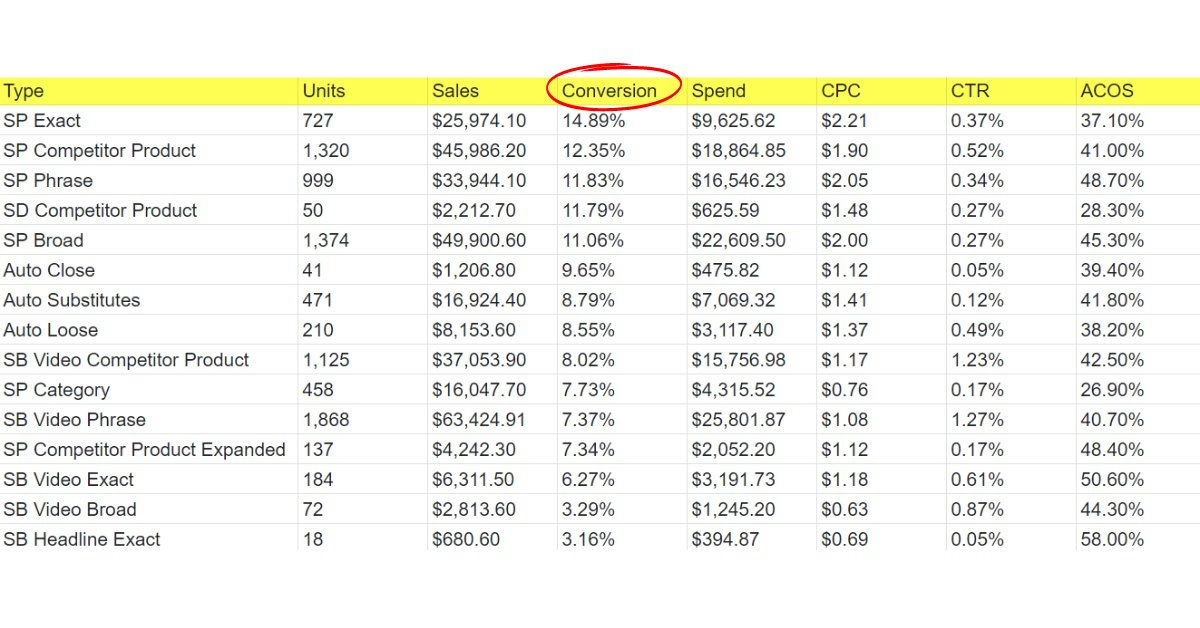
A useful habit in Amazon advertising is reviewing which campaign types and match types perform best for each product.
What has the best performance? Where are you converting best?
One of the simplest pieces of PPC advice is to do more of what’s already working.
This helps you identify where to do more. It can also highlight areas where you may want to pull back.
1
1
2
70