
innovator.consultant.poet. just being inquisitive.
Joined July 2008
- Tweets 64,519
- Following 2,346
- Followers 3,241
- Likes 14,643
248 Photos and videos






Jun 8
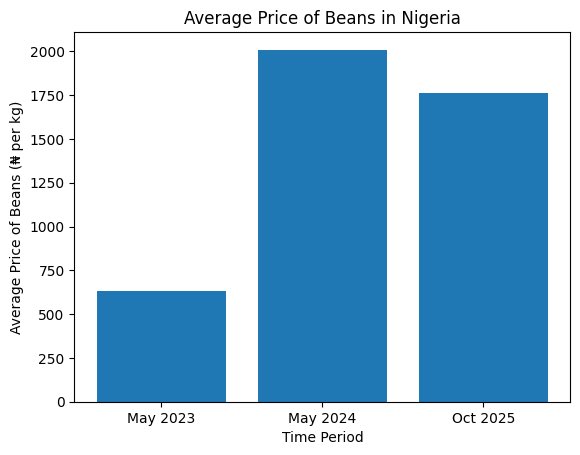
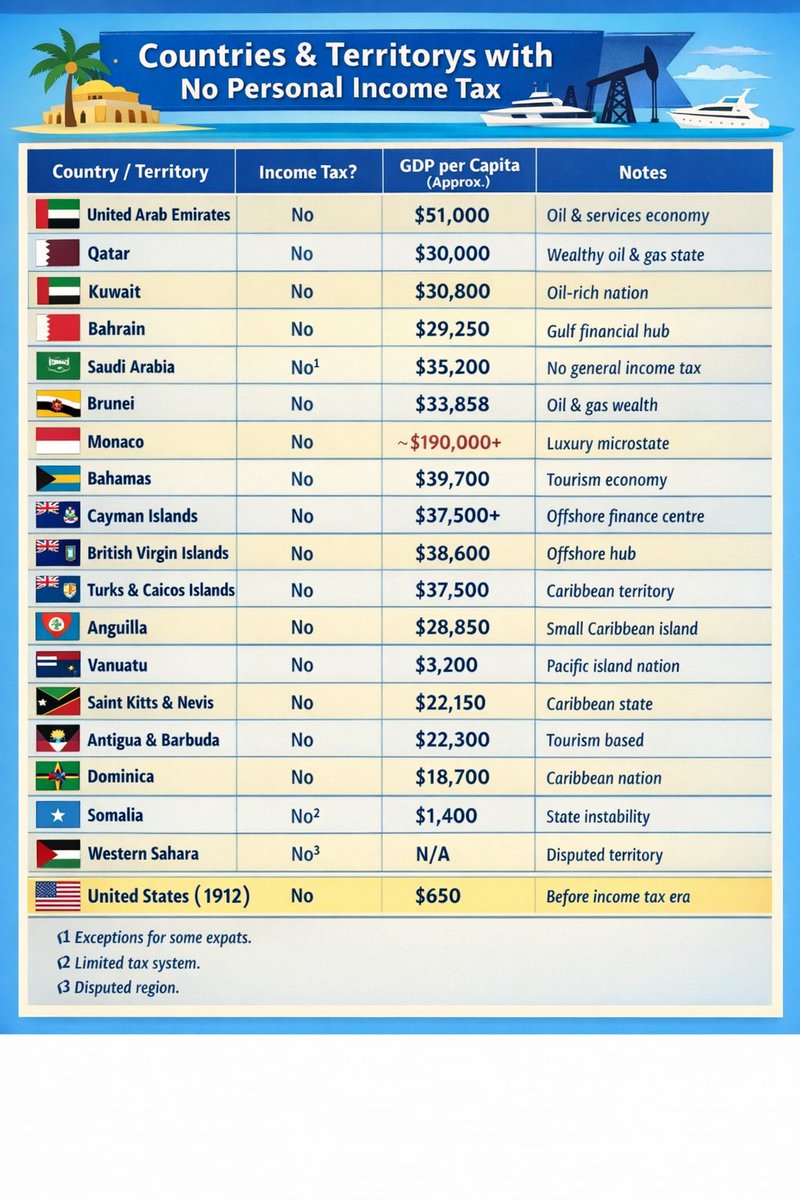
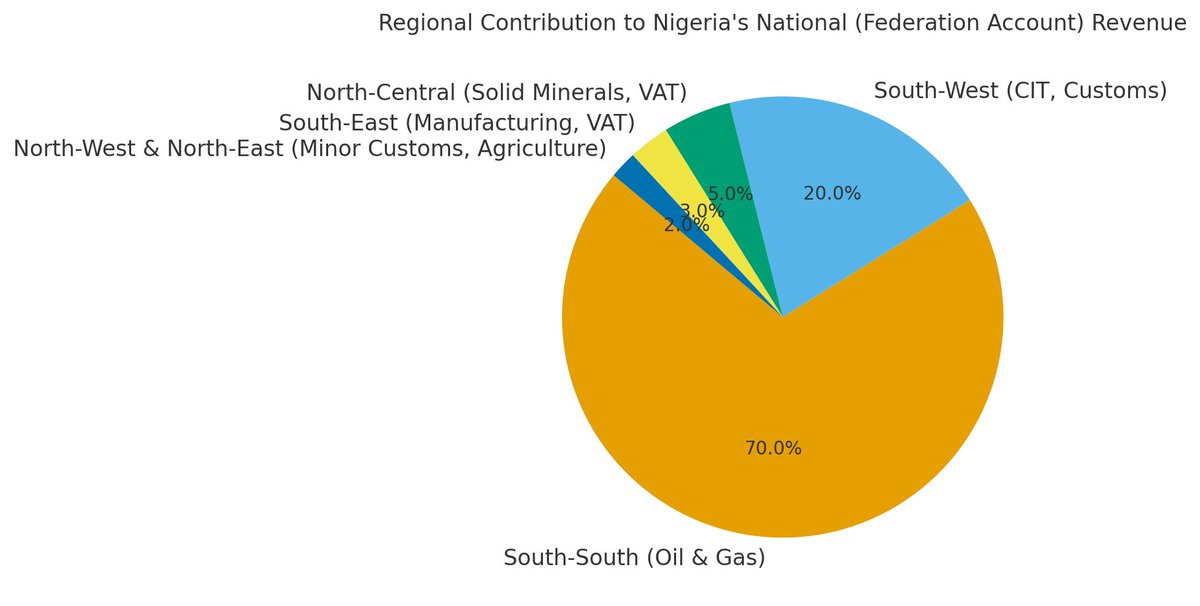
And how much do we need to first fix the grid and also make it easy for generation to catchup or to capture this alternative energy implant?
Jun 8

THE REAL COST OF INCONSISTENT POWER TO NIGERIA
~ ₦1.34 Trillion: Total amount spent by manufacturers on alternative energy (generators, diesel, and fuel) as grid collapses and Band A tariff spikes forced heavy self-generation.
~ Over 60% of manufacturing firms have completely abandoned the national grid due to unreliability.
~ Electricity alone devours roughly 45% of a typical Nigerian manufacturer's variable operating costs.
~ Over 18,900 direct manufacturing jobs were severely impacted and lost due to rising, unsustainable operational costs.
~ ₦10.1 trillion total annual economic loss ($26.2 Billion approx. ) inflicted on Nigeria by power shortages, wiping out roughly 2% of GDP.
~ 4,286 MW: The actual average available generation capacity on the grid as of the latest 2026 operational factsheets
37
May 26
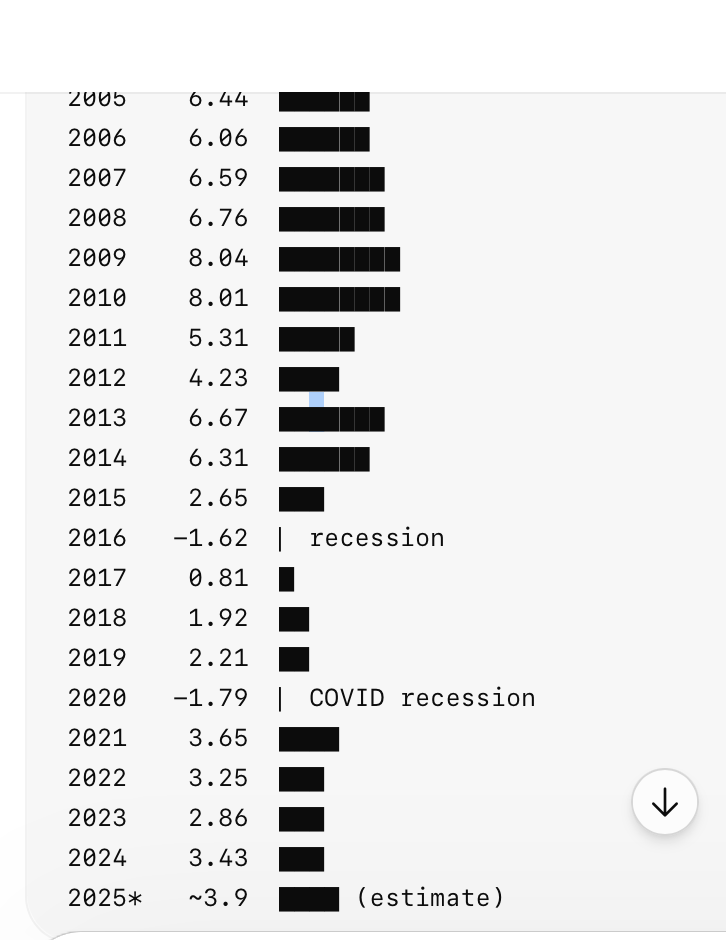
Nigerias GDP growth rate over the years. APC really took us back
May 25

BREAKING: NIGERIA'S GDP GREW BY 3.89% IN Q1 2026, UP FROM 3.13% IN Q1 2025.
I don't expect you to understand these numbers or believe them.
I am not writing this for everybody but those who know the meaning of numbers in economics.
Those who know that the first indicators of growth are numbers.
In fact 95% of those who may read this post may not understand what this means, so let’s simplify it:
GDP growth means the Nigerian economy is PRODUCING more goods, more services, more business activity and more wealth than before.
Now here is the controversial part.
For almost a year, many people said the Tinubu reforms would “destroy Nigeria.”
Fuel subsidy removal was called impossible.
FX reforms were called suicidal.
Tax reforms were mocked.
Port reforms were resisted.
They said the British investment in Nigerian port in Lagos is still borrowing.
But numbers don’t lie.
Nigeria just recorded one of its strongest quarterly growth improvements in recent years.
And the biggest shock?
This growth is not mainly from oil.
According to NBS data:
• Non-oil sector contributed 96.08% of GDP growth
• Telecommunications grew strongly
• Construction expanded
• Financial services increased
• Trade improved
• Agriculture rebounded massively
• Manufacturing growth improved to 3.29%
This is important because serious economies don’t grow by crude oil alone anymore.
China did not become China by selling crude oil.
India did not become India through subsidy economics.
Indonesia removed painful fuel subsidies too before stabilizing.
Even Egypt went through harsh IMF-backed reforms before recovery started.
Nigeria was living a fake economic life for years:
• Artificial dollar rates
• Unsustainable fuel subsidies
• Debt-financed consumption
• Import addiction
• Low productivity
You cannot build a $1 trillion economy on “share the money” politics.
Painful reforms were inevitable.
Yes, inflation is still hurting.
Yes, food prices remain high.
Yes, ordinary Nigerians are under pressure.
But economic recovery ALWAYS starts from stabilization before prosperity.
You cannot cure malaria without bitter drugs .
Look at the indicators carefully:
• GDP growth rose from 3.13% to 3.89%
• Services contributed over 57% of the economy
• Non-oil sectors are dominating growth
• Construction contribution increased to 4.85%
• Oil sector growth improved from 1.87% to 2.57%
• Real estate remained one of the top contributors
• Telecoms and digital economy continue expanding rapidly.
Even more interesting: Nigeria achieved this growth DESPITE lower oil output.
That means the economy is slowly becoming less dependent on crude oil — something economists have demanded for decades.
This is why Lagos keeps outperforming many African cities: Less politics.
More execution.
More infrastructure.
More private sector collaboration.
Economic reforms are never popular in the short term.
But history shows countries that delayed reforms usually collapsed deeper:
Venezuela.
Zimbabwe.
Sri Lanka.
Lebanon.
You cannot demand Scandinavian living standards with a subsidy-dependent economy and weak productivity.
The reforms are not complete yet.
The suffering is real.
But the macroeconomic indicators are beginning to show signs of stabilization and recovery.
And whether people like Tinubu or not politically, the numbers are beginning to suggest that some of the reforms are working.

39
May 19
“the sustained improvement in the material standard of living of a large group of people over a long period of time.” that is what progress means? Are we progressing? open.substack.com/pub/frompo…
24
May 18
Does Nigeria know?
May 18

The last time an El Niño this strong hit, it killed 50 million people. That was 3 to 4% of the entire world population. Scale that to today and you're looking at 250 million equivalent.
The 1877 Super El Niño triggered simultaneous droughts across India, China, Brazil, and East Africa. Crops failed on four continents at the same time. The famine lasted three years. Researchers have called it "arguably the worst environmental disaster to ever befall humanity."
NOAA's latest update gives a two-in-three chance this one reaches strong or very strong by fall. European models are even more aggressive. Sea surface temperatures need to exceed 2°C above normal to qualify as "super." The trajectory is pointing directly at that threshold.
Here's what makes 2026 structurally different from every previous Super El Niño: there are two independent supply shocks converging on the same crop cycle.
The Iran war has shut down roughly a third of the world's seaborne fertilizer trade through the Strait of Hormuz. US fertilizer supply was at 75% of normal in mid-March, right when the Corn Belt needed it most. Fertilizer prices hit their highest level since 2022. That input shortage is already baked into the 2026 growing season.
The El Niño yield shock operates on a 6 to 12 month lag. India is forecasting below-normal monsoons for the first time in three years. Indonesia and Malaysia carry 90% of global palm oil, and El Niño production declines in those countries take 6 to 24 months to peak. Every strong El Niño in the past 55 years has reduced global cocoa production.
So the fertilizer shortage weakens the crops El Niño is about to stress, and the El Niño yield collapse hits in 2027 on fields that were already under-fertilized in 2026. Two shocks with nearly identical lag structures, converging on the same harvest window.
The difference between 1877 and 2026: we can see this one coming six months out. The commodity futures curve is barely pricing either shock. Whether that's rational discounting or willful denial depends entirely on what the Pacific Ocean does between now and October.
176
May 18
I am not asking for too much from our Presidential aspirants surely.
26
May 4
I just published Nigeria Doesn’t Lack Innovation — It Lacks the Factories Behind It medium.com/p/nigeria-doesnt-… @NASENIHQ @FmstNg @EmekaOkoye @emeka_okafor
1
2
4
131
May 3
Electoral reforms that will ensure free and fair elections is st the top of the reforms that will save Nigeria.
1
51
Apr 23
💡How are solar panels actually made? 🧐 🎥 Watch the full process! #shorts youtube.com/shorts/GEhiKjjHE… via @YouTube
79
Apr 9
I just published Designing Truth: How Technology Can End Nigeria’s Cycle of Political Party Crises medium.com/p/designing-truth…
27
Mar 31
Start with the end in mind. Should apply to stars and countries too.
76
Mar 31
The Biafran Research and Production unit should be the model for Nigerian investment in research. From fortified garri to Ogbunigwe to airfields to refining crude with no foreign input.
93