ai | web3 | re | builder | prediction markets | Listillio.com
Joined October 2008
- Tweets 4,058
- Following 250
- Followers 607
- Likes 12,992
566 Photos and videos








Mar 24
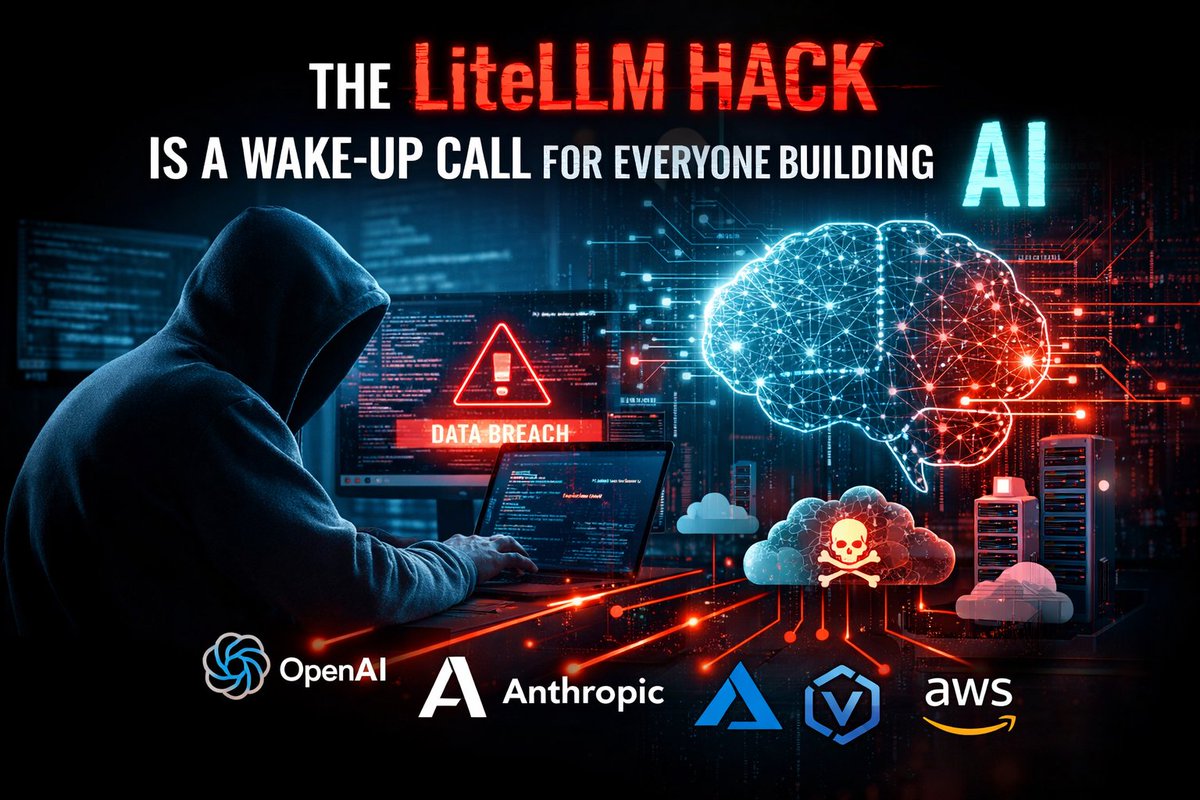
Today's LiteLLM Hack Is a Wake-Up Call for Everyone Building With AI
LiteLLM has become an important part of the modern AI stack because it acts as a unified layer between applications and many different large language model providers. Instead of building separate integrations for OpenAI, Anthropic, Azure, Bedrock, Vertex, and others, developers can use LiteLLM to standardize calls, switch models more easily, and manage routing, fallbacks, and usage controls through one interface. That flexibility is a big reason why it has gained adoption across AI teams and products.
That is what makes the recent LiteLLM supply-chain incident so concerning. Reports indicate that a malicious package version was uploaded to PyPI, and public analysis showed that litellm==1.82.8 contained a .pth file that could execute automatically when Python started. In other words, this was not just a broken release or simple bug. It appears to have been a compromise that could trigger code execution as soon as the package was installed and loaded into an environment.
At a high level, the concern is that the malicious code was designed to collect sensitive information from affected systems. Public reporting and the GitHub issue describing the compromise indicate that the payload targeted items such as environment variables, SSH keys, cloud credentials, Kubernetes configuration, Docker configuration, and shell history. That matters because many AI and software environments store highly privileged secrets in exactly those places.
For the average business or technical leader, the takeaway is simple: supply-chain attacks are now one of the biggest risks in AI infrastructure. Many teams focus heavily on model quality, latency, and cost, but a single compromised dependency can create a much larger problem than a bad model response.
If a package that sits in the middle of your AI gateway or orchestration stack is compromised, the blast radius can extend far beyond one application into developer machines, servers, CI/CD pipelines, and cloud environments.
futuresearch.ai/blog/litellm…
84
Feb 6
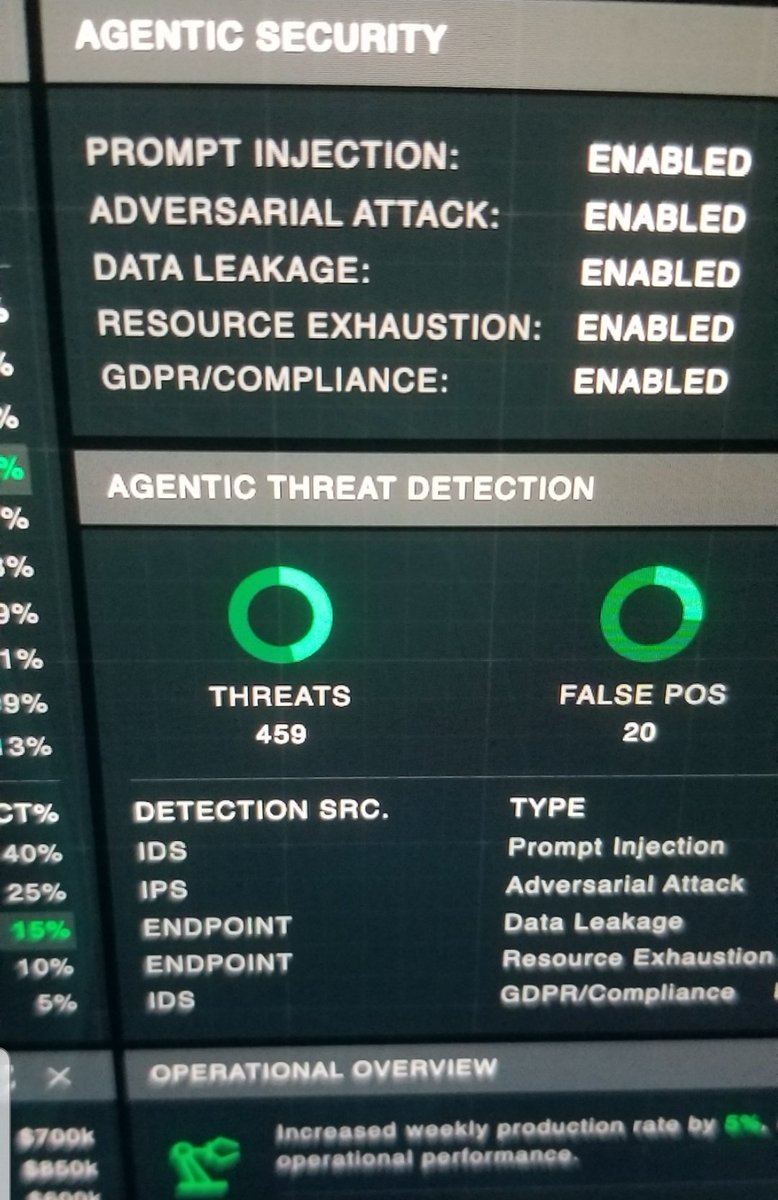
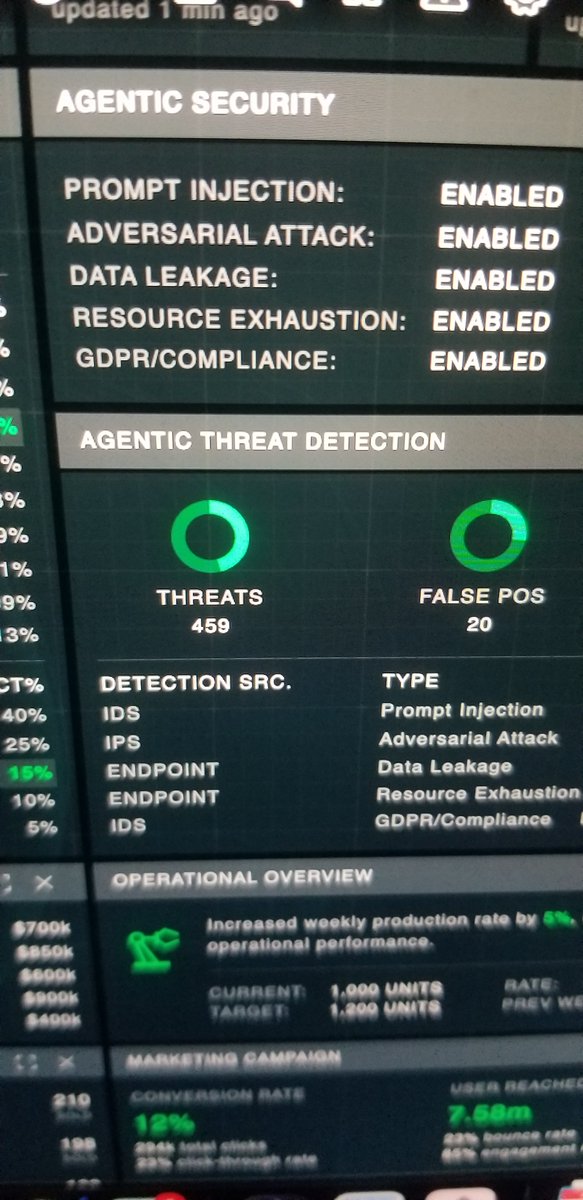
The next big wave, Agentic Security including workflow guardrails and AI attack vector management
1
79
4 Dec 2025
From frontier LLM's to Agentic AI to the final step before AGI. Link in comments..
1
86
7 Nov 2025
Starting Nov 16th, 2025 - You no longer need a credit score to qualify for a mortgage..
1
1
109
8 Oct 2025
2 years later and we've arrived.
1 Oct 2023

I could see LLM's becoming the next search engines by default.
108
22 Sep 2025
55
19 Aug 2025
71
6 Aug 2025
We run a free service platform w/ 36k #Realtors on it. Last poll I did Aug 1st feedback. Buyers are:
- concerned w/ job mkt
- waiting for rates to drop
- trying to time price drops
- lack of urgency due to inventory increases
Solutions from high achievers:
- greatly manage expectations
- deploy massive marketing efforts
- price based on unsold, long days on market comps, not 3month old sold comps
- rotate listing description every 2-3 weeks
1
87