
Joined November 2010
- Tweets 44,967
- Following 355
- Followers 1,612
- Likes 39,781
5,026 Photos and videos




Abu 'Abdur-Rahmān retweeted

16h
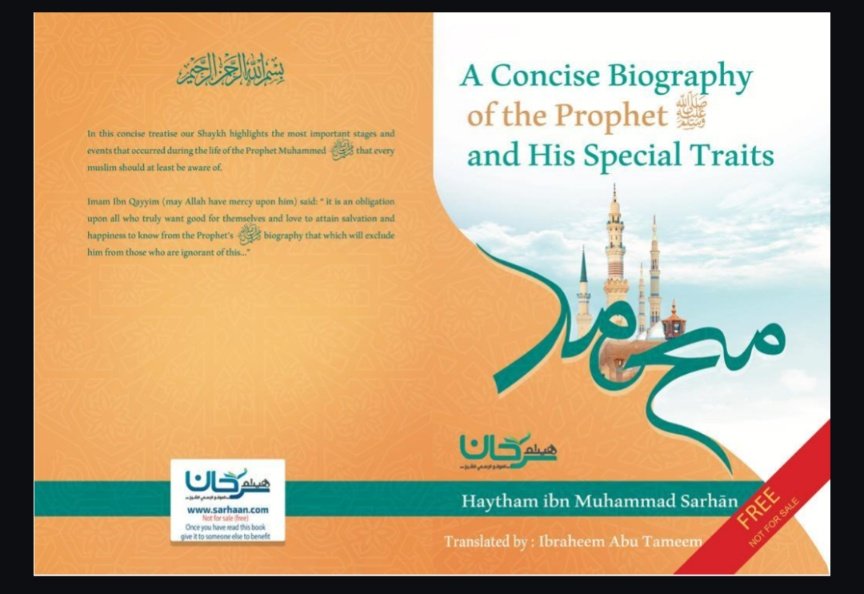
The Seerah of the Prophet should be mandatory for every Muslim to read and ponder upon it
ﷺ
7
10
48
1,311
Islām is like a bird.
Qur'ān and Sunnah are like its wings.
Those who reject the Sunnah, expect you to believe a bird can fly without one of its wings.
16
RT @MKdawah: 100 Q&A 2nd edition free download:
mkdawah.com/wp-content/uploa…
1

Jun 15
Abū Hurairah رضي الله عنه reported: RasūlAllāh ﷺ said,
“The best prayer after the prescribed prayers is a prayer offered in the middle of the night.
The best fast after the month of Ramadhān is fasting in the month of Allāh, al-Muharram.”
📚 Ṣaḥīḥ Muslim 1163
14

Jun 15
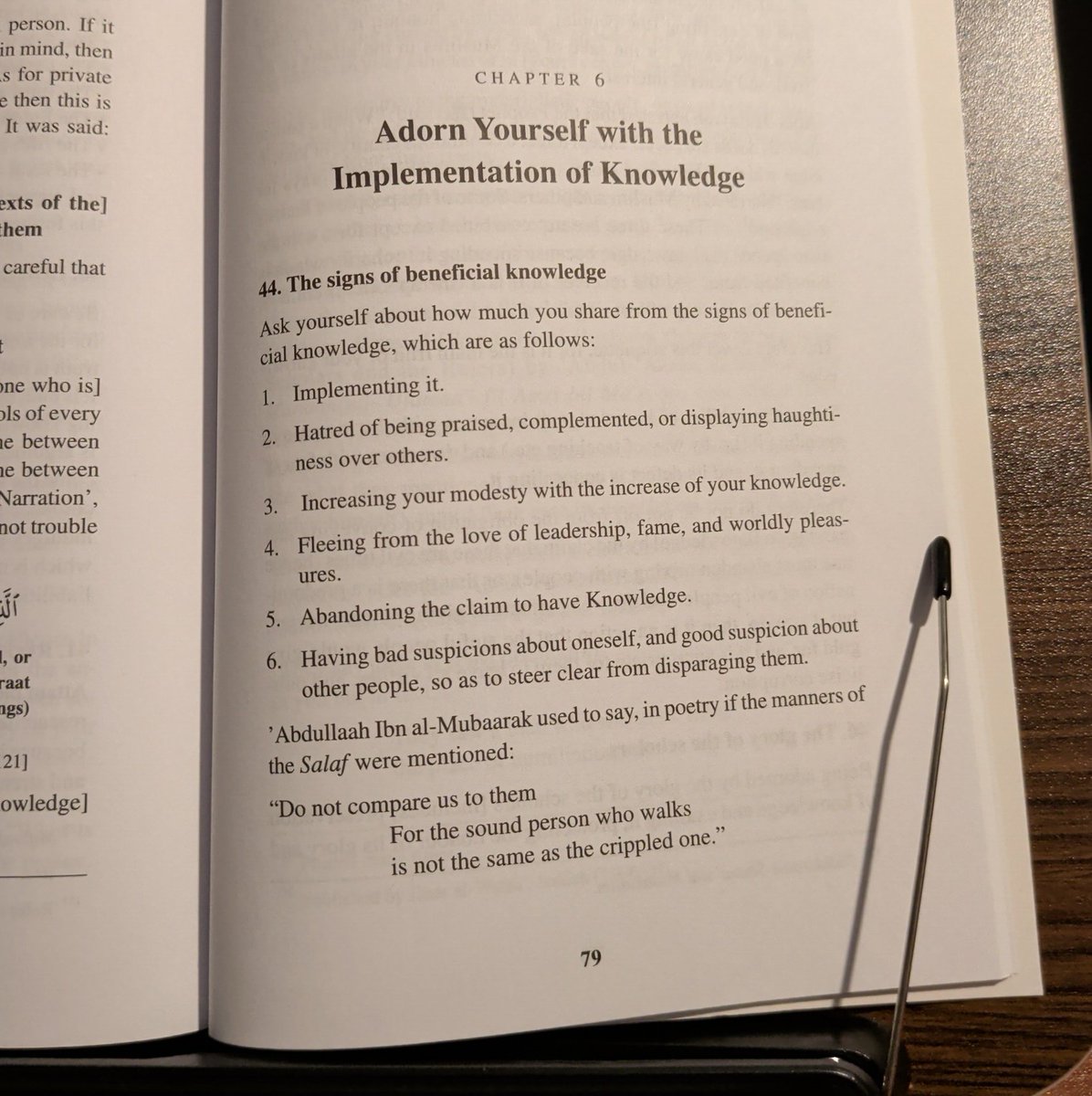
فأنّ العلم شجرة و العمل ثمرة
"Verily, knowledge is a tree and the actions are fruits."
اقتضاء العلم العمل ١٤/١ - الخطيب البغدادي
14
Jun 15
الوقتُ هو الحياة
Time is life
ومن أَضاع وقتهُ أضاع حياته
Those who waste their time are actually wasting their lives;
ومن اضاع حياته
and those who waste their lives
نَدِمَ ولا تنفعه الندامه
will be full of regret when it will be too late
مجموع فتاوى ابن باز ١٦/٢٦١
1
2
126
Abu 'Abdur-Rahmān retweeted

Jun 15
The Sacred Month of Allah Has Arrived: The Virtues of Muḥarram and Fasting ʿĀshūrāʾ — The Best Fasting After Ramadan!
Shaykh Salih Al-Fawzan حفظه الله
118
373
7,662
Jun 15
وقول الشافعي عن مالك:
Imām Ash-Shāfi'ī said regarding Imām Mālik
شهدتُ مالكاً وقد سئل عن ثمان وأربعين مسألة،
I witnessed Mālik being asked about forty-eight issues.
فقال في ثنتين وثلاثين منها: "لا أدري"
In thirty-two of them, he said:
"I do not know."
Jun 15

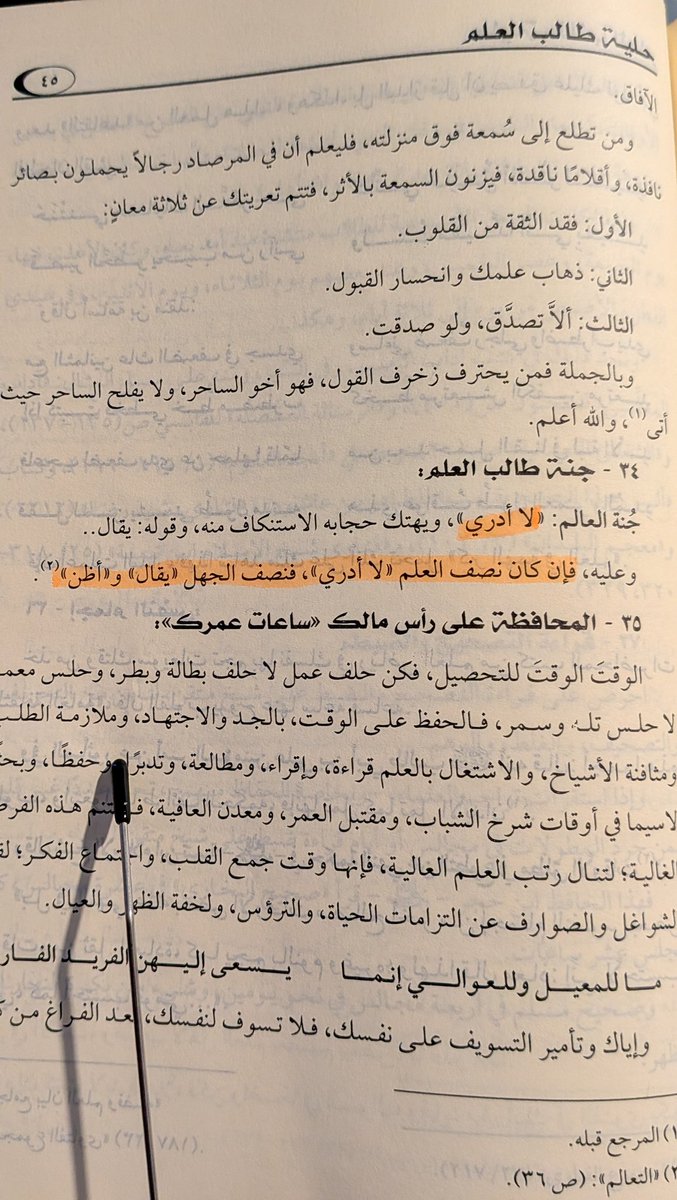
The sanctuary of the Scholar is: "I don't know"...
If half of knowledge is "I don't know", then half of ignorance is "I say" and "I think".
📖 Hilyatu Tālib Al 'Ilm page 45
17
Jun 15
The sanctuary of the Scholar is: "I don't know"...
If half of knowledge is "I don't know", then half of ignorance is "I say" and "I think".
📖 Hilyatu Tālib Al 'Ilm page 45
32
Abu 'Abdur-Rahmān retweeted

Jun 15
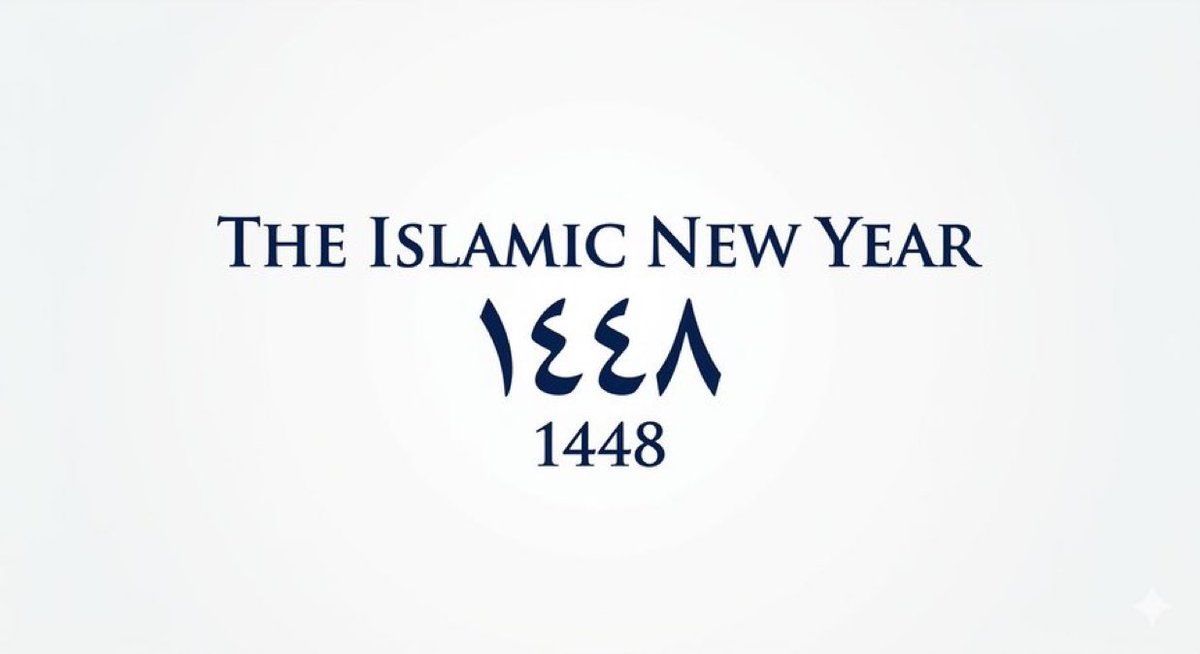
NEWS: The Crescent for the month of Muharram was sighted subsequently tomorrow I.e Tuesday, 16 June 2026 will be the beginning of the month of Muharram 1448
9
636
2,303
48,616
Jun 14
RT @akbar_alathari: Manners are title of your success or misery.
Good manners bring happiness, while poor manners lead to destruction.…
62
Abu 'Abdur-Rahmān retweeted

Jun 14
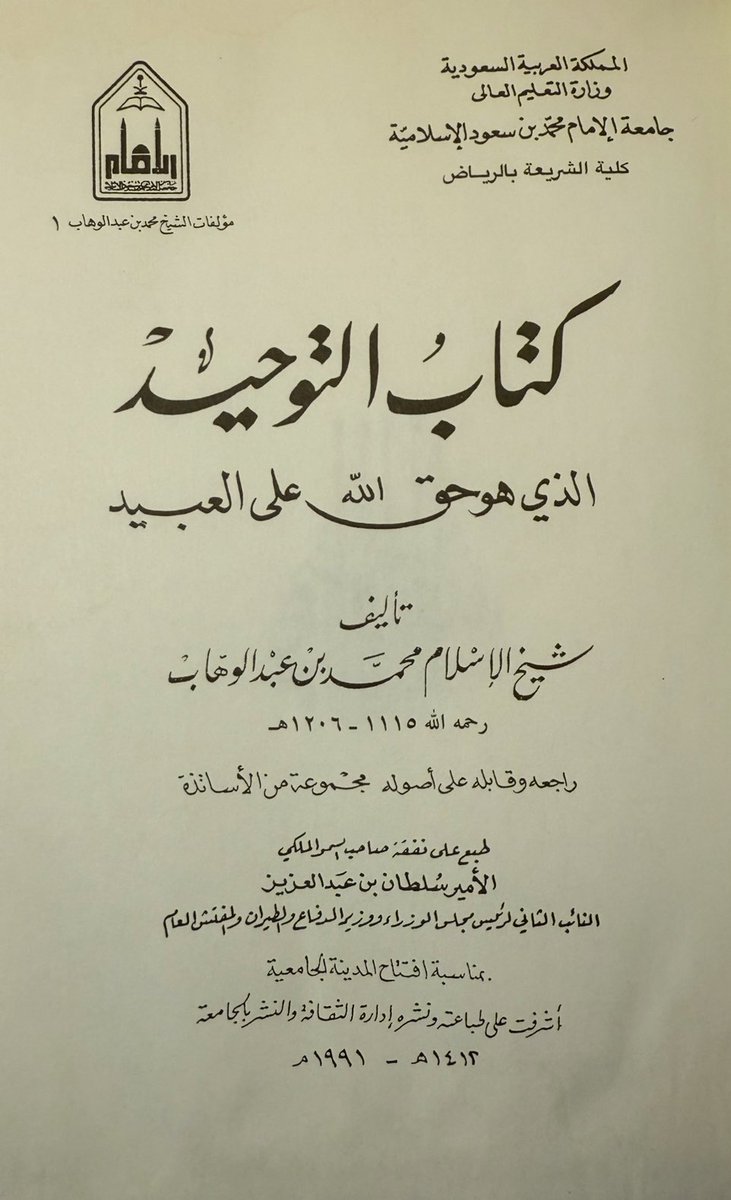
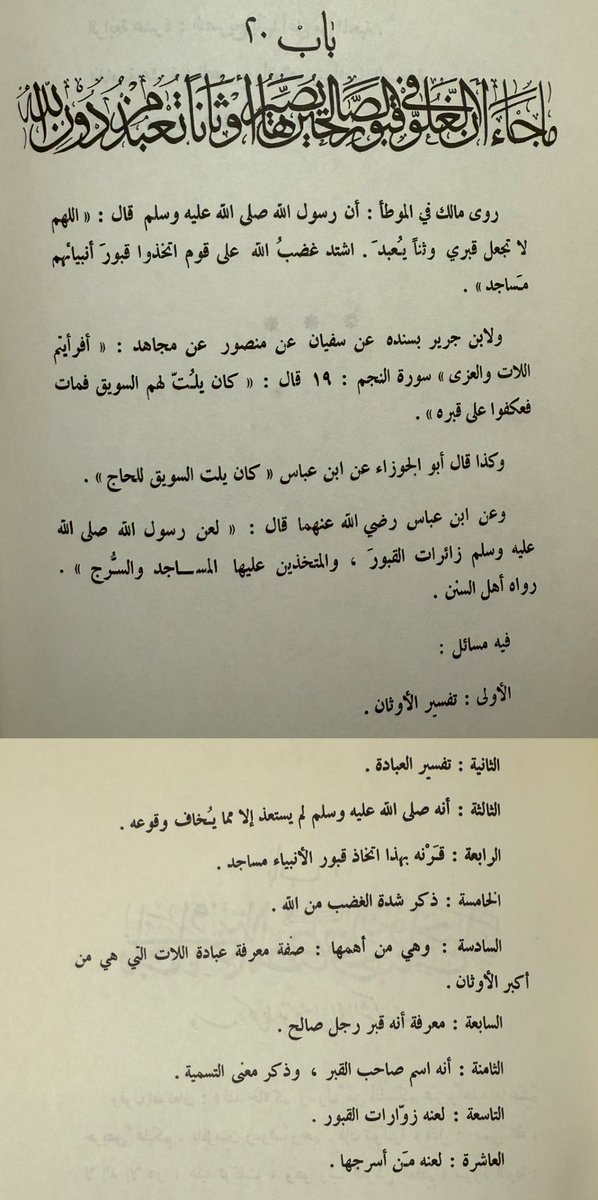
Chapter 20 of Kitab al-Tawḥīd by Imam Muhammad Ibn AbdulWahhab al-Ḥanbali:
❝𝐖𝐡𝐚𝐭 𝐡𝐚𝐬 𝐛𝐞𝐞𝐧 𝐫𝐞𝐩𝐨𝐫𝐭𝐞𝐝 𝐫𝐞𝐠𝐚𝐫𝐝𝐢𝐧𝐠 𝐡𝐨𝐰 𝐞𝐱𝐜𝐞𝐬𝐬𝐢𝐯𝐞 𝐯𝐞𝐧𝐞𝐫𝐚𝐭𝐢𝐨𝐧 𝐨𝐟 𝐭𝐡𝐞 𝐠𝐫𝐚𝐯𝐞𝐬 𝐨𝐟 𝐭𝐡𝐞 𝐫𝐢𝐠𝐡𝐭𝐞𝐨𝐮𝐬 𝐭𝐮𝐫𝐧𝐬 𝐭𝐡𝐞𝐦 𝐢𝐧𝐭𝐨 𝐢𝐝𝐨𝐥𝐬 𝐭𝐡𝐚𝐭 𝐚𝐫𝐞 𝐰𝐨𝐫𝐬𝐡𝐢𝐩𝐩𝐞𝐝 𝐛𝐞𝐬𝐢𝐝𝐞𝐬 𝐀𝐥𝐥𝐚𝐡
Mālik narrated in al-Muwaṭṭaʾ that the Messenger of Allah ﷺ said:
“O Allah, do not make my grave an idol that is worshipped. The anger of Allah became severe against a people who took the graves of their prophets as places of worship.”
And Ibn Jarīr [al-Ṭabari] narrated with his chain from Sufyān, from Manṣūr, from Mujāhid regarding Allah’s statement:
{أَفَرَأَيْتُمُ اللَّاتَ وَالْعُزَّىٰ}
“Have you considered al-Lāt and al-ʿUzzā?” (Qur’an 53:19)
Mujāhid said:
“He [al-Lāt] used to mix and prepare sawīq (a type of food) for the pilgrims. When he died, they devoted themselves to his grave.”
Likewise, Abū al-Jawzāʾ narrated from Ibn ʿAbbās:
“He used to prepare sawīq for the pilgrims.”
And from Ibn ʿAbbās (may Allah be pleased with him and his father):
“The Messenger of Allah ﷺ cursed women who frequently visit graves, and those who take graves as places of worship and place lamps upon them.”
Narrated by the compilers of the Sunan collections.
Issues (Lessons) Derived:
1. The explanation of idols (awthān).
2. The explanation of worship (ʿibādah).
3. That the Prophet ﷺ sought protection only from something whose occurrence was feared.
4. His linking this matter with taking the graves of prophets as places of worship.
5. Mention of the severity of Allah’s anger.
6. One of the most important points: understanding the nature of the worship of al-Lāt, who was among the greatest idols.
7. Knowing that al-Lāt was the grave of a righteous man.
8. Knowing that al-Lāt was the name of the person buried in that grave, and the meaning behind the name.
9. The Prophet’s curse upon women who frequently visit graves.
10. His curse upon those who place lamps on the graves.❞
2
26
118
3,974
Abu 'Abdur-Rahmān retweeted

Jun 12
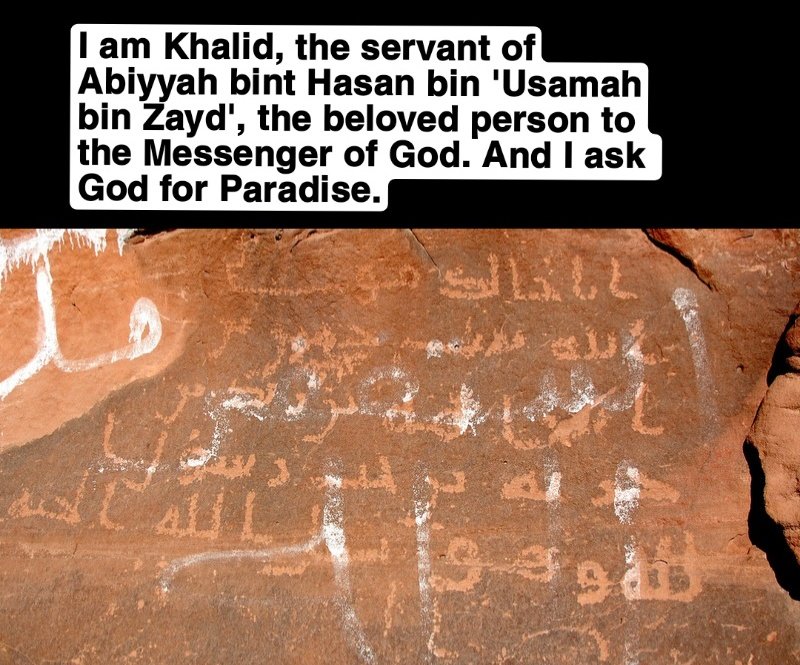
There's also another remarkable inscription that also confirms yet another authentic Hadith...
It was written by Khalid, a freed slave who served a Lady called Abiyyah, who turned out to be the granddaughter of the companion "Usama bin Zayd bin Haritha" r.a.
Usama bin Zayd was like a son to the Prophet, he loved him dearly... and those who studied the companions already know Usama bin Zayd was nicknamed "the beloved of the Prophet" حِب رسول الله due to him being like an adopted son to the Prophet.
The inscription by Khalid says:
"I am Khalid, the servant of Abiyyah bint Hasan bin Usamah bin Zayd, the beloved person to the Messenger of Allah. And ask I God for Paradise."
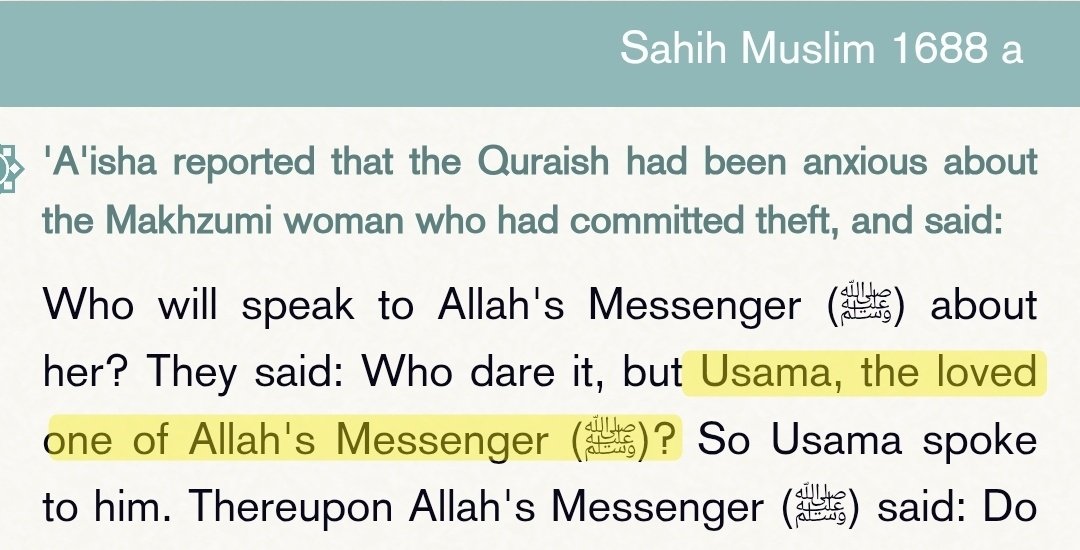
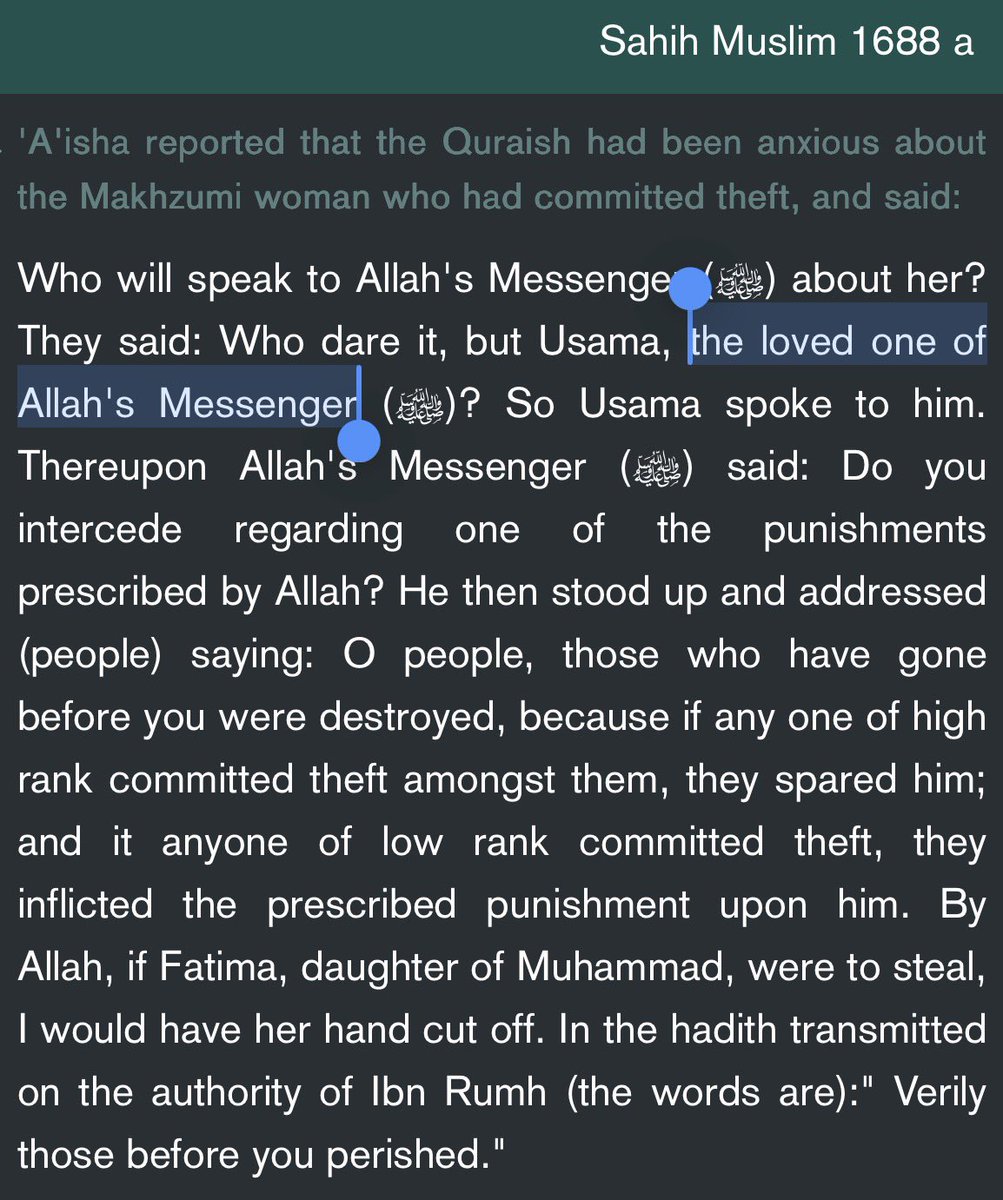
In many Hadiths, like Hadith 1688 from Sahih Muslim, Lady Aisha reported that the companions used to nickname Usama bin Zayd as: "the beloved to the Prophet" also confirms the authenticity of Islam's major books of Hadith.
These discoveries will change Islam discourse forever... Photos below:
13
170
901
60,446
Abu 'Abdur-Rahmān retweeted

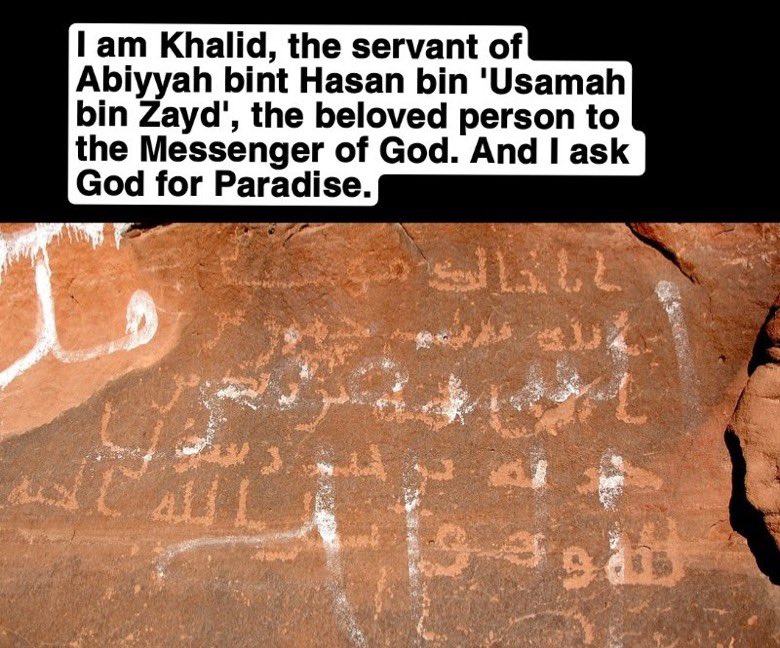
Archaeology corroborates the Islamic tradition even further.
An early Arabic inscription reads:
“I am Khālid, the servant of Abiyyah bint al-Ḥasan ibn Usāmah ibn Zayd, the beloved one of the Messenger of Allah ﷺ. O Allah, I ask You for Paradise.”
What makes this remarkable is that the inscription preserves the title “the beloved one of the Messenger of Allah ﷺ” for Sayyidunā Usāmah ibn Zayd (رضي الله عنه).
This is the very same title preserved in the hadith literature. In Ṣaḥīḥ Muslim, when Quraysh sought someone to intercede regarding the Makhzūmī woman who had committed theft, they said:
“Who would dare speak to the Messenger of Allah ﷺ except Usāmah, the beloved one of the Messenger of Allah ﷺ?”
The inscription and the hadith independently preserve the same appellation for Usāmah ibn Zayd (رضي الله عنه), providing a striking example of how early epigraphic evidence can corroborate details found in the transmitted Islamic tradition.
9
84
404
22,880
Abu 'Abdur-Rahmān retweeted
Jun 13
The preservation of the Quran is a miracle in itself unlike the Bible and Torah
A 1,300-year-old rock inscription of Surah Al-Fatiha in 🇸🇦
This is more proof that Allah has preserved and will continue to preserve the final revelation as He has promised
39
896
4,977
168,926