
CEO @ElPlanteo 🥦 | Editor-in-Chief @HIGH_TIMES_Mag 🧐 | Sr Contributor @Forbes 🗞 | Books @Entrepreneur & @Hachette 📚 | Co-Founder @IgniteItNews 📈
Joined October 2012
- Tweets 29,407
- Following 2,314
- Followers 16,225
- Likes 27,590
1,677 Photos and videos

Pinned Tweet

2 Apr 2025
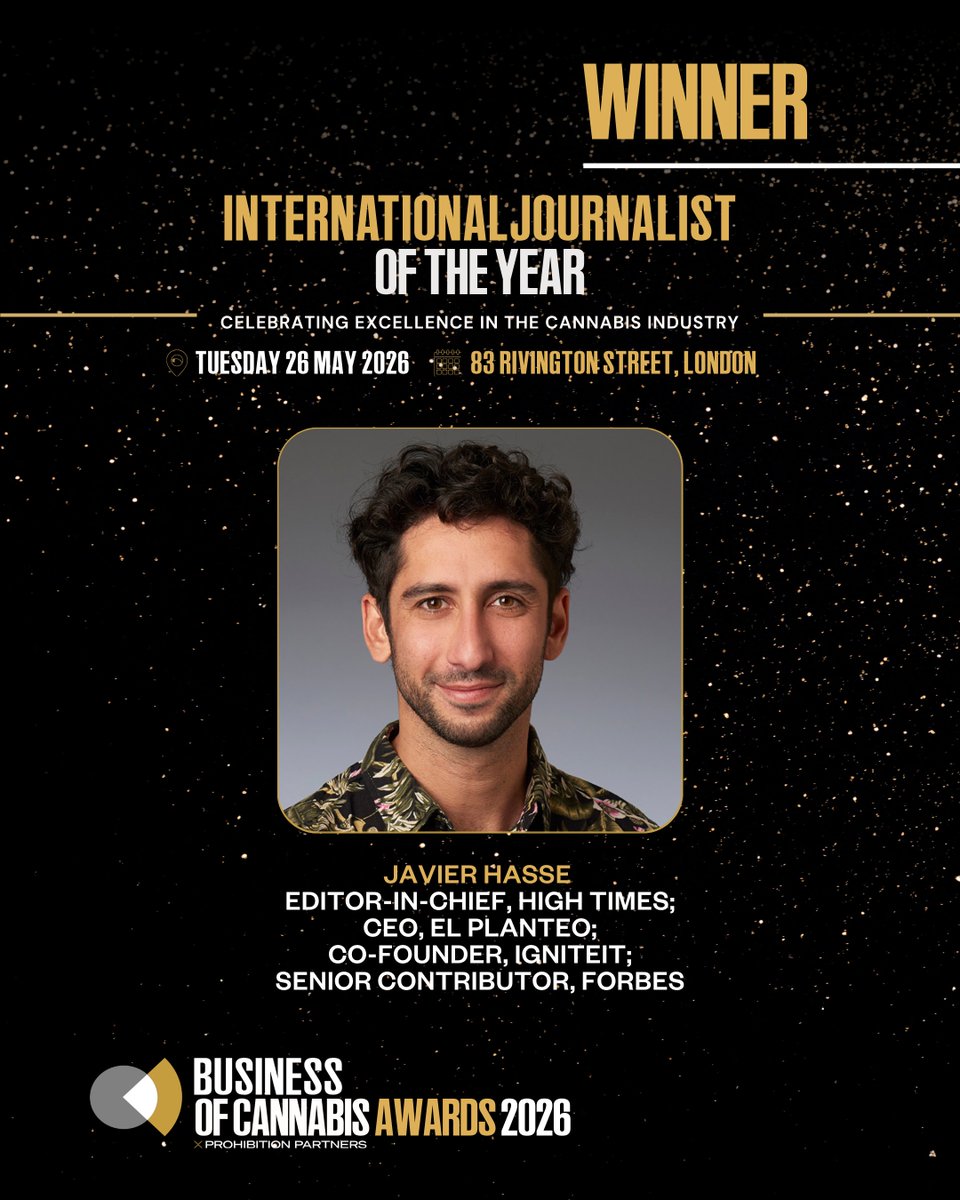
I think I never shared this one on X
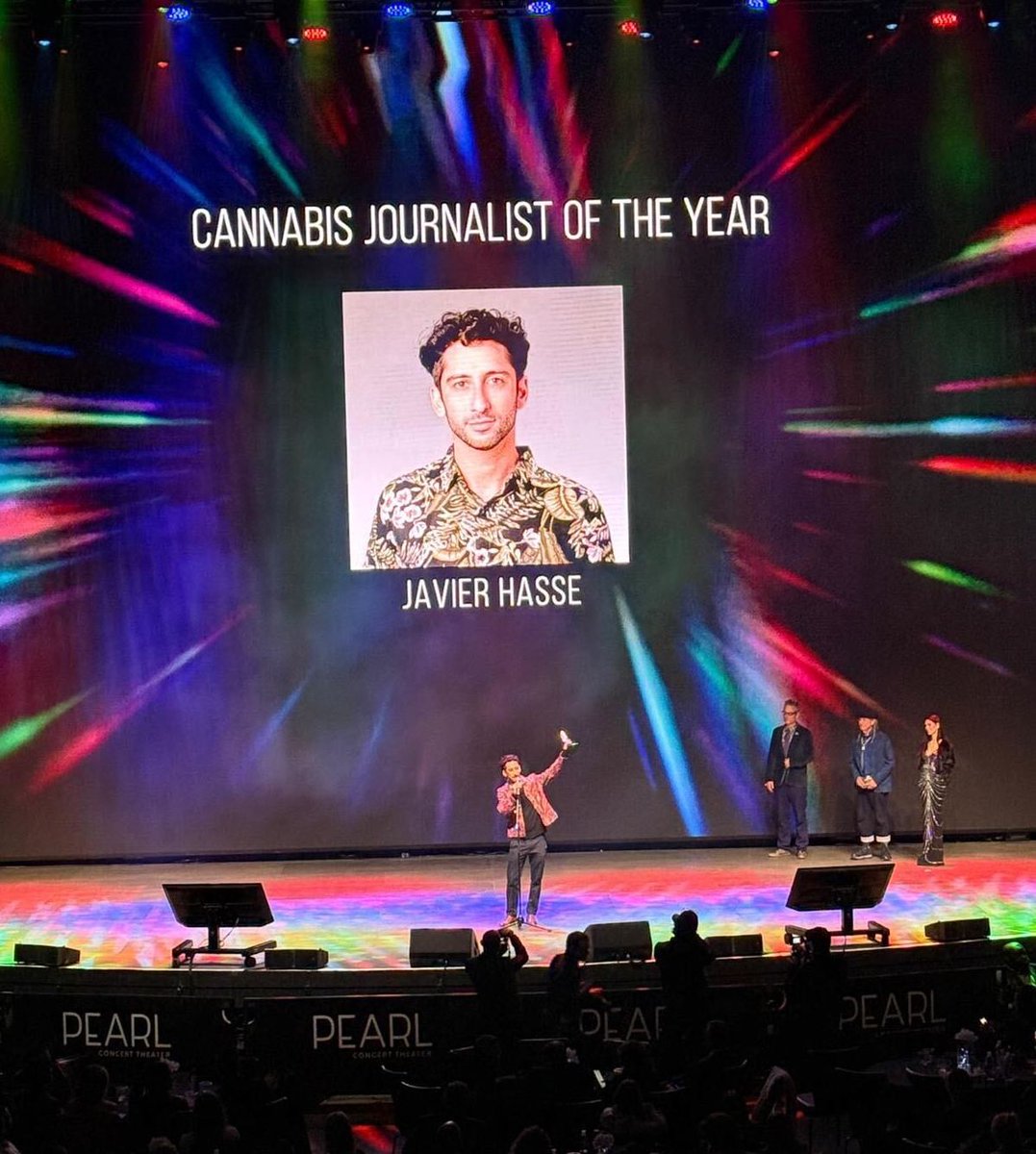
📸 December 5, 2024, was a happy day
Thanks to @elplanteo @Benzinga @BzCannabis @Forbes @ForbesLife @HachetteBooks @HachetteUS for the platforms to amplify important messages about cannabis 💚
And to #TheEmjays for the humbling honor 🙏
8
6
75
8,080
Javier Hasse retweeted

Jun 10
"The importance of exchange access extends far beyond the companies that would immediately uplist. Public markets are infrastructure. When large operators gain access to lower-cost capital and broader investor bases, the effects cascade through the entire ecosystem. Sector-wide valuations stabilize. Lending terms improve. Stock-based mergers become feasible. Private companies gain clearer exit paths. Employees receive equity that is actually liquid. Standards of governance and disclosure rise, benefiting regulators, lenders, and investors alike."
"These benefits extend to workers across the industry, regardless of whether their employer ever lists on a major exchange. Better-capitalized companies are more stable employers. They are better positioned to pay competitive wages, offer benefits, invest in training, and create durable career paths across cultivation, manufacturing, distribution, retail and compliance. When capital is abundant and affordable, labor markets tighten organically, as firms compete for talent rather than cut costs to survive. Even employees at smaller or privately held operators benefit as compensation benchmarks rise and job mobility improves."
"Capital access also reduces what has been one of the most damaging features of the current U.S. cannabis market: volatility. Sudden layoffs, missed payrolls, abandoned facilities, and collapsed operators have been common, not because demand is weak, but because financing is scarce and expensive. Access to public markets allows companies to refinance debt, absorb downturns, and plan for the long term. Stability benefits not only workers trying to build long-term careers (and their families), but also communities and regulators who depend on these businesses functioning predictably."
"Other stakeholders benefit as well. Suppliers gain customers with stronger balance sheets and more reliable purchasing cycles. Landlords face lower default risk. Lenders operate in a sector with greater transparency and governance. Consumers benefit from safer products, a more consistent supply, and greater investment in quality and innovation. State and local governments benefit from more stable tax revenues and fewer business failures that undermine regulatory goals."
26 Dec 2025

Is it really "America First" if US cannabis companies can't list on U.S. exchanges, while Canadians can?
Sharp breakdown from Hirsh Jain, CEO of @AnandaStrategy on @BzCannabis
igniteit.com/news/2025-12-26…
1
6
15
1,530
Javier Hasse retweeted

Jun 11
House of Haze is back with JoJo Simmons — entrepreneur, advocate, and host of For Good Podcast.
He joins @JavierHasse for a convo on growing up in hip-hop culture, his relationship with cannabis, mental health, and some real takes on the industry.
Watch it here 👉 linktw.in/JKOqys
1
10
9
2,139
Jun 12
The @HIGH_TIMES_Mag Strains of the Month are here.
For June, @davidrdowns selects the flowers blazing hardest across legal U.S. markets right now, from Lobster OG and Toad Venom to Brain Wash, LANTZ and more.
What's YOUR favorite strain right now?
hightimes.com/culture/high-t…
1
2
4
195
Jun 11
TSA’s marijuana guidance still leaves patients in limbo: “special instructions” exist, but nobody can seem to find them.
That’s the issue this @afarmedia piece by Iona Brannon gets right. Appreciate being quoted :)
afar.com/magazine/tsa-subtly…
1
236
Jun 9
Why does watching the World Cup feel like a panic attack?
Because your brain can't always tell the difference between a penalty kick and a predator.
That's the premise of @hernanpanessi's new @HIGH_TIMES_Mag piece on World Cup anxiety, weed and not screwing it up.
hightimes.com/sports/why-doe…
1
4
473
Jun 7
AI is growing your weed, breeding your weed, marketing your weed & helping sell your weed.
The hype is easy. The harder question is what happens to the growers, trimmers, budtenders & small operators when the software gets really good.
@RGGB_ in @HIGH_TIMES_Mag
hightimes.com/grow/ai-is-gro…
1
3
5
292
Jun 5
The science is real. The valuations are not.
That’s the core of @RGGB_'s new @HIGH_TIMES_Mag piece on psychedelic hype, Wall Street money and why patients could get screwed the same way they did in cannabis.
hightimes.com/psychedelics/p…
1
1
222
Jun 4
.@HIGH_TIMES_Mag's Stony Awards are back!
Meet the Class of 2026: @wizkhalifa, @SnoopDogg, @MarthaStewart, @esdeekidd, Polita Pepper, @Cannabichem, @MendoDopeBoys, @JorgeCervantes, @edrosenthal & more.
Full list in the link below & our print mag!
hightimes.com/culture/the-st…
3
206
Jun 3
Amsterdam won’t stop tourists from buying weed after all.
It will just make them pay more for the bed they sleep in afterward.
Wrote about the agreement, the death of the tourist ban & what it says about the city’s new approach on @HIGH_TIMES_Mag
hightimes.com/news/amsterdam…
Jun 3

BREAKING: New local government coalition in Amsterdam ditches plan to ban tourists from coffeeshops in the city centre
"Ook het zogenoemde ingezetenencriterium, een coffeeshopverbod voor toeristen, komt er niet."
parool.nl/coalitieakkoord/co… cc @JavierHasse @IntlCBC @hanfverband
1
7
671
Jun 3
Cannabis equity was supposed to "repair" the War on Drugs.
Amber Senter of @supernovawomen & an architect of the first US social equity program, says it too often pushed Black founders toward dispensaries: high-cost, low-margin businesses many were never capitalized to survive.
@RGGB_ in @HIGH_TIMES_Mag
hightimes.com/business/amber…
2
131
Javier Hasse retweeted

Cannabis M&A is back.
But not as a wave of mega-mergers.
In 2026, the action is moving through private deals, distressed credit, all-stock transactions, earnouts, asset sales, and regional expansion.
2
3
17
1,468

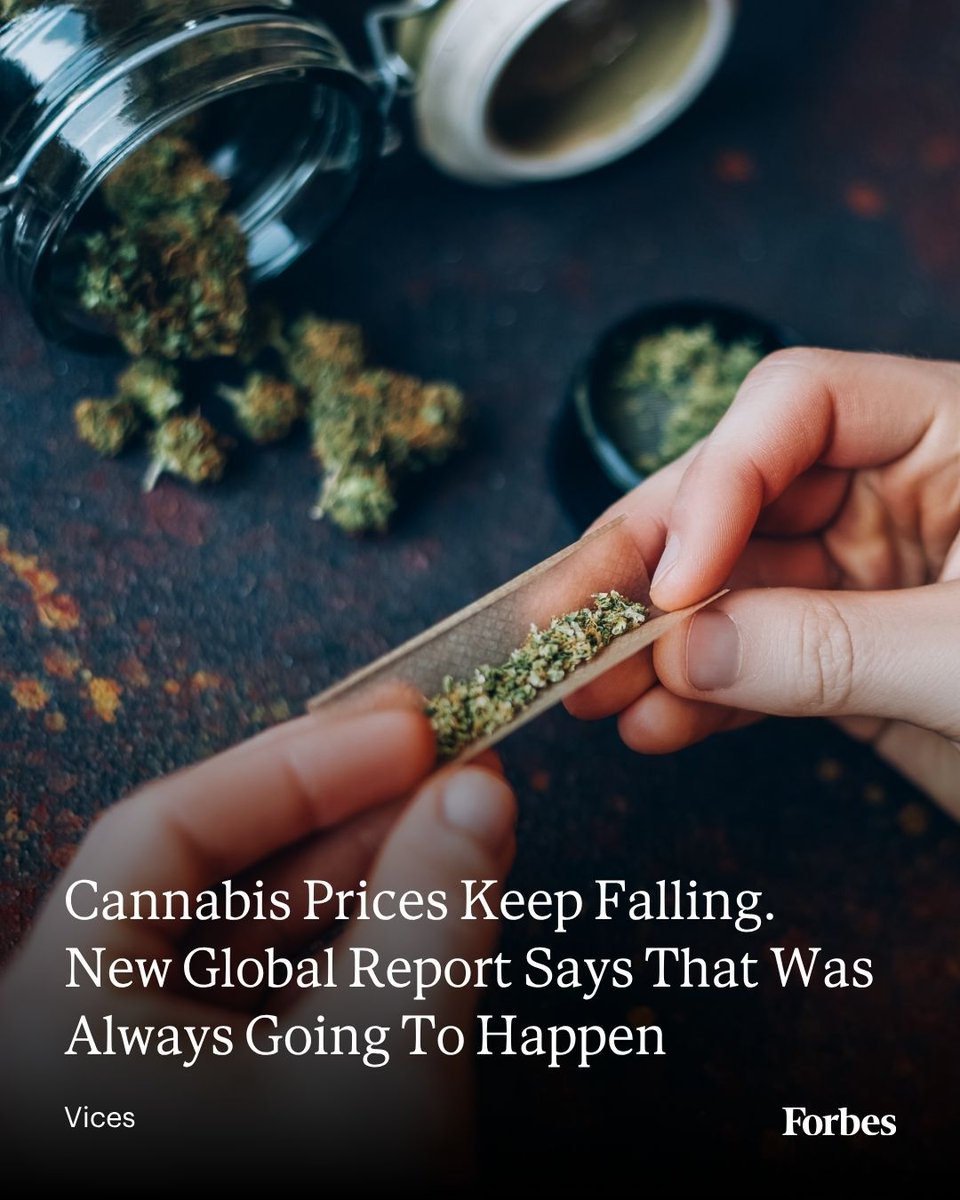
A new analysis from Whitney Economics and GCNC argues that cannabis price compression is not a market failure, but a predictable phase of legalization that regulators and operators repeatedly underestimate.
Read more: forbes.com/sites/javierhasse…
Photo: Getty Images
10
18
58
14,782
Javier Hasse retweeted
Jun 2
We posted about TSA and everyone in our comments was confessing to flying with weed.
Bob Hoban, cannabis attorney, says the real issue is on the federal paperwork required to go legal:
hightimes.com/news/dea-canna…
1
10
25
4,987
Jun 2
The cannabis sector has dozens of public companies. Only seven clear the threshold that institutional investors actually care about.
My new @Forbes x @ForbesInvestor x @ForbesLife piece focuses on the gap between the rally and the reality.
forbes.com/sites/javierhasse…
153
Jun 1
Robinhood just opened the door to some of the biggest US cannabis stocks.
Trulieve, Curaleaf & Green Thumb are now tradable on one of the most widely used retail investing apps in America.
That does not change federal law. But it does change access. New at @IgniteItNews.
igniteit.com/news/robinhood-…
2
4
33
1,590
Jun 1
We posted a TSA update. The comments filled with people confessing to years of flying with weed.
So we asked a cannabis lawyer (@Robert_Hoban) if they should worry. He pointed somewhere nobody was looking: the DEA's own paperwork.
hightimes.com/news/dea-canna…
2
6
9
677
May 31
.@ConanOBrien has spent two weeks trying to eat one weed gummy. He’s made it through a quarter.
What's more interesting is that, somehow, this also ties back to an old High Times Stony Award & a bong on live TV.
New from @CelebStoner on @HIGH_TIMES_Mag
hightimes.com/culture/conan-…
1
2
8
925
May 31
He fell 40 feet, bounced 20 more, shattered his spine and had to learn to walk again.
Cannabis didn’t fix Joey Coleman. It helped him do something more basic: sleep through the pain.
I wrote about the crash, recovery and what came after on
@HIGH_TIMES_Mag
hightimes.com/culture/joey-c…
1
5
322