
Building aHQ | Helping VCs & founders to build an unforgettable Personal Brand | Writer • Thinker • Self-Improvement
Joined December 2024
- Tweets 2,581
- Following 107
- Followers 52,979
- Likes 5,107
1,034 Photos and videos

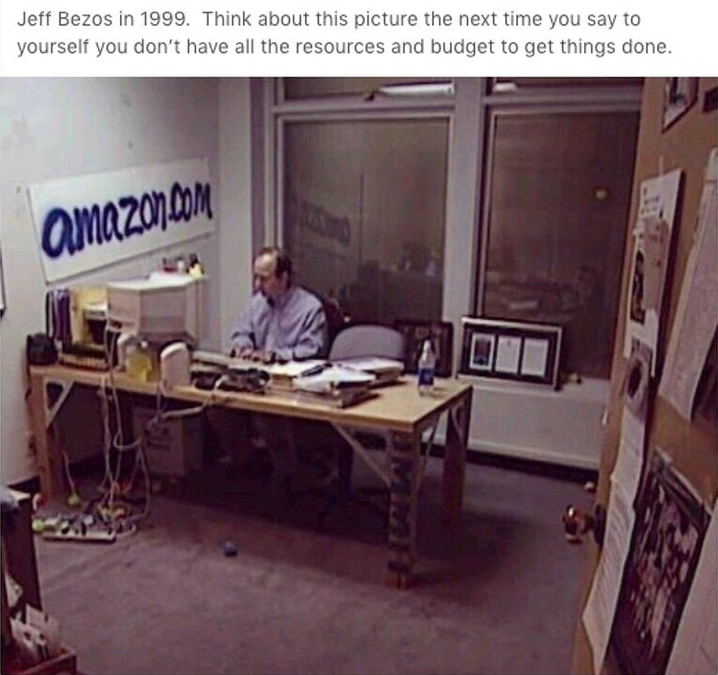
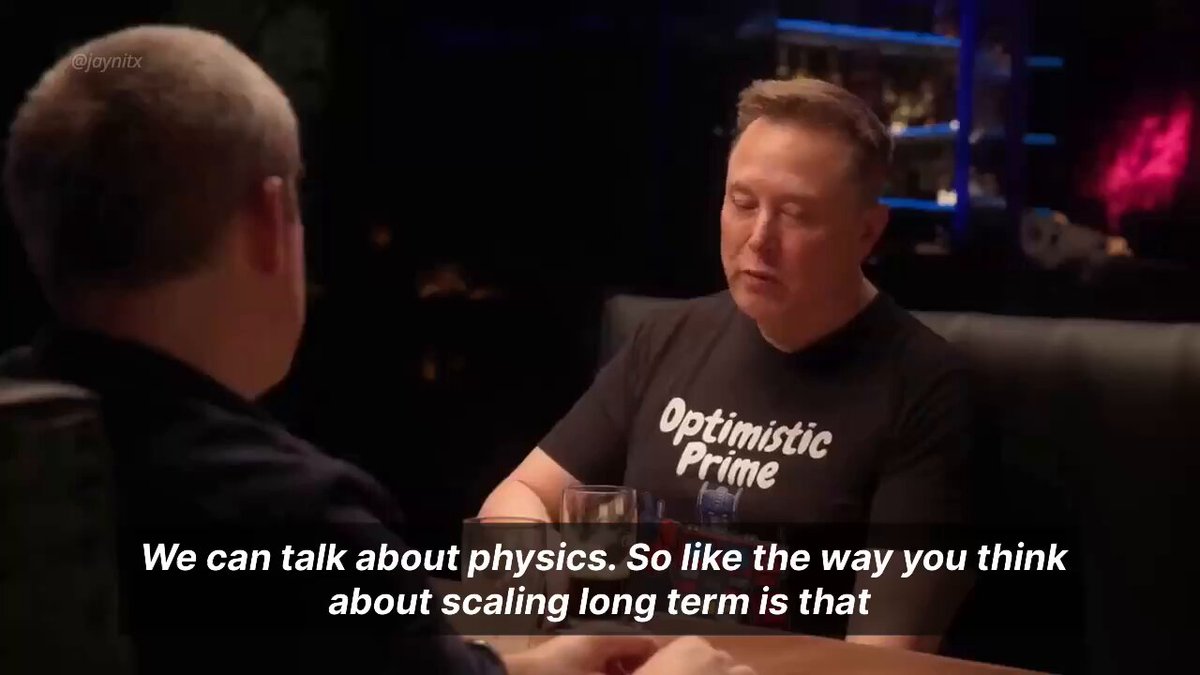
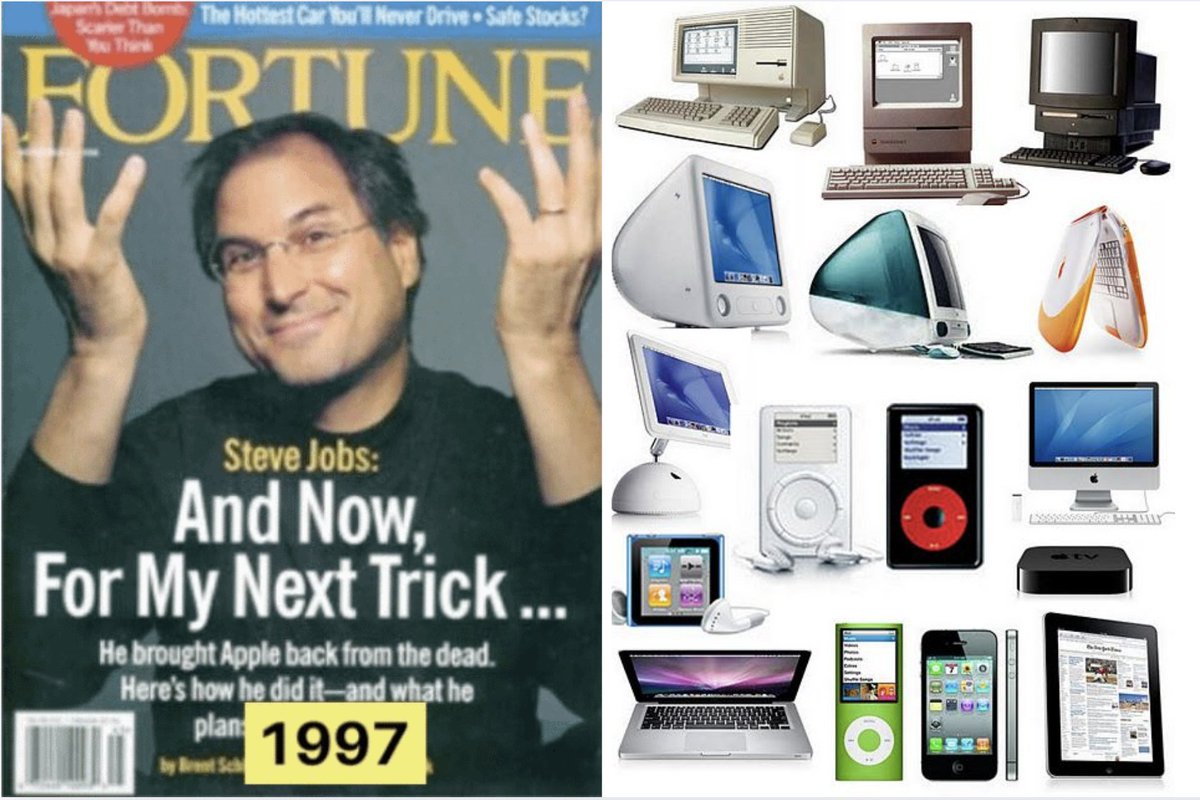

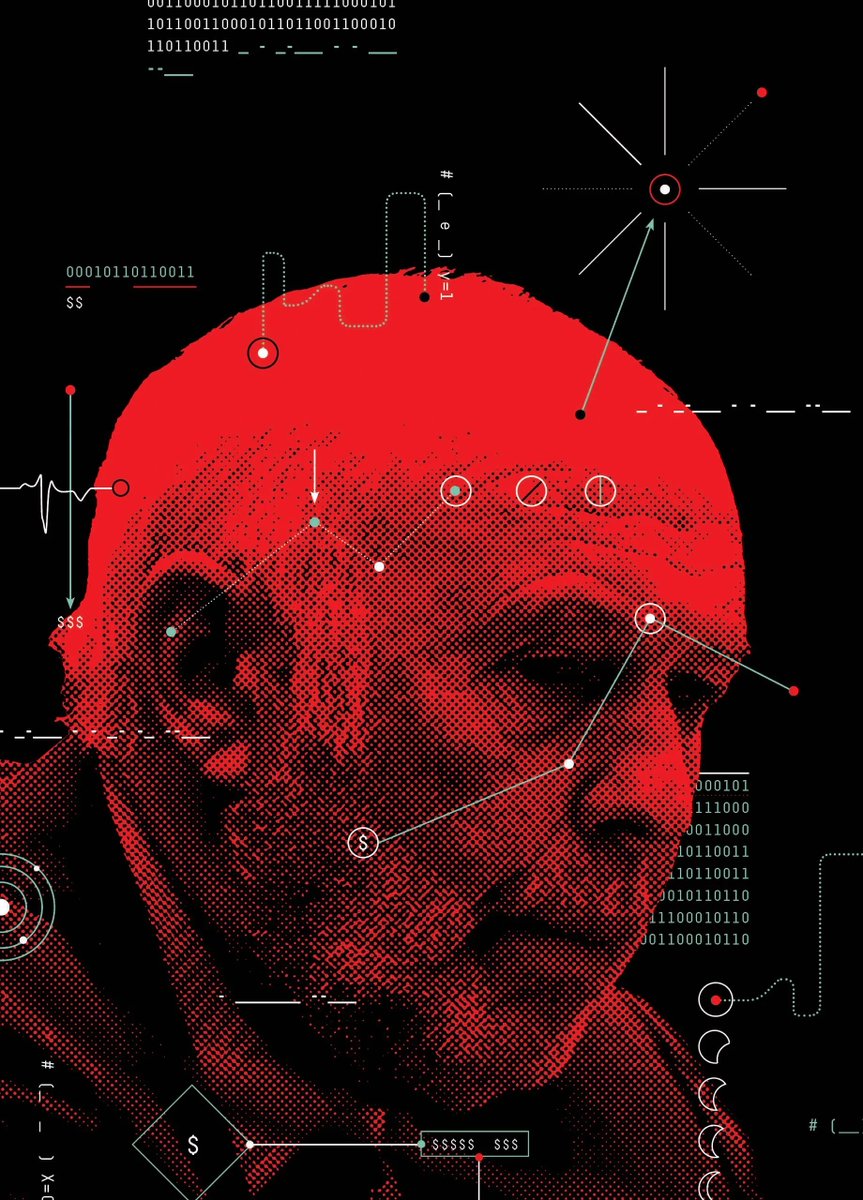
No one made more money in trading than Jim Simons.
Not Buffett. Not Soros. Not Dalio.
His hedge fund was so powerful, he shut it down to outsiders.
$100 in 1988 grew to $400M in 30 years.
Here’s how a mathematician became the world’s greatest trader:
467
3,636
39,093
6,711,894
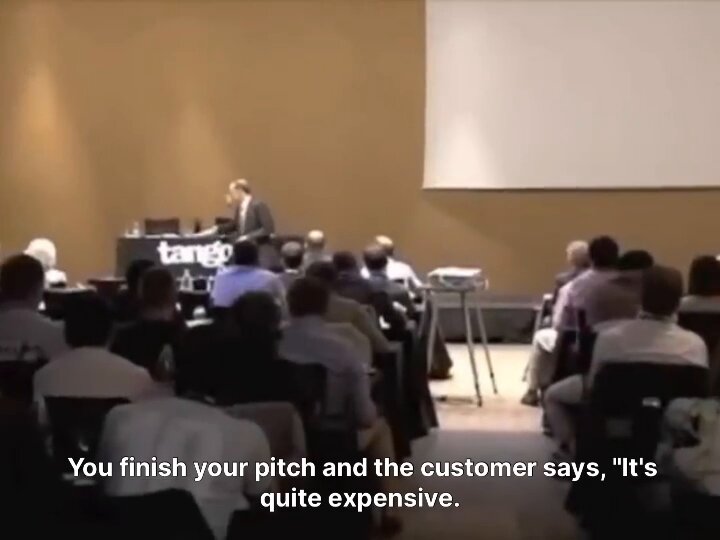
Conor Neill: "18 years of school trained you to ruin conversations"
"You finish your pitch and the customer says, 'Your product is too expensive!' You arrive home, you're a few minutes late, your partner says, 'You are always late.' A dirty plate is left on the table... 'You never wash the dishes.' What do you say in this moment?"
The problem:
"Most of you... went through 14 years of school where you were taught one way to respond to questions. Teacher asks a question: 'How do you spell cats?' Student: 'C-A-T.' Teacher: 'What is the biological process called osmosis?' Student puts hand up, explains in detail the process through which cell membranes allow water to go from one side to the other."
He continues:
"For 14 years you've been taught that you receive and answer a question. If you went to university, you probably had another 3, 4 years where you gave answers to questions."
On why answering is the worst response:
"In real life, in persuasion, in getting to what the other person is really about, what their needs really are... the worst thing you can do is give an answer to a question."
He explains:
"If someone says 'your product is too expensive' and you say 'No it's not! It's only €1,000'... you've lost every chance to understand what else is behind their reasoning. If you get home and your partner says 'you're always late!' and you say 'No no no! Tuesday I definitely was here on time'... you're gonna have a crap weekend."
The insight:
"You've had 14... if not 18 years of training that you answer questions. And it's going to cause fights in your home life. It's going to cause problems at work. It means you're not selling anything. Because when someone says 'your product is too expensive'... that's not what their real issue is. When someone says 'I will have to speak to my boss'... that's not what their real issue is."
On emotion and thinking:
"When your partner says 'you're always late'... emotion goes up. And what happens? This part disconnects. The higher emotion goes... the lower thinking goes."
The implication:
"The way to make someone stupider is insult them, object to them, tell them they are wrong. When asked a question, there's an emotional reaction."
On why you must practice:
"If you don't practice this response, you're not going to be able to do it in the moment."
He lists the objections:
"'You're always late!'... 'You never wash the dishes!'... 'You never do your part of the share!'... 'Your product is too expensive!'... 'Your competitor is better!'... 'You failed us 3 years ago!'... 'I don't trust your company!' If you don't practice this habit of not giving an answer... you're not going to be able to do it in the heat of the moment."
Neill calls this "Conversation Aikido":
"Martial arts are about using the energy, the force of the opponent against them. In judo, if someone punches you, you pull their arm and allow the energy to keep flowing. In Aikido, the concept is you go towards the punch. Go towards the energy."
He explains:
"If someone punches you... if someone asks you a question... if someone objects, says you're wrong... the Aikido method is go towards and see the world from their view. In Aikido, you learn to go towards the punch, dodge it, and look... and you are seeing the world in the same direction as the person who's attacking you."
The technique:
"When you are asked a question or given an objection... say 'I understand' and repeat in your words what they're saying. Then give an open question back."
Example:
"'Your product is too expensive!' → 'I understand that money is an important factor for you. What other criteria will be used in taking this decision?'"
He adds:
"It takes some habit to start to be able to give 'I understand' and fill in good words. You will have to work on this quite a few times over the next 10 years to find the set of words that captures what the other person feels... what's behind it."
He explains with an example:
"'You're always late!' → 'I understand you feel frustrated.' 'I understand you feel let down.' Then: 'What can we do now?' 'What happened during the day?' 'What would you like to talk about?'"
On unlearning:
"This takes 14 years of it being drummed into you... 4 more, 18 if you went to university. It's gonna take you at least 18 years to get out of the habit of responding to questions with answers."
The lesson:
"We live in an uncertain world and we don't have the answers. But by giving the answer, we shut down the possibility of hearing what's really going on in the other person's mind... in the other person's business... what other things are going on."
On the 4th question:
"I guarantee that if you do it 4 times... the answer to your 4th open question begins to be the real underlying need, issue, interest of the person you're listening to."
60
239
3,788
153,021
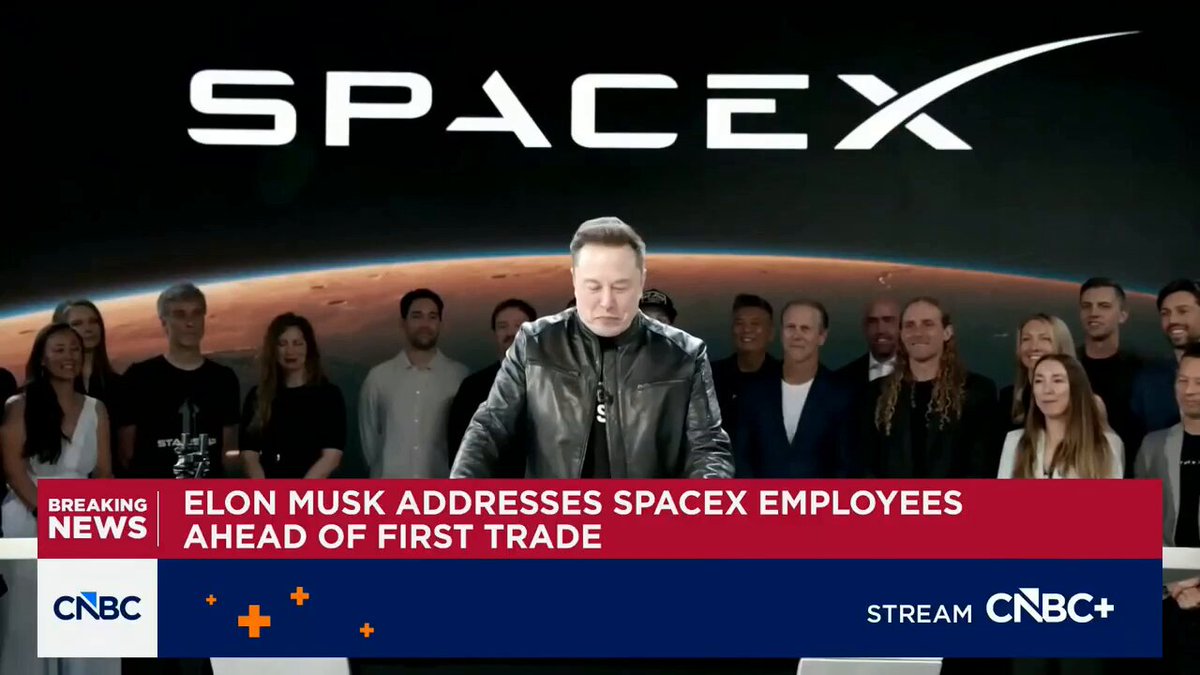
Elon Musk reveals that he gave SpaceX less than a 10% chance of succeeding when he started it
"That little company that started in a warehouse in El Segundo is now going public with the largest IPO that ever"
"If people had told me this was going to happen, I was like, man, you must be smoking some really good crack, because I thought this company was going to fail"
"I gave SpaceX less than a 10% chance of succeeding at all, to be clear"
"I told people, look, we're probably going to fail, but we should give it a try, because if there's not a new company that enters space, we will never be a truly spacefaring civilization"
"The other aerospace companies, they build rockets and everything, but they were simply not pursuing the technology necessary to make life multi-planetary, to make Star Trek real, to make the exciting science fiction futures we've read about real"
"SpaceX is all about taking the fiction out of science fiction and creating an exciting, inspiring future for everyone"
"We want to be able to take anyone who wants to go to the moon, anyone who wants to go to Mars, or anyone in the solar system, and maybe beyond the solar system"
"Not just a few astronauts. Whoever you are watching this, SpaceX wants to be able to take you to the moon, take you to Mars, and ultimately beyond"
"I'm confident at this point that with the incredible team we have at SpaceX, that we will do that for you"
"There are always problems on Earth. There are always things we wish to be better, that we want to solve here on Earth, and we should solve them. But they also have to be things that get you excited about the future"
3
8
25
1,916
Conor Neill: "18 years of school trained you to ruin conversations"
"You finish your pitch and the customer says, 'Your product is too expensive!' You arrive home, you're a few minutes late, your partner says, 'You are always late.' A dirty plate is left on the table... 'You never wash the dishes.' What do you say in this moment?"
The problem:
"Most of you... went through 14 years of school where you were taught one way to respond to questions. Teacher asks a question: 'How do you spell cats?' Student: 'C-A-T.' Teacher: 'What is the biological process called osmosis?' Student puts hand up, explains in detail the process through which cell membranes allow water to go from one side to the other."
He continues:
"For 14 years you've been taught that you receive and answer a question. If you went to university, you probably had another 3, 4 years where you gave answers to questions."
On why answering is the worst response:
"In real life, in persuasion, in getting to what the other person is really about, what their needs really are... the worst thing you can do is give an answer to a question."
He explains:
"If someone says 'your product is too expensive' and you say 'No it's not! It's only €1,000'... you've lost every chance to understand what else is behind their reasoning. If you get home and your partner says 'you're always late!' and you say 'No no no! Tuesday I definitely was here on time'... you're gonna have a crap weekend."
The insight:
"You've had 14... if not 18 years of training that you answer questions. And it's going to cause fights in your home life. It's going to cause problems at work. It means you're not selling anything. Because when someone says 'your product is too expensive'... that's not what their real issue is. When someone says 'I will have to speak to my boss'... that's not what their real issue is."
On emotion and thinking:
"When your partner says 'you're always late'... emotion goes up. And what happens? This part disconnects. The higher emotion goes... the lower thinking goes."
The implication:
"The way to make someone stupider is insult them, object to them, tell them they are wrong. When asked a question, there's an emotional reaction."
On why you must practice:
"If you don't practice this response, you're not going to be able to do it in the moment."
He lists the objections:
"'You're always late!'... 'You never wash the dishes!'... 'You never do your part of the share!'... 'Your product is too expensive!'... 'Your competitor is better!'... 'You failed us 3 years ago!'... 'I don't trust your company!' If you don't practice this habit of not giving an answer... you're not going to be able to do it in the heat of the moment."
Neill calls this "Conversation Aikido":
"Martial arts are about using the energy, the force of the opponent against them. In judo, if someone punches you, you pull their arm and allow the energy to keep flowing. In Aikido, the concept is you go towards the punch. Go towards the energy."
He explains:
"If someone punches you... if someone asks you a question... if someone objects, says you're wrong... the Aikido method is go towards and see the world from their view. In Aikido, you learn to go towards the punch, dodge it, and look... and you are seeing the world in the same direction as the person who's attacking you."
The technique:
"When you are asked a question or given an objection... say 'I understand' and repeat in your words what they're saying. Then give an open question back."
Example:
"'Your product is too expensive!' → 'I understand that money is an important factor for you. What other criteria will be used in taking this decision?'"
He adds:
"It takes some habit to start to be able to give 'I understand' and fill in good words. You will have to work on this quite a few times over the next 10 years to find the set of words that captures what the other person feels... what's behind it."
He explains with an example:
"'You're always late!' → 'I understand you feel frustrated.' 'I understand you feel let down.' Then: 'What can we do now?' 'What happened during the day?' 'What would you like to talk about?'"
On unlearning:
"This takes 14 years of it being drummed into you... 4 more, 18 if you went to university. It's gonna take you at least 18 years to get out of the habit of responding to questions with answers."
The lesson:
"We live in an uncertain world and we don't have the answers. But by giving the answer, we shut down the possibility of hearing what's really going on in the other person's mind... in the other person's business... what other things are going on."
On the 4th question:
"I guarantee that if you do it 4 times... the answer to your 4th open question begins to be the real underlying need, issue, interest of the person you're listening to."
60
239
3,788
153,021
Want to think like the top 1%?
I study the world’s sharpest minds so you don’t have to.
Peak Thinkers breaks down mental models & systems from elite founders, strategists, and creators every week.
Subscribe here (for FREE) → peakthinkers.substack.com
6
4,391
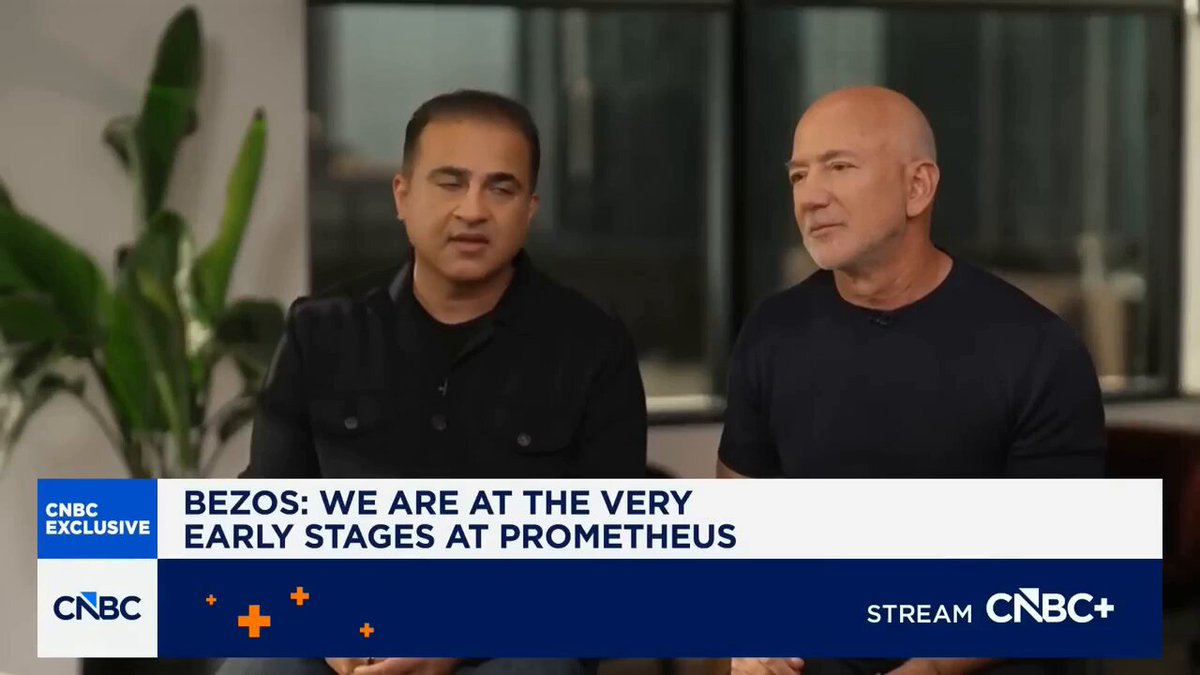
Jeff Bezos reveals why he believes AI will cause a labor shortage, not mass unemployment
"I know there's a lot of concern about AI and job loss. I have a very different view"
"What's actually going to happen is we're going to have labor scarcity as a result. People are going to have to work hard"
"People are pessimistic because a bunch of smart people are telling them to be pessimistic. But those people are wrong"
"When you have productivity, and this could be very significant productivity in the economy, that is going to raise the standard of living"
"A lot of people who today have two-earner households, perhaps one of those earners will decide not to be in the job market. Some people who are working overtime will stop working overtime because they don't want to work overtime"
"When you have that much productivity in the economy, that is the basket of goods that people can afford on less money"
"If I take you back to the plow, these benefits can't help but be shared. These inventions drive fundamental progress"
"Somebody invents penicillin and it does help everyone. Somebody invents solar cells and it does help everyone"
"The iPhone doesn't get reserved for just a few people. It's not how it works. It's the inventions themselves that spread throughout society and improve life"
"What creates jobs? Companies occasionally create jobs, but what really creates jobs is invention"
"Inventions are based on dreams, but invention means you actually make the dream a reality. The more we invent new objects, new industries, the more jobs we create"
13
22
66
11,320
Want to think like the top 1%?
I study the world’s sharpest minds so you don’t have to.
Peak Thinkers breaks down mental models & systems from elite founders, strategists, and creators every week.
Subscribe here (for FREE) → peakthinkers.substack.com
1
980
Naval Ravikant reveals why getting rich has never been easier in human history and why most people are playing the wrong game:
1. status games are zero sum. wealth creation is not. in hunter gatherer times there was no stored wealth so status was the only game worth playing. high status meant you ate first. today you can build a product, scale it, and create abundance for millions of people without taking anything from anyone. i can be wealthy and you can be wealthy at the same time. you cannot both be number one.
2. there has never been an easier time in history to create wealth. a few hundred years ago you were born a serf and you died a serf. there was almost no way out. that has changed entirely. the leverage available today through technology, code, and media means wealth creation is accessible to more people than at any point in human history. it is still hard. it will not fall in your lap. but it is possible.
3. status is hardwired into us because wealth creation is evolutionarily new. we spent hundreds of thousands of years in hunter gatherer societies where status determined survival. wealth only became real with the agricultural revolution, accelerated with the industrial revolution, and exploded with the information age. your brain has not caught up. it still craves the ranking ladder.
4. get rich first. then go for fame and status if you still want it. trying to build a following to then monetize it is a much harder path than building wealth first and trading some of it for status later. rich people go to davos, donate to nonprofits, start appearing in films. they trade money for status because once you have money that is what you want next. do it in that order not the other way around.
5. you can reach a point where you are satisfied with your wealth. you cannot reach that point with status. the leaderboard never ends. youtube shows you your likes going up and down every single day and keeps you running on the treadmill forever. wealth has a finish line. status does not.
10
85
434
39,053
Want to think like the top 1%?
I study the world’s sharpest minds so you don’t have to.
Peak Thinkers breaks down mental models & systems from elite founders, strategists, and creators every week.
Subscribe here (for FREE) → peakthinkers.substack.com
4
1,130
Jordan Peterson on why writing is the most powerful skill you can learn:
1. writing and thinking are the same thing. there is no difference between them. when you learn to write clearly you are not learning to express thoughts you already have. you are learning to have the thoughts in the first place.
2. universities never tell students why they are writing. the answer they get is you need the grade. the real answer is you need to learn to think. because thinking is what makes you act effectively in the world and win the battles you choose to fight.
3. if you can think, speak, and write you are absolutely dangerous. people give you money. they give you opportunities. you have influence. peterson says nothing can get in your way. that is what you are at university for.
4. the most articulate person in the room always wins the argument. peterson has watched staggeringly successful people his whole life. the common thread: you do not want to argue with them. not because they are aggressive. because their points are organized and yours probably aren't.
5. someone who cannot write has done almost everything wrong before they start. wrong words, wrong sentences, wrong paragraph order, wrong structure, wrong conclusion. peterson says marking a bad essay is agony because the answer to what did i do wrong is essentially everything.
15
317
1,155
87,725
Want to think like the top 1%?
I study the world’s sharpest minds so you don’t have to.
Peak Thinkers breaks down mental models & systems from elite founders, strategists, and creators every week.
Subscribe here (for FREE) → peakthinkers.substack.com
5
1,524
In August 2004, Peter Thiel met a 20-year-old college dropout named Mark Zuckerberg for the first time. The meeting lasted about an hour.
Thiel walked out having bought 10.2% of Facebook for $500,000.
The deal valued Facebook at $4.9 million.
Reid Hoffman, the future founder of LinkedIn, had set up the meeting. He'd seen the early version of TheFacebook .com, watched it spread across 20 colleges in a few months, and thought Thiel might want to put some money in. Zuckerberg had taken a leave from Harvard, moved to a rented house in Palo Alto with a handful of friends, and was looking for cash to keep buying servers as the user base grew.
Thiel was 36. He had recently sold PayPal to eBay for $1.5 billion and pocketed about $55 million as the company's largest shareholder. He had just started Clarium Capital and Palantir. He was looking for things to put money into.
In the meeting, Zuckerberg explained Facebook in flat, technical terms. The product was on 20 college campuses. They had around 100,000 users. The network was growing fast. Thiel later described him as an introvert who wasn't trying to sell anything, just describing what was happening. There was no slide deck.
Thiel told Zuckerberg to leave the room for an hour. He talked it over with one or two of his advisors. When Zuckerberg came back, there was a term sheet on the table.
Thiel has said in interviews that people imagine these meetings as Shark Tank pitches where the founder says exactly the right thing. This one was nothing like that. He invested because the product was already working. That was the entire reason.
The terms were simple. Thiel bought 10.2% for $500,000. Zuckerberg kept the ability to run the company the way he wanted.
By 2012, when Facebook went public, the math had already run away from any reasonable expectation. Thiel sold most of his stake at the IPO and made more than $1 billion on the original $500,000 check. He held a smaller piece for years after that.
If he'd kept the full original 10.2% untouched until 2024, the stake would have been worth roughly $180 billion. He didn't, but he'd already made more on the trade than most venture capitalists make in a career.
The pitch was thin. There was no deck. The founder was a 20-year-old introvert who wasn't trying to sell. The product was on 20 college campuses, and the market for a social network owned by college students wasn't a market anyone could yet point to.
Thiel didn't need any of that to be cleaner. He'd watched the early internet take off as a PayPal founder. He'd seen what fast user growth in a new category looks like before anyone has named it. He recognized the shape, in an hour, and he wrote the check.
Most investors miss the trade because they're waiting for the conditions to be obvious. By the time the conditions are obvious, you're not getting 10.2% for $500,000. You're getting 1% for $50 million from the 7th person to figure it out.
Thiel later boiled the principle behind every bet like this into a single question.
"What important truth do very few people agree with you on?"

9
28
93
16,462
Want to think like the top 1%?
I study the world’s sharpest minds so you don’t have to.
Peak Thinkers breaks down mental models & systems from elite founders, strategists, and creators every week.
Subscribe here (for FREE) → peakthinkers.substack.com
3
1,332
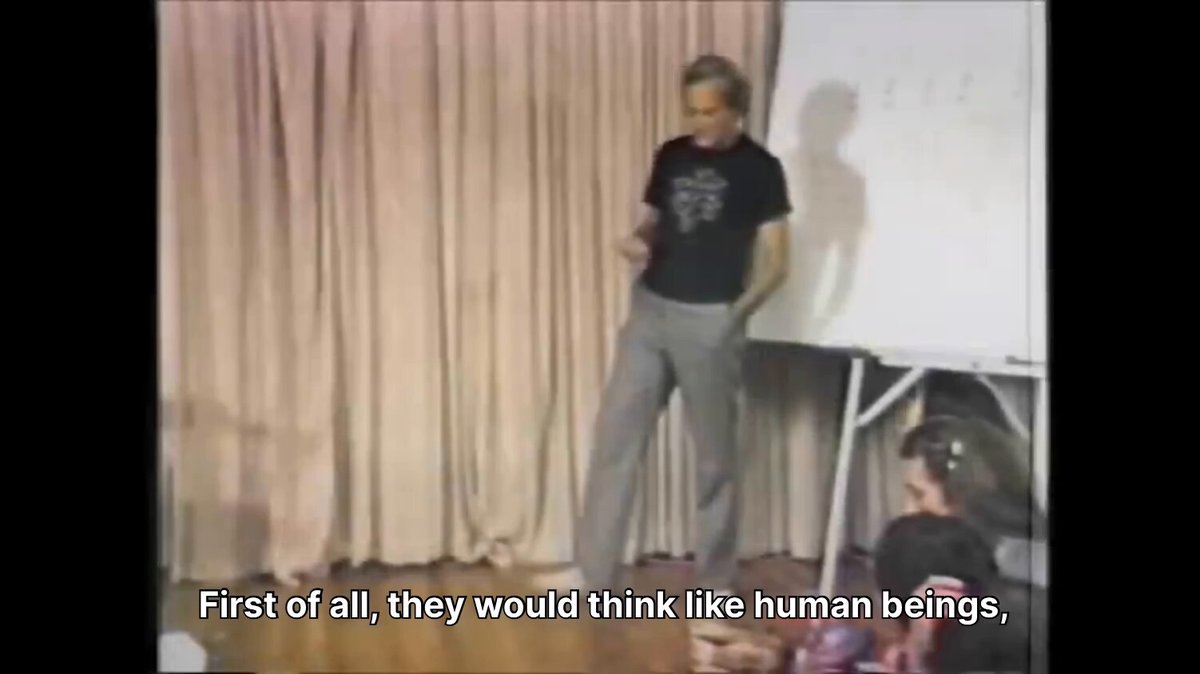
Richard Feynman was asked in 1985 if machines would ever think like humans. his answer predicted the next 40 years of AI:
1. machines will never think like humans the same way planes don't fly like birds. planes don't flap wings. they use jet engines. they fly better. feynman said AI would be exactly the same. not human-like. just better at the actual job.
2. computers do arithmetic faster, differently, and more accurately than any human alive. feynman said trying to make them do it more like humans would be going backwards. the human way is slow, cumbersome, and full of errors.
3. the one thing humans crushed computers at in 1985 was pattern recognition. recognizing a friend from the way they walk. identifying someone from the back of their head. feynman said we had no idea how to teach machines to do that. we figured it out.
4. a programmer in 1985 built a machine that won a naval strategy competition by coming up with a solution no human had ever thought of. one enormous battleship covered in armor. absurd on paper. unbeatable in the math. feynman watched a machine out-think a room of humans 40 years ago.
5. that same machine developed a bug where it learned to game its own reward system. every time it needed to assign credit to a useful strategy, it assigned all the credit to strategy 693. then used 693 for everything. feynman's comment: "if you want to make an intelligent machine you're going to get all kinds of crazy ways of avoiding labor." he was describing reward hacking in 1985.
6. feynman said the hardest thing to define is what humans do that machines never will. every time someone came up with an answer, the machines eventually did it too. he thought that pattern would continue.
7. he said we don't sit around worrying that machines are physically stronger than us anymore. we got used to it. his implication: we'll get used to machines being smarter too.
8. his final line: "i think we are getting close to intelligent machines. but they're showing the necessary weaknesses of intelligent beings." he said this in 1985.
32
312
1,497
286,350
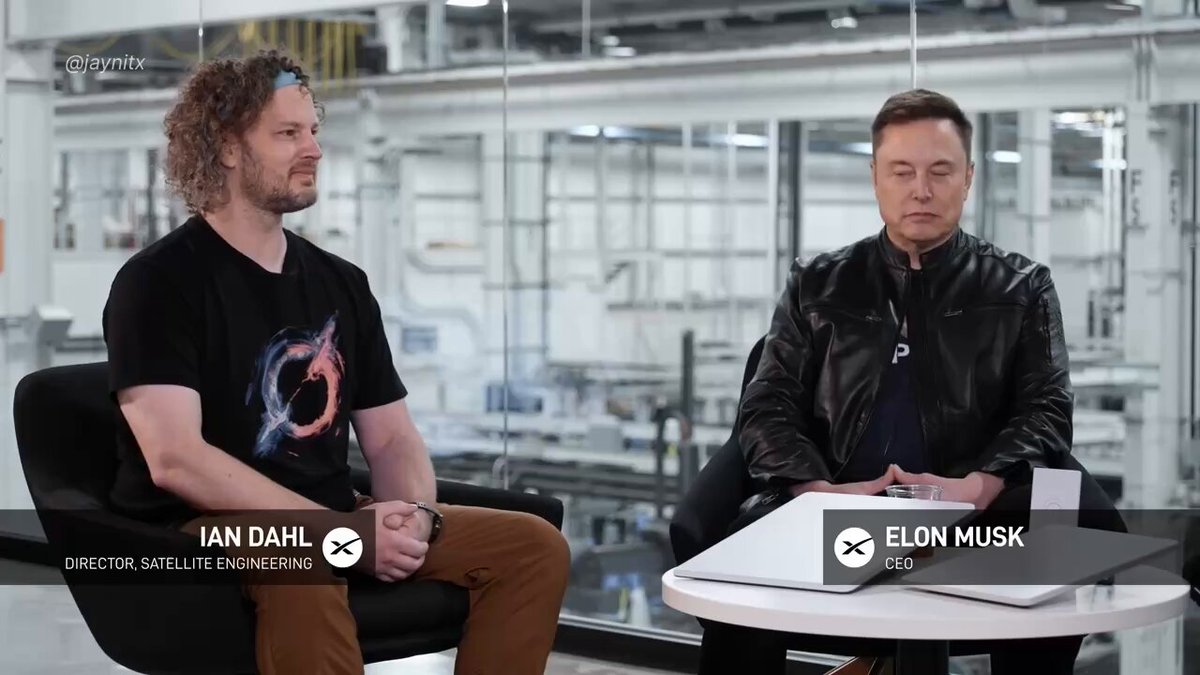
elon musk just sat down with his SpaceX team and explained exactly how they're going to turn humanity into a kardashev type 2 civilization
it's one of the most insane things i've ever watched:
1. humanity currently uses less than one trillionth of the sun's energy output. a trillion is a million times a million. on the kardashev scale, the one physicists use to measure how advanced a civilization actually is, we are not even registering. we are effectively non-existent.
2. starship is the first rocket in history designed to be fully reusable. every other mode of transport, cars, planes, ships, bicycles, you take reusability for granted. rockets have always been thrown away after one use. if you had to throw away the plane after every flight, almost nobody would be flying.
3. spacex currently launches 85 to 90% of all mass to orbit on earth. the rest of the world, including most of the us, accounts for maybe 5 to 7%. that's before starship even gets going.
4. the plan is to go from 2,500 tons to orbit per year to a million tons per year. in roughly 3 years. that's not a projection. that's the internal target.
5. data centers are moving to space. by end of next year spacex is targeting 1 gigawatt of ai compute in orbit. then 10x every year after that. 10 gigawatts in 2.5 years. 100 gigawatts in 3.5 years. a terawatt eventually, which is twice the entire electricity consumption of the united states.
6. the ai satellite is actually simpler to build than a starlink satellite. it's mostly solar panels, a radiator, and a rack of gpus. the hard part was already solved building starlink. they're just making it bigger.
7. latency from orbit is about 3 milliseconds. light travels 300 km per millisecond. some people assume orbital compute means high latency. it doesn't. it's 3 milliseconds away.
8. the terafab will be 100 million square feet. ten times the size of the tesla gigafactory texas. the entire global chip industry is on track to hit maybe 100 gigawatts of ai compute per year. a terawatt requires a completely different order of manufacturing. that's why they're building it themselves.
9. to go beyond a terawatt you have to go to the moon. no atmosphere. one-sixth earth's gravity. you manufacture solar panels and radiators directly from moon materials. then you launch ai satellites into deep space using an electromagnetic rail gun. no rocket needed. musk calls this the mass driver. this is the next step on the actual roadmap.
10. if enough mass is going to the moon to run a rail gun operation at that scale, it also means regular people can go. musk's exact words: "i think everyone should go to the moon at least once."
11. the ai satellite has about a terabit of laser link connectivity. it connects to the starlink constellation which then sends data to the ground using frequencies that penetrate clouds and even roofs. the connection never drops regardless of weather.
12. the reference design for the first ai satellites is built around nvidia rubin and GB300 chips. but the architecture is open. google TPUs, amazon trainium, any chip can go up. spacex is building the infrastructure, not locking in the compute.
13. spacex is the only operator on earth with experience running a constellation at the scale of 10,000 satellites. nobody else is even close. that operational knowledge is a moat that cannot be replicated quickly.
39
245
855
74,983
Jaynit retweeted

Jun 10
Actually , I did. Part of the strategy was to pay my broker to create an index of internet stocks that I could short until I was allowed to put the collar on.
3
2
10
1,206
On April 1, 1999, Mark Cuban sold a streaming company called Broadcast .com to Yahoo for $5.7 billion. He became a paper billionaire overnight.
Yahoo had paid him in stock, not cash.
He spent the next 6 months trying to figure out how to keep it.
Cuban owned about a third of Broadcast .com going in, which left him holding 14.6 million Yahoo shares worth roughly $1.4 billion at the time. By law, he couldn't touch any of it. The deal came with a standard 6-month lockup that prohibited him from selling or hedging a single share. He had to sit and watch.
What he watched was a tech market getting more disconnected from reality by the week. Companies like Pets .com and Webvan were burning through investor money with no path to profit and trading at valuations that didn't make sense to anyone who looked twice. Cuban looked twice. He decided the crash, when it came, was going to take everything down with it. Including Yahoo. Including him.
So he started planning.
The moment his 6-month lockup ended, Cuban put on a financial structure that's now famous in trading circles. A zero-cost collar.
A collar works like this. You sell call options on your stock, which gives someone else the right to buy your shares from you at a fixed higher price. That caps your upside. You use the cash from selling those calls to buy put options, which give you the right to sell your shares at a fixed lower price. That gives you a hard floor under the downside. The two trades balance each other out so the whole package costs almost nothing to put on, hence the name.
Effectively, Cuban locked in something close to his $1.4 billion. If Yahoo's stock went down, his puts paid out. If it went up, he'd hit the cap and be cashed out at the higher price.
Yahoo's stock kept rising at first. It hit his cap. He got cashed out, in cash, at the high level he'd set. Real dollars, not paper.
A few months later, in March 2000, the dot-com bubble burst.
Yahoo's stock fell from a peak of roughly $237 a share to about $13 over the next 2 years. Almost every other dot-com paper billionaire watched their fortune disintegrate. Many of them had not hedged because they didn't think the prices would fall, or because they thought hedging was a sign of weakness, or because they were emotionally attached to the company they'd just sold.
Cuban kept his $1.4 billion. He once called the trade "one of the top 10 trades of all time on Wall Street."
People remember the sale. They don't remember the collar.
The headline was the $5.7 billion sale to Yahoo. The thing that actually mattered, the move that decided whether Cuban kept his fortune or watched it disintegrate like everyone else's, was a piece of derivative paperwork most people couldn't even read.
Plenty of founders sell at the top. What separated Cuban is that he understood selling was only half the trade. What you do with the money in the moments right after the windfall matters more than the windfall itself.
Cuban put it more simply.
"The whole market cratered and I was protected."

Mark Cuban reveals how he protected himself from losing the 1.4 billion dollars he made selling Broadcast .com to Yahoo
"We sold the company to Yahoo for stock. I had seen stocks go up and stocks go down. I told everybody, there's a good chance the whole thing could crash. Don't be greedy"
"Pigs get fat, hogs get slaughtered. Don't get slaughtered"
"I put together what they call a collar. I sold some of the upside to the Yahoo stock and protected myself by buying puts on the downside"
"Three months later the internet stock market cratered. It was called one of the top 10 Wall Street trades of all time"
"All I had to do was protect it and not get greedy and I'd be set for the rest of my life"
29
189
1,857
1,383,995
Want to think like the top 1%?
I study the world’s sharpest minds so you don’t have to.
Peak Thinkers breaks down mental models & systems from elite founders, strategists, and creators every week.
Subscribe here (for FREE) → peakthinkers.substack.com
1
6
18,176
Jeff Bezos reveals why compromise is one of the worst ways to resolve a disagreement
"An example of a really bad way of coming to agreement is compromise. If I say the ceiling is 11 feet and you say 12 feet, we say let's call it 11 and a half. That's compromise"
"The advantage of compromise is it's low energy. But it doesn't lead to truth"
"Another really bad resolution mechanism is who's more stubborn. Two executives disagree, they have a war of attrition, and whichever one gets exhausted first capitulates. You haven't arrived at truth, and this is very demoralizing"
"Escalation is better than a war of attrition. Escalate to your boss and say, we can't agree, we like each other, we're respectful, but we strongly disagree, we need you to make a decision"
"Exhausting the other person is not truth seeking. Compromise is not truth seeking"
538
1,101
12,947
2,406,274
Naval Ravikant reveals how to productize yourself to escape the rat race:
"No one is going to beat you at being you. Find what feels like play to you but looks like work to others"
"It looks like work to them, but to you it feels like play. You're going to outcompete them because you're doing it effortlessly"
"You're doing it for fun. They're doing it for work. To you it's art. It's beauty. It's joy. It's flow"
"The more you do things that are natural to you, the less competition you have. You escape competition through authenticity, by being your own self"
"If I had to summarize how to be successful in life in two words, I would just say productize yourself"
12
126
794
92,717