
Retired from Daily Racing Form Sept 2022. Still opine on racing when mood strikes. Co-host Thoroughbred LA radio 9-10 am PT Sat am830klaa. Big fan @cityofhope
Joined January 2012
- Tweets 47,373
- Following 225
- Followers 29,755
- Likes 2,945
1,397 Photos and videos








Pinned Tweet

25 Apr 2023
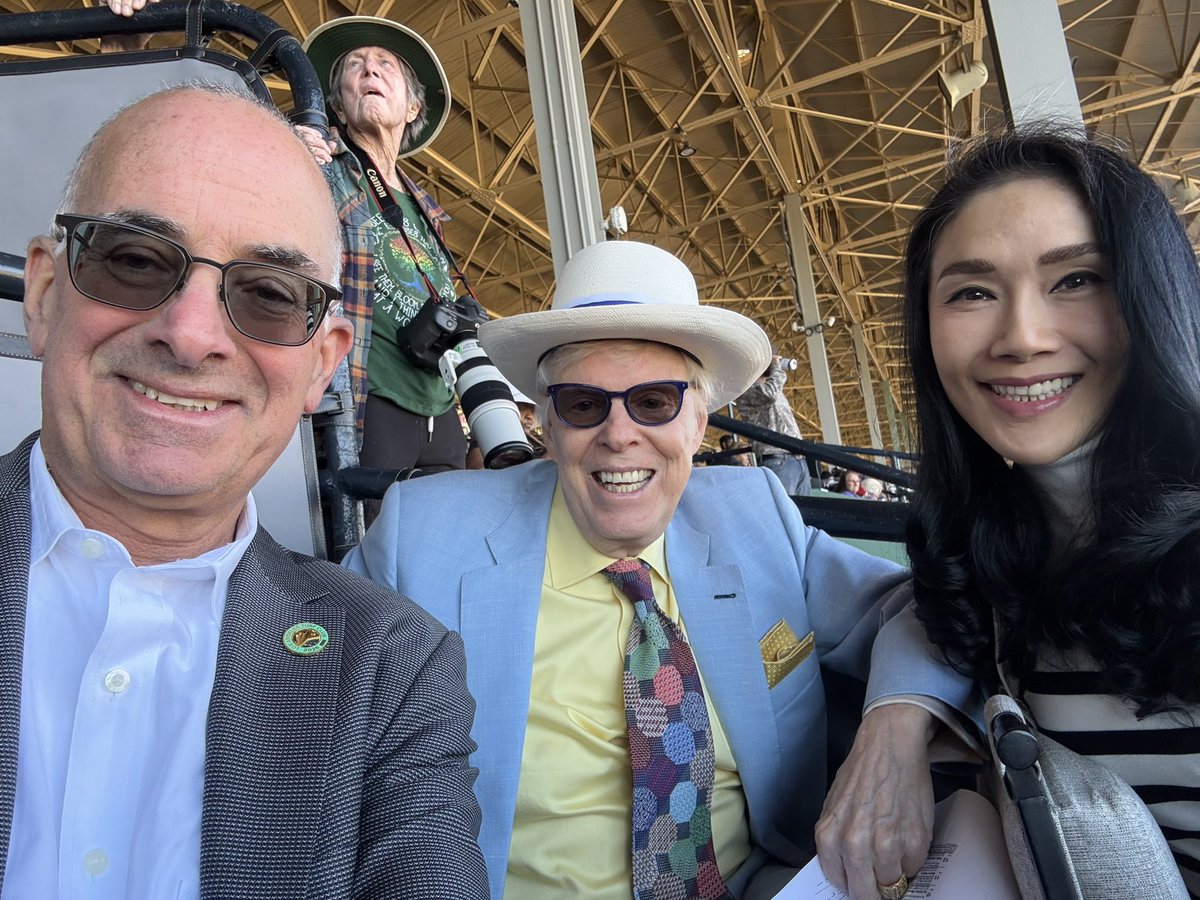
So the other day the @nmrhof gave @JayHovdey and I the honor of informing Fernando Toro that he had been voted into the Hall of Fame.
Jay H. told Toro he needed some photos autographed. On the photos it said Toro was in the class of 2023.
Sorry, it’s dusty in here
177
224
1,203
422,563
Jay Privman retweeted

Jun 13
It is frankly embarrassing that a sitting U.S. Vice President is unaware of one of the most elementary facts of World War II. Nazi Germany did not negotiate an end to World War II. The war in Europe ended with Germany’s unconditional surrender after total military defeat and the collapse of the regime in May 1945.
Jun 12

JD Vance:
If you go back to WW2 or every major conflict in human history, they all ended with some kind of negotiation.
Community note
World War II ended with unconditional surrenders by Germany on May 8, 1945, and Japan on September 2, 1945, rather than negotiation. en.wikipedia.org/wiki/Unconditi… archives.gov/milestone-docu… nationalww2museum.org/war/topics/end…
1,271
5,967
21,893
598,425
Jay Privman retweeted

📚✍️🥳 English classes sponsored, once again, by the Gregson Foundation. Instructor Ernesto Torres, from local @PCCLancer with backstretch students enjoying the Class of Spring 2026 graduation meal. Congratulations everyone!!

1
3
14
1,682
Jay Privman retweeted

21h
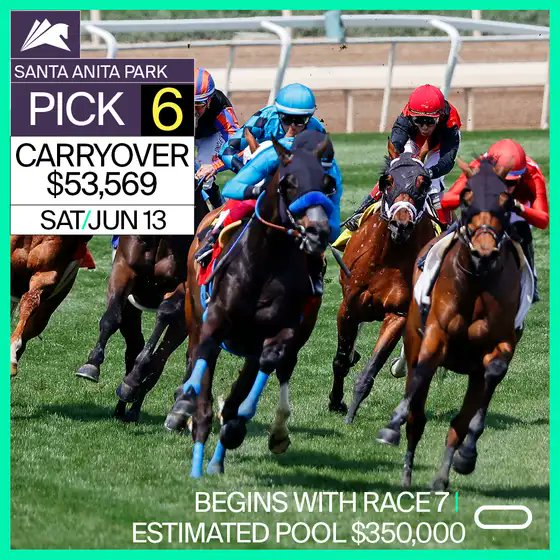
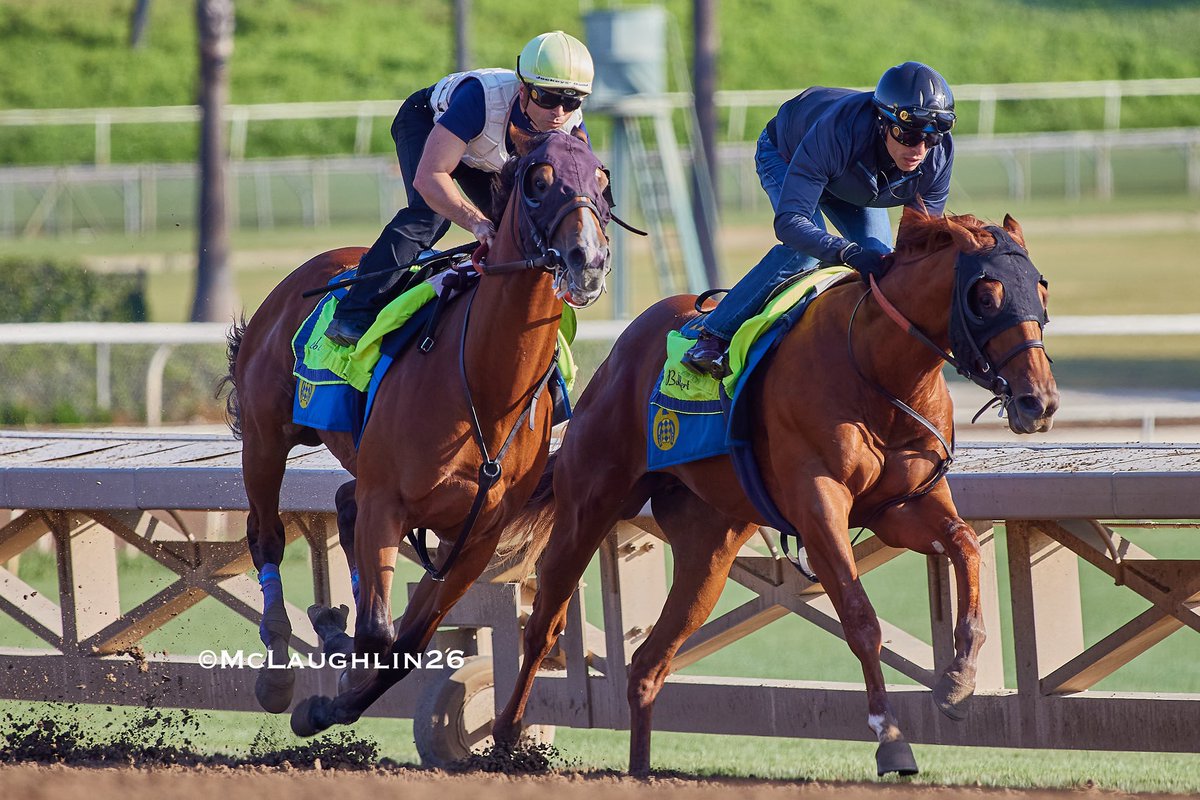
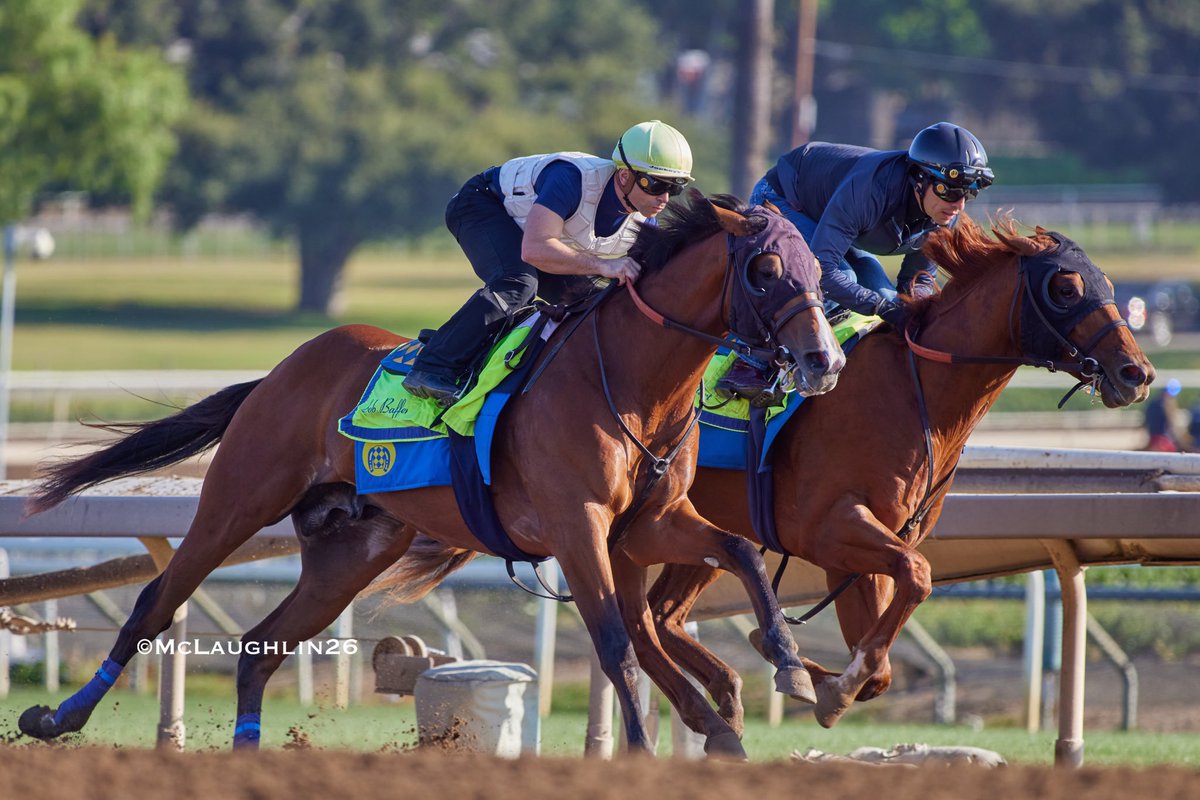
Today 9 am on @AngelsRadioKLAA & thoroughbredla.com: Closing weekend at Santa Anita includes Pick 6 carryover today and extra day of racing, recap Belmont Festival and Triple Crown, preview thoroughbred meet @losalracing, additions to the So Cal jockey colony, big cards at Delaware and Monmouth, and selections around the country. Tune in!
3
6
579

Jay Privman retweeted

Jun 12
It's a reminder that the law has no moral force on its own. The fact that something is legal doesn't make it moral, and the fact that something is illegal doesn't make it immoral. There is a higher law to which we must hold ourselves and our leaders.

Evil is the right word for this; taking people who are safe in the United States, who have proven to a judge they would be persecuted in their home country, and dumping them in a random country in the middle of a civil war.
Is it legal? Sadly, probably yes. Is it evil? Also yes.
4
27
141
7,353
Jay Privman retweeted

Jun 11
It's hard to fathom how deeply evil this is, and that we have people running our country who get sick pleasure from sending women fleeing violence in Iran to an African country in the middle of a brutal civil war.
nytimes.com/2026/06/11/world…
386
2,176
4,224
226,382
Jay Privman retweeted

Jun 11
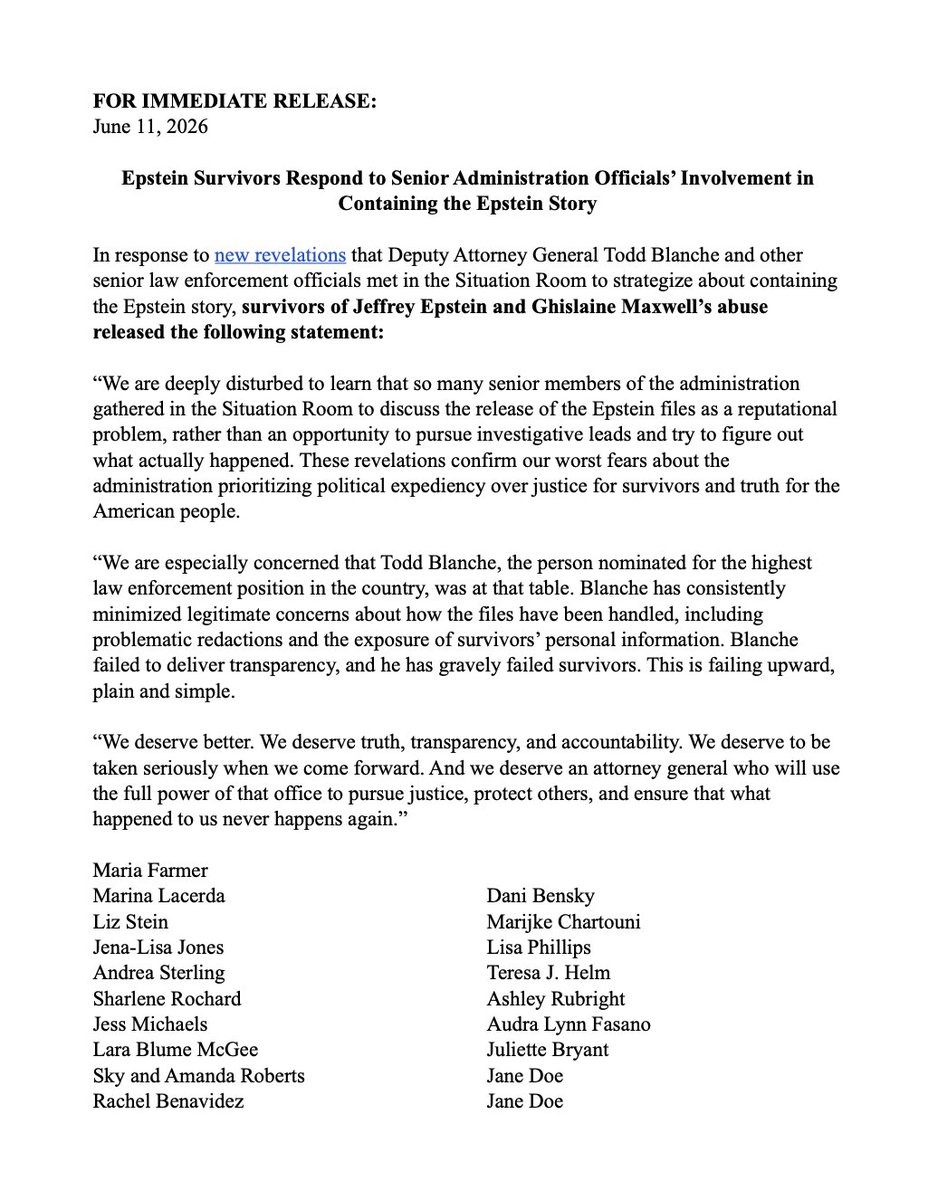
NEW: Epstein survivors release statement blasting Todd Blanche following the revelation that he worked alongside the White House to protect Trump from the Epstein files.
"We deserve better. We deserve truth, transparency, and accountability. We deserve to be taken seriously when we come forward."
490
4,215
9,163
491,094
Jay Privman retweeted

Jun 11
Roberto Clemente has 65 more career outfield assists than any player born after 1909. This is why.
87
264
2,116
198,550
Jay Privman retweeted

Jun 11
.@ScottFDTV, pictured with his late father (legendary trainer Richard Hazelton), will reminisce about those memorable times as well as who he likes on today's (Thursday) card when he joins me on the seminar at 11:50 am PT. Watch & listen via @santaanitapark simulcast feed or online here: 1st.tv

4
29
2,082

Jay Privman retweeted

Hell is too nice for the people in this article. The biggest coverup in American history. They all know, and every single day they are CHOOSING to protect pedophiles.
Jun 10

The Trump Admin chaotic handling of Epstein Files
nytimes.com/2026/06/10/magaz…
3
44
154
4,262
Jay Privman retweeted

"Leparoux moving tack to California ahead of Del Mar meet"
@DRFAndersen has the news. @JulienLeparoux @DelMarRacing
drf.com/news/leparoux-moving…
9
15
45
33,715
Jay Privman retweeted

Jun 10
We would like to invite anyone who would like to say goodbye to the horses we've lost over the last year to the farm on Sunday, June 14 for our annual Memorial Service at 1pm.
Public is invited to this free event and we request you RSVP by calling the office at (502) 863-1775.

26
117
2,588
Jay Privman retweeted

Jun 10
🙏🏻❤️
Jun 10

Sahadi, Owner of Cardiff Stud Farm, Dies at 91 go.bloodhorse.com/4v48ad7
54
13
151
19,171
Jay Privman retweeted

Jun 8
Trump to NBC: “First of all, I didn’t guarantee no war.” And: “So when you say I promised – I didn’t promise anything. I don’t like these endless wars. This is not an endless war.”
Reality: Trump promised in two of his highest-profile 2024 addresses not to have any wars at all, and he also made that promise in a bunch of other forums. Some examples:
June 2024 social media post: The election is “a choice between STRENGTH or WEAKNESS, COMPETENCE or INCOMPETENCE, peace and prosperity or war and no war.”
July 2024 Republican National Convention acceptance address: “With our victory in November, the years of war, weakness, and chaos will be over. I don’t have wars.”
August 2024 Pennsylvania rally: “Under Trump, we will have no more wars, no more disruptions, and we will have prosperity and peace for all.”
August 2024 North Carolina rally: Approvingly claimed Viktor Orban had said, “Make sure that Trump gets re-elected president and you're not going to have any more wars,” then added himself, “No more wars. No more disruptions. We will have prosperity and we will have peace.”
August 2024 Adin Ross interview: Boasted that he had no wars during his first term, then said, “And we won't have wars again.”
October 2024 Wisconsin rally: Did one of his numerous renditions of the Orban story: “Viktor Orban said, ‘If Trump comes back, you won't have any wars. You won't have any wars.’ And he's about as tough as they get, and he said it loud and clear and he said why. But you won't have any wars.”
November 2024 Election Night victory address: “I'm not going to start a war, I'm going to stop wars.”
That is in addition to the many times he struck similar themes without the explicit promise of having no wars period if elected again – for example, vowing to stop “endless” wars or prevent “World War III,” denouncing “warmongers,” boasting of having had “no wars” in his first term, or saying we don’t “need” wars.
Fact check with links to his full comments: cnn.com/2026/06/08/politics/…
45
869
2,101
57,982
Jay Privman retweeted
Jun 7
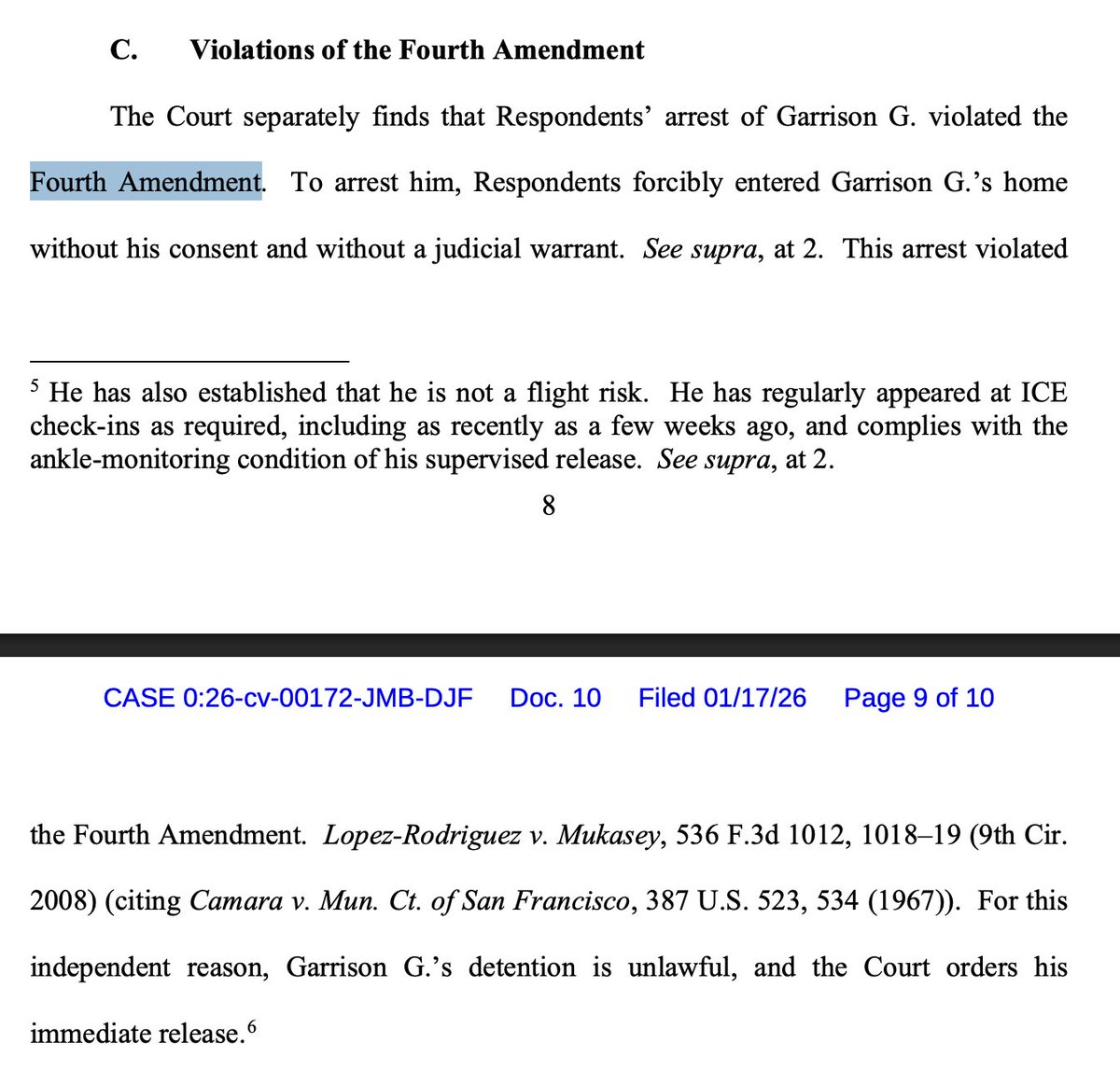
Courts have found that DHS has repeatedly violated 4th Amendment. In Garrison G. v. Bondi, the Court found DHS violated Garrison’s 4th amendment right by entering his home without a judicial warrant. He was one of several victims of MN home invasions
storage.courtlistener.com/re…
5
34
77
5,729
Jay Privman retweeted

Jun 7
The defamation suit against John Oliver centered on a 2024 segment about Iowa's privatized Medicaid program. The specific claim: that Oliver had "feigned outrage" at an Iowa healthcare manager for "ratings and profits."
What the healthcare manager actually said, in his own testimony at an actual hearing, about a patient with cerebral palsy who could not clean himself: "People have bowel movements every day where they don't completely clean themselves, and we don't fuss too much. People are allowed to be dirty. I would allow him to be dirty for a couple of days."
Oliver said he thought it had to be taken out of context. His team obtained the full hearing transcript to verify. It was not taken out of context. He then said what he thought about it, in the terms he chose, on television.
Judge Abrams dismissed the suit. In her opinion she wrote that "the trauma and loss of human dignity that befalls a man with cerebral palsy who has trouble cleaning himself and is left for days in his own fecal matter is the same, regardless of whether or not he wears a diaper" - disposing of the plaintiff's technical distinction between the two patients in the segment.
The plaintiff argued Oliver feigned outrage. The judge found the outrage was about a documented, verified, on-the-record statement by the plaintiff himself.
This is what accountability journalism looks like when it works. The segment was accurate. The response was proportional. The lawsuit was a SLAPP - Strategic Lawsuit Against Public Participation, designed to make speaking up expensive enough that people stop doing it. The court said no. Oliver's record remains perfect. The patient's dignity remains the point.
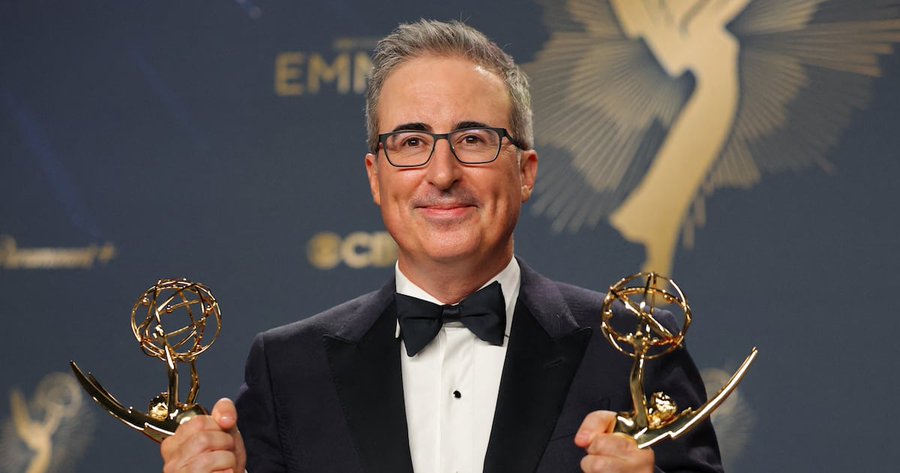

The 'Last Week Tonight' host extended his unbroken streak of judicial victories.
thedailybeast.com/obsessed/j…
9
501
2,310
123,941
Jay Privman retweeted

Jun 6
In November 2025, jockey Dylan Davis suffered a terrifying fall during a race. Tom Rinaldi shares his story of recovery and dedication that led Davis to ride again.
4
16
73
18,915
Jay Privman retweeted

German Chancellor Merz: Tomorrow is June 6th, D-Day, when the Americans once ended a war in Europe
Trump: “That was not a pleasant day for you."
Merz: “This was the liberation of my country from Nazi dictatorship” (2025)
684
6,158
79,664
3,582,408