
514 Photos and videos


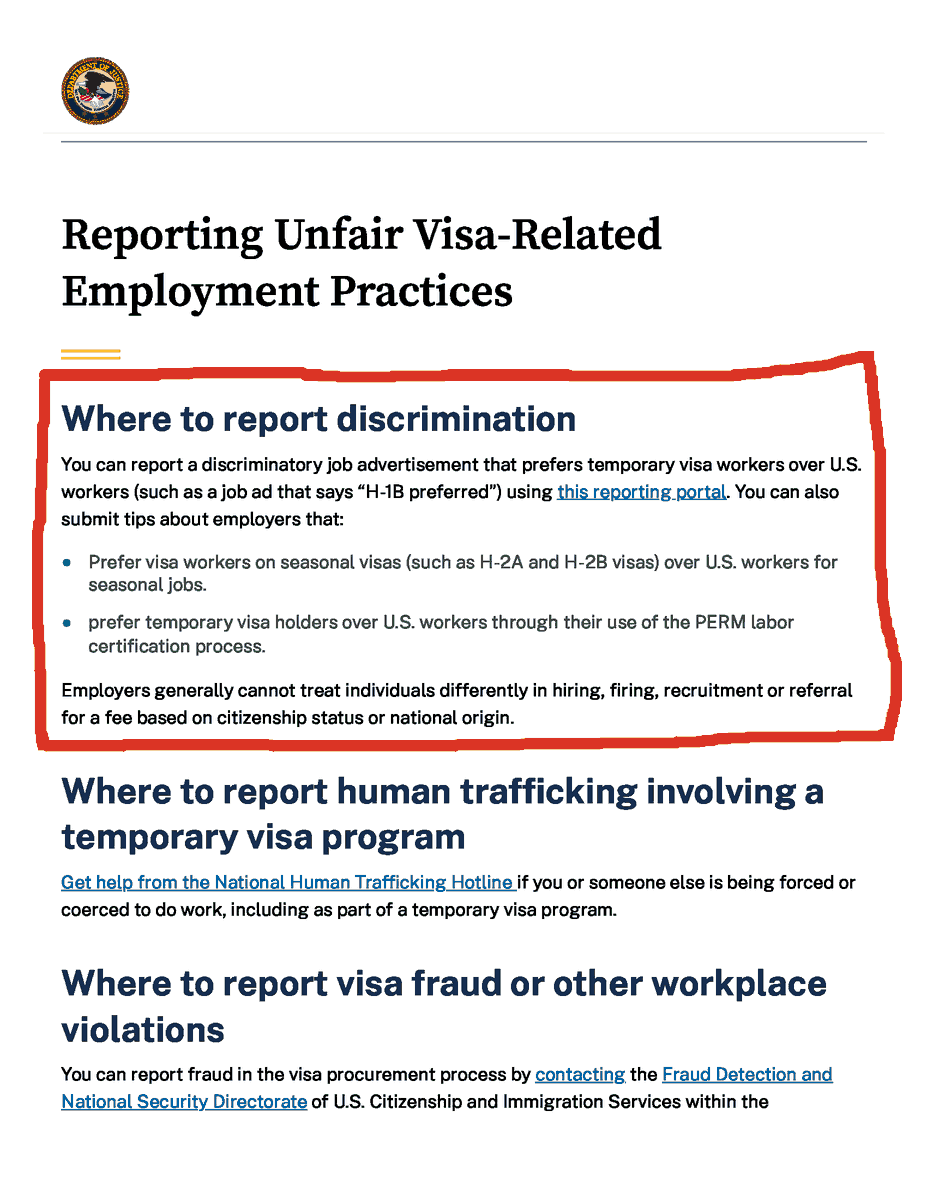
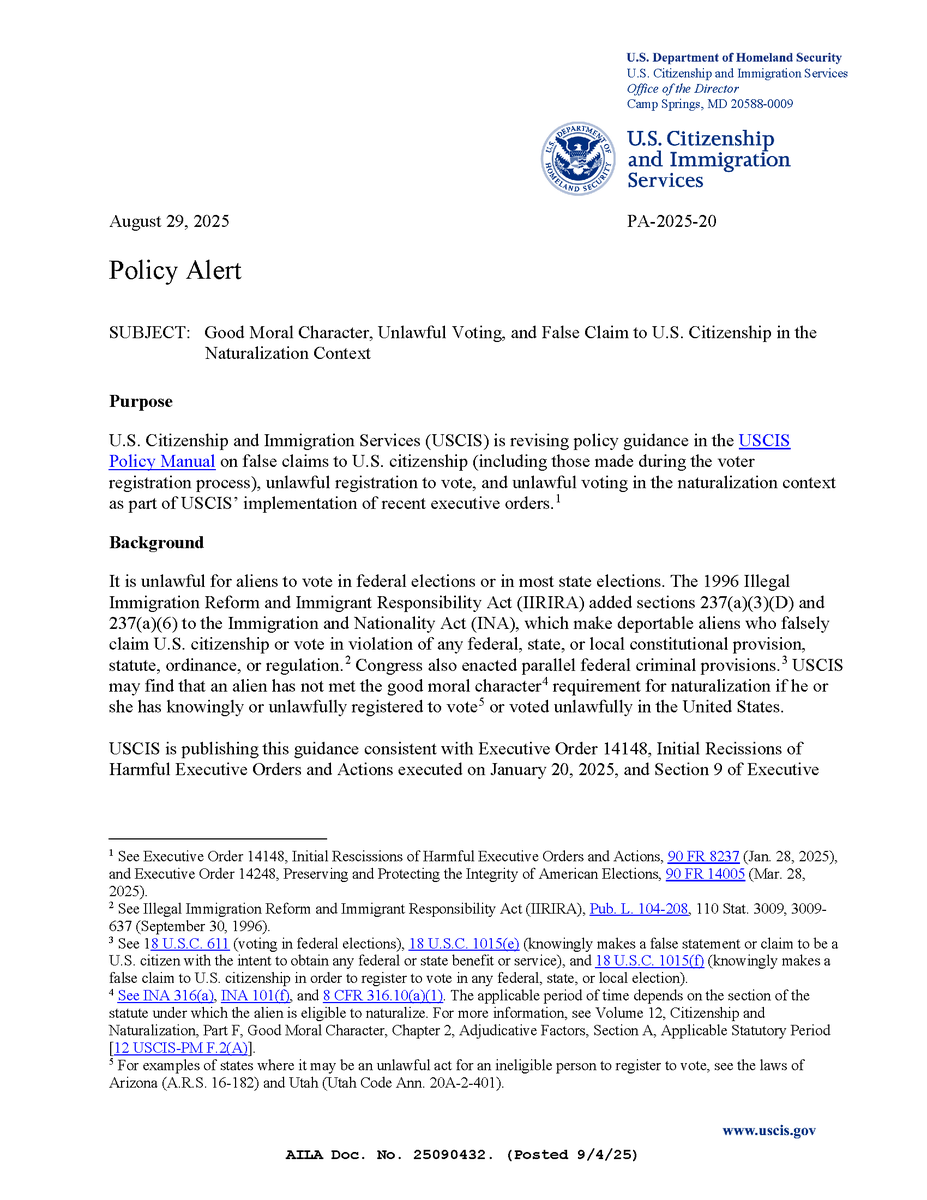
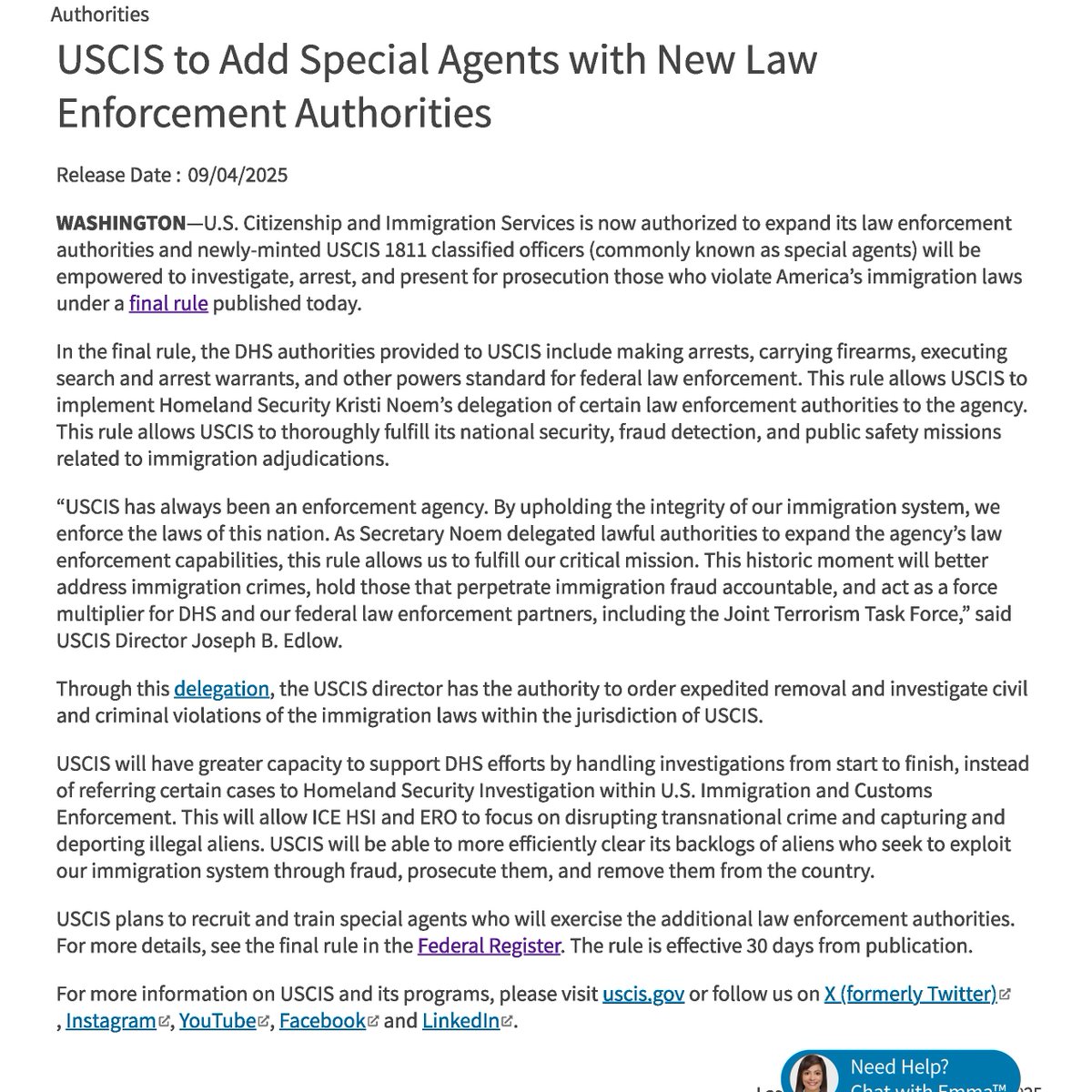
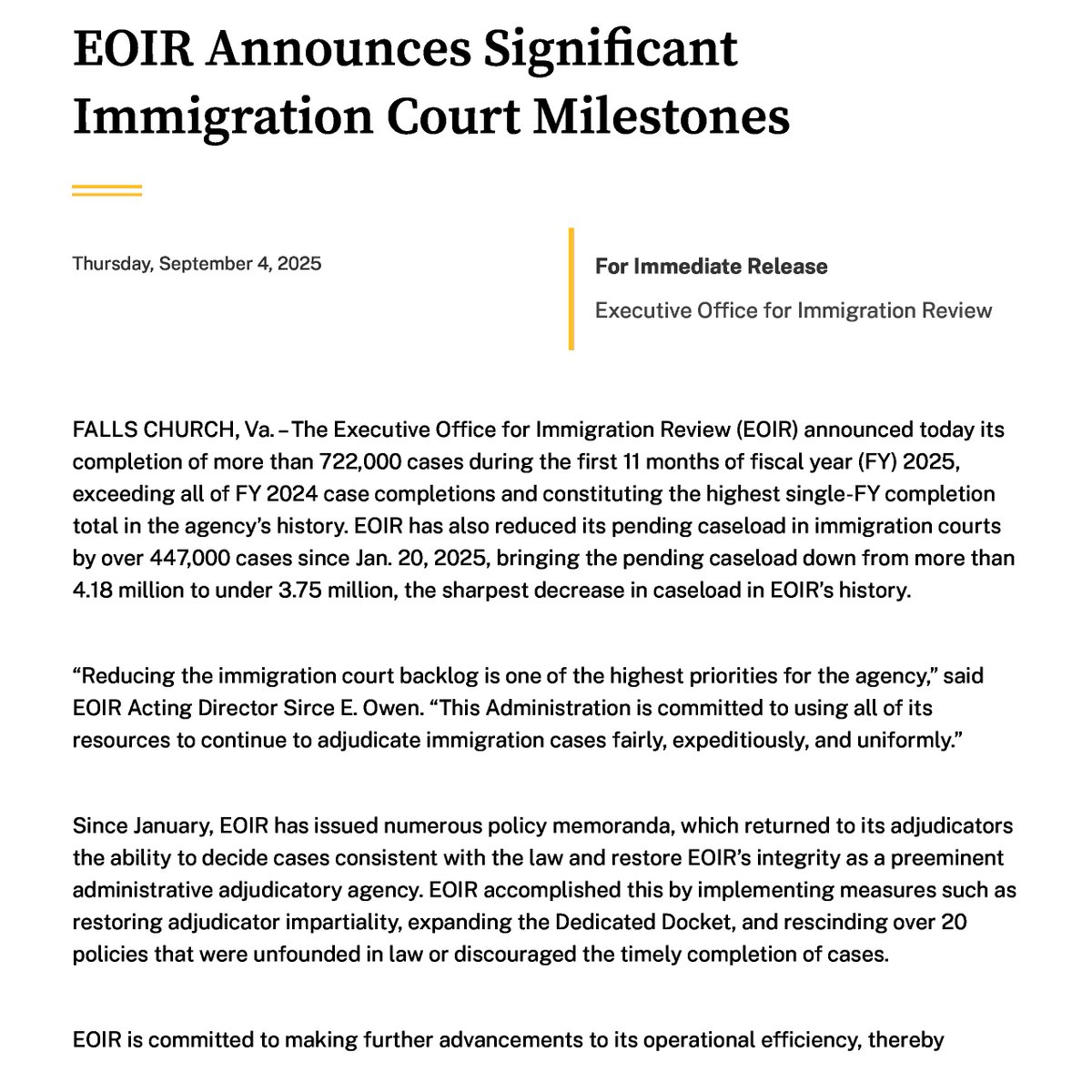
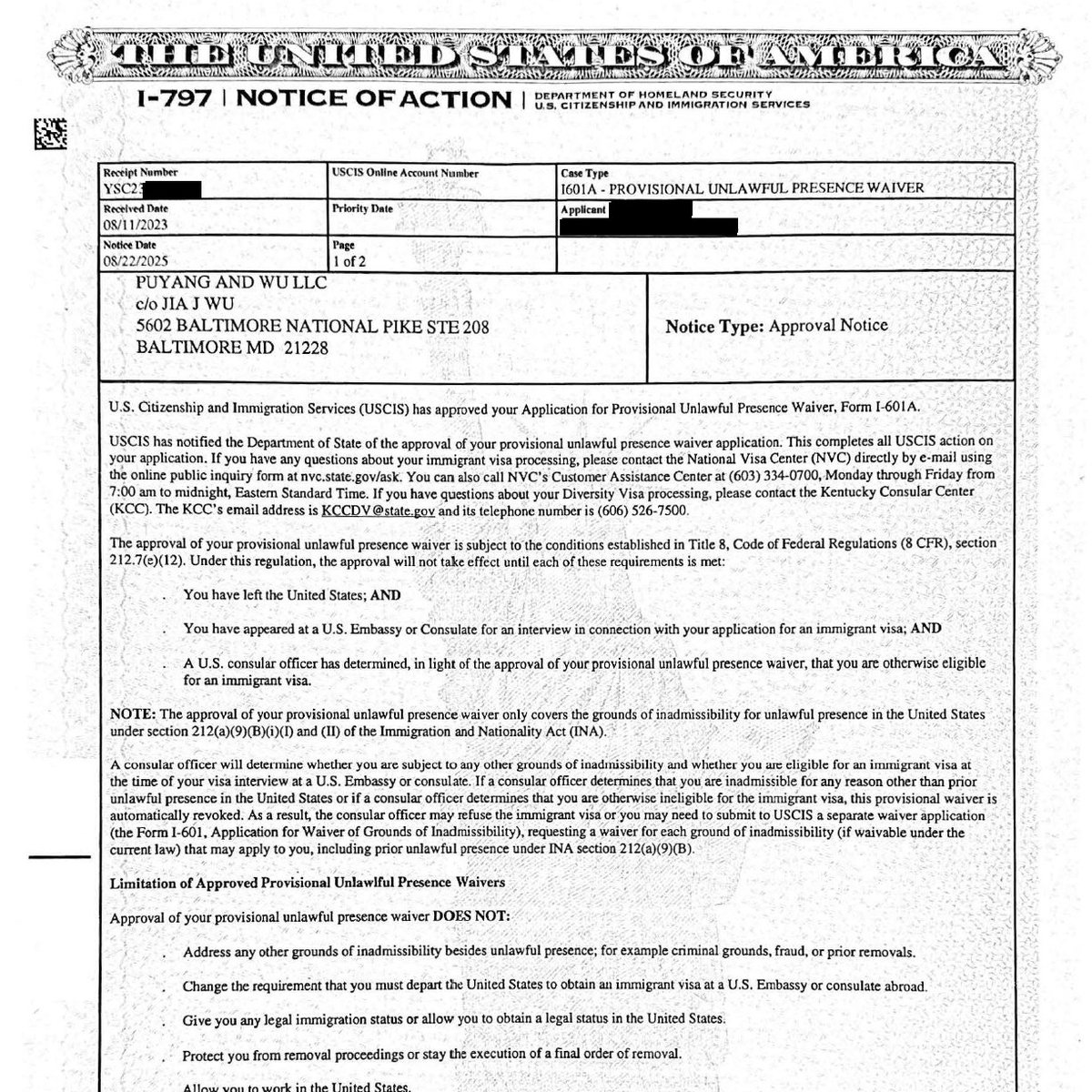
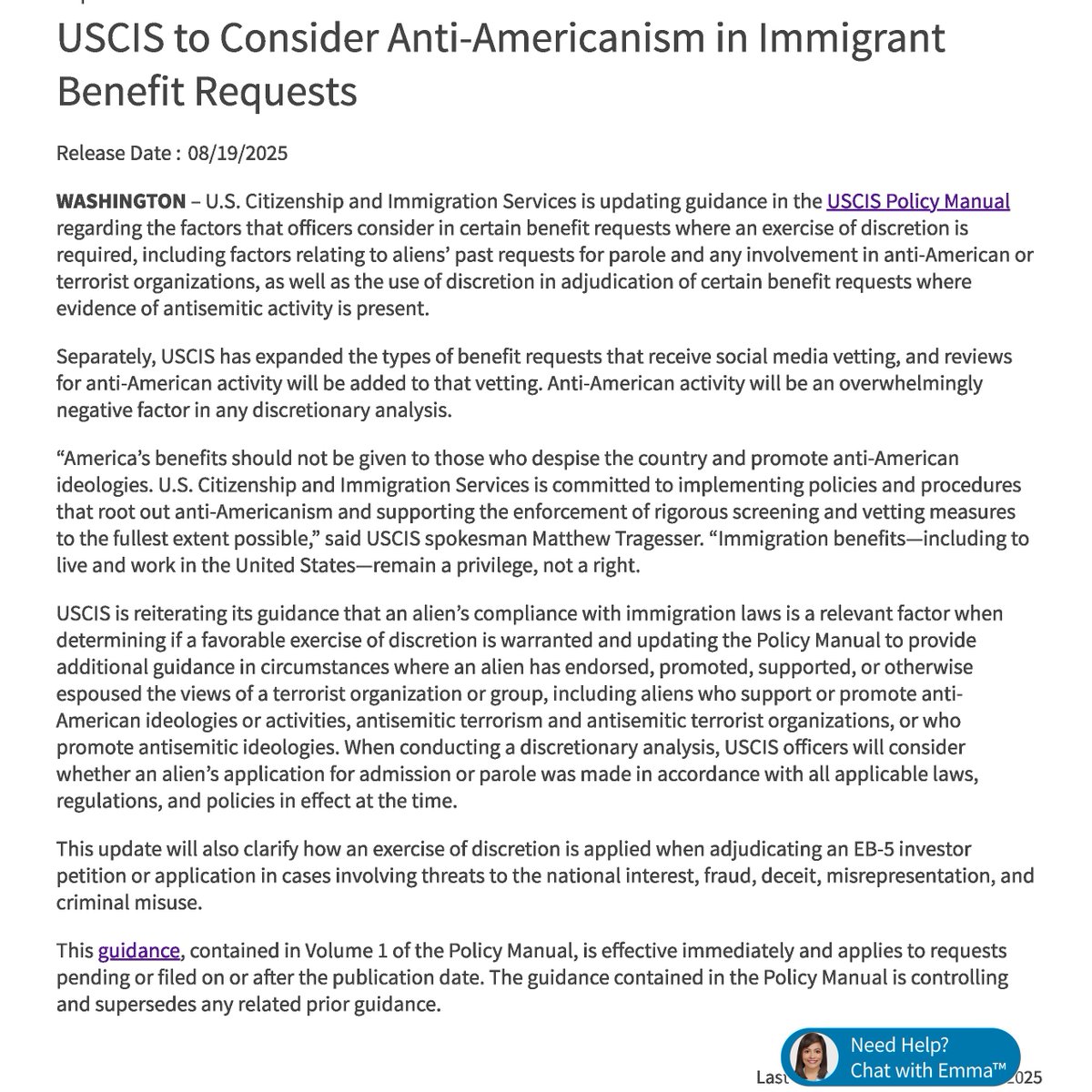
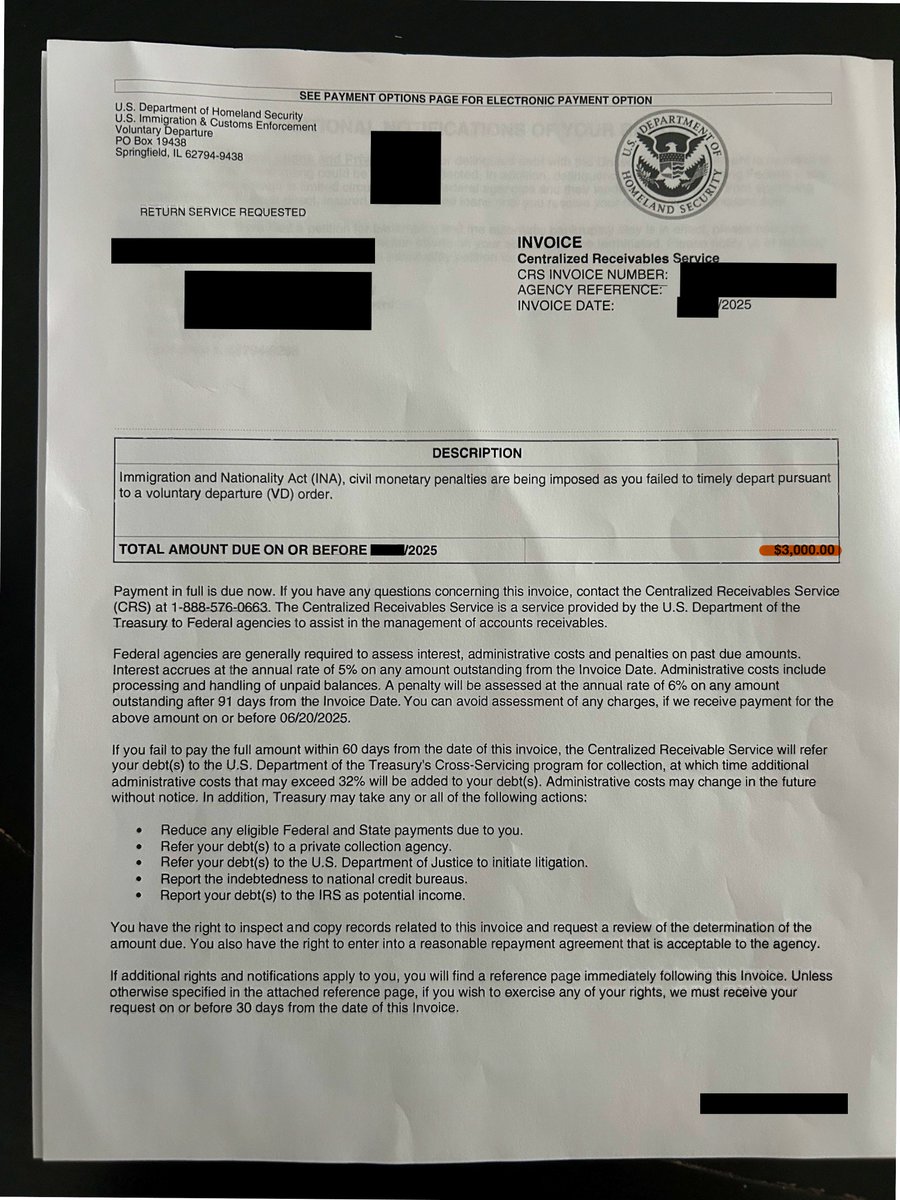
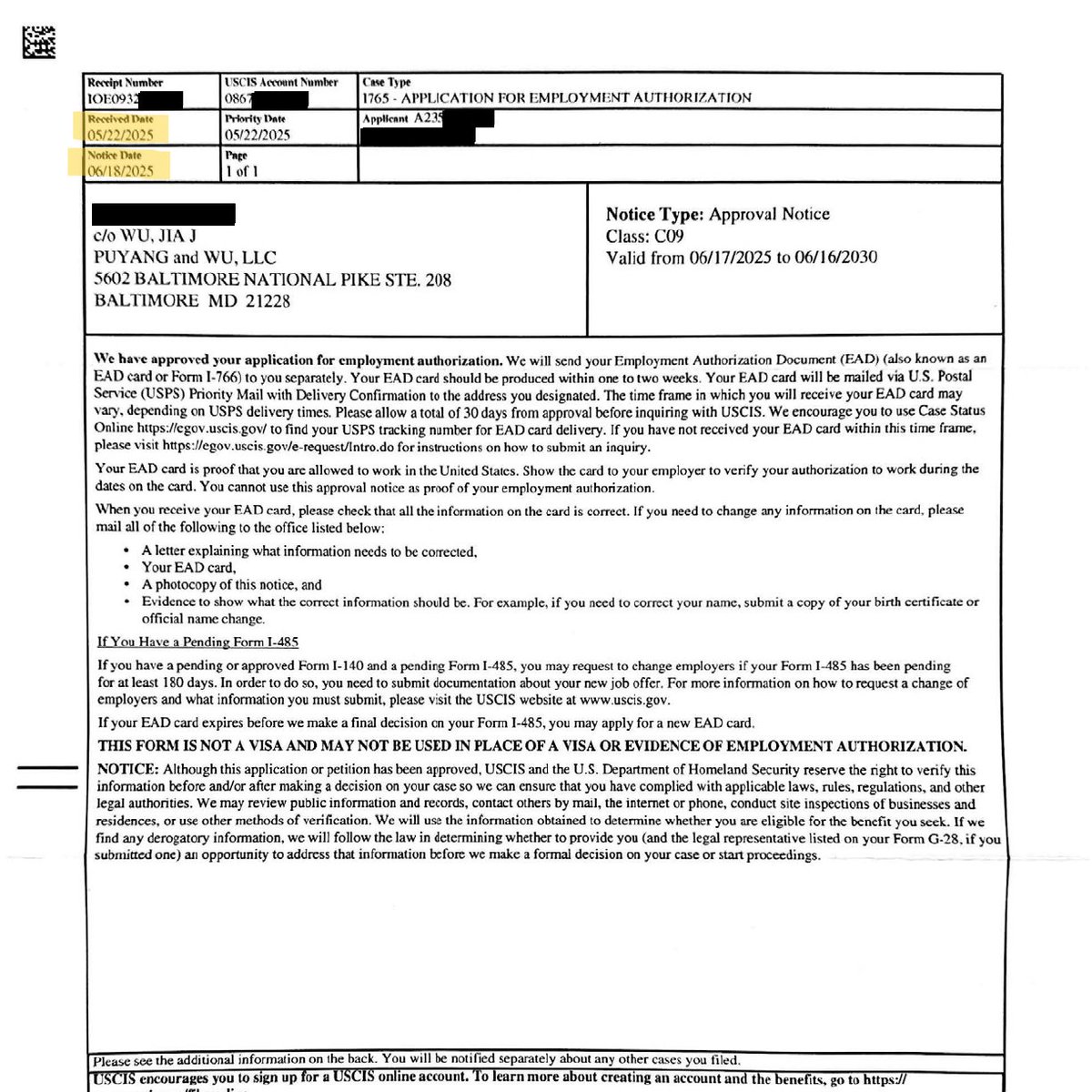
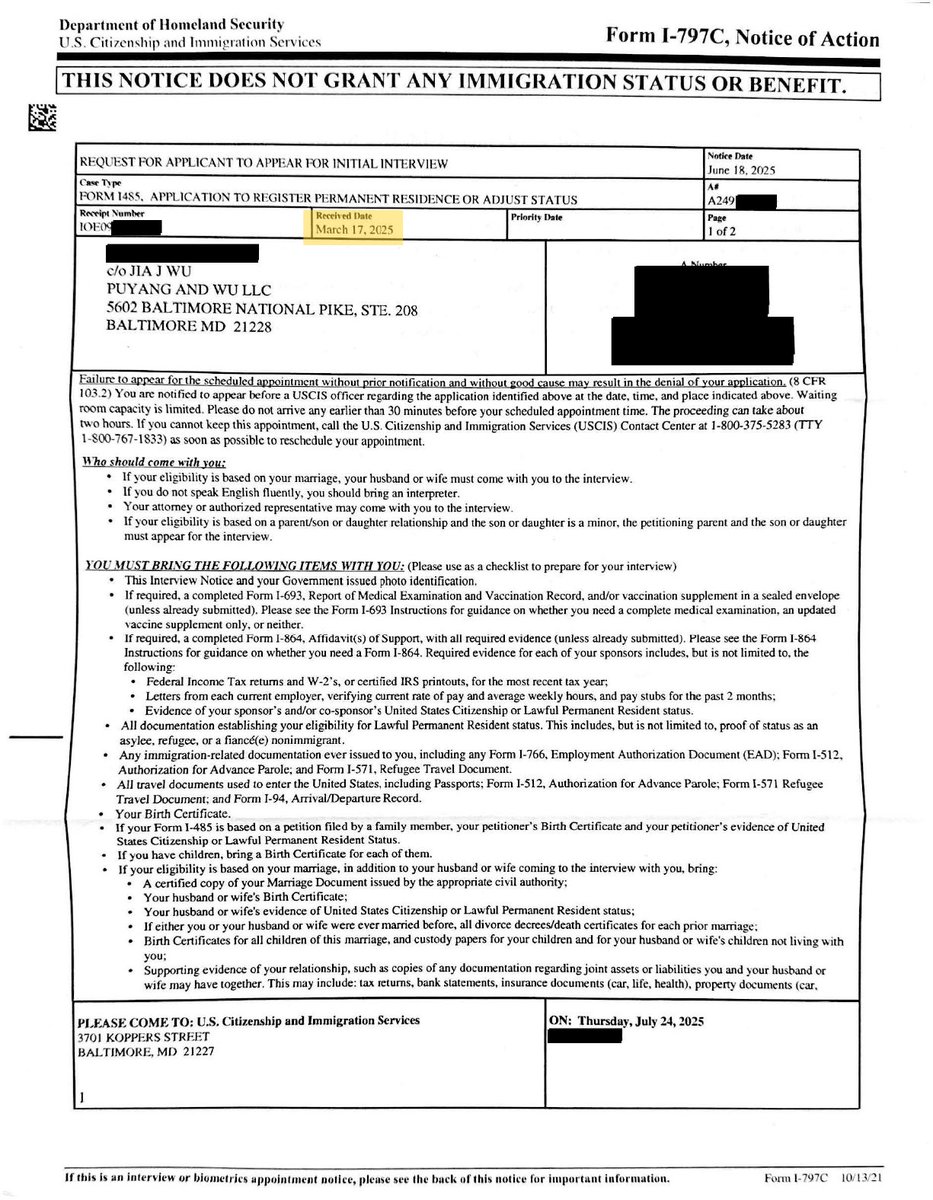

We received a PERM certification on June 4, 2026, for a case filed on April 24, 2025.
This case was certified in approximately 13.5 months, without an audit, suggesting that PERM processing times may be continuing to improve.
Based on our recent approvals, we are now seeing certifications issued for cases filed in late April 2025, with overall processing times trending toward the 13–14 month range for non-audited cases.
#ETA9089 #PERM #EmploymentBasedImmigration
2
191
Just received another positive update in a difficult #I601 waiver case.
Client departed the U.S. under voluntary departure in 2019 and became subject to the 10-year bar.
Married a U.S. citizen, maintained the relationship through years of separation, filed an I-601 waiver in 2022, responded to a lengthy RFE, and obtained approval after more than 6 years apart.
Yesterday, he completed his immigrant visa interview and was approved.
Unfortunately, because his country is currently affected by the State Department's immigrant visa issuance pause, the visa cannot be issued yet.
After 6 years of separation, this family is now waiting at the finish line. #I601 #waiver
2
352
We are seeing inconsistent receipt notice issuance for Form I-829 petitions.
Our office currently has 5 pending I-829 filings. The earliest was delivered to USCIS on April 2, 2026, and the receipt notice still has not been received.
After contacting the lockbox, USCIS confirmed the case had already been accepted and assigned a receipt number, although the inquiry response itself took about a month.
Interestingly, our most recent I-829 filing, submitted on May 19, 2026, had a receipt notice issued within just 4 days.
This suggests the issue may not simply be overall backlog, but possible irregularities affecting certain I-829 filings or notice generation/transmission.
#EB5 #I829 #USCISdelay
169
1/ USCIS’s new signature policy effective July 10, 2026 may create more practical problems than people realize.
The requirement to retain original wet-ink signed forms was not entirely new. The bigger change is the stronger emphasis on USCIS authority to later review signatures and deny cases if proper originals cannot be produced.
1
2
460
5/ For H-1Bs, I-140s, PERMs, and I-485 filings, that can mean thousands of dollars lost over what many may view as a technical procedural issue.
Practically speaking, I suspect many immigration attorneys and employers will increasingly move back toward requiring original wet-ink signed forms before filing.
116
USCIS now appears to be signaling publicly what many seasoned immigration attorneys already believed from the beginning: the new Adjustment of Status memo was likely never intended to categorically eliminate adjustment of status for ordinary employment-based and family-based applicants.
The memo does elevate discretionary scrutiny, but the practical implementation was always likely narrower than the initial headlines suggested.
We still need formal guidance, but for now — don’t panic. The facts and overall story of each case matter.
#immigration #i485 #adjustmentofstatus #uscis

The new USCIS Adjustment of Status memo sounds much scarier than its likely practical impact for many applicants, but it does signal increased scrutiny toward cases where USCIS believes the applicant should have instead pursued immigrant visa processing abroad.
VERY rough examples of cases that may now face higher discretionary scrutiny:
Higher Risk:
I-130 already approved → enters U.S. on B-2 → shortly thereafter files I-485
Enters on B-2 → quickly marries/files I-130 I-485
Recent F-1 entry → quickly pivots to marriage-based I-485
Cases involving status violations, unauthorized work, or inconsistent intent issues
Potentially Lower Risk:
B-2 entry → relationship genuinely develops over substantial time → filing much later into stay
Long-term F-1 student with years of lawful status, U.S. degree(s), OPT/STEM OPT, established life/career in U.S. → later marriage-based or employment-based I-485
Traditional employment-based pathway:
F-1 → OPT/STEM OPT → H-1B → PERM/I-140 → I-485
The memo itself specifically acknowledges dual intent categories like H-1B.
Importantly, USCIS has NOT yet issued detailed implementation guidance, so there remains substantial uncertainty regarding how aggressively this memo will actually be applied in practice.
1
1
1,031
We just received a #PERM certification on 05/27/2026 for a case filed on 03/20/2025.
This reflects a processing time of a little over 14 months from filing to certification, assuming no audit.
This appears consistent with the current trend of PERM certifications taking approximately 14–15 months. #ETA9089
238
Just received approval of a reentry permit (Form I-131) that was filed on 03/06/2025 and approved on 05/15/2026. Over 14 months of processing time for a reentry permit application. #i131 #reentrypermit #uscisdelay
1
1
227
Just received an H-1B extension approval that was filed on 06/11/2025 and approved on 05/14/2026. Nearly one full year of waiting. #uscisdelay
212
The new USCIS Adjustment of Status memo sounds much scarier than its likely practical impact for many applicants, but it does signal increased scrutiny toward cases where USCIS believes the applicant should have instead pursued immigrant visa processing abroad.
VERY rough examples of cases that may now face higher discretionary scrutiny:
Higher Risk:
I-130 already approved → enters U.S. on B-2 → shortly thereafter files I-485
Enters on B-2 → quickly marries/files I-130 I-485
Recent F-1 entry → quickly pivots to marriage-based I-485
Cases involving status violations, unauthorized work, or inconsistent intent issues
Potentially Lower Risk:
B-2 entry → relationship genuinely develops over substantial time → filing much later into stay
Long-term F-1 student with years of lawful status, U.S. degree(s), OPT/STEM OPT, established life/career in U.S. → later marriage-based or employment-based I-485
Traditional employment-based pathway:
F-1 → OPT/STEM OPT → H-1B → PERM/I-140 → I-485
The memo itself specifically acknowledges dual intent categories like H-1B.
Importantly, USCIS has NOT yet issued detailed implementation guidance, so there remains substantial uncertainty regarding how aggressively this memo will actually be applied in practice.
1
1
1
2,098
Many H-4 applicants are being scheduled for biometrics again (often photo-only). Some are also receiving RFEs instructing them to wait for a separate biometrics notice before responding.
In practice:
• Biometrics notices are being issued separately in most cases (though some are still waiting and approaching the RFE deadline)
• RFEs often serve to confirm the biometrics requirement
• USCIS may proceed with adjudication once biometrics are completed—even before the RFE response is submitted
175
USCIS confirmed that for May 2026, AOS filings must follow Final Action Dates (not Filing Dates).
This is effectively a step back for many applicants who became eligible under April’s more favorable Filing Chart.
We are dealing with a HUGE surge in AOS filings this month, and many cannot afford to wait until next month.
If you are eligible to file in April, you might no longer be eligible in May; you must file before the end of the month.
Get your exam done ASAP. Civil surgeons are already getting backed up.
May 2026 Visa Bulletin OutAfter April's movement, May is essentially a freeze across EB-1/2/3.
Final Action Dates: EB-1: No movement. ROW: Current | China: 04/01/2023 | India: 04/01/2023 EB-2: No movement. ROW: Current | China: 09/01/2021 | India: 07/15/2014 EB-3: No movement. ROW: 06/01/2024 | China: 06/15/2021 | India: 11/15/2013
Takeaway: Every EB-1/2/3 cutoff held exactly where it was in April.
Dates for Filing: EB-1: No change. ROW: Current | China: 12/01/2023 | India: 12/01/2023 EB-2: No change. ROW: Current | China: 01/01/2022 | India: 01/15/2015 EB-3: No change. ROW: Current | China: 01/01/2022 | India: 01/15/2015
Takeaway: Filing chart is completely flat too. Only small movement this month was EB-3 Other Workers ROW (01NOV21 → 01FEB22). DOS is clearly pumping the brakes after several months of forward motion — don't bank on consistent advancement going forward.
#visabulletin
619
May 2026 Visa Bulletin OutAfter April's movement, May is essentially a freeze across EB-1/2/3.
Final Action Dates: EB-1: No movement. ROW: Current | China: 04/01/2023 | India: 04/01/2023 EB-2: No movement. ROW: Current | China: 09/01/2021 | India: 07/15/2014 EB-3: No movement. ROW: 06/01/2024 | China: 06/15/2021 | India: 11/15/2013
Takeaway: Every EB-1/2/3 cutoff held exactly where it was in April.
Dates for Filing: EB-1: No change. ROW: Current | China: 12/01/2023 | India: 12/01/2023 EB-2: No change. ROW: Current | China: 01/01/2022 | India: 01/15/2015 EB-3: No change. ROW: Current | China: 01/01/2022 | India: 01/15/2015
Takeaway: Filing chart is completely flat too. Only small movement this month was EB-3 Other Workers ROW (01NOV21 → 01FEB22). DOS is clearly pumping the brakes after several months of forward motion — don't bank on consistent advancement going forward.
#visabulletin
1,240