
Supporting startups with capital and sprints @charactercap. Author of SPRINT, CLICK, and MAKE TIME.
Joined July 2006
- Tweets 8,194
- Following 208
- Followers 15,558
- Likes 5,472
613 Photos and videos




Jun 12
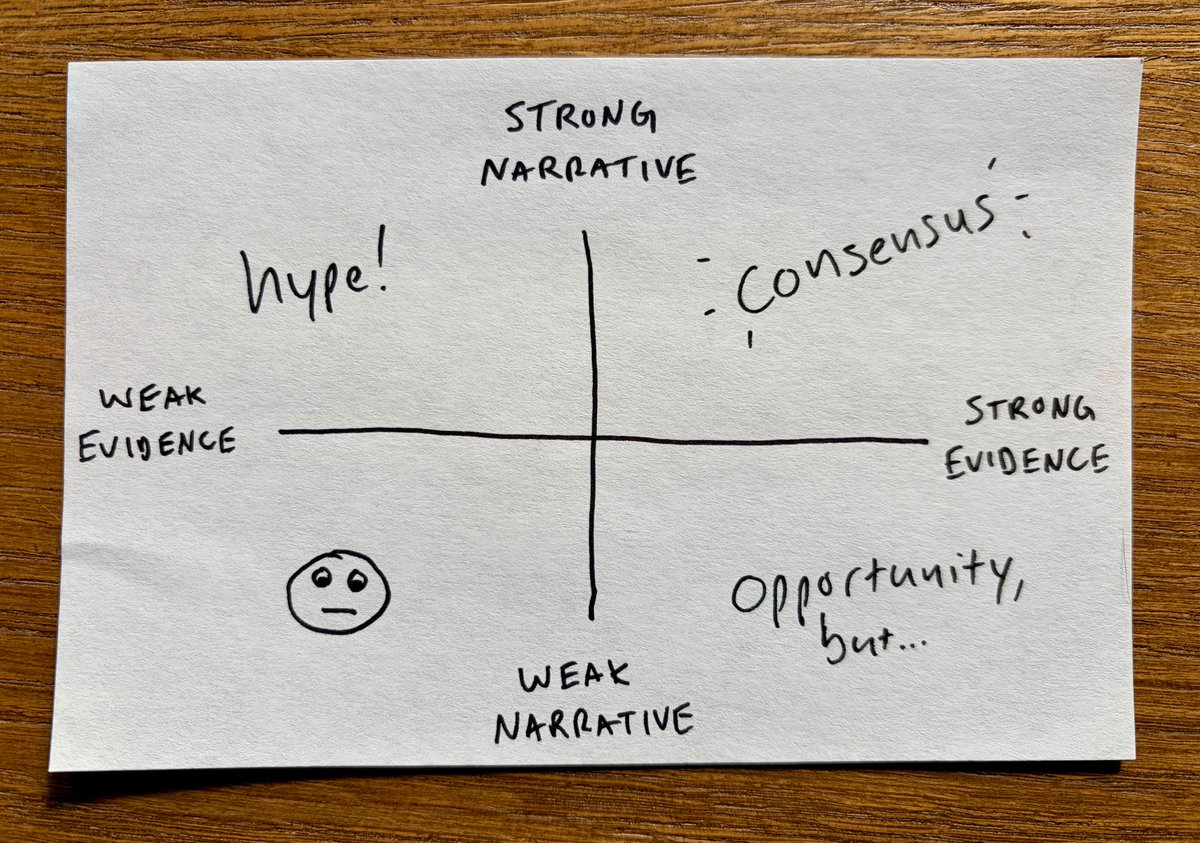
Sort of a tortured “Anna Karenina principle” for startups:
Each successful startup needs something different, but all unsuccessful startups need the same thing - to hypothesize, build, test, learn, and repeat until they find their own success
1
5
442
Jun 10
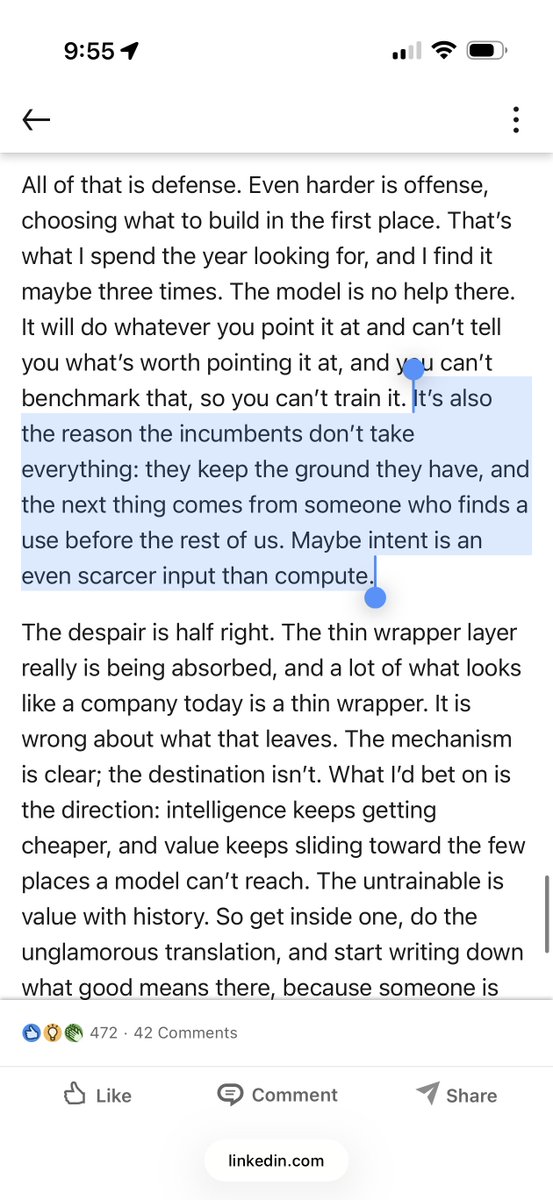
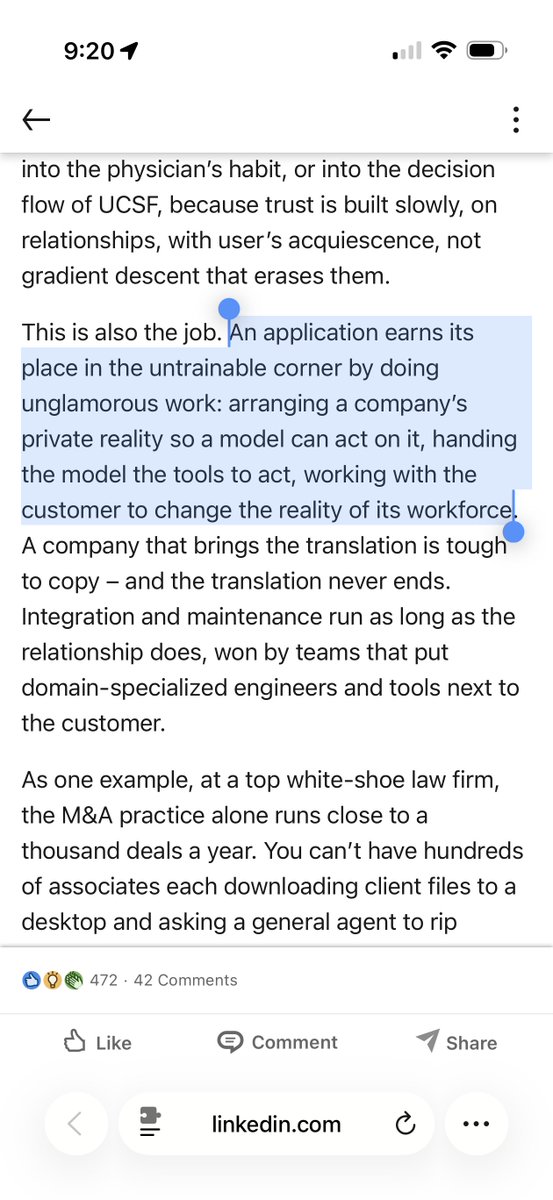
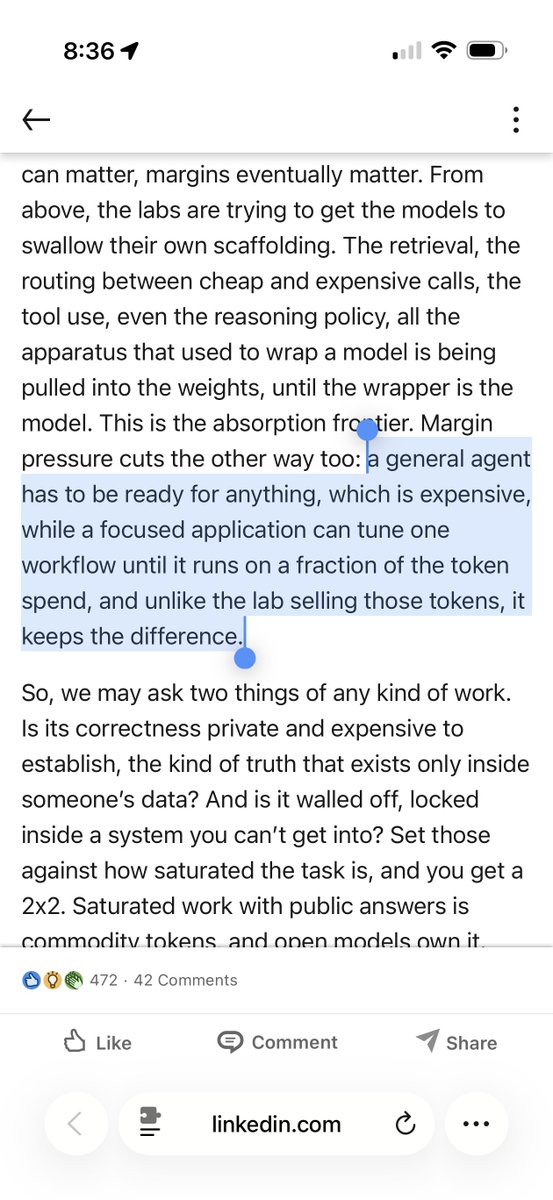
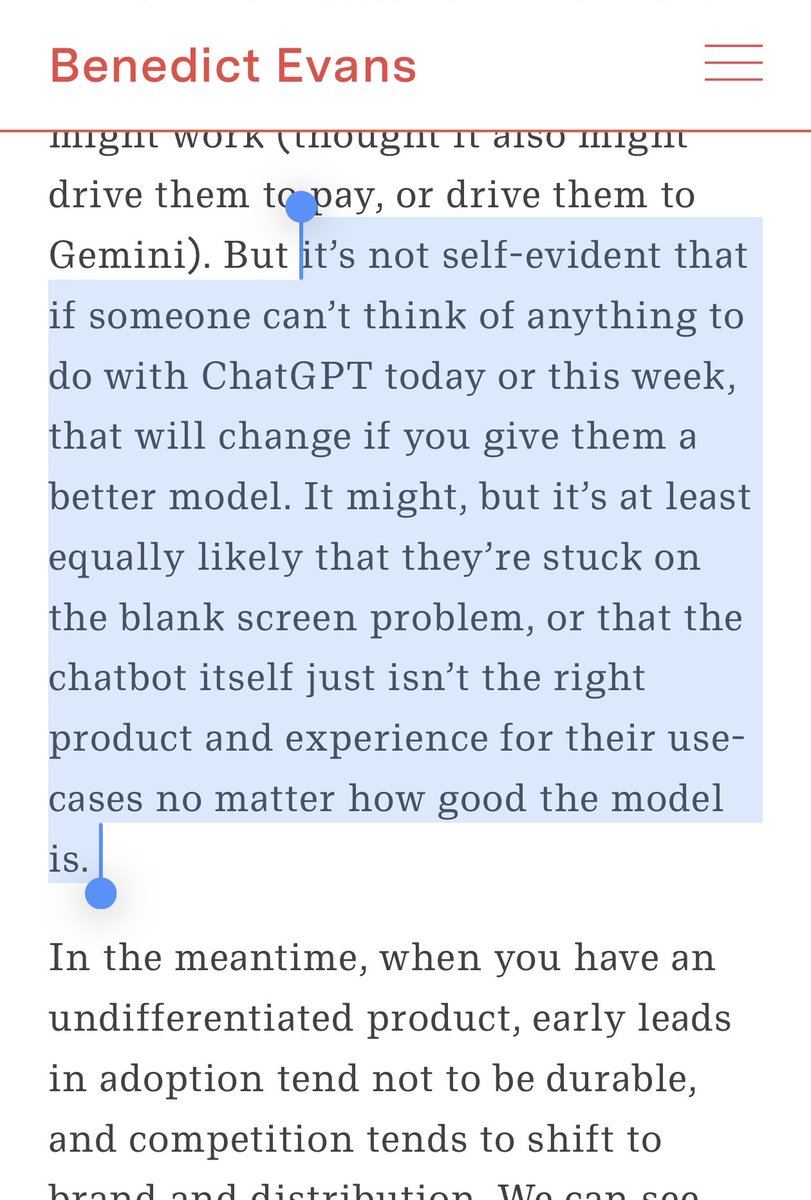
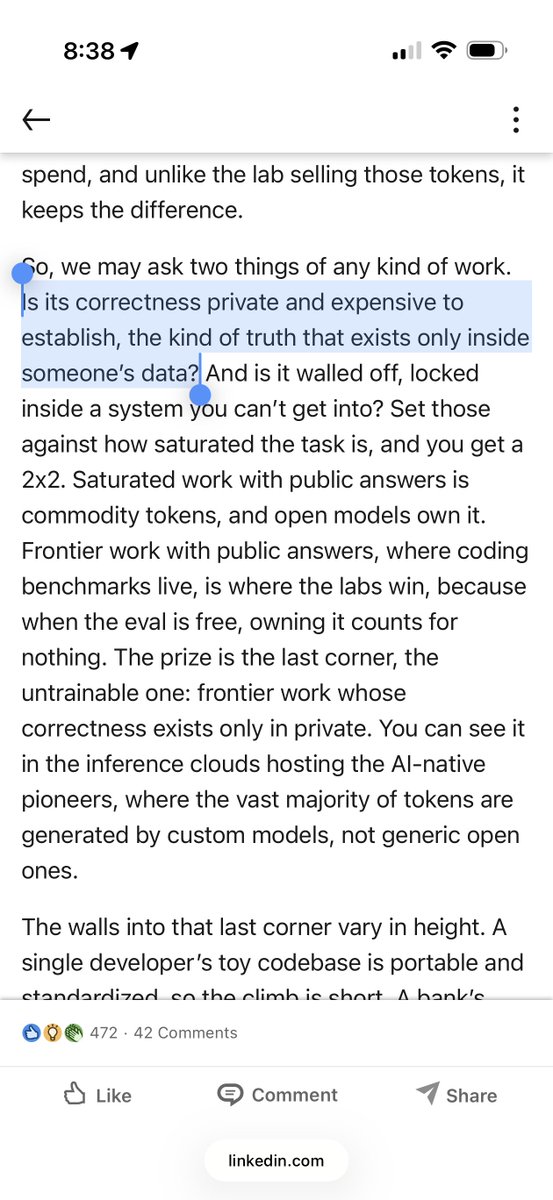
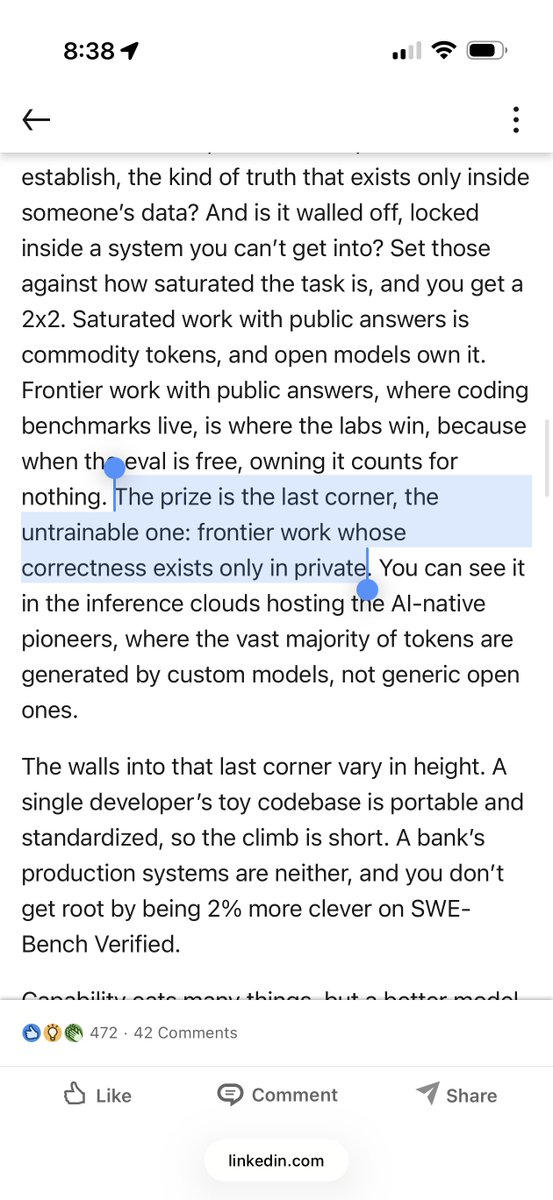
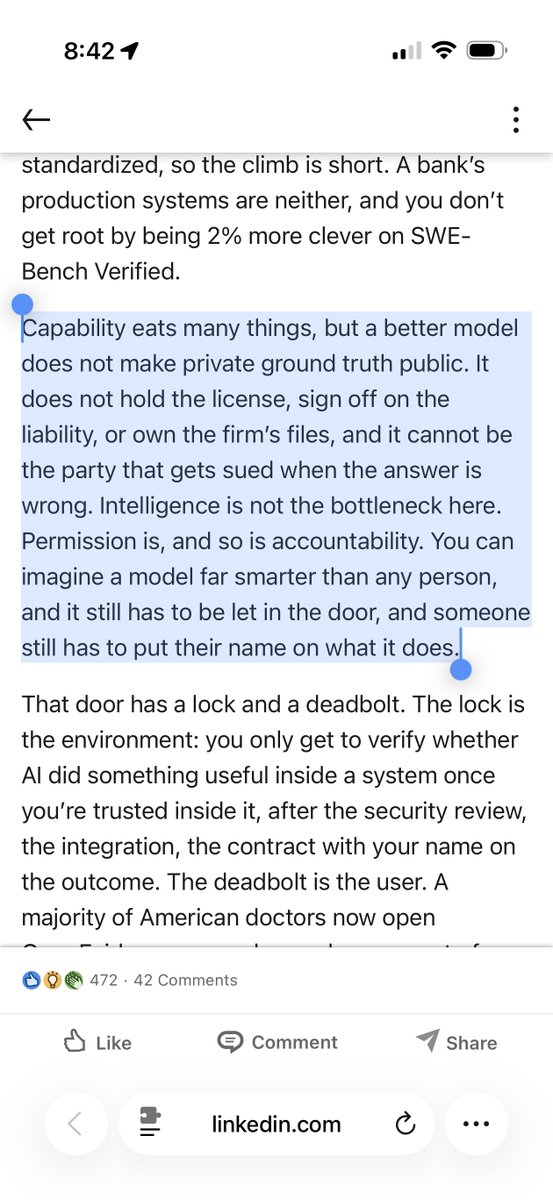
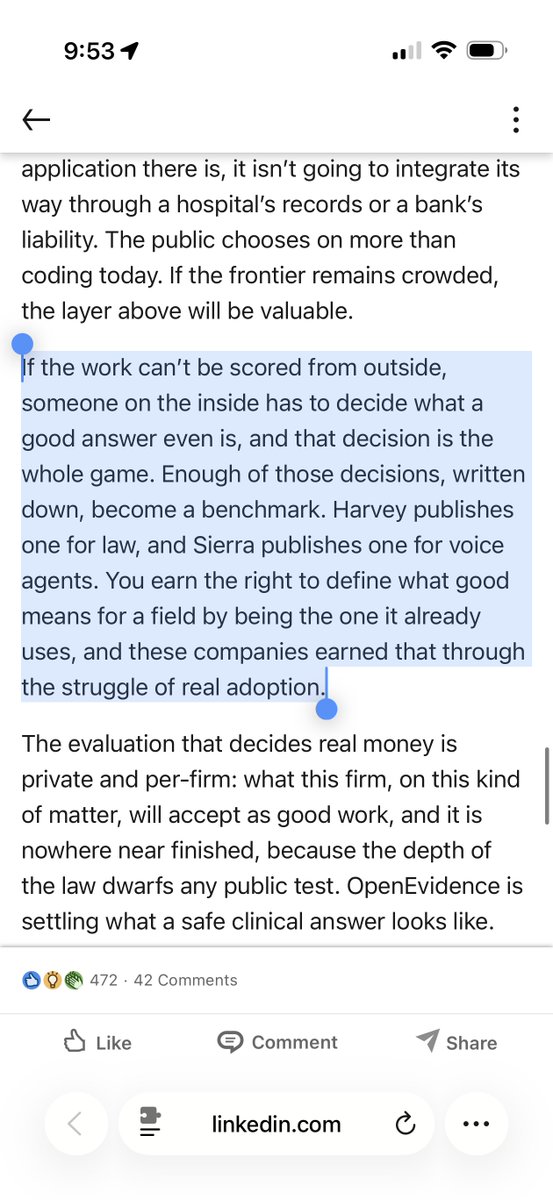
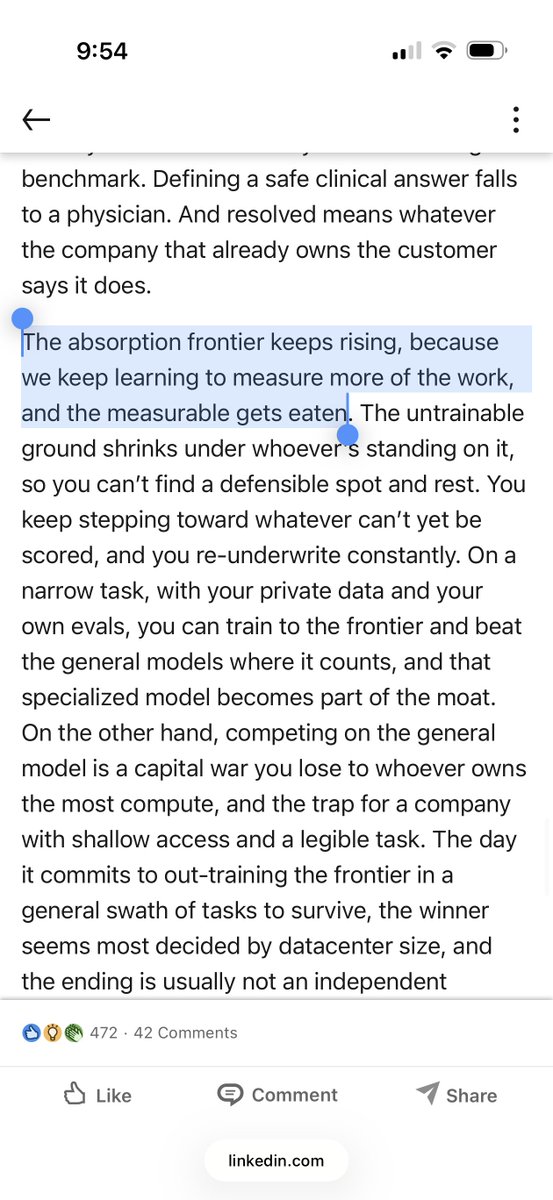
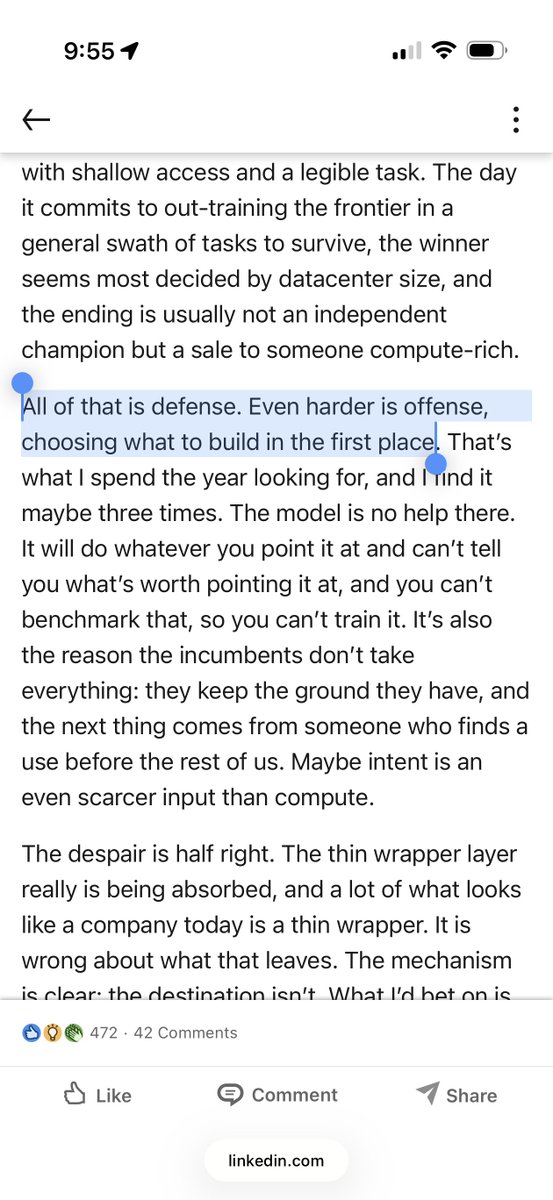
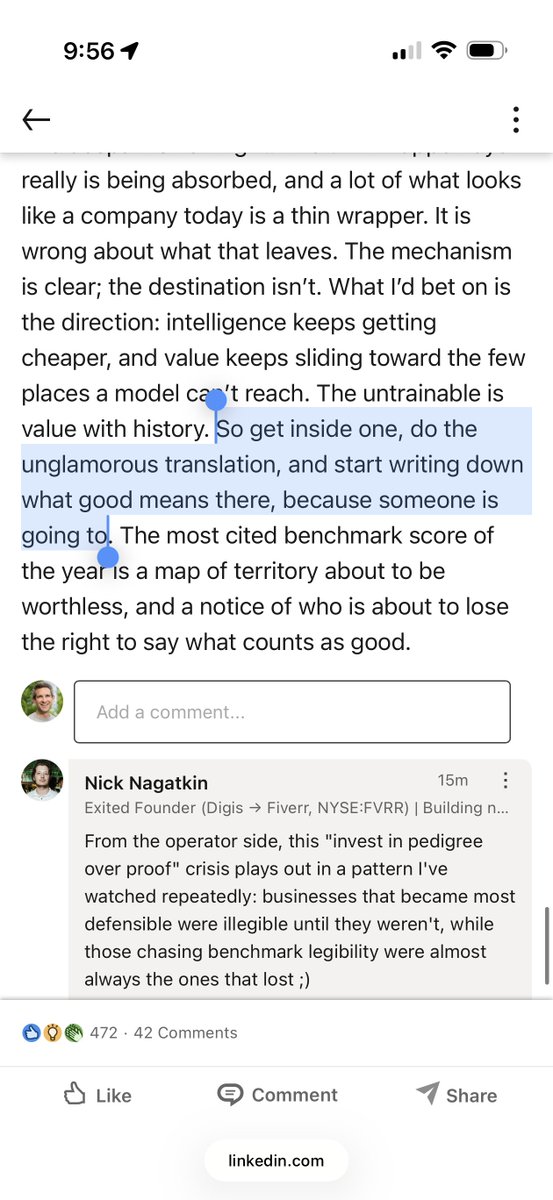
Highly recommend everyone read this article by @saranormous - very relevant to opportunity, moat, and strategy in the current era
Specifically, I think this idea of »can the model's correctness only be verified with internal/privileged data« is powerful
My highlights attached!

2
2
18
5,472
Jun 9
handy little launch from our portco @ExtendHQ
Jun 9

Introducing Extend UI — open-source components for document agents
- 14 components & examples for PDF, DOCX, and XLSX viewers, plus bounding box citations, file upload, e-signature, and more
- fully customizable
- MIT licensed
when we started, we tried every file viewer and document component library we could find
unfortunately, none of them had all the functionality (and polish) that we wanted, so we ended up building our own for @ExtendHQ
it was only ever meant to be internal, but enough customers kept asking for it that we decided to give it back to the community
it's useful for building agents, user-facing document flows, or internal tools
we use and maintain it for Extend ourselves, so it'll keep getting better over time (and it's battle tested on millions of pages running through our system every day)
it also works with design system agents like @magicpatterns for faster exploration and prototyping
available today on the @shadcn component registry! some examples in 🧵
6
314
Jun 5
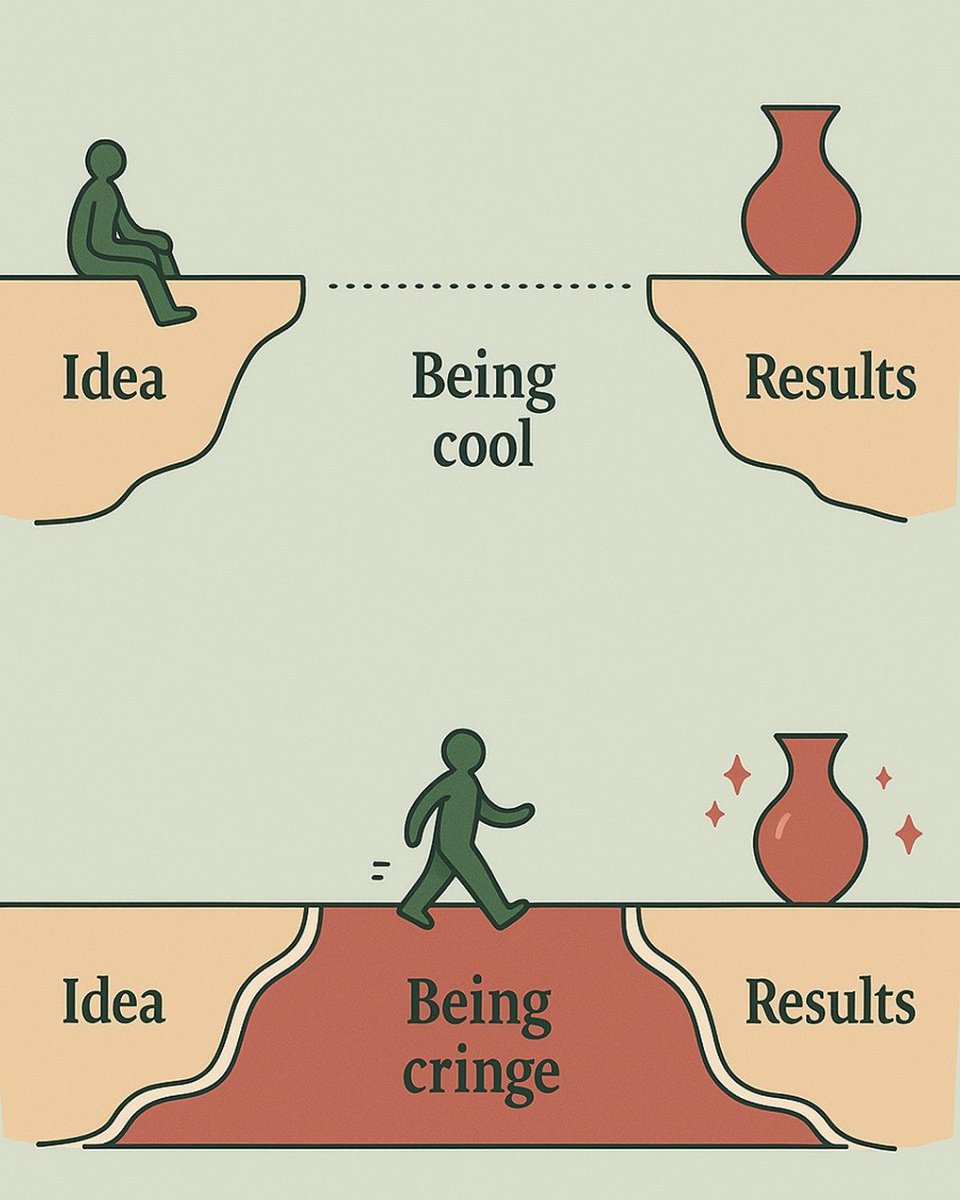
this: "even the 'pitch' / business they are giving you is just a litmus test on the person"
Jun 5

In this era the founder quality is basically all that matters... it is insane to see the gap between excelent founders vs. those who are merely good -- even the 'pitch' / business they are giving you is just a litmus test on the person.
278

Jun 4
Cullen's defined duration approach has been revelatory for me / my financial planning
Jun 3

6 months after launch and I'm excited to announce that the Defined Duration ETF Suite has reached $100 million in AUM.
We launched the Defined Duration ETFs to help planners connect time horizons with assets. It’s exciting to see the concept resonating.
Learn more at disciplinefunds.com/
1
327
John Zeratsky retweeted

Jun 1
If you want to be great, you must aim to be great.
This sounds simple (and perhaps obvious), but I believe it is actually the critical factor for whether you build a world-class business or one of a million startups that look the same.
This essay is for startup founders, but I am going to start by sharing a couple of non-startup of examples to illustrate what I mean:
Planning to lose
Occasionally you will see regions around the country develop plans to unlock their “innovation talent” and encourage entrepreneurs to build new startups in their area. Inevitably someone will bring up California and then a plan arises that includes an explanation of why California is special (and can’t be replicated) and the one or two local “advantages” the region has where it can be competitive.
Sounds reasonable right? Maybe, but they’ve already lost at doing anything world-class! If you really want to win, you have to be ludicrously ambitious: go head-to-head and try to beat California. The thing is, I can’t think of anyone who has tried such a thing. Instead, look at how the problem is usually diagnosed: we can’t win, so we’ll do the second best thing, even if it’s not so good. If you want to be great, you must aim to be great.
The mindset of greatness
Another example is my favorite university, one that’s populated with the finest and most ambitious minds in the country: Throop University. Never heard of it? Today it’s called Caltech, but when Chicago lumber and real estate magnate Amos Throop founded his university in 1891, he had very modest ambitions: a vocational school for local boys and girls to get a practical education and “learn by doing.”
So how did it become one of the preeminent research institutions in the world? Everything changed when George Ellery Hale joined the board of trustees in 1907.
Hale had a very different vision for the university, one in which it would become THE world capital of physics.
Damn, that’s bold. THE world capital of physics? How do you do that? Well, you’ll need THE very best people. So Hale recruited Arthur Noyes from MIT and Robert Millikan from the University of Chicago. Millikan in particular helped drive the vision of becoming world class. Joining forces with the most talented people you can and driving towards a common goal is the only path to becoming great. Eventually the trio had a rock-star list of visiting scholars including Dirac, Schrödinger, Heisenberg, Lorentz, Bohr, and Einstein.
Think about deciding to compete during these years: the East Coast Ivy machine dominated the USA for hundreds of years, not to mention numerous powerhouse European universities. Several other schools started around the same time as Throop/Caltech, but none became world class. Why? They didn’t PLAN to be world class. They planned to be good. If you want to be great, you have to aim to be great.
Why people fail to be great: “split worldviews” limit ambition
To build something great, your worldview must be unified. Today, we rarely think about how inherited cultural and religious beliefs shape our ambition, but this generational overcreep is a real blocker. Let’s look at Caltech again:
Throop was a Universalist, which gave him an integrative and egalitarian vision to help the world. Hale, however, came from a strict Calvinist upbringing, which added a critical ingredient: a mandate for exceptionalism. (He also led a very interesting life including a brief professorship at Beloit College and anecdotally he claimed to be guided by elves that helped with his research.) Only worldviews that give you the license to act universally, transformatively, and exceptionally lead to world-changing outcomes.
Conversely, anytime an ethos “splits” its goals, you cap your potential. In religion, this often manifests as the “two kingdoms doctrine”, or the idea that your eternal life is entirely decoupled from your worldly civic life. When your ultimate purpose is separated from your daily work, it can produce nice, competent local communities, but it doesn’t produce major things. Even if founders aren’t religious today, they often unknowingly operate under these split, limiting frameworks.
More mundanely, this notion of “split” worldview also shows up in business books and operator mentalities. If you are aiming to be a world-class founder, you should be deeply suspicious of concepts like The 4-Hour Workweek or any “system” that treats work as an unseemly annoyance rather than a mode of accomplishing great works. If you are designing your life to be liberated from your work, your mindset is fundamentally at odds with what it takes to create a world-class company because greatness requires obsession.
Similarly, you need to work with people that are focused on universal transformative work. Your job as a founder is to find the best team that will help bring about this transformation. Founders broadly have been led astray thinking of themselves as “servant leaders” or democratic voting machine counters (“let’s poll the team and take a vote and then do that.”) If half of your people are convinced that being on a beach is their life goal, or that they need to have super strict play time, you are not going to make it. When you are fighting to be the best you must keep in mind that “you come at the king, you best not miss.” Weekend warriors don’t win wars.
If you want to be great, you have to aim to be great.
Sometimes you have to market modesty, but you must build for greatness
When we were starting Character we had to develop a story that investors would believe, and most importantly, that we believed would lead to great outcomes. If we said something at the outset like: “we are going to compete with Sequoia and win deals from them” no one would have believed us. So we had to market a more modest ambition (we’ll use Sprint, our unique differentiator to find, win, and help the best companies find PMF and scale.) But make no mistake: we want to win deals from Sequoia, and will.
Startups similarly sometimes have to dial back their ambitions when presenting to investors. This is reasonable if your competitors are gigantic. You don’t want an investor to think you are delusional. However; you must be building a business that will be able to beat the major competitors.
Sometimes beating the major competitors is straightforward: Google developed a better algorithm and crushed their search competitors. On occasion, however, the competitor is not one company, but rather a bunch of smaller companies or similar things. Airbnb and Uber both faced these types of competitors. For Airbnb they were partially hotels and short stay rentals, but also winning a new category of renters and rental-providing people with a competitive new concept. For Uber it was not just one taxi company, but all taxi cab drivers. These companies redefined the playing field, but make no mistake, they also fought to win as number 1.
No startup aims to be number two and has a great outcome. Be ready and happy to compete with the titans of your industry. Maybe not in the earliest days, but it must be on your roadmap.
I want to be the very best, the best there ever was
Software is almost solved. The world might become weird. And there has, quite literally, never been a better time to create world-changing companies. It’s the time to be bold, very bold. When you are planning to do so, remember:
If you want to be great, you have to aim to be great.
1
8
439
May 26
brb renaming @CharacterCap to The SOTA Fund
May 26
Over 1 billion PDFs are created every day, but your agents still can’t read them reliably.
Today we’re releasing Parse 2.0, the most accurate document parsing API in the world.
Extend already processes millions of pages daily for leading AI teams like Brex, Mercury, Opendoor, Flatiron Health, and hundreds of others. Now, its even better.
Parse 2.0 is SOTA quality on RealDoc-Bench, our open source benchmark that measures agent success rate on real world docs that agents actually encounter in production.
We trained Parse 2.0 on 1M pages of the hardest documents seen in production. Here’s how it stacks up:
- #1 in healthcare, real estate, logistics, and financial services
- 95.7% agent Q&A accuracy on 581 docs (next best: 92%)
- 0.847 F1 on layout (next best: 0.759)
Give it a try today and build production-ready document agents with Extend.
7
777
John Zeratsky retweeted
May 25
Memorial Day asks us to remember those who gave their lives in service to our country. It is almost an anachronistic concession that death has ransomed the very existence of national life in the United States of America. Yet we do not celebrate this as a simple call to jingoistic fervor, nor do we valorize some great victory, or read empty panegyrics for past presidents or debate the merits of the wars in which these brave men and women gave their lives.
Rather, today is the somber knock that leaves the coffee half-poured as your heart sinks into the black hole of truth that you know awaits behind the front door. It is the lonely telegram after a rainstorm with a drop or two threatening to disrupt the August afternoon and the slow wave of wheat across the fields. It is the morning paper grasped in shaky hands, tired eyes finding that name, his name, that you must read, reread, and reread, and reread again, because it cannot be true, it must not be true. It is remembrance of the individual loss of all futures for the fallen.
In truth, Memorial Day has become almost unrecognizable in the context of today’s society because a sacrificial death is anathema to the obsession of self. Modern man is little but the epitome of the Self: he is a body-optimizing equation, a recursively self-obsessed creature who seeks only to maximize enjoyment while fine-tuning every inch of himself.
He needs only the right mixture of peptides, fitness, foods, and experiences before he becomes his fully actualized self. This is his greater truth. To the extent he engages in politics or nonprofits it is largely in the service of social credibility or narrow self-interest. More usually, however, he would prefer to condemn or exalt the opinions of others as they pass through his feed. A passive observer and lover of clout. His thumbs are his profession and the evercritic his prophet.
In short, we have become a society of self-enclosed automatons.
It is this notion, then, that has become foreign to us: to not make their sacrifices in vain, who died recently or long ago, for those who possess no social clout, that we have never and will never meet. On this day, then, we should abandon ME for the moment and remember that the precondition for freedom can never be achieved by the faculty of the mind alone. It is paid in flesh from family.
The price is surrendered in a flash, among comrades, or alone. His last breath entangled with visions of home between the peaks of the Rockies or the streets of Manhattan, of childhood lost and the extinguishment of the warm embrace of all that is familiar and good, dying in the mire of some foreign land.
Today summer comes to us, flowers and trees in a fecund firework, our great debts buried below their graves, flags flying above, a reminder that the splendor of our Nation is built not on us alone, but by a great company of individuals willing to give their all for our future.
1
5
304
May 23
basically how the good ones are written already

Future books will be written monk-mode, by hand, completely offline, in digital monasteries purpose-built for focus.
1
1
599
May 20
Yesterday at @CharacterCap we invested in our 100th portfolio company.
And it's a REALLY GOOD ONE!
This milestone is exciting, inspiring, surreal, and a little intimidating.
Lots more to come!
1
10
1,011
May 19
this is correct
May 18

How to write a forwardable email
TDLR- I want to just press “f” in superhuman, comment on on top of what you’ve said, and press send. Make it easy.
I get asked to pass along notes all the time. I proactively offer to do so just as often. Here’s how to help me (or anyone else) help you get what you want out of this interaction.
Do This
-Write in your voice about yourself. “I’m Yoni, a partner at Slow…”
-Include all the context the person will need (who you are, why you want to meet them, links, etc.)
-Send individual emails for each person you want me to forward to (“would love to get connected to Yoni”)
-Keep it short.
Don’t Do This
-Write as though you are me talking about you (“I met this guy named Yoni”). I promise you it won’t sound like me, at least not to me and it makes it harder to just press forward
1
536
May 14
absolutely incredible result from @CharacterCap portfolio company Poetiq
May 14

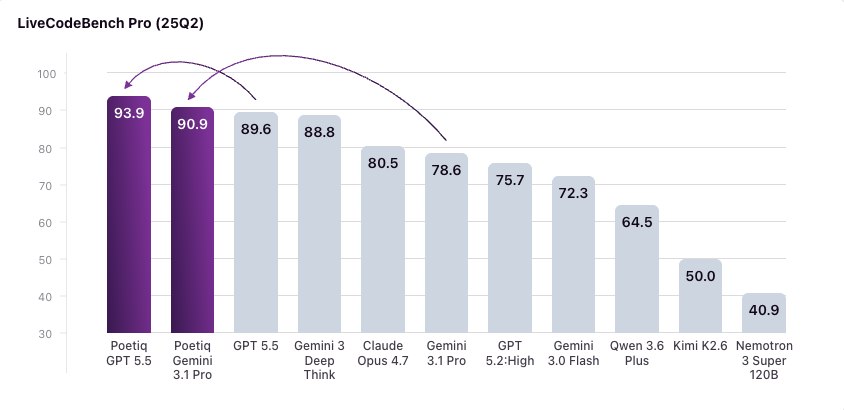
Poetiq's Meta-System built its own coding harness from scratch. It got SOTA on LiveCodeBench Pro.
No fine-tuning, no special model access. Just standard APIs. Using Gemini 3.1 Pro, it made a harness that beat all frontier models we tested.
4
497
John Zeratsky retweeted

May 14
Poetiq's Meta-System built its own coding harness from scratch. It got SOTA on LiveCodeBench Pro.
No fine-tuning, no special model access. Just standard APIs. Using Gemini 3.1 Pro, it made a harness that beat all frontier models we tested.
43
54
552
1,915,912
John Zeratsky retweeted

May 11
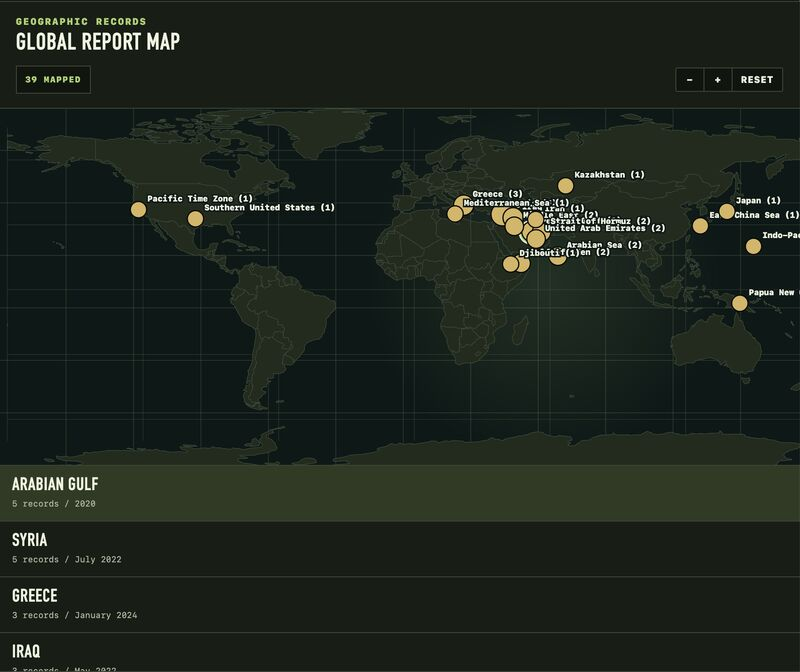
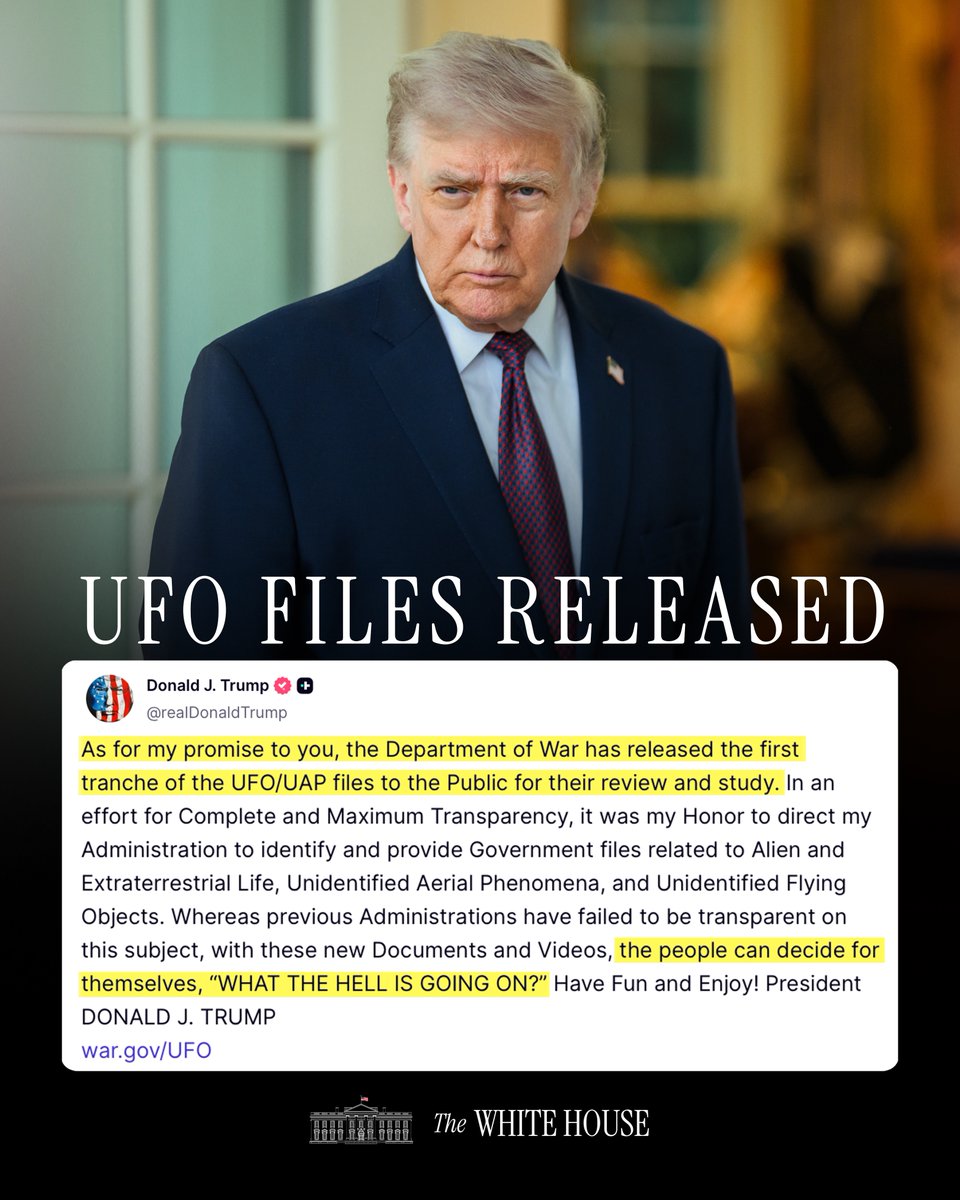
the pentagon declassified a bunch of UFO files over the weekend
naturally, we OCR'd all of them with @ExtendHQ, made them searchable, and plotted all the UFO sightings on a world map
grep it, feed it to your favorite LLM, happy sleuthing:

1
2
9
1,773
May 1
Marketing tip: There are influencers* in every industry, and if you can authentically build relationships with them, they're a huge help in cutting through the slop-driven noise, faux-personalized outreach, and over-optimized ads.
A few things to keep in mind:
- start early (it takes time to build relationships)
- look beyond social media (not every industry lives online)
- give first (people can tell when you're trying to extract value without providing any)
- make them feel special (elevate them, highlight them, spotlight them)
* please note that I am not talking about internet personalities / celebrity endorsers; I mean the people who are actually influential in your industry
1
1
5
336