Associate Professor @Harvard @Kennedy_School. Urban and local politics policy; cyclist; 🏳️🌈; he/him. RTs ≠ endorsements
Joined February 2009
- Tweets 2,320
- Following 2,337
- Followers 3,245
- Likes 47,075
205 Photos and videos
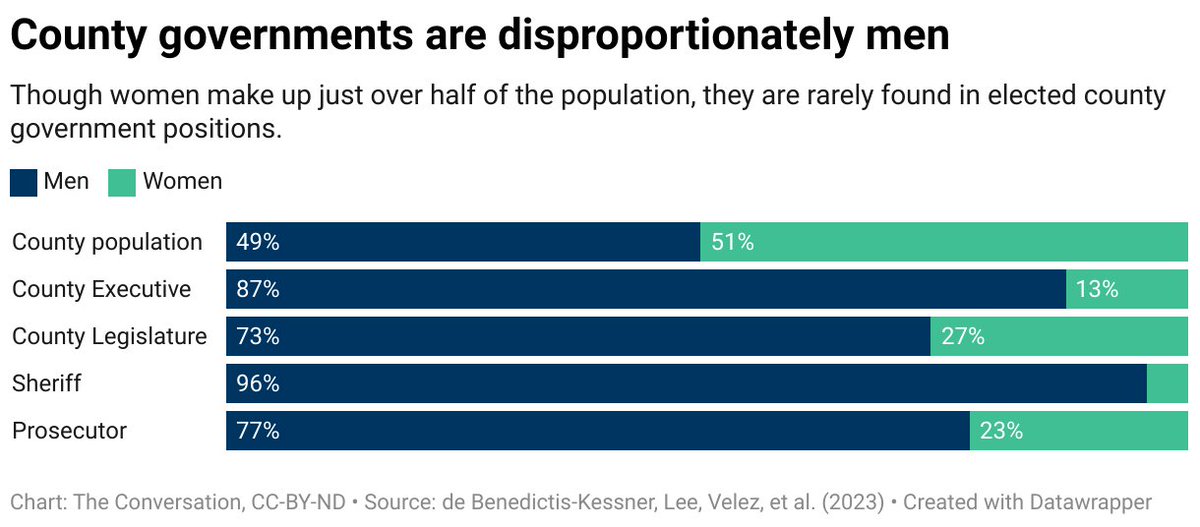

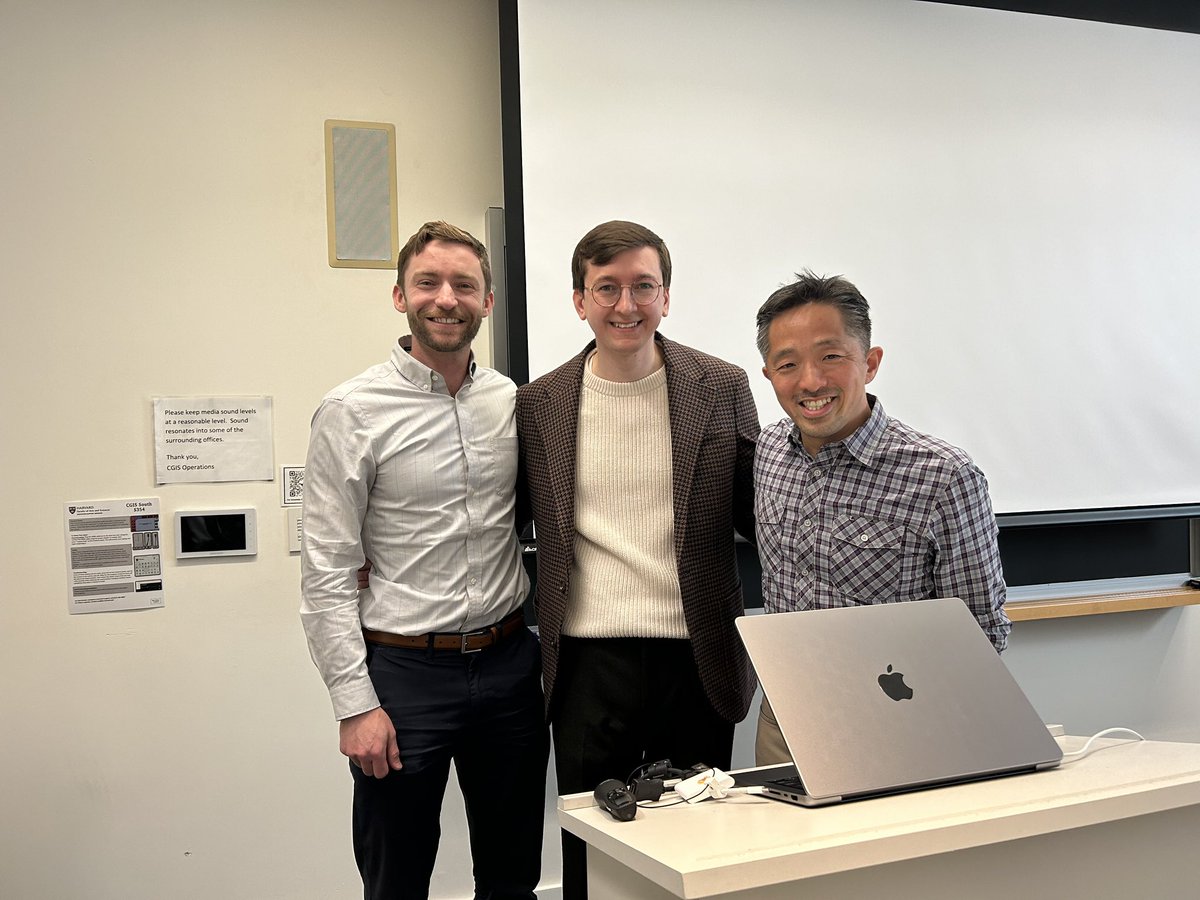
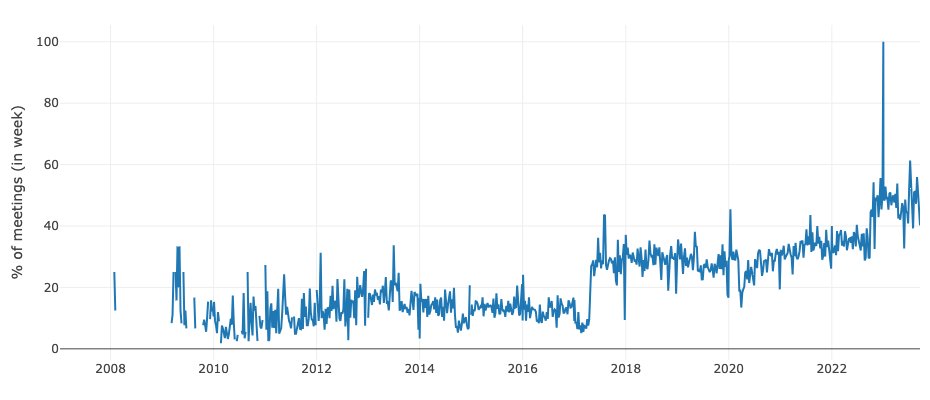
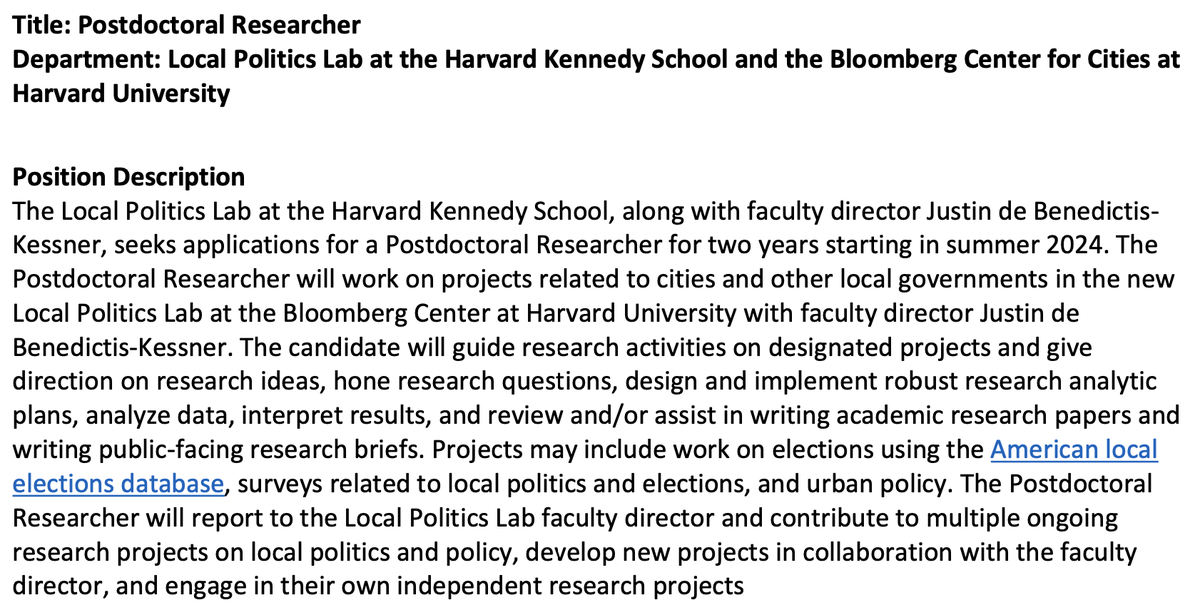
Join us here at LPEC @CenterforCities in September!

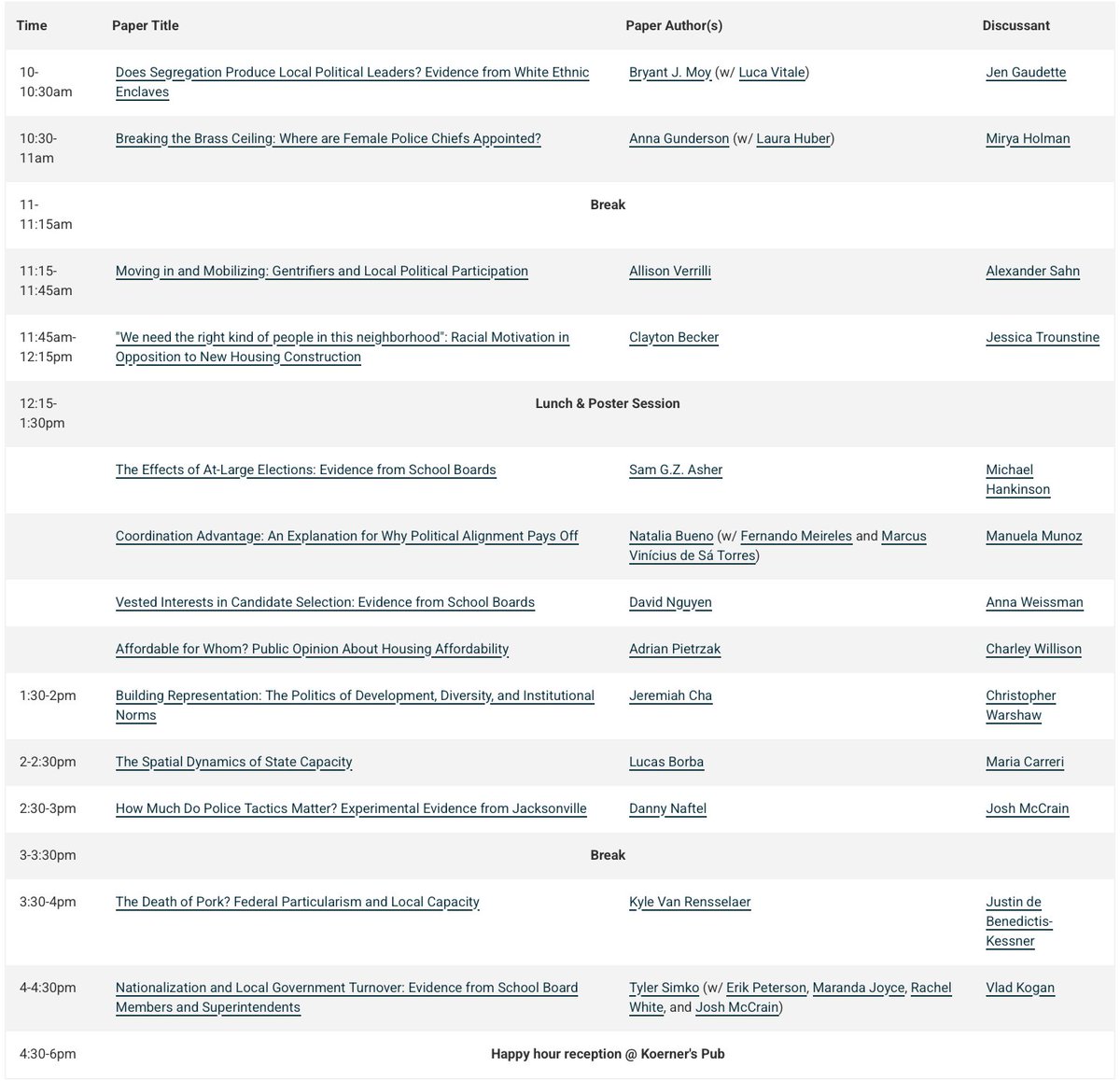
apply to present at the apsa local political economy pre-conference! 4/30 deadline.
see last year’s program to get an idea of whether your work would be a good fit. there is a poster session this year to allow even more presenters.
docs.google.com/forms/d/e/1F…
1
3
614
Justin de Benedictis-Kessner retweeted

Yesterday was a fulfilling day representing Canada in Boston! 🇨🇦
Here’s a moment from a thoughtful and productive conversation on housing policy with students at Harvard University, moderated by Justin de Benedictis-Kessner, at the Weatherhead Center for International Affairs.
72
33
158
70,428

26 Sep 2025
My friend and colleague @Kennedy_School @tedsvo shared his expert perspective on the use of AI in education on @NPR’s All Things Considered today: wbur.org/upnext/2025/09/25/a…
1
1
302
26 Sep 2025
As he says: “learning isn’t just getting answers to questions.” Worth a listen for anyone who teaches, is learning (anything), or cares about the quality of education in the age of AI!
209
11 Aug 2025
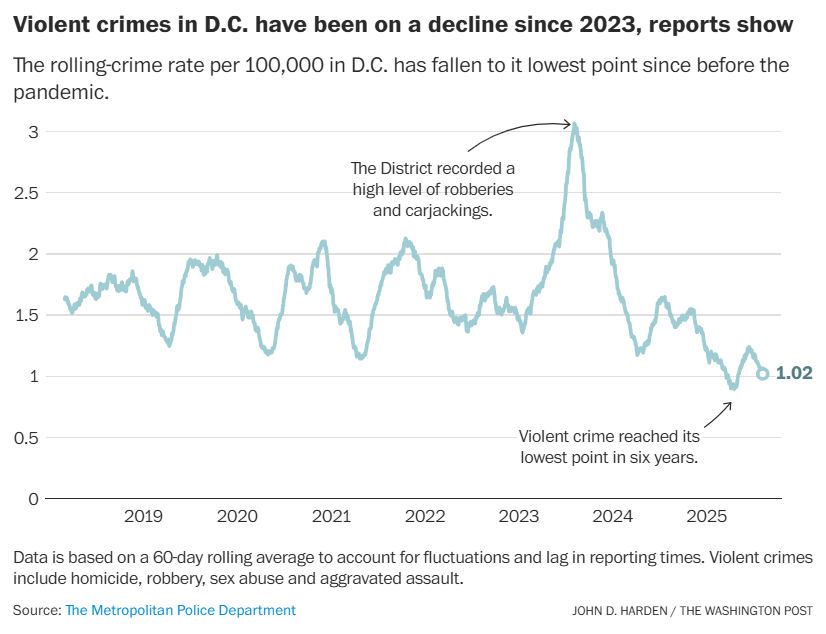
Yet again, Trump is falsely claiming that Democrat-controlled cities like DC are letting crime get out of control. Our research – from cities across the US – shows that this just isn't true (@cwarshaw @Matthew00117310)
11 Aug 2025

President Trump once again catapulted crime in D.C. into the national conversation.
“It has become one of the most dangerous cities anywhere in the World,” he said in a Truth Social post.
Local and federal data, though, paint a contrasting picture: wapo.st/47nc0Vw
2
6
20
3,389
11 Aug 2025
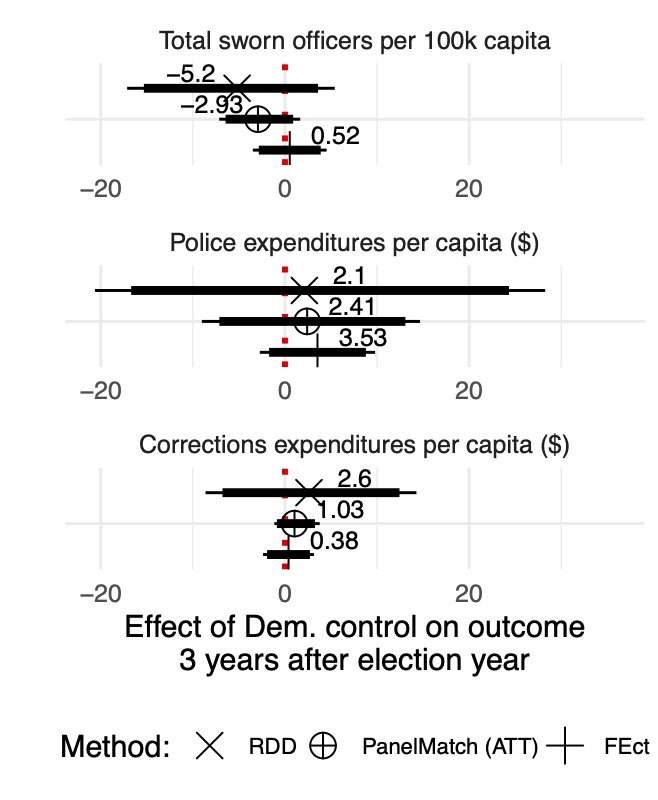
Our open-access research in @ScienceAdvances shows that the partisanship of mayors has no causal effect on crime rates. Nor does it affect police spending, staffing, or arrest rates. x.com/jdbk/status/1879657598…
15 Jan 2025

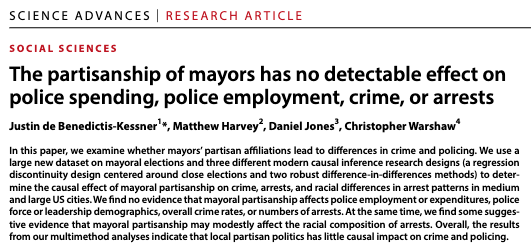
Are Democratic leaders making cities more dangerous than Republicans? Trump others have repeatedly made claims like this. New paper @ScienceAdvances w/ @cwarshaw @daniel_b_jones @Matthew00117310 shows that, in short, the answer is no.
ALT Abstract of article titled "The partisanship of mayors has no detectable effect on police spending, police employment, crime, or arrests"
1
2
302
11 Aug 2025
This partisan finger-pointing is based on falsehoods. To fix crime, we should focus on evidence-based strategies to address crime, rather than engaging in a distracting blame-game. theconversation.com/crime-is…
1
158
Justin de Benedictis-Kessner retweeted

3 Aug 2025
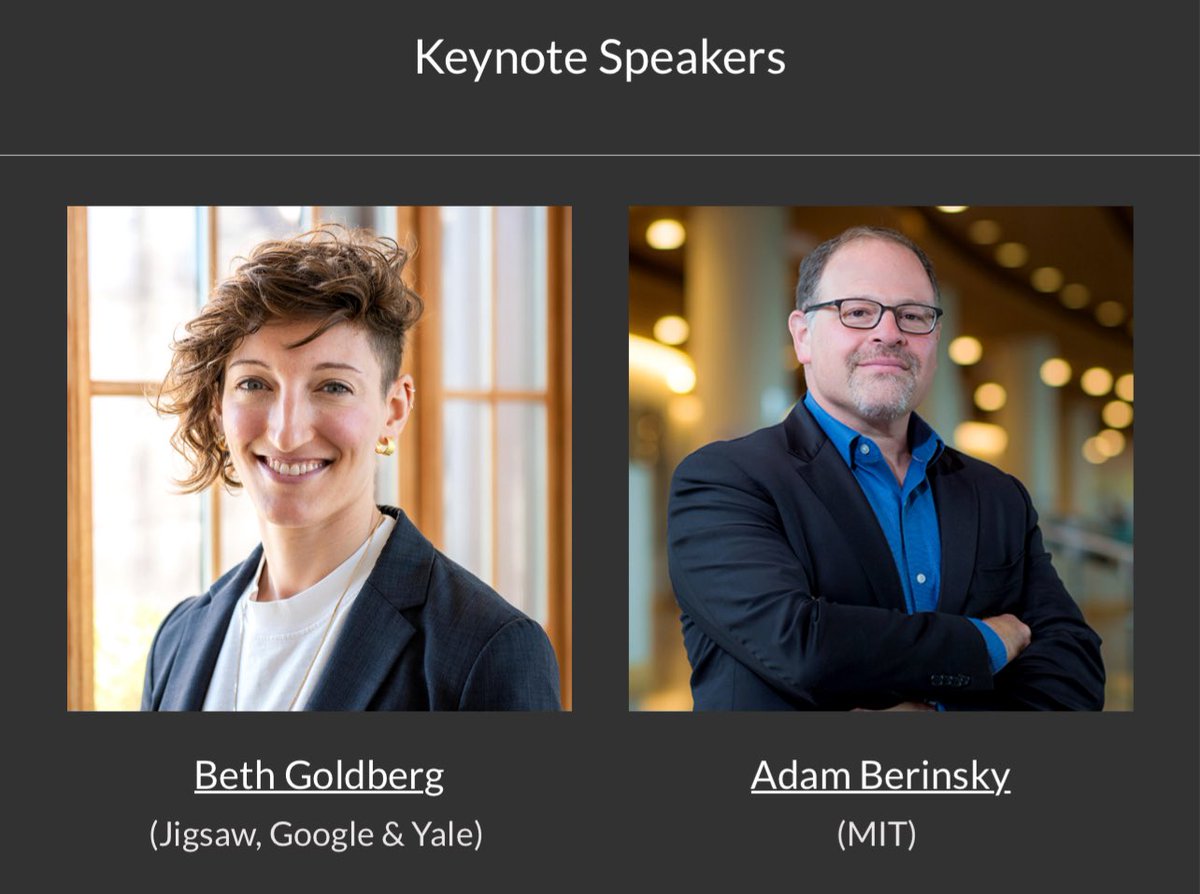
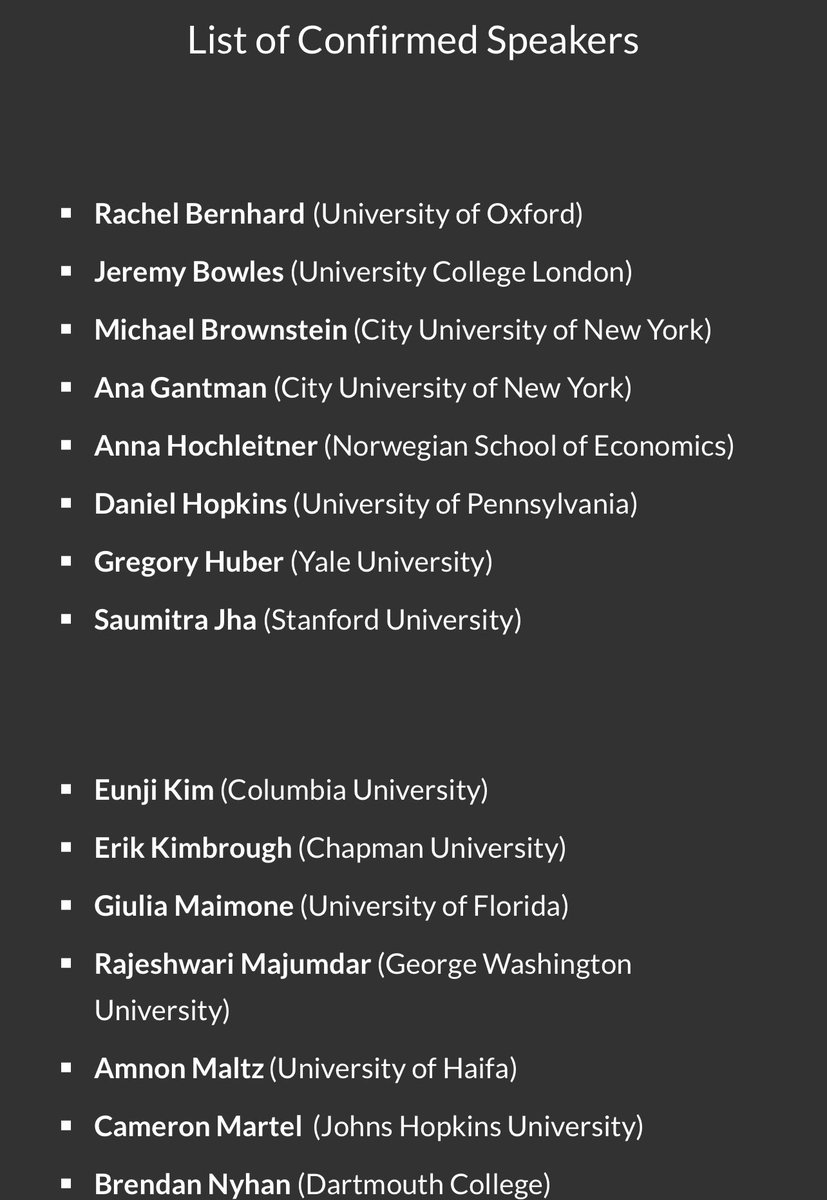
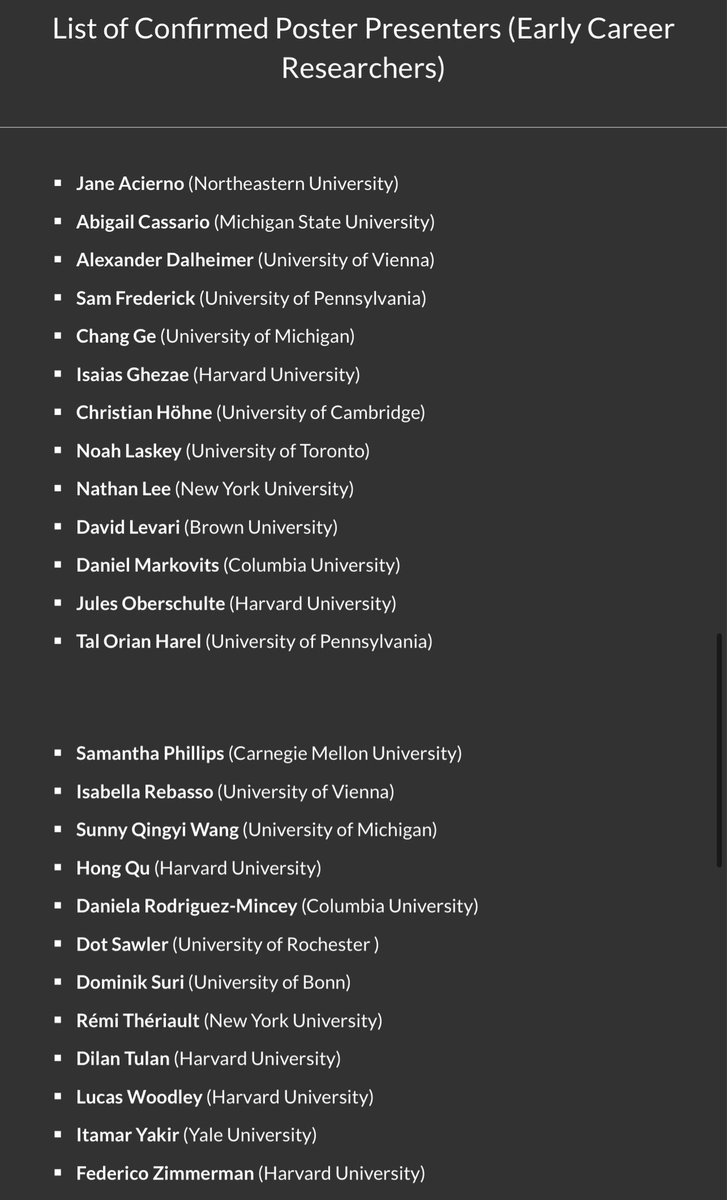
🔥🧯 Excited to announce the program of our 2025 MIT workshop on polarization, norms & trust (co-organized w/ @DG_Rand, @ylelkes @AdamBerinsky @kati_kish)!
Speakers incl. @BrendanNyhan @jdbk @dhopkins1776 et al.
Info: sites.google.com/view/polari…
To attend: buy.stripe.com/dRmdRa7Du1fwe…

17 Jun 2025

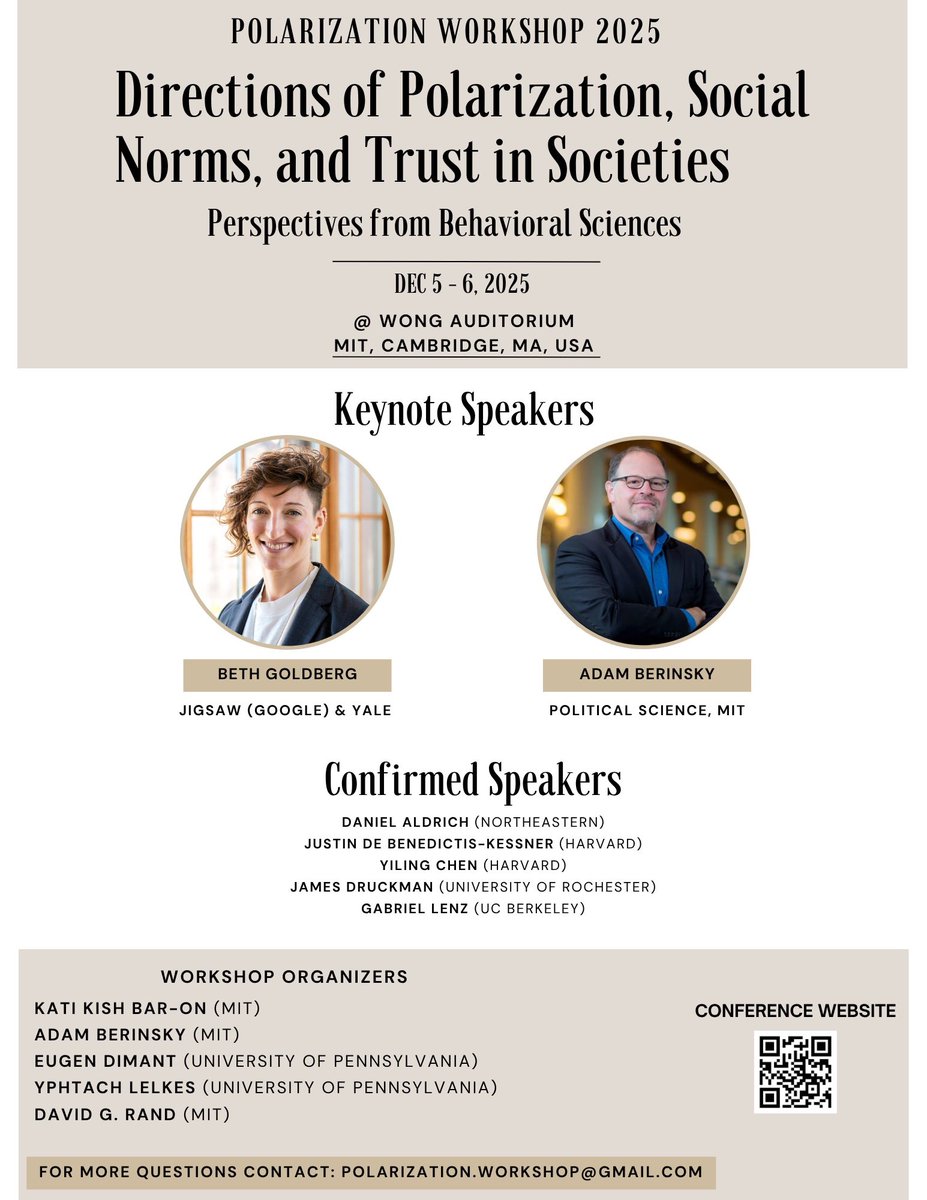
📣 Call for Papers 📣
Interested in the newest research on polarization, norms & trust?
Present your work our workshop on Dec 5-6 @ MIT, co-organized with @DG_Rand, @ylelkes @AdamBerinsky & @kati_kish
𝐑𝐞𝐠𝐢𝐬𝐭𝐫𝐚𝐭𝐢𝐨𝐧: sites.google.com/view/polari…
𝗗𝗲𝗮𝗱𝗹𝗶𝗻𝗲: July 14
1
18
38
14,434
Justin de Benedictis-Kessner retweeted

27 Feb 2025
📢 It’s time to nominate for the 2025 Urban & Local Politics Section Awards!
We’re recognizing outstanding work in urban politics across multiple categories, including best dissertation, book, and career contributions.
🏆 Deadline: March 15, 2025
1
4
7
2,816
11 Feb 2025
Well said, from @ProfDavidDeming: "If government funding goes away, so will much of the research. The long-run cost will be staggering. We’ll have fewer medical breakthroughs, the progress of lifesaving medical treatments will stall, and America may fall behind"
11 Feb 2025

The Trump administration’s cuts to university research grants will make America sicker and poorer in the long run, @ProfDavidDeming writes. DOGE should stop "confusing efficiency with ill-conceived budget cuts." theatlantic.com/ideas/archiv…
9
1,345
15 Jan 2025
Are Democratic leaders making cities more dangerous than Republicans? Trump others have repeatedly made claims like this. New paper @ScienceAdvances w/ @cwarshaw @daniel_b_jones @Matthew00117310 shows that, in short, the answer is no.
ALT Abstract of article titled "The partisanship of mayors has no detectable effect on police spending, police employment, crime, or arrests"
8
52
166
18,198
15 Jan 2025
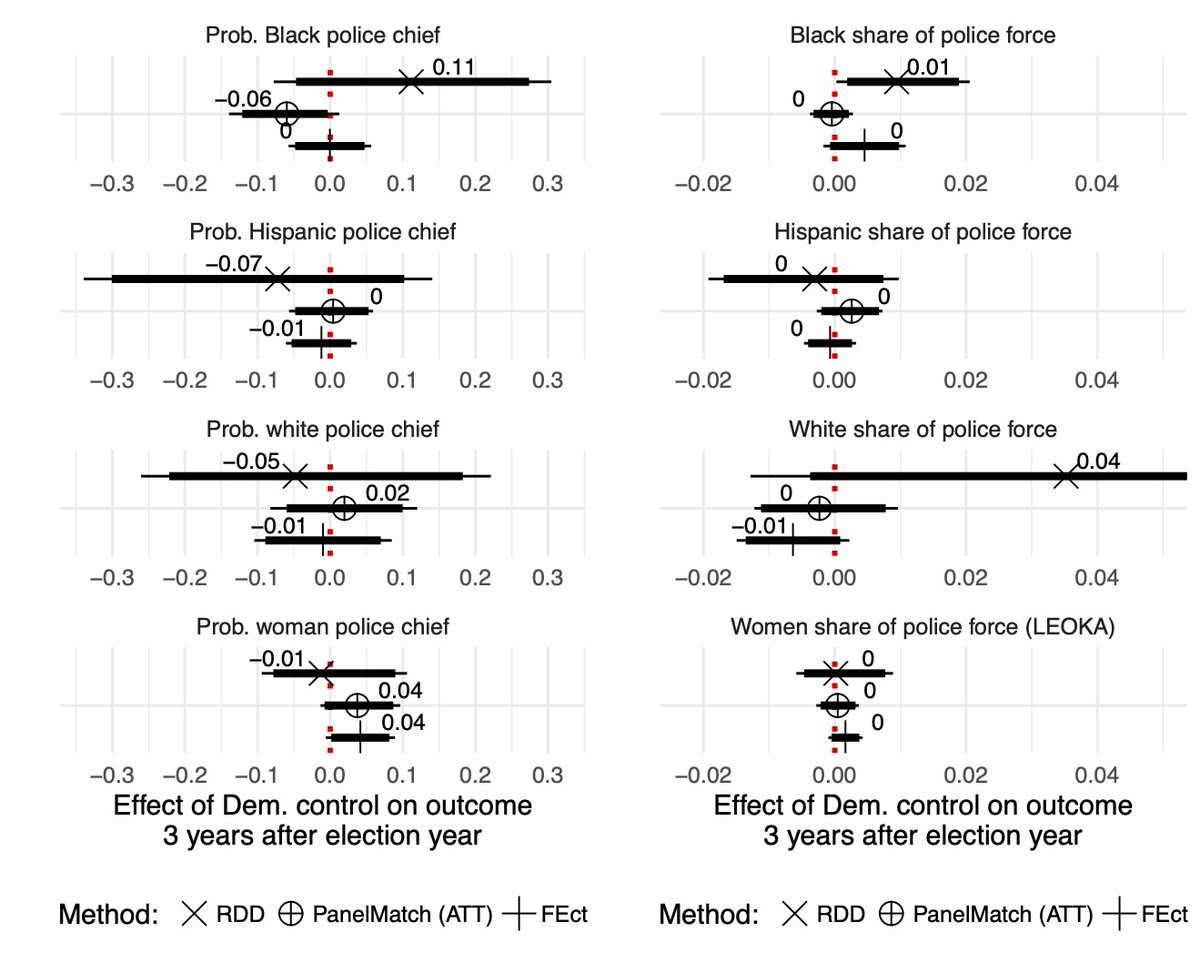
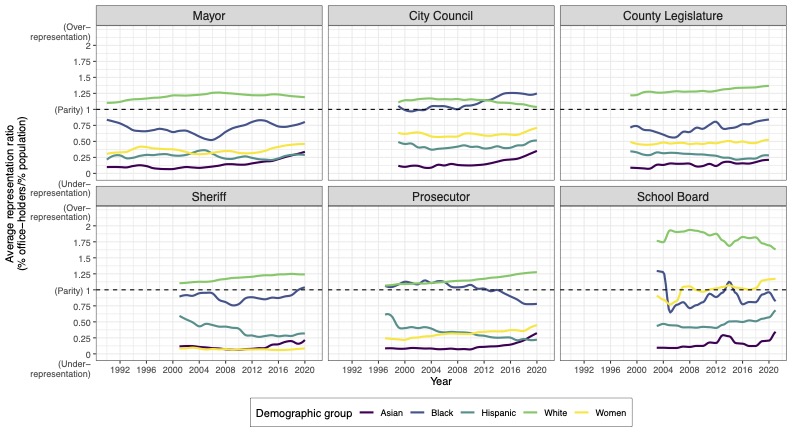
Nor do we find consistent evidence that Democrats are making police leadership or police forces substantially more diverse than Republicans.
ALT screenshot of Figure 2 from paper, which shows the largely null effects of partisanship on the demographics of police chiefs and the police force overall
1
1
513
15 Jan 2025
Ideological claims from both sides of the aisle about crime and policing aren't facing the facts: what's happening in cities across the country has little to do with partisanship. Reducing crime should focus on evidence-backed strategies rather than partisan finger-pointing.
1
3
420
9 Dec 2024
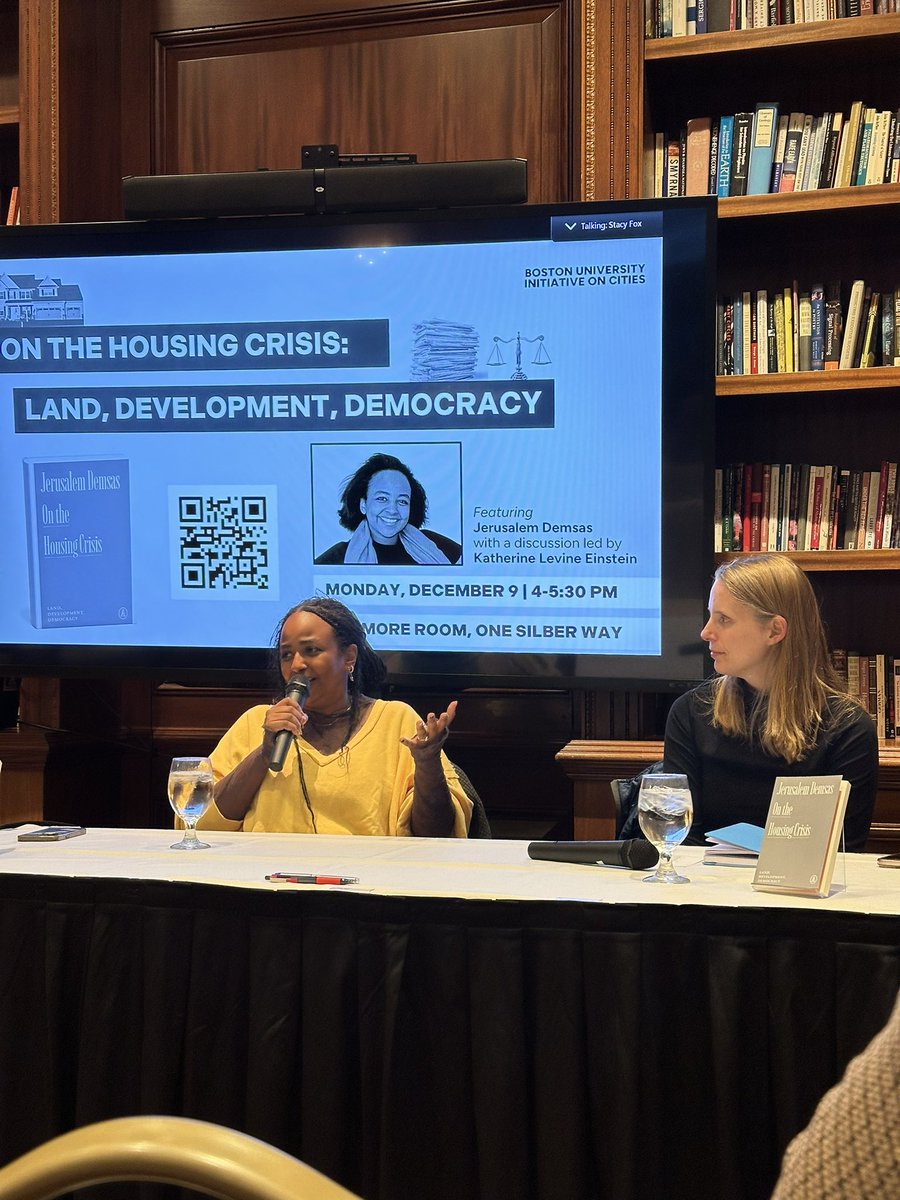
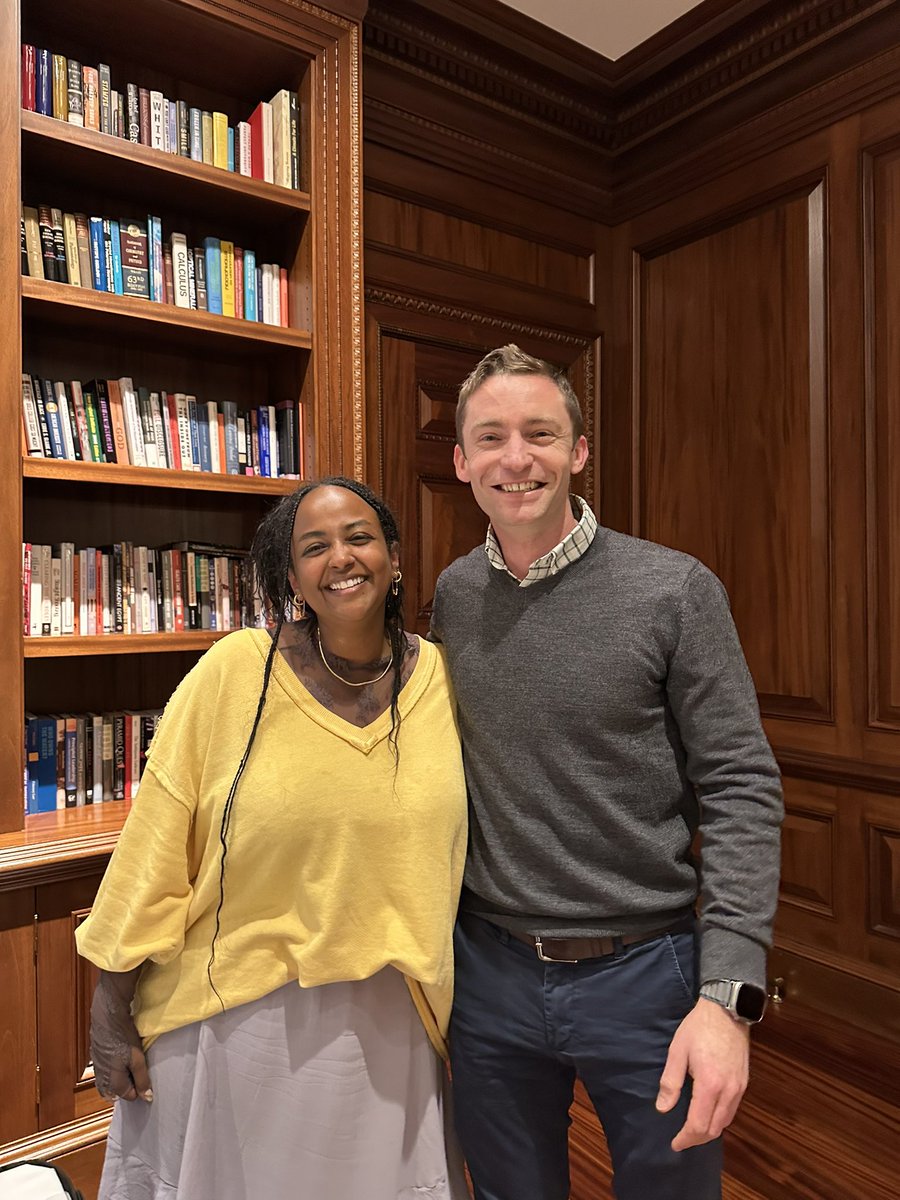
Great to hear @JerusalemDemsas (a fellow @williamandmary @wmgovtdept alum!) talk about her book on cities and the housing crisis today @BUonCities. Hot take we agree on: local institutions make doing good things in cities too hard!
2
5
52
2,718
Justin de Benedictis-Kessner retweeted

5 Dec 2024
great example of overlapping jurisdictions leading to muddled accountability: city of LA is asking state costal agency to block homeless housing that council approved on city-owned land. can say they tried to address homeless but avoid backlash from it being built
1
6
922
4 Dec 2024
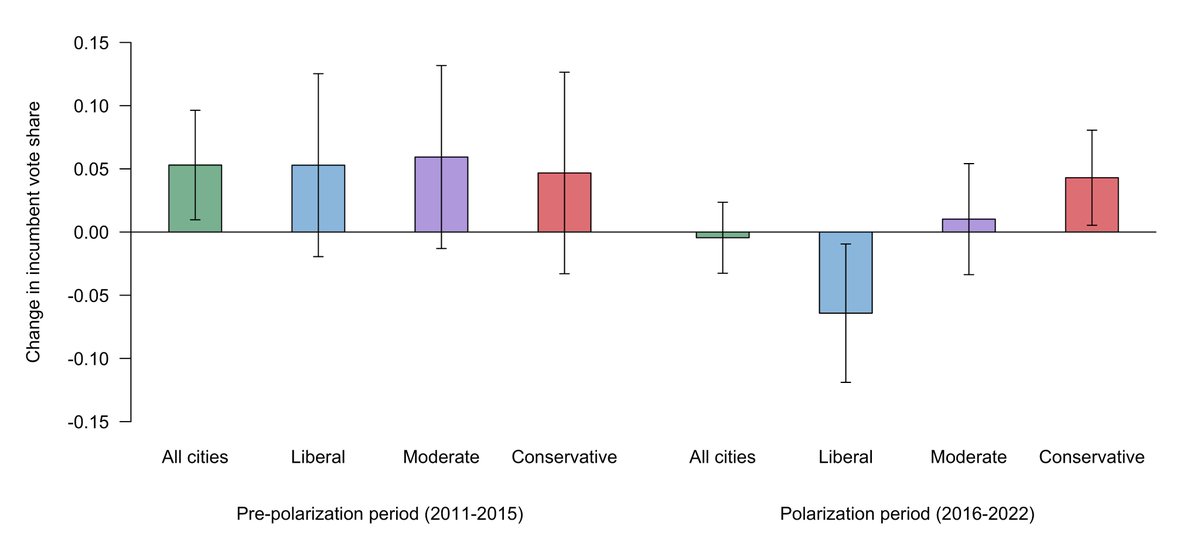
Check out this cool @AJPS_Editor paper from @jengaude. She uses both observational data and a survey experiment to show the electoral effects of endorsements from police unions — a powerful interest group in local politics.
3 Dec 2024

Police union mayoral endorsements used to be associated with incumbent success everywhere, but starting in second half of 2010s, incumbent mayors in liberal cities do worse when they’re endorsed by their local police union. These effects aren’t seen in less liberal cities.
2
22
3,207
12 Nov 2024
Local politics is and will be more important than ever in the next few years. Crucial to figure out how we can improve governance and accountability to make cities better. Thanks to @SZonszein for the invite everyone at @UCBerkeley for the great feedback!
12 Nov 2024

When do voters hold incumbents accountable? Tuesday re-ignited the conversation on retrospective voting, and @jdbk bravely presented (the day after a presidential election) a comprehensive project on how a "fog of accountability" complicates retrospection in local elections.
1
4
43
3,284
12 Nov 2024
More info on the in-progress book manuscript on my website: scholar.harvard.edu/jdbk/boo…
1
1
14
999