Just here to puncture all your overbloated Twitter egos
Joined June 2010
- Tweets 337,750
- Following 2,218
- Followers 236,023
- Likes 5,519
8,486 Photos and videos


Pinned Tweet

Feb 5
This is a well developed AI learning tool for Nigerian students. Kindly explore for your kids' studies; homework, quizzes, and preparation for exams
studymatenaija.com/
18
238
485
80,015
Apr 17
"Oh, quiet traveler, gone beyond the veil,
Where mortal breath and heavy sorrows cease,
We watch your spirit, like a silver sail,
Glide into waters of eternal peace.
No longer bound by time or earthly care,
You sleep within the soft, enduring light,
A fragrant memory lingering in the air,
A silent star that guides us through the night.
We do not hold you in the cold, dark ground,
But in the gentle sunlight’s warmth and grace,
In every lovely, familiar, unseen sound,
We see the quiet peace upon your face.
Rest now, freed from every earthly plight,
In love’s unbroken, ever-shining light..."
Safe journey home, Temisan, you were a jolly good fellow. Rest easy.
16 Dec 2019

Man.
A few years ago, I was drinking at this joint I normally drink at in G.R.A when this young waitress served. Looked all of 17 & it was quite late. I was a bit bothered. She looked way too young. So I asked her. She was 17. Pretty young girl...
31
180
428
25,416


Apr 10
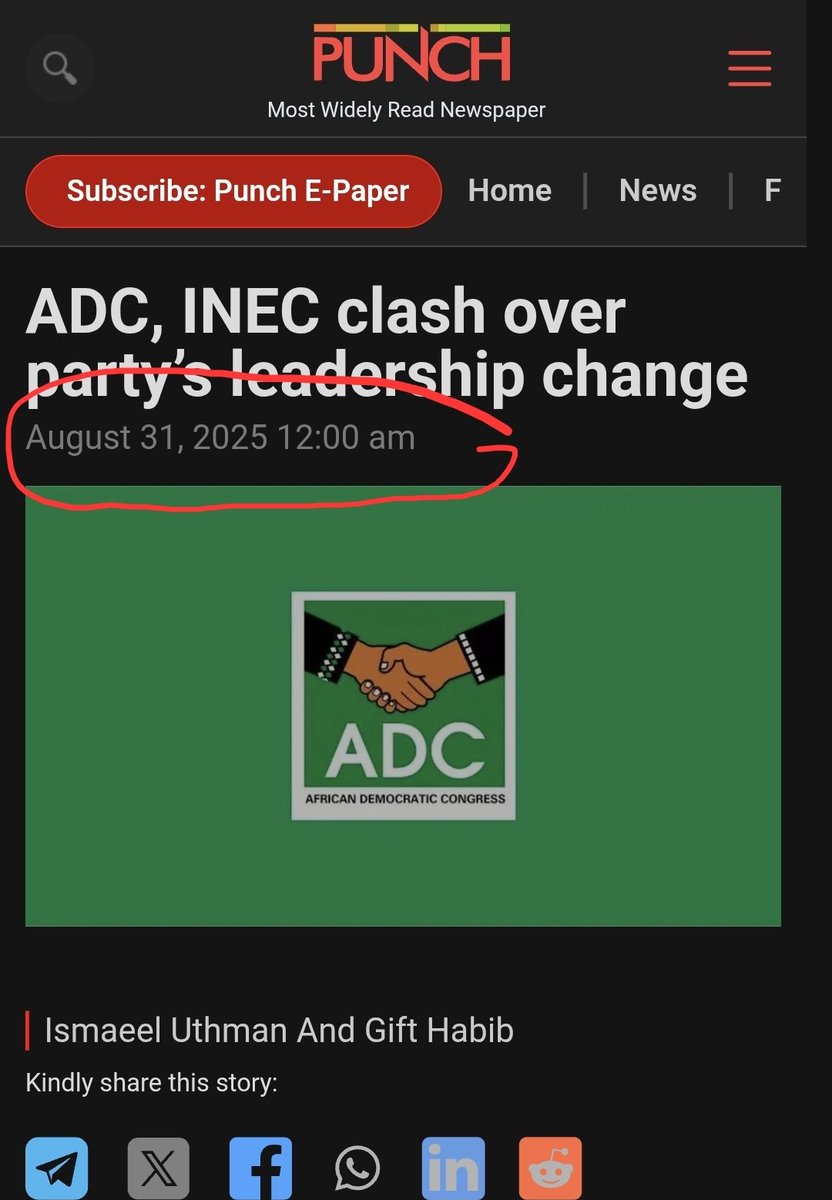
These people actually think INEC is their problem on this matter and not the substantive matter in court.

BREAKING: INEC Agrees That David Mark Is The Authentic Chairman Of ADC — Mark's Lawyer
2
21
53
7,070
Souljah retweeted

Apr 10
Mr. President, the election that brought you in as NBA President was vigorously challenged and frustrated. As usual, your co-contestant wasn’t allowed to assess the records and audit the votes that were counted in your name. But then, let’s protect democracy and the Law at all times☹️

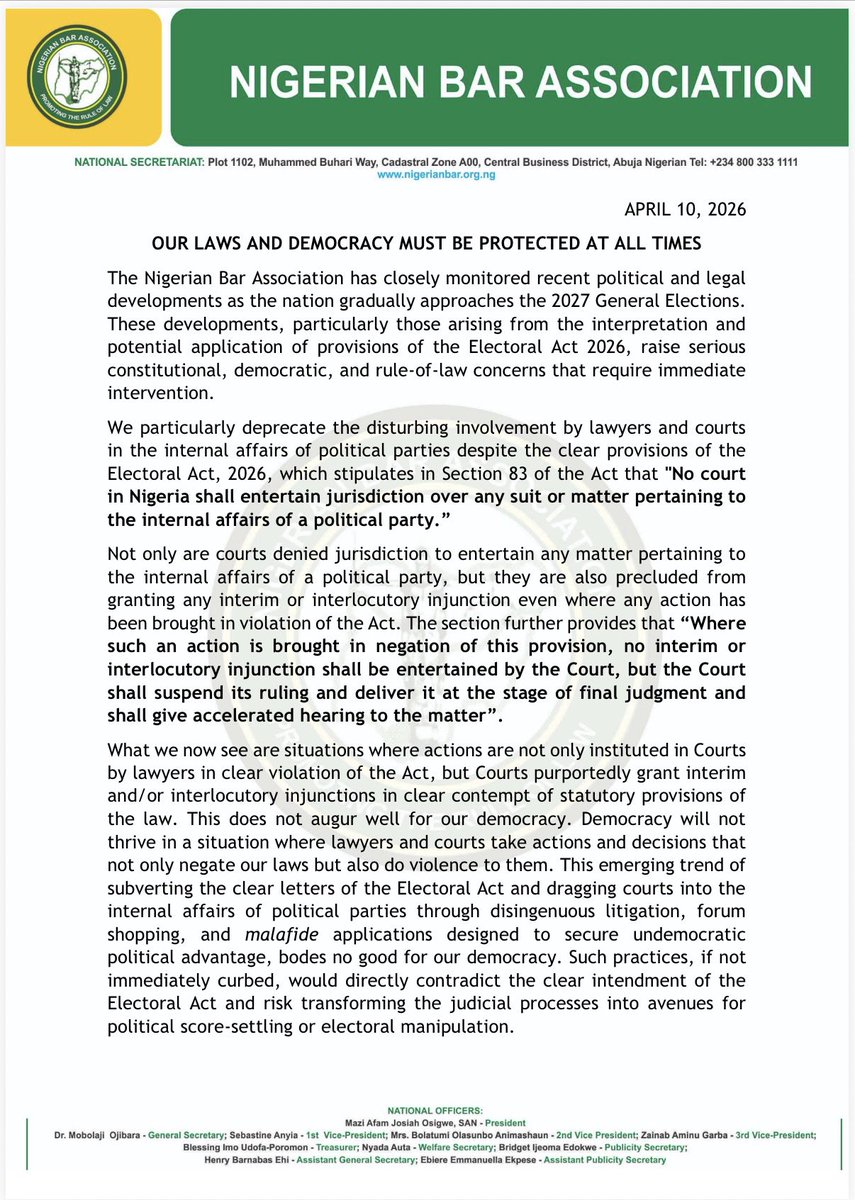
OUR LAWS AND DEMOCRACY MUST BE PROTECTED AT ALL TIMES
The Nigerian Bar Association has closely monitored recent political and legal developments as the nation gradually approaches the 2027 General Elections. These developments, particularly those arising from the interpretation and potential application of provisions of the Electoral Act 2026, raise serious constitutional, democratic, and rule-of-law concerns that require immediate intervention.
We particularly deprecate the disturbing involvement by lawyers and courts in the internal affairs of political parties despite the clear provisions of the Electoral Act, 2026, which stipulates in Section 83 of the Act that “No court in Nigeria shall entertain jurisdiction over any suit or matter pertaining to the internal affairs of a political party.”
Not only are courts denied jurisdiction to entertain any matter pertaining to the internal affairs of a political party, but they are also precluded from granting any interim or interlocutory injunction even where any action has been brought in violation of the Act. The section further provides that “Where such an action is brought in negation of this provision, no interim or interlocutory injunction shall be entertained by the Court, but the Court shall suspend its ruling and deliver it at the stage of final judgment and shall give accelerated hearing to the matter”.
What we now see are situations where actions are not only instituted in Courts by lawyers in clear violation of the Act, but Courts purportedly grant interim and/or interlocutory injunctions in clear contempt of statutory provisions of the law. This does not augur well for our democracy. Democracy will not thrive in a situation where lawyers and courts take actions and decisions that not only negate our laws but also do violence to them. This emerging trend of subverting the clear letters of the Electoral Act and dragging courts into the internal affairs of political parties through disingenuous litigation, forum shopping, and malafide applications designed to secure undemocratic political advantage, bodes no good for our democracy. Such practices, if not immediately curbed, would directly contradict the clear intendment of the Electoral Act and risk transforming the judicial processes into avenues for political score-settling or electoral manipulation.
We must reiterate that these provisions were clearly designed to curb abuse of court processes and discourage forum shopping in political disputes. This is therefore why the NBA is concerned that the abuse, misapplication, or selective deployment of these provisions may create opportunities for manipulation capable of undermining democratic competition and shrinking the political space.
Members of the Bar are reminded that they are Ministers in the Temple of Justice and not political agents seeking judicial endorsement of partisan objectives. The filing of actions intended to draw courts into internal political party disputes, particularly where jurisdiction is expressly excluded, constitutes an abuse of court process and a violation of professional responsibility.
The NBA will take firm steps to deter such conduct. Lawyers who deliberately file actions aimed at procuring judicial interference in intra-party affairs, or who seek ex parte or interlocutory orders in clear violation of statutory provisions, risk facing disciplinary proceedings. We will not hesitate to present petitions before the Legal Practitioners Disciplinary Committee (LPDC) against any Legal Practitioner found to be engaging in such conduct. This will be pursued decisively to serve as a deterrent and to preserve the sanctity of the judicial process.
The Nigerian judiciary must stay vigilant and resist being drawn into political theatrics. Courts should firmly decline invitations, no matter how artfully crafted, to intervene in matters the law explicitly bars them from.
76
224
524
71,560
Souljah retweeted

Apr 10
These are the issues, why are you posting on behalf of the INEC as an Independent Commission ?
You happened to be an SA to the Presidency, how come you doubled as an independent body PRO all of a sudden ?
Apr 10

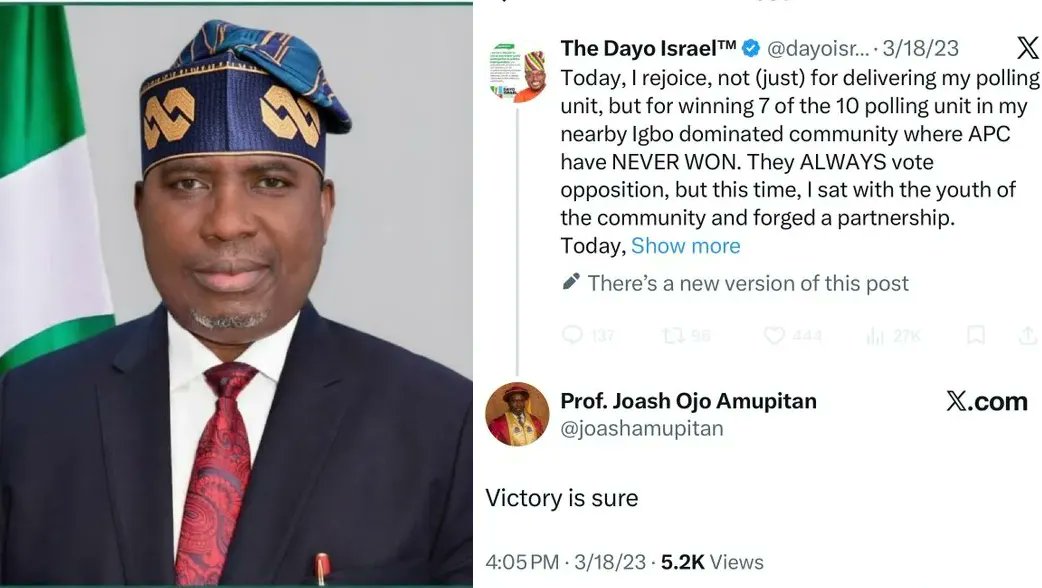
PRESS STATEMENT
INEC CHAIRMAN HAS NO ACCOUNT ON X, DISREGARD PARTISAN FABRICATIONS
The attention of the Office of the Chairman, Independent National Electoral Commission (INEC), has been drawn to a malicious and coordinated campaign of calumny circulating on social media. The false claim alleges that the INEC Chairman, Prof. Joash Amupitan, SAN, has, in the past, endorsed a partisan post on the platform X (formerly Twitter).
The Commission wishes to state categorically that this allegation is entirely baseless, a total fabrication, and a figment of the imagination of its purveyors. For the avoidance of doubt, the INEC Chairman does not own or operate any personal account on X. He has at no time engaged in partisan commentary, nor has he ever associated himself with any political leaning or activity in his private or public capacity.
This contrived X post is a desperate attempt to impugn the integrity and neutrality of the Chairman at a critical period when the Commission is focused on significant electoral reforms and preparations for upcoming polls. It is a needless distraction designed to stir public distrust in the electoral umpire.
Beyond this partisan mischief, the Commission is aware that cybercriminals have been on the prowl, utilising fake social media accounts in the Chairman’s name to defraud unsuspecting Nigerians. We wish to place it on record that several of such fraudulent accounts had been identified and reported to security agencies in the past. This latest fabrication is merely a continuation of a criminal pattern aimed at exploiting the Commission’s profile for illicit gains.
The Commission will not fold its arms while the character of its leadership is being assassinated by digital imposters and mischief-makers. We wish to notify the public that we are working in close collaboration with relevant security agencies and cyber-intelligence units to track and identify the individuals or groups behind this identity theft and misinformation.
Let it be clearly understood that the Commission will ensure that these imposters face the full wrath of the law. Identity theft and the dissemination of deepfake or forged social media interactions are criminal offenses under the Cybercrimes Act. Those responsible for this mischief will be tracked and prosecuted to serve as a deterrent to others who believe the digital space is a safe haven for criminality.
The general public is hereby urged to disregard this falsehood in its entirety. We will continue to disseminate official information regarding the Commission and the Chairman’s activities only through our verified institutional channels and formal press statements.
The Commission remains undeterred and fully committed to its mandate of delivering free, fair, and credible elections for all Nigerians.
E-Signed:
Adedayo Oketola
Chief Press Secretary/Media Adviser to the INEC Chairman
Abuja, Nigeria.
10th April, 2026
179
4,215
9,839
321,428
Souljah retweeted

The right to fair hearing is a constitutional right and where a person alleged that their rights (under any circumstances) has been violated, those individuals have the right to fair hearings or right to seek redress in court.
Relying on section 83 of the Electoral Act, without taking cognizance of section 36(1) of 1999 Constitution is completely absurd, in my opinion. No law or authority is superior to the constitution. To think that any law will be made to oust the jurisdiction of a Court that has been conferred by the constitution or the prevent a right of someone that the constitution has already guaranteed is laughable.
While it is wrong to use the court to prevent the flow democratic activities, it is particularly important to always ensure that rights of individuals who belong to an organization is still protected and where there is a violation or an alleged violation of a person’s rights, then the court cannot by any other law be prevented from exercising it judicial power to remedy the wrong.
In my submission, Section 83 of the Electoral Act, 2026, is inconsistent with section 36(1) of the 1999 Constitution that guarantee the Right of fair hearing of everyone, therefore to the extent that it prevents the right of an individual to apply to court for redress on a wrong done to them, it is void for it inconsistency.
Notwithstanding the above, I do agree that, interlocutory Orders, especially those that seeks to stall a democratic process should be sparingly granted and on a very strong grounds. The court should not be readily available to grant interim Orders, or allow parties to use frivolous applications to obtain orders that stalls due democratic processes.
Finally, threatening lawyers or judges in statements, is on its own totally unacceptable. The NBA is not a political party to make statements, advising parties or INEC on matters pending before the Court, also, the NBA and its leadership, cannot constitute itself to a Court to give a conclusive interpretation of the law or give verdict based on what the leadership believes is the true position of the law, no matter how persuasive the facts appears before it.
Best Regards.
E. O. Ogar, Esq.
OUR LAWS AND DEMOCRACY MUST BE PROTECTED AT ALL TIMES
The Nigerian Bar Association has closely monitored recent political and legal developments as the nation gradually approaches the 2027 General Elections. These developments, particularly those arising from the interpretation and potential application of provisions of the Electoral Act 2026, raise serious constitutional, democratic, and rule-of-law concerns that require immediate intervention.
We particularly deprecate the disturbing involvement by lawyers and courts in the internal affairs of political parties despite the clear provisions of the Electoral Act, 2026, which stipulates in Section 83 of the Act that “No court in Nigeria shall entertain jurisdiction over any suit or matter pertaining to the internal affairs of a political party.”
Not only are courts denied jurisdiction to entertain any matter pertaining to the internal affairs of a political party, but they are also precluded from granting any interim or interlocutory injunction even where any action has been brought in violation of the Act. The section further provides that “Where such an action is brought in negation of this provision, no interim or interlocutory injunction shall be entertained by the Court, but the Court shall suspend its ruling and deliver it at the stage of final judgment and shall give accelerated hearing to the matter”.
What we now see are situations where actions are not only instituted in Courts by lawyers in clear violation of the Act, but Courts purportedly grant interim and/or interlocutory injunctions in clear contempt of statutory provisions of the law. This does not augur well for our democracy. Democracy will not thrive in a situation where lawyers and courts take actions and decisions that not only negate our laws but also do violence to them. This emerging trend of subverting the clear letters of the Electoral Act and dragging courts into the internal affairs of political parties through disingenuous litigation, forum shopping, and malafide applications designed to secure undemocratic political advantage, bodes no good for our democracy. Such practices, if not immediately curbed, would directly contradict the clear intendment of the Electoral Act and risk transforming the judicial processes into avenues for political score-settling or electoral manipulation.
We must reiterate that these provisions were clearly designed to curb abuse of court processes and discourage forum shopping in political disputes. This is therefore why the NBA is concerned that the abuse, misapplication, or selective deployment of these provisions may create opportunities for manipulation capable of undermining democratic competition and shrinking the political space.
Members of the Bar are reminded that they are Ministers in the Temple of Justice and not political agents seeking judicial endorsement of partisan objectives. The filing of actions intended to draw courts into internal political party disputes, particularly where jurisdiction is expressly excluded, constitutes an abuse of court process and a violation of professional responsibility.
The NBA will take firm steps to deter such conduct. Lawyers who deliberately file actions aimed at procuring judicial interference in intra-party affairs, or who seek ex parte or interlocutory orders in clear violation of statutory provisions, risk facing disciplinary proceedings. We will not hesitate to present petitions before the Legal Practitioners Disciplinary Committee (LPDC) against any Legal Practitioner found to be engaging in such conduct. This will be pursued decisively to serve as a deterrent and to preserve the sanctity of the judicial process.
The Nigerian judiciary must stay vigilant and resist being drawn into political theatrics. Courts should firmly decline invitations, no matter how artfully crafted, to intervene in matters the law explicitly bars them from.
114
159
347
56,189
Apr 10
Prof Joash Amupitan was connecting via US appstore in Jos Plateau state
Apr 10

Logical reasoning:
If a Twitter Handle that was created in 2022 changed its name the 3rd time and that 3rd time, it was changed to joashamupitan in November 2025, shouldn't that tell you that it was not initially bearing that name and was done for a purpose by the known online bandits that live to impersonate others here? 🤣🤣🤣

4
26
68
7,549
Souljah retweeted

Apr 10
Logical reasoning:
If a Twitter Handle that was created in 2022 changed its name the 3rd time and that 3rd time, it was changed to joashamupitan in November 2025, shouldn't that tell you that it was not initially bearing that name and was done for a purpose by the known online bandits that live to impersonate others here? 🤣🤣🤣
77
59
143
27,834
Apr 10
See the Jonathan when them dey waste their time and energy on.
Apr 10

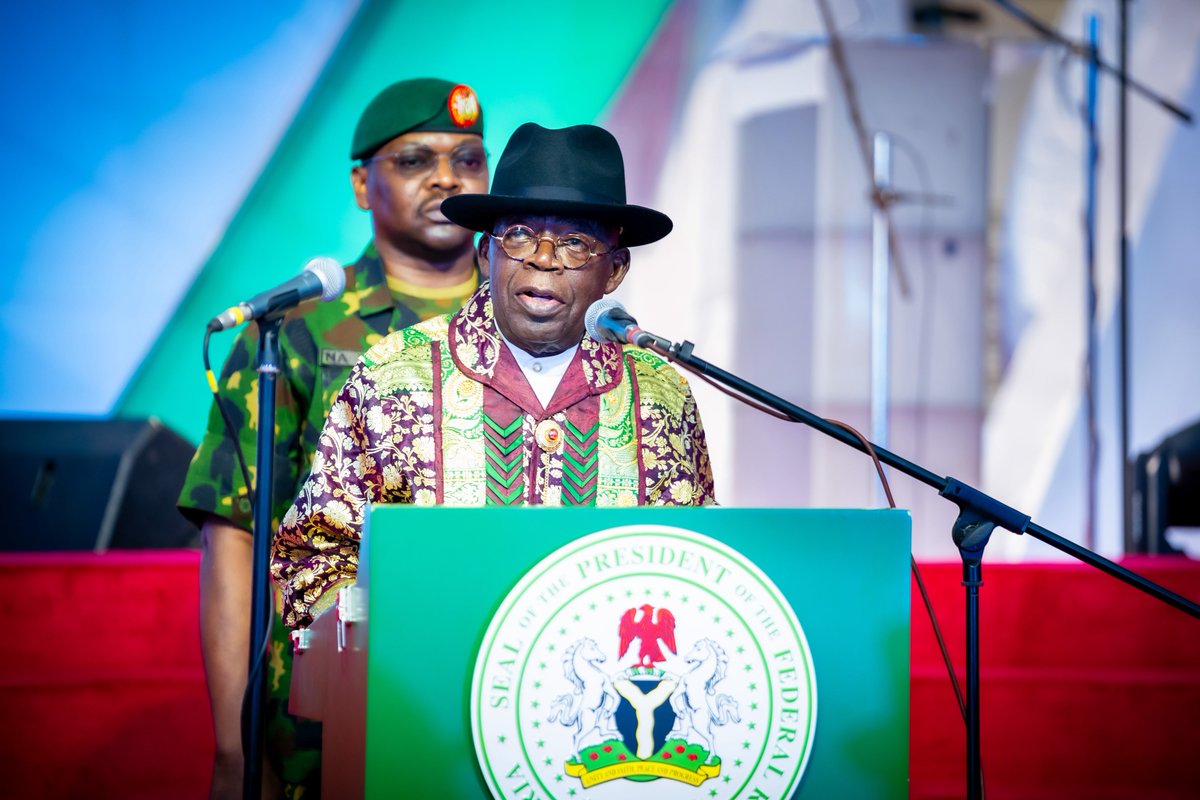
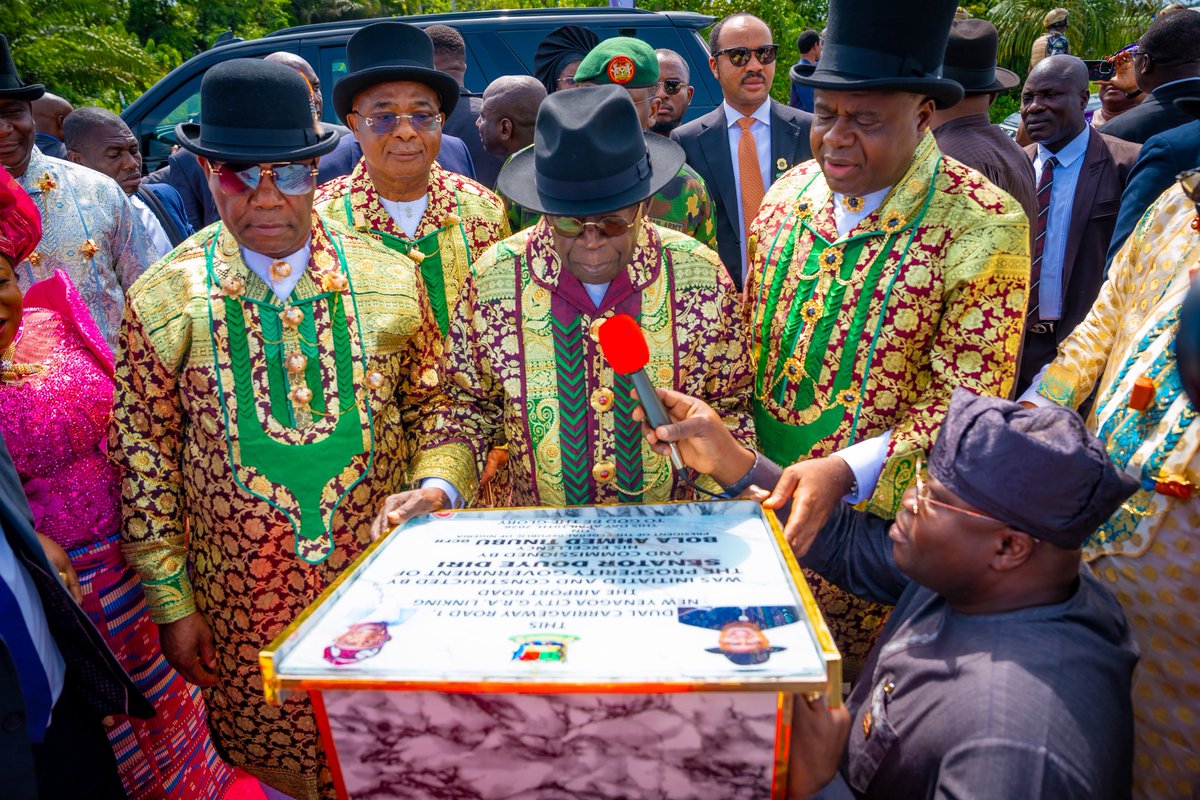
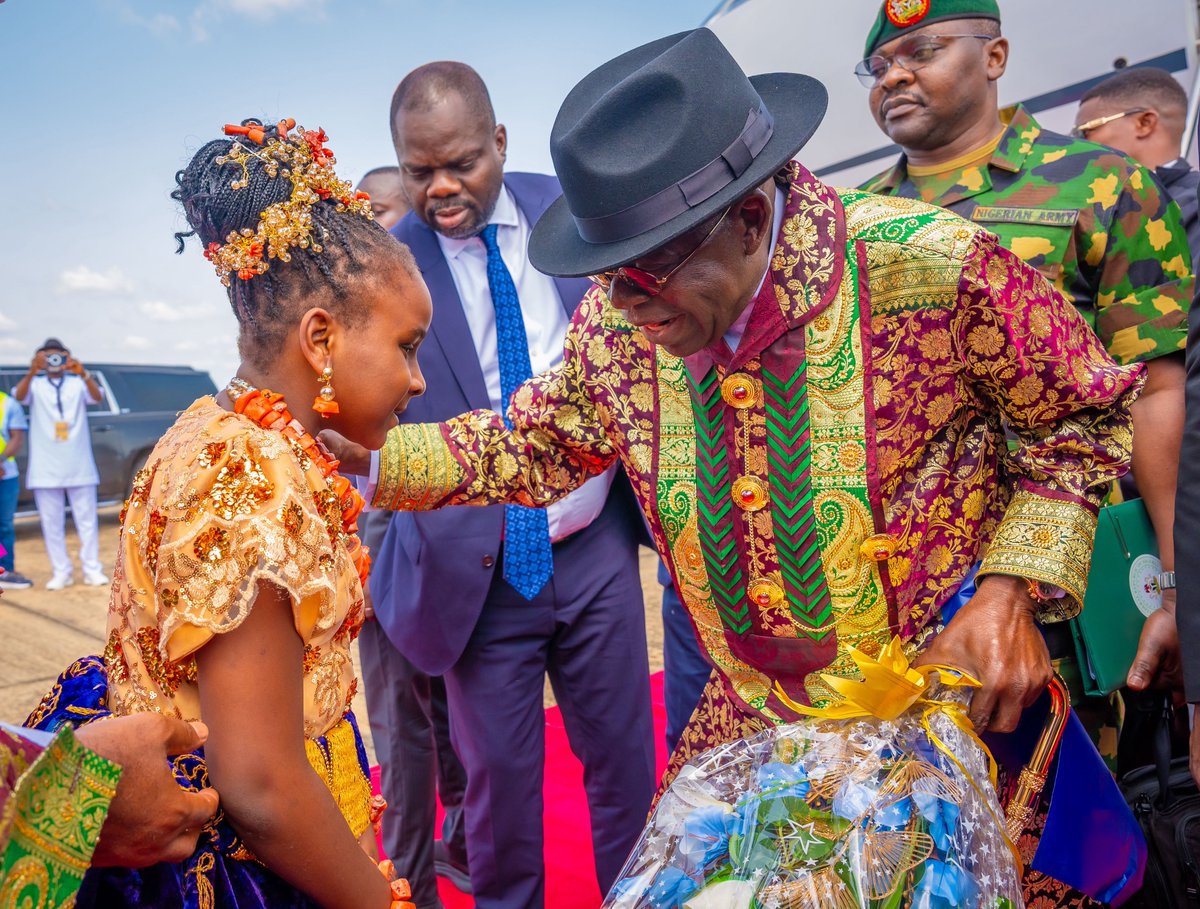
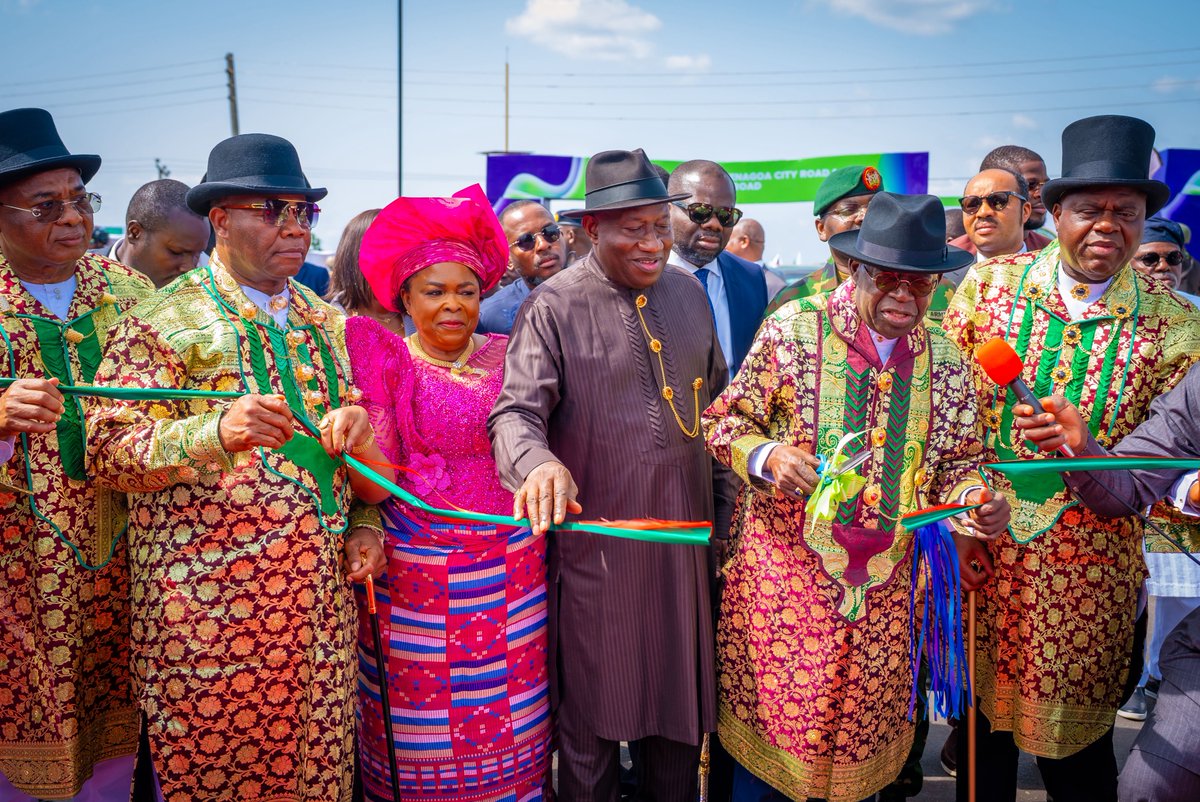
Standing in Bayelsa today, what I saw was more than infrastructure.
The New Yenagoa City Road 1 is about access. The Angiama–Oporoma Bridge is about connection. The Bayelsa Independent Power Project is about opportunity.
At every level, government must stay focused on what works for people and our administration will continue to collaborate with states serious about putting people first.
When we do this, we are not just building projects. We are building confidence in our future as a people and as a nation.
I must commend Governor Duoye Diri for putting the people first. Thank you, Bayelsa.
Nigeria will surely succeed.
President Bola Ahmed Tinubu
1
19
69
2,086
Apr 10
See your next governor here
Apr 10

He doesn’t have the Lagos State Governor’s aura.
5
22
132
5,001
Apr 10
Bandits and BH/ISWAP/Lakurawa terrorists need his energy to stop turning Nigeria to a war zone, killing our military and civilians, and draining Nigeria's scarce resources.
Apr 10

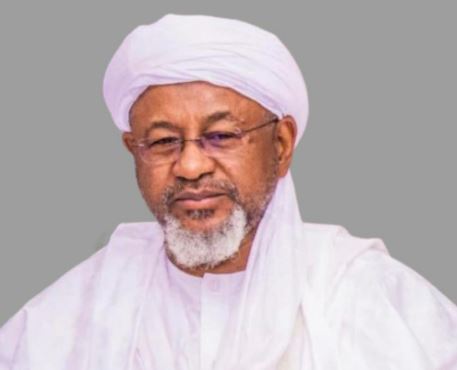
The Supreme Council for Shariah & Islamic Affairs of Nigeria has directed Friday sermons across mosques to call for the removal of INEC Chairman Prof. Amupitan and declared it will not recognize any election under his leadership, according to Prof. Sheikh Bashir Aliyu
8
72
133
4,275
Apr 10
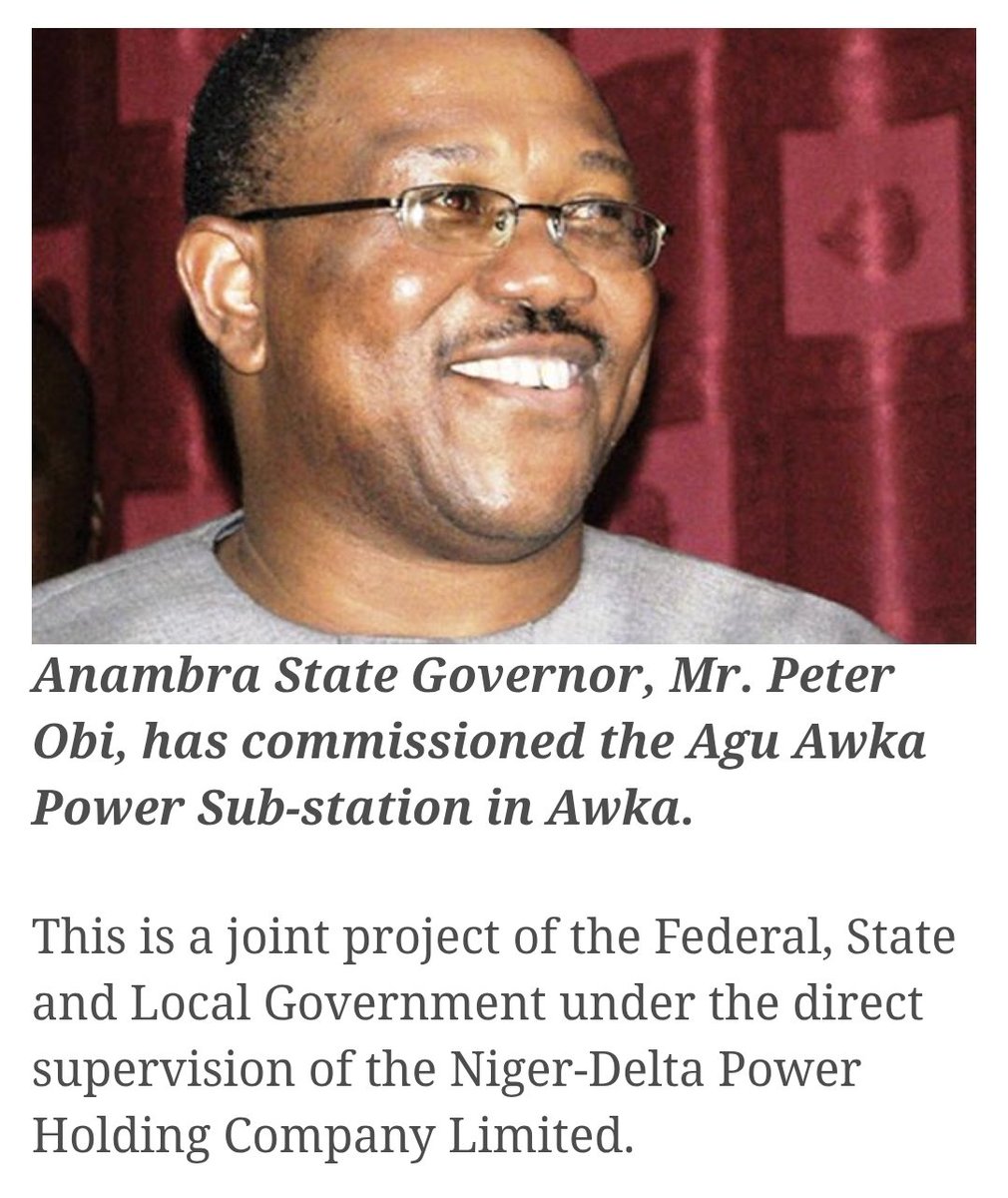
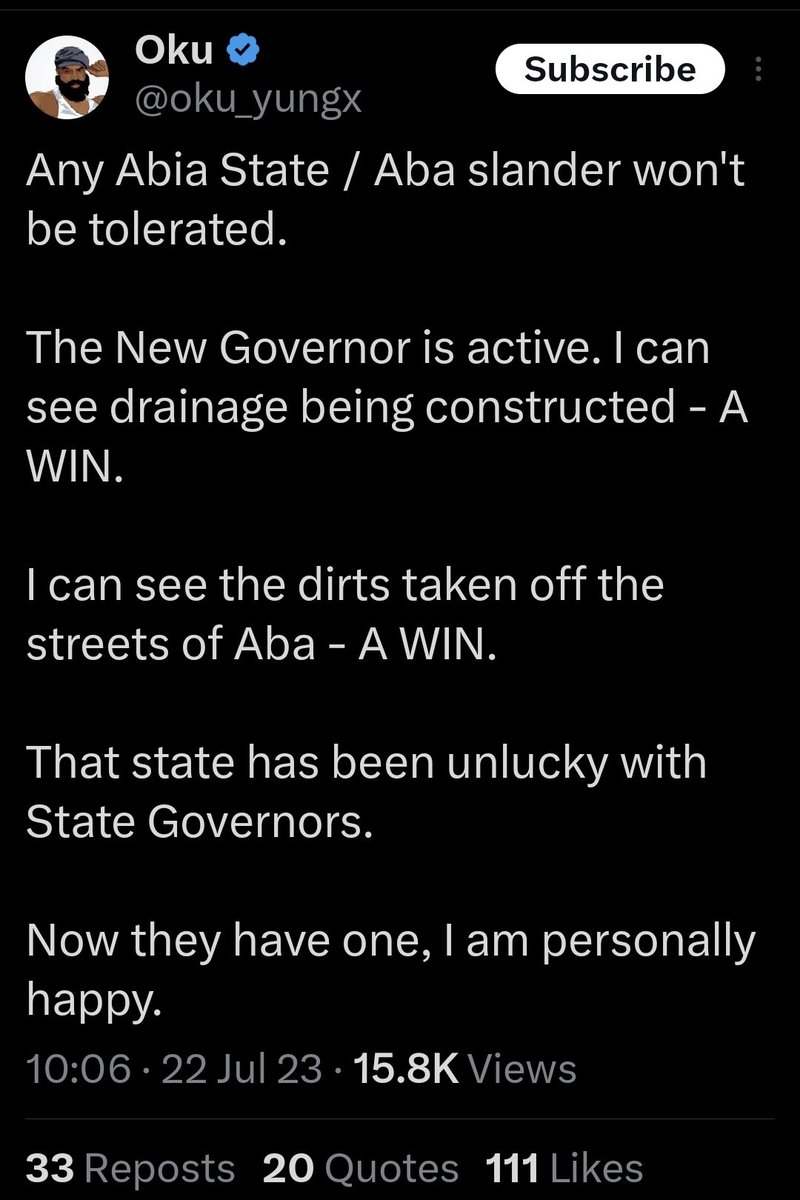
Until Obi becomes president, then it'll become the best country in the world like Abia
Apr 10

Nigeria is not yet a country. It’s a British experiment that failed.
28
148
594
18,444
Apr 10
The fraud doesn't have a single legacy in Anambra state besides handing over Anambra public schools to private missionary hands.

This is Anambra State Airport Road built by Willie Obiano the Governor who took over from Obi.
Show me a state road like this built by Obi in 8 years.
2
21
42
1,654

I do not think the problem with insecurity in Nigeria is tracking. I do not think any Nigerian military leadership has ever said the issue is that they cannot track or locate targets. The real challenge is accessing where they are. A regular civilian is different from a terrorist.
Apr 10

Let it be known, they track random Nigerian who posted video, but no ISWAP or Boko Haram posting on tik tok and Facebook. Terrorists cannot be tracked but normal citizens can be.
13
24
71
9,914
Apr 10
Na you and Hyundai wedding invitation we dey wait for.
Apr 10

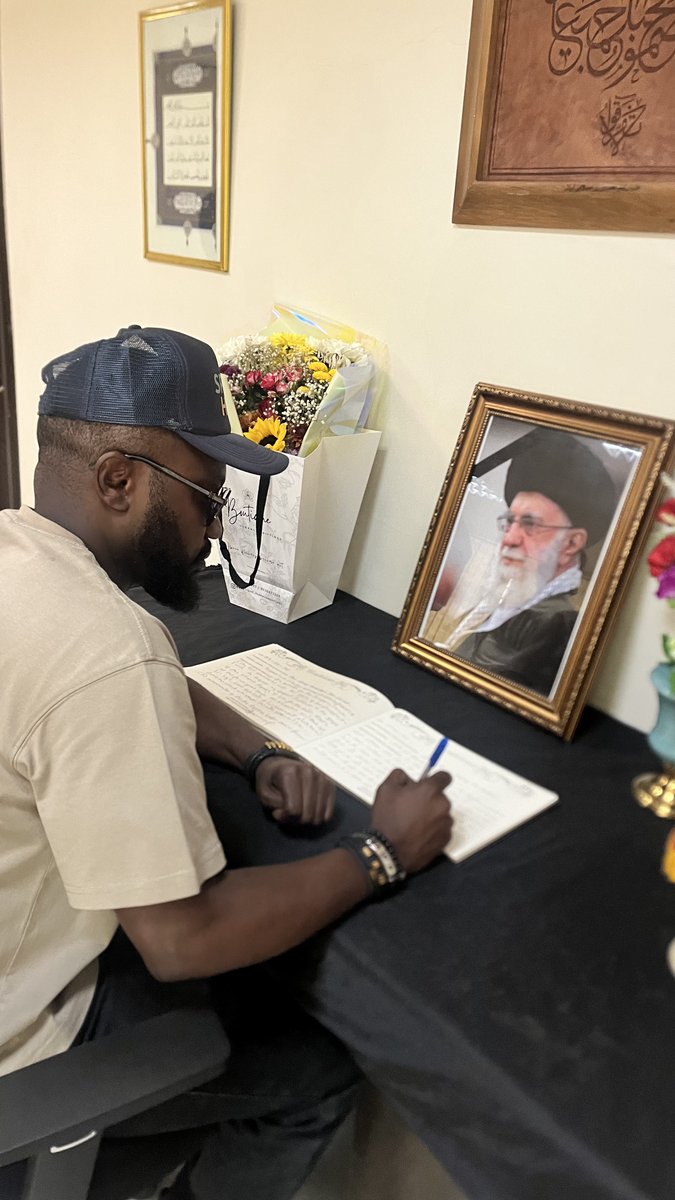
At the Iranian Embassy yesterday to pay my condolences to the people of Iran over the assassination of their former Supreme Leader, Ayatollah Ali Khamenei, I kept thinking about some acquaintances who no longer relate with me because of my strong anti-imperialist stand.
Not going to lie, I feel sad whenever I remember ties that have been unnecessarily severed over misjudgments.
To be honest, I don't have any ill intentions towards anyone. On the contrary, I actually want the best for everyone. Nothing I do is anchored in self-interest, which is why I did not go the popular route.
It's more beneficial (especially, financially) if one decides to invest their online energy in peddling “our leaders are bad” “corruption is killing us” “America come and save” “there is a problem with black people” and everything along those lines. You will get clicks, likes, impressions, and maintain mutuals. Even the western controlled platforms themselves will boost you.
There is not a single person on this platform, influencer or decision maker, I have ever DM'd for personal reasons, or in the hope that they plug me in. It has always been professional, unless I’m contacted first. And I'm probably the only person on this platform that can say this.
I could have pursued relationships with everyone that matters, because I have the connections. I’m literally a product of the Nigerian broadcast media industry. I know everyone I need to know. I could be arranging podcast slots, TV, blogs and everything. But I didn't. For not pursuing these familiarities, I actually ended up attracting blackballing by many blogs and influencers. I have evidence of blogs rejecting paid ads from third party because of my imprint.
There is no way I can examine this to conclude that I chose my path for selfish reasos. It is purely ideological.
And I'm not even a slave to my ideology.
If you can convince me that Western intervention, Western-approved democracy or imported religion is not hindering Africa’s progress, or how the opposite can practically bring about true freedom and economic progress for Africa, I will abandon my path and follow you.
If the Kissinger Report of 1974 wasn't real and playing out exactly how America planned for Nigeria to be a failed state, I will follow.
If America did not facilitate the regime change of 2015 that ushered in Buhari, and ultimately, Tinubu, to destroy Nigeria’s economy, I would dust my pouch and follow you.
If America had not destroyed Libya and worsened the living conditions of its people for no reason other than cheap oil and preventing Africa’s unity, I would not have been on this path.
I can give a million and one examples, if intended to turn this into a textbook, but you can explore many more of them yourself. They are real, available and verifiable. For the sake of this continent, time’s running out, you really need to familiarise yourself with the evil that is the West, and why continued alliance will continue to hinder our progress as a people.
As I mentioned earlier, I could have been bigger than I am, because I have the capacity. I am one of the fastest-growing (organic) accounts out here, despite not aggressively soliciting for the growth. Which brings me to this conclusion: the real MVPs are those who support me, because they literally have no reason to. I haven't made it easy to be loved, but they do anyway. I appreciate and do not take it for granted. I want everywhere to be good. I want everyone to be good. That's why I'm in this.
Thank you.
1
7
24
2,839
Souljah retweeted

Apr 10
The Federal High Court in Abuja has sentenced Auwalu Samaila, a member of the Boko Haram terrorist group, to death by hanging for his involvement in multiple terror attacks across northern Nigeria.
120
536
1,428
54,128

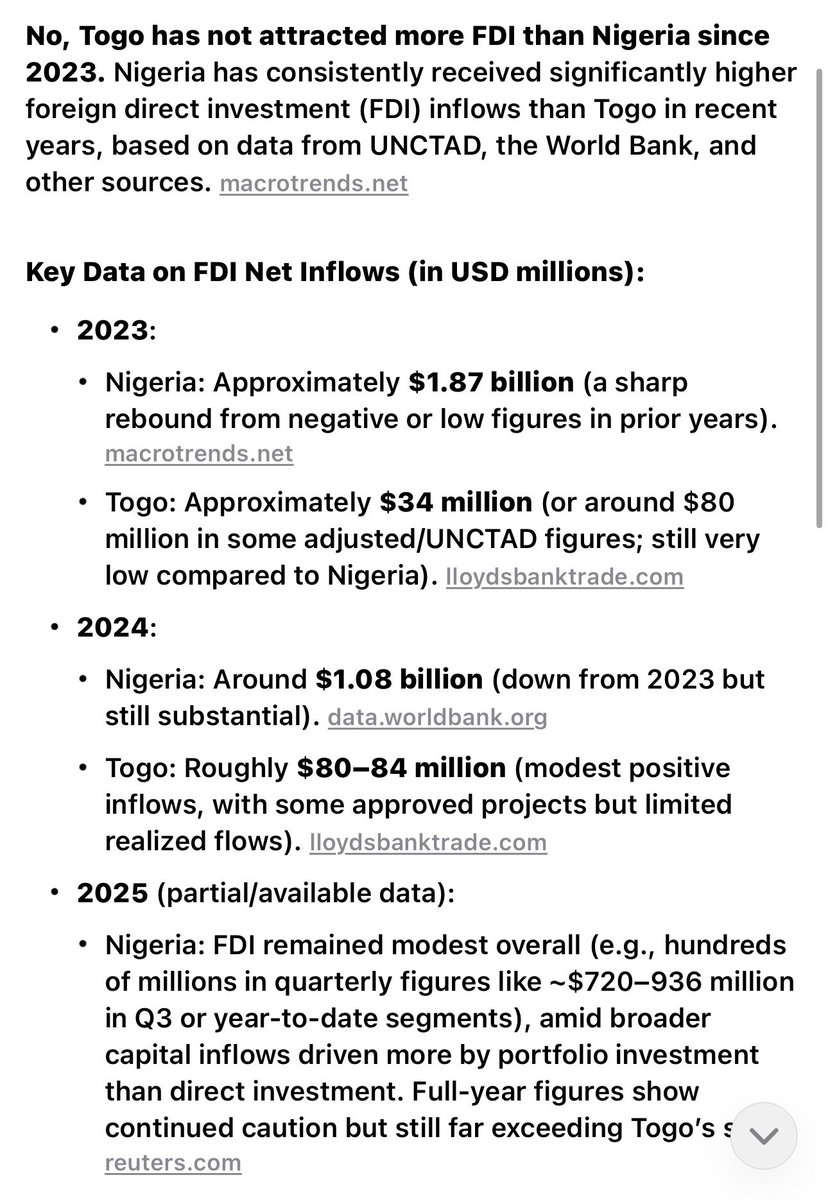
Souljah retweeted

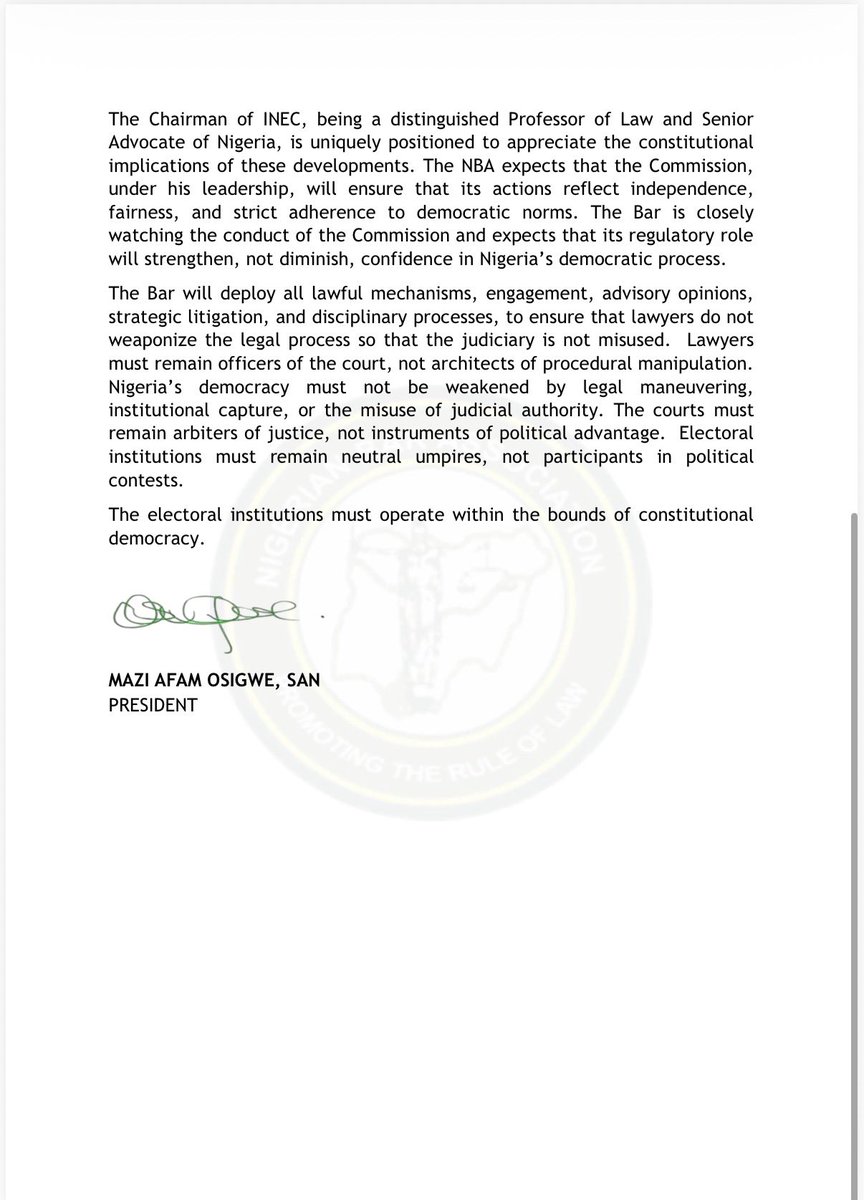
With due respect, I think the NBA President needs to separate his personal opinion from the opinion of the Association. This cannot be the position of Association on matters like this.
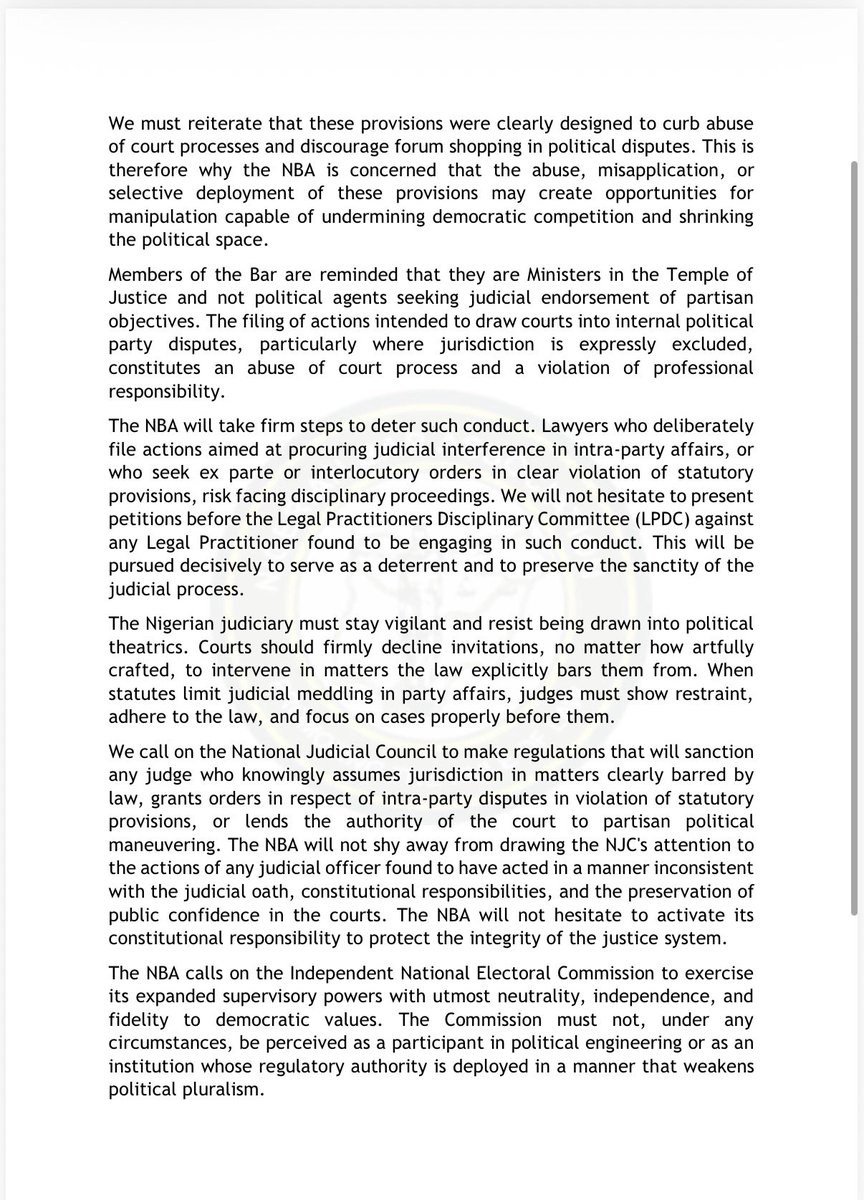
When statutes limit judicial meddling in party affairs, judges must show restraint, adhere to the law, and focus on cases properly before them.
We call on the National Judicial Council to make regulations that will sanction any judge who knowingly assumes jurisdiction in matters clearly barred by law, grants orders in respect of intra-party disputes in violation of statutory provisions, or lends the authority of the court to partisan political maneuvering. The NBA will not shy away from drawing the NJC’s attention to the actions of any judicial officer found to have acted in a manner inconsistent with the judicial oath, constitutional responsibilities, and the preservation of public confidence in the courts. The NBA will not hesitate to activate its constitutional responsibility to protect the integrity of the justice system.
The NBA calls on the Independent National Electoral Commission to exercise its expanded supervisory powers with utmost neutrality, independence, and fidelity to democratic values. The Commission must not, under any circumstances, be perceived as a participant in political engineering or as an institution whose regulatory authority is deployed in a manner that weakens political pluralism.
The Chairman of INEC, being a distinguished Professor of Law and Senior Advocate of Nigeria, is uniquely positioned to appreciate the constitutional implications of these developments. The NBA expects that the Commission, under his leadership, will ensure that its actions reflect independence, fairness, and strict adherence to democratic norms. The Bar is closely watching the conduct of the Commission and expects that its regulatory role will strengthen, not diminish, confidence in Nigeria’s democratic process.
The Bar will deploy all lawful mechanisms, engagement, advisory opinions, strategic litigation, and disciplinary processes, to ensure that lawyers do not weaponize the legal process so that the judiciary is not misused. Lawyers must remain officers of the court, not architects of procedural manipulation. Nigeria’s democracy must not be weakened by legal maneuvering, institutional capture, or the misuse of judicial authority. The courts must remain arbiters of justice, not instruments of political advantage. Electoral institutions must remain neutral umpires, not participants in political contests.
The electoral institutions must operate within the bounds of constitutional democracy.
MAZI AFAM OSIGWE, SAN
PRESIDENT
183
237
606
147,982
Apr 10
These people have been busy chasing shadows for the past one week or more. This looks like the real APC strategy to make them lose focus
Apr 10

BUSTED: Deleted Tweet Exposes INEC Boss Joash Amupitan As Bonafide Card Carrying Member Of APC parallelfactsnews.com/old-bu…
4
19
64
2,690