Joined December 2014
- Tweets 7,227
- Following 3,468
- Followers 553
- Likes 192,431
6 Photos and videos

May 14
小說反映作者的內在想法,而一部小說能暢銷,也在某種程度上折射出當時社會普遍的心理取向。以中國流行的玄幻修仙小說為例,這類作品常大量描寫殺業,鮮明呈現作者的心理投射。藉由主角來宣洩現實中的挫敗與不滿,例如「若我也有這種金手指,必定報復當年的羞辱」「世人都欺我,待我變強後必讓他們低頭」之類的心聲。因此,故事中充斥著復仇、打臉反擊與資源掠奪等情節。其中的殺業來源,大致可歸納為以下三類:
來自嗔(瞋恨、憤怒、怨恨):
「莫欺少年窮」正是這類情節的典型開頭。主角因遭受輕視、退婚羞辱、資源被奪、家族仇怨或宗門衝突而心生殺意,進而大開殺戒。常見的敘事模式是:反派先想殺主角,主角為了自保才反殺;殺掉對方後,還能順勢奪取資源或氣運。這種寫法將殺戮包裝成「自保」,但若主角僅因察覺對方有殺心就先發制人,主角與反派的界線其實已相當模糊,這類大開殺戒的情節,某種程度映照出現實中中國「人害人」「張獻忠社會」的生存環境。小說中主角因自己或家人受委屈受傷害,就滅人滿門、屠盡宗派,背後反映的是「依親不依法」的家族部族報復思維。他人的家人生命無足輕重。
來自貪(貪欲):
許多反派因覬覦他人資源而動殺念,做出掠奪、殺戮,甚至「煉化他人」(奪取生命與器官、製成傀儡)等殘酷行為。至於主角,即使同樣也是在殺人奪寶,作者通常得先對對手進行道德醜化,把對方描寫成惡霸、魔道、妖邪或非人的怪物,這樣才能將主角的殺戮行為合理化,包裝成「替天行道」或「罪有應得」。另一種常見手法是,讓主角以「奉宗門之命」執行奪寶或暗殺任務,使殺戮被淡化為服從命令的結果。即使過程中殺害無辜,也能用「我只是小角色」「命令不是我下的」來輕描淡寫,重點放在主角如何撿到機緣。
來自癡(愚癡、無明):
因無知或錯誤觀念而殺人,這類情節通常只安排在反派身上,用來凸顯其邪惡與愚昧。
52
Apr 17
教宗們關於基督教與穆斯林共存的說法,聽起來是否讓人感到十分溫暖與舒適呢?現任教宗良十四世(Pope Leo XIV,對基督教與穆斯林(伊斯蘭教徒)共存的立場,大致延續前任教宗方濟各的路線,但表達方式更為穩健,並特別強調「對話與友愛」(dialogue and fraternity)。他主張和平共存、相互尊重與搭建橋樑,並多次指出:在當今充滿分裂與激進化的世界中,基督徒與穆斯林不僅可以「共存」,更應該「共同生活、共同工作,一起促進和平與人類共同福祉」。教宗這些溫暖的呼籲,反映出他們自身意識心的美好期望,但與現實世界的狀況存在大差距。在佛法中,「和合性」與「不和合性」都屬於「心不相應行法」,並非意識心(第六識)能夠直接改變或控制的法則。所謂「和合性」,是指眾多因緣聚合時,彼此不相衝突、不相乖違的狀態,例如水乳交融、僧團清淨和合;「不和合性」則是因緣相違、互相乖離、分散的狀態,例如水油分離、戰爭衝突、團體分裂。為什麼意識心無法直接改變這兩者呢?因為「和合性」與「不和合性」本身「非能緣」,沒有認識、抉擇的作用,它們只是依色法、心法、心所法的聚合而假立的一種關係或現象,並無獨立的實體。雖然意識可以生起「想要和平、想要和合」的心念,但戰爭是否停止、團體是否真正和合,最終仍取決於因緣是否聚合,而非單憑個人意識就能決定。例如,僧團的「和合」必須具足「六和敬」才能成立:
身和同住
口和無諍
意和同悅
戒和同修
見和同解(最根本)
利和同均
這「六和敬」共同正見、守持戒律、公平分配、言語與心意和諧,來創造有利於「和合性」顯現的條件。總結來說:意識心能夠「造因」、培植善緣,卻無法直接操控「和合」的結果。根據上述道理,基督教與伊斯蘭教在戒律和根本見解上存在明顯差異,難以達成和合。因此,讓兩者分開、各自在適合自己的國度或文化環境中生存與發展,才是正確的和平方式。
261
Apr 11
歧視他人是否算是罪?這是一個值得思考的問題。美國台積電(TSMC)在亞利桑那州廠面臨一宗集體歧視訴訟。該案最初由人資主管Deborah Howington於2024年8月提起,隨後迅速擴大,目前已有超過30名現任及前任美國員工加入原告行列,其中大多為白人、非裔、拉丁裔等非東亞裔美國公民,主要來自亞利桑那州Fab 21廠。原告指控台積電系統性偏袒台灣及中國籍員工,在招聘、升遷與績效考核上對非東亞裔員工採取較嚴苛的標準,並營造充滿敵意的工作環境,包括言語侮辱(如稱美國員工「笨」或「懶」)、孤立排擠等行為。美國社會這類職場歧視訴訟極為常見。有點腦筋的人很快就學會避免公開發表可能被認定為歧視的言論,尤其是財力雄厚的一方,更容易成為訴訟目標。此類訴訟的本質是為了求償。舉例來說,如果一個有錢人對窮人使用不當言語,後者很可能提起歧視訴訟;反之,若窮人對有錢人出言不遜,有錢人通常只能自認倒楣,因為很難獲得賠償,還可能自找麻煩。久而久之,歧視訴訟逐漸成為無產階級者向強勢者「碰瓷」的工具。然而,歧視的本質在於內心對他人的輕視與自大,當無法控制言語時,便會將羞辱公開表達出來。法律雖然能強制人們遵守「政治正確」,卻無法統一每個人的思想。即使是諾貝爾獎得主,若發表政治不正確的言論,也可能遭受封殺。有了這些反歧視法律之後,人類世界就沒有歧視了嗎?當然不是。法律壓制了口頭上的歧視,而人類心中的念頭其實根深蒂固,難以改變。我對強迫改變他人內心想法向來沒有興趣,那往往是左膠妄想干涉的表現。我認同的想法是:若想讓他人不歧視自己,就必須先做出不讓人歧視的行為——準時守信、不酗酒、不吸毒、不大聲喧鬧、不插隊、不在街上大小便、不亂搞男女關係、不亂丟垃圾、自食其力,並在自己的職業領域認真付出。簡單來說,就是不拖累他人、不成為社會的負擔,就像日本文化所崇尚的「不給別人添麻煩」的精神。如果我做不到這些,那麼他人言語攻擊或嘲笑我,我認為那都是我自己應得的對待。反過來說,如果他人無法做到這些,即使我嘴上不說,心裡也自然會產生輕視的念頭。算打平,互相輕視就是了。總結來說,防止歧視的法案沒有意義,最終只是在訓練人們成為一群偽君子。
1
107
Mar 31
法國、英國與西班牙目前的左派政府,若要派兵支援美軍對伊朗神權政權的行動,將嚴重違背他們自身的黨派利益。首先,這些國家軍力已荒廢多年,大量預算都用於社會福利和收買伊斯蘭移民,導致軍費嚴重不足;其次,國內伊斯蘭移民數量龐大,且普遍抱持強烈的「反美反以」立場,而這些移民正是左派政黨的重要票倉。若在消滅伊朗專制神權的軍事行動中選擇站隊美國,等同於直接觸怒自己的核心支持者,嚴重動搖左派政權的權力基礎。至於未來西歐社會是否會因宗教衝突而陷入動盪,對這些左派權貴來說根本無關緊要。他們關心的只有眼前的權力——只要社會衝突不在自己任期內爆發就好。畢竟,這些權貴未來都有保鏢保護、有私人飛機代步,還能在全球置產,早已為自己安排好退路。西歐大規模接受伊斯蘭移民,從一開始就是一個錯誤的開始。這並非對穆斯林的歧視。若換個角度思考:假設某個美麗富庶的穆斯林國家突然腦袋短路,決定接受上百萬基督教徒或佛教徒移民,同樣是災難的開端。歷史上已有許多血淋淋的先例,清朝末期西北地區的回漢衝突就是其中之一。當時經過多年通婚,回族與漢族在外貌上其實已無太大差別,但衝突一旦爆發,依然迅速陷入互相毀滅的螺旋。十九世紀中葉(同治年間)爆發的「同治回亂」(又稱陝甘回變),對人口造成極為慘重的衝擊:陝西省人口從戰前的約1300萬,驟減至700萬;災情最重的甘肅省(含當時的青海、寧夏地區),人口更從1600萬銳減至僅剩500萬,損失率高達七成。在這場動亂中,回漢兩族陷入血腥報復的死循環:自己家人被打了一巴掌,就必須還對方家人更重的一巴掌;一方被強姦,就引發更殘酷的報復性強姦;一個村莊被滅,就招來更徹底的滅村行動。最終造成「萬里無人煙,白骨盈溝渠」的煉獄景象。我們可以問:當時回漢雙方難道都沒有智慧的長者呼籲停止殺戮嗎?難道雙方都只是失去理智的宗教狂熱反移民右派分子,非要將對方趕盡殺絕?又或者,是清朝地方官員太過無能,無法抑制武裝衝突?如果我們能搭乘時光機,帶著一群「世界和平」「種族平等」「宗教寬容」的現代左派精英與演說家回到當時,他們能否說服雙方放下屠刀?遺憾的是,結果肯定令人沮喪——誰都無法改變那個註定的悲劇結局。回過頭來看,清朝初年讓漢回兩族大規模混居,本身就等於埋下了一顆定時炸彈。在文化與信仰差異深刻的基礎上,除非一方全面改信對方的宗教(全部伊斯蘭化),或徹底放棄自身信仰並完全同化(全部漢化),否則衝突永遠存在。這顆炸彈不被引爆,關鍵在於「國家暴力」是否足夠強大:當清帝國武力強盛時,能以國家機器強力壓制雙方衝突,維持和平;一旦清國武力衰弱,地方官失去威懾力,民眾對公權力的信任迅速崩潰。在缺乏國家暴力威攝的環境下,「以牙還牙」的思維很快就會取代清國的統治力量,成為生存的主流。任何呼籲和平的聲音,都會在群體仇恨的浪潮中被徹底淹沒。清朝回漢相殺的歷史悲劇,揭示了一個殘酷的事實:當一個多元族群社會失去國家暴力鎮壓力量時,任何恐懼與不安全感,將轉化為毀滅性的族群仇殺。
645
Mar 30
歷史上兩大奴隸貿易,一個是大家熟悉的歐洲跨大西洋奴隸貿易,歐洲人從非洲捕捉黑人運往美洲;另一個則是阿拉伯(中東)奴隸貿易,中東阿拉伯商人主要從北非和東非抓捕黑人。跨大西洋奴隸貿易(歐洲人主導):主要發生在15世紀中葉至19世紀中葉(約1501–1867年),持續約400年。估計有約1,200萬至1,300萬非洲人被強行運往美洲。 阿拉伯奴隸貿易(中東人主導):從7世紀(伊斯蘭擴張時期)開始,一直持續到19–20世紀,甚至更晚,歷時超過1,300年。估計總受害人數約1,400萬至1,900萬非洲人,規模超過前者。其中男性被閹割成為宦官,女性則用作性奴或家奴。
其實還有更多奴隸貿易,例如豬仔貿易。在19世紀中後期至20世紀初,在澳門、香港、廈門、廣州等地,估計奴隸華工達數百萬,許多貧苦民眾被「豬仔頭」誘騙或拐賣上船,賣到國外或從事蒸汽輪船煤艙內鏟煤等極其艱苦的船上勞力工作,船上環境擁擠悶熱、衛生惡劣,途中死亡率常達10–35%(嚴重時更高),一旦體力衰弱或生病,被拋棄岸邊甚至扔進海裡,形同「浮動地獄」。在中國, 奴隸制度例如鐵鍊女或現在活摘年輕人的器官 [類似人吃人]的現象一直都存在的
1
1
98
Mar 7
老梁說中國不該軍事援助「伊朗」的原因之一:伊朗神權政府失信與反覆 伊朗神權政府缺乏誠信: 在利益面前,伊朗多次背叛中國。最典型的例子是,伊朗政府為了與美國談判的籌碼,將涉及華為(孟晚舟案)及中興通訊的內部交易紀錄移交給美國。反覆無常: 在基建與港口(如恰巴哈爾港)的戰略合作中,伊朗往往在中國投入前期資金後,轉頭便與歐盟或印度接頭,頻頻放中國「鴿子」。說到失信與反覆 我就馬上想到北宋 北宋背棄澶淵之盟: 宋遼於 1005 年締結「澶淵之盟」,雙方約定兄弟之邦, 互不侵犯、各守邊界,開啟百年的和平。誓書中強調若違盟約必遭「天譴」,但北宋宋徽宗顯然不怕天譴。為收復燕雲十六州,宋朝背棄澶淵之盟,於 1120 年與新興的金朝結成「海上之盟」聯手攻遼。然而,宋軍在軍事上表現無能,金朝獨力滅遼後,宋朝又在交接過程中耍小聰明,再度背棄與金的約定。這種反覆無常的外交手段最終玩火自焚導致靖康之變。金軍以此為藉口南侵, 1127 年北宋滅亡。 劉仲敬先生是說,中國不想「拉伊朗兄弟一把」,現實原因是:中國沒錢了。 youtube.com/watch?v=v2mN0gY5…
2
282
Feb 28
訂出新法律真的是解決問題的最佳方法?很多時候不是,反而帶來反效果。美國的 HIPAA 法專門保障患者隱私,出發點正確,無可厚非。但從資安視角看,它讓醫院付出極高代價。涵蓋升級硬軟體、聘請資安與合規人員、律師應對訴訟等。為避開天價罰款,許多醫院大舉投資,一下子燒掉數十億台幣經費並不罕見。這些與醫療本質無關的龐大支出,最終由患者與納稅人買單。HIPAA 是否真正保障隱私?答案是否定的。它強制處罰資料外洩並推動集中儲存,反而讓美國電子病歷成為全球駭客肥羊。美國法律只管美國境內與勢力範圍,管不到中國、俄羅斯、北韓等國的國家級攻擊者。2024年 UnitedHealth(旗下Change Healthcare)遭勒索軟體攻擊,影響逾 1.9億人,系統停擺數月,堪稱美國史上最大醫療資料外洩;公司最終支付 2,200萬美元 贖金給國外駭客,以避免國內HIPAA官司與更大損失。近年數據顯示,美國累計逾 9億 病患紀錄曾外洩(2009-2025年總計),2024年單年影響近 2.8億人(約81%人口),醫療資料在暗網流通極為普遍,單筆紀錄售價可達數百美元。這讓我聯想到冷戰時期著名軼事:印尼總統蘇卡諾訪蘇聯時,KGB設「美人計」,偷拍他與女特務親熱畫面,準備以此要脅。沒想到蘇卡諾看完大笑,不但不羞愧,還要求多拷貝幾份,說要帶回國宣傳:「我的國民會為領袖雄風依舊而自豪!」這操作讓蘇俄情報機關啞口無言。相反,HIPAA 等於昭告全世界駭客:快來攻擊美國醫療電子病歷吧!用HIPAA威脅醫療機構,就有勒索金可拿。如果我是美國國會議員,會立刻推動廢除這部白癡法律。怕資料外洩,就不要強推電子病歷。
1
100
Feb 28
Anthropic is unwilling to cooperate with the U.S. Department of Defense, firmly maintains that AI must never be used in lethal autonomous weapon systems—this is regarded as an important “principle” within the AI ethics community. Since Anthropic refuses to develop AI designed to attack enemies, what real purpose does the Department of War have in approaching them for collaboration?
American AI companies often impose strict self-restrictions, declaring they cannot do this or that, while Chinese AI companies face no comparable moral constraints. Gunpowder was invented not only to blast open mountain paths but inevitably also to kill people. Nuclear energy was developed not just for electricity generation but, of course, also to create nuclear weapons.When American AI companies engage in endless internal debates about how to ethically regulate their own development—insisting on “do no harm to humanity” and the like—it ultimately amounts to little more than empty rhetoric.
Videos of Chinese robots performing with knives and guns are abundant online. If the United States chooses not to develop offensive AI, China will do it anyway.
When humanity entered the Iron Age, trying to prevent iron from being used in warfare was absurd. The sensible approach was always to build better iron weapons and defenses for oneself.The way to prevent nuclear war has never been to abstain from developing nuclear weapons, but to establish powerful defensive nuclear capabilities.Likewise, the way to stop AI from advancing to the point of threatening or exterminating humanity has never been to forbid AI from attacking humans altogether, but to build robust, defensive AI military capabilities. With such systems in place, AI police could immediately neutralize, through physical means, a deranged individual carrying out an indiscriminate massacre in a school or public space.
1
71
Feb 28
Anthropic 不願配合美國國防部,堅持所謂的「左膠思維」,主張 AI 絕不能用於致命性自主武器系統,這在 AI 倫理界被視為重要「原則」。Anthropic 拒絕開發專門用來攻擊敵人的 AI,那麼美國國防部找他們合作又有什麼實質意義呢?從這點來看,奧特曼才更務實,他願意為了國家利益而行動,美國真正需要的正是像奧特曼這樣的人。美國 AI 公司往往自我設限,不能做這、不能做那,但中國 AI 公司卻沒有類似的道德約束。火藥發明出來,除了用來炸山開路,當然也會被用來殺人;核能開發出來,除了發電,當然也會製成核子武器。美國 AI 公司自己討論如何道德規範發展、強調「不能傷害人類」等等,其實都只是空談戲論。網路上中國機器人的刀槍表演影片多不勝數;如果美國不開發具攻擊能力的 AI,中國依然會去做。人類歷史進入鐵器時代,試圖禁止鐵器用於戰爭就是荒謬之談;真正有效的做法,是建立自己更強大的鐵器武力防護。同樣地,防止核子戰爭的方式,從來不是不發展核武,而是建立強大的防禦性核武力量。要阻止 AI 發展到威脅或消滅人類的地步,從來不是一味禁止 AI 攻擊人類,而是建立強大且防禦性的 AI 武力。如此一來,AI 警察就能在學校或公共場所,當場物理消滅那些無差別屠殺眾人的瘋子。
60
Feb 27
中國知名科技評測頻道「極客灣 Geekerwan」以專業的手機與電腦數據開箱聞名,在全球同類評測頻道中名列前茅,從我個人立場來看,它算是中國少數的「科技之光」之一。2026年2月中旬(約2月15日左右),該頻道發布一支影片《手機遊戲性能大橫評:廠商作弊太瘋狂!》,團隊自費購買44款市售零售版手機(涵蓋小米、Redmi、OPPO、Vivo、iQOO、OnePlus、榮耀、RedMagic、Nubia等主流中國品牌),並與廠商提供的媒體送測機進行嚴格對比測試。測試結果顯示:除了蘋果iPhone之外,幾乎所有中國品牌都存在明顯的「性能造假」(又稱特調或作弊)行為——送測機在跑分、遊戲幀率、功耗控制等方面表現極為出色,但市售零售機卻出現幀率大幅下滑(部分機型縮水15%以上,甚至砍半)、發熱嚴重、續航變差等問題。極客灣指出,廠商常挑選體質最佳的晶片樣本,並針對特定跑分軟體與熱門遊戲進行定向優化,犧牲日常使用的穩定性與能效,只為了讓媒體評測數據更好看。其實去年極客灣就做過類似影片,但當時為了避免直接衝突,僅匿名批評,未點名廠商,就像三藏法師撰寫《成唯識論》推行正法、批判邪說時,為求和諧而採用「或有論說」(其實就是不直接指名),結果邪說繼續蔓延。今年極客灣決定不隱瞞,直接點名這些作弊的中國手機廠商,影片上架後迅速引發熱議,播放量破千萬,卻很快在中國平台(如Bilibili)無預警全網下架,官方未提供任何侵權通知或明確理由,極客灣僅表示「被幹掉了」「不可抗力」。極客灣主持人之一曾認為,這是純粹的科學數據,不涉及政治,應該不會被「和諧」吧?結果事與願違,連YouTube上的官方版本也被設為私人(或主動/被動下架),目前只能靠網友自發備份、在海外平台瘋狂補檔才能看到。這起事件很好說明了,在中國,連單純的科技數據實測,因為觸及產業黑幕與消費欺詐,就被黨系統性抹除。中國公開的信息、歷史、新聞,幾乎都是謊言,真實太刺耳, 黨(皇帝)不喜歡。
76
YenYi Peng retweeted

Feb 21
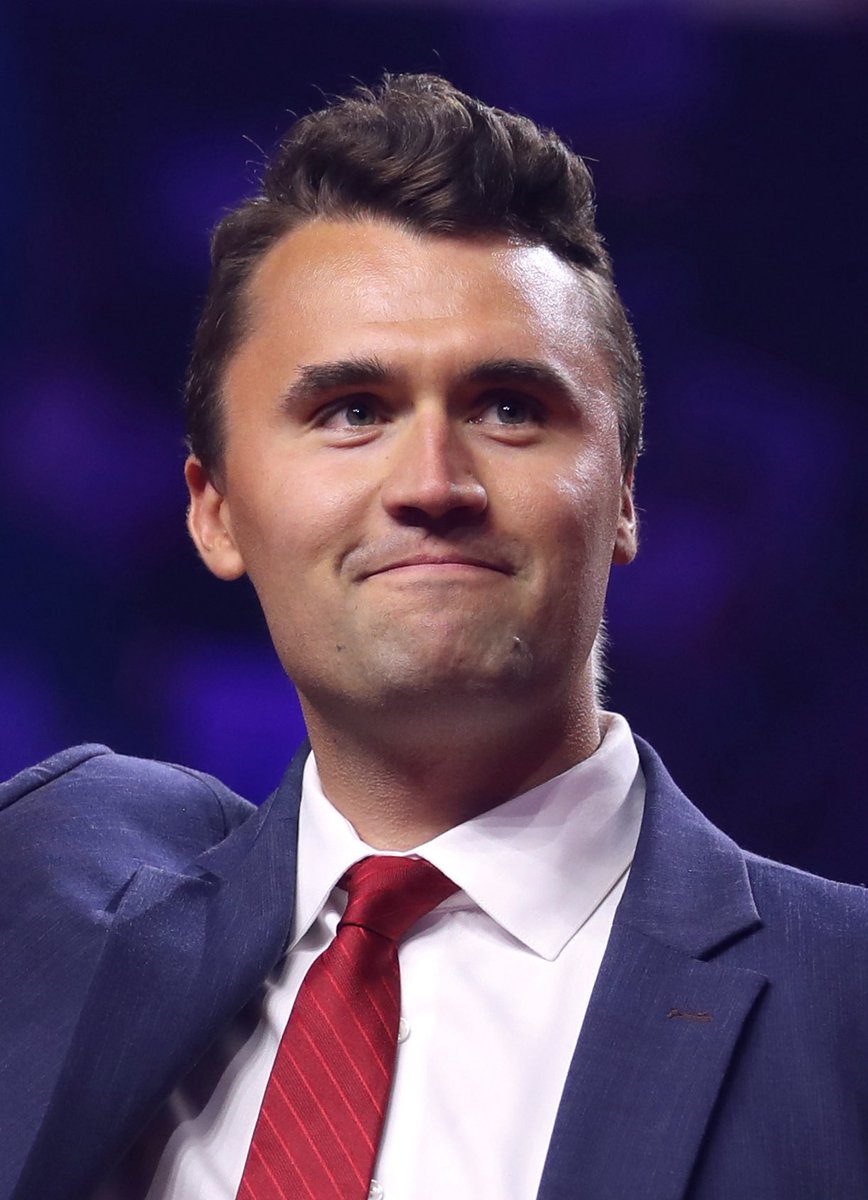
🚨🚨 BREAKING : Arizona Senate has passed a bill to rename a highway to “Charlie Kirk Highway.”
138
468
3,619
24,360
YenYi Peng retweeted

Feb 8
高市首相との協力により、台日が今後も共通の価値観と互恵・協力の精神で地域の課題に共に取り組み、インド太平洋地域の平和と繁栄を促進できるよう期待しています。この勝利が日本および地域のパートナーに一層の繁栄と安全な未来をもたらしますように。日本の持続的発展と国民の安泰を祈念します。
38
1,192
6,965
130,278
Feb 7
美軍在越戰中陣亡58,220人,負傷超過30萬人。越戰期間,美國本土的嬉皮士掀起大規模反戰抗議,高喊「我不要戰爭」,最終迫使美國政府撤軍。美軍脫離戰場後,南越迅速淪陷。表面上看,反戰運動「成功」了——美國不再捲入越戰。然而,這段歷史卻被許多亞洲國家與西方國家的左膠誤讀。他們吃了歐美「白左」口水,也在各自國內大力宣傳「反戰」,彷彿只要更多人反對戰爭,世界就會迎來和平,好像自己站在道德制高點。這種想法從根本上犯了一個邏輯大錯。能發動戰爭的,是習近平、普丁、伊朗、北韓,以及各種小國獨裁者與軍閥,當然也包括美國(但美國發動的戰爭,相對而言比較具正義性)。而那些依賴美國軍力保護的民主國家裡的左膠小清新,他們反不反戰、支持不支持開戰,根本無關緊要——他們也沒有美國公民的投票權,你們的意見對世界是否爆發戰爭完全沒有任何影響力。烏克蘭是鮮明的例子。澤連斯基在競選時公開表示要與俄羅斯和平相處(幾乎是磕頭低姿態求和),成功當選總統。這顯示烏克蘭人民顯然非常反對戰爭,卻反而給了普丁錯誤印象:烏克蘭缺乏抵抗意志,俄軍應該可以「一天內」拿下基輔。結果自然是戰爭爆發。同樣的邏輯錯誤,也出現在日本與台灣。國內都有一批受西方左膠影響的無腦知識分子,同樣高喊「反戰」,主張增強軍備就是「挑釁中國」,與中國大外宣一唱一和。這邏輯完全站不住腳:日本與台灣沒有那種軍事能力,也沒有社會共識去軍事攻擊擁有核武的中國,日本台灣更沒那麼傻。能發動戰爭的是習近平。在日本、台灣喊反戰,就如同歐美環保人士整天在相對乾淨的歐洲抗議要求禁用塑膠與石化燃料來保護地球,卻從不去中國、俄羅斯——地球污染最大來源——躺馬路、抗議高汙染工廠一樣荒謬。威脅不是防守的一方,而是發動侵略的那一方。防守方單方面的「反戰」呼聲,不會帶來和平,只會讓侵略者誤判形勢,從而鼓勵戰爭。預防戰爭的唯一方法就是備戰。不敢戰鬥,就是對未來戰爭發出最大邀請。和平不是嘴巴要來的,二戰後東亞目前的和平,是打出來的——是二戰中美軍犧牲生命打來的。
1
94
Feb 6
從統計學角度來看,年長者作為一個群體,由於額葉萎縮而出現判斷力下降,這是事實。但也有例外:許多年長者保持健康狀態與清晰思維,他們累積的豐富人生經驗足以彌補任何與年齡相關的衰退。反過來說,有些年輕人因身體或精神疾病,判斷力同樣嚴重受損。因此,若要對投票權的限制採取更公平、更具建設性的做法:重點不在年齡,而在於個人是否具備透過工作對社會作出正面貢獻的能力。無論年齡多大,只要是完全依賴社會福利維生的期間,暫時中止其投票權都是合理的。同樣的邏輯也適用於其他情境:需要父母全盤經濟支持的青少年,自然沒有完全自主的權利;二十幾歲仍需父母資助的青年,也難以要求絕對的自主。沒有獨立謀生能力,就自然喪失相應的發言權。這一點從古至今、從個人到國家都成立。一個國家若在經濟上依賴他國施捨,例如加拿大經濟實際上是仰賴美國補貼運作,遇到川普總統時,自然遭受言語羞辱;若遇上普丁,加拿大國旗早已不復存在。反過來說,年長者若仍維持高機能與生產力,就值得投票權,因為他們憑實績證明自己配得上這項權利。限制投票權是一種非常合理且有原則的聰明立場。西方民主國家對投票權的無限制擴張,只會導致民主制度的侵蝕。例如,讓沒有公民身份的非法移民投票,或大量賦予敵視西方文化價值(無聲入侵)的人投票權,最終會危害社會穩定。這類過度無腦包容,最終只會帶來不休止的動盪與制度性腐敗。
72
Feb 1
誠如劉仲敬先生所言:「將問題與失敗的原因歸咎於社會或他人的人,永遠只能停留在社會底層;而將問題與失敗的原因歸咎於自己,並把所有責任攬在身上的人,才有機會爬升至社會上層。」因為若認為問題出在他人或社會,自己便無需改變。例如,若失業或找不到工作是因為「他人歧視我、歧視我的種族」,那麼問題就在對方或社會,我就不必努力提升自己——不必改善外表、不必運動健身、不必讀書精進談吐、不必保持身心與環境整潔、不必堅持誠實守信等等。同樣,若買不起房子是因為「有錢人貪婪炒作房產」或「政府無能壓制房價」,那麼問題就在那些貪婪的有錢人與無能的政府,我自然也不用努力賺錢、節省開支或學習投資。換言之,所謂「費拉」(指缺乏組織能力或底層心態者)傾向於外部歸因(責怪社會、責怪他人),而精英貴族或上層人士則傾向於內部歸因(自我負責),這正是個人能否向上流動的關鍵心態差異。從另一個觀察角度來看,將所有問題歸因於自己,正是右派思維的特徵。因此,右派政黨主導的社會與國家,往往會走向強大與豐盛(這裡指的是整體社會國家的富足,而非是個人發大財;個人可以靠貪污靠踩飛輪收贓款致富,社會整體繁榮才是右派追求的美好目標)。反之,左派政黨強調廣發社會福利、強調家庭貧富差距導致個人機會不均、強調國家必須介入強制結果平等與推行DEI的地區與國家,最終總是淪於髒亂無能與混亂不堪。
108
Jan 30
誠如劉仲敬先生所言,古往今來的媒體本質上多是醜化政敵與編織謊言的工具。在強國,媒體編造的流言經歲月堆疊後演變為千年「造假歷史」;而受華語圈影響的台灣媒體,其造假與粉飾事實的手段亦是不遑多讓。這導致受眾極易陷入認知偏差,甚至出現「學歷越高、洗腦越深」的弔詭現象。在利益掛帥的華語媒體世界中,所謂「第四權」的監督職能,多半僅是虛有其表的空談。
相比之下,英語媒體雖稍稍嚴謹,但也絕非淨土。我原以為日本媒體已經是世界新聞素質的最高典範,孰料在高市早苗上任後,一樣爆發兩起踐踏專業倫理的醜聞,令我驚訝:
其一,是**「刻意醜化的快門」**。2025年高市總理首場記者會中,時事通信社記者在麥克風未關的情況下,不小心被錄到策劃「來專挑最醜照片發布,以拉低高市支持率」。此舉坐實了媒體並非在記錄事實,而是透過刻意篩選的崩壞神情,企圖將首相形塑成「情緒不穩」的負面形象。
其二,則是**「恐懼行銷的敘事」**。2026年解散國會改選期間,新聞台竟在專題中將自民黨標註為「強大但可怕」。這種報導手段刻意將正當的國防政策與恐懼感連結,將國家防禦扭曲為戰爭威脅,進而將高市總理領導下的自民黨抹黑為失控的右翼機器。
102
Jan 28
心純淨與誠實的例子。
日本首相發表了一場感人的演講。
其感人之處在於她顯露出一顆純淨愛日本國的心。
即使聽不懂日語,也能感受到她的真摯與誠意。youtube.com/watch?v=hfq-LM5W…
高市早苗首相在眾議院選舉中的首次競選演講
最後3分鐘聽的人都感動落淚……youtube.com/watch?v=lRAK8w9y…
【來自日本高市總裁的訊息】
讓日本列島強大而富庶。
──────────────────
不挑戰的國家,沒有未來。
只防守的政治,不會誕生希望。
「未來必須由我們親手開闢。」
自民黨將站在最前列。
我們不逃避。不動搖。勇敢決斷。
讓努力的人得到回報,
遇到困難時互相扶持,
人人能懷抱夢想努力工作的國家。
讓日本列島強大而富庶。
與各位一同實現。
194
