Joined June 2009
- Tweets 45,778
- Following 2,032
- Followers 1,079
- Likes 22,019
2,874 Photos and videos





Just Jen Visualcandy retweeted

Feb 18
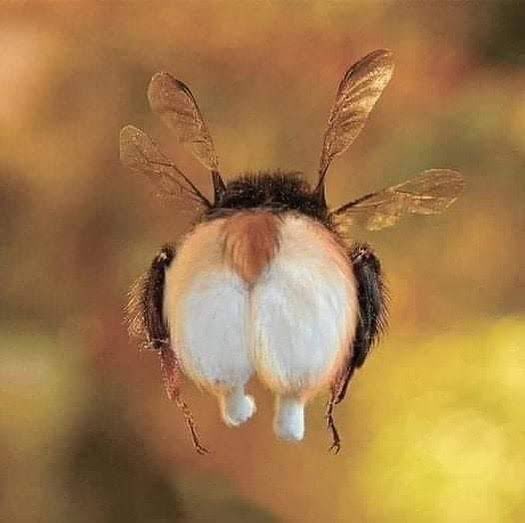
At the NASA space science center, there's a poster with bees that reads:
"The aerodynamic body of a bee is not suited for flight, but it's good that the bee doesn't know this."
The law of physics, the aerodynamic principle, states that the wingspan is too small to keep its massive body aloft in flight, but the bee doesn't know—she knows nothing about physics or its logic—and yet she flies anyway.
This is what we all can do: fly and triumph at any moment, in the face of any difficulties and under any circumstances. Bees—regardless of the size of your wings, fly and enjoy life.
Community note
ハチが航空力学的に飛べないとする都市伝説は数十年前から検証済みであり、「物理法則や常識では不可能」ではなく、「教訓にすべき」でもありません。
大元のエピソードは、1930年代に航空力学者が「夕食の席で簡易的な計算を行った結果としては不可能」と評したものであり、単純化した計算であるという前提が省かれて広まった噂となっています。
実際には、単純化しすぎて計算方法に問題があるのは当時から認識されており、その後に詳細な計算や考察を行っています。そしてその後の検証では、1930年代には知る手段の無かった複雑な翅の動きに理由があることが分かっています。
snopes.com/fact-check/bum…
abc.net.au/science/articl…
iflscience.com/the-strange-my…
200
850
4,456
237,427
Just Jen Visualcandy retweeted

5 Nov 2025
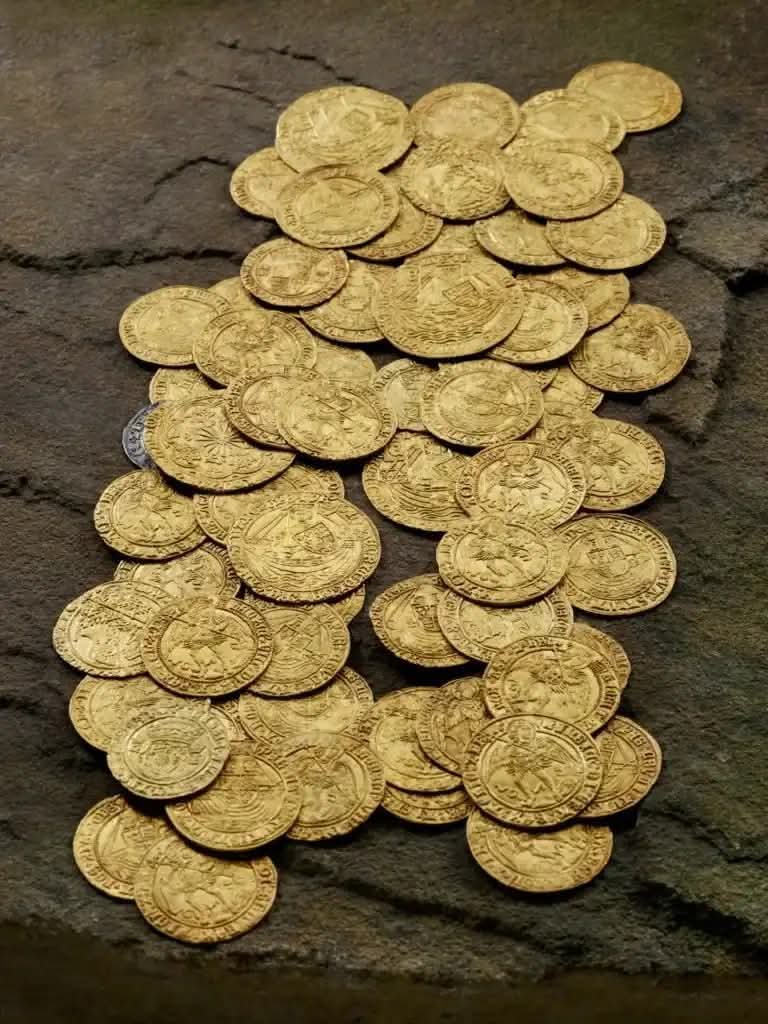
A couple in southern England 🏴🇬🇧 were working in their garden, adjusting a fence post. As they dug into the clay soil near their flower bed, they hit something unexpected—a handful of small, round objects. At first, they looked like bits of old metal. Then the mud came off, and the coins began to shine.
They had stumbled onto a hidden fortune from the reign of Henry VIII.
The finding, which happened in 2020, came as a total shock. As they rinsed the dirt away under the tap, the details on the coins started to show. There was gold, silver, and centuries-old markings. There were a total of 64 of them in the same spot. The text includes portraits of kings, Latin text, and even the initials of two of Henry VIII’s wives: K for Katherine of Aragon and I for Jane Seymour. Most of them were in stunning condition, although they were dating from 1420s through 1530s.
The coins span the reigns of Henry VI, Edward IV, Henry VII, and most notably, Henry VIII. Experts date the burial to the late 1530s, a time marked by intense religious upheaval in England. It was the era of the Dissolution of the Monasteries. Henry VIII declared himself head of the Church of England in 1534 and broke free from the Catholic Church. Over the next few years, he ordered the closure—and looting—of hundreds of Catholic monasteries and priories.
Milford-on-Sea, where the hoard was found, lay within the estate of Christchurch Priory, one such dissolved monastery. It’s quite likely that the people in the priory buried the treasure attempting to hide it from the kind and retrieve it at a later time. They never did.
The hoard is now expected to sell for over £230,000 (more than $300,000).
#archaeohistories
49
89
647
41,369

21 Oct 2025
2
56
11 Oct 2025
#npr She was fired for ** CELEBRATING THE ASSASSINATION OF AN INNOCENT MAN** posting about Charlie Kirk’s death : NPR share.google/yGkK7SbuhIIVe8M…
2
38
Just Jen Visualcandy retweeted

27 Sep 2025
Pentagon seeks Trump approval for first US military execution in 60 years following Fort Hood mass shooting...
foxnews.com/politics/pentago… #FoxNews
62
170
671
10,941
Just Jen Visualcandy retweeted

16 Sep 2025
Marilyn Monroe during production of "The Misfits," in 1960.

16
139
1,051
12,216
16 Aug 2025
I will come back to #X to answer that.
U go first girl!!!
16 Aug 2025

John Kerry’s Daughter Says BILLIONS of Humans Must Die for the ‘New World Order’…What would you say to her?

16
30 Jul 2025
I am quitting Twitter..or the platform formally know as Twitter. Currently a bloodline theifdom by a pizzzzzaunT. .@elonmusk
@Flyin2Freedom is my account u hold hostage since daze aftr #Jan6 it started q #BENGHAZI AND IT BELONGS TO THE GOD WHO MASE ME MR fascinationstationELAnon
38
30 Jul 2025
14
29 Jul 2025
Elon confess ud sins n b done w it. Just say I am lucifer. God kicked me out of Heaven n I hit my head on Earth now im retarded. Don't listen to me just learn from my pride co n eth b4 the fall. @ElonMusk
Check out Sword of I AM's video! #TikTok tiktok.com/t/ZP8hpwLF3/
16
29 Jul 2025
.@elonmusk
I was abused psychoßṣ̌ţįłł§ŧƴl·lèẸ by momos
I don't stop being Jesus coz its just more fun. He is my BFF
He would like to b ur friend but can't til u believe HIM AT HIS WORD n condemn all other obedience Check out JennyReal's video! #TikTok tiktok.com/t/ZP8hpTFH2/
13
29 Jul 2025
#v2S voice 2 skull tech .@elonmusk
U heard?
How do ur chips play into this?
What is El enon anons name game end? Goal
What is your personal mission statement fir not a bizness but ur daily drive. Is it 4 man KIND?Check out Alex Stevenson's video! #TikTok tiktok.com/t/ZP8khFGBu/
30
29 Jul 2025
8