
Professor. Author. Energy/Animals/Community/Ethnography @NYUEnvrStudies @NYUSociology @NYU_ASI Books: Up to Heaven & Down to Hell | The Global Pigeon. DMs open.
Joined October 2018
- Tweets 3,802
- Following 316
- Followers 1,651
- Likes 6,289
115 Photos and videos
Pinned Tweet

24 Aug 2022
UP TO HEAVEN AND DOWN TO HELL: FRACKING, FREEDOM & COMMUNITY IN AN AMERICAN TOWN is now out in PAPERBACK! Cheaper, updated, and now with class/book club discussion questions.
24 Aug 2022

New in paperback! Up to Heaven and Down to Hell by @jerolmack is a riveting portrait of a rural Pennsylvania town at the center of the #fracking controversy. Find out why Dan Fagin calls it "Honest, empathetic, and rich in insight." hubs.ly/Q01kSbD00 #SocTwitter
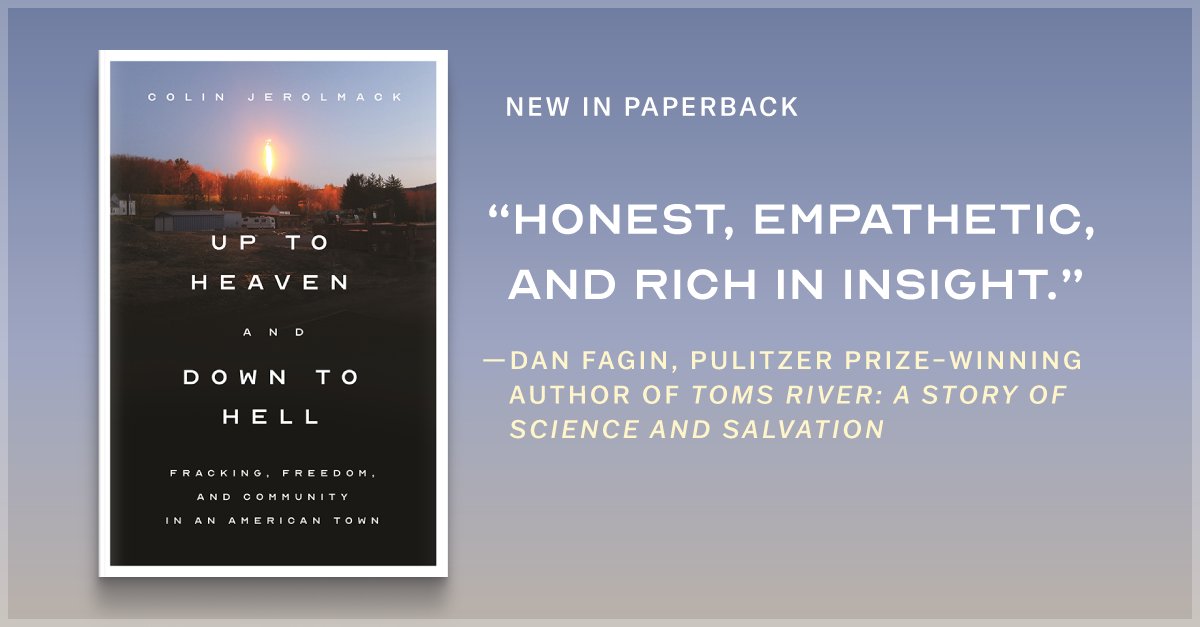
ALT Purple ombre background with book cover of Up to Heaven and Down to Hell. New in paperback. "Honest, empathetic, and rich in insight." - Dan Fagin
1
3
23
Colin Jerolmack retweeted

Parade. Thursday. Manhattan.
3,207
33,724
397,023
13,742,444
May 22
A beacon of hope for higher ed. that will hopefully inspire other universities to follow. Far more meaningful than capping the number of As an instructor may give in a class.
May 21

Wow. Surprised at the breadth of this AI BAN at @BerkeleyLaw.
Higher education—particularly professional schools—should develop AI tools to accelerate learning. Cognitive offloading is a real problem, but mounting evidence shows that the thoughtful redesign of courses and offering personalized AI tools can level the playing field and accelerate learning.
The Berkeley Law policy BANS AI for EVERYTHING except identifying sources.
Brainstorming with AI - BANNED
AI for exam outlining - BANNED
AI grammar check - BANNED
AI translation - BANNED
Difficult to understand the rationale for banning grammar check and translation, which will disproportionately (and unnecessarily) harm first-generation students and nonnative speakers of English.
Faculty may opt out of the Berkeley Law policy, but faculty must then require that students disclose AI use.
The Berkeley Law policy BANS students from uploading course materials into generative AI systems. Sadly, this BANS some of the most useful ways in which law students are using AI tools, including to generate additional practice problems and exams for courses.
2
230
Colin Jerolmack retweeted

May 21
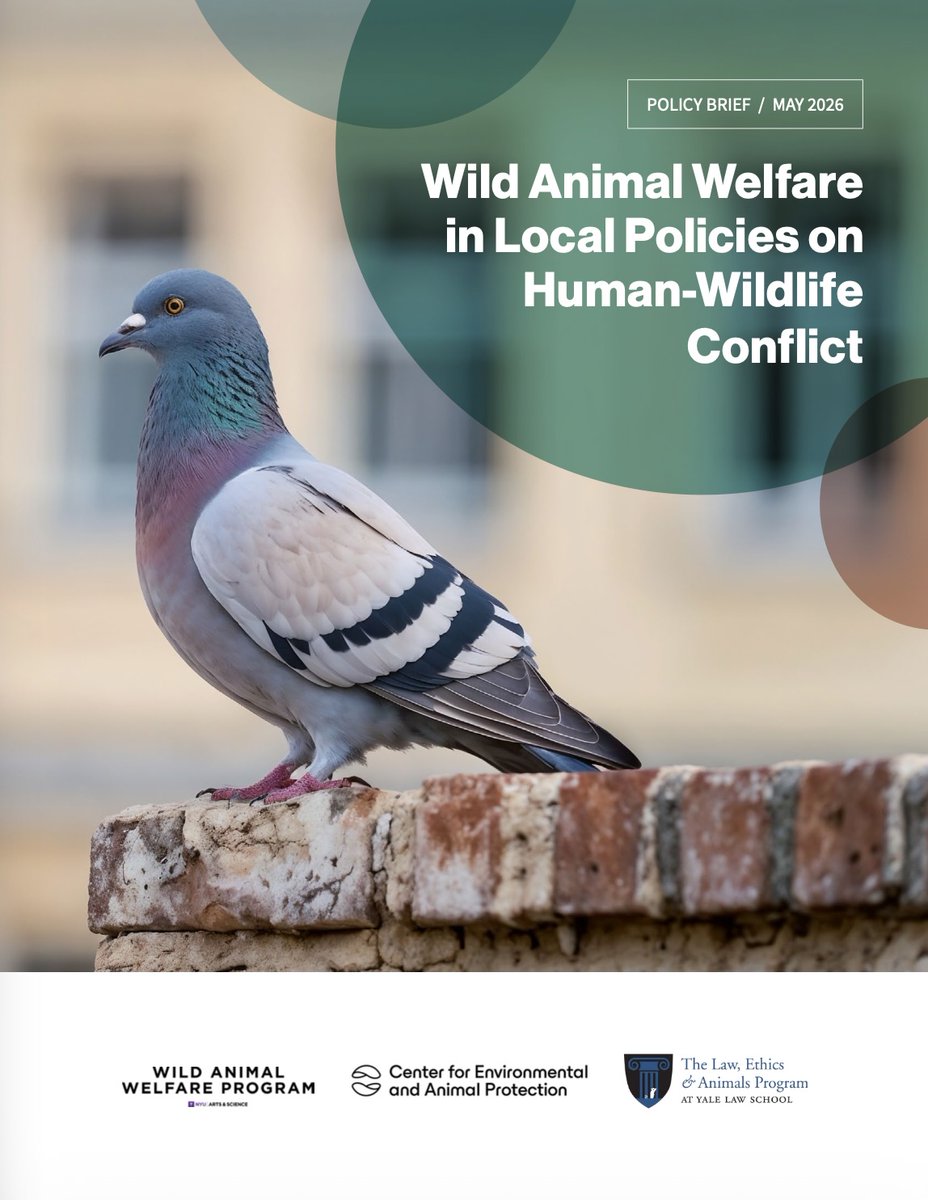
The NYU Wild Animal Welfare Program is very proud to share our new report, "Wild Animal Welfare in Local Policies on Human-Wildlife Conflict"!
Cities are home to countless wild animals, and the decisions cities make about waste, infrastructure, parks, and public health shape their lives—often invisibly. Yet, local policy has historically treated them as nuisances or problems to be managed away. This report argues that the welfare of those animals deserves a place in how municipalities approach human-wildlife conflict, and offers a practical roadmap for getting started. It expands the conventional definition of “human-wildlife conflict” to include harms running in both directions. It identifies cities as the right locus for action, since they hold most of the relevant levers and are where most conflict actually happens.
The report offers nine guiding principles—including prevention over reaction and coexistence over control—and a menu of policy options across five mutually reinforcing domains: waste management and food access, humane population management, conflict response and rehabilitation, the built environment, and planning and governance. Drawing on examples from across North America and Europe, it shows that welfare-aligned approaches are already within reach, and that welfare-aligned approaches often align with goals cities are already pursuing—cleaner streets, healthier environments, lower disease risk, and more livable public spaces.
This report is sponsored by the NYU Wild Animal Welfare Program with support from CEAP and the Yale Law, Ethics, & Animals Program.
You can find a PDF of the report along with a video of a recent preview event here: enviroanimal.org/human-wildl…
Please read if you have interest, and please share if others might!
3
20
41
1,717
Colin Jerolmack retweeted

May 15
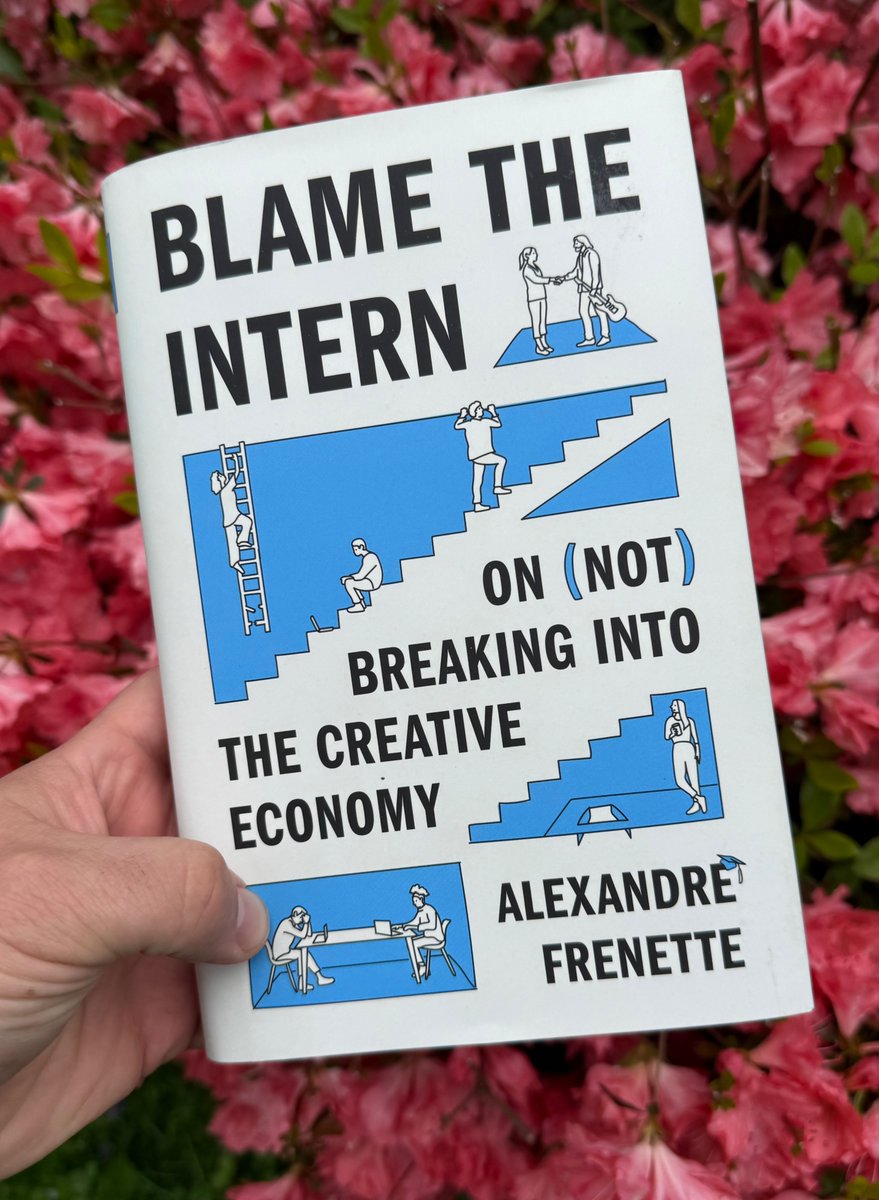
Absolutely thrilled to have just finished reading Alexandre Frenette's new book on internships as the shaky fulcrum between the culture industries and higher education. This banger is rich, expansive, and for anyone who's interested in the arts higher education!
2
4
171
Colin Jerolmack retweeted
Apr 30
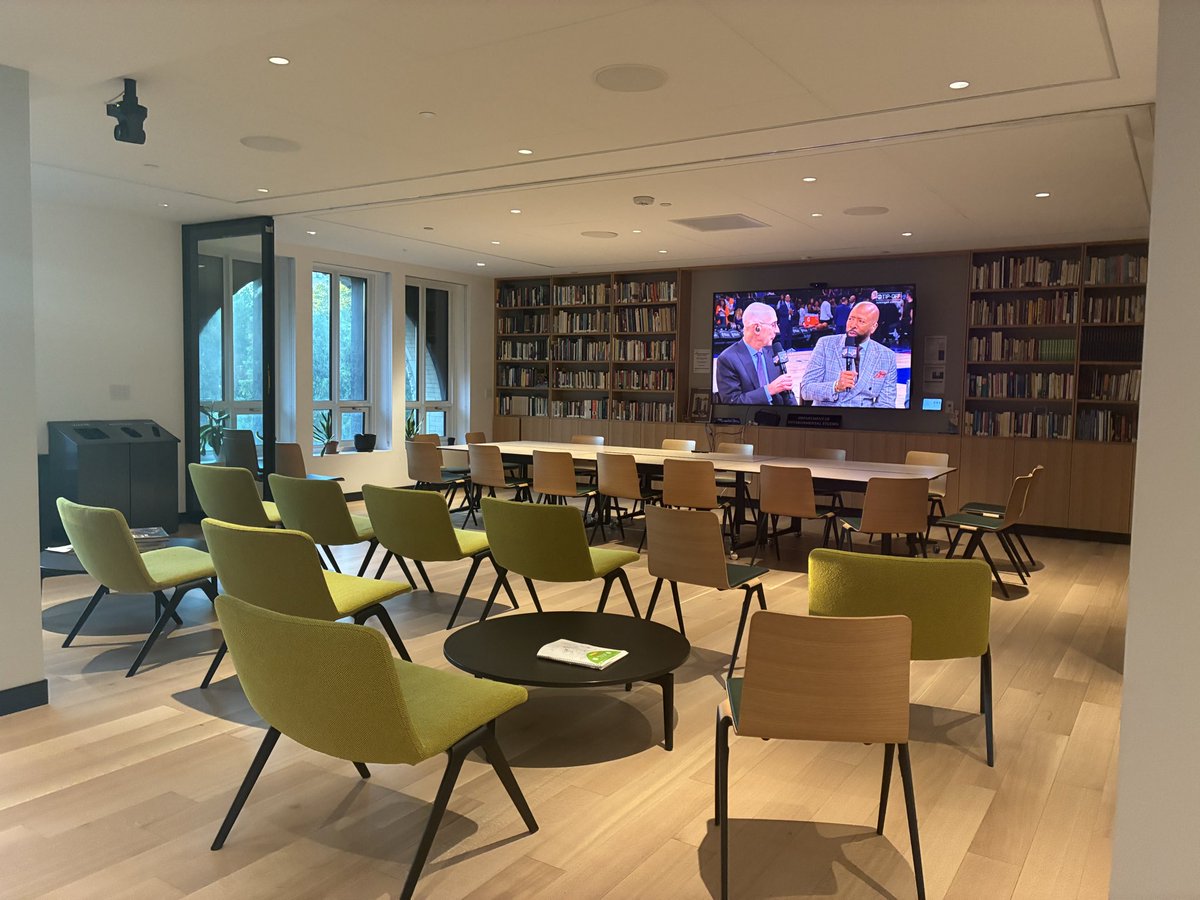
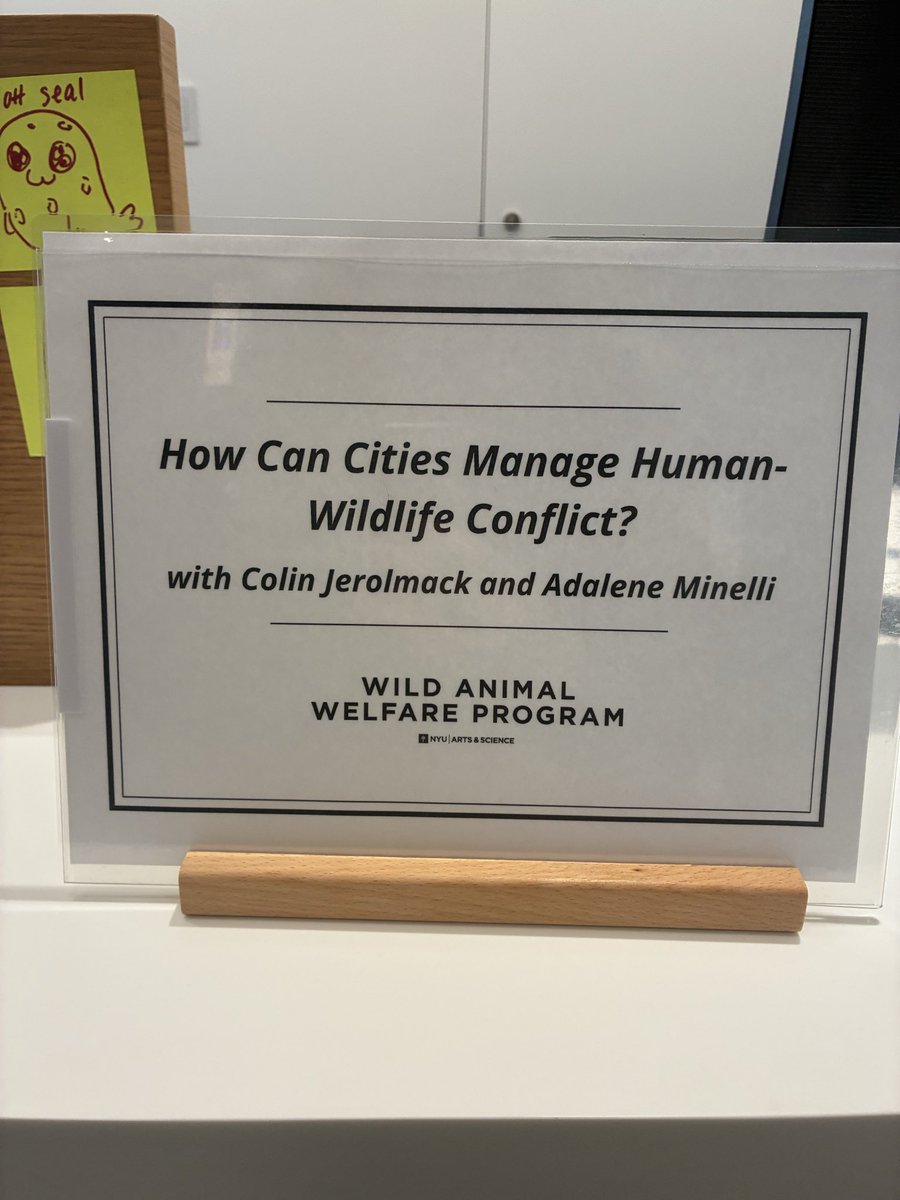
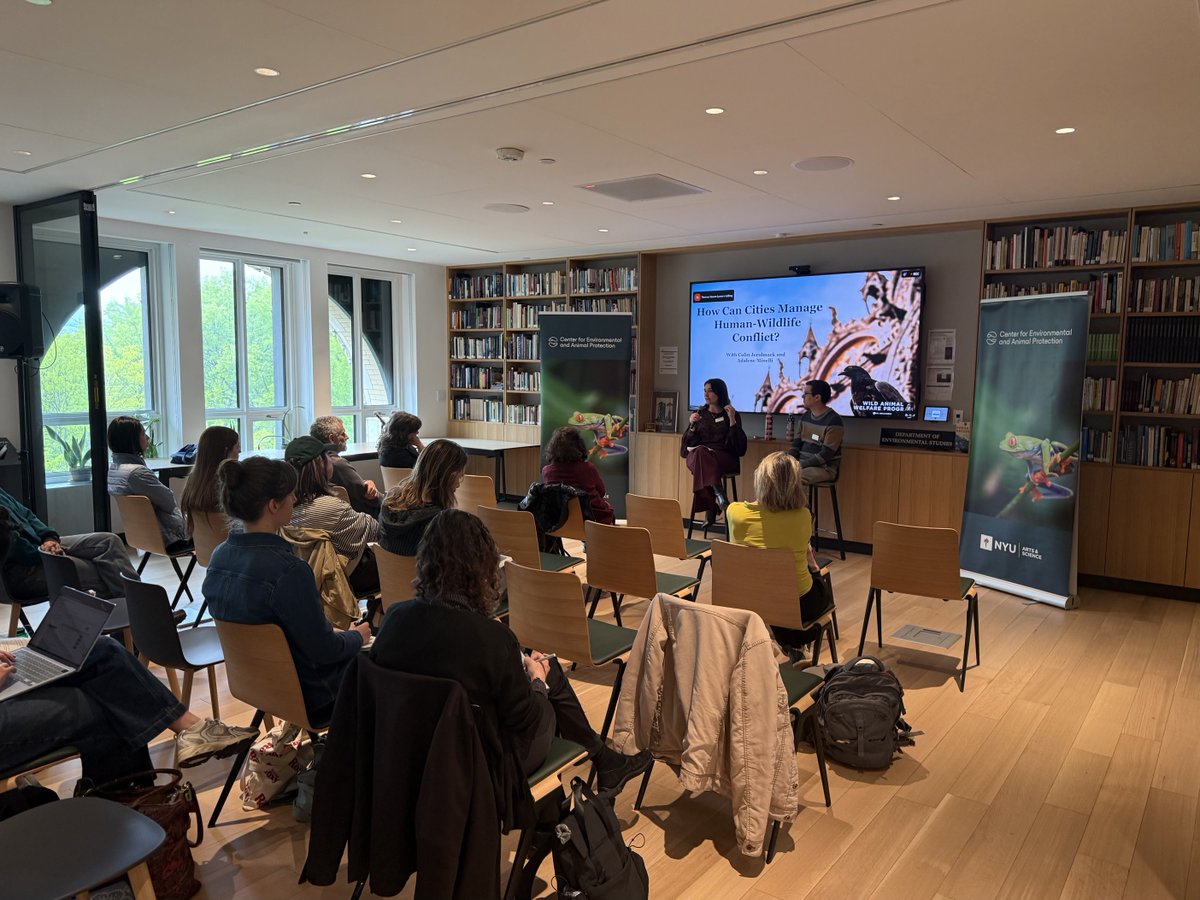
Today at the NYU Wild Animal Welfare Program, Adalene Minelli and Colin Jerolmack are discussing how cities can consider animal welfare when managing human-wildlife conflict :)
1
4
28
639

Feb 16
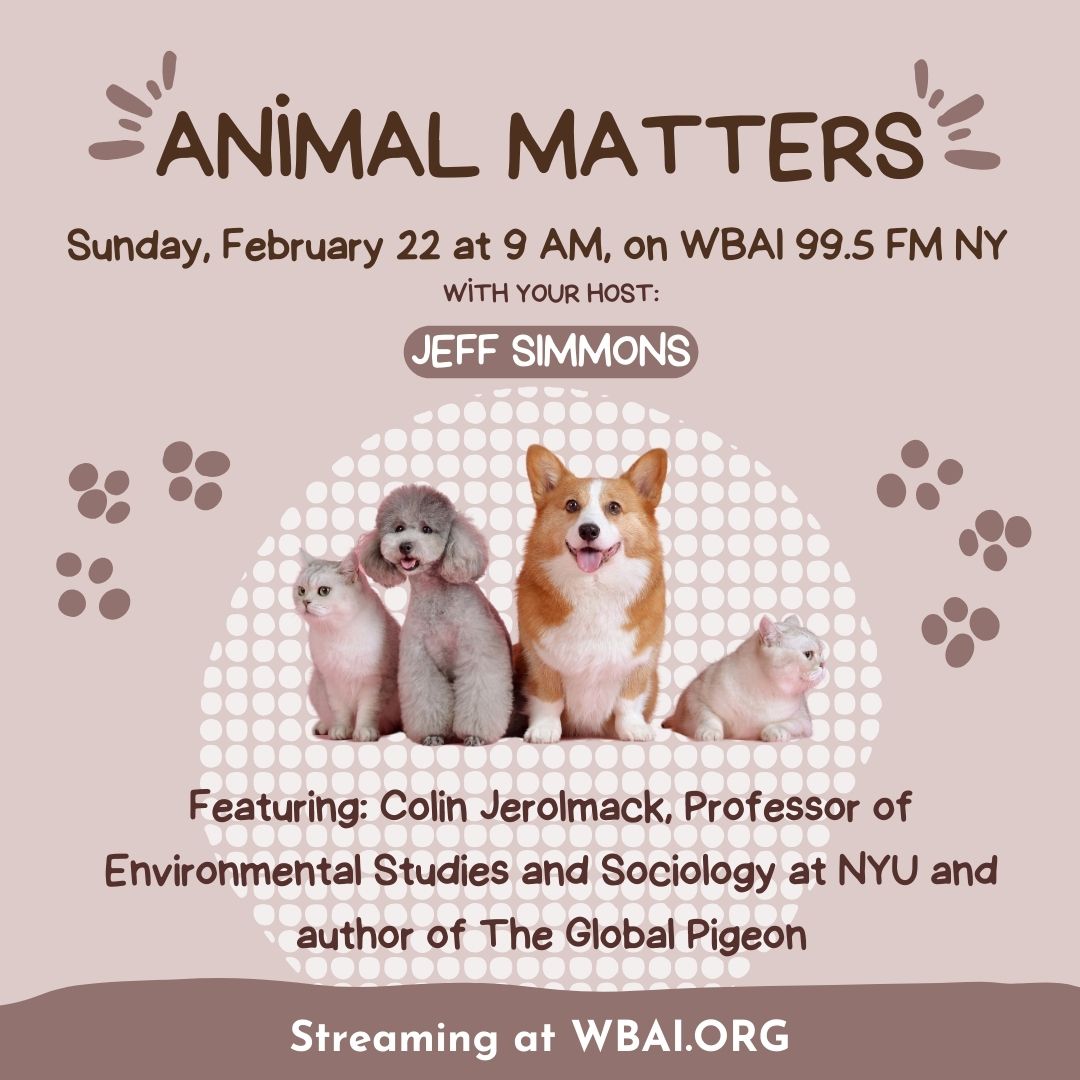
I'll be on @WBAI radio streaming at wbai.org THIS SUNDAY at 9am with @JackHites talking pigeons on his show ANIMAL MATTERS!
29
Colin Jerolmack retweeted
Feb 13
The NYU Center for Mind, Ethics, and Policy and the NYU Center for Environmental and Animal Protection are both hiring FT researchers!
If you have strong research skills and an interest in animal and AI welfare (for CMEP) or food and wildlife policy (for CEAP), please apply!
1
9
23
2,054
Colin Jerolmack retweeted
Feb 11
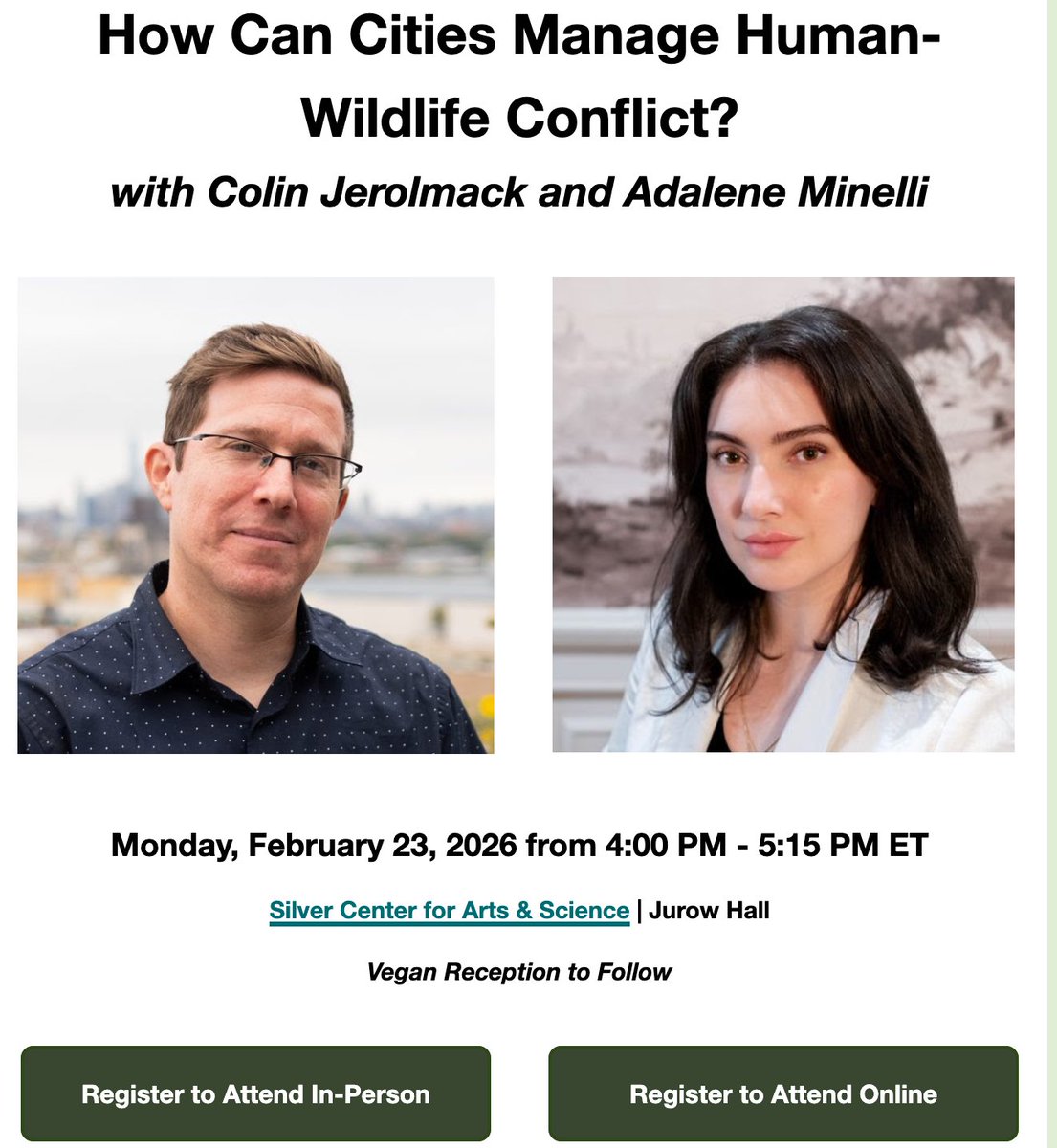
The NYU Wild Animal Welfare Program is hosting an event on how cities can manage human-wildlife conflict! Join us for a preview of our upcoming report and discussion with Colin Jerolmack and Adalene Minelli.
Feb 23, 4pm ET, followed by a reception.
sites.google.com/nyu.edu/wil…
3
12
222
Jan 23
Wow. Didn’t see this one coming. A win for animals (even if that wasn’t the motivation of the administration). E.P.A. Promises a Ban on Animal Testing by 2035

1
43
Colin Jerolmack retweeted

Jan 6
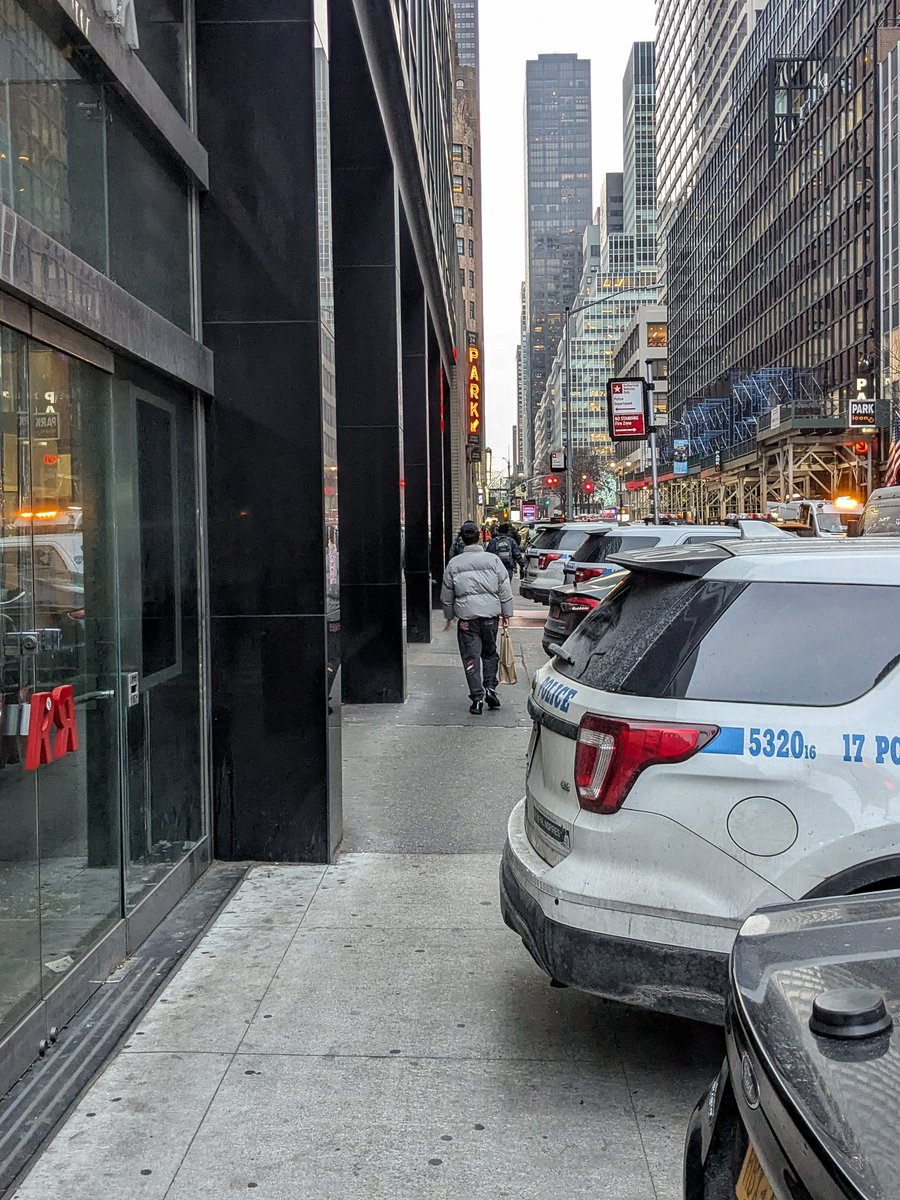
Any sidewalk in New York City where pedestrians have to walk single-file is a policy failure (and it's depressing how frequently the NYPD is solely to blame).
70
42
678
15,175
Colin Jerolmack retweeted
This is now the official account of Mayor Zohran Mamdani. Welcome to a new era for NYC.
5,402
14,723
183,135
3,193,237
1 Dec 2025
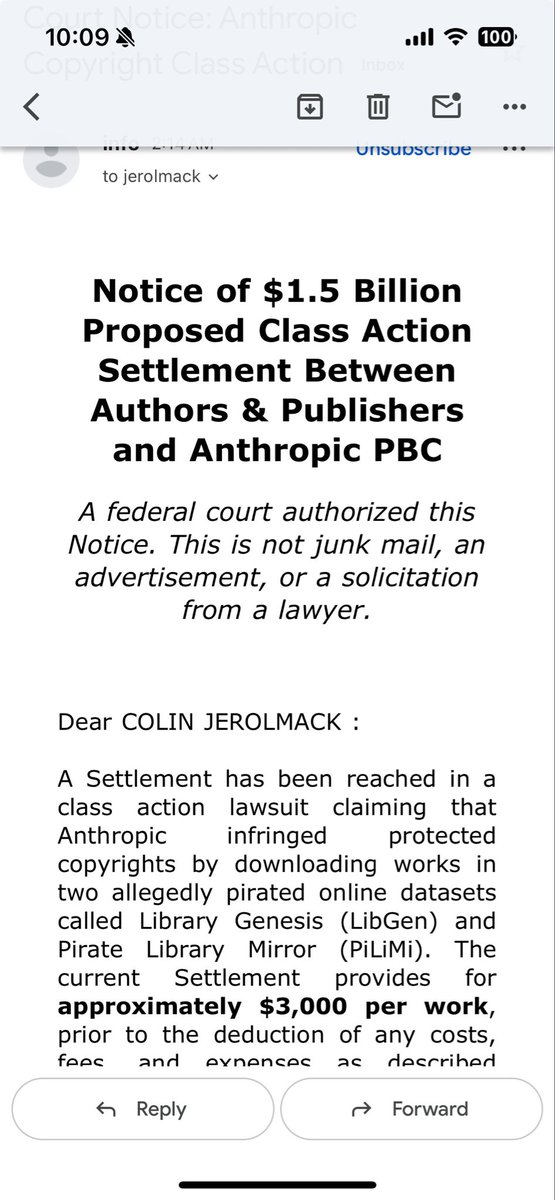
Please RT. Attn authors! If you published a book, Anthropic likely stole it to feed its AI learning. I just got an email alerting me to a class action lawsuit. There’s a database where you can check if your published work was exploited—& get compensation: anthropiccopyrightsettlement…
3
289
6 Nov 2025
Holy crap! This new article claims that the canonical book “When Prophecy Fails,” which launched the influential idea of “cognitive dissonance,” was fabricated!
5 Nov 2025

126
26 Oct 2025
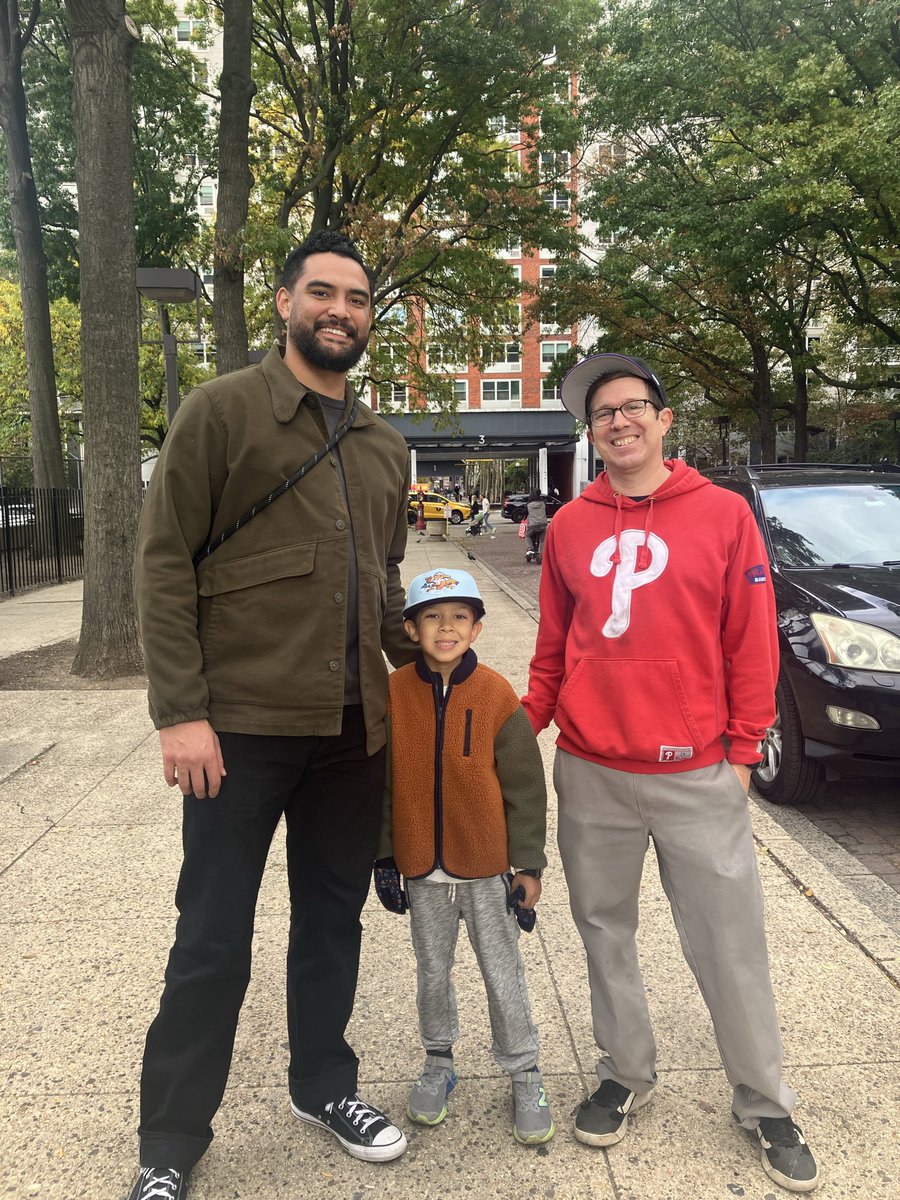
What a class act. Ran into @Mets Sean Manea w/ his family in Manhattan & he stopped to talk w/my superfan son about who’s his favorite player (@SugarDiaz39) and take a pic—even though I was wearing a Phillies sweatshirt! Only bummer: my older son, who’s a bigger fan, missed it.
114
Colin Jerolmack retweeted

23 Oct 2025
The NBA is very concerned about the multiple arrests made as a result of the FBI’s sports gambling code.
Use code “MULTIPLEARRESTS” for a 30% Profit Boost on a three-leg parlay with Draft Kings, the official gambling partner of the NBA.
450
7,630
50,972
2,473,443
Colin Jerolmack retweeted
23 Oct 2025
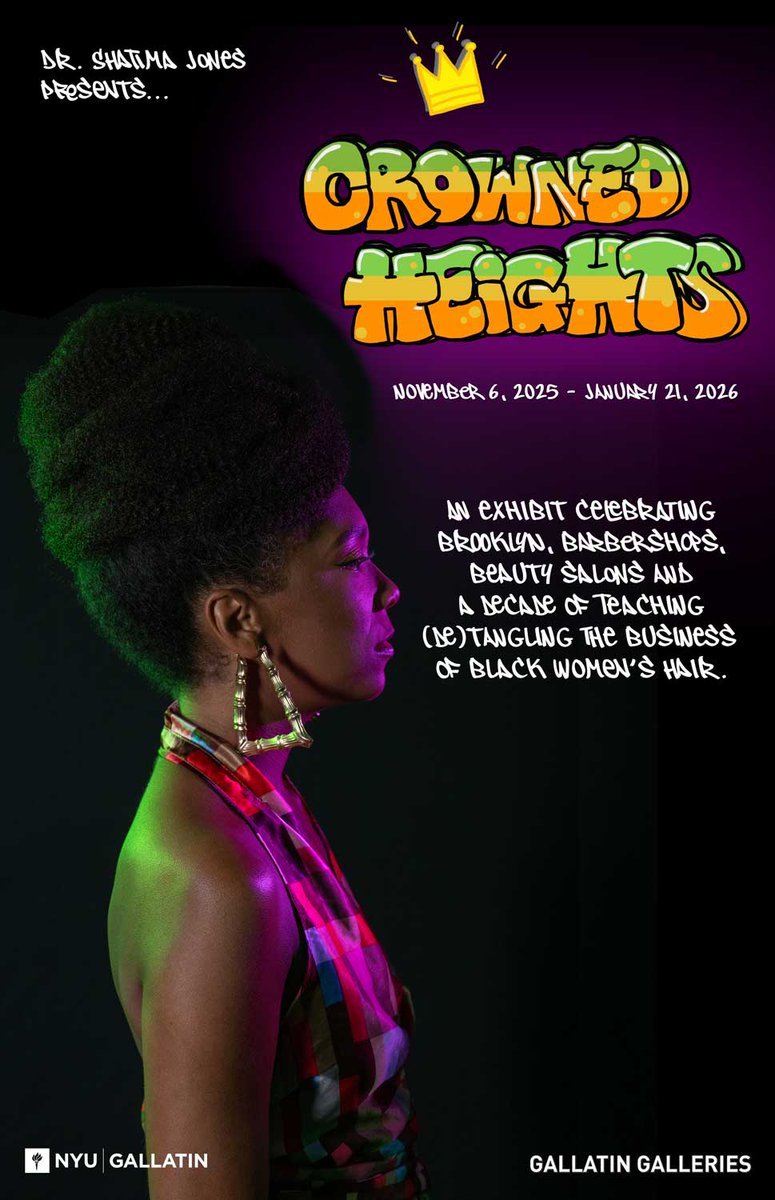
NOV. 6 @NYUGallatin gallery: @nyuniversity prof. @ShatimaJones presents CROWNED HEIGHTS, a celebration of the Black barbershops & beauty salons of Brooklyn & her signature class, "(De)Tangling the Business of Black Women's Hair." Details: wp.nyu.edu/gallatingalleries…
1
123