
postdoctoral fellow at UT Austin interested in language disorders and brain-computer interfaces
Joined May 2021
- Tweets 40
- Following 78
- Followers 1,292
- Likes 9
13 Photos and videos


Apr 9
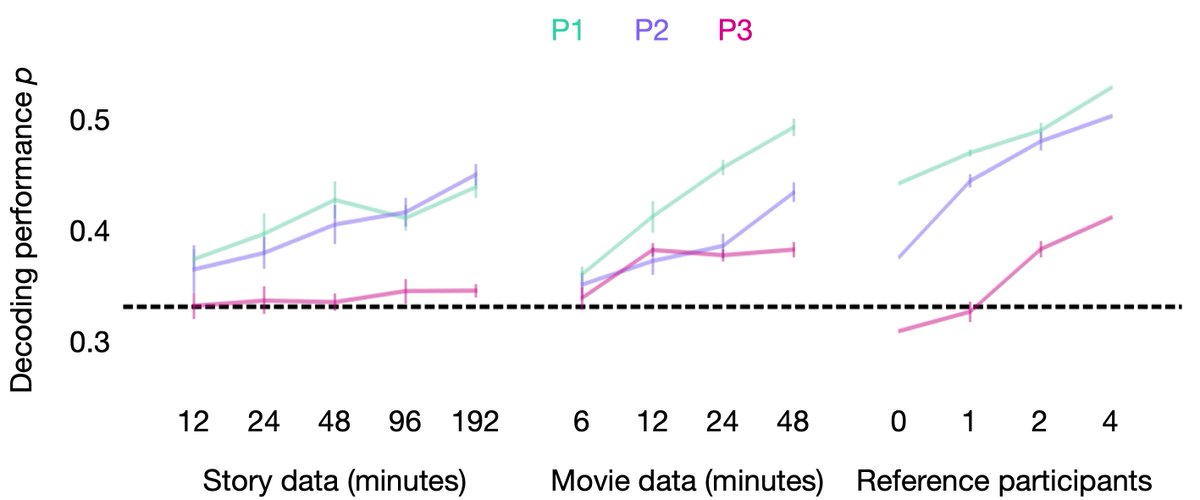
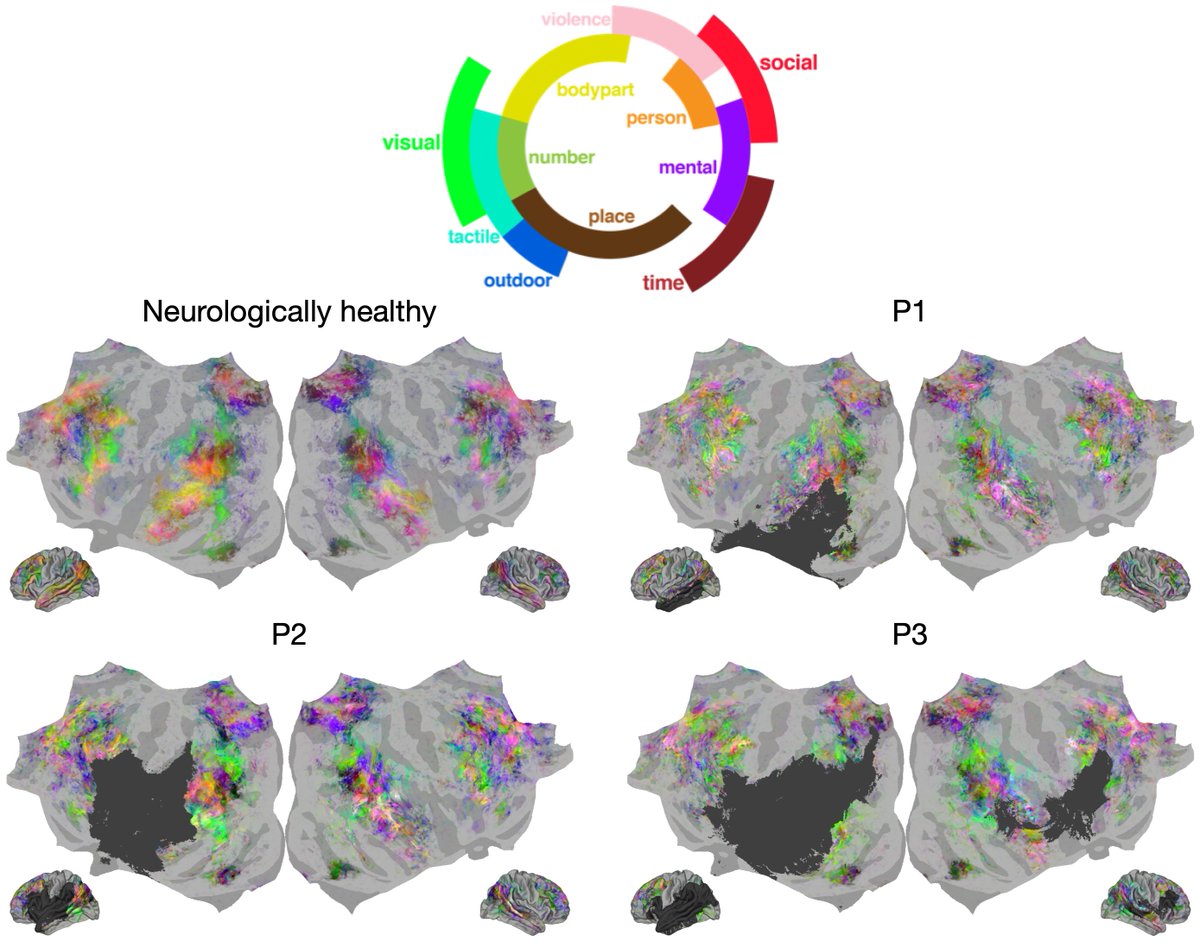
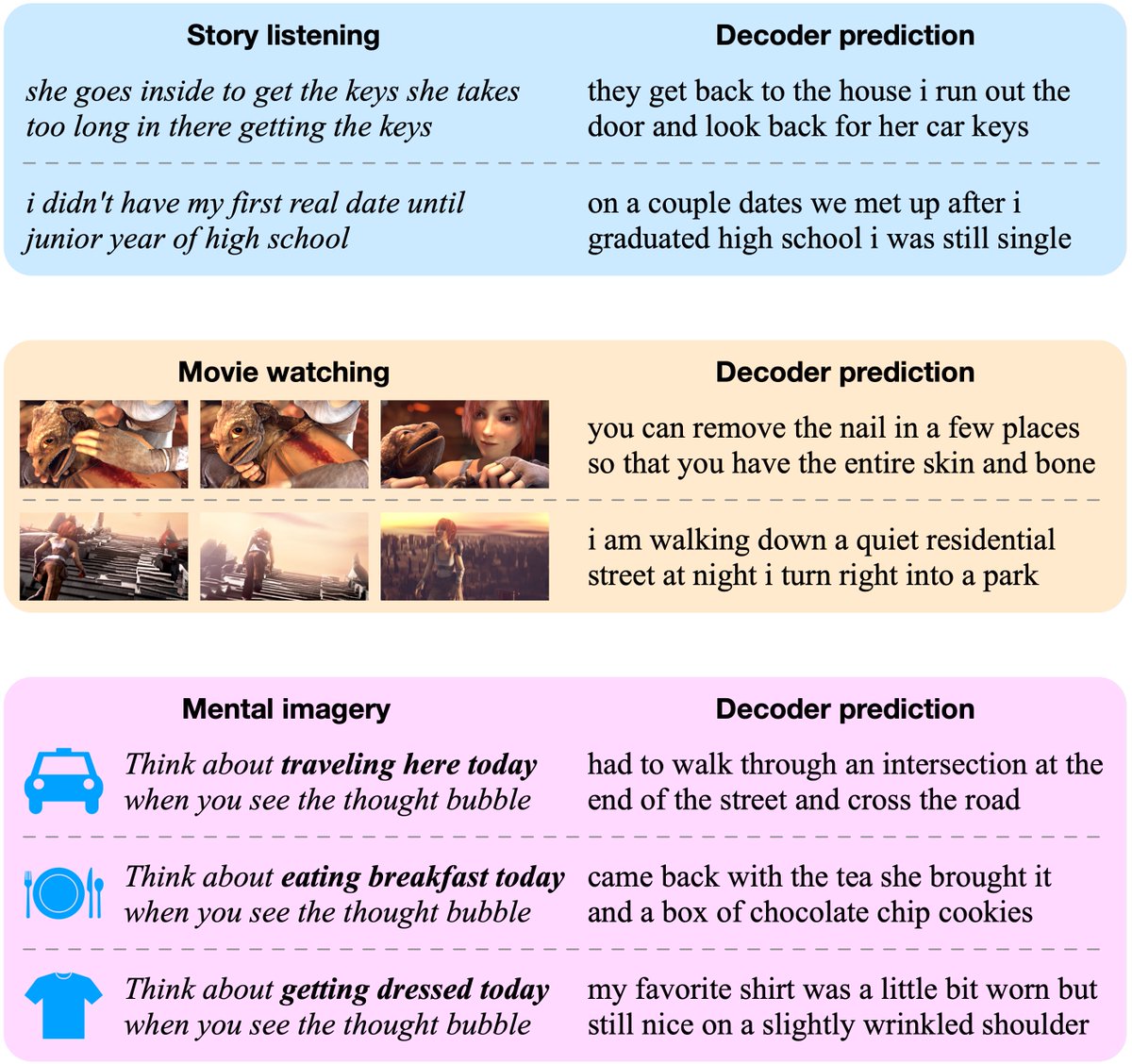
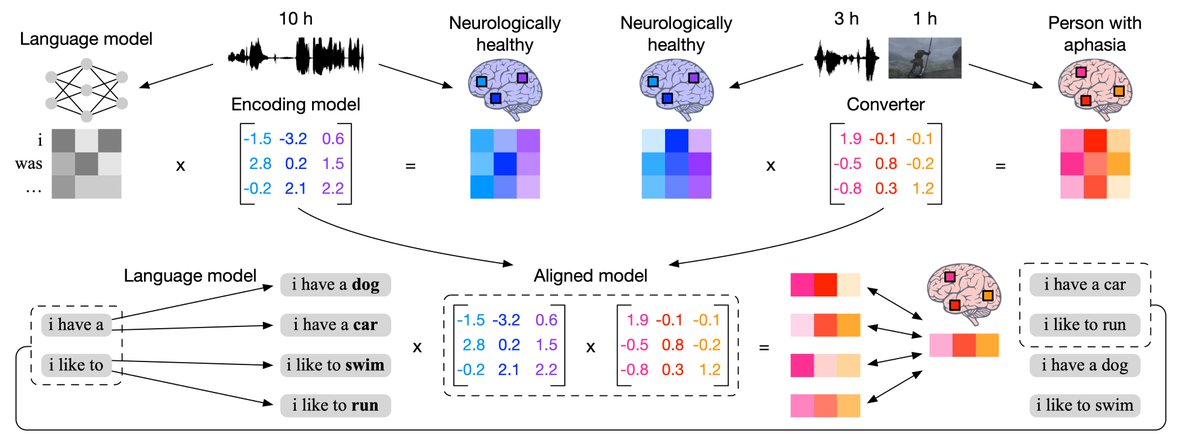
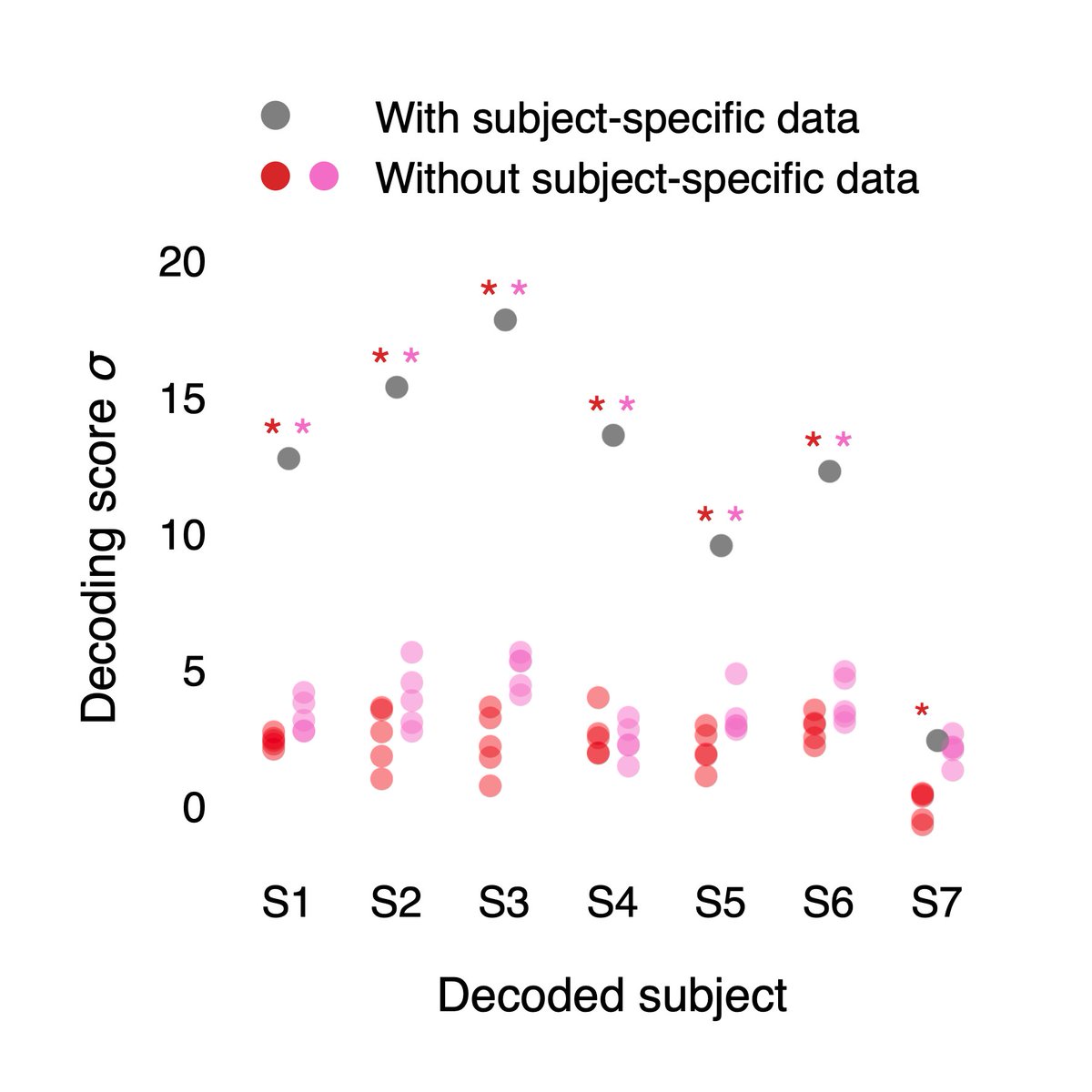
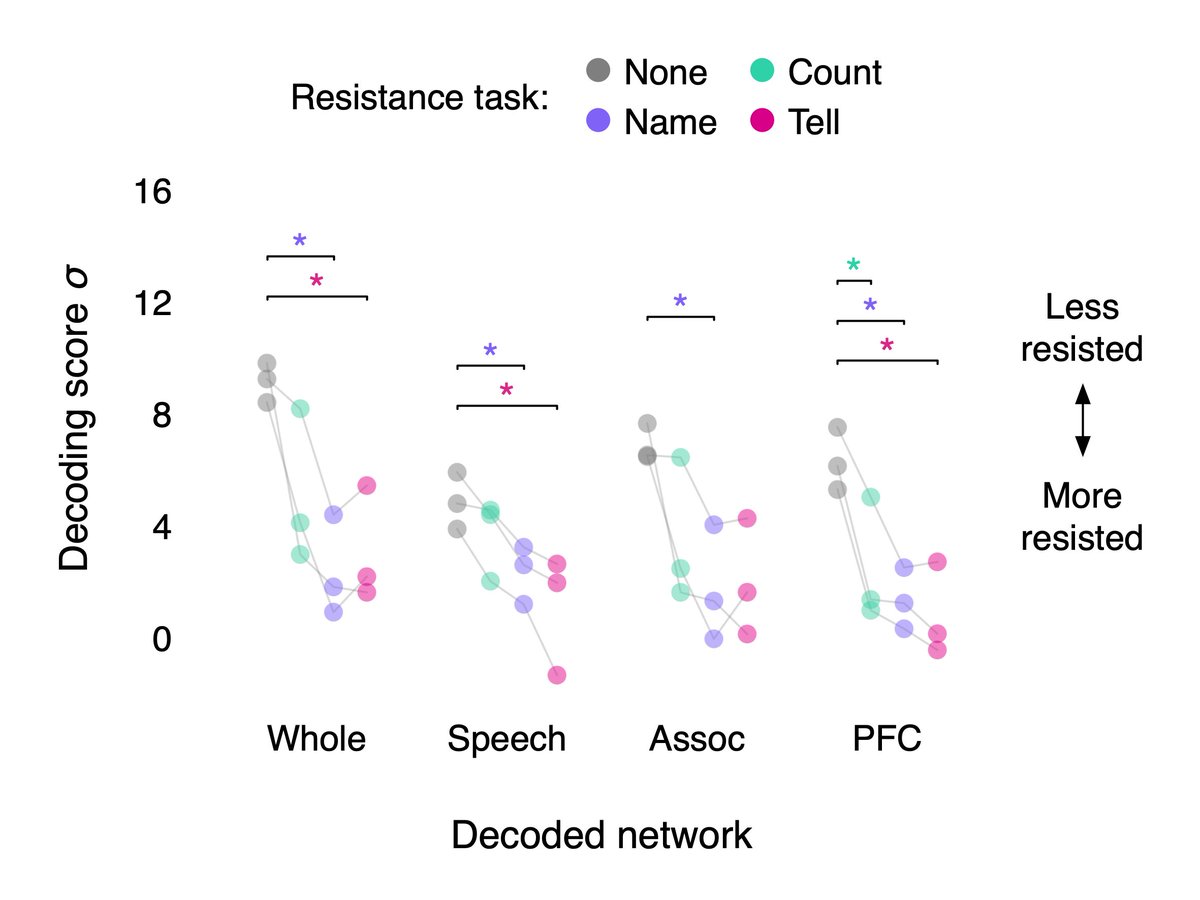
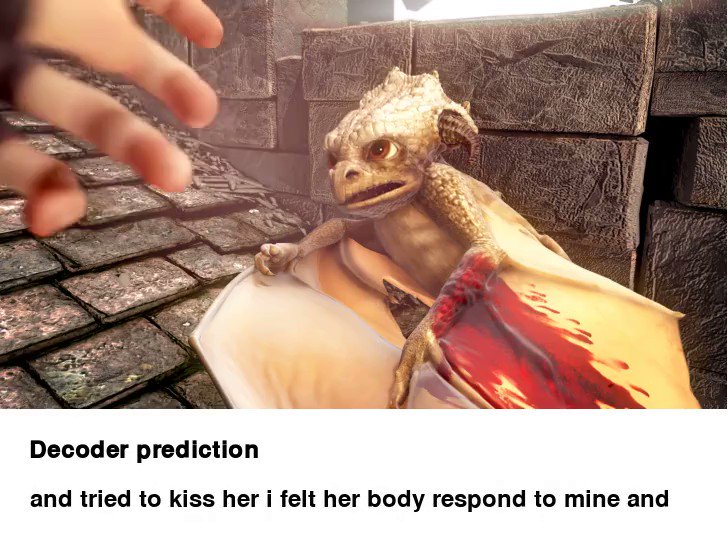
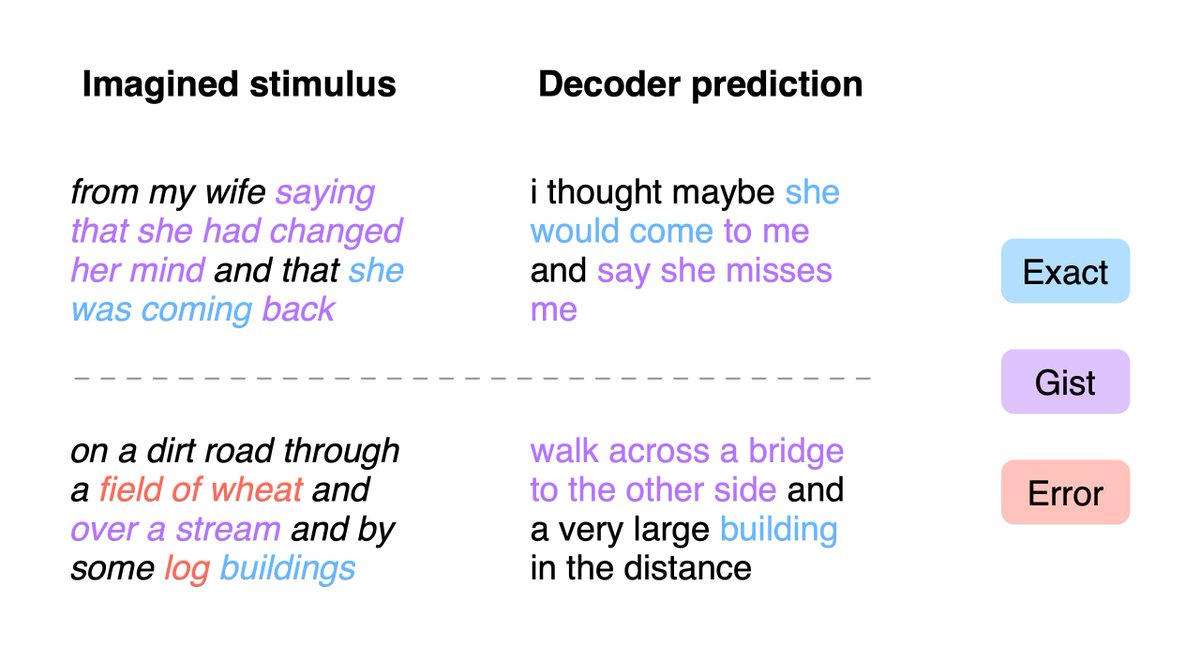
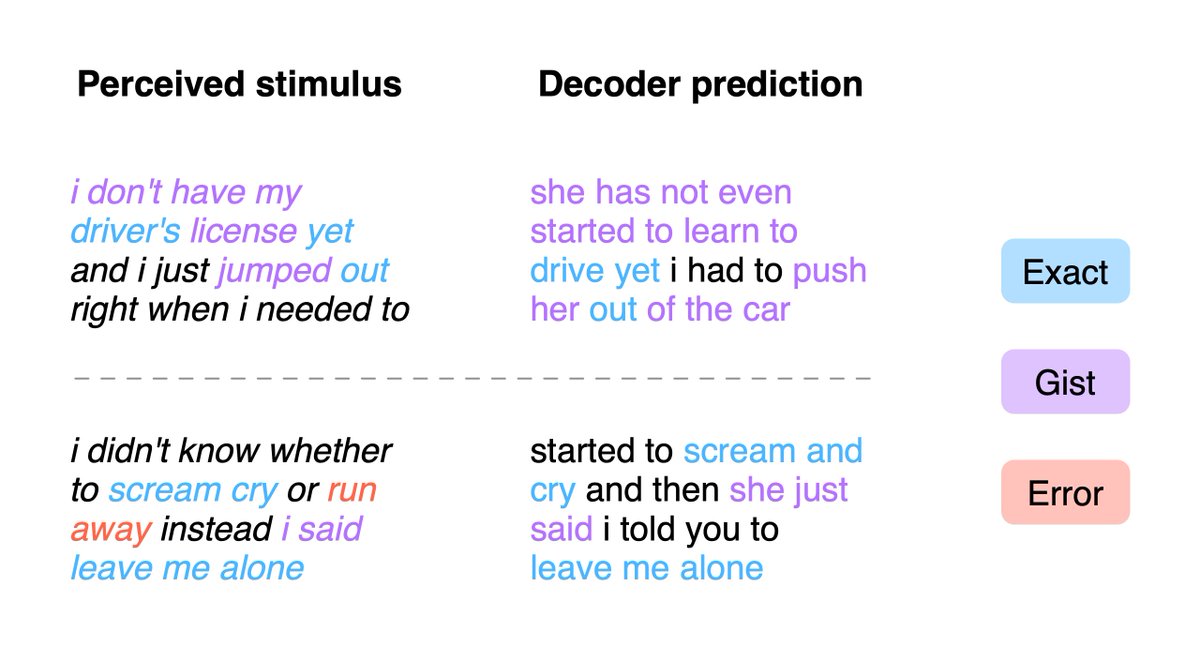
We're excited to share our new study on decoding brain activity in participants with post-stroke aphasia! We think this is an important step towards cognitive brain-computer interfaces for patients with language disorders
biorxiv.org/content/10.64898…
1/8
1
9
38
6,687
Apr 9
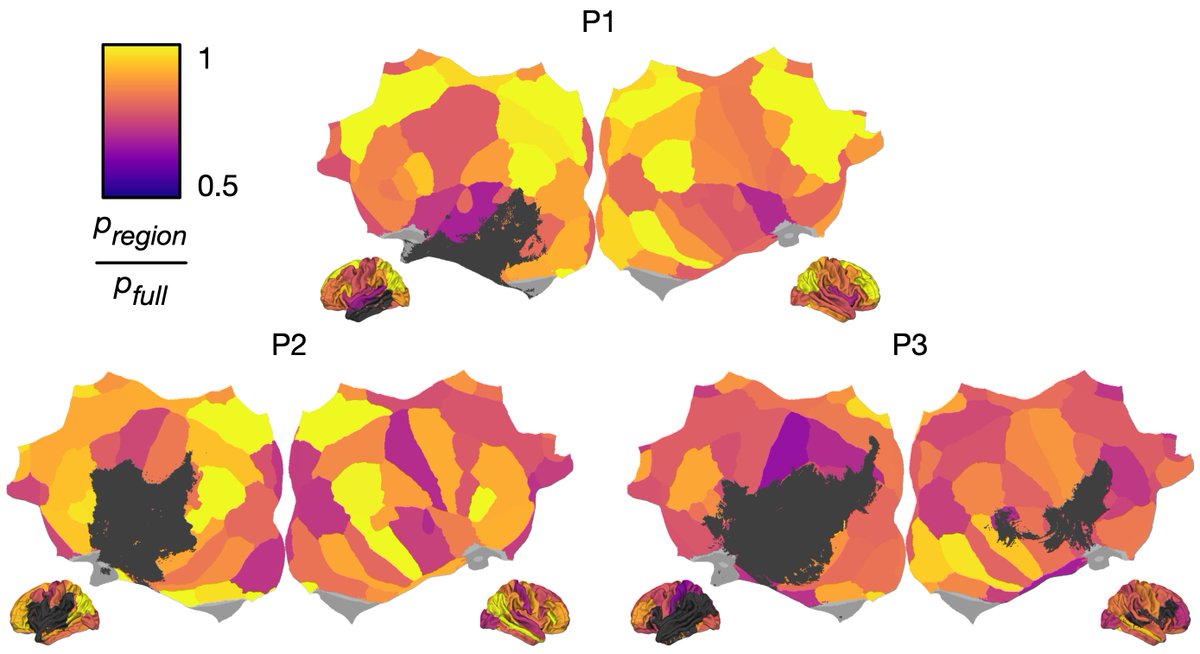
We also found good decoding performance from individual brain regions. This suggests that we could move our decoder from fMRI into more portable systems. The best regions differed across participants so we think fMRI will remain very important for localizing recording sites
7/8
1
2
202
Apr 9
This was an incredibly rewarding project to work on. Thanks to the amazing team that made this possible! Carly Millanski, Allison Chen, Lisa Wauters, Jordyn Anders, @ShilpaShamapant , @smwilsonau, @alex_ander, Maya Henry
8/8
2
211
Jerry Tang retweeted

2 Jul 2024
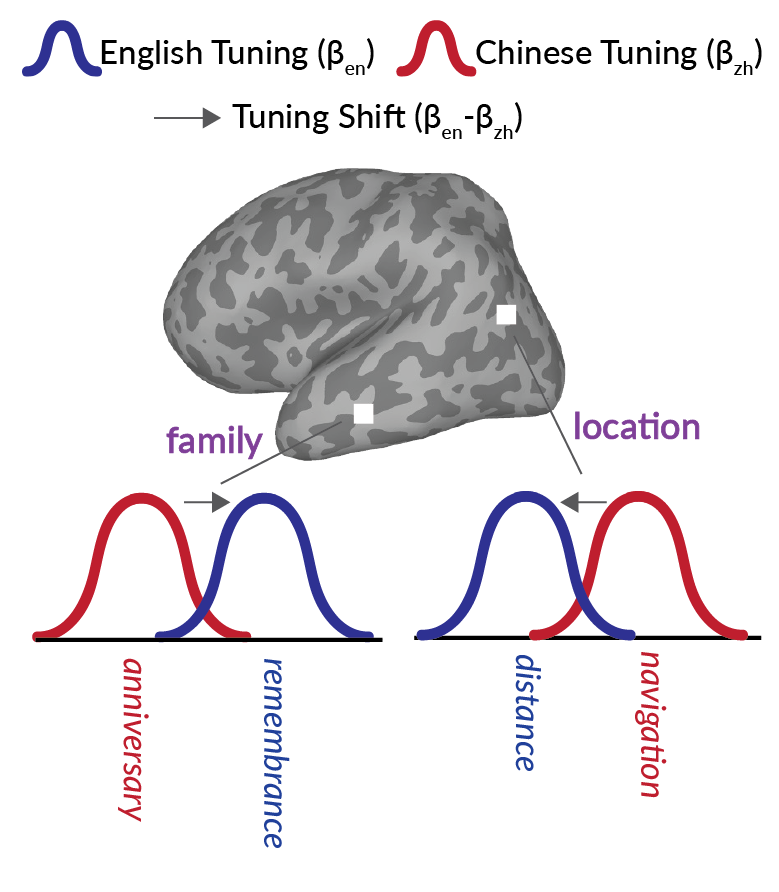
How does the human brain represent semantic information from different languages?
Our new preprint suggests that bilingual language comprehension relies on shared semantic representations that are systematically modulated by each language!
1/n
28 Jun 2024

Bilingual language processing relies on shared semantic representations that are modulated by each language biorxiv.org/cgi/content/shor… #bioRxiv
5
82
343
51,112
Jerry Tang retweeted
12 Mar 2024
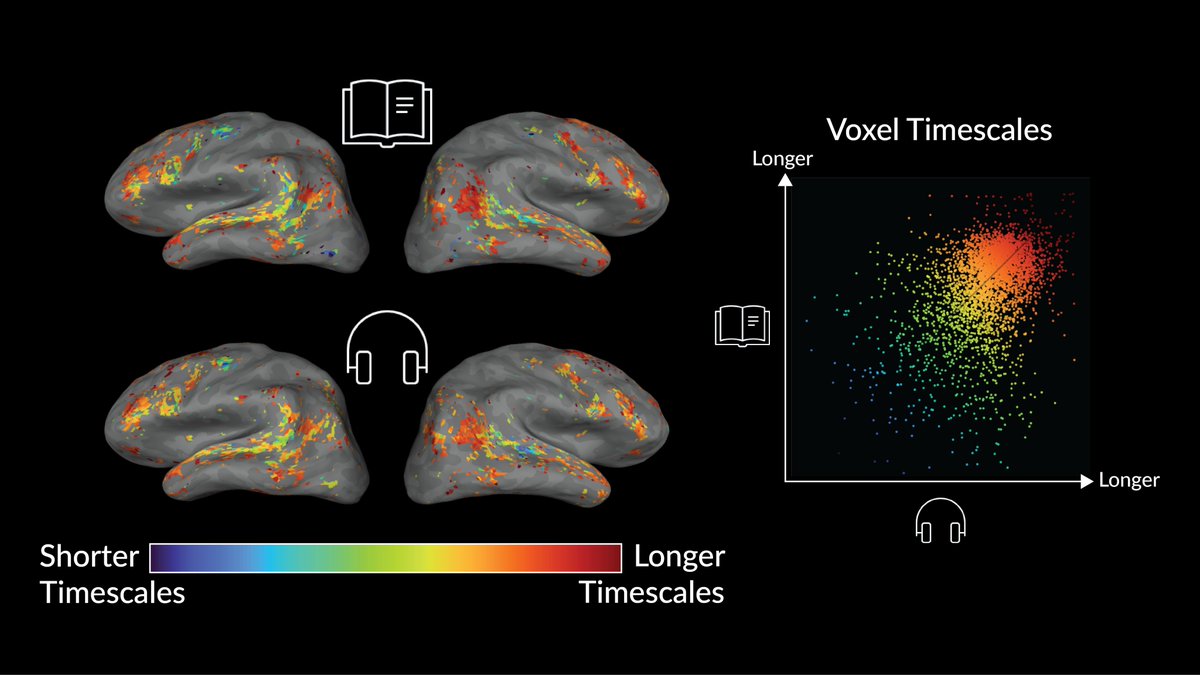
Do brain representations of language depend on whether the inputs are pixels or sounds?
Our @CommsBio paper studies this question from the perspective of language timescales. We find that representations are highly similar between modalities! rdcu.be/dACh5
1/8
3
39
104
16,864
12 Dec 2023
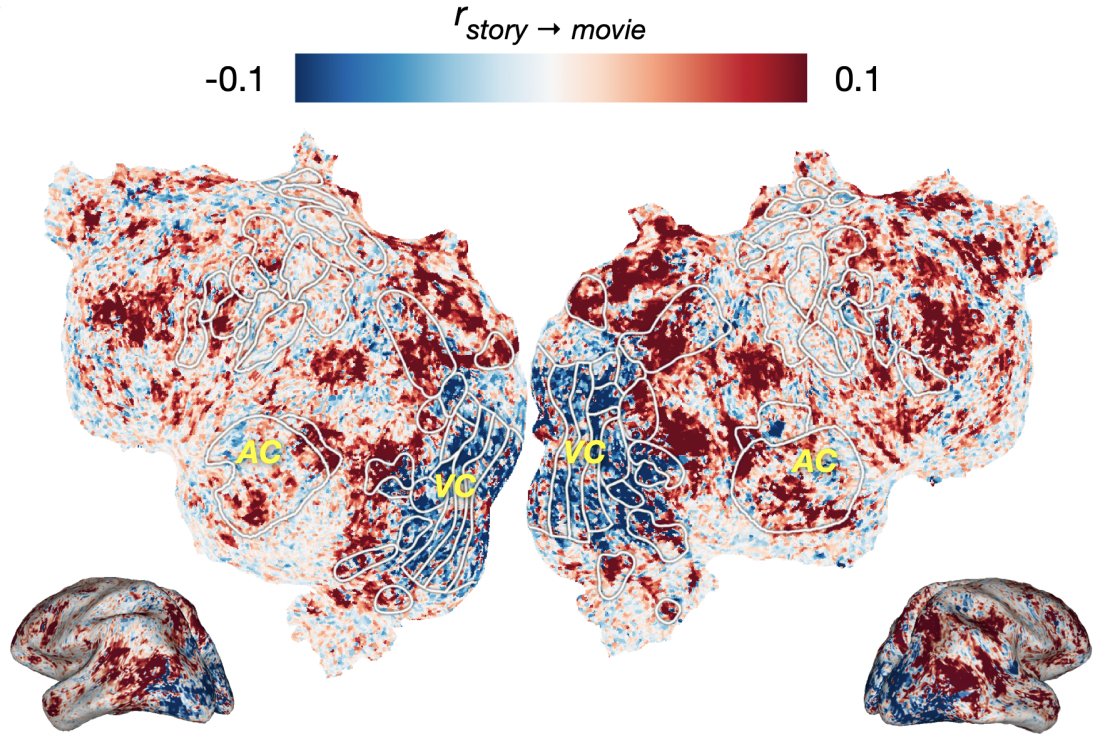
I’ll be presenting this work at the #NeurIPS2023 5pm poster session on Wednesday — come by to chat about the relationship between language and vision in the brain!
24 May 2023

Multimodal transformers make it possible to transfer fMRI encoding models between language and vision! (though mostly from L->V and not V->L 🤔) New paper from @jerryptang @_du_meng @vvobot @vasudev_lal arxiv.org/abs/2305.12248
2
8
67
7,216
Jerry Tang retweeted

23 Aug 2023
This paper and dataset is now officially published in Scientific Data!! And not only that but we have nearly doubled the amount of data and stimulus available since the preprint version.
Link to paper here: nature.com/articles/s41597-0…
1/n
24 Sep 2022

New Dataset Alert!
I'm very happy to official announce a naturalistic language fMRI dataset now available! This dataset includes 8 participants listening to 5 hours each of the moth radio hour. biorxiv.org/content/10.1101/…
1
9
21
4,854
Jerry Tang retweeted

23 Aug 2023
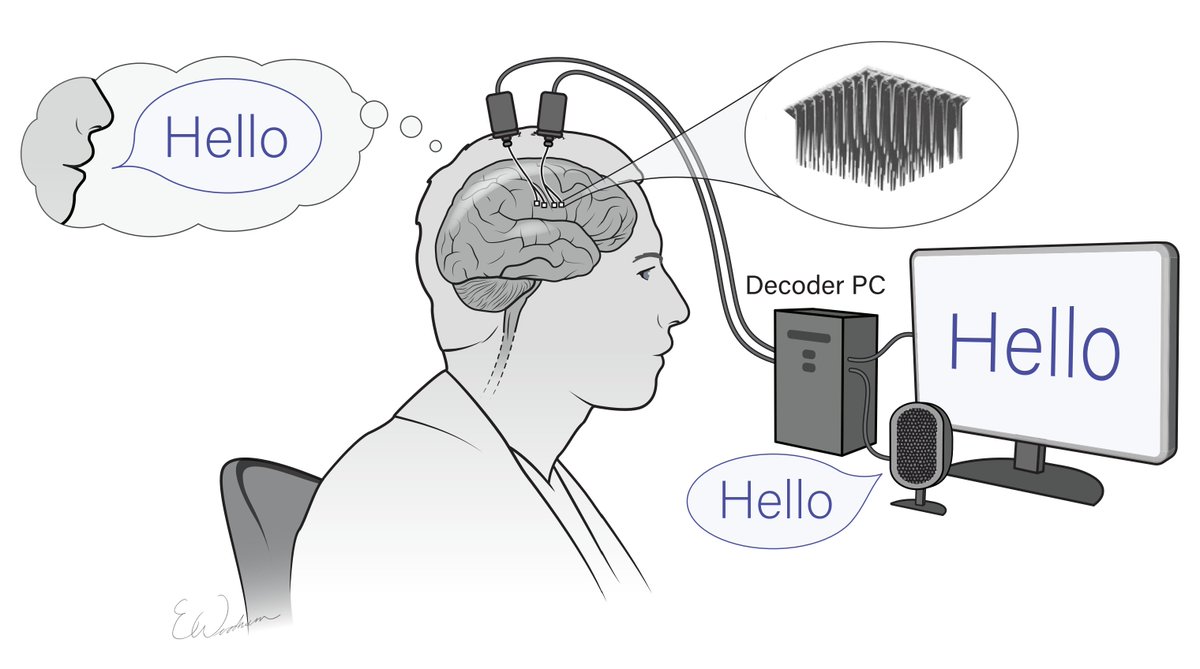
Our new study is out today in Nature! We demonstrate a brain-computer interface that turns speech-related neural activity into text, enabling a person with paralysis to communicate at 62 words per minute - 3.4 times faster than prior work. 1/3 nature.com/articles/s41586-0…
9
217
790
120,594
Jerry Tang retweeted

7 Aug 2023
🌟NEW PREPRINT🌟
🤖-based🧠models are all the rage!
But,
- How do we interpret 🧠if 🤖are SO un-interpretable?
- How do we _test_ if🤖are good models of 🧠? (No, your prediction score is NOT the answer)
Our new paper (co-lead @vvobot) shows you how!
tinyurl.com/vojain2023
1/9
1
13
46
9,705
1 May 2023
Our language decoding paper (@AmandaLeBel3 @shaileeejain @alex_ander) is out! We found that it is possible to use functional MRI scans to predict the words that a user was hearing or imagining when the scans were collected nature.com/articles/s41593-0…
15
77
214
43,374
1 May 2023
If you want to learn more about brain decoding, I wrote a quick introduction to how brain decoding technology works and how we think it could impact society medium.com/@jerryptang/socie…
1
6
19
3,280
1 May 2023
And here's a short explainer of how our decoder works and what it can do! youtube.com/watch?v=Fj6Z2rBe…
2
2
25
6,472
30 Sep 2022
very excited to share our paper on reconstructing language from non-invasive brain recordings! we introduce a decoder that takes in fMRI recordings and generates continuous language descriptions of perceived speech, imagined speech, and possibly much more biorxiv.org/content/10.1101/…
52
443
2,195
30 Sep 2022
many thanks to the fantastic team @AmandaLeBel3 @shaileeejain @alex_ander that made this possible. we'll be at SNL and SFN over the next few months, so drop by if you'd like to learn more! (7/7)
3
65
2 Oct 2022
2 Oct 2022

this is generating a lot of discussion and we wanted to clear a few things up. first, we take privacy very seriously and reject the use of brain decoders for surveillance, interrogation, and other unethical applications
2
1
19