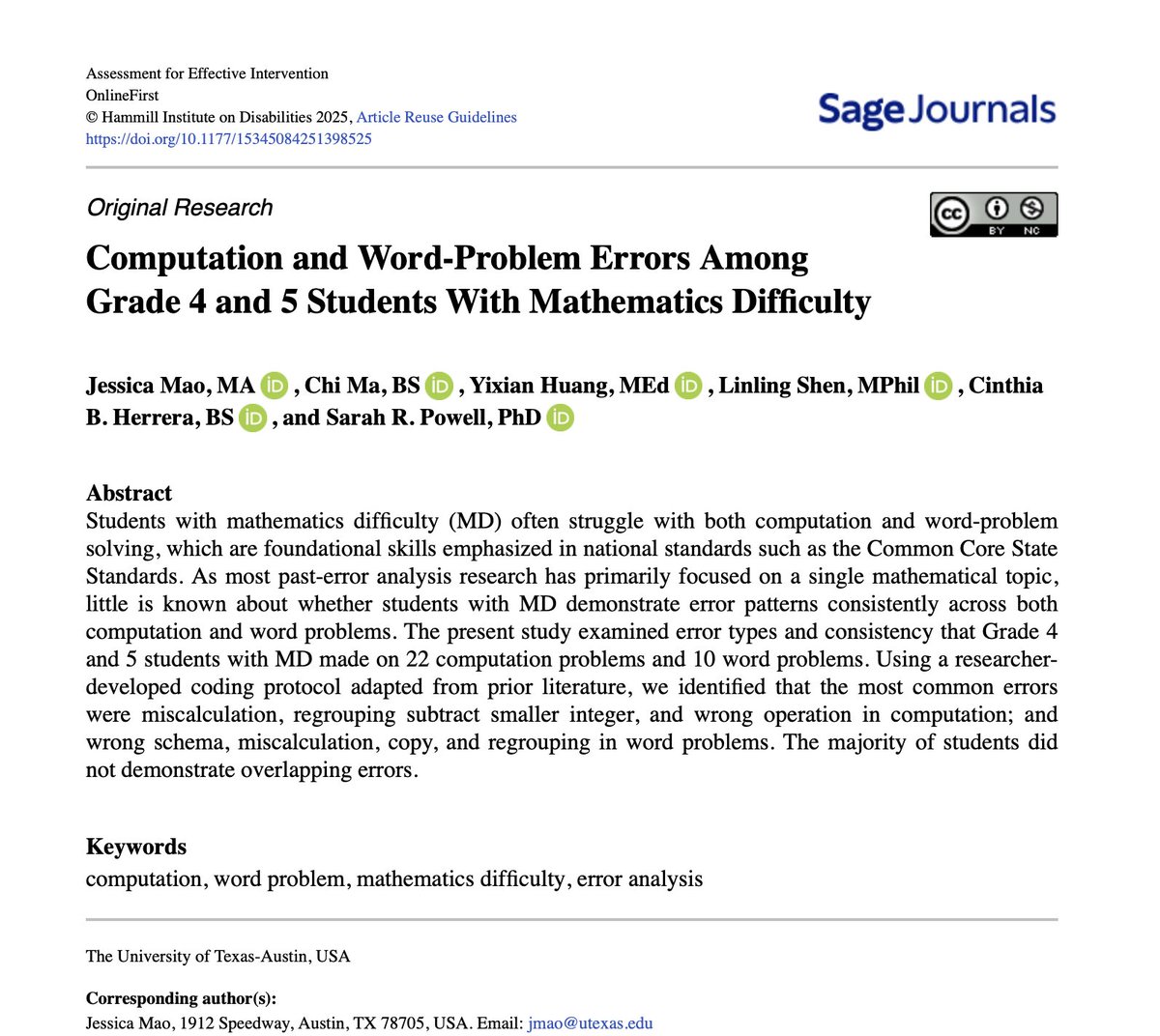
First first-author pub is out! We identified common errors that upper elementary students with math difficulty make on computation and word problems and found little overlap of the same error types (like computation) between the two. @sarahpowellphd@LIMEphd
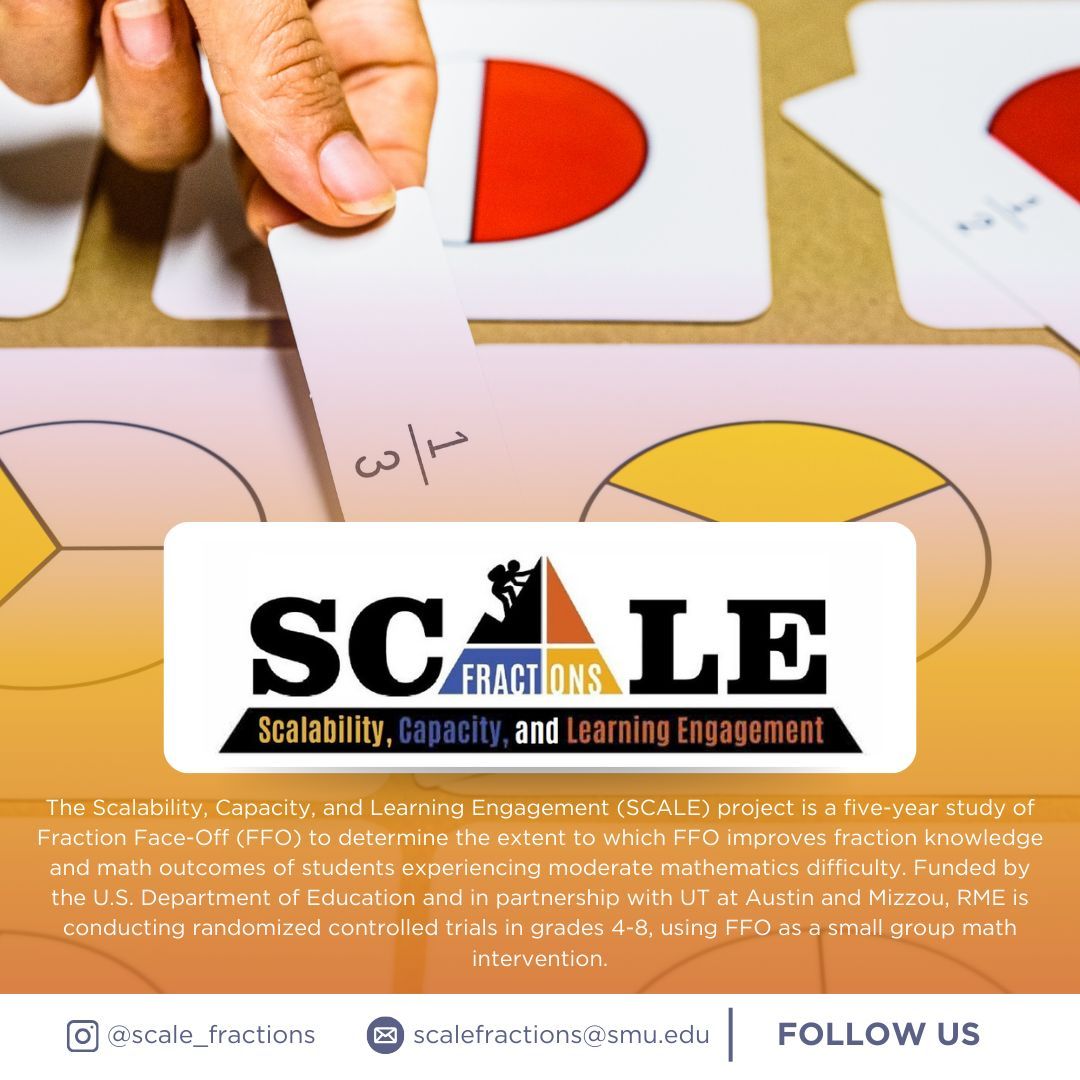
With our SCALE project, we're working with teachers and interventionists as they use a fraction intervention called Fraction Face-Off. If you support students in Grades 5-8 who need help with fractions, let's talk!
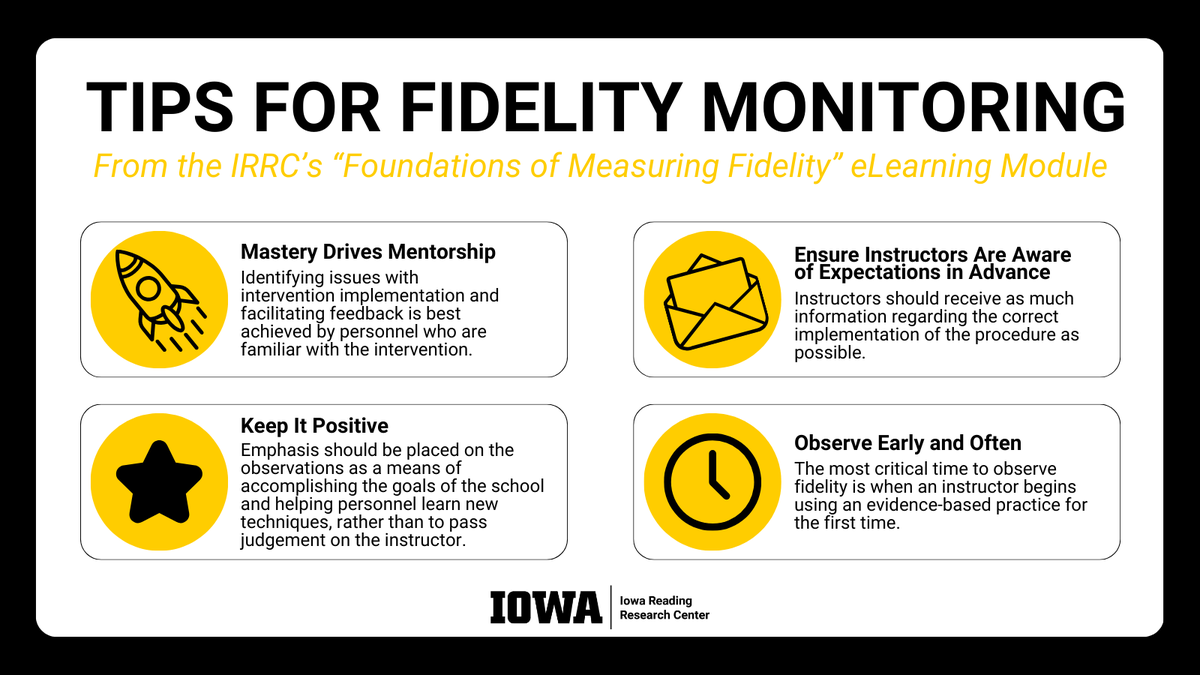
It’s important to monitor the fidelity of classroom instruction to determine if an intervention is working for students as intended. Learn about the foundations of measuring fidelity and access free fidelity monitoring tools on our website: irrc.education.uiowa.edu/res…
ALT Tips for fidelity monitoring
From the IRRC’s “Foundations of Measuring Fidelity” eLearning Module
Mastery Drives Mentorship
Identifying issues with intervention implementation and facilitating feedback is best achieved by personnel who are familiar with the intervention.
Ensure Instructors Are Aware of Expectations in Advance
Instructors should receive as much information regarding the correct implementation of the procedure as possible.
Keep It Positive
Emphasis should be placed on the observations as a means of accomplishing the goals of the school and helping personnel learn new techniques, rather than to pass judgement on the instructor.
Observe Early and Often
The most critical time to observe fidelity is when an instructor begins using an evidence-based practice for the first time.
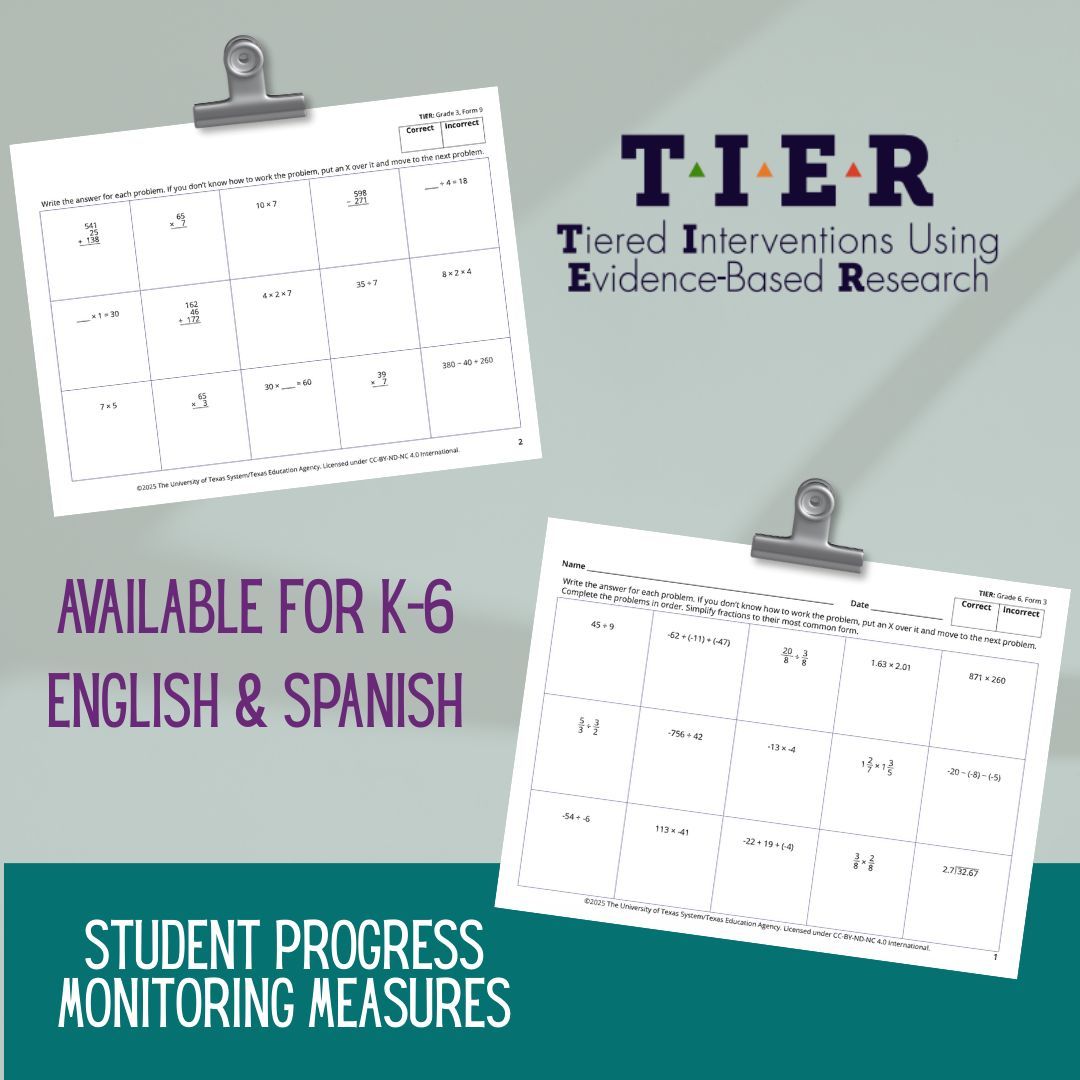
Need math progress monitoring measures? The TIER math measures are available across Grades K-6. And they are available in both English and Spanish. All FREE! spedsupport.tea.texas.gov/re…
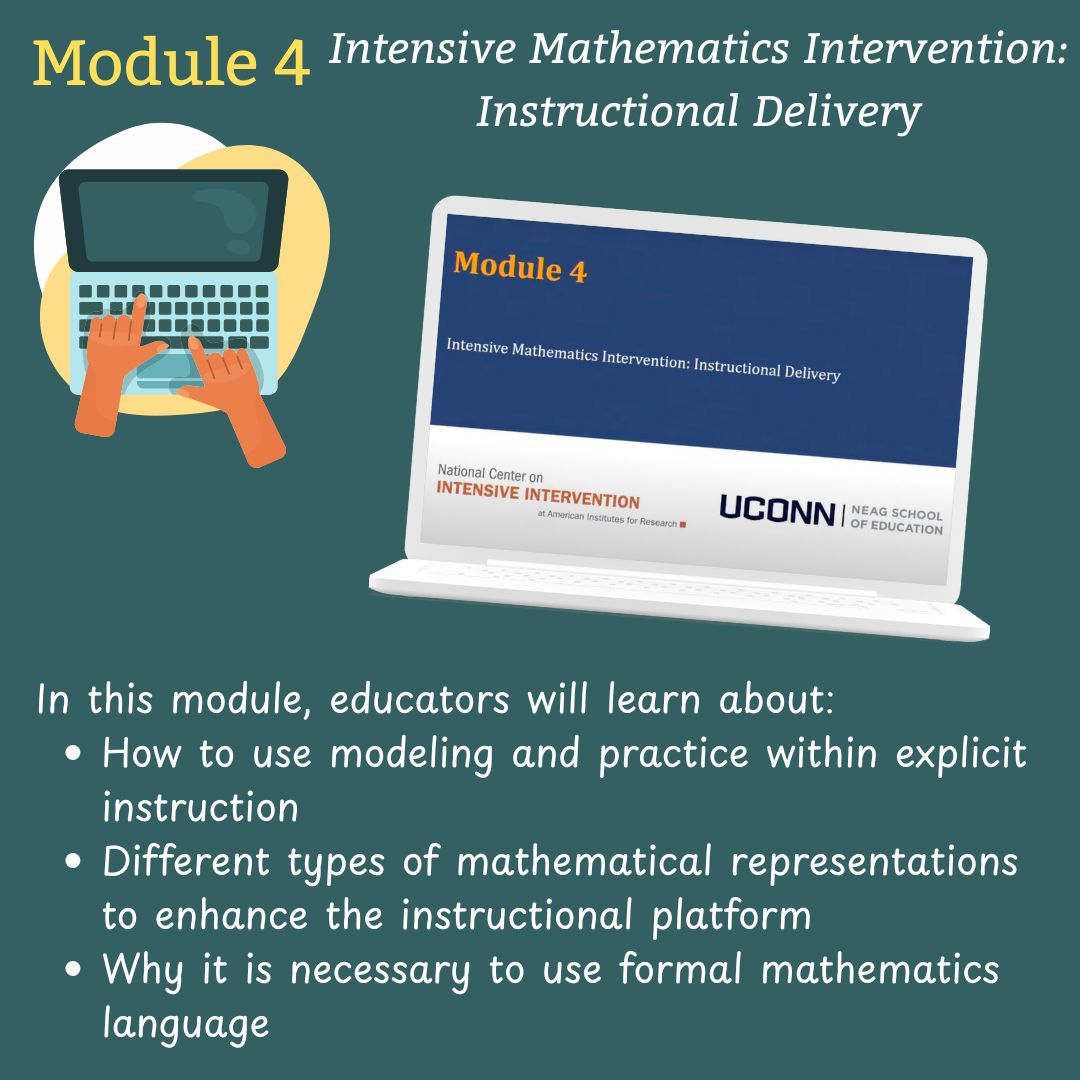
I had the honor to develop this FREE math course about math intervention for the NCII. Module 4 is one of my favorites! Here, we dig into explicit instruction, use of representations, and math language. intensiveintervention.org/in…
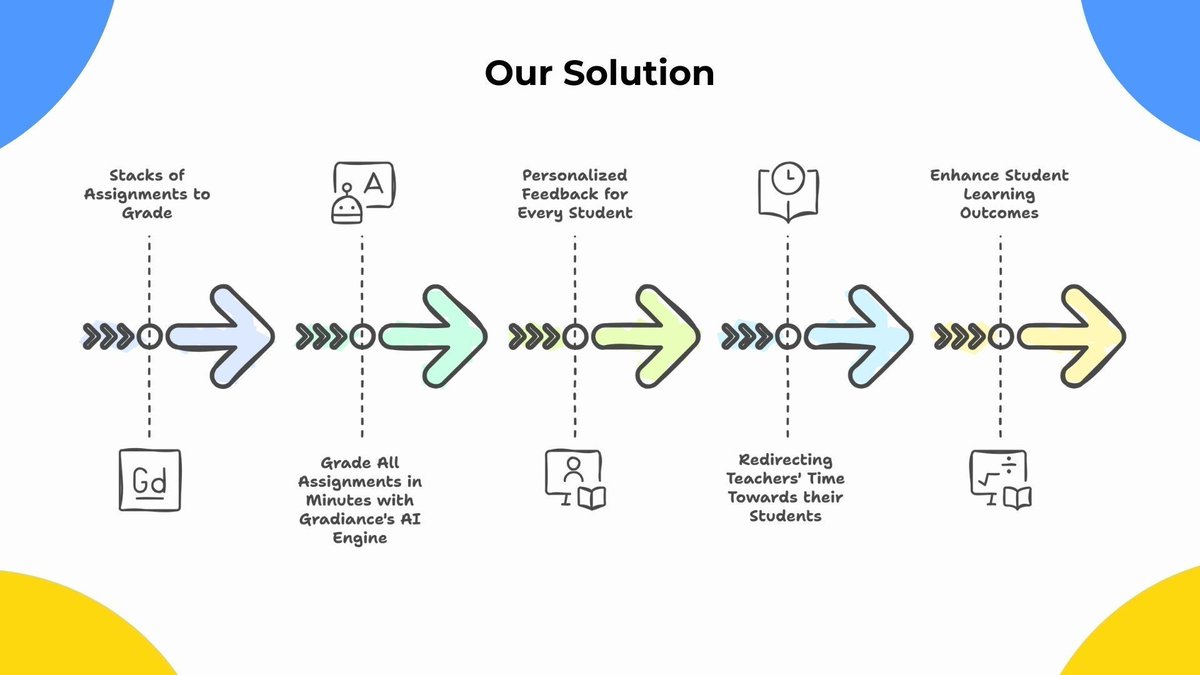
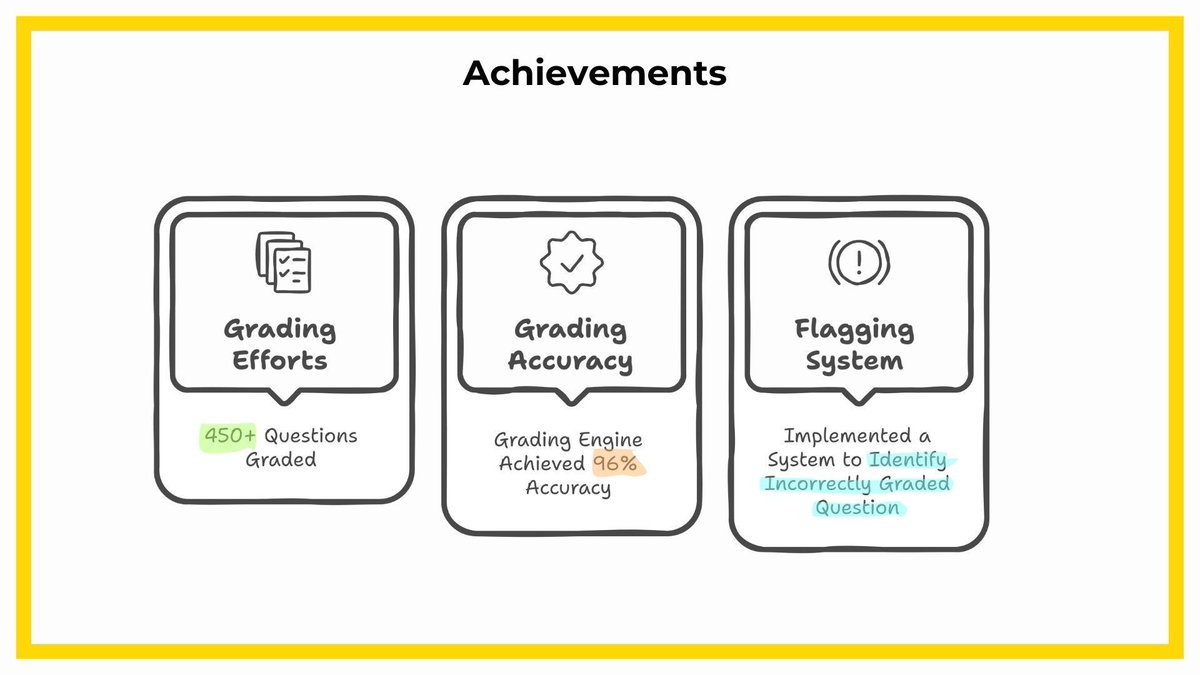
Do you teach middle or high school math? Interested this summer in doing some beta testing about using AI to help with your grading? Please reach out to these UT Austin students who are doing work in this area!
🎯 Speaking of definitions, fluency has a clear meaning—going back to Carl Binder.
Fluency is a combination of accuracy speed = true mastery! behavior.org/resources/214.p…
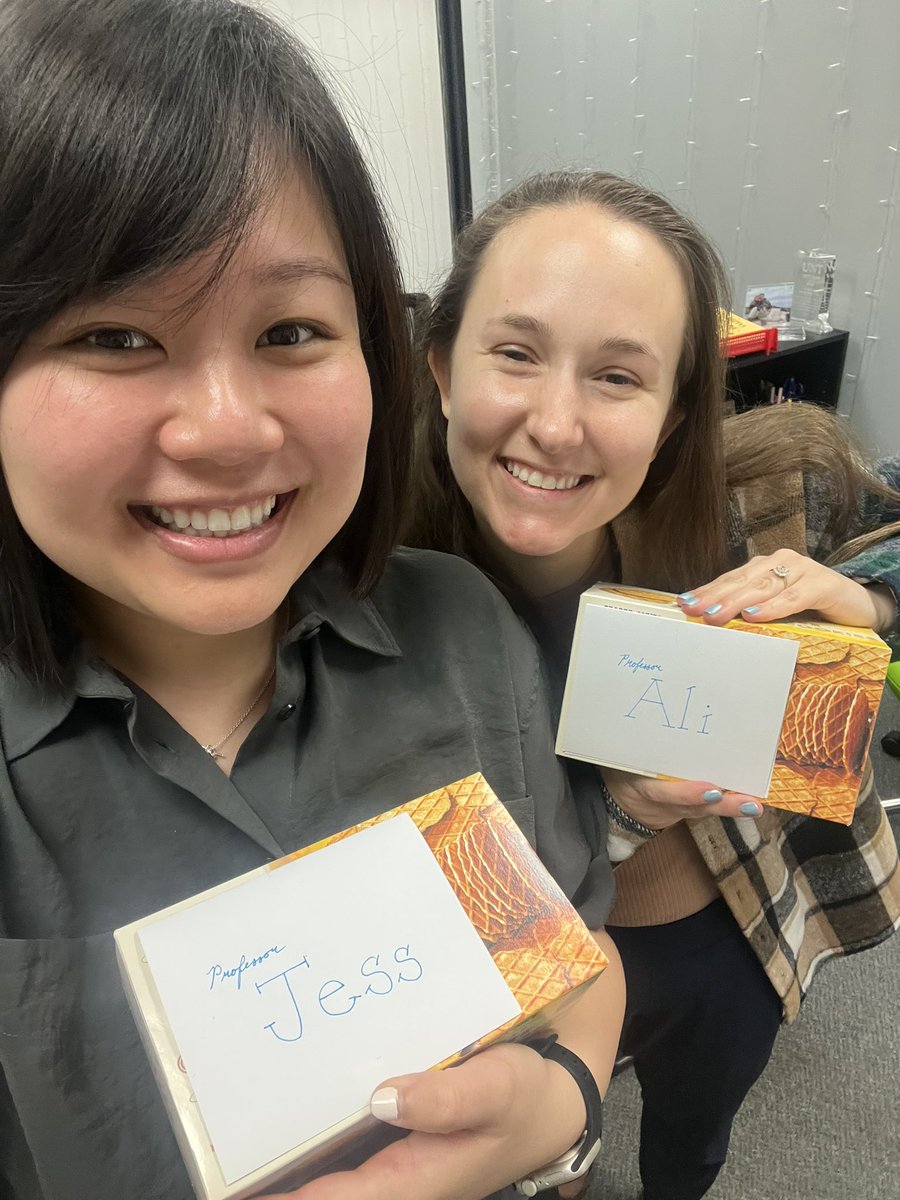
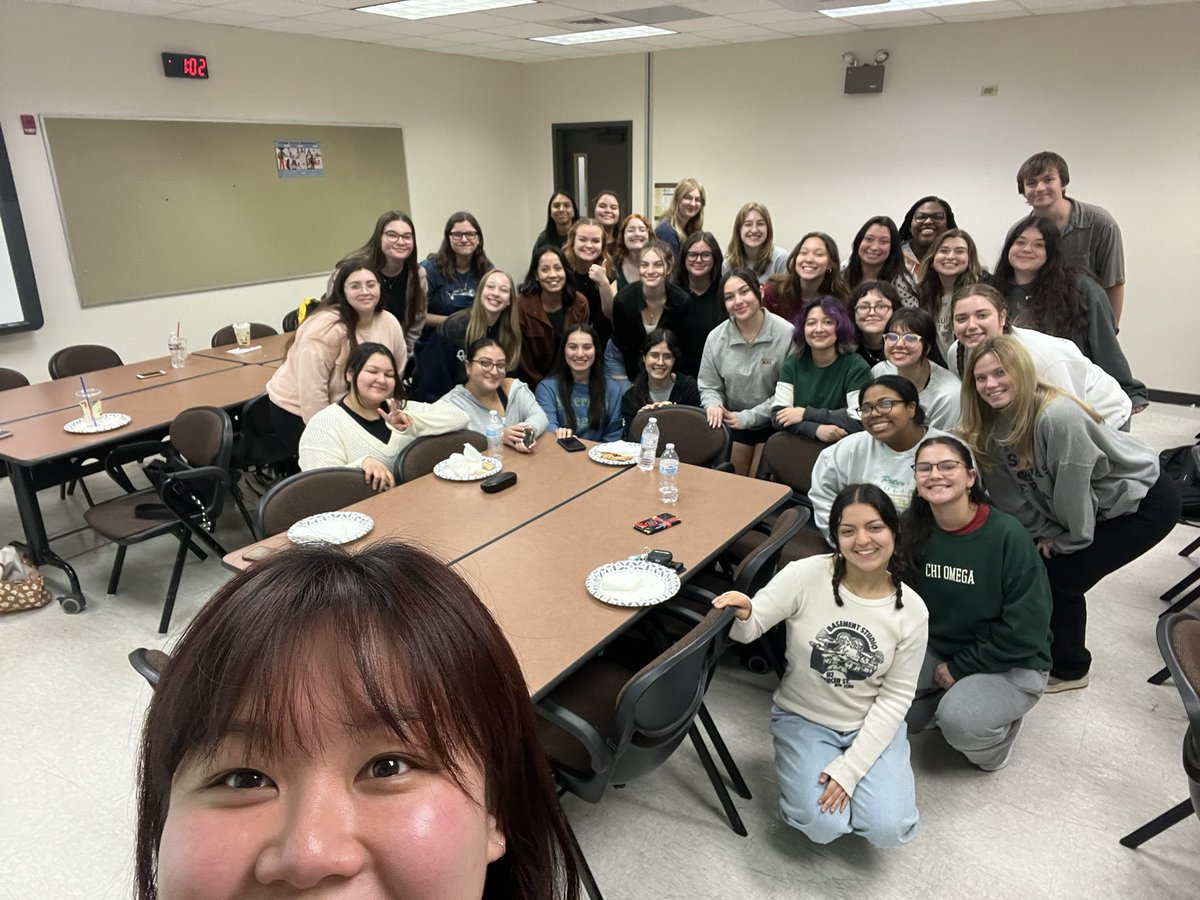
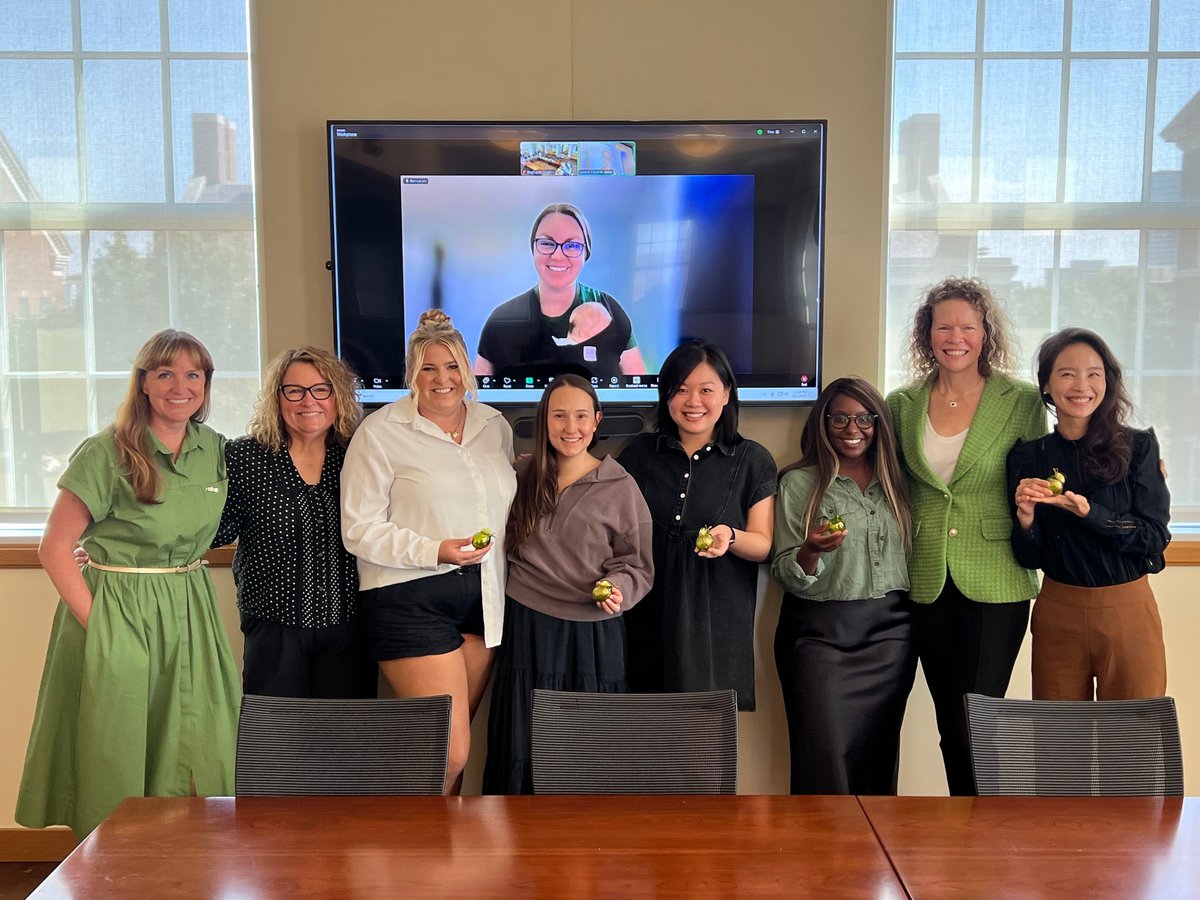
Finished out our first co-teaching of a math methods course on a super sweet note! Couldn’t have asked for a better co-instructor and class @MsHardy123
Now that the evidence-supported ed community has spurred legislation to do a field-wide re-training in literacy instruction, I can't help thinking that we'll see similar mandates on the math side in the near future.
@rastokke@rickhess99@tomloveless99
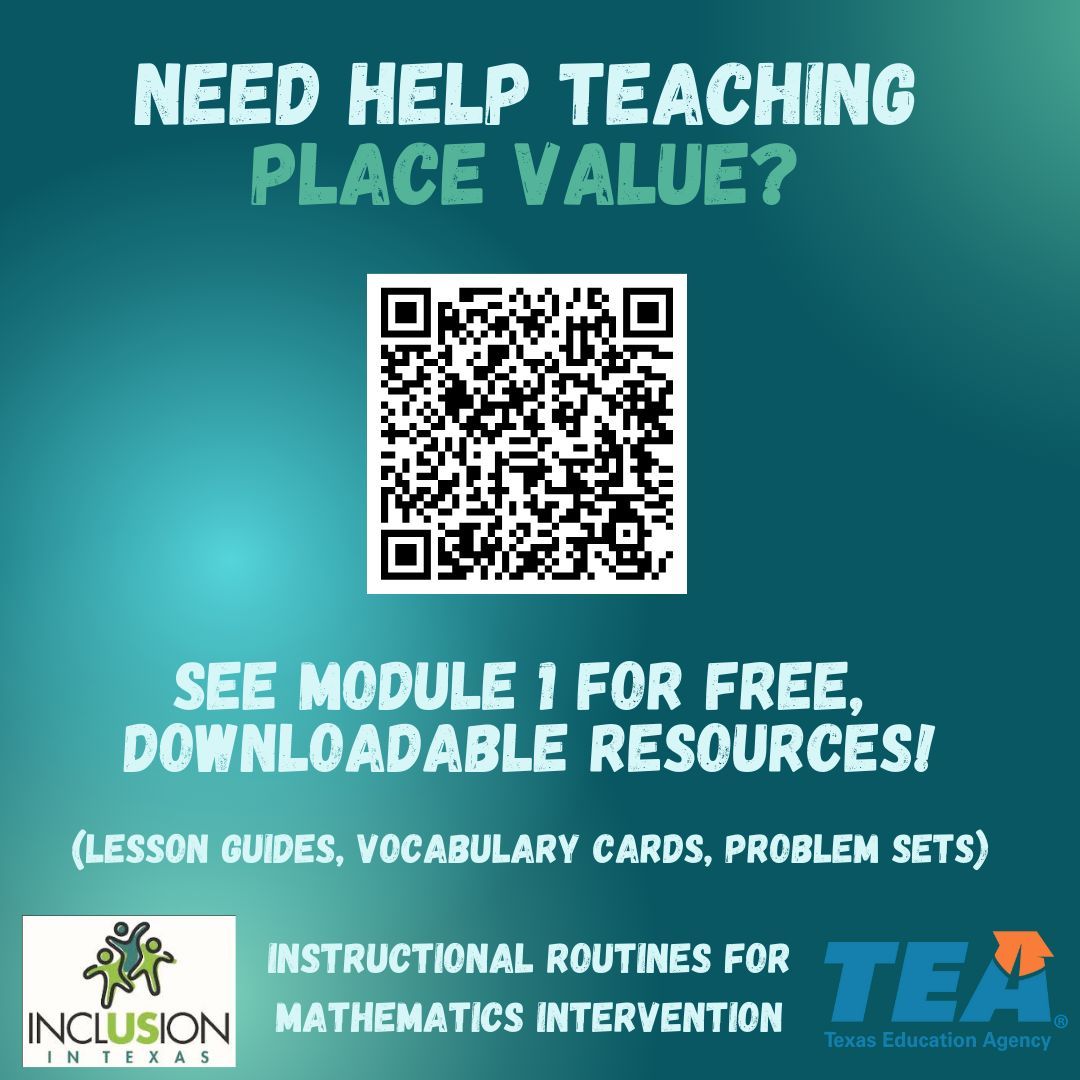
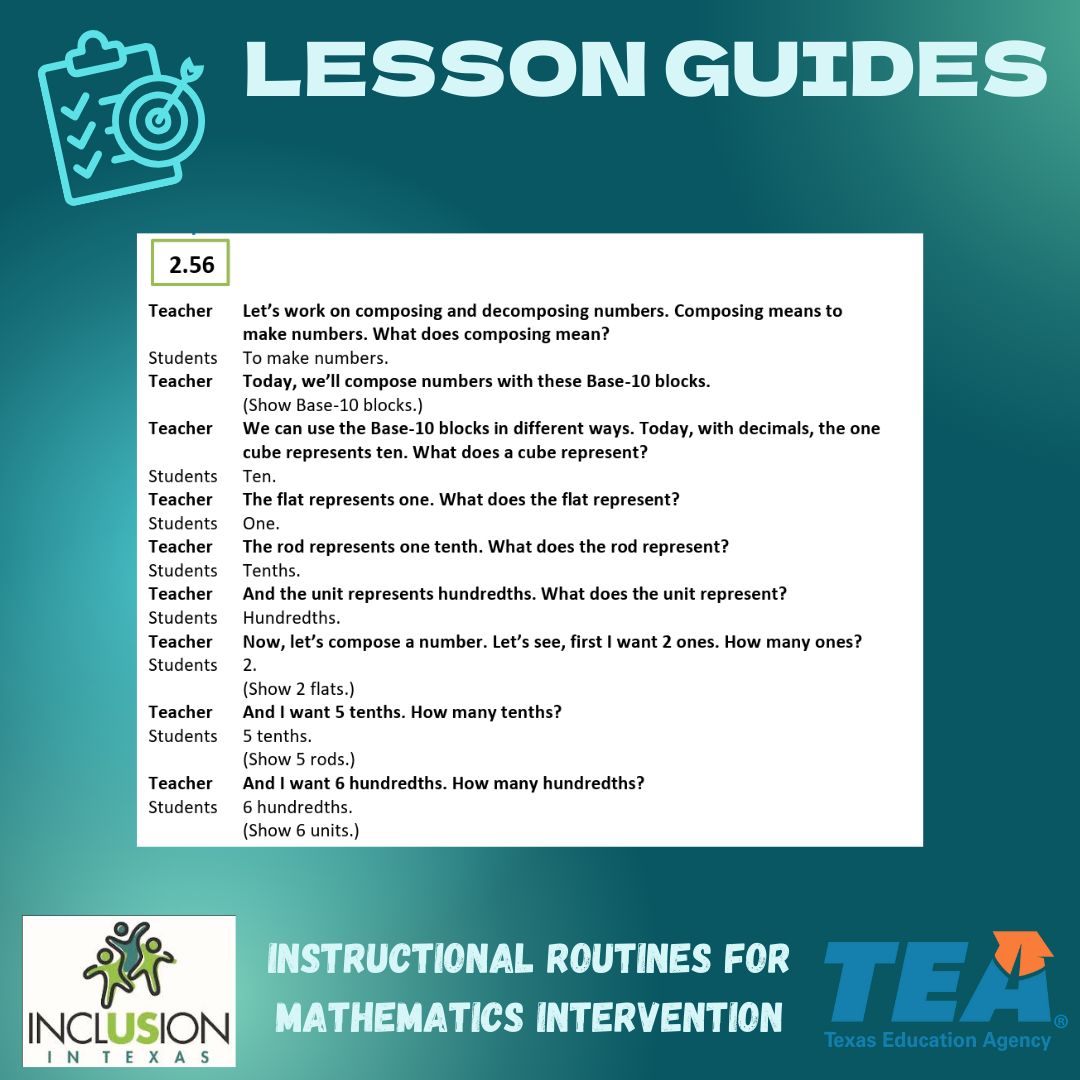
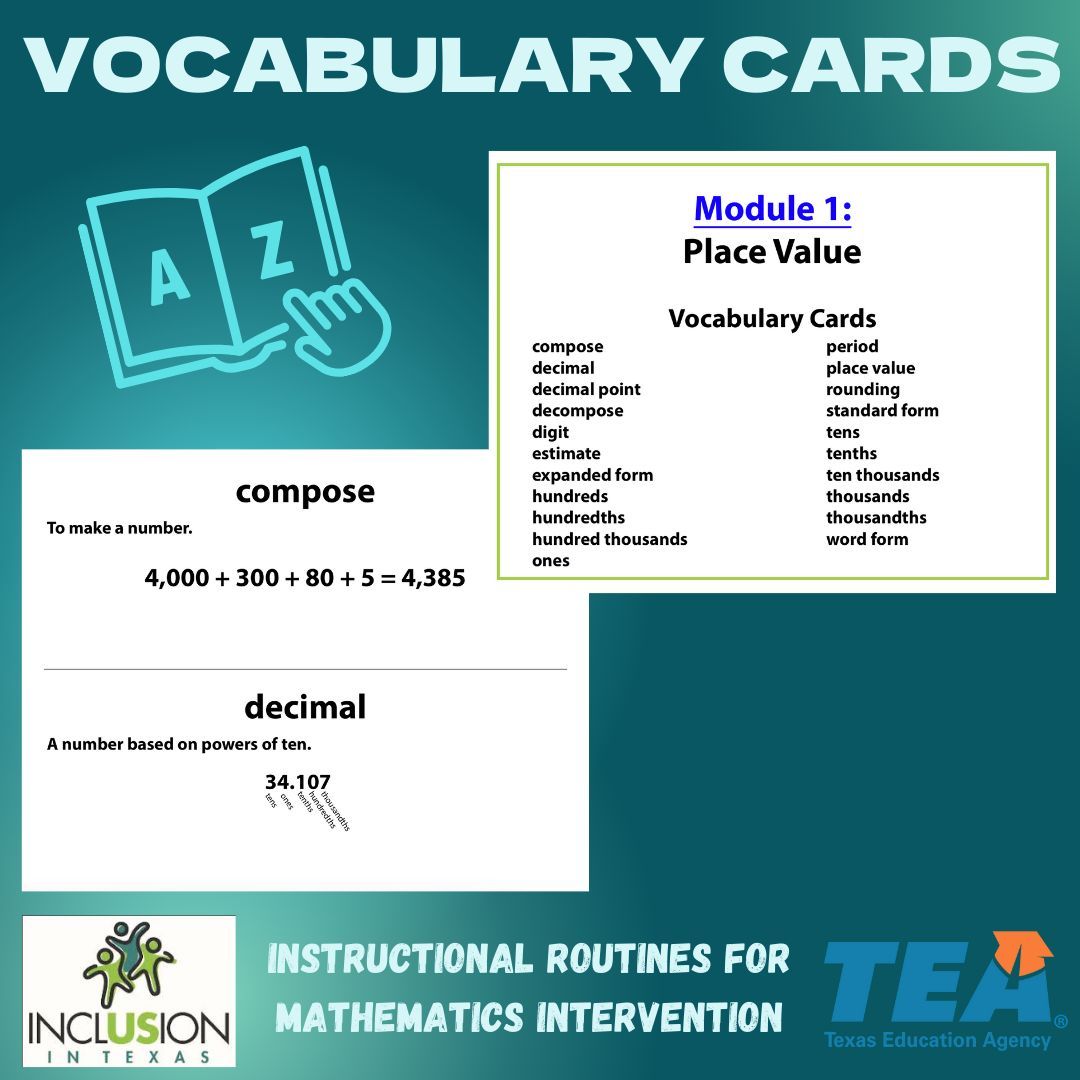
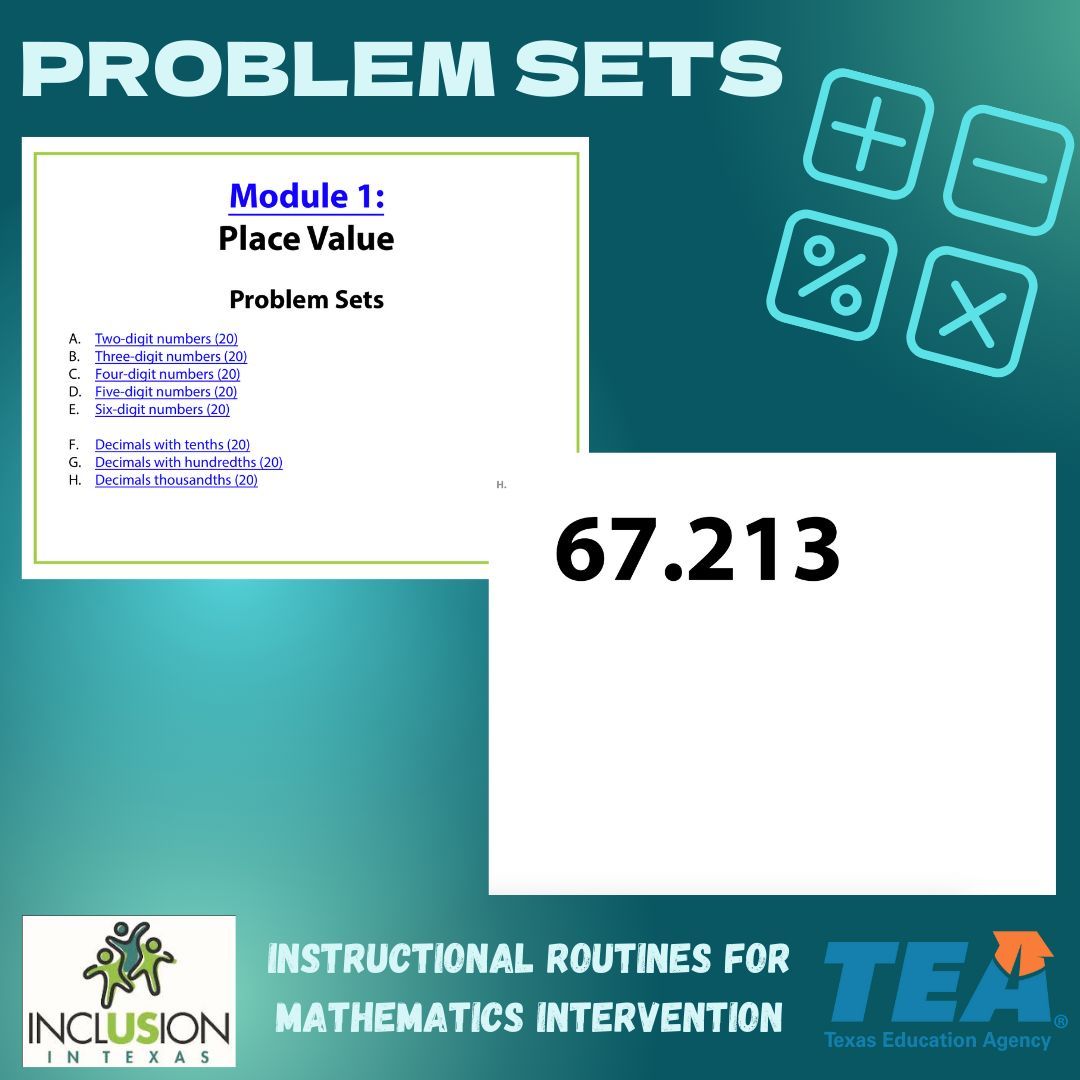
I had the opportunity to create 23 FREE and DOWNLOADABLE modules for the teaching of math. Over the next few months, I'll highlight these! First up, place value! Check out these lesson guides, problem sets, and vocabulary cards! buff.ly/4bkxpyQ
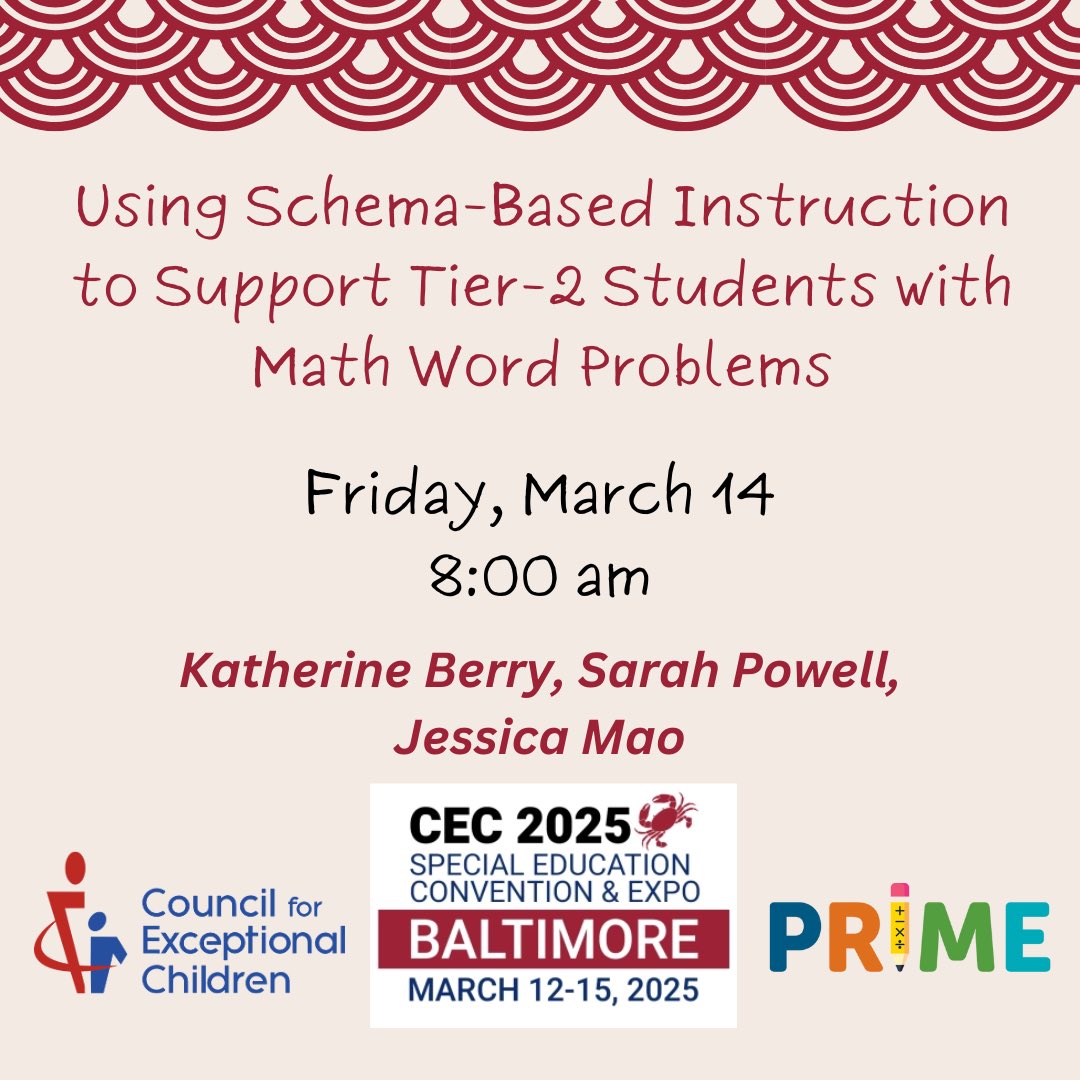
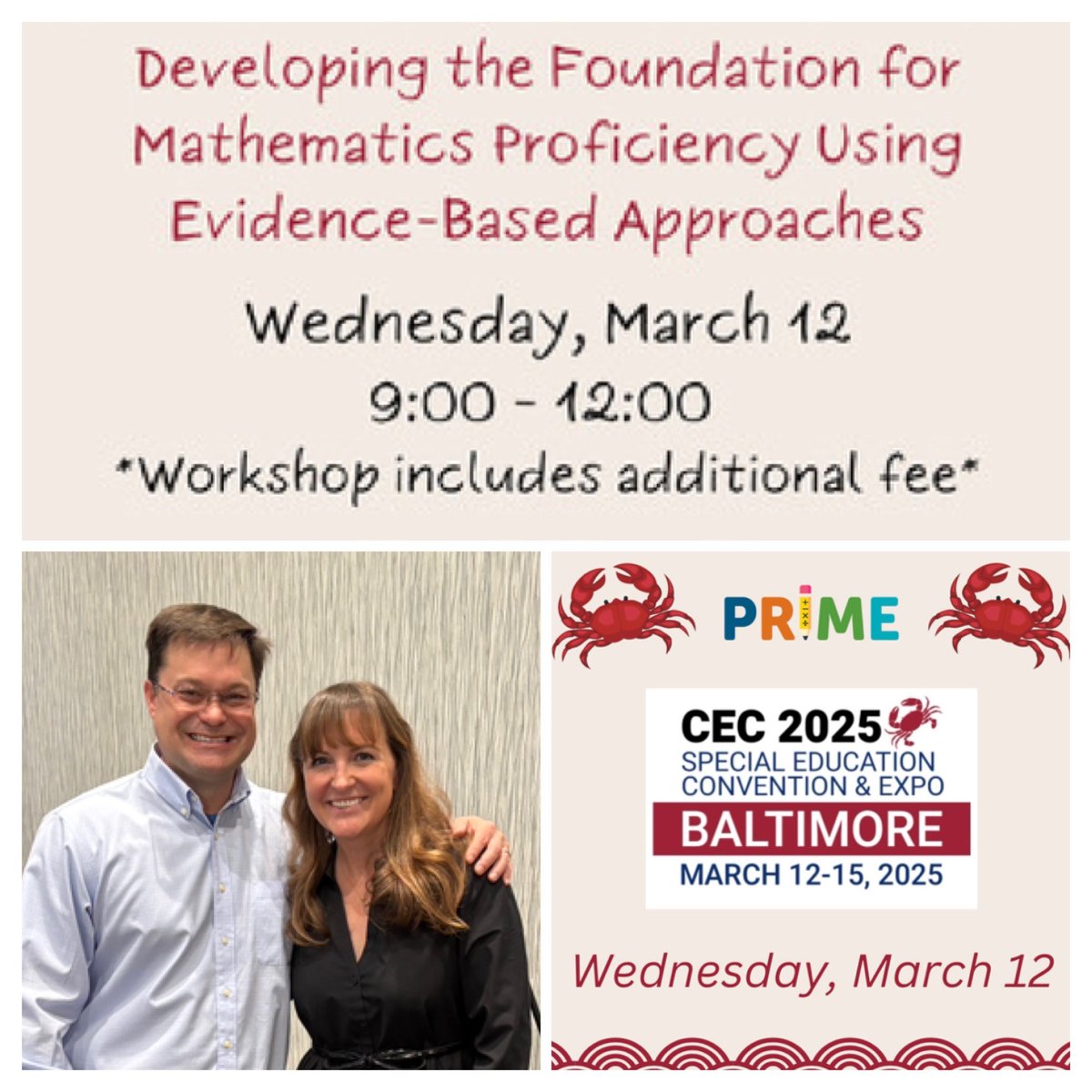
Two weeks from today. Join me and my colleague Brad Witzel for a 3-hour workshop at #CEC2025 from 9-12. We'll be talking #math and whole numbers, fractions, and word problems. You have to register for this before the conference: buff.ly/4gSADe9
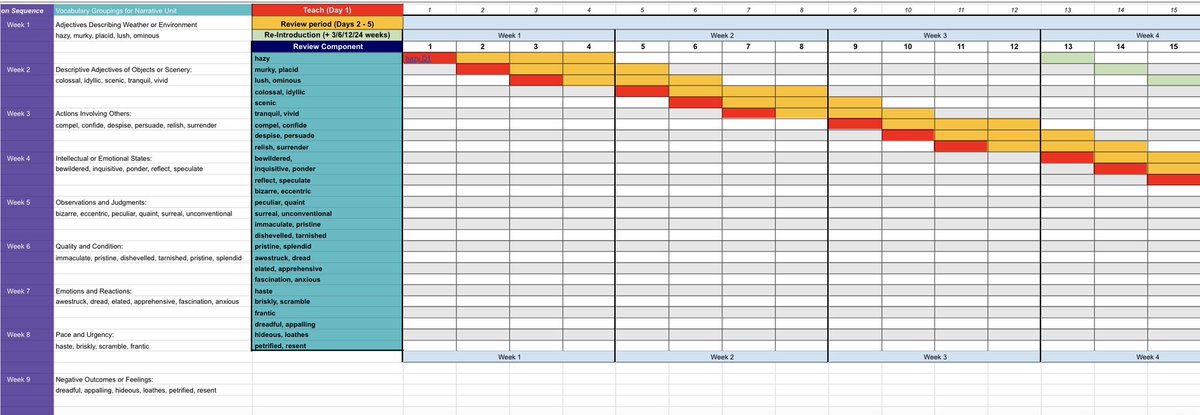
You can teach the best vocab lesson, but long-term retention comes from retrieval & spaced practice. I’ve adapted @OchreEducation daily review sheet using cogsci staples (spaced retrieval, interleaving) & also word grouping. Now, wouldn’t it be nice if AI could help plan this?
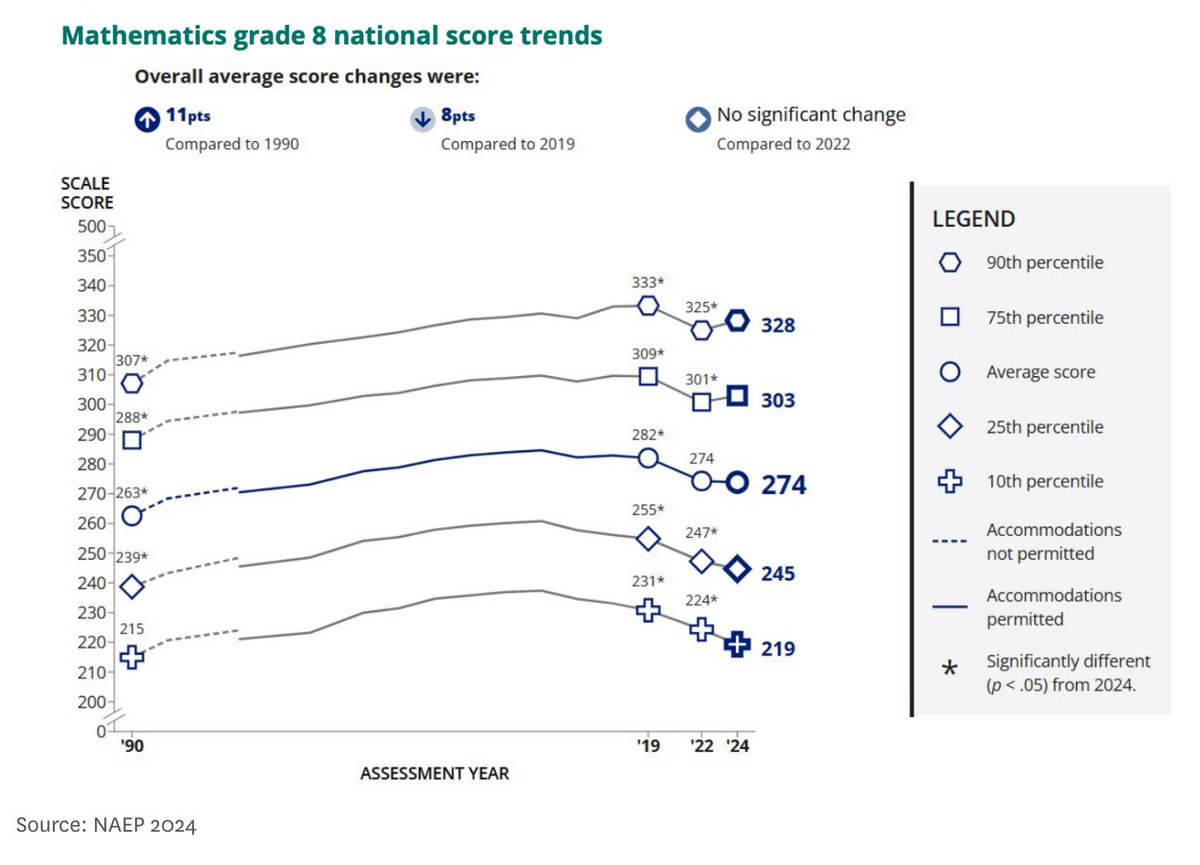
This chart encapsulates today's NAEP Score report. Only high achieving kids are making some catch up progress, the bottom is falling. Read my story: hechingerreport.org/naep-tes…
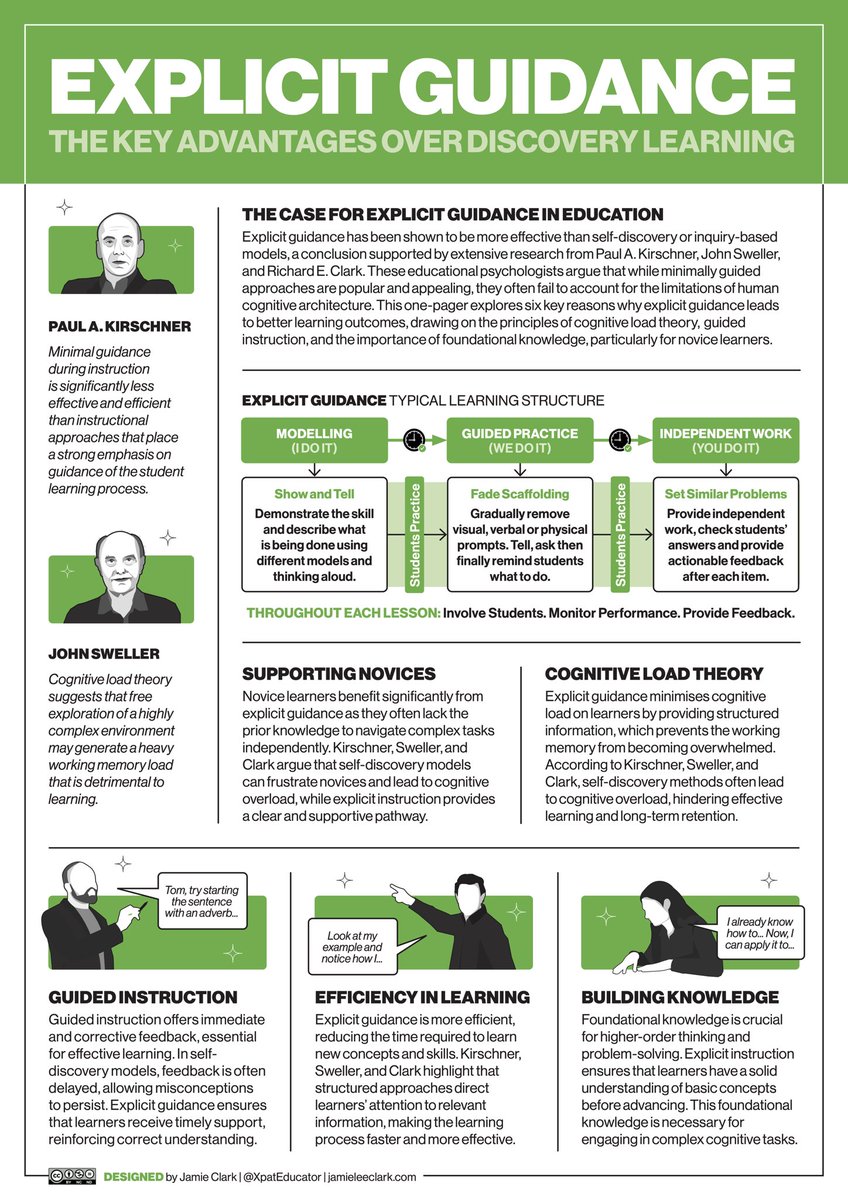
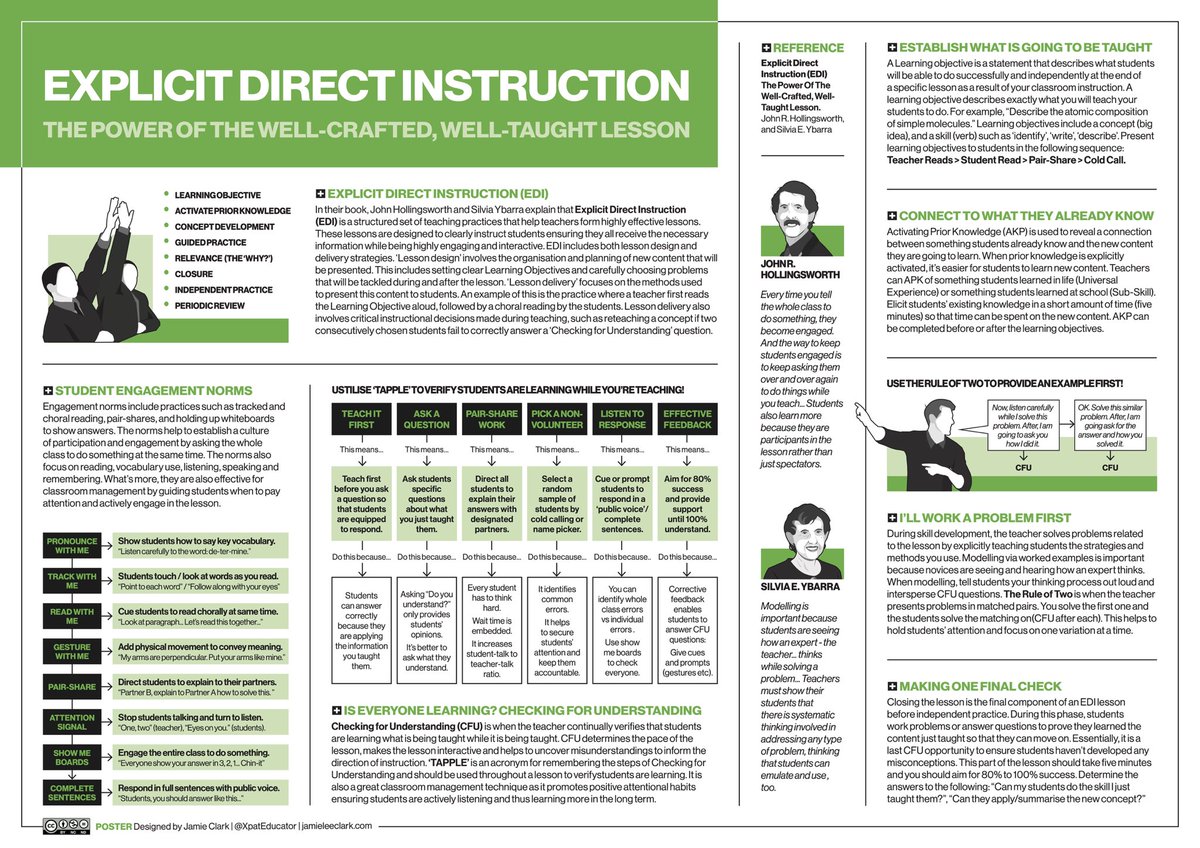
✅ EXPLICIT TEACHING! These one-pagers explore the main advantages of explicit guidance based on research from cognitive science and summarise how to carry out well-crafted lessons using Explicit Direct Instruction (EDI).
🌱 REPOST first and grab free HQ copies from my website: jamieleeclark.com/graphics
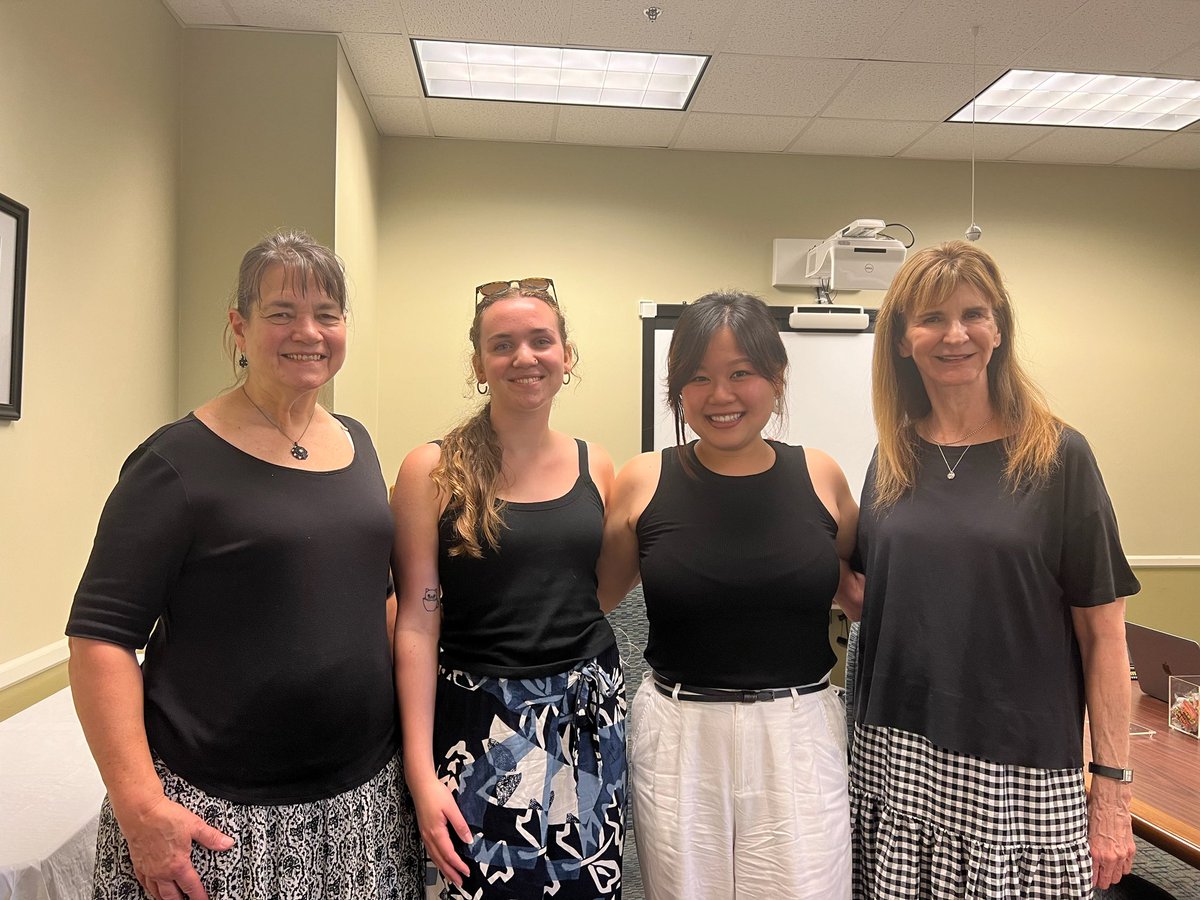
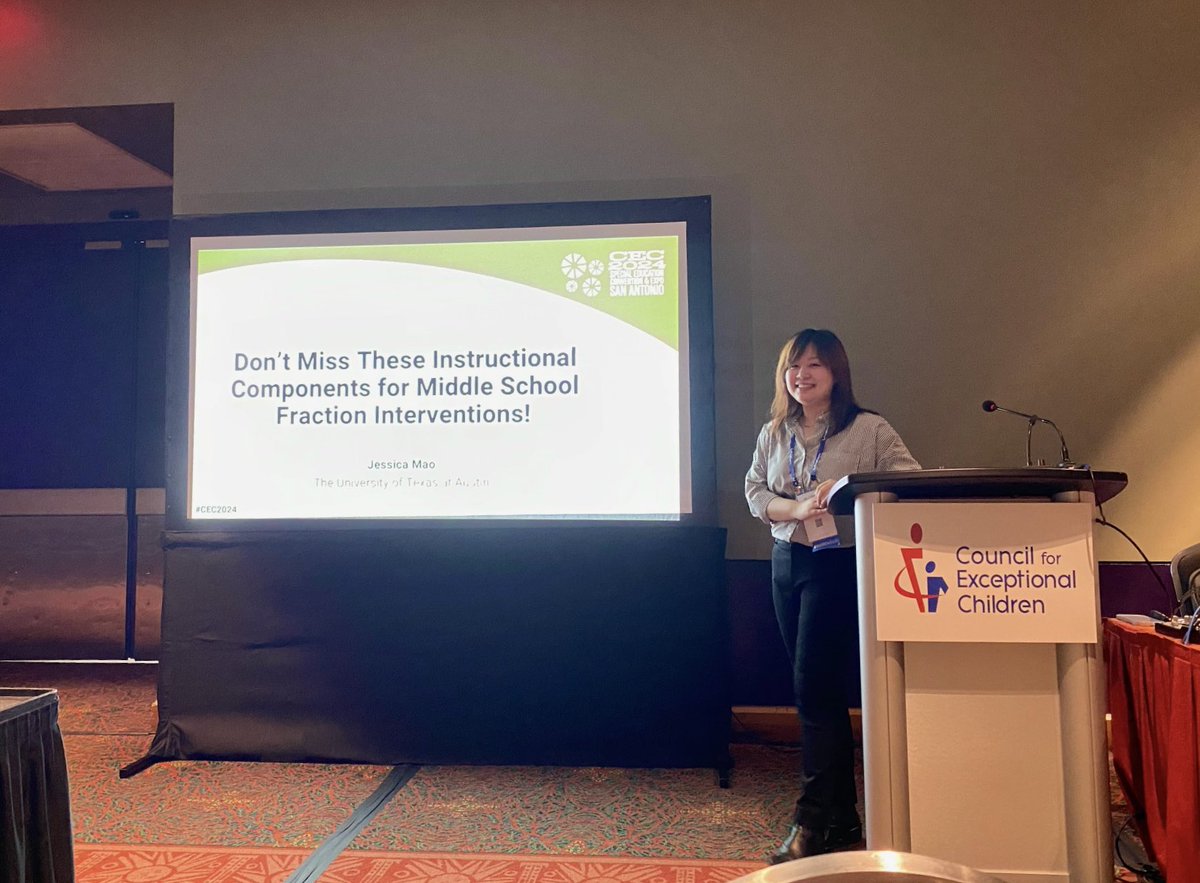
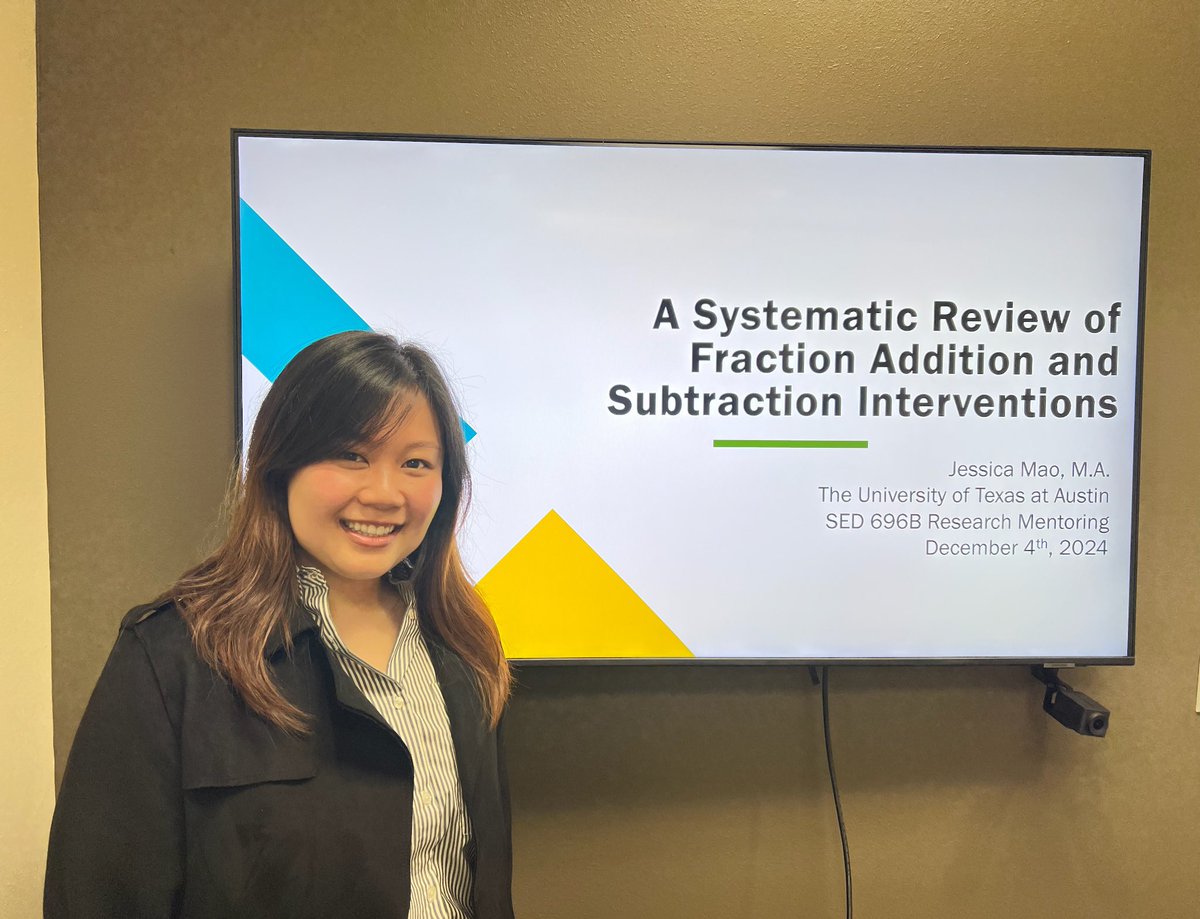
What a fabulous presentation by Jess Mao as she defended her synthesis on fraction addition and subtraction interventions! She determined authors used evidence-based practices, including systematic instruction, use of representations, and a focus on math language. @jessmao7