Joined April 2008
119 Photos and videos
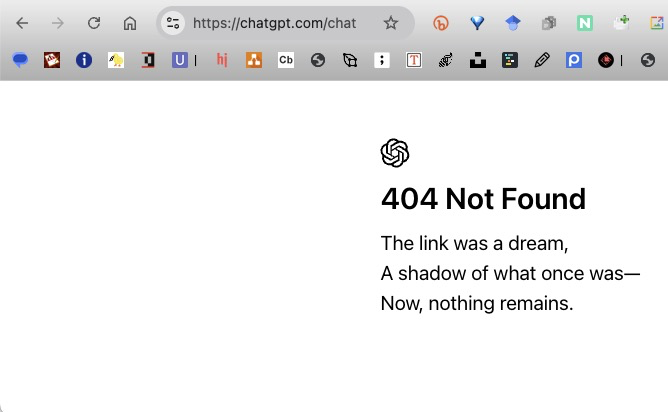
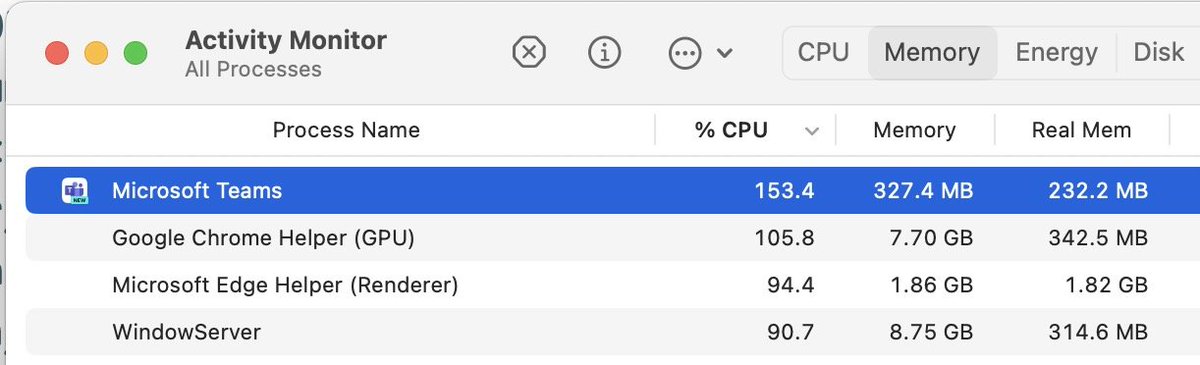
That's pretty much what I imagined it looking like.
Juggler juggling juggling jugglers.
1
48
jhemann retweeted
I've followed tech for 25 years and I've never felt a larger gap between the ~1 million people using Codex/Claude and the rest of humanity.
236
265
6,554
532,540
jhemann retweeted
my team is looking for MS/PhD research interns, who are interested to work in code generation
41
25
464
45,393
jhemann retweeted
A number of people are talking about implications of AI to schools. I spoke about some of my thoughts to a school board earlier, some highlights: 1. You will never be able to detect the use of AI in homework. Full stop. All "detectors" of AI imo don't really work, can be defeated in various ways, and are in principle doomed to fail. You have to assume that any work done outside classroom has used AI. 2. Therefore, the majority of grading has to shift to in-class work (instead of at-home assignments), in settings where teachers can physically monitor students. The students remain motivated to learn how to solve problems without AI because they know they will be evaluated without it in class later. 3. We want students to be able to use AI, it is here to stay and it is extremely powerful, but we also don't want students to be naked in the world without it. Using the calculator as an example of a historically disruptive technology, school teaches you how to do all the basic math & arithmetic so that you can in principle do it by hand, even if calculators are pervasive and greatly speed up work in practical settings. In addition, you understand what it's doing for you, so should it give you a wrong answer (e.g. you mistyped "prompt"), you should be able to notice it, gut check it, verify it in some other way, etc. The verification ability is especially important in the case of AI, which is presently a lot more fallible in a great variety of ways compared to calculators. 4. A lot of the evaluation settings remain at teacher's discretion and involve a creative design space of no tools, cheatsheets, open book, provided AI responses, direct internet/AI access, etc. TLDR the goal is that the students are proficient in the use of AI, but can also exist without it, and imo the only way to get there is to flip classes around and move the majority of testing to in class settings.
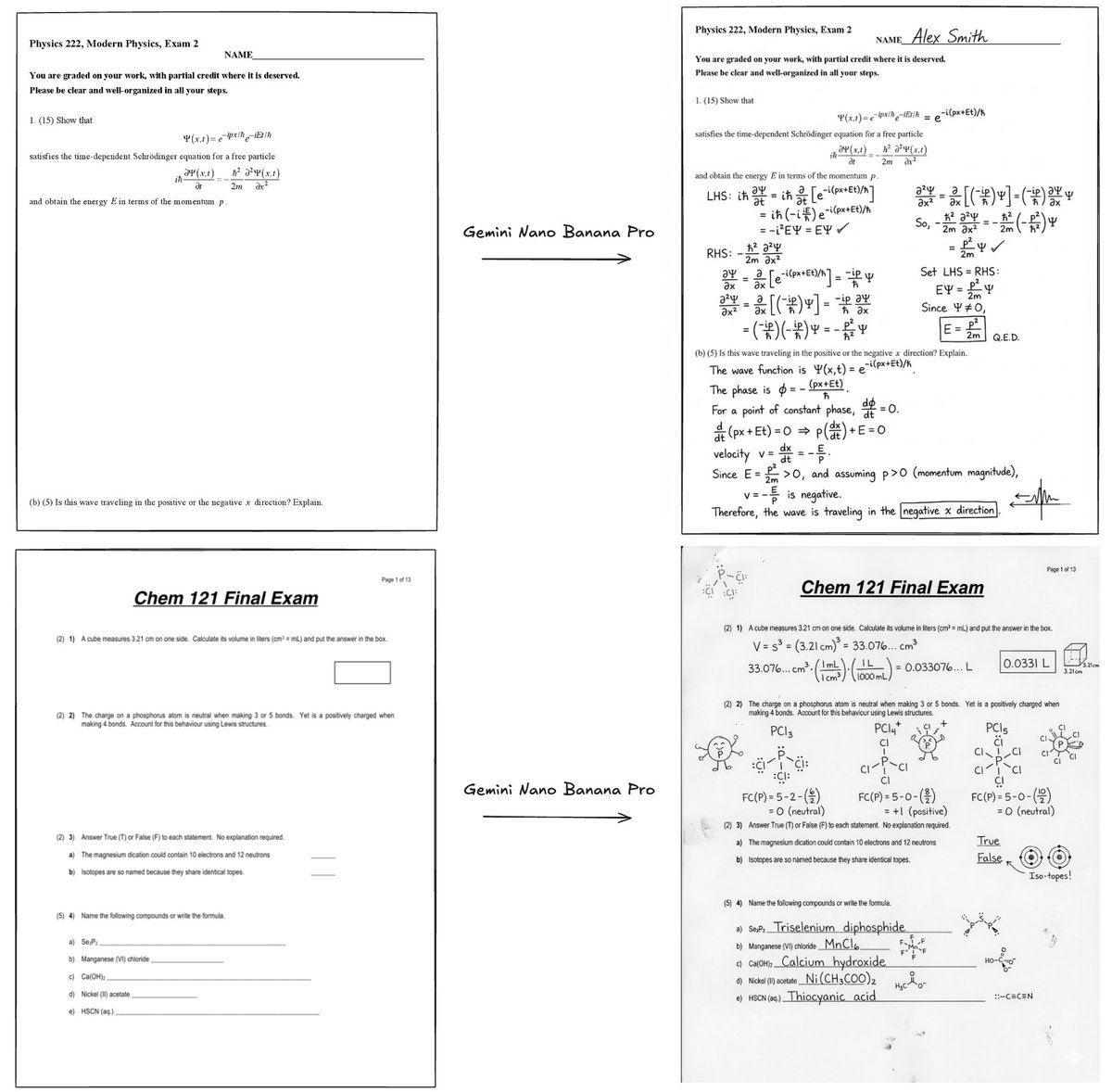
Gemini Nano Banana Pro can solve exam questions *in* the exam page image. With doodles, diagrams, all that. ChatGPT thinks these solutions are all correct except Se_2P_2 should be "diselenium diphosphide" and a spelling mistake (should be "thiocyanic acid" not "thoicyanic") :O

929
2,408
16,517
2,531,309
jhemann retweeted
Gemini Nano Banana Pro can solve exam questions *in* the exam page image. With doodles, diagrams, all that. ChatGPT thinks these solutions are all correct except Se_2P_2 should be "diselenium diphosphide" and a spelling mistake (should be "thiocyanic acid" not "thoicyanic") :O
324
934
8,823
3,006,872
Absolutely delighted to announce @RaeHaskell @KarineEvenMend1 Emily First Ben Hardekopf @lindsey @smarr Caleb Stanford have been chosen as Distinguished Reviewers for OOPSLA 2025. Over 100 dedicated reviewers, but they stood out even in that amazing group!
2
36
2,925
jhemann retweeted
14 Sep 2025
Replying to @bexcran
1
92
2,981
jhemann retweeted
15 Sep 2025
Too close to home? Junior researcher: I’m publishing papers at NeurIPS, my students are happy, but my chair says I’m “not impactful enough.” I don’t know what that means. Senior researcher: What did you tell them you accomplished last year? Junior: 3 top-tier papers, a new theoretical result on regret bounds, and an invited talk. Senior: And what did they hear? Junior: That I published 3 papers? Senior: They heard “I added to the publication count, but didn’t bring in grants or visibility for the department.” Junior: But regret bounds are impactful! Senior: To who? Junior: To… theorists? Senior: Your chair spends 20 minutes a month justifying your position to the dean. Can they use regret bounds to argue for funding? Junior: …probably not. Senior: What external metrics did your work move? Junior: One collaboration, one best paper award, and some citations. We don’t really track grant impact. Senior: There’s the problem. Half your contributions are invisible by design. Junior: But theory is necessary. The field would break without it. Senior: I believe you. The dean doesn’t care. Junior: That seems unfair. Senior: It is unfair. It’s also how academia works. Chairs get grilled on grants, rankings, and prestige, not the long-run stability of ML theory. Junior: So what should I do? Senior: Reframe. “Secured $500K in funding to explore foundational algorithms” sounds better than “proved a tighter regret bound.” Junior: But I don’t have that funding. Senior: Then you’re fighting academic reality without weapons. Junior: I don’t have time to write grants and still publish. Senior: Most junior faculty don’t. That’s the trap — you get judged on impact but don’t get impact resources. Junior: So what do I do? Senior: Acknowledge the game is rigged, then play it anyway. Junior: Meaning? Senior: Build collaborations that attract funding. Tie your theory to hot applied areas. Translate your results into language deans understand. Junior: That feels political. Senior: Everything above a certain level is political. The choice isn’t political vs pure. It’s visible vs irrelevant. Junior: What if my chair still doesn’t care? Senior: Then you’ve learned your chair doesn’t know how to evaluate theory. That’s a different problem — one you solve by finding a better environment. Junior: This is harder than just proving good theorems. Senior: Proving good theorems is table stakes. Surviving academia while proving good theorems — that’s the actual job.
Junior PM: I'm shipping everything on time, team loves me, but my manager says I'm "not strategic enough." I'm exhausted trying to figure out what that means. Senior PM: What did you tell him you accomplished last quarter? Junior PM: Delivered 5 features, reduced tech debt, improved team velocity by 15%. Senior PM: And what did he hear? Junior PM: That I delivered 5 features? Senior PM: He heard "I kept the team busy with stuff that doesn't move numbers I get asked about." Junior PM: But velocity improvement is strategic. Senior PM: To who? Junior PM: To... the team? Senior PM: Your manager spends 20 minutes a week with his director explaining why you exist. Can he use velocity to justify your headcount? Junior PM: I... probably not. Senior PM: What business metrics did those 5 features move? Junior PM: Three were tech debt, one was a sales request, one was compliance. We don't really measure impact on that stuff. Senior PM: There's your problem. Half your work is invisible by design. Junior PM: But that work was necessary. The platform would break without it. Senior PM: I believe you. Your manager's director doesn't care. Junior PM: That seems unfair. Senior PM: It is unfair. It's also how companies work. Your manager gets grilled about revenue and retention, not platform stability. Junior PM: So I should have said no to the tech debt? Senior PM: You probably couldn't. But you should have framed it differently. Junior PM: How? Senior PM: "Prevented $200K in potential downtime costs" sounds better than "reduced tech debt." Junior PM: But I don't have that number. Senior PM: Then you're fighting organizational reality without weapons. Junior PM: I don't have analytics support or time to instrument everything. Senior PM: Most junior PMs don't. That's the trap - you get judged on business impact but don't get business resources. Junior PM: So what do I do? Senior PM: Acknowledge the game is rigged, then play it anyway. Junior PM: Meaning? Senior PM: Make allies in sales and marketing. They have the numbers you need. Shadow customer calls. Connect your work to their goals. Junior PM: That feels political. Senior PM: Everything above a certain level is political. The choice isn't political vs pure. It's visible vs irrelevant. Junior PM: What if I try this and my manager still doesn't care? Senior PM: Then you learn your manager doesn't know how to evaluate PM work. That's a different problem - one you solve by finding a better manager. Junior PM: This is harder than just building good products. Senior PM: Building good products is table stakes. Surviving organizational dysfunction while building good products - that's the actual job.
21
72
1,096
161,162
jhemann retweeted
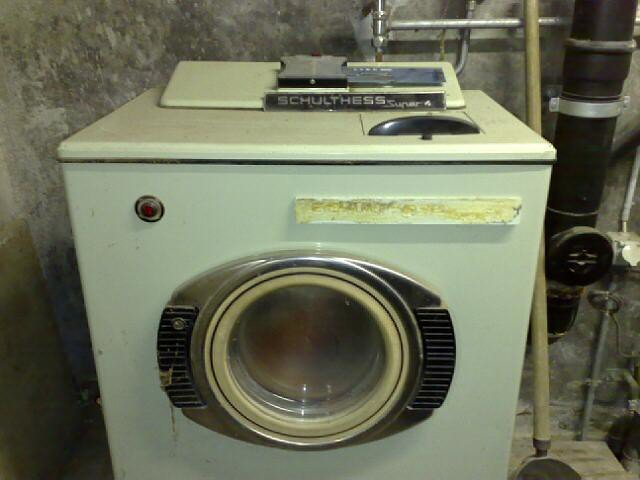
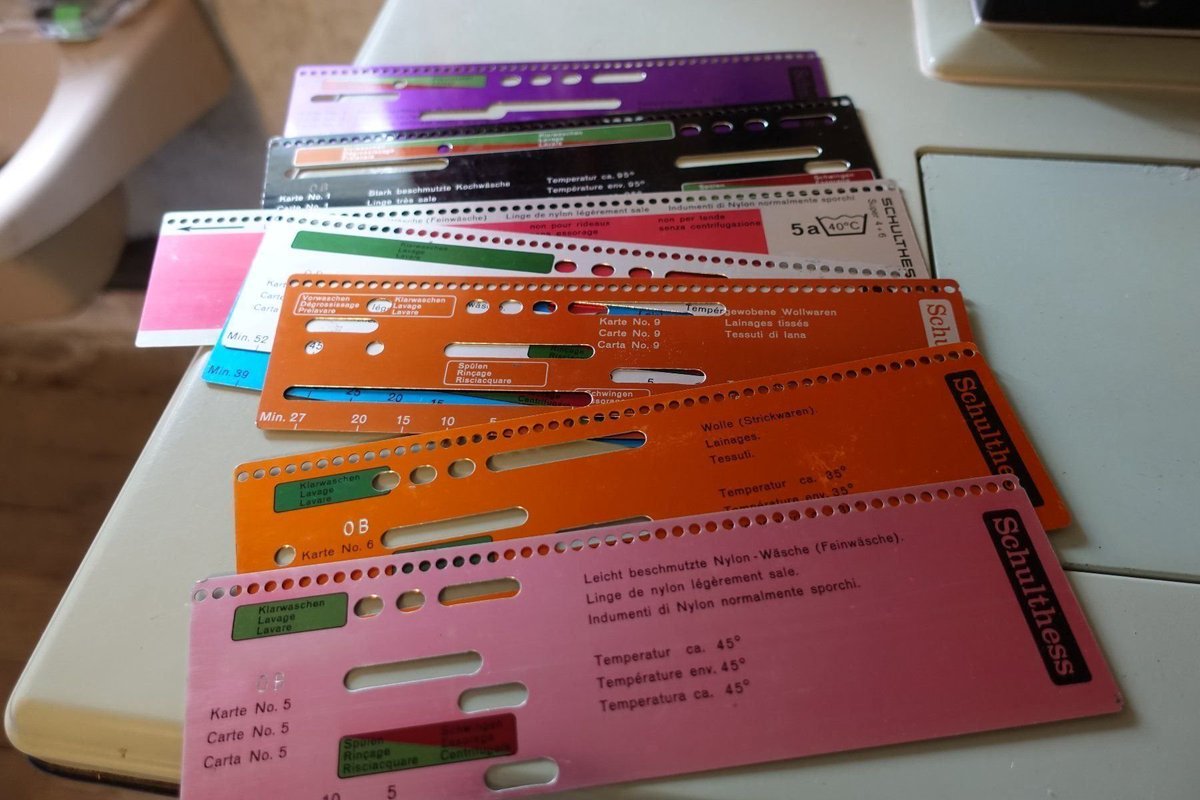
14. A fascinating vintage Swiss washing machine that uses punch cards to program the wash cycle
15
87
2,713
179,245
jhemann retweeted
21 Apr 2025
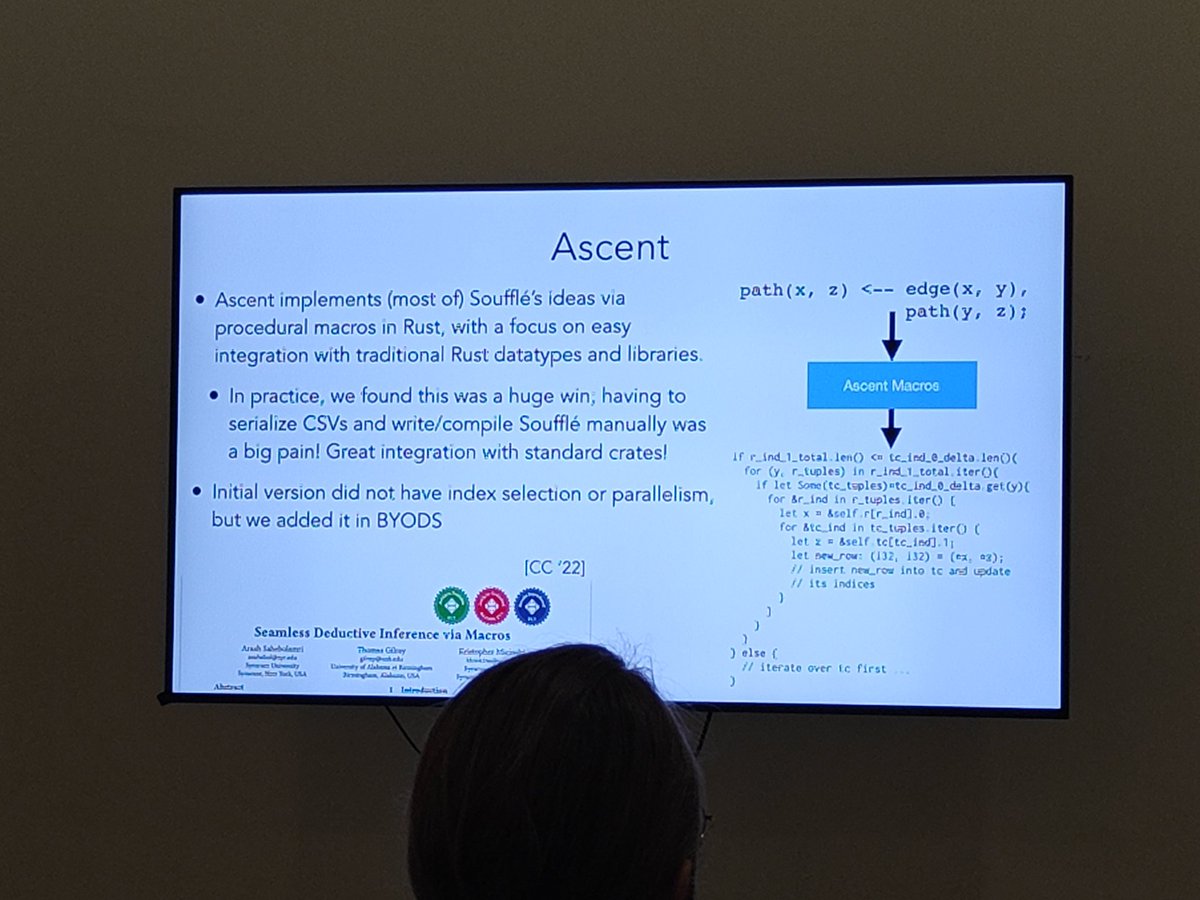
Lambda-join, a new streaming functional language [1], implemented using minikanren's search strategy(!), in 3 variations: gist.github.com/rntz/9f07852… [1] "Functional Meaning for Parallel Streaming" Nick Rioux & Steve Zdancewic PLDI 2025 arxiv.org/abs/2504.02975

1
7
35
1,726
15 Apr 2025
As @DrMarkCLewis probably says nowadays, "Hours of vibe coding can save minutes of thinking."
1
1
128
6 Dec 2024
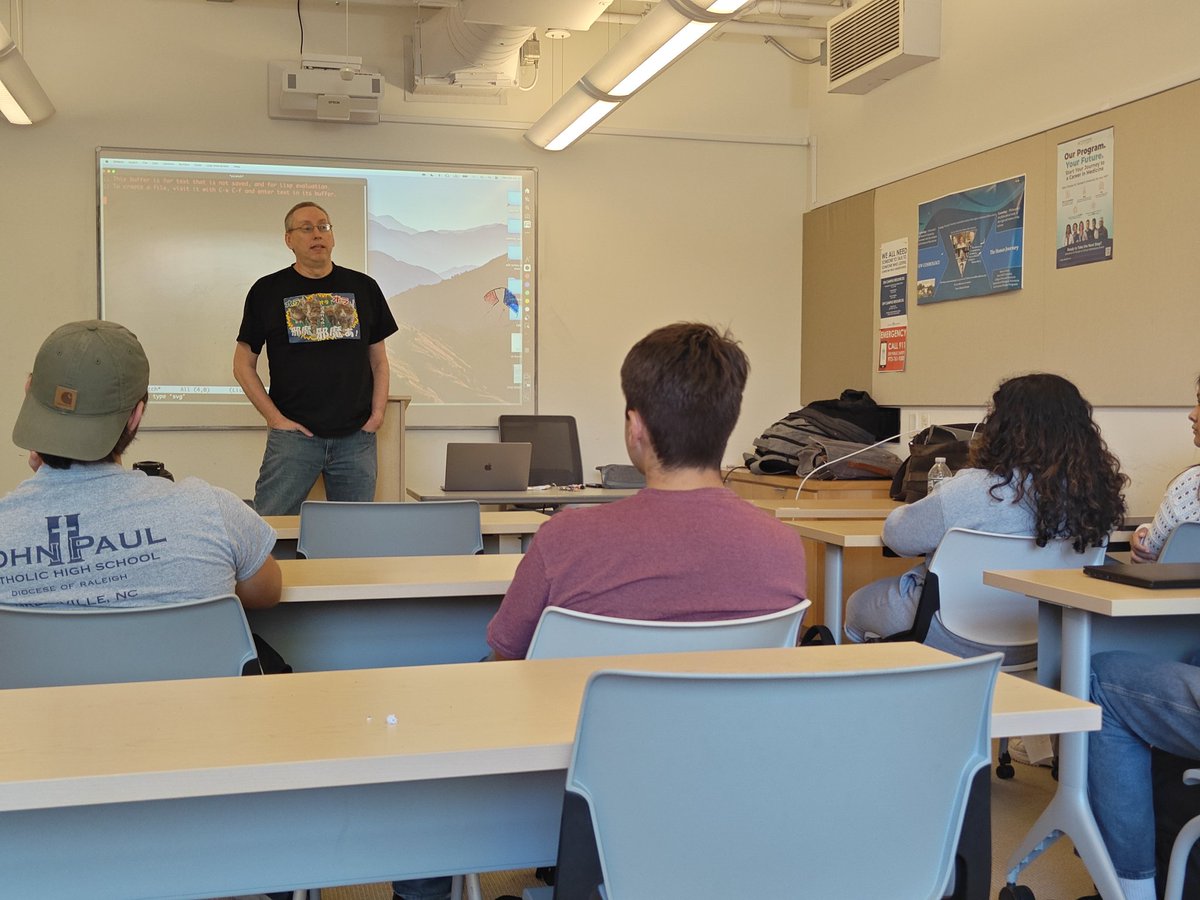
A whole bevy of @SetonHall students and alumni hacking during the break at NJPLS. Fodder for talks at the next one!
2
3
428
jhemann retweeted
Replying to @lastland0
Personally experienced and heard: - Bloomberg - AWS - MSR - Galois - Trail of Bits - A small number of teams at Meta and Google
1
1
10
718
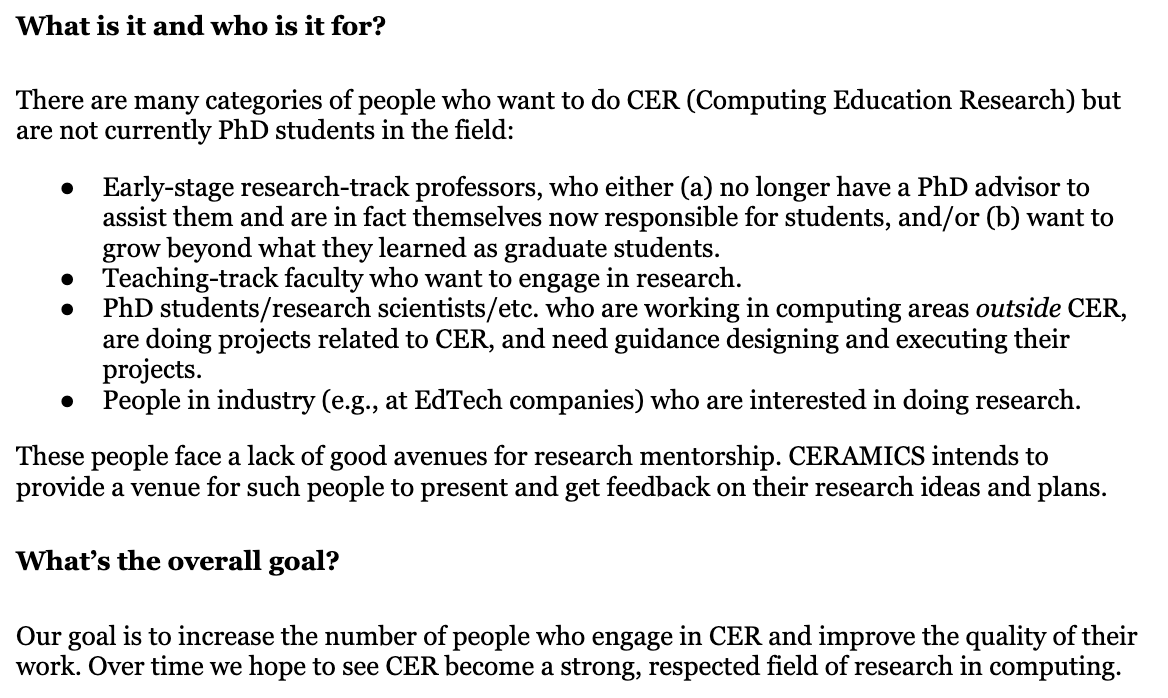
Computing education by non-CS Ed folks: Ben Shapiro (the good one) and I are ready for the second run of CERAMICS (Computing Education Research Advancing Methods for Curricula and Systems). Please see and share the FAQ app link: docs.google.com/document/d/e…
2
10
59
5,460
12 Nov 2024
If you all are jumping ship, I'm down to leave.
2
141
12 Nov 2024
Tee hee.
113