
Helping your team Make Legacy Code More Testable™️ with Refactoring and Testable Architecture. Java, Spring, & TDD. he/him. mastodon: @jitterted@sfba.social
Joined September 2008
- Tweets 27,124
- Following 4,560
- Followers 4,293
- Likes 42,378
436 Photos and videos
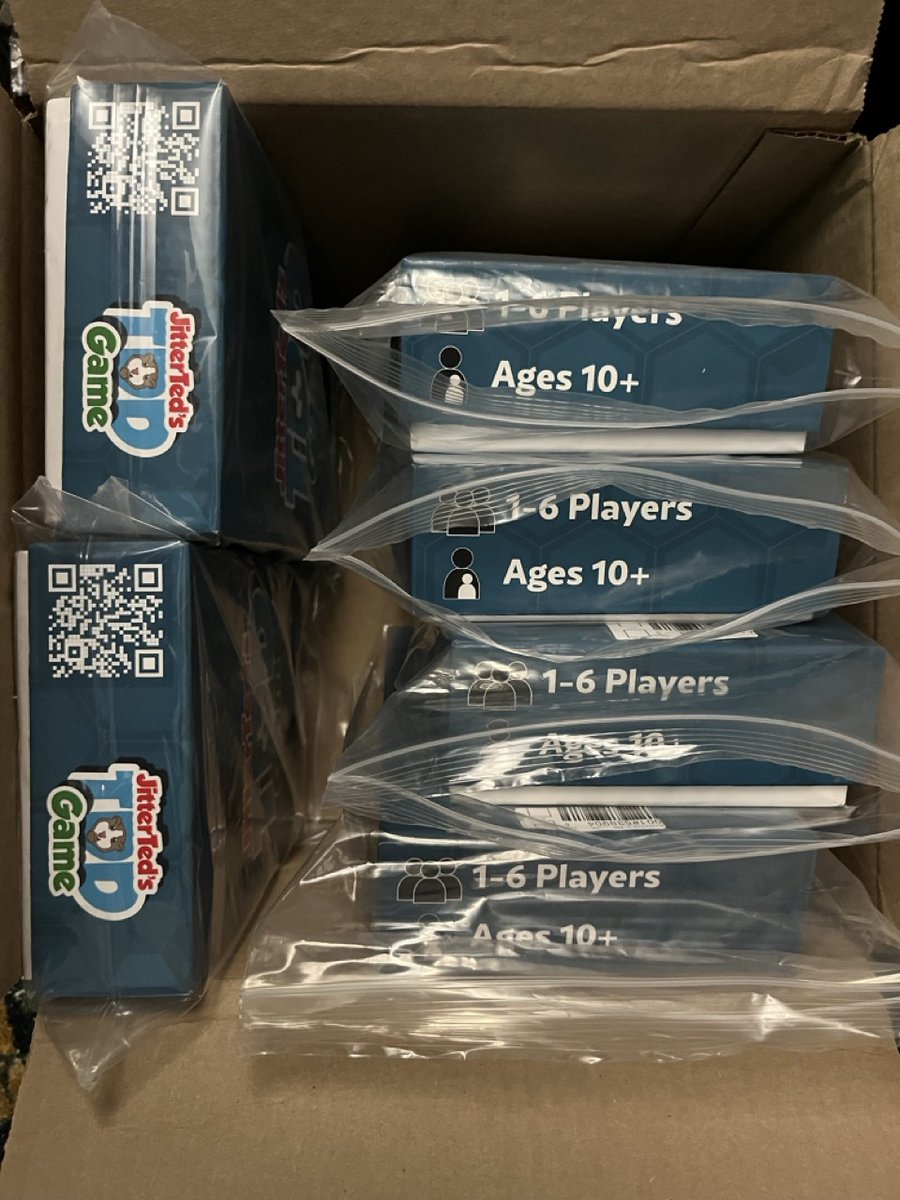


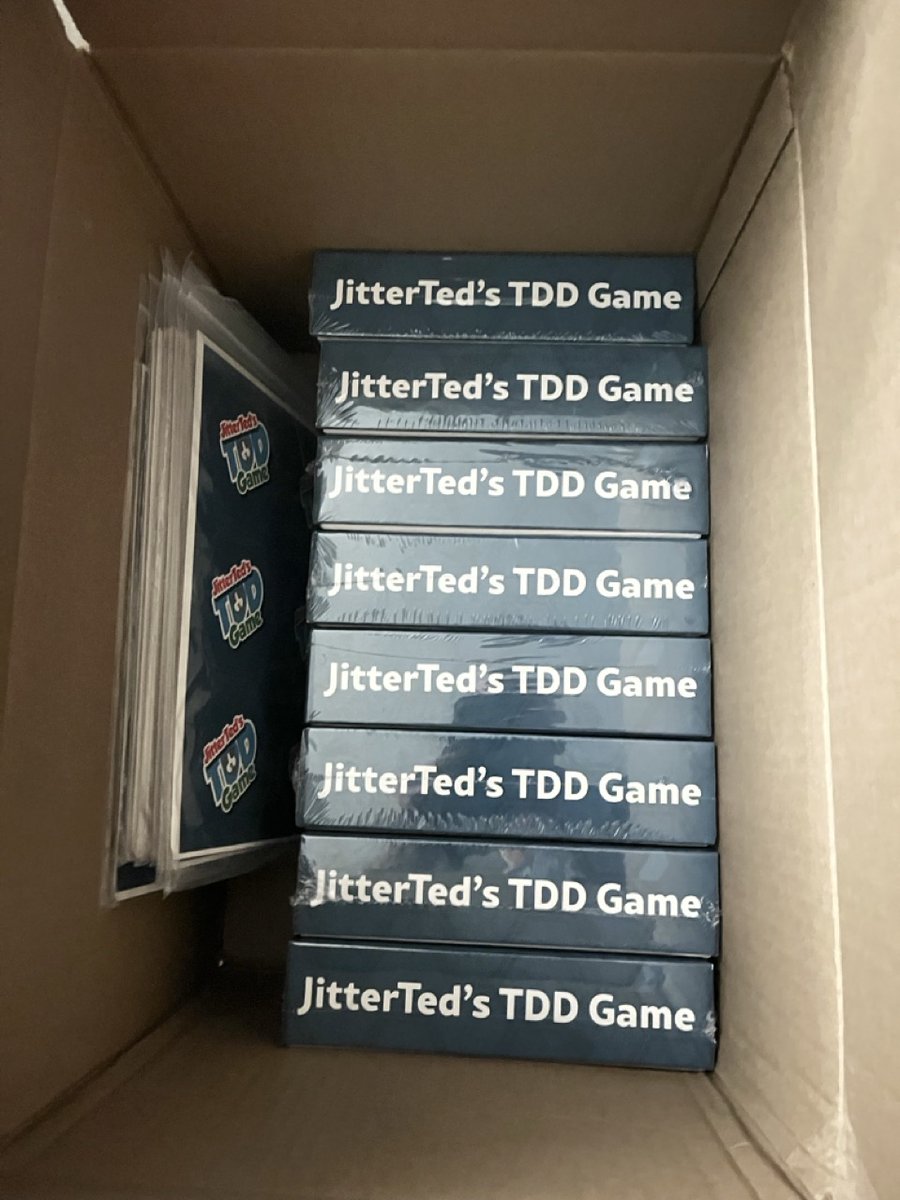

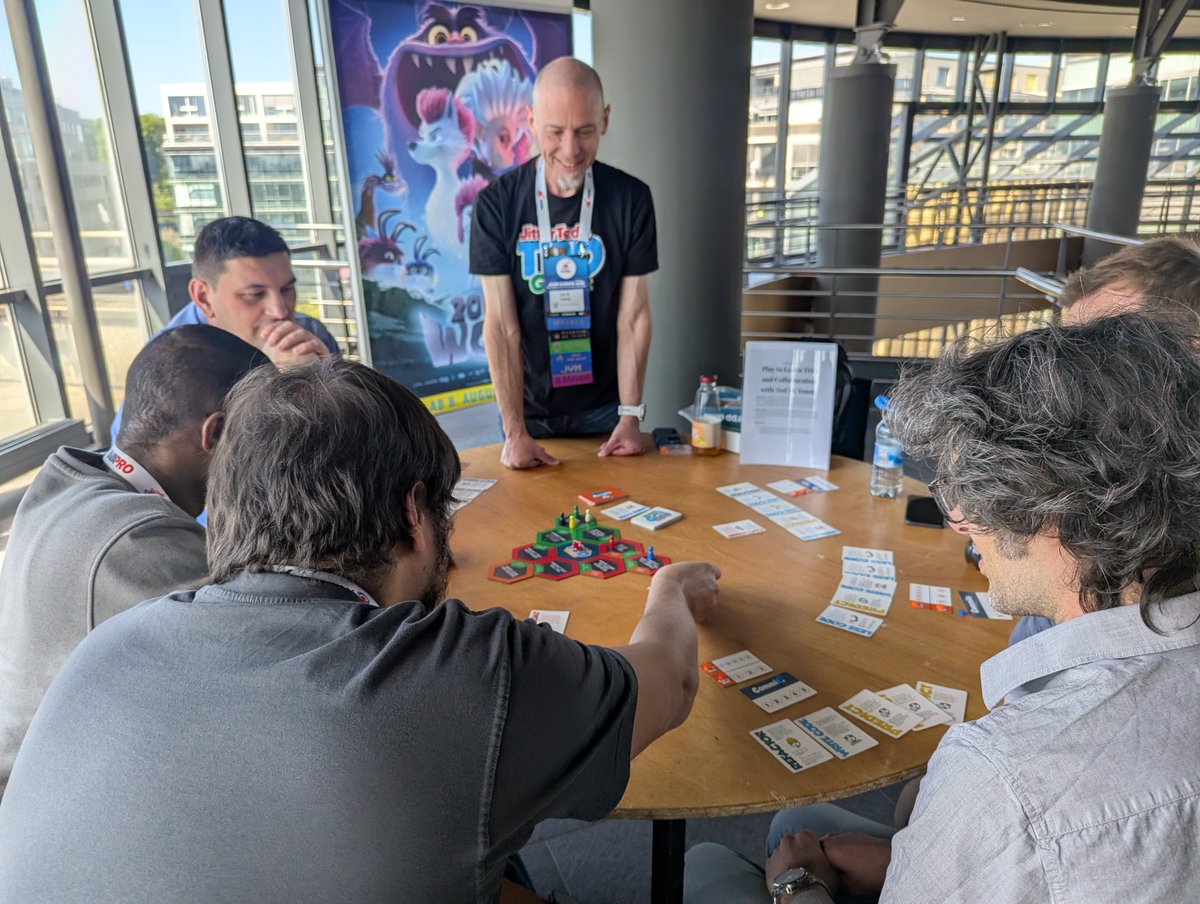





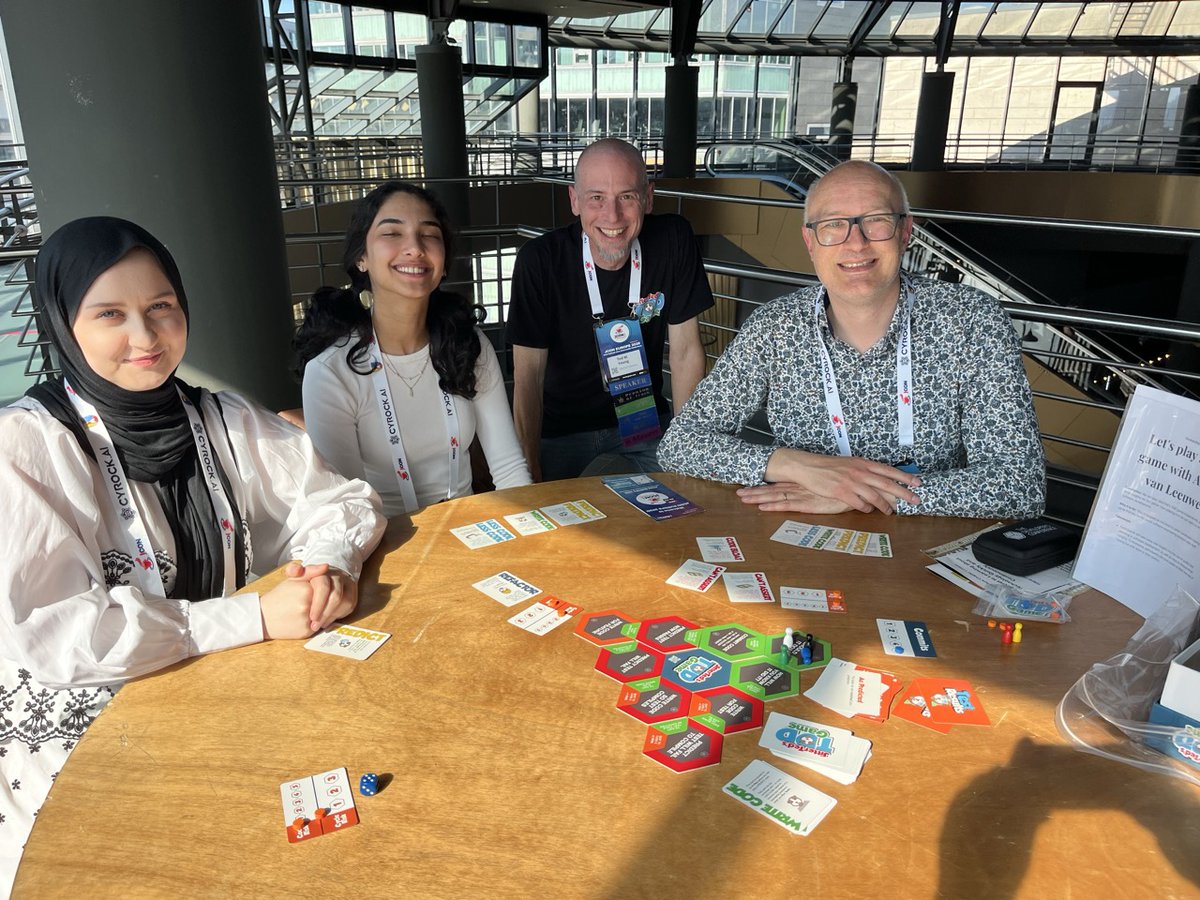

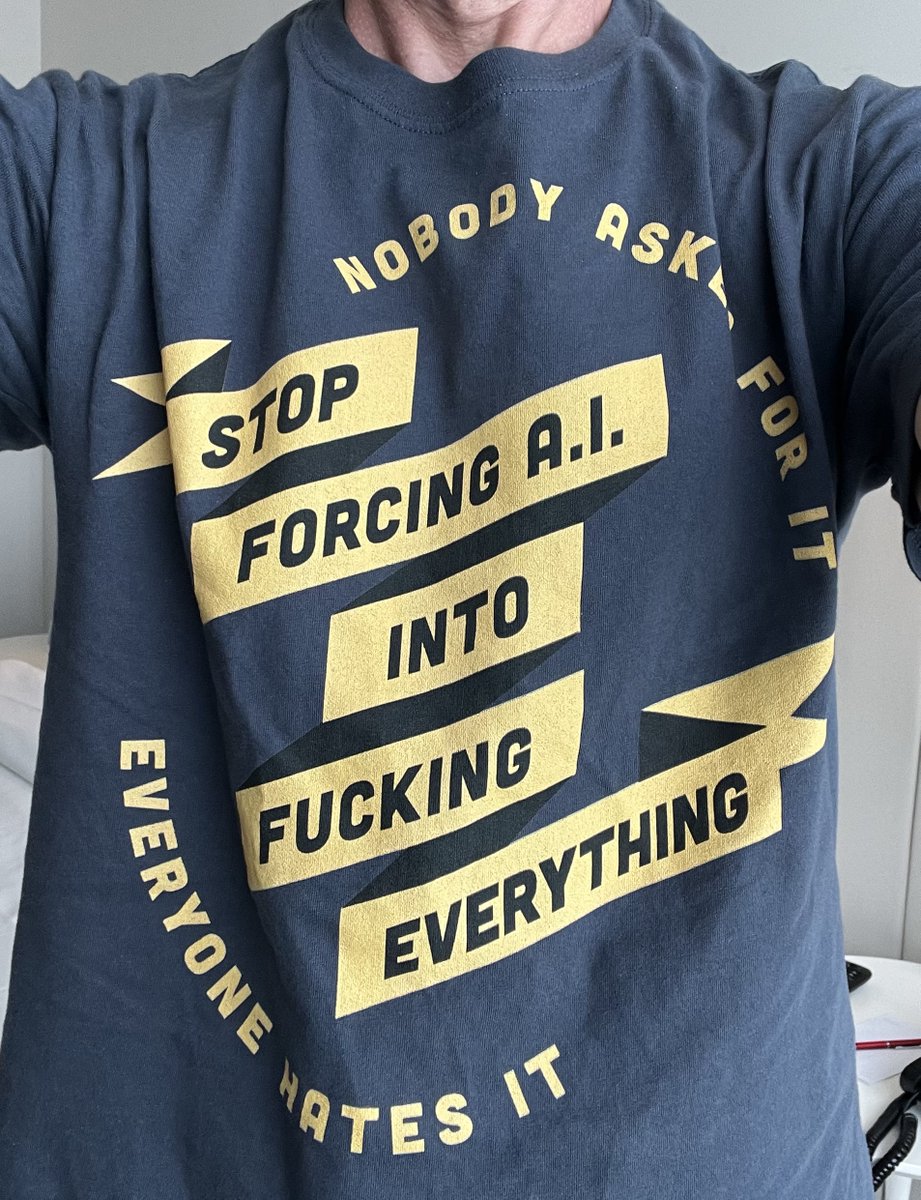

After a wonderful and mentally exhausting (complimentary) time spent at #DDDEurope, I'm doing some sightseeing in Antwerp. Took a bike tour today (Yannick at the Antwerp Bike Tours was great!) and then couldn't get enough of biking (walking seems so slow now) so had to rent one!
1
4
I wish everyone in the SF Bay Area (where I live) could spend a few days in Antwerp (or other bike-friendly places) to see what things could be like if California (and the USA) stopped putting cars at the top of the transportation pyramid.
Ah well, I'll enjoy it while I'm here!
4
Ted M. Young maker of tdd.cards retweeted

Jun 11
Public agencies, consultants, advocacy groups, teachers... they'd all benefit from having a digital library with explainer videos like this one. Any and every transportation topic.
21
89
440
10,923
Ted M. Young maker of tdd.cards retweeted

“And I’m thinking that if you design a place where walking and talking to a friend is considered a risky activity, then the problem is not with the person walking and talking. It’s with the kind of environment that you have created.”
1
1
1
33
RT @TheDonRaab: If you're coding in #Java using lambdas and Java Stream, then this may be the most important blog you read about memory and…
2
Ted M. Young maker of tdd.cards retweeted

No, everyone is not using AI for everything. gabrielweinberg.com/p/people…
People are consuming AI like they eat meat: some are embracing it, some are limiting their use of it, and some are avoiding it altogether.
3
2
7
914
My little #EventSourced app, JitterTravel just saved me money! I got an email for a hotel that I thought I had canceled, so checked the app and immediately saw that was not the hotel I'm staying (no frantic searching through my email confirmations) and canceled w/no charge.
1
172
I'll probably do a talk about how easy it was to add functionality, including updating events and migrating from one event type to another, and how persisting the commands linking to events made backup/restore across environments easy. Check it out: jittertravel-production.up.r…
1
1
141
If you'd like me to present this at your meetup/group/company, or my ever-evolving talk on Event-Sourcing and the Death of DDD Tactical Patterns, get in touch!
In the meantime, catch me this month at Leipzig (23) or Munich (29):
meetup.com/le-software-craft…
meetup.com/openvaluemuenchen…
100
I had so many logistics to keep track of when planning (and living) my 24-day trip to Europe that I created an app (JitterTravel) to help. You can see the public view here: jittertravel-production.up.r…
This view redacts details, while my private access shows train, etc. details.
1
2
190
It also shows conflicts (too many hotels booked?) and missing items (didn't have a train to get from Gembloux to Antwerp!).
Alas, it currently doesn't actually know whether I've purchased such tickets or really booked the hotels (yet), but for planning it's been invaluable.
1
1
176
It's not only #EventSourced, but Commands are stored as a write-ahead log, linking the incoming command Request to the events only if the command succeeds. If it fails, it's marked as having failed (which might be fine: it may have simply violated validation or a domain rule).
106
Ted M. Young maker of tdd.cards retweeted

Early bird registration for @dev2next ends a month from today!
Register: dev2next.com/register
Join fellow developers and experts to learn about what's next in our field.
List of speakers: dev2next.com/speakers
Schedule: dev2next.com/schedule
9
11
1,356
Ted M. Young maker of tdd.cards retweeted

Jun 9
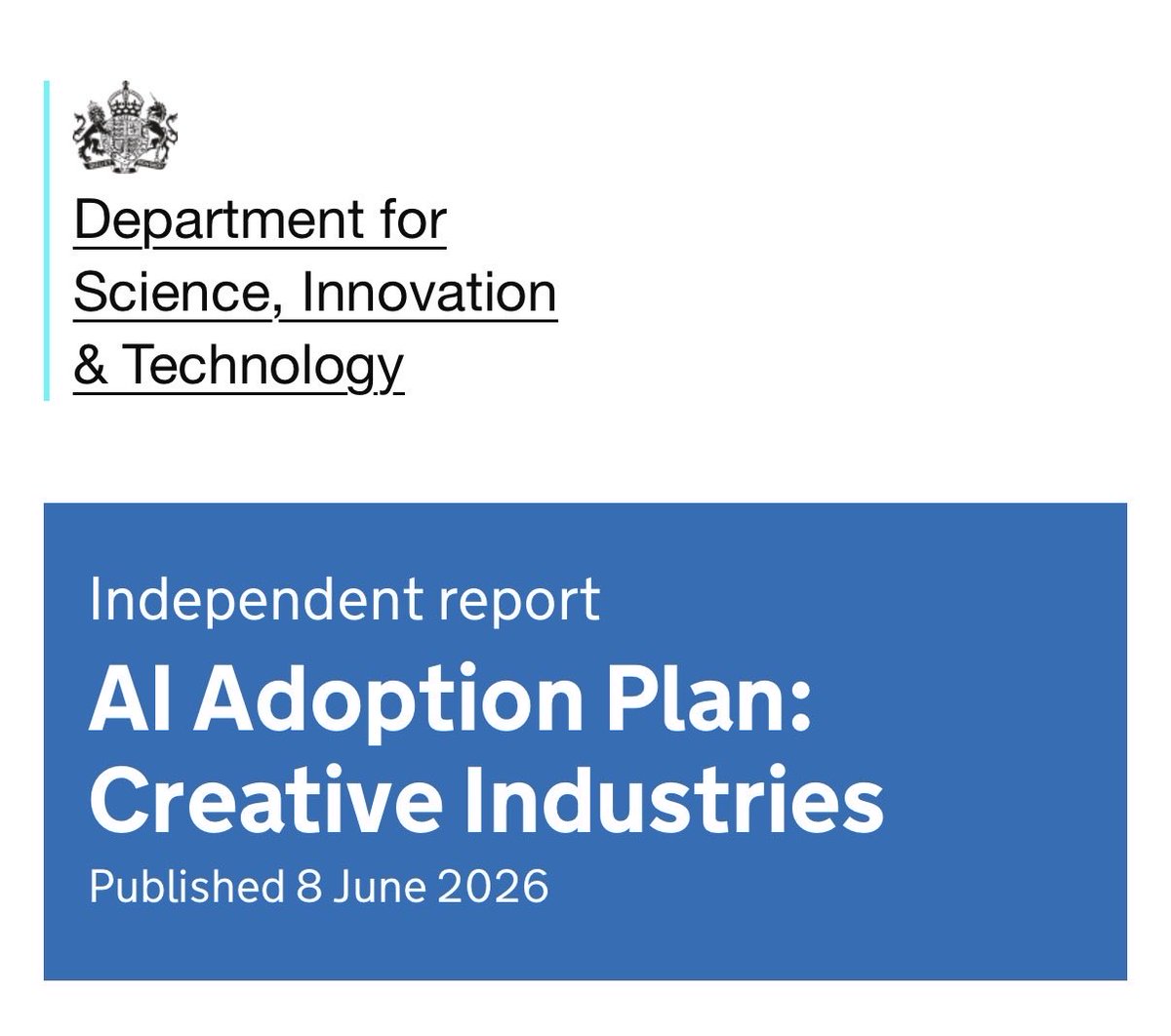
Yesterday, the government published its ‘AI Adoption Plan’ for the creative industries.
Somewhat incredibly, it says we should be pushing AI adoption before the government resolves the issues around copyright.
This would be great for the AI industry, and terrible for creatives.
Important for people to know what the government is pushing here. Short thread on its contents ⬇️
1/n
12
186
614
23,411
Ted M. Young maker of tdd.cards retweeted

Jun 8
Read this now rollingstone.com/music/music…
20
27
200
31,998
Ted M. Young maker of tdd.cards retweeted

Jun 1
Many developers underestimate how much better complex code discussions work face to face. Especially when debugging production problems or reviewing architectures. @RichardFichtner reflects on what made #JCON2026 special.
Read: javapro.io/2026/06/01/jcon-e…
#Java @jcon_conference

1
3
4
176
Ted M. Young maker of tdd.cards retweeted

Jun 7
The reason why a Danish pension fund banned its investors from buying any SpaceX shares is not just the appalling S-1 filings, where the ONLY profitable segment was Starlink (everything else - the AI, social media, the orbital data centre plans, is burning money at a rate that will bankrupt most companies on this planet).
It’s also the governance structure they don’t want to buy into.
Elon Musk holds roughly 85% of voting power through a dual-class share structure. He serves as CEO, CTO and chairman of the board, and he cannot be removed as CEO without his own consent.
Now, given his personality:
- erratic
- narcissistic
- with self-confessed (and self-evident) ketamine drug addiction
- appalling personal life (kids across multiple mothers, and yes - that matters in business)
- fringe political views, etc. etc.
It is NO surprise that competent investors would not risk the money of their clients.
The world is changing and people agreeing to play roulette with their clients’ money are coming to an end. Also, many haven’t forgotten 2008, and yes - the American system (or lack of one, especially guardrails) is still blamed for causing that global recession.
Scarcity will lead to investments flowing into more stable, reputable and sustainable ventures.
55
442
1,794
96,628
Ted M. Young maker of tdd.cards retweeted
Jun 8
An AI tax that distributes AI companies’ ill-gotten gains just to the American people is an unfair and dangerous idea.
These companies are built on people’s work from all around the world. An AI tax would mean funneling wealth generated by extracting resources from other countries to US citizens. This is digital colonialism.
The *real* solution is simply to make AI companies pay for the training data they use. This means the money goes to the people whose work is actually exploited, wherever they are in the world.
Jun 7

Tech execs warn AI could concentrate wealth so much it breaks society.
But AI didn’t build itself. It was trained on our ideas, funded by our tax dollars, & powered by shared resources.
If Big Tech makes billions from what we helped create, the American people deserve a share.
15
52
209
11,836
Ted M. Young maker of tdd.cards retweeted

Jun 7
Fun fact: When you fire a transaction in a database, you expect isolation and atomicity. But Redis has a minimalist take on transactions. It does not use complex locks or MVCC - it leverages its single-threaded nature to keep things incredibly simple yet highly effective.
Today, we dive into how Redis handles transaction queuing, state isolation, and block execution using the sequential nature of event loops.
This is the 20th video in the Redis Internals series.
In the video, I talk about the mechanics of `MULTI`, `EXEC`, and `DISCARD`, how native database processes maintain connection-specific command queues, and the deliberate design choice of why Redis does not support rolling back a transaction mid-execution.
Also, we re-implement this exact transaction engine and array serialization routine from scratch in Go. By the way, 20 videos are now live:
1. Why Single-Threaded Redis Is Fast
2. Writing a TCP Echo Server
3. Wire Protocols
4. Implementing RESP
5. Implementing PING
6. Understanding Event Loops
7. Implementing Event Loops
8. Implementing GET, SET, and TTL
9. Implementing DEL, EXPIRE, and Cleanup
10. Evictions and Implementing first-eviction
11. Implementing Command Pipelining
12. Implementing AOF Persistence
13. Objects, Encodings, and Implementing INCR
14. Implementing INFO and allkeys-random Eviction
15. The Approximated LRU Algorithm
16. Implementing the Approx LRU Algorithm
17. How Redis Caps Its Memory Usage
18. How and Why Redis Overrides Malloc
19. Graceful Shutdown using Signal Handling
20. Redis Transactions Internals
Hope this helps you better understand database internals and spark that engineering curiosity.
Give it a watch.
9
12
278
18,941
Ted M. Young maker of tdd.cards retweeted

Jun 5
Your team will thank you for writing cleaner Java code. 🚀
Master Clean Code, SOLID, Refactoring & Architecture with this Java bundle.
📚 2 Books, $44.98 → $14.99 with this coupon link:
leanpub.com/b/javacleancodef…
#Java #CleanCode #SoftwareEngineering
1
1
6
196