
It's a daily operation | From the 416, now in the 415 | jonlax on Threads
Joined January 2008
- Tweets 29,825
- Following 686
- Followers 8,902
- Likes 7,096
1,393 Photos and videos










Jon Lax retweeted

20 Mar 2024
This week on the You Can’t Lose! podcast: @jlax: As Close To Bare Metal As Possible.
Find us on Spotify:
spotifyanchor-web.app.link/e…
and Apple Podcasts:
podcasts.apple.com/ca/podcas…

1
3,227
This was a lot of fun.
20 Mar 2024

This week on the You Can’t Lose! podcast: @jlax: As Close To Bare Metal As Possible.
Find us on Spotify:
spotifyanchor-web.app.link/e…
and Apple Podcasts:
podcasts.apple.com/ca/podcas…
1
3
1,741
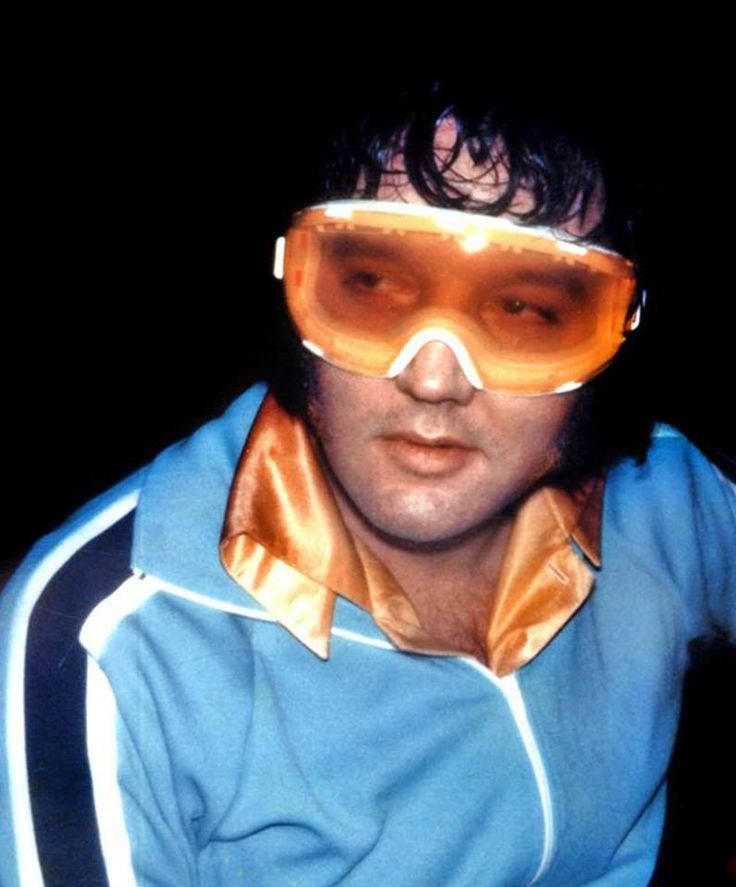
This was the design inspo for the AVP.
21 Jan 2024

Elvis chilling in Vail, CO 1967 bout ready to hit the powder then the slopes.
11
2,904
By nature I am not competitive so I always found building products through a "competitive frame" difficult.
Worrying about competition is different than chasing competition.
Being animated by competition can lead you astray.
jonlax.framer.ai/writing/com…
1
1
7
1,584
Enough with the Steve Jobs quotes. Let's start quoting Jim Barksdale more.
jonlax.framer.ai/writing/the…
3
1
16
2,686
Designers try to change behavior or practice in a company will often create internal documents.
Tools like Notion or internal Wikis make it very easy for people to create content that looks like official. These usually go nowhere...
jonlax.framer.ai/writing/enf…
3
1
23
4,762
New post on scaling teams and using ratios to determine how many designers you need.
jonlax.framer.ai/writing/the…
1
1
12
3,205
I had some time over the summer to write. Still a WIP. Written, mainly for Designers, but really for anyone building products or complex systems.
jonlax.framer.ai/
Jon Lax | Collected Thoughts
Thoughts on systems, design and the management of both
jonlax.framer.ai 7
11
125
34,563
Jon Lax retweeted

22 Aug 2023
All - we just opened applications for Designer Fund Partnership: the best $500K investment and design support offer for early stage startups. No warm intro needed 👇
6
32
104
27,516
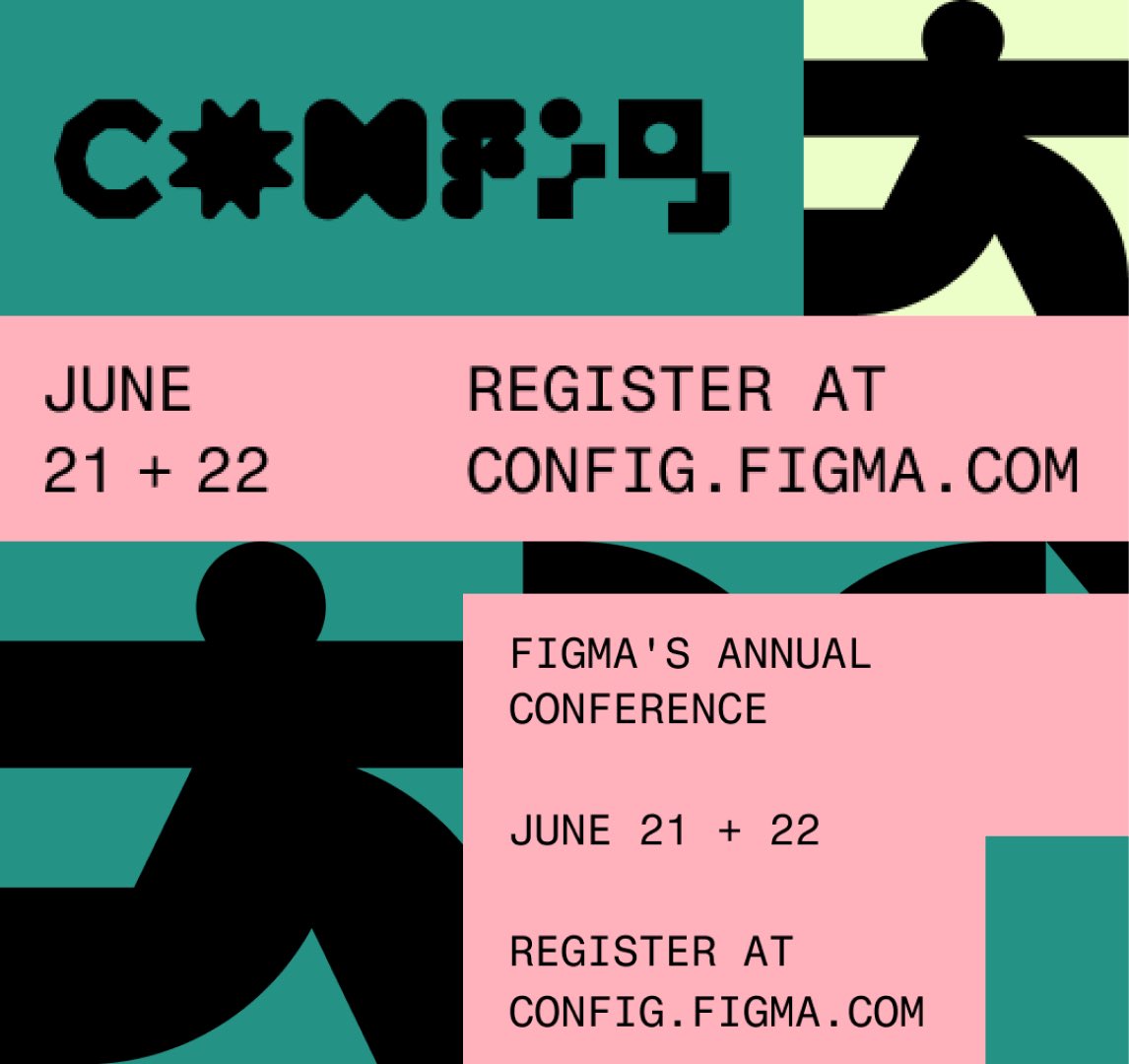
I am not at Config but if I was this would be a must see.
14 May 2023

🚨 FYI! I’m speaking at @figma’s #config2023 and you should come watch my talk (it’ll be a frenetic speedrun of my @itp_nyu class on the design tools, processes & ethics of #XR #design). → → → config.figma.com


2
7
1,978
We live in wild times.

Chef and TV personality Guy Fieri and Grammy-winning musician Sammy Hagar are sending tequila fans to flavortown with a new NFT loyalty program for their premium spirits brand @santo_spirit.
@rosieperper reports:
trib.al/GSPIRey
2
5
2,133