
Equipping believers with transforming truth.
Joined January 2024
- Tweets 696
- Following 28
- Followers 3,059
- Likes 235
388 Photos and videos
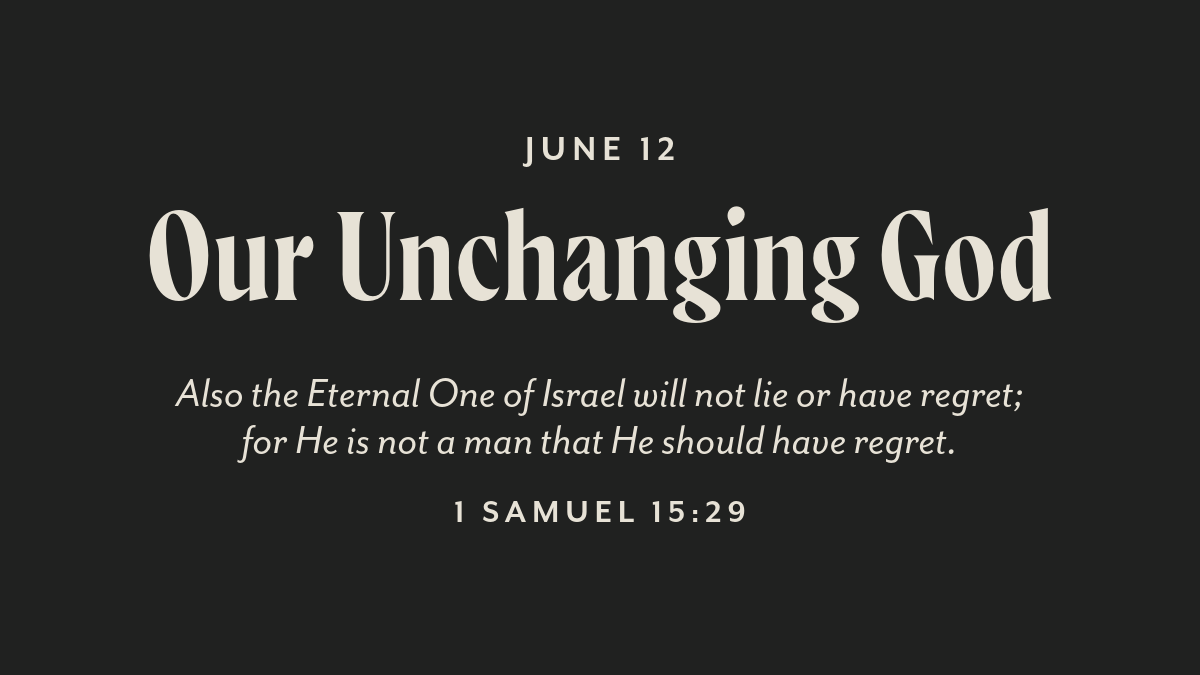



Today’s Devotional: “Our Unchanging God”
“Also the Eternal One of Israel will not lie or have regret; for He is not a man that He should have regret.” (1 Samuel 15:29)
Does God change His mind? Moses declared in Genesis 6:6 that God “𝗿𝗲𝗴𝗿𝗲𝘁𝘁𝗲𝗱 that He had made man.” He also wrote in Exodus 32:14 that God “𝗿𝗲𝗹𝗲𝗻𝘁𝗲𝗱 concerning the harm which He said He would do to His people.” Such accounts lead us to ask: Is God fickle? Can He change His purposes?
Scripture not only raises this question but also addresses it directly. In 1 Samuel 15:11, God said, “I 𝗿𝗲𝗴𝗿𝗲𝘁 that I have made Saul king.” The author also repeated this assessment at the end of the chapter: “And Yahweh 𝗿𝗲𝗴𝗿𝗲𝘁𝘁𝗲𝗱 that He had made Saul king over Israel” (1 Sam 15:35). Nevertheless, between these two statements, Samuel declared that “the Eternal One of Israel will not lie or have 𝗿𝗲𝗴𝗿𝗲𝘁; for He is not a man that He should have 𝗿𝗲𝗴𝗿𝗲𝘁” (15:29).
While these statements seem to contradict each other, in reality they point to a deeper theological truth. From a human perspective, it may seem that God 𝗿𝗲𝗴𝗿𝗲𝘁𝘀, 𝗿𝗲𝗹𝗲𝗻𝘁𝘀, or changes His mind (15:11, 35). But from a divine perspective, God does not waver in any of His purposes (15:29). By carefully juxtaposing our human and God’s divine nature, the author highlighted this truth. God’s 𝗿𝗲𝗴𝗿𝗲𝘁 in verse 11 communicates His displeasure with Saul’s sin. But verse 29 explicitly clarifies that this 𝗿𝗲𝗴𝗿𝗲𝘁 does not indicate that God changed. This key explanation enables the Scripture to declare that God 𝗿𝗲𝗴𝗿𝗲𝘁𝘁𝗲𝗱 but also that He does not 𝗿𝗲𝗴𝗿𝗲𝘁.
In this way, this passage emphasizes the unchanging nature of our God. This should give us reason to rejoice, for we serve a God who never changes His mind.
____
This devotional is adapted from 𝘞𝘰𝘯𝘥𝘦𝘳𝘧𝘶𝘭 𝘛𝘩𝘪𝘯𝘨𝘴 𝘧𝘳𝘰𝘮 𝘠𝘰𝘶𝘳 𝘓𝘢𝘸, available at 10% off (gracebooks.com/wonderful-thi…).
4
19
223
In the Great Chapters of the Bible series, John MacArthur methodically explains each verse of these monumental passages to provide readers with a deeper understanding of the life-transforming truth revealed in God’s Word.
5
28
420
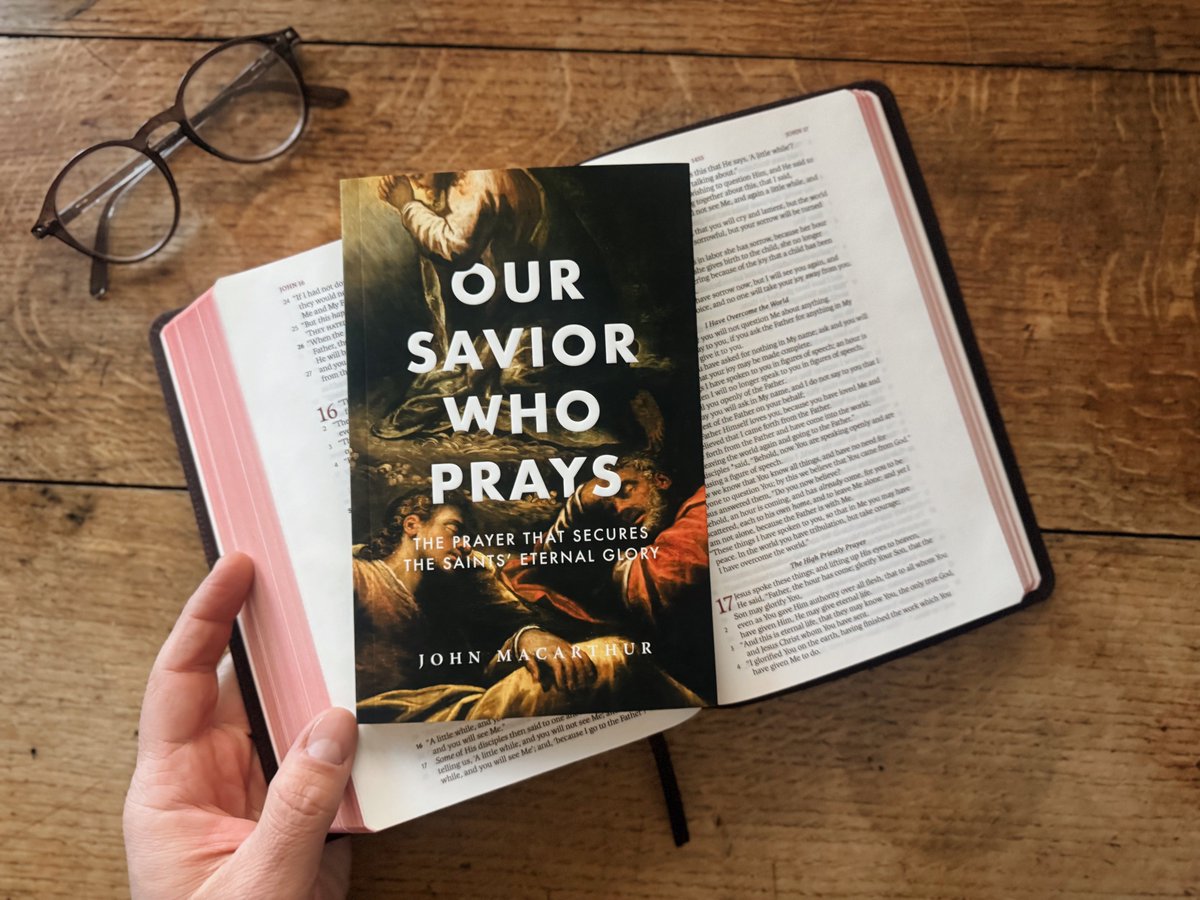
Of Christ’s intercessory prayer before the cross, John MacArthur explained, “This is the Lord’s Prayer. In fact, this is the one extensive prayer from the Lord Jesus Christ to the Father that is contained in Scripture; this is the only one we have. In the four gospels, we have many sermons, we have many parables, we have many conversations, but only this prayer. It is then the model and example of His intercessory work as our great High Priest. As the Mediator between believers and God, this is the kind of prayer He continually prays.”
Learn more about the Lord’s High Priestly Prayer recorded in John 17 with John MacArthur’s devotional commentary, Our Savior Who Prays: The Prayer that Secures the Saints' Eternal Glory: gracebooks.com/our-savior-wh…
Additionally, download free study questions to deepen your understanding of John 17 here: jmacarthurpublishing.com/s/O…
1
4
22
282
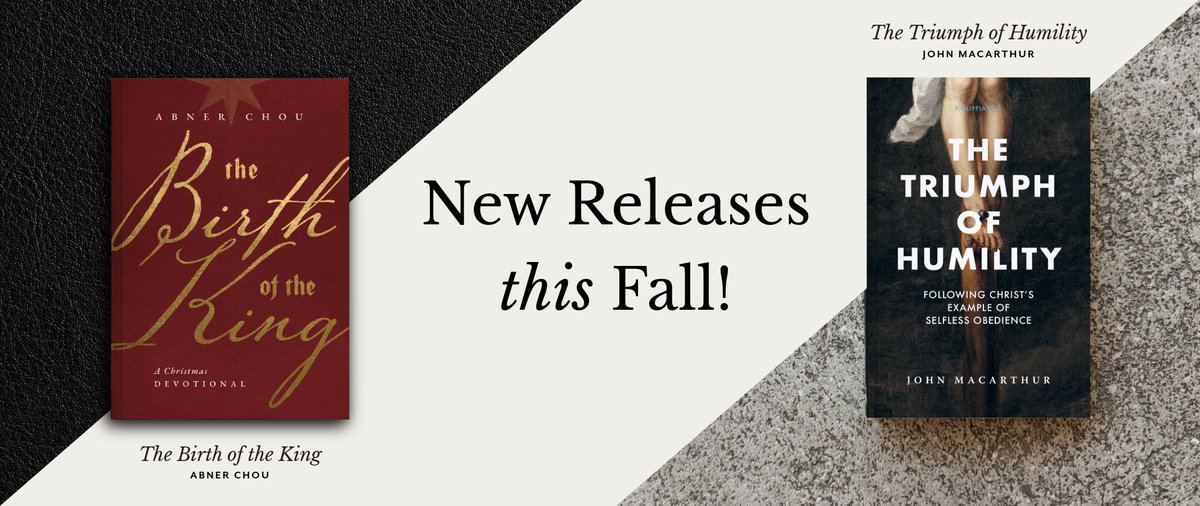
COMING THIS FALL! Two new devotional books are now with the printer and will be available this fall. See the titles, cover designs, and details below.
1
11
260
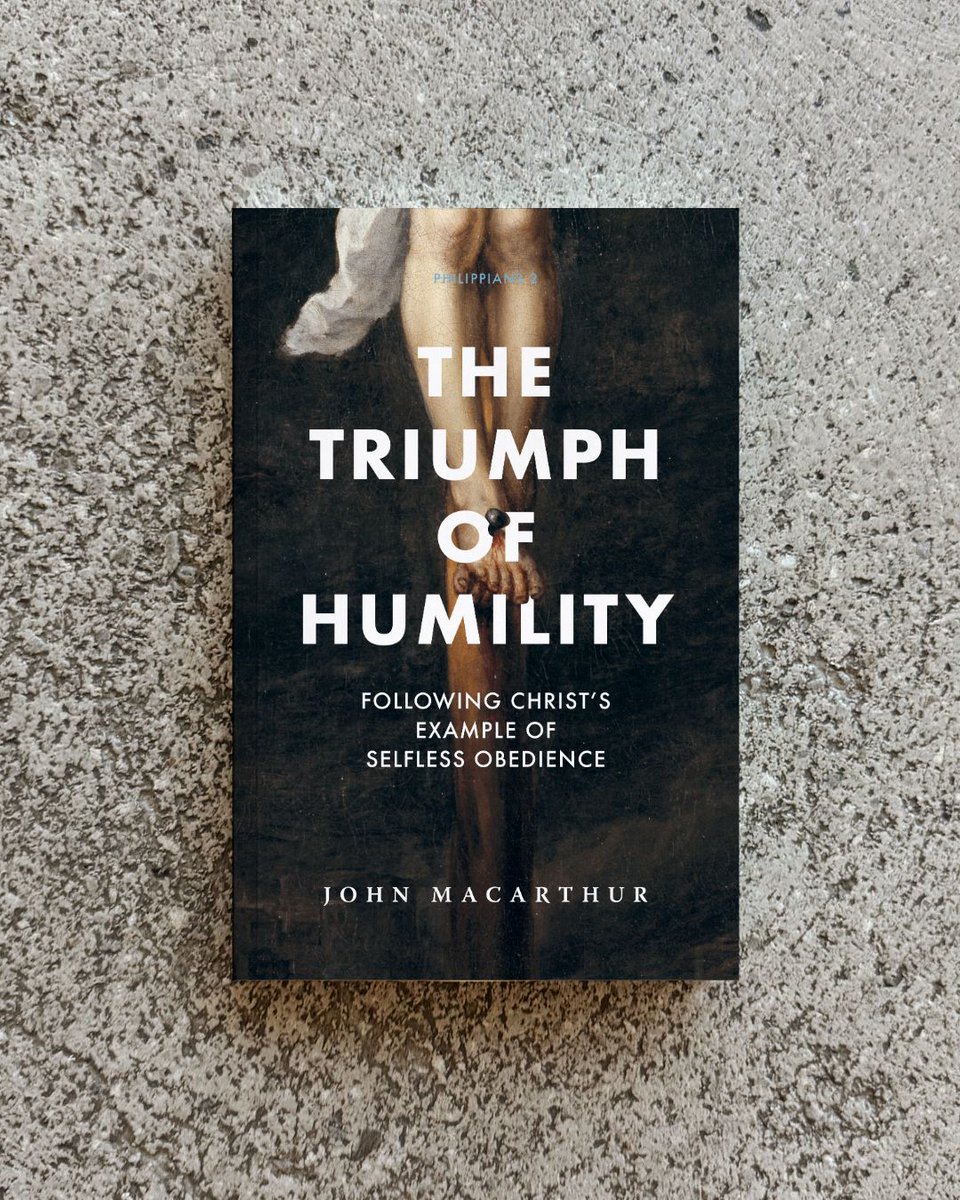
The Triumph of Humility: Following Christ's Example of Selfless Obedience
This devotional commentary by John MacArthur is the next installment in the Great Chapters of the Bible series, expounding the humility and glory of Jesus Christ in Philippians 2.
1
1
11
174
Join our email list and be among the first to hear more about these releases and other updates from JMPG: buff.ly/rFrpHZ2
1
2
91
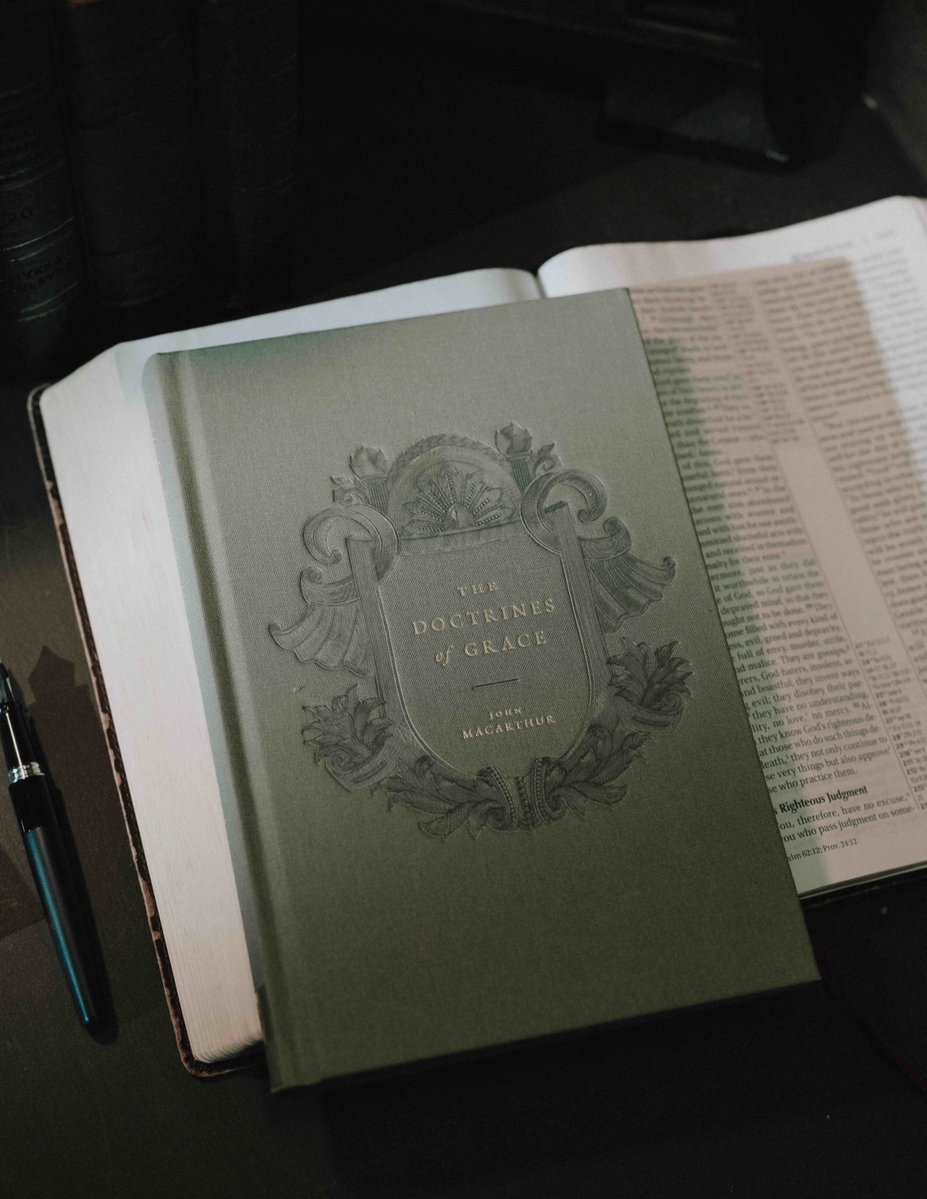
The Doctrines of Grace is a prime example of how John MacArthur’s expository preaching makes the hard truths of Scripture simple, and the complex clear. It centers on giving God all the glory for His saving work, and puts the focus on the non-negotiable authority of God’s Word.
1
3
29
363
"This book concerns the sovereignty of God in salvation. But any discussion on that topic must begin with another doctrine: what I'm going to call absolute inability. God must be sovereign in our salvation precisely because we are neither willing nor able to choose salvation for ourselves."
— John MacArthur, The Doctrines of Grace
1
12
202
Today’s Devotional: “God Has Not Forsaken”
“Naomi said to her daughter-in-law, ‘May he be blessed of Yahweh who has not forsaken his lovingkindness to the living and to the dead.’ Then Naomi said to her, ‘The man is our relative; he is one of our 𝘬𝘪𝘯𝘴𝘮𝘢𝘯 redeemers.’” (Ruth 2:20)
While Naomi called herself “bitter” (“Mara”), the key word 𝗳𝗼𝗿𝘀𝗮𝗸𝗲 in the book of Ruth shows that God had never abandoned His lovingkindness to Naomi. When Naomi urged Ruth to leave her, Ruth replied, “Do not press me to 𝗳𝗼𝗿𝘀𝗮𝗸𝗲 you in turning back from following you” (1:16). Later, Boaz expressed his desire to help Ruth because he had heard that she 𝗳𝗼𝗿𝘀𝗼𝗼𝗸 her father and mother and the land of her birth (2:11). He even commanded his men to “pull out for her some grain from the bundles and 𝗹𝗲𝗮𝘃𝗲 𝘪𝘵” for her to glean (2:16). The word 𝗹𝗲𝗮𝘃𝗲 here is literally 𝗳𝗼𝗿𝘀𝗮𝗸𝗲.
This theme of 𝗳𝗼𝗿𝘀𝗮𝗸𝗶𝗻𝗴 or 𝘯𝘰𝘵 𝗳𝗼𝗿𝘀𝗮𝗸𝗶𝗻𝗴 reached its climax when Naomi beheld Boaz’s lavish generosity to Ruth. At that moment, Naomi exclaimed, “May he be blessed of Yahweh who has not 𝗳𝗼𝗿𝘀𝗮𝗸𝗲𝗻 his lovingkindness to the living and to the dead” (2:20). Naomi realized that Boaz did not 𝗳𝗼𝗿𝘀𝗮𝗸𝗲 his lovingkindness, both to them and to those who had died. He was the kinsman redeemer whom God would use to preserve them. Because of this, Naomi called Boaz, “Blessed of Yahweh.”
Contrary to what she had thought earlier, she understood that God had not dealt bitterly with her. Through Boaz, God showed that He had never 𝗳𝗼𝗿𝘀𝗮𝗸𝗲𝗻 her. Naomi’s story illustrates that whatever our circumstances, we can know with confidence that He will never 𝗳𝗼𝗿𝘀𝗮𝗸𝗲 us.
____
This devotional is adapted from 𝘞𝘰𝘯𝘥𝘦𝘳𝘧𝘶𝘭 𝘛𝘩𝘪𝘯𝘨𝘴 𝘧𝘳𝘰𝘮 𝘠𝘰𝘶𝘳 𝘓𝘢𝘸, available at 10% off (gracebooks.com/wonderful-thi…).
19
186
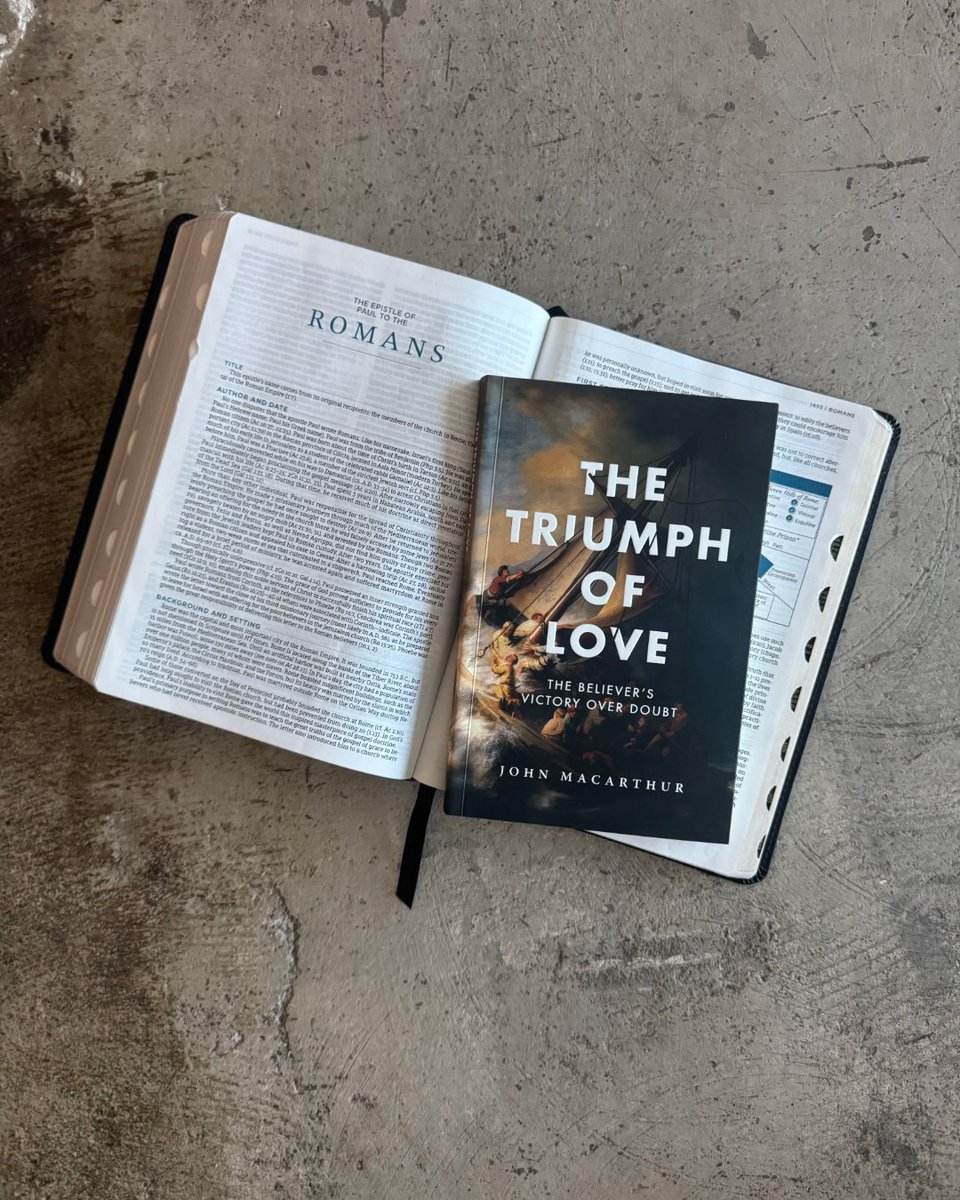
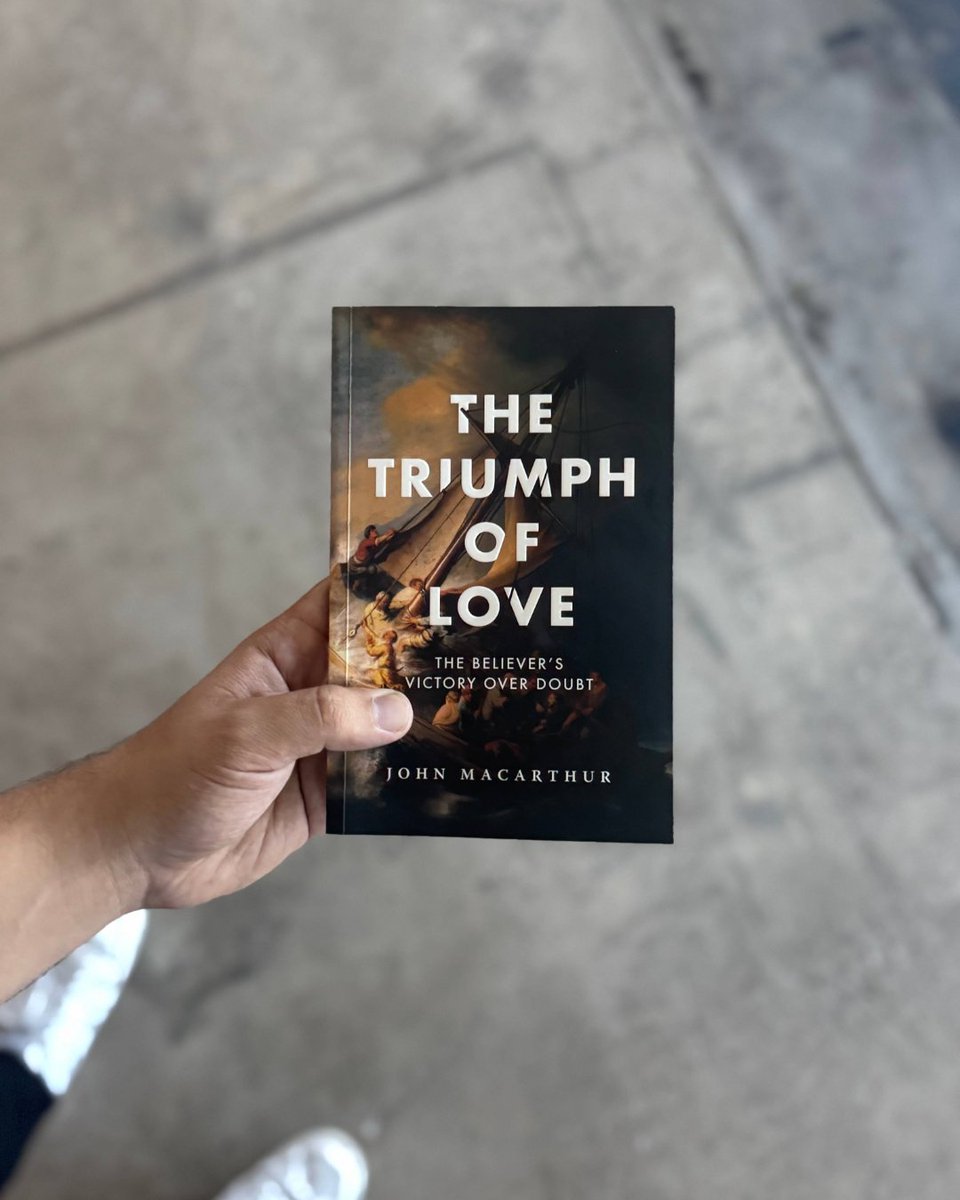
“The truths of Romans 7 are among the most depressing and heartrending in all of Scripture, and it is largely for that reason that many interpreters believe they cannot describe a Christian. But Paul was simply being honest and candid about the frustrating and discouraging spiritual battles that every believer faces.... But the Christian is no longer under sin’s total domination and control. Now he is free from sin’s bondage and its ultimate penalty.... That is the comforting truth of Romans 8.”
— John MacArthur, 𝘛𝘩𝘦 𝘛𝘳𝘪𝘶𝘮𝘱𝘩 𝘰𝘧 𝘓𝘰𝘷𝘦

3
15
248
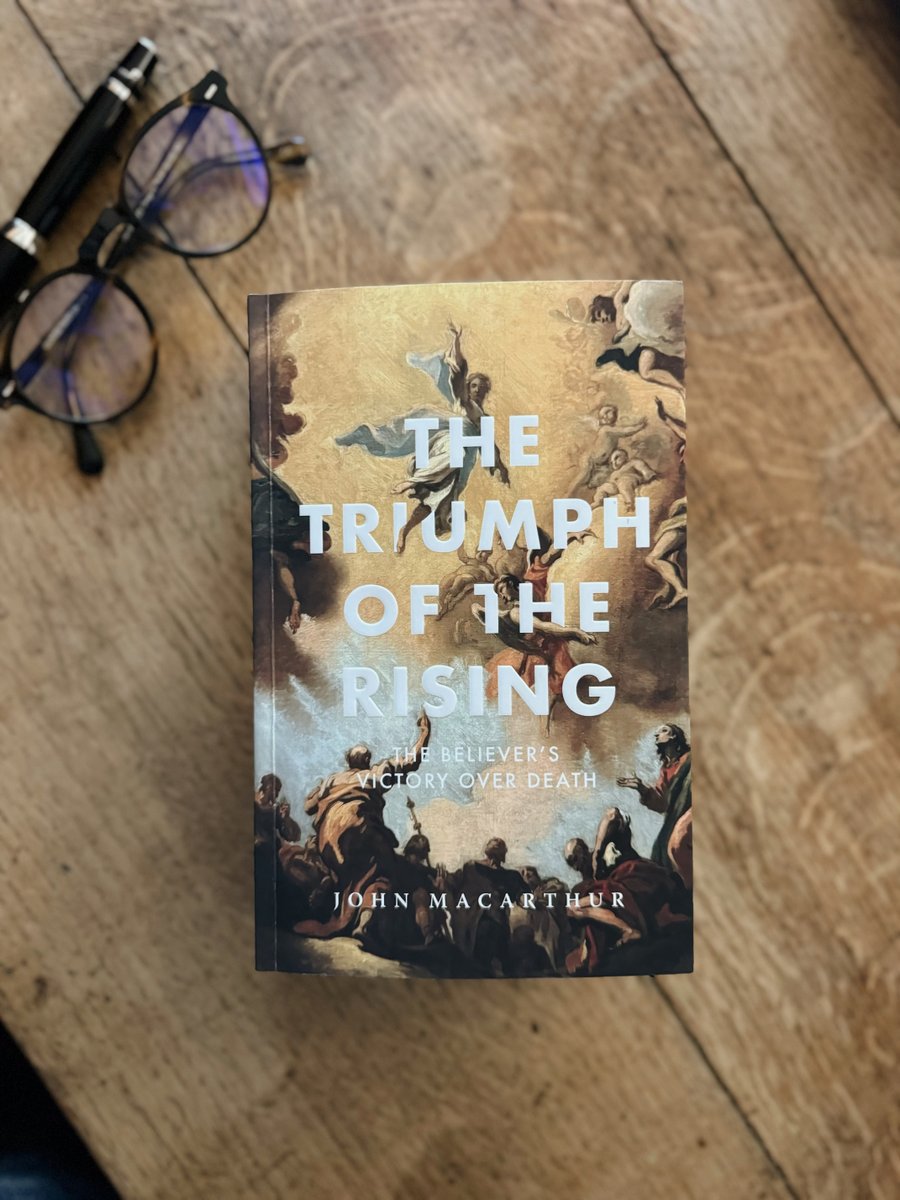
“If we really believe and if we are truly thankful that our resurrection is sure, that we will be transformed from the perishable, dishonorable, weak, natural, mortal, and earthy to the imperishable, glorious, powerful, spiritual, immortal, and heavenly—we should therefore prove our assurance and our thankfulness by being steadfast, immovable, and always abounding in the work of the Lord (1 Cor 15:58).”
— John MacArthur, 𝘛𝘩𝘦 𝘛𝘳𝘪𝘶𝘮𝘱𝘩 𝘰𝘧 𝘵𝘩𝘦 𝘙𝘪𝘴𝘪𝘯𝘨
Download free study questions on 1 Corinthians 15 here: buff.ly/MtJeKVD
John MacArthur’s book 𝘛𝘩𝘦 𝘛𝘳𝘪𝘶𝘮𝘱𝘩 𝘰𝘧 𝘵𝘩𝘦 𝘙𝘪𝘴𝘪𝘯𝘨 for clear, expositional, and devotional teaching on this pivotal chapter of Scripture (21% off): buff.ly/bJAheKP
5
31
322
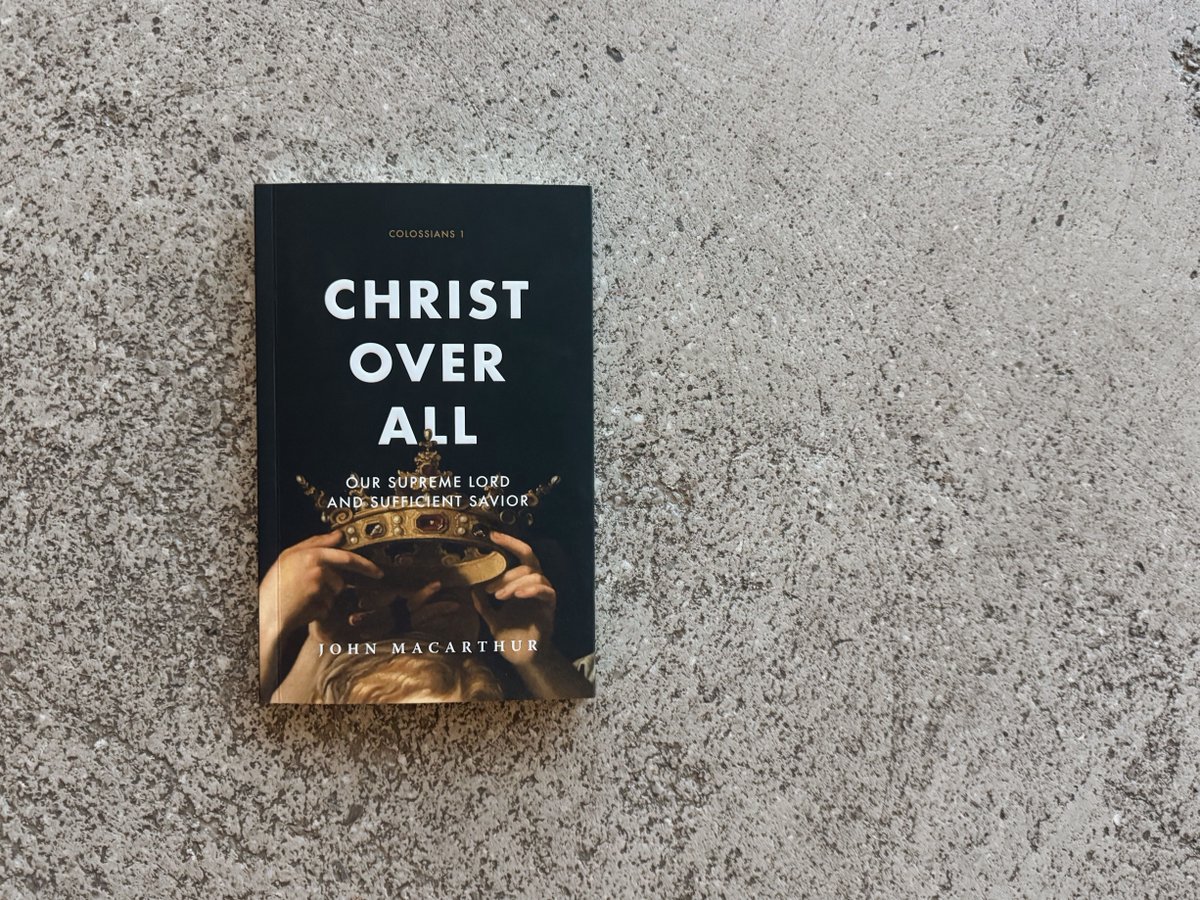
Colossians 1 proves that Christ is:
▪️ Preeminent as God eternal
▪️ Creator of all things
▪️ Supreme over both the physical and spiritual realm
▪️ Head of the church
▪️ Fully Sufficient for believers’ redemption and reconciliation
buff.ly/dZgPnv6
5
29
305
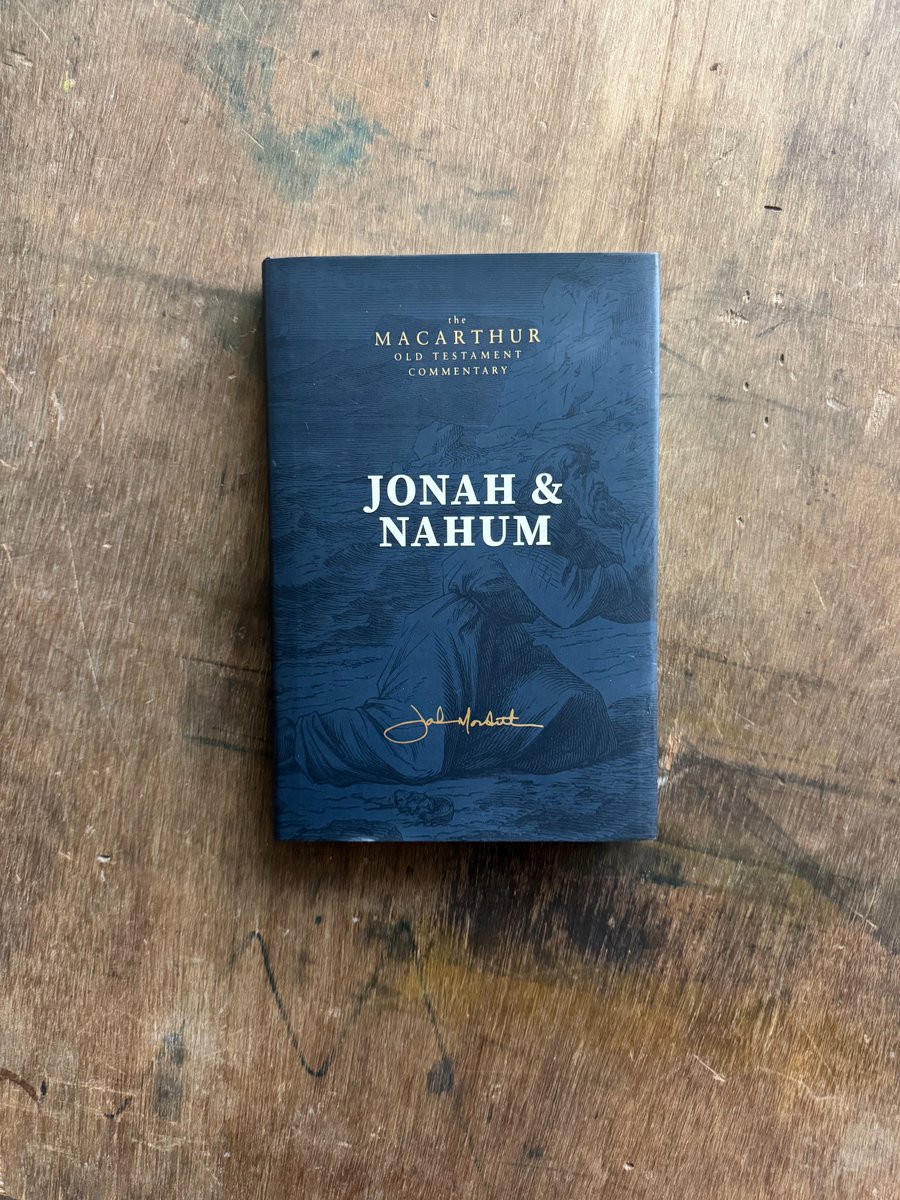
Two books in the Old Testament focus on Nineveh.
The book of Jonah demonstrates that Yahweh is the Savior of both Jews and Gentiles. Instead of immediately destroying the Ninevites for their wickedness, God raised up Jonah to proclaim God’s grace to them.
The Lord affirmed that He holds the sovereign prerogative to show compassion on whomever He wishes and to deliver those who repent. This wondrous grace of God culminates in the One who fulfilled the sign of Jonah and accomplished salvation for all who acknowledge their unworthiness, repent of their sin, and believe in Him. Thus, the book of Jonah points to the work of Christ and displays the heart of God to seek and save the lost.
In a sequel to the story, over a hundred years after Jonah preached to Nineveh, God raised up Nahum to pronounce judgment on the Ninevites.
While the Ninevites in Jonah’s day repented and received mercy, later generations returned to their wicked ways and became objects of God’s wrath. To those who presumed on God’s kindness, Nahum declared that the God who is gracious is also righteous and just.
Ultimately, God’s promise to destroy Nineveh comforted Israel and provided hope to all His people that He will keep His Word, both to preserve the righteous and to punish the wicked.
1
4
30
350
John MacArthur Publishing Group retweeted

May 28
In The Doctrines of Grace, John MacArthur makes the hard truths of Scripture simple, and the complex clear—leading the reader into a greater understanding of God’s sovereignty in salvation.
shop.gty.org/store/books/451…

1
11
58
2,005
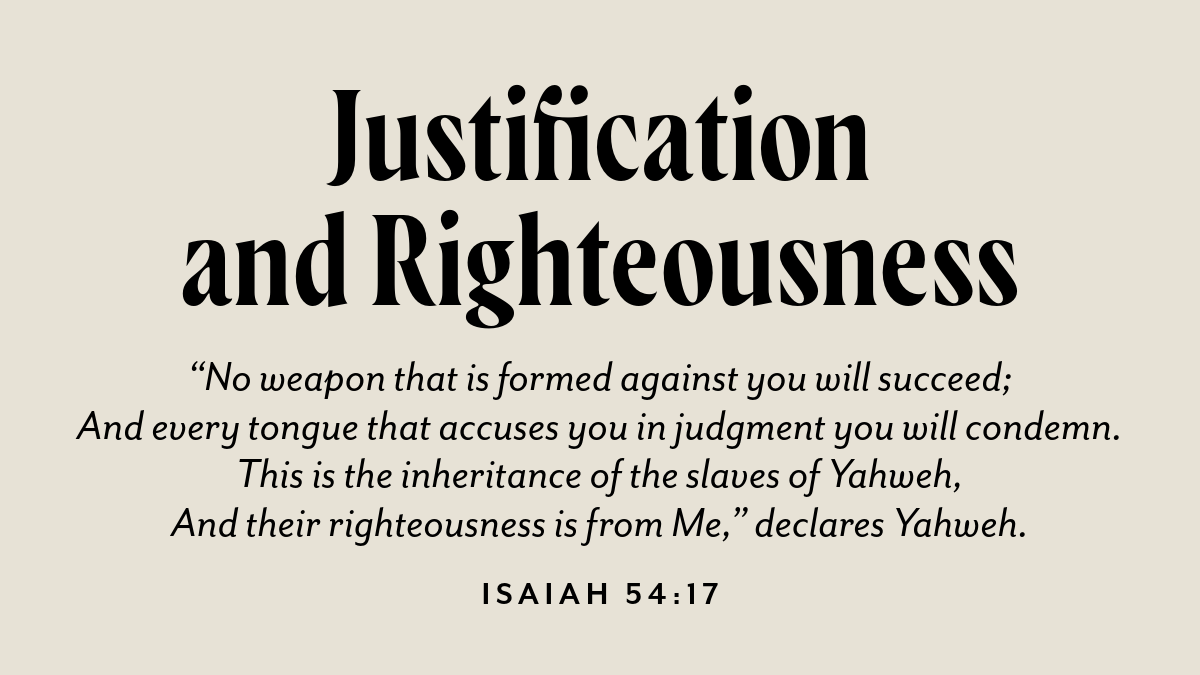
Today’s Devotional: “Justification and Righteousness”
“No weapon that is formed against you will succeed; And every tongue that accuses you in judgment you will condemn. This is the inheritance of the slaves of Yahweh, And their righteousness is from Me,” declares Yahweh.” (Isaiah 54:17)
God declared that His people will be vindicated and will ultimately prevail. But they will succeed not because of their own 𝗿𝗶𝗴𝗵𝘁𝗲𝗼𝘂𝘀𝗻𝗲𝘀𝘀, but because “their 𝗿𝗶𝗴𝗵𝘁𝗲𝗼𝘂𝘀𝗻𝗲𝘀𝘀 is from Me,” explained the Lord (Isa 54:17). Some translations render this with the word “vindication” instead of 𝗿𝗶𝗴𝗵𝘁𝗲𝗼𝘂𝘀𝗻𝗲𝘀𝘀, but the reason they will be vindicated is because of their 𝗿𝗶𝗴𝗵𝘁𝗲𝗼𝘂𝘀𝗻𝗲𝘀𝘀. As Isaiah 53:11 stated, God’s 𝗿𝗶𝗴𝗵𝘁𝗲𝗼𝘂𝘀 Servant will declare His people 𝗿𝗶𝗴𝗵𝘁𝗲𝗼𝘂𝘀 (or, “justify the many”; 53:11).
However, the only reason God could declare His people 𝗿𝗶𝗴𝗵𝘁𝗲𝗼𝘂𝘀 is because the Servant’s 𝗿𝗶𝗴𝗵𝘁𝗲𝗼𝘂𝘀𝗻𝗲𝘀𝘀 would become their own. The Servant proved to be 𝗿𝗶𝗴𝗵𝘁𝗲𝗼𝘂𝘀 where the people had failed to be 𝗿𝗶𝗴𝗵𝘁𝗲𝗼𝘂𝘀. Therefore, for them to become 𝗿𝗶𝗴𝗵𝘁𝗲𝗼𝘂𝘀, His own 𝗿𝗶𝗴𝗵𝘁𝗲𝗼𝘂𝘀𝗻𝗲𝘀𝘀 would need to become their 𝗿𝗶𝗴𝗵𝘁𝗲𝗼𝘂𝘀𝗻𝗲𝘀𝘀. That was the only way God could count them as 𝗿𝗶𝗴𝗵𝘁𝗲𝗼𝘂𝘀.
This is exactly what is described in Isaiah 54:17: Yahweh declared that His people’s 𝗿𝗶𝗴𝗵𝘁𝗲𝗼𝘂𝘀𝗻𝗲𝘀𝘀 came not from themselves but rather “their 𝗿𝗶𝗴𝗵𝘁𝗲𝗼𝘂𝘀𝗻𝗲𝘀𝘀 is from Me.” This exact concept is picked up in the New Testament in 2 Corinthians 5:21: “He made Him who knew no sin 𝘵𝘰 𝘣𝘦 sin on our behalf, so that we might become the 𝗿𝗶𝗴𝗵𝘁𝗲𝗼𝘂𝘀𝗻𝗲𝘀𝘀 of God in Him.”
We praise God that we are justified not because of our own works, which are filthy (Isa 64:6), but because of Christ’s 𝗿𝗶𝗴𝗵𝘁𝗲𝗼𝘂𝘀𝗻𝗲𝘀𝘀. Since His 𝗿𝗶𝗴𝗵𝘁𝗲𝗼𝘂𝘀𝗻𝗲𝘀𝘀 is never tarnished, even when we fail as believers, our standing before God never falters.
____
This devotional is adapted from 𝘞𝘰𝘯𝘥𝘦𝘳𝘧𝘶𝘭 𝘛𝘩𝘪𝘯𝘨𝘴 𝘧𝘳𝘰𝘮 𝘠𝘰𝘶𝘳 𝘓𝘢𝘸, available at 10% off (link on our profile).
6
26
251
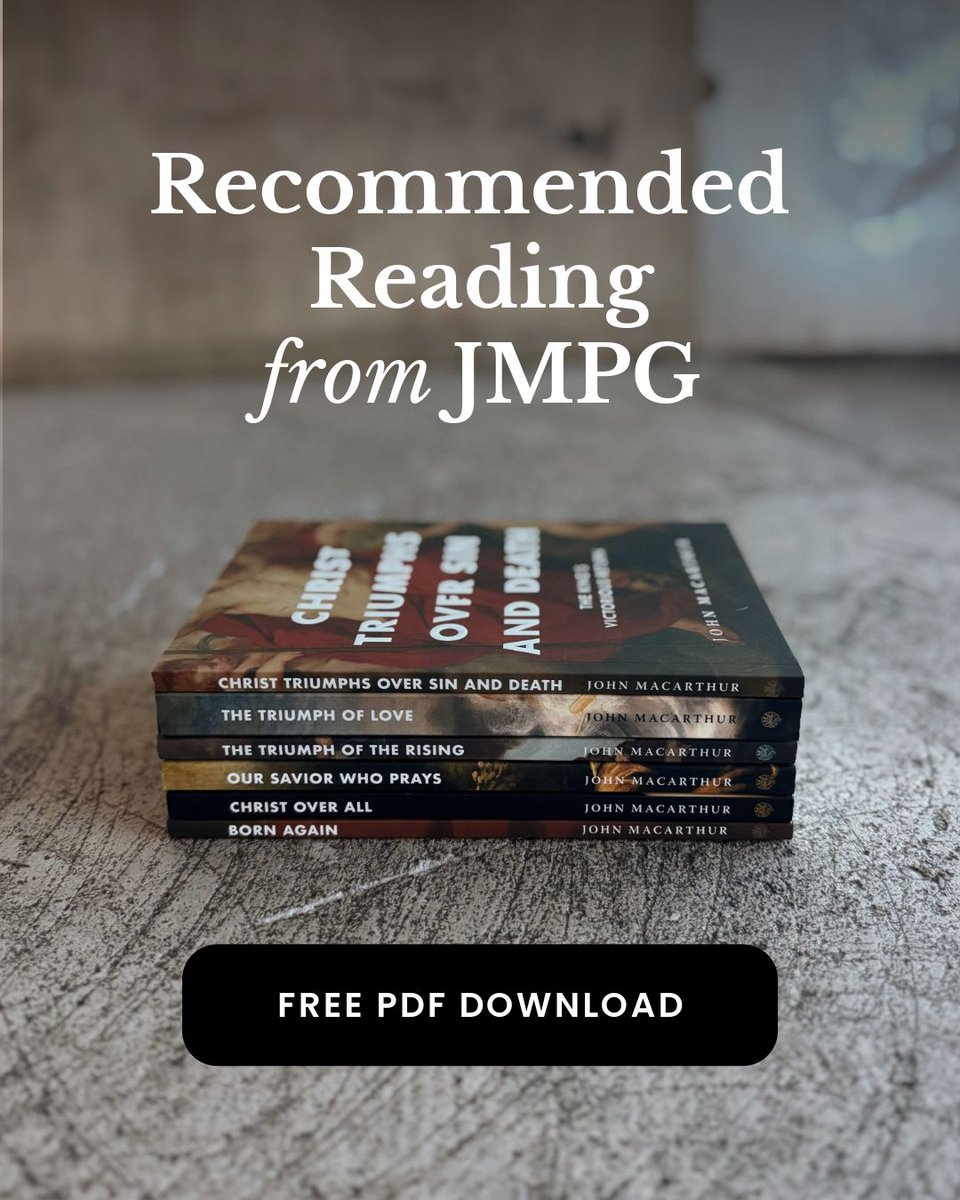
This carefully curated list highlights titles by various authors that will strengthen your faith and encourage you in Christ. See below to download a free PDF version, and visit the link on our profile to browse all titles.
1
6
19
326
Download a PDF of the Reading List Here: buff.ly/683DeoH
3
173
Every day, on a multitude of battlefronts, Satan is deploying weapons of mass corruption against our children. Modern culture has been systematically designed with an agenda that is aggressively anti-God, anti-Christ, and anti-Scripture, intended to corrupt and consume young, impressionable hearts and minds.
As God's people, we need to:
▪️ Teach our children God's Word
▪️ Train them in righteousness
▪️ Give them wise and biblically based guidance
▪️ And above all, give them our extravagant love
3
22
270
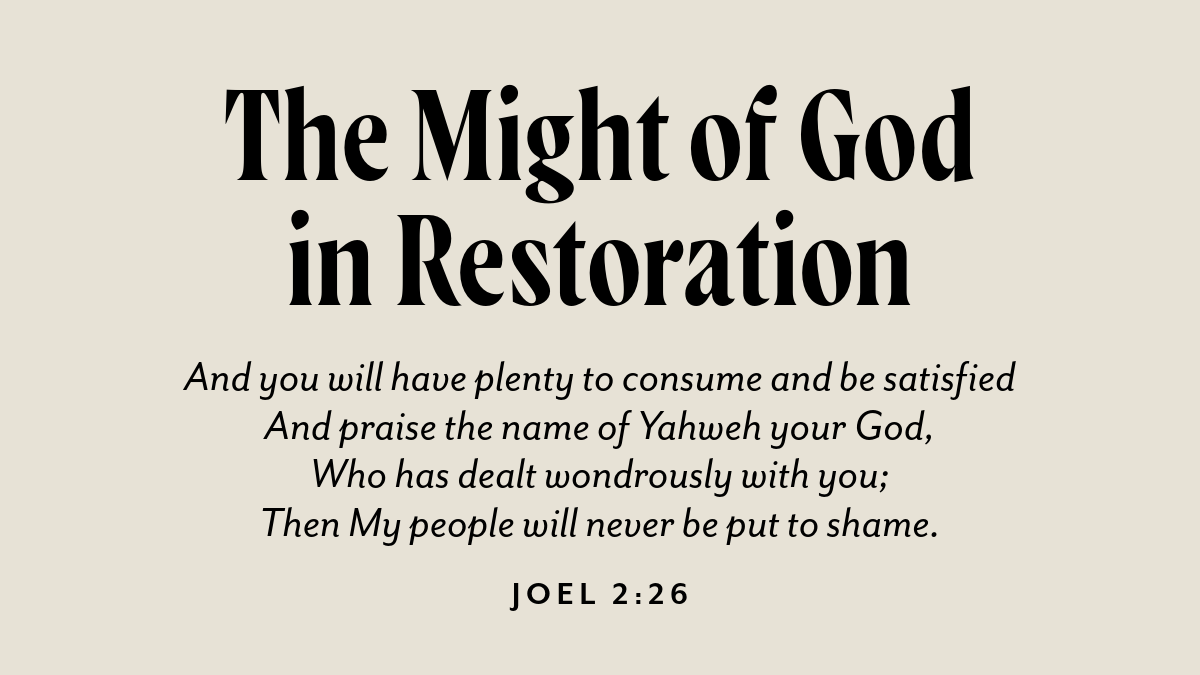
Today’s Devotional: “The Might of God in Restoration” 👇
Then I will pay back to you in full for the years
That the swarming locust has consumed,
The creeping locust, the stripping locust, and the gnawing locust,
My great military force which I sent among you.
And you will have plenty to consume and be satisfied
And praise the name of Yahweh your God,
Who has dealt wondrously with you;
Then My people will never be put to shame.
— Joel 2:25–26
Despite the devastation Israel has endured throughout history, God promised to restore and bless the nation. In Joel 2:25–26, Joel predicted the glory of Israel’s future after it had suffered severe humiliation.
At the outset of the book, Joel discussed massive devastation among God’s people. He described creeping locusts consuming what the swarming locusts did not, and the stripping locust consuming what the creeping locust did not (1:4). Joel had recounted how fire would consume the pastures (1:19–20) and how an eschatological army would have a fire consume before them (2:3). In fact, they would destroy the people like a flame consumes the stubble (2:5). Joel used the word consume to denote the power of God’s raging and all-consuming wrath.
However, in Joel 2:25–26, a reversal unfolds. God said He would pay back His people for the years that the locust consumed (2:25). While God’s judgment did ravage the land, God would now bless the land with abundance. Joel said that Israel would have plenty to consume and be satisfied (2:26). They would not only regain what they lost but also enjoy its abundance in their land. God will demonstrate that He not only can undo the damage that was done but that He can also transform devastation into beauty. That is who our all-powerful God is: He is mighty to restore.
____
This devotional is adapted from 𝘞𝘰𝘯𝘥𝘦𝘳𝘧𝘶𝘭 𝘛𝘩𝘪𝘯𝘨𝘴 𝘧𝘳𝘰𝘮 𝘠𝘰𝘶𝘳 𝘓𝘢𝘸, available as a paperback or Kindle ebook (gracebooks.com/wonderful-thi…).
3
23
277