Full stack 🔭astrophysicist🔭 @UofT working on galaxy formation & dark matter and on open-source code for astrophysics | book: galaxiesbook.org/
Joined July 2012
- Tweets 177
- Following 19
- Followers 1,112
- Likes 237
38 Photos and videos


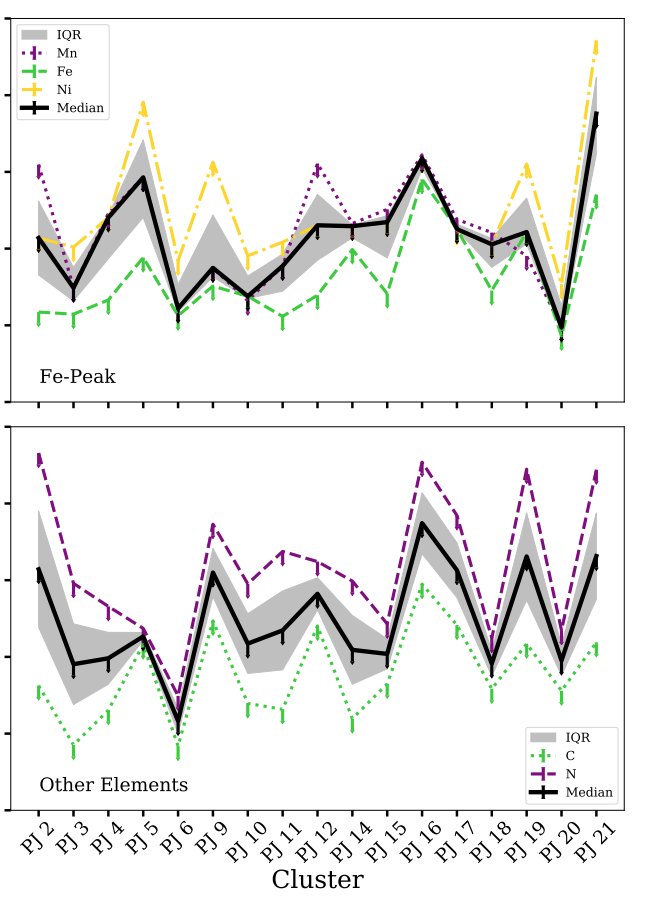
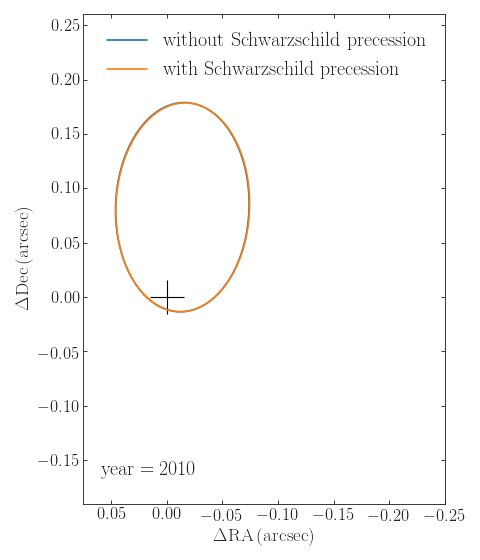
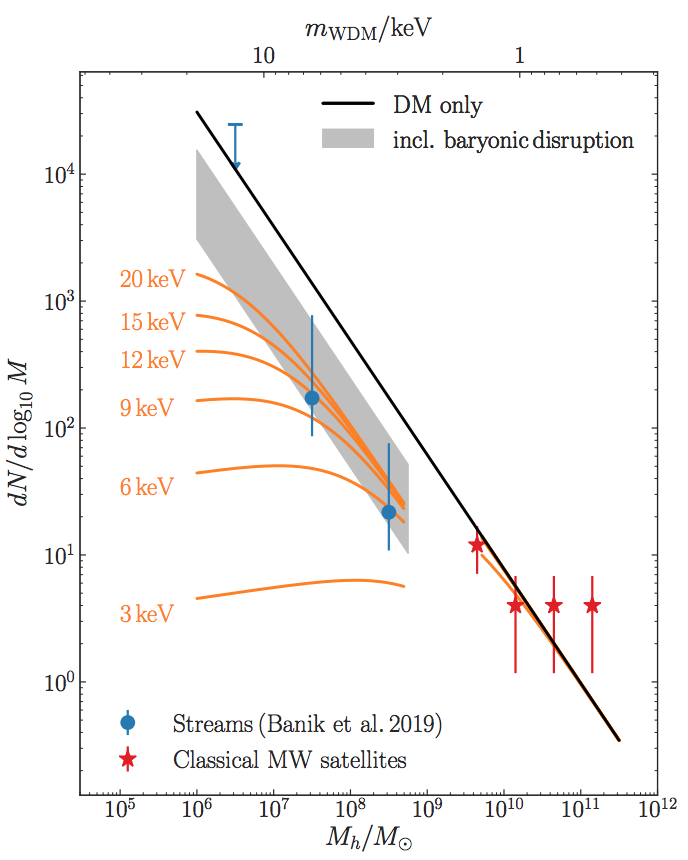

Happy to announce that a ~complete draft of the first three parts is now available at
galaxiesbook.org/
Check it out and please let me know of 𝘢𝘯𝘺 issues/typos/... no matter how small!

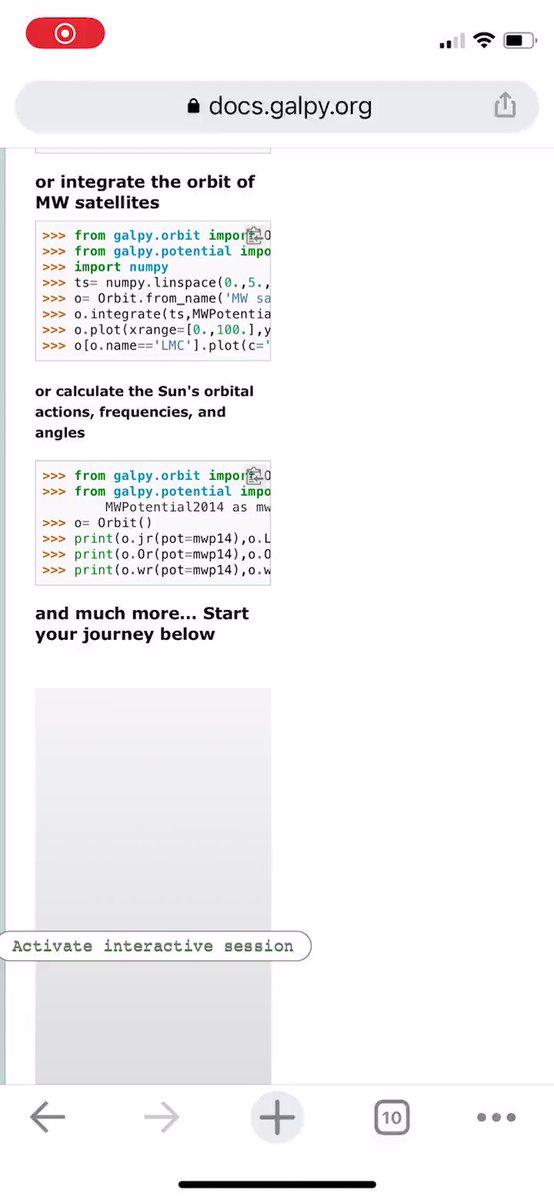
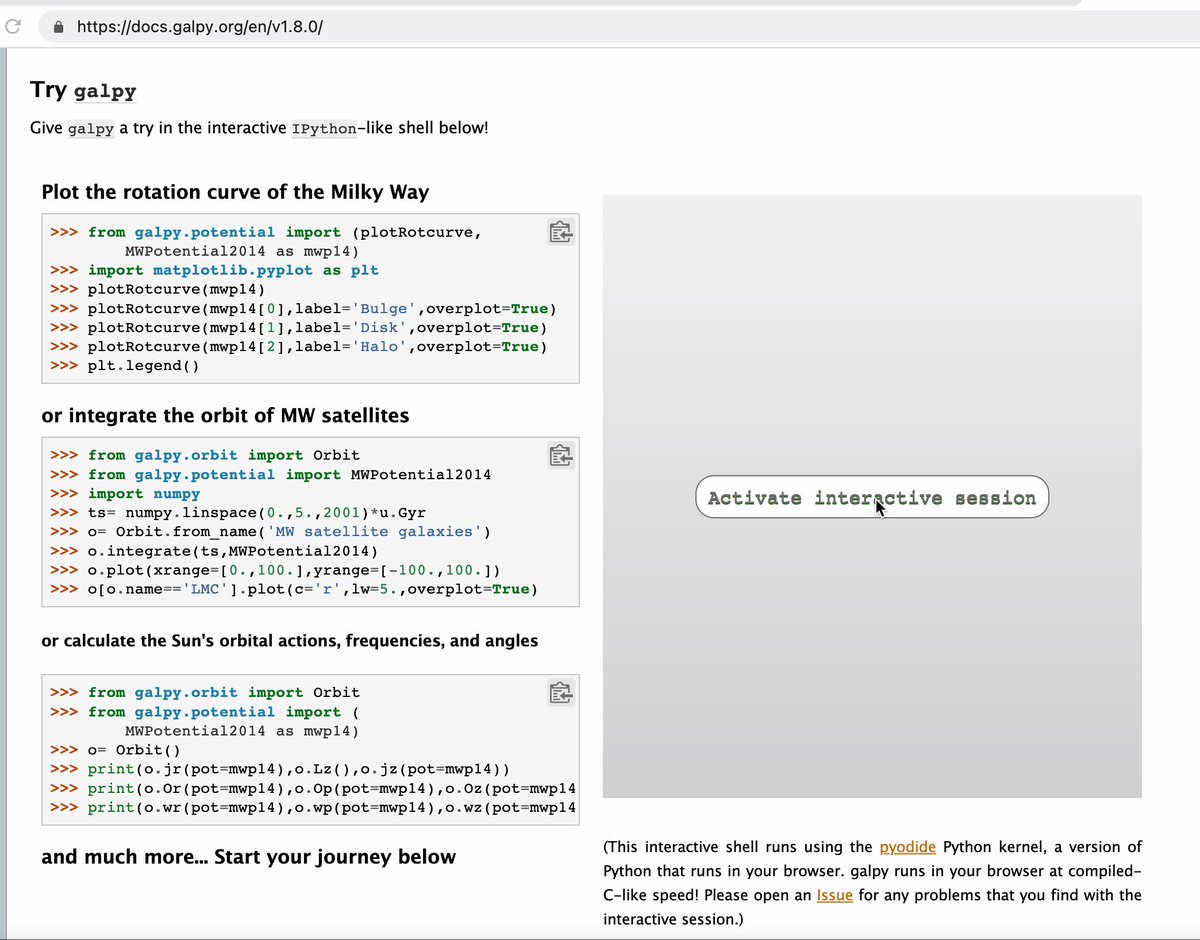
I'm writing a book!! A graduate textbook on the Dynamics and Astrophysics of Galaxies with @PrincetonUPress. But it will be different from what you're used to: the print copy will be accompanied by an HTML version with interactive examples and live code in the browser, 100% free.
18
57
189
Very cool LLM interface to Gaia data, check it out!
9 Nov 2023

Announcing ChatGaia! Chat with the Gaia Archive - no code required. ChatGaia could greatly help astronomy students get started with astronomy data by turning hours of work into seconds.
1
3
18
1,670
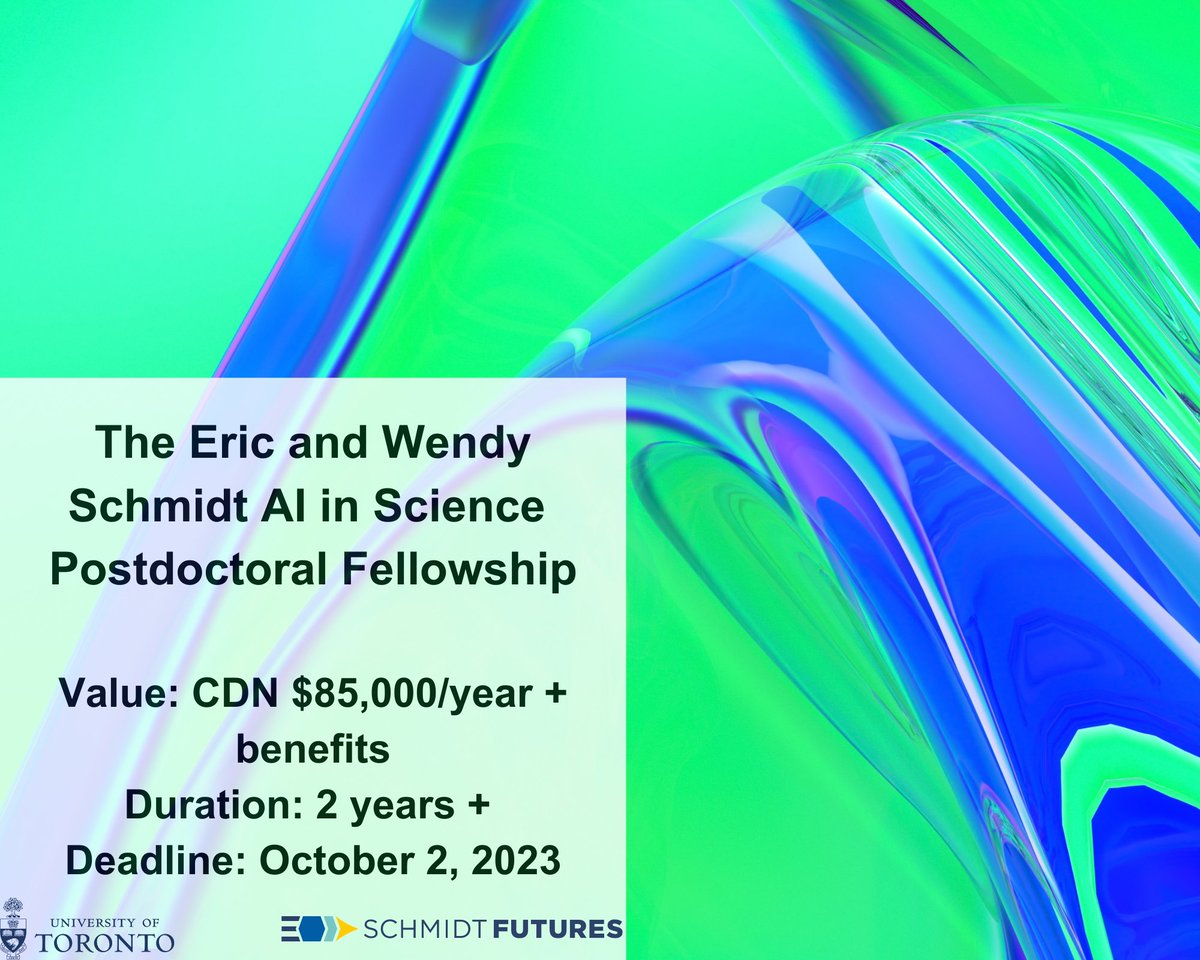
Looking to use #ArtificialIntelligence in #astronomy even if you don't have prior experience in this? This might be the right postdoc for you! Please reach out if interested.

#UofT ’s Eric and Wendy Schmidt AI in Science Postdocs program boosts the work of early-career scholars in #engineering, #mathematics and #naturalscience by giving them vital tools in #AI.
Apply now for our 2024 cohort: schmidtfellows.utoronto.ca/a…
#SchmidtAIinSci
1
7
1,208
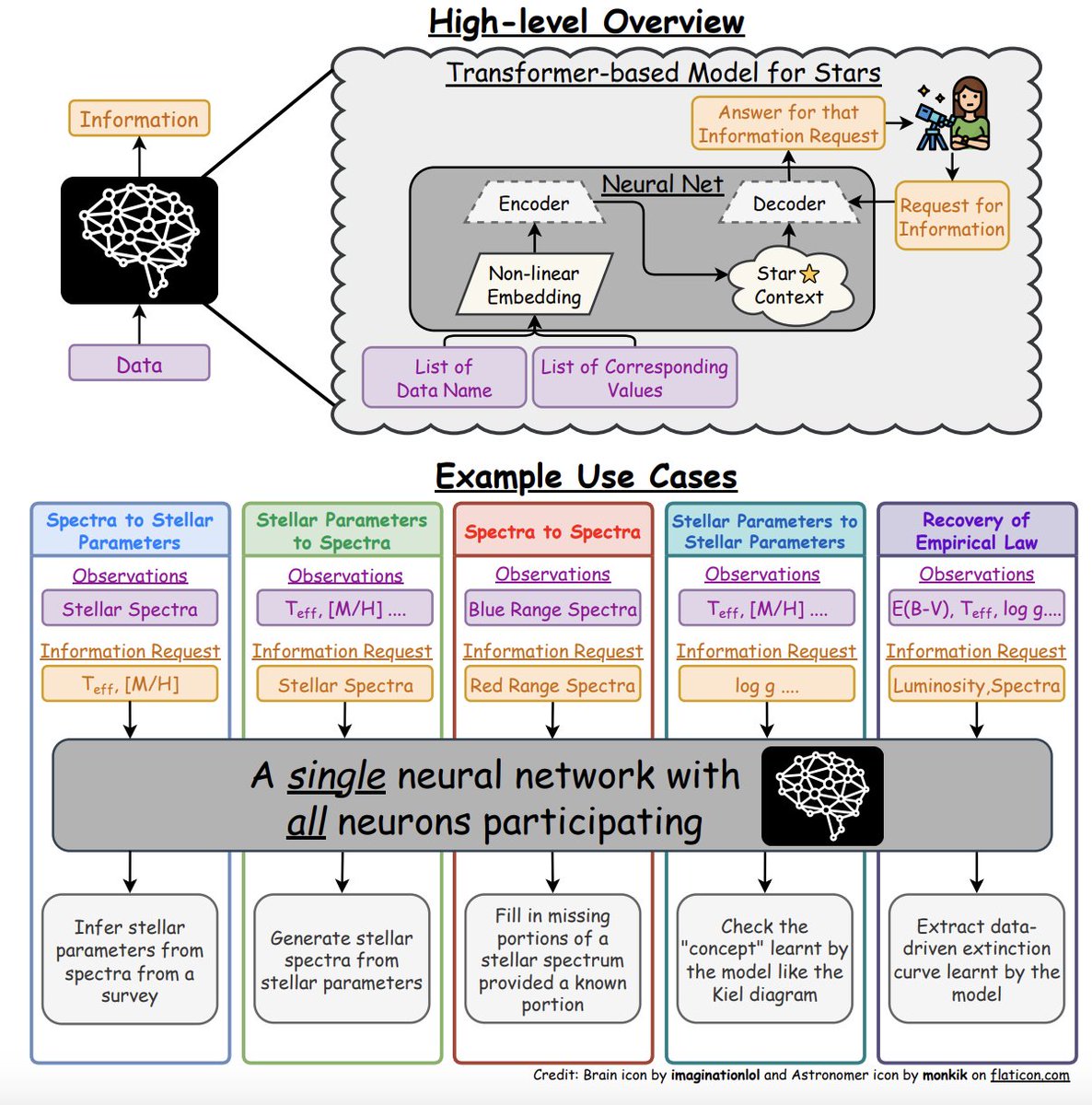
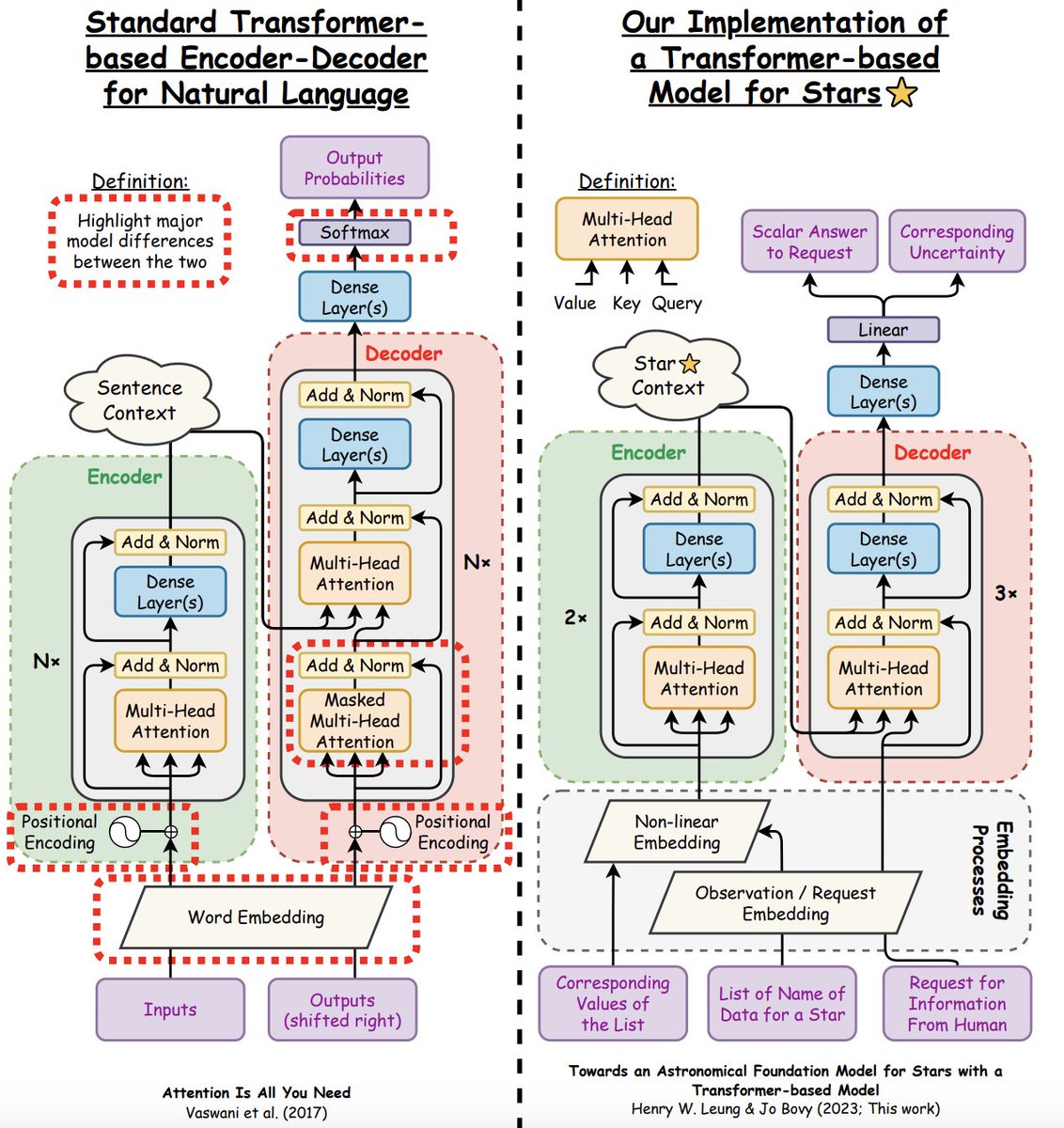
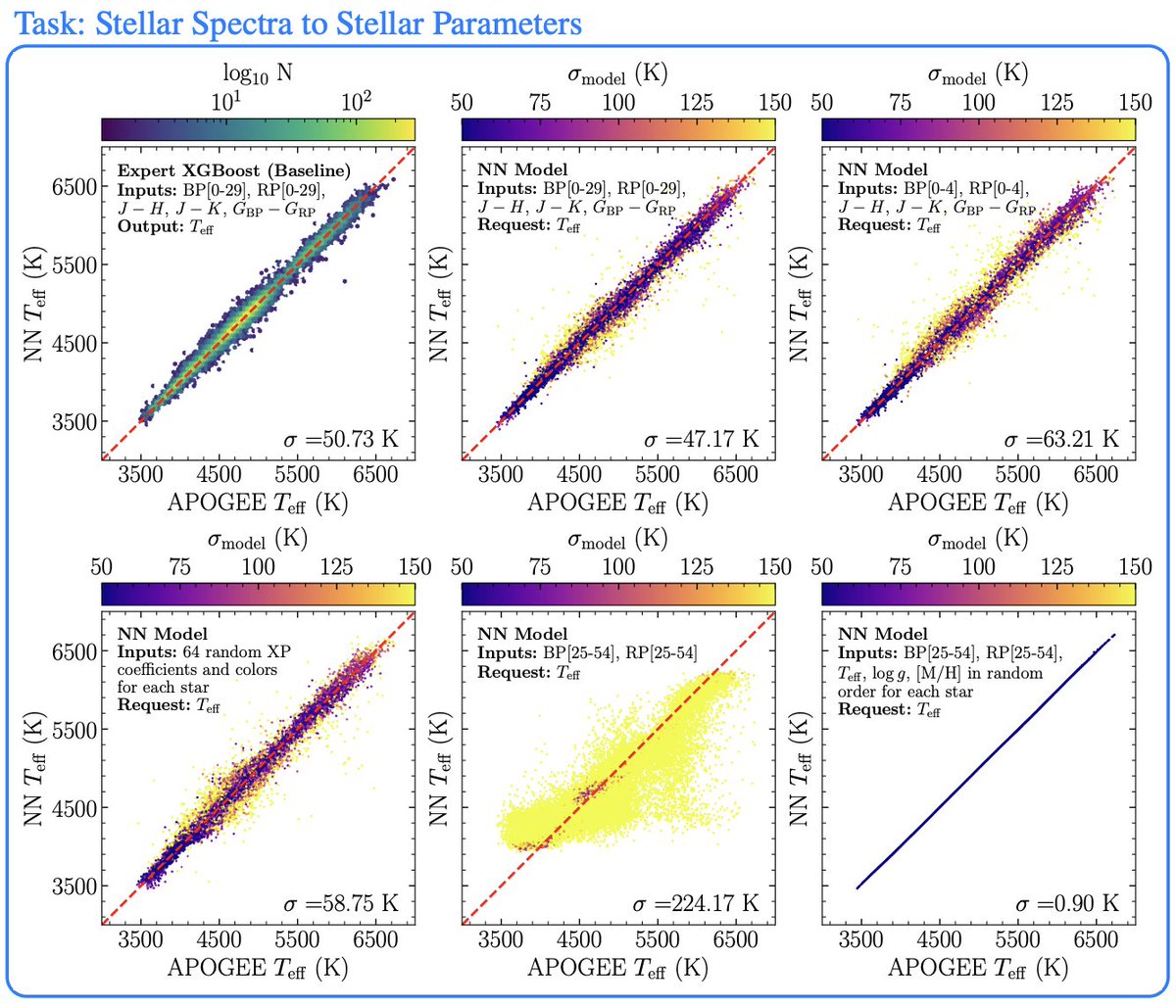
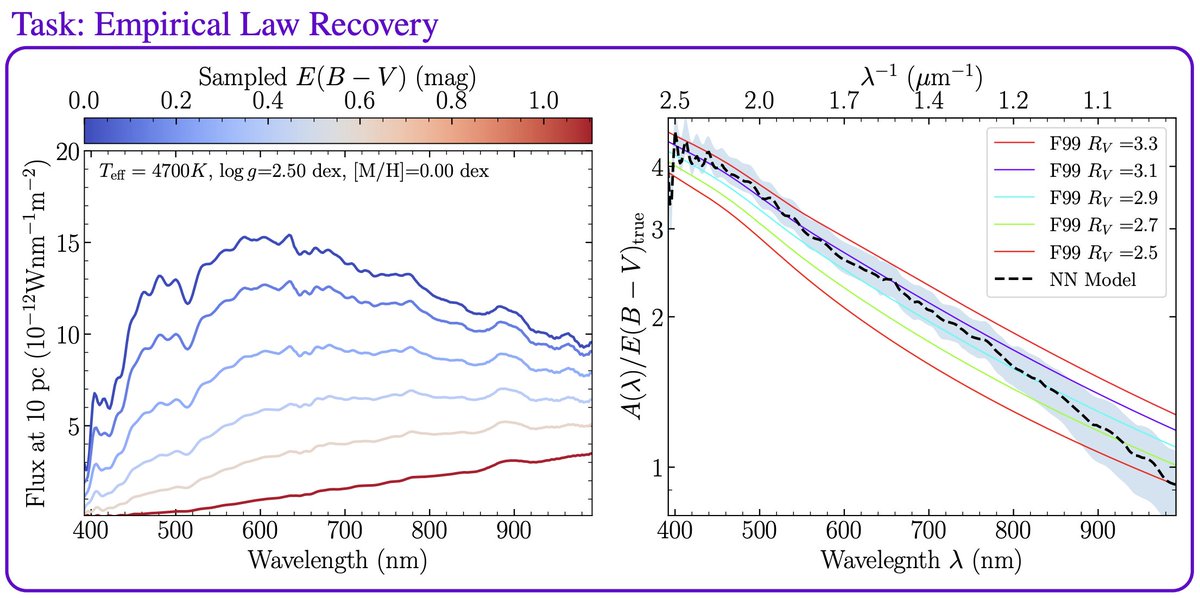
Really stoked about this paper with Henry Leung! We develop a versatile neural-network model for 🌟stars🌟 that can tackle many tasks with flexible inputs:
arxiv.org/abs/2308.10944
A small step towards an astro-'foundation model': a single model for all of data-driven astronomy!
1
7
34
1,670
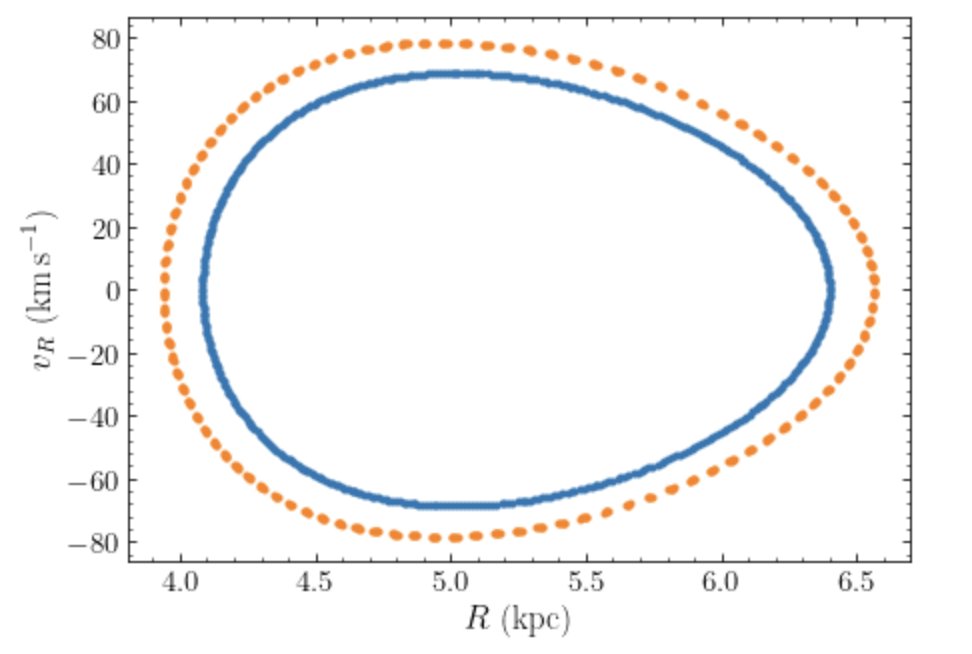
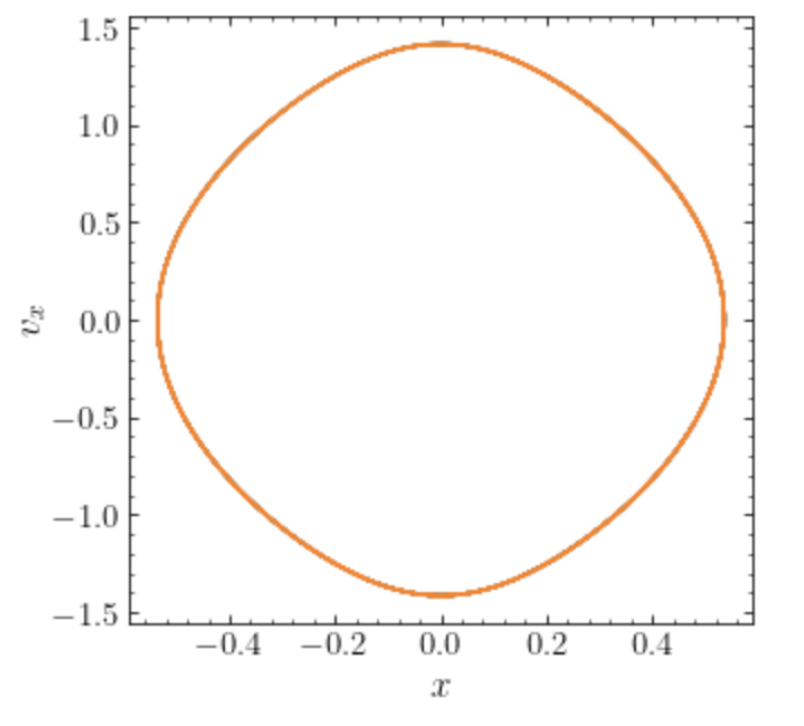
💫 New 1.9.0 version of galpy! 💫
Highlights:
- Orbit.SOS and Orbit.plotSOS: Quickly compute surfaces of section using exact and brute-force methods
- Forward and reverse action-angle transforms in 1D
- Orbit.animate3d: Animate orbits in 3D
Start here: docs.galpy.org/en/v1.9.0/
8
24
1,471
Interested in AI applications in astrophysics/cosmology? This new postdoctoral program might be for you! Contact me if you are interested! Application deadline: Nov 21, 2022
26 Oct 2022

#UofT just launched the Eric and Wendy Schmidt AI in Science Postdoctoral Fellowship, a program of Schmidt Futures (@SchmidtFutures). It is co-led by the AC's @A_Aspuru_Guzik and @UofTDSI's Lisa Strug, with support from @VectorInst #SchmidtAIinSci 👉 bit.ly/3Fn200y
1
1
@sazabi_li and I are hiring a postdoc together in the field of near-field cosmology!
jobregister.aas.org/ad/d8f0e…
This is a broad search for people interested in working with us and our groups on problems in the wide range of topics that we are interested in, so please apply!
1
2
2
Interesting in working with me @UofT? Also consider these:
- Dunlap fellowship: jobregister.aas.org/ad/ec7e2…
- CITA fellowship: jobregister.aas.org/ad/6c941…
- AI in Science fellowship: schmidtfellows.utoronto.ca/
- A&S Fellowship: sgs.utoronto.ca/awards/arts-…
Reach out if interested!
1
1
💫 New version of galpy (1.8.0)! 💫
Highlights:
- Support for including the MW frame's acceleration due to the LMC
- Particle-spray technique for generating stellar streams
- In-browser, installation-free, fast use through @pyodide ⤵️
Start here: docs.galpy.org/en/v1.8.0/
3
17
77
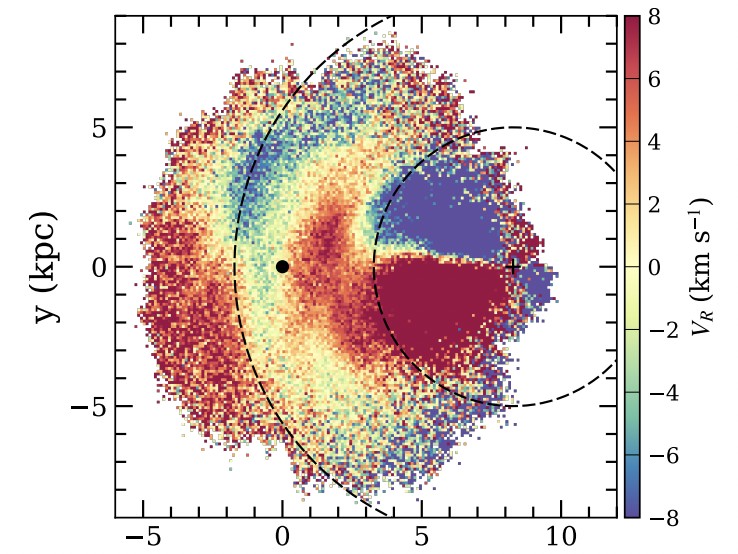
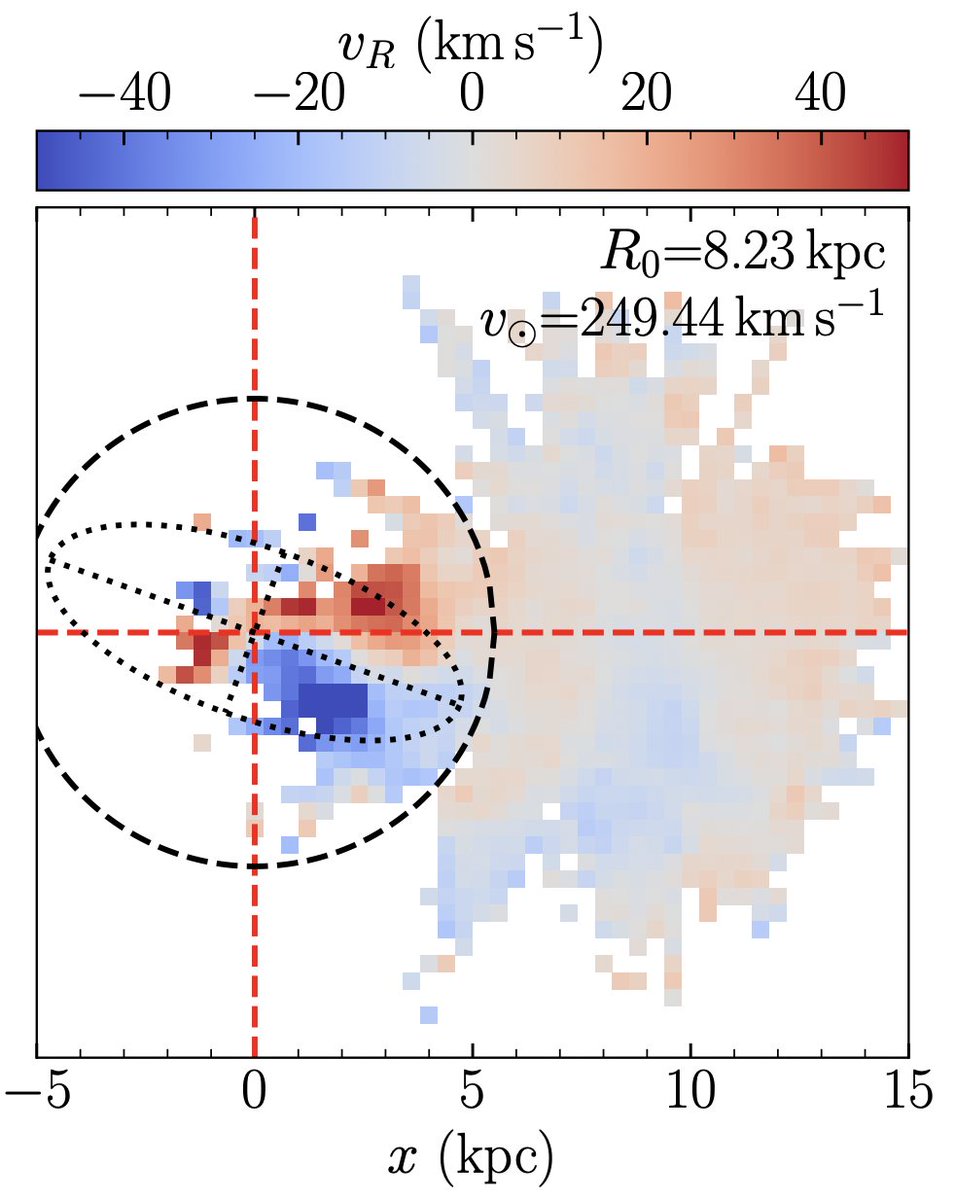
As we've come to expect, the new #GaiaDR3 are once again amazing! Like this great map of the kinematics of the bar region. And it agrees with our @APOGEEsurvey work on this! Most recently in arxiv.org/abs/2204.12551 (note that our map is flipped wrt the Gaia one)
2
28
110
🚨 New distance R0 to the Galactic center 🚨
If you're like me, you're worried that those hyper-precise measurements of R0 using S2💫Sgr A* are inaccurate because Sgr A* is not at the Milky Way's barycenter (I know, I'm weird)
Solution: arxiv.org/abs/2204.12551
R0=8.23±0.12 kpc
1
7
38
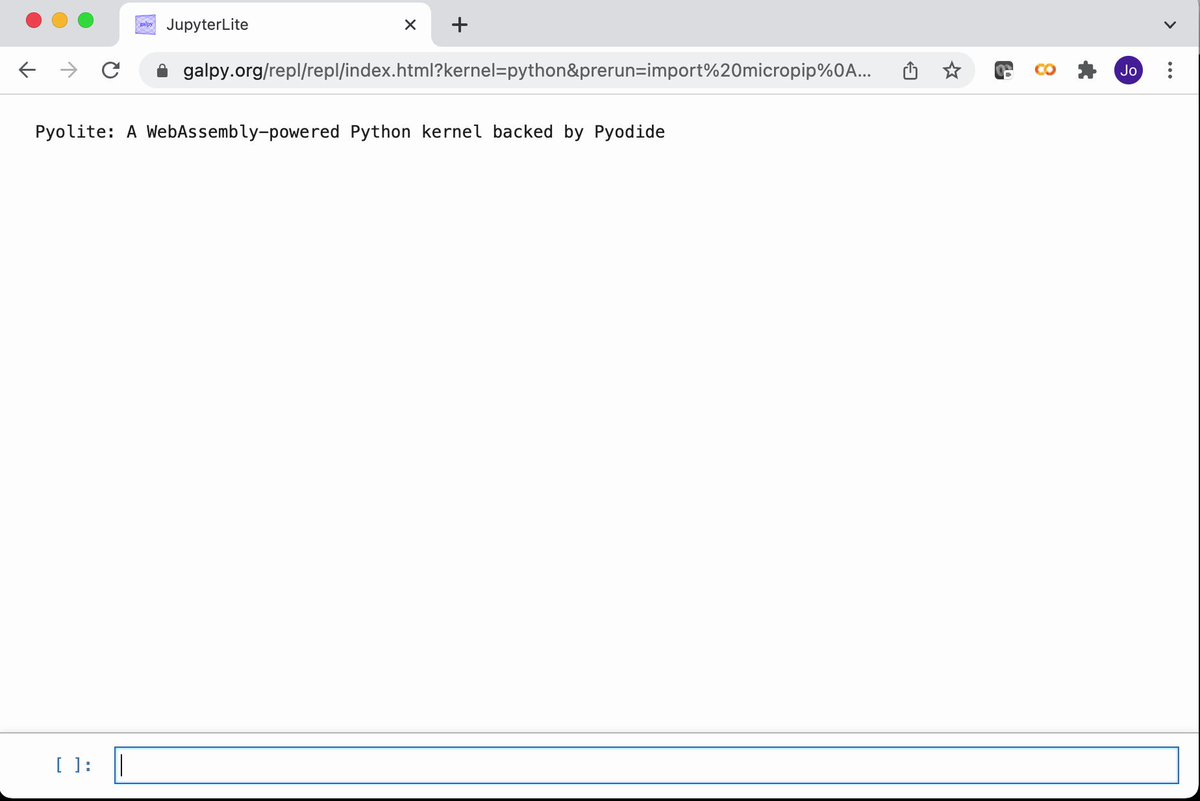
I've been doing some work to make @astropy run in the browser using the @pyodide Python distribution.
Head over to galpy.org/repl to try it out in a JupyterLite-based IPython-like interface!
(this also has galpy installed!)
(don't expect 𝘦𝘷𝘦𝘳𝘺𝘵𝘩𝘪𝘯𝘨 to work)
2
10
Way to go @Viithinks!!
1 Feb 2022

I’m delighted to share the @DunlapInstitute “graduate student of the month”, @Viithinks who is my student (co-supervised with the uber-talented @jobovy). dunlap.utoronto.ca/february-… Victor is a great member of the #hnauts and doing awesome work on #cosmology inference and analysis!
2
4
Happy to announce that a ~complete draft of the first three parts is now available at
galaxiesbook.org/
Check it out and please let me know of 𝘢𝘯𝘺 issues/typos/... no matter how small!
I'm writing a book!! A graduate textbook on the Dynamics and Astrophysics of Galaxies with @PrincetonUPress. But it will be different from what you're used to: the print copy will be accompanied by an HTML version with interactive examples and live code in the browser, 100% free.
18
57
189
Also released a new version of galpy (v1.7.0) to accompany the draft. Includes new, general support for spherical DFs (an/isotropic) and lots of new Potential classes. Documentation here:
docs.galpy.org/en/v1.7.0/
with new features described here:
docs.galpy.org/en/v1.7.0/wha…
1
16
Wonderful news! Welcome @thejunaverse!
31 Mar 2021

We’re thrilled to welcome world-renowned astrophysicist Juna Kollmeier (@thejunaverse) as director of U of T’s @CITA_ICAT. The leader of Sloan Digital Sky Surveys(@sdssurveys) comes from @CarnegieAstro to explore the universe with @UofT.
Learn more: bit.ly/3cACKVM
16
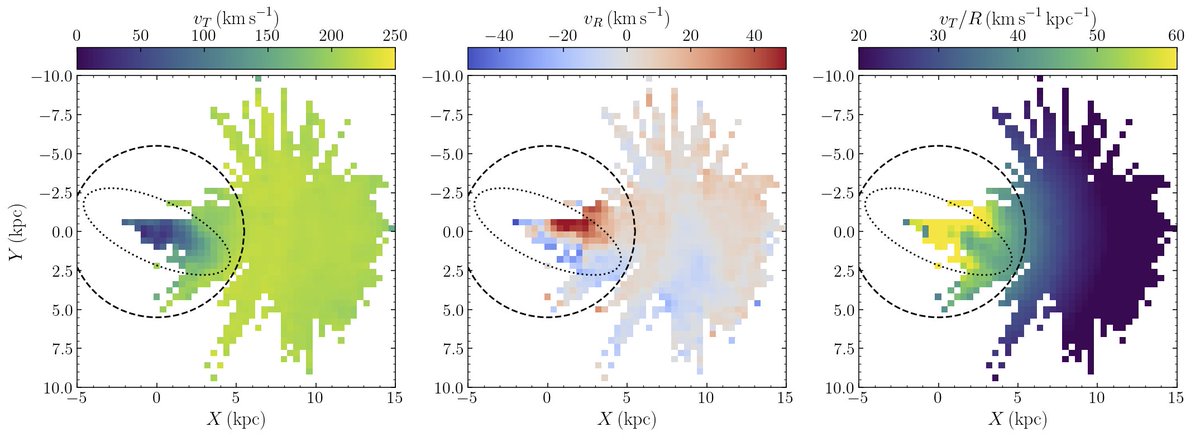
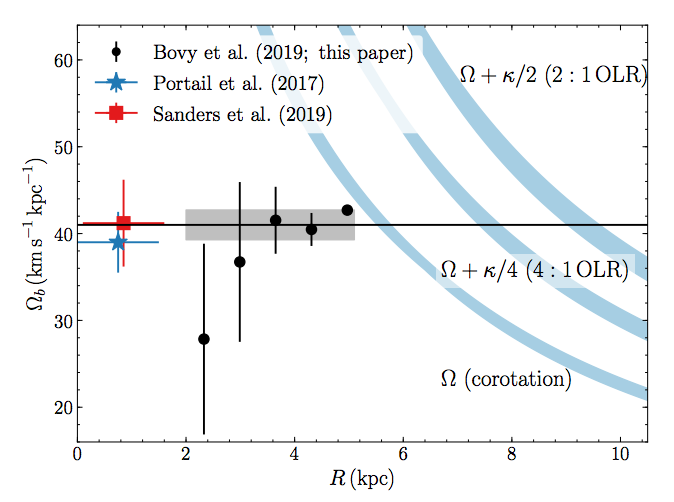
My student Henry Leung quickly redid our analysis of the Milky Way bar's kinematics using @APOGEEsurvey and now @ESAGaia's #GaiaEDR3; all looks a lot cleaner now and confirms our previous measurement of the bar's rotation period 🎉🎉!
The accepted version of our paper on the Milky Way bar's dynamics, formation, and evolution with @APOGEEsurvey and @ESAGaia data has this measurement of the bar's pattern speed at different radii: the inner Milky Way rotates as a stable, solid-body bar
arxiv.org/abs/1905.11404
1
6
38