Joined November 2025
- Tweets 293
- Following 106
- Followers 80
- Likes 1,156
42 Photos and videos


John Bayode retweeted

Jun 7
i guess it takes one crazy sibling that choose not to give up reaching out to others
1
66
9,991
Jun 7
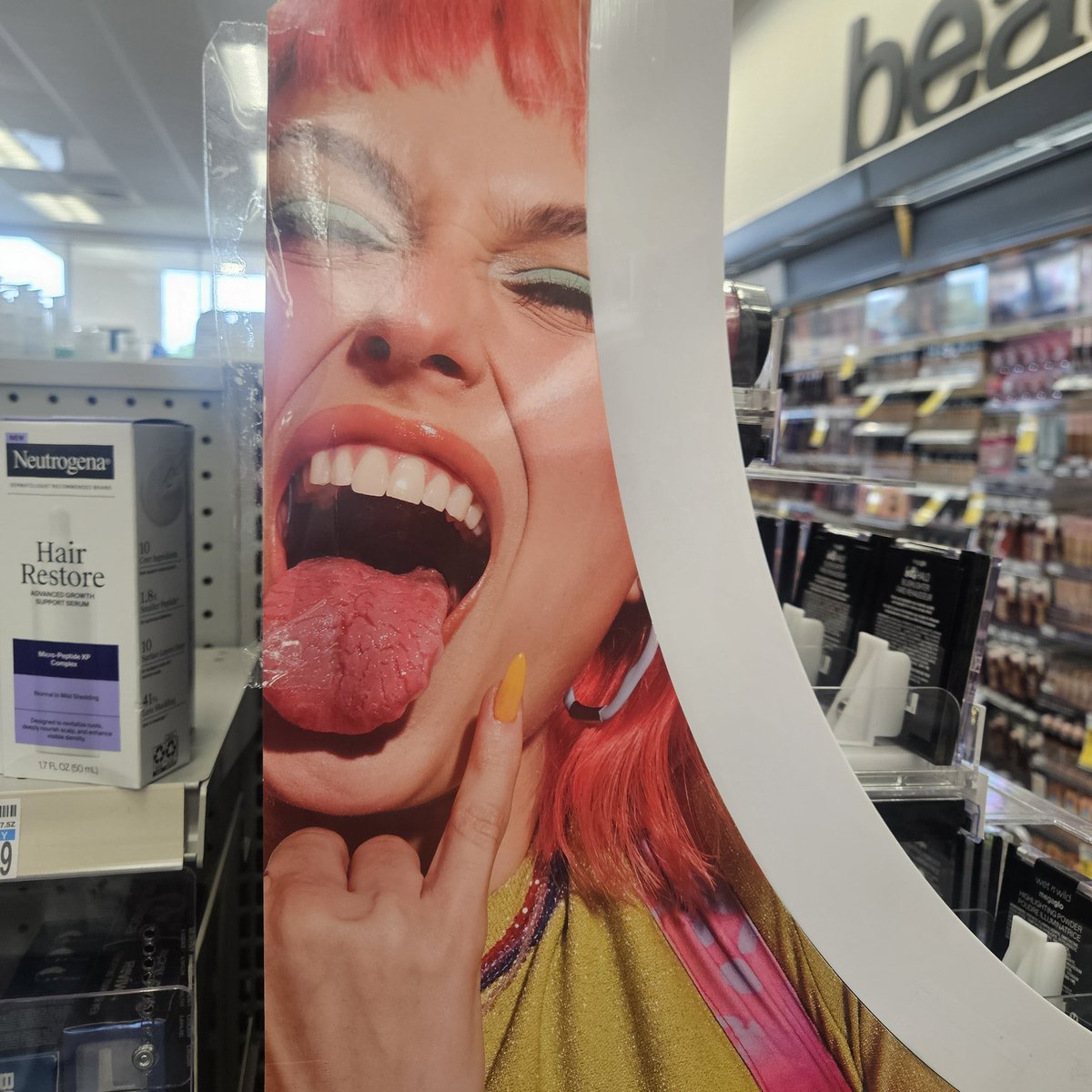
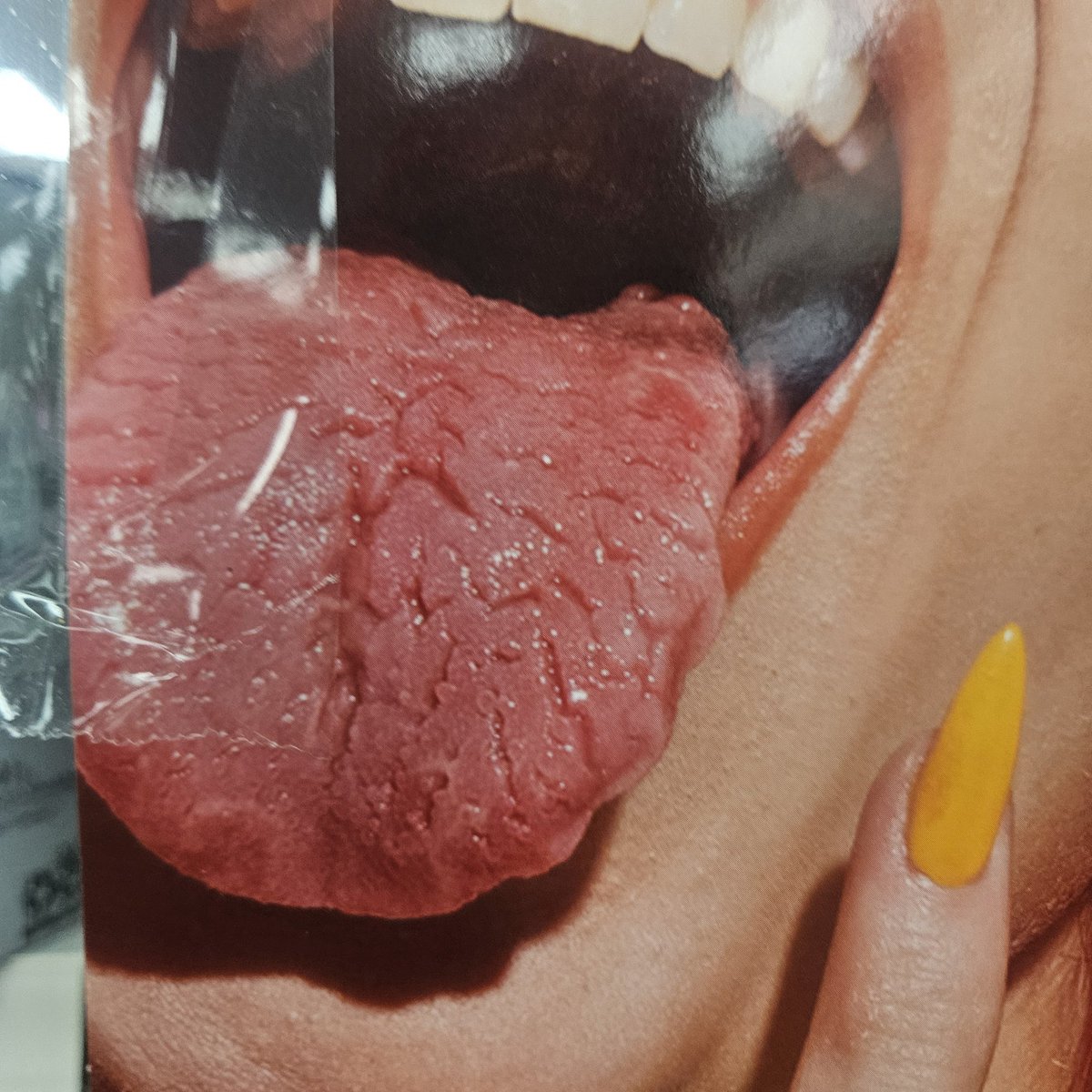
expired tongue i guess.

1
2,802
Jun 4
When my cousin died, one of the things that stayed in my head was the new house he had just built.
Not because I suddenly became an expert in high-value assets. Not because I had some grand inheritance plan. But because grief has a strange way of dragging practical questions into the room before you are emotionally ready for them.
What do you even do with a high-value asset like that?
Especially when there is no close family member to inherit it. Who decides what happens next? How do you protect a physical asset that valuable without turning it into a legal problem, a family problem, or a logistics problem?
That confusion stayed with me longer than I expected.
Some days, I would think about it casually and end up in the same strange thought experiment. It would be nice, wouldn’t it, if heavy physical assets could move the way money moves on a phone? If something as valuable as a newly built house, land, or property could be transferred without all the friction that usually comes with it. No trucks. No long paper trail. No waiting forever to get paid. Just a clean transfer of value and instant settlement.
I mentioned something like that one day while talking with my best friend’s brother. Not as some deep market thesis. Just as a frustrated thought.
“Which era are you living in?” he asked.
.
2
2
103
Jun 4
It is not only physical assets.
That was the part that really shifted the ground under me.
Because in my head, the idea was still limited to obvious, touchable things: a newly built house, land, buildings, machinery, maybe art hanging in a private room, But he kept going. Bonds can be tokenized. Debt can be tokenized. Invoices, private credit, treasury products, equity, and other financial instruments can also be represented on-chain.
Real World Assets, he explained, are not just about taking physical things and dragging them into crypto. They are about bringing forms of real-world value, both tangible and intangible, onto digital rails.
That was when the idea clicked for me.
I had been thinking about high-value assets the way families think about them: who controls them, who inherits them, how difficult they are to transfer, and what can go wrong when no clear path exists for what happens next.
Crypto was thinking about them differently. It was asking a different question: not “can you carry the asset on your phone?” but “can the ownership, cash flow, or financial exposure attached to that asset move at the speed of the internet?”
Once you see it that way, RWAs stop looking like a niche trend and start looking like a rewrite of how value travels.
And that, for me, was the real beginning of understanding real-world assets in crypto
1
92
Jun 4
I couldn’t say a word.
Not because I didn’t hear him. Because, in that moment, the question sounded stupid to me.
Physical assets were physical assets. A house was still a house. Land was still land. How exactly was a phone supposed to solve that? It felt like one of those overly online crypto answers people throw at real-life problems because they have never had to touch the problem itself.
He saw the look on my face and smirked.
Then he started explaining.
Not in the loud, hype-filled way crypto people usually explain things. More like someone pointing out that the world had quietly changed while I was still arguing with the old version of it.
He said assets do not have to physically move for value to move. What moves is ownership, the claim, the right attached to the asset. And once you understand that, tokenization stops sounding like internet magic and starts sounding like infrastructure.
He broke it down simply. A real asset still exists in the real world. The asset is still real. The land is still land. The building is still standing where it has always stood. But ownership rights can be turned into digital tokens on a blockchain, so that what used to be slow, paper-heavy, and difficult to transfer becomes easier to divide, track, and move.
Then he said something that stayed with me.
2
79
May 31
#uccc content entry for real Finance
#CryptoGem #meme #btc #DíaDeCanarias #çorlu #EcuadorSinMineríaIlegal

3
134
John Bayode retweeted

Apr 20
We are excited to launch the Ultimate Content Creation Contest (UCCC) with a total reward pool of $15,000.
As Real Finance Blockchain moves closer to the upcoming $ASSET Token Generation Event, we are inviting creators, strategists, researchers, and Web3 enthusiasts to produce original content focused on the REAL ecosystem, tokenization, RWAs, and the future of blockchain infrastructure.
Participants can submit content in any format, including:
✅Video and animation
✅Articles and blog posts
✅Infographics and design
✅Research and technical analysis
✅Podcasts
✅Memes and creative campaigns
The contest is open to creators of all sizes. We are looking for quality, originality, strategic thinking, and strong storytelling.
Prize Pool
1st Place - $5,000 opportunity to be considered for a long-term contract with Real Finance Blockchain
2nd Place - $3,000
3rd Place - $2,000
4th & 5th Place - $1,000 each
6th to 10th Place - $600 each
How to participate
✅Follow @RealFinOfficial
✅Engage with the official announcement
✅Create and publish your content using #UCCC
Submit your entry here: promotions.real.finance/uccc…
Submission deadline: May 31
If you believe tokenized real-world assets are one of the most important opportunities in Web3, this is your chance to share your perspective and be rewarded for it.
We look forward to seeing your creativity.

925
692
1,941
277,224
John Bayode retweeted

May 16
NEW BOUNTY LIVE!! $500 for @Pizza_DAO's global pizza party next week! Watch for the scoop!
youtu.be/TPOsbR4jecs
6
23
79
3,292
May 14
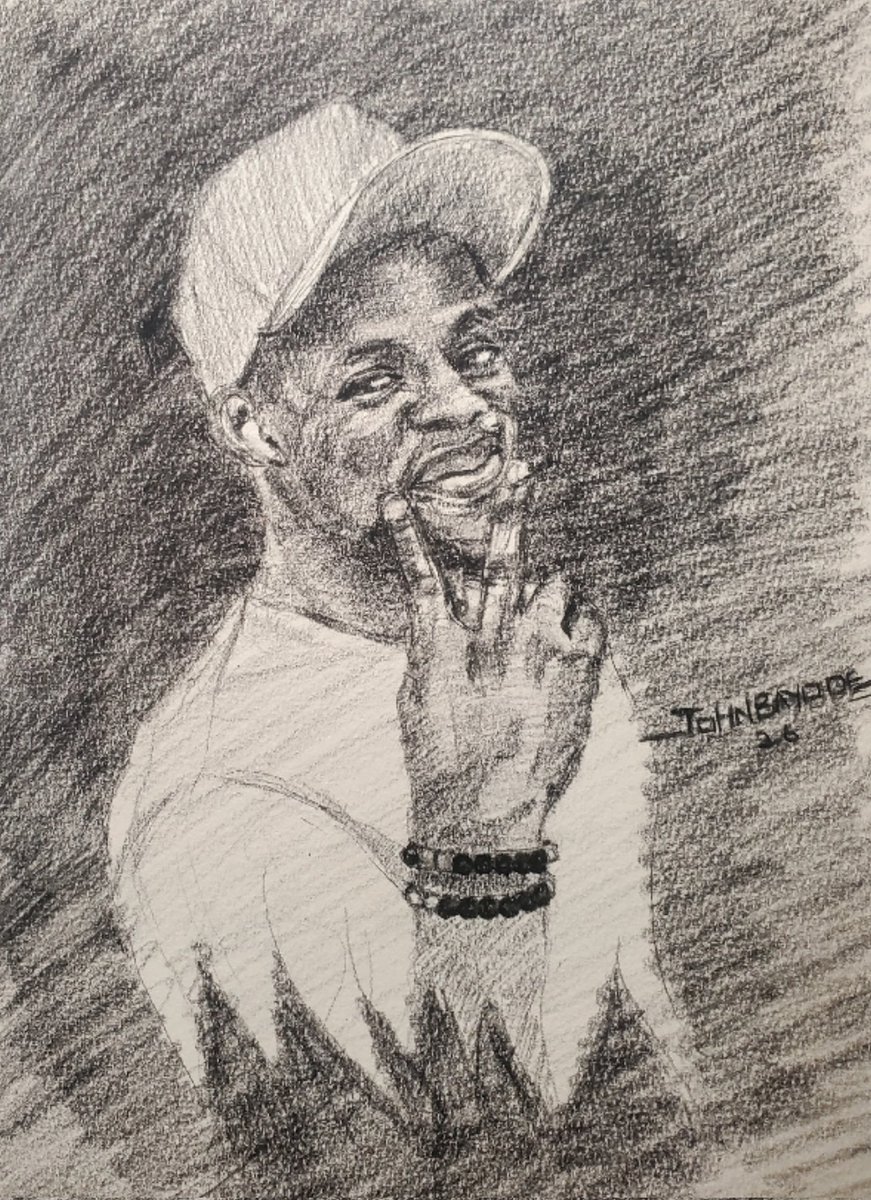
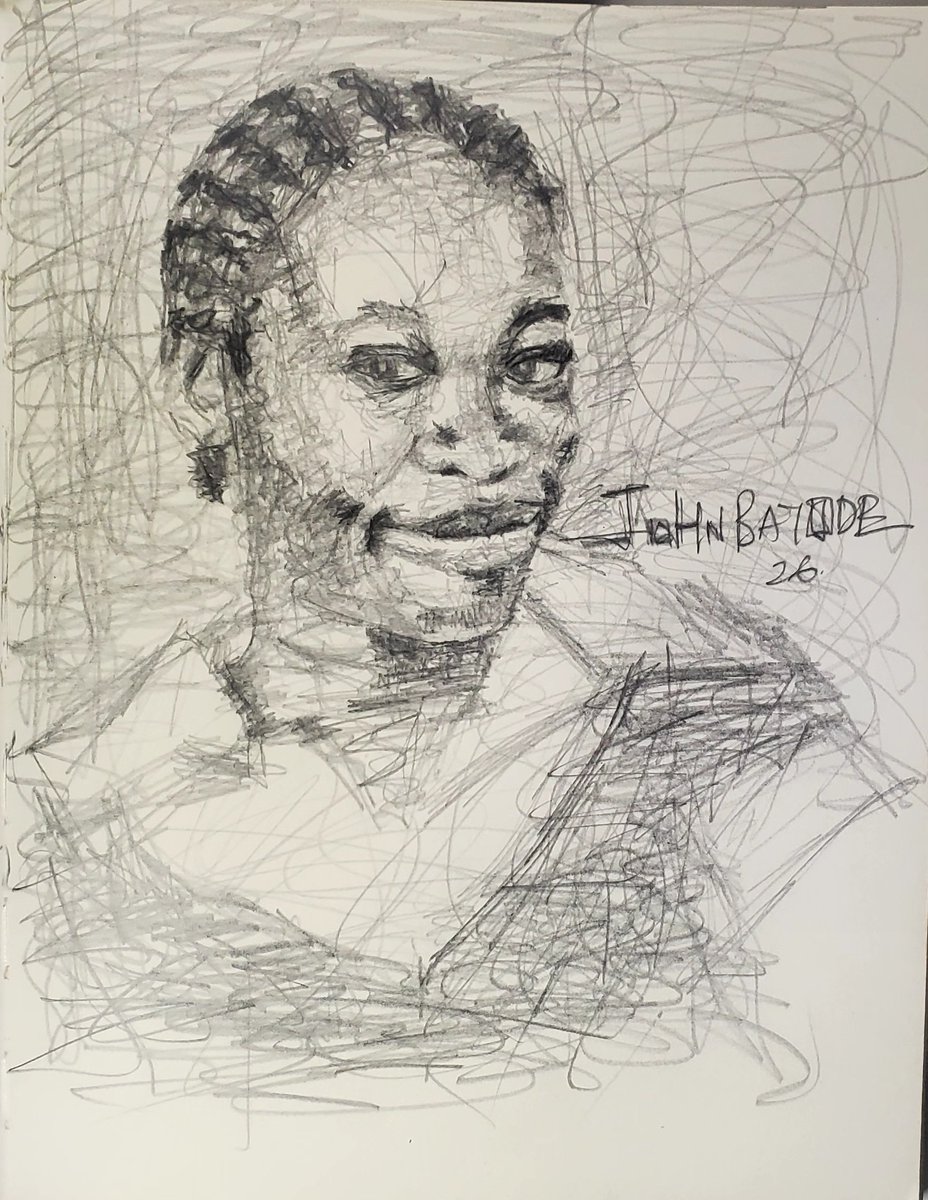
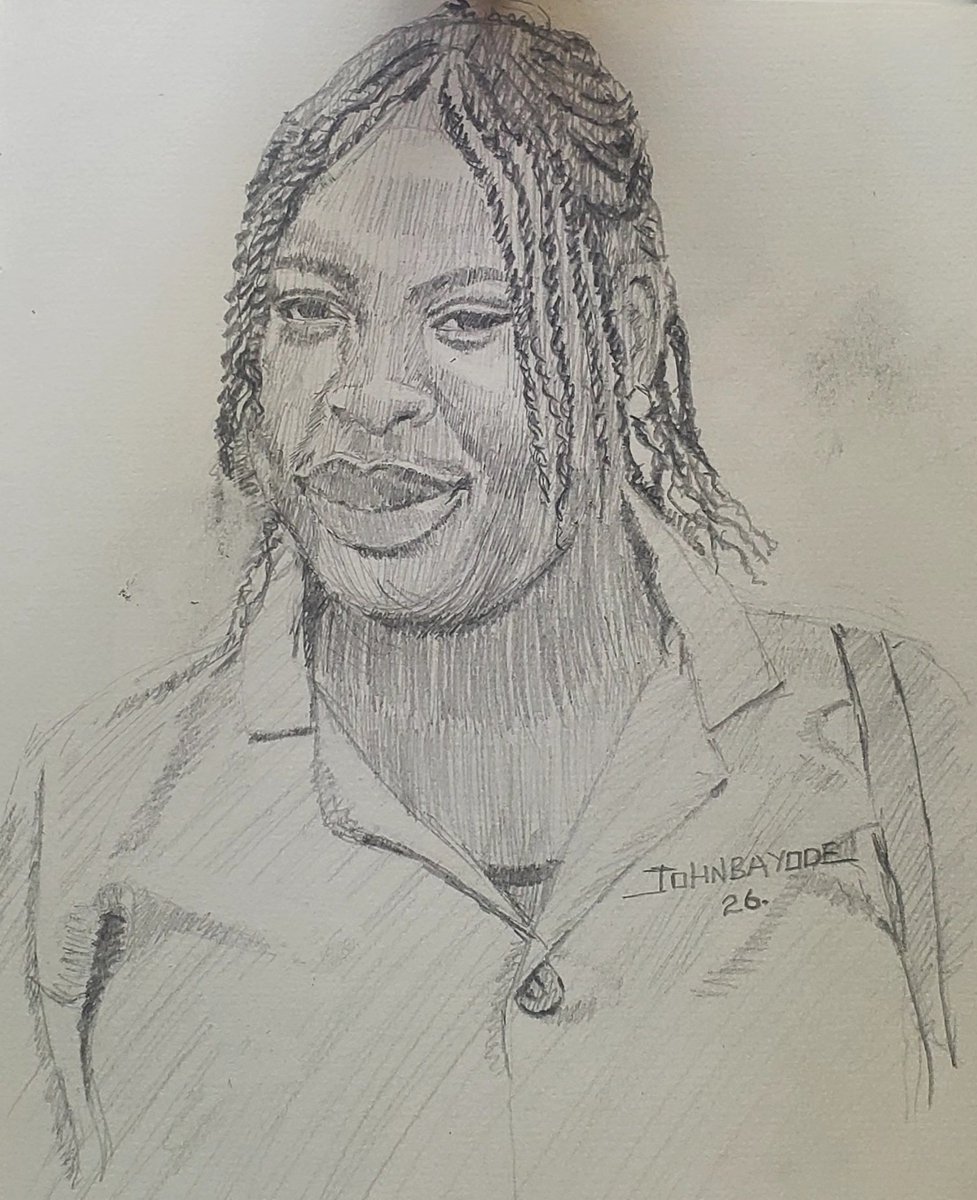
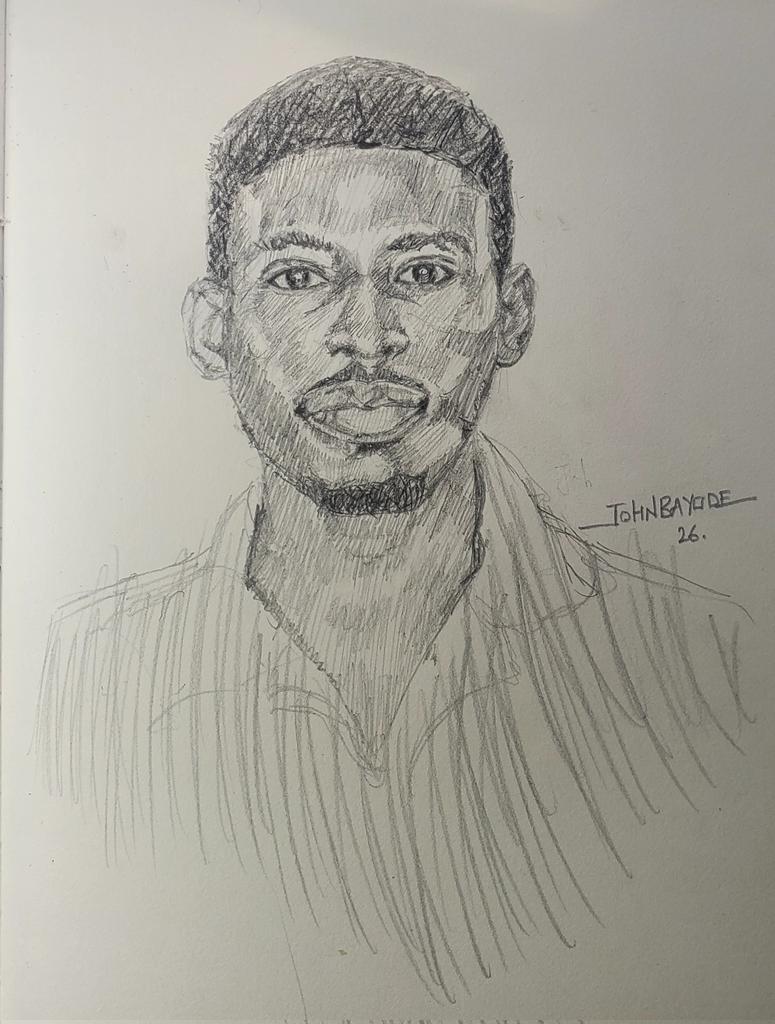
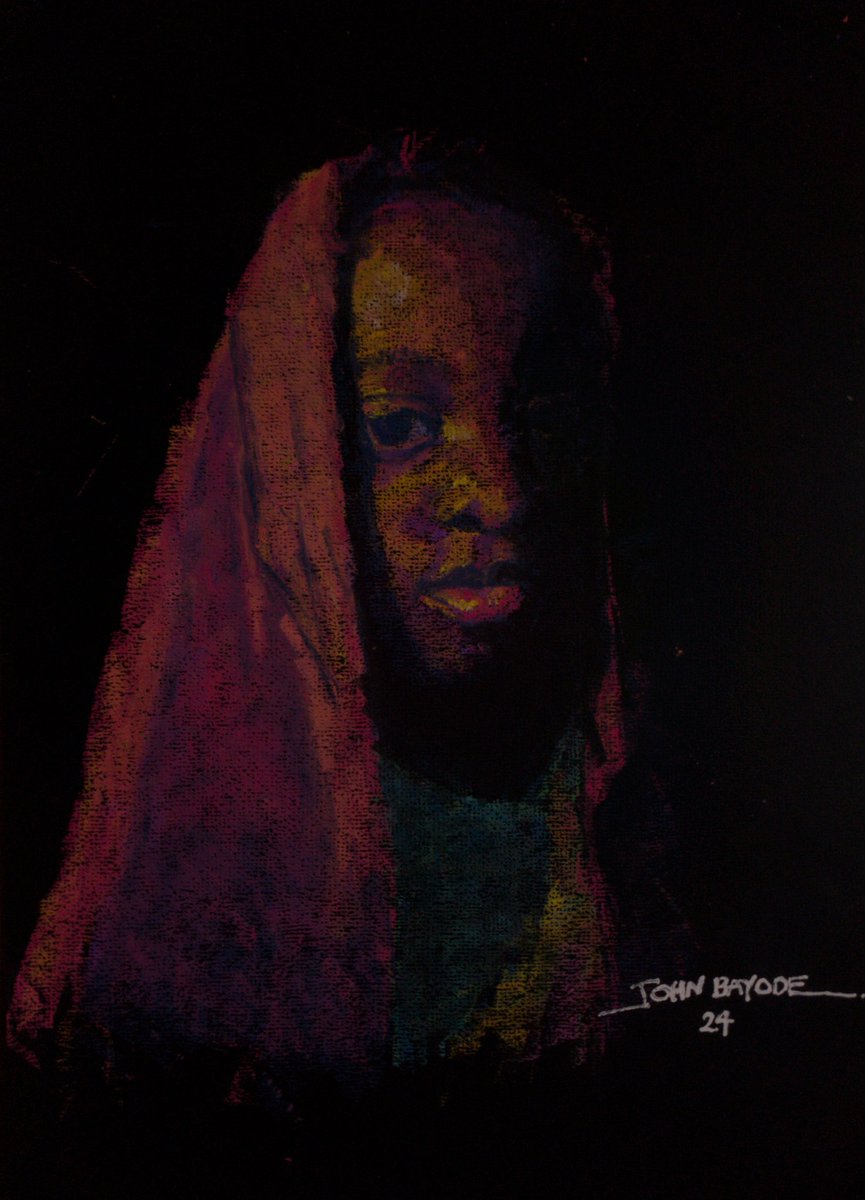
Final result from today’s portrait study.
1
130
May 13
Final result from today’s portrait study.
1
61
May 6
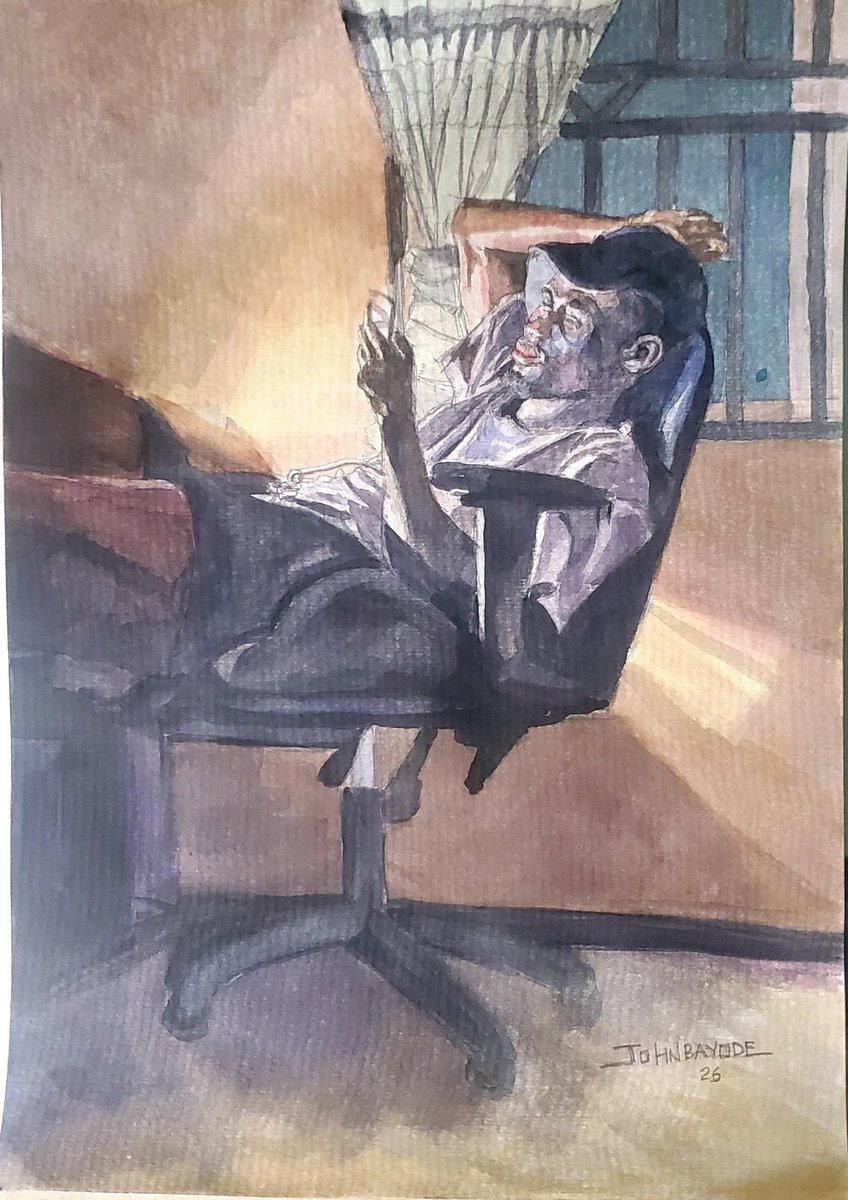
Growing up, life felt simple. Now every decision carries weight, so some nights I hide in the endless scroll and think about life.
When life feels heavy and you’re stuck between options, what do you turn to?
Title: The Weight of Life
Year: 2026
Medium: watercolor on A3 paper.
2
51
Apr 26
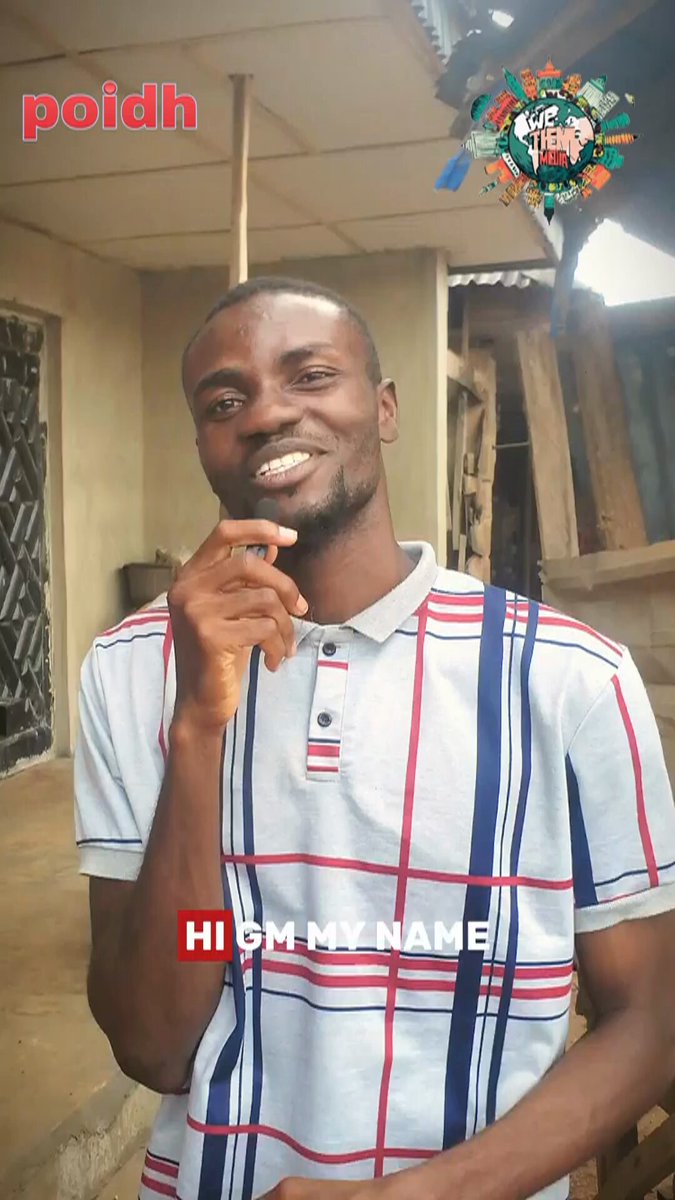
Another elder woman talked about the changes in the economic, schooling standard, and some other interesting aspect as well.
1
5
160
Apr 26
Mr. Perry: What? What? Tell me what you feel. What is it?
Neil: Nothing.
Apr 25

His glasses
Where’s his glasses
He can’t see without his glasses 💔
1
205
John Bayode retweeted
Apr 23
So you mean to tell me that my negative traits are all of the above? That means I'm a dangerous fellow, then.
2
12
349
18,957
Apr 21
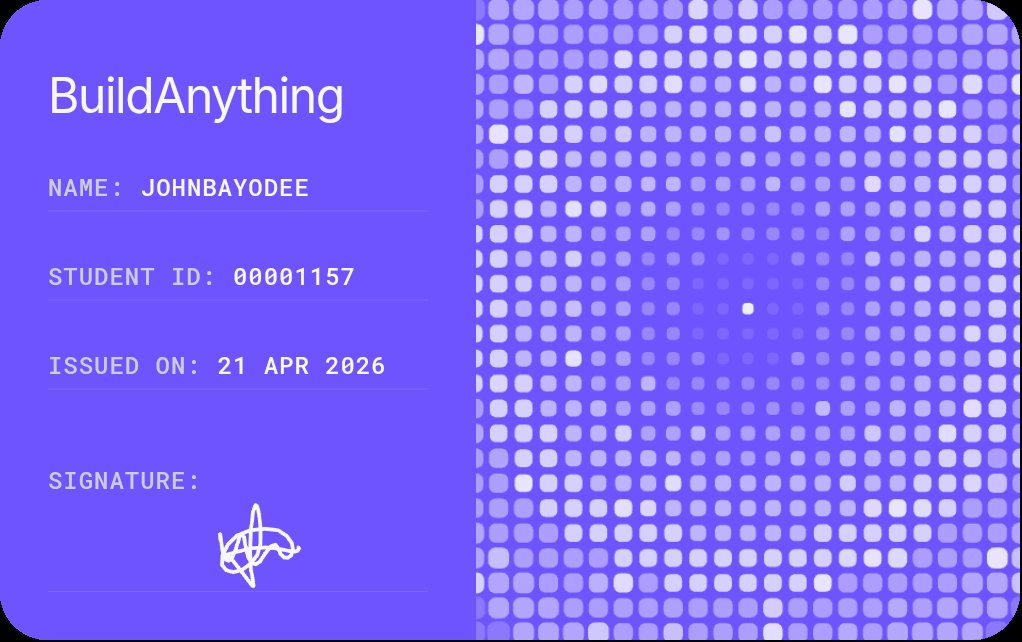
Just signed up for BuildAnything and got my student card 🎓
Join me to start building anything! 🚀 buildanything.so
1
5
66