@warchildUK Blackpool Pride of Place
Joined April 2014
- Tweets 1,555
- Following 796
- Followers 6,889
- Likes 31
66 Photos and videos








John Fallon retweeted

17 Jul 2025
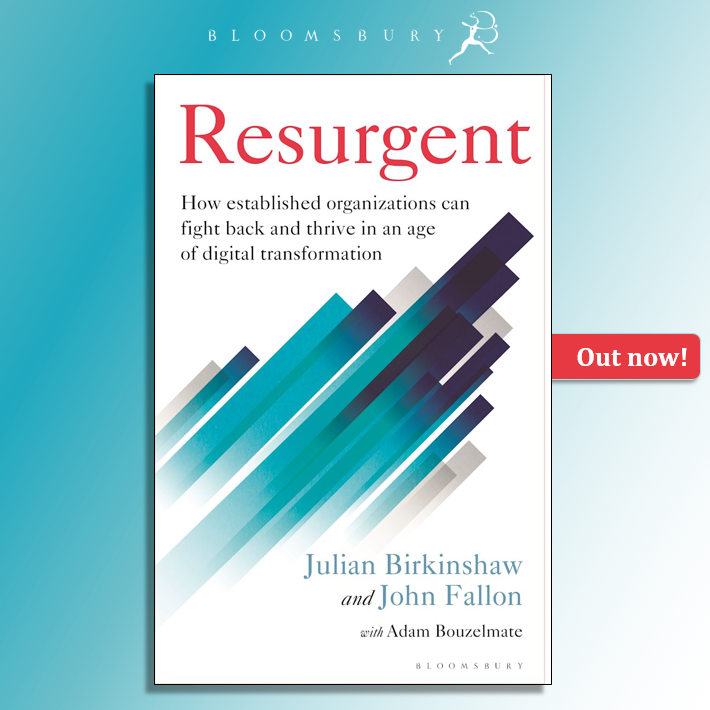
Published Today:bit.ly/4nSOzcB
Congratulations @johnfallon & @JBirkinshaw!
A practical handbook examining how established businesses can use their unique advantages to fight back and win in a digital arena too often dominated by tech start-ups, disruptors and unicorns.
1
2
245
John Fallon retweeted

22 Jul 2025
We hear an awful lot about tech giants disrupting various sectors - but most incumbents survive that disruption. Words from me in this morning’s edition of @thetimes:
thetimes.com/article/dcdc822…
2
2
8
1,788

3 Jul 2025
After a career in which the business of publishing books by other people featured prominently, it is a new experience to have my own name on the cover. "Resurgent" is published on July 17th. @JBirkinshaw @BloomsburyBiz
27 Jun 2025

RESURGENT
A practical handbook examining how established businesses can use their unique advantages to fight back and win in a digital arena too often dominated by tech start-ups, disruptors and unicorns.
Coming July | Pre-order Now. bloomsbury.com/uk/resurgent-…

1
2
309
John Fallon retweeted

14 Jan 2025
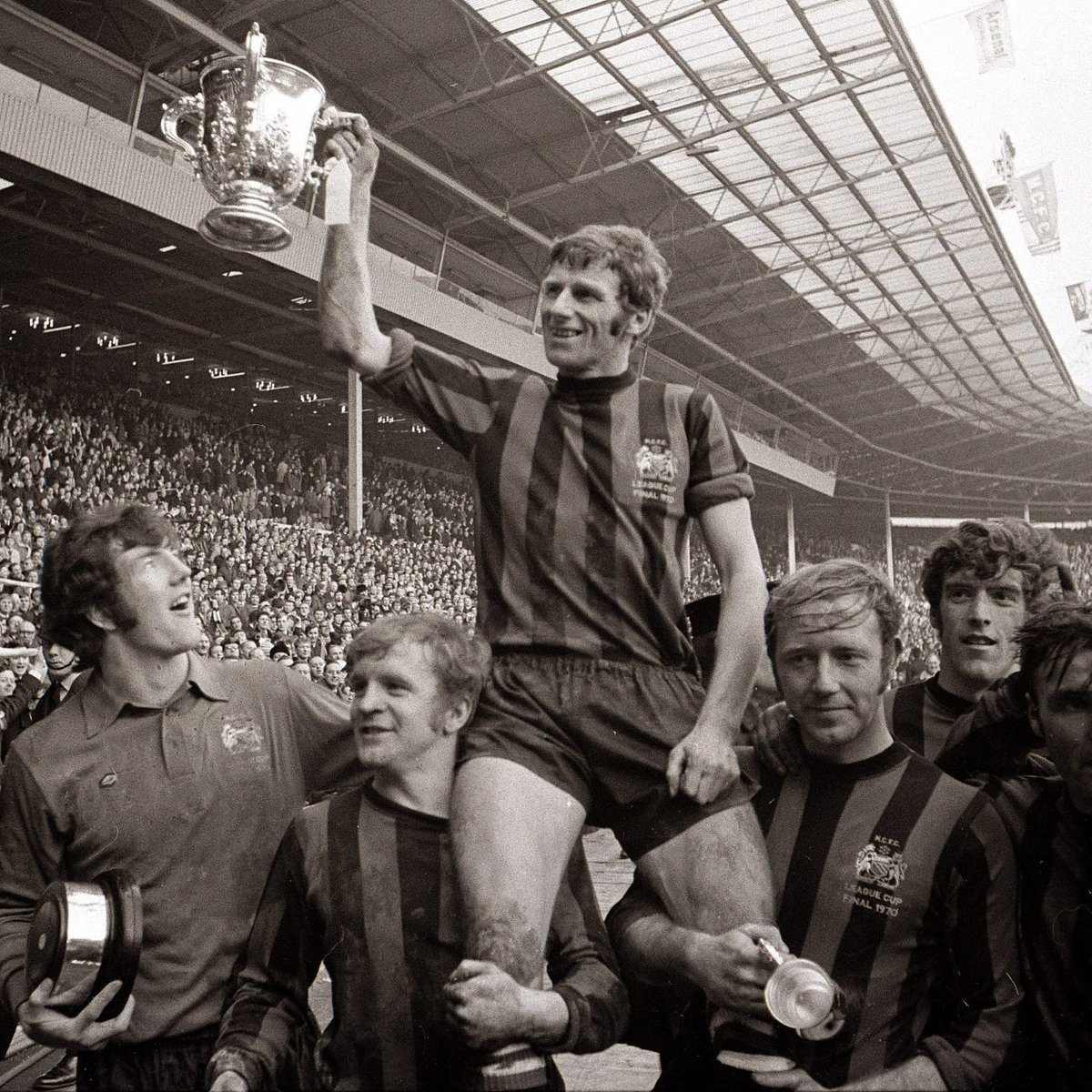
It is with huge sadness and the heaviest of hearts that we announce the passing of former Manchester City captain and manager Tony Book, aged 90.
A true Club legend in every sense of the word, Tony made 315 appearances for City in total between 1966 and 1974, scoring five goals. 🩵
463
866
8,587
747,649
John Fallon retweeted

8 Jul 2024
"Even war has rules – yet children continue to suffer needlessly in this war. This must stop.” - Yana Zhambekova, War Child Ukraine Country Director
#NotATarget
[2/2]
2
8
795
John Fallon retweeted

5 May 2024
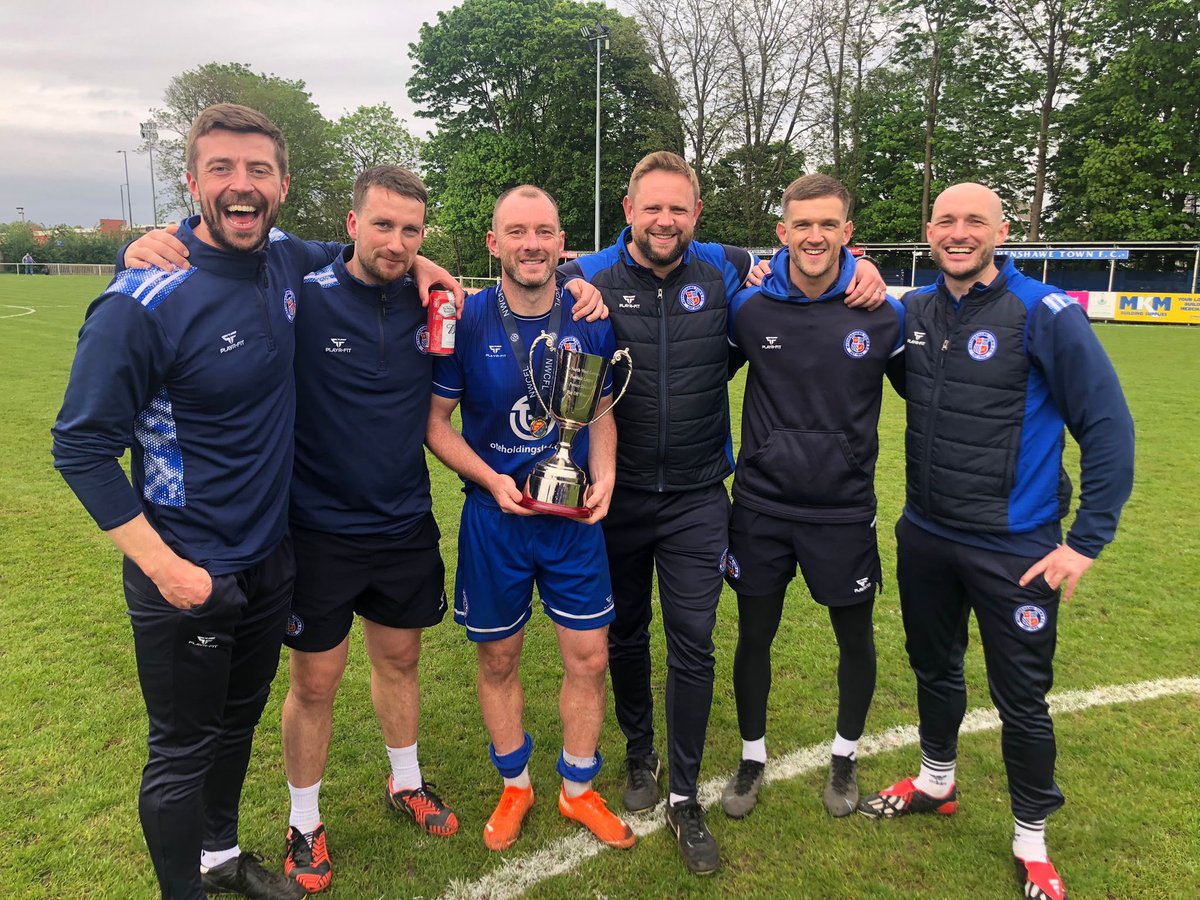
10 months of hard graft with an incredible coaching team 💙
Commiserations to Bury . Penalties is a a horrible way to lose it but they will go again. Humble in victory but we as a club we will enjoy this
53
8
402
41,253
John Fallon retweeted
20 Mar 2024
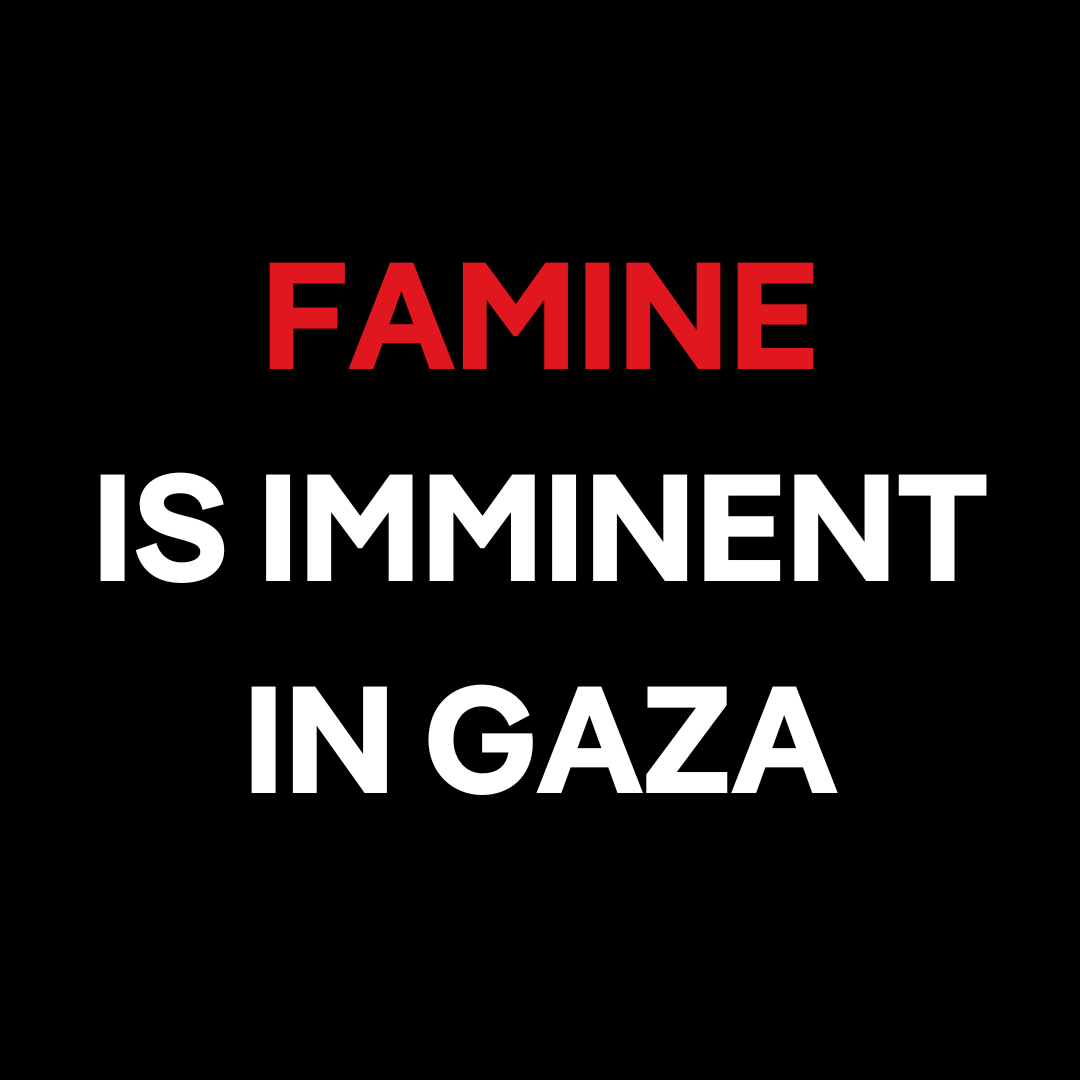
The UN has officially declared that famine is imminent in Gaza. Children are already dying of malnutrition and dehydration.
This cannot go on.
Contact your MP by email and social media and ask them to stand up for the children of Gaza. bit.ly/3TsuUBO
#ceasefireNOW
2
15
23
8,414
4 Mar 2024
RT @glastonbury: We're offering 20 pairs of tickets to Glastonbury 2024, to raise emergency funds to support people affected by conflict.…
102
John Fallon retweeted
7 Dec 2023
We're so excited to announce that "What The World Needs Now Is Love” by @KathJenkins and @JackSavoretti is out now! All proceeds will go towards our work with children living through war.❤️
🔗Listen now: bit.ly/3TdqGzB to spread the love
#WhatTheWorldNeedsNow #WarChild

2
10
33
2,915
John Fallon retweeted

30 Nov 2023
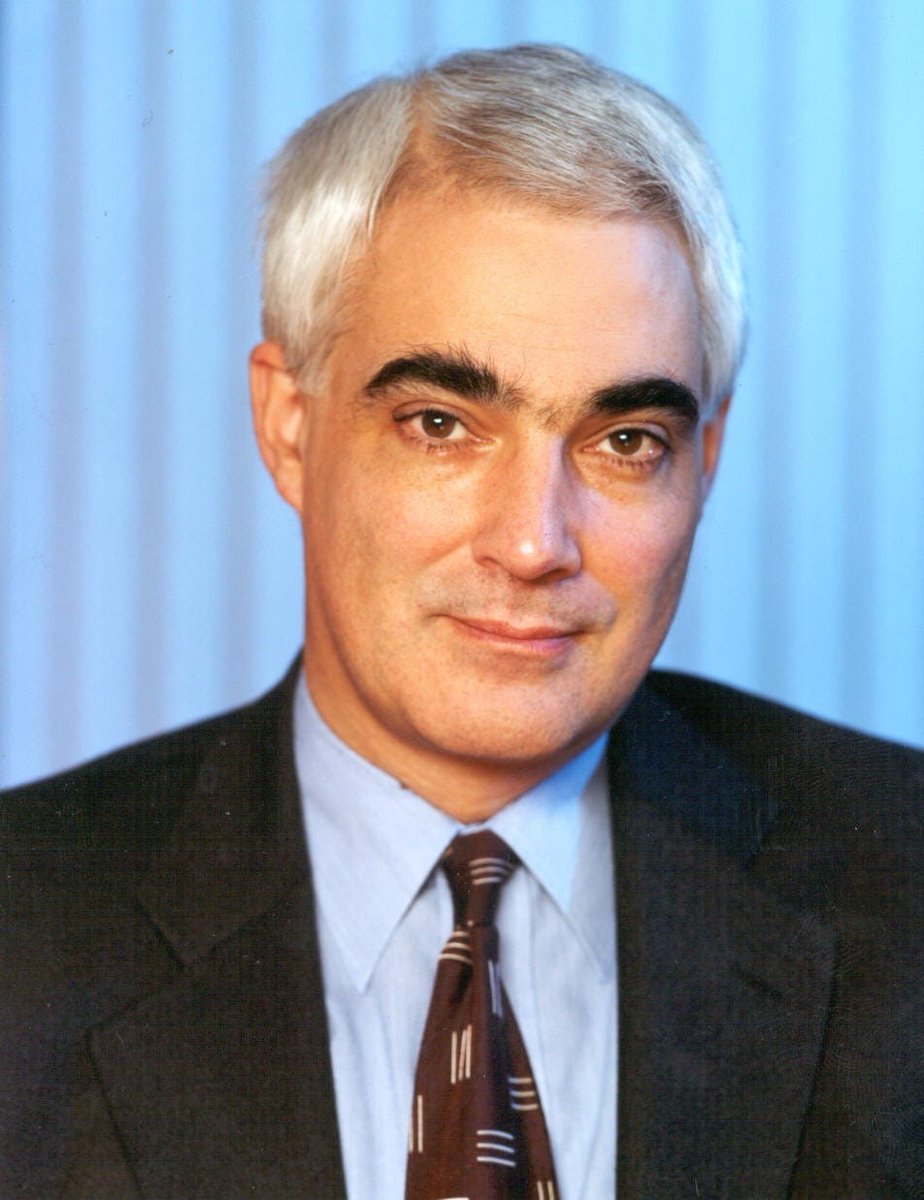
I am devastated to hear of Alistair Darling’s passing.
Alistair and I represented our Edinburgh constituents and shared an office for many years.
I will always be grateful for his advice and wisdom over the years.
My heart goes out to Maggie, Calum and Anna.
3
9
118
3,790
John Fallon retweeted

30 Nov 2023
As a young political correspondent in the mid-1990s, for The Financial Times, part of my job was to get to know and to understand the big beasts of the Labour front bench in the House of Commons.
It was clear that the Tories were in for a hiding, and Tony Blair's party would form the next government. So the views of the shadow cabinet were frankly of far more public interest than those of serving ministers - and the FT's coverage reflected that reality.
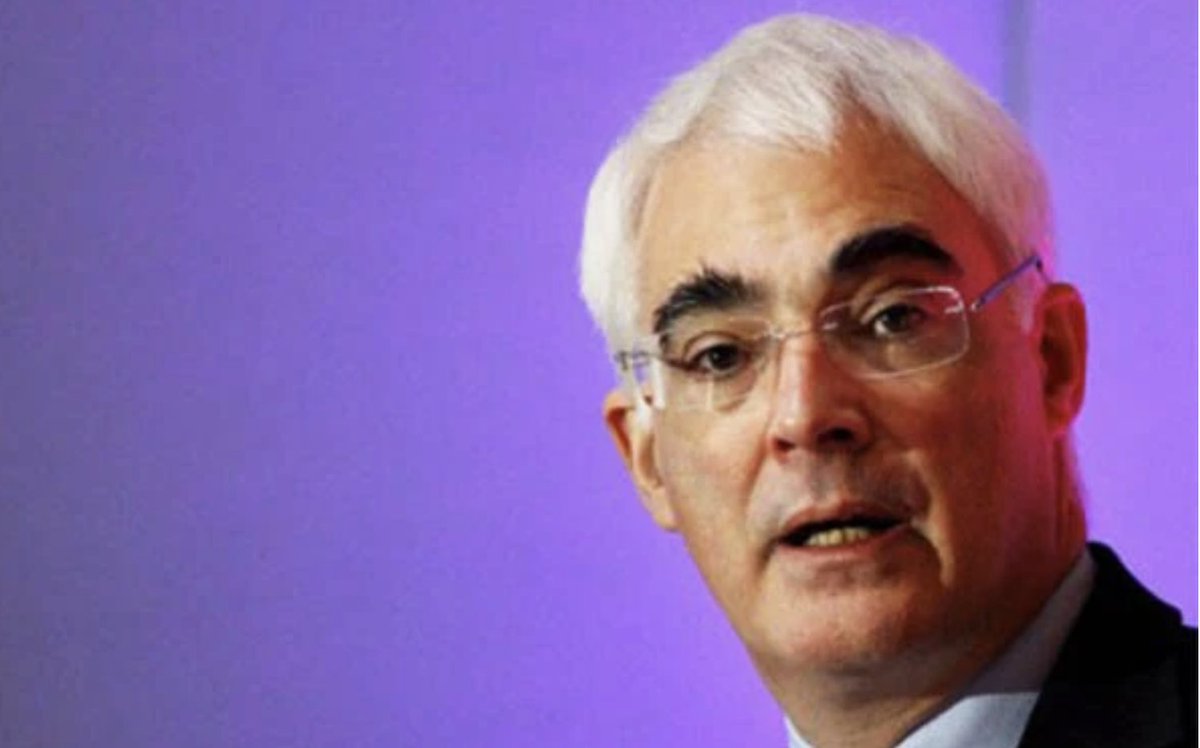
That's how I came to know and respect Alistair Darling - Chancellor of the Exchequer from 2007 to 2010 - who died today, aged just 70.
Formerly a left-wing firebrand, Darling was the epitome of New Labour - in the sense that he came to accept that UK elections are generally won and lost on the centre ground, and voters were unlikely ever to hand a radical left-wing Labour government the keys to Number Ten.
As such, Darling and his front-bench New Labour colleagues tempered their views and their rhetoric, while retaining their determination to implement reforms which they felt would make Britain not just a more prosperous, but also a fairer society.
From the 1997 landslide onwards, successive New Labour governments were characterised by increasing antagonism between the "Blairites" and "Brownites" - and their respective retinues of spin-doctors and advisors.
Instinctively closer to his fellow Scot Gordon Brown, Darling was nevertheless the only really senior New Labour politician who was able to move between and broker deals between the Blairites and Brownites. This was a mark not only of his political and diplomatic skills, but also the wide respect for his judgement across both camps, the broader political and media class - and the public as a whole.
Darling served as Chief Secretary to the Treasury, Work and Pensions Secretary, Transport Secretary and Trade and Industry Secretary. But he will be remembered for his role as Chancellor f the Exchequer during the 2008 financial crisis, during which he was widely and rightly seen, at a time of enormous economic and political danger, as a voice of calm reason.
Darling was pivotal in shaping and implementing the rescue plans, in the UK and elsewhere, which were far from perfect, and the implications of which we continue to live with to this day, but which probably made the best of an extremely difficult situation.
The importance of the positive role the UK Chancellor played at that crucial moment for the UK economy, and financial markets across the world, is accepted and endorsed by a broad range of politicians and scholars - again, rightly so.
Political legacies are complex - and much will be written about Darling's contribution to UK public life over the coming weeks and months, not least by me !
I disagreed with Alistair Darling on some issues - but the written and in-person discussions I had with him over many years were always cordial. And the interviews I did with him were always willingly given and graciously conducted - including one for Channel Four Dispatches during lockdown, when we were both wearing masks, standing in the snow in the garden of his home in Edinburgh, making sure we were at least two metres apart!
Darling put forward his ideas politely and coherently – and, despite his political seniority, he was always willing to listen to and engage with opposing views as well.
This is an aspect of our public life - the art of disagreeing agreeably, constructively, without spite or rancour – that was very much in evidence when I became a journalist almost 30 years ago.
These days, alas, we seem to have lost that noble and important art of agreeable disagreement - something that I will always associate with the memory of Alistair Darling.
Alistair Darling (28 Nov 1953 – 30 Nov 2023)
R.I.P.
138
190
1,422
159,932
John Fallon retweeted

10 Nov 2023
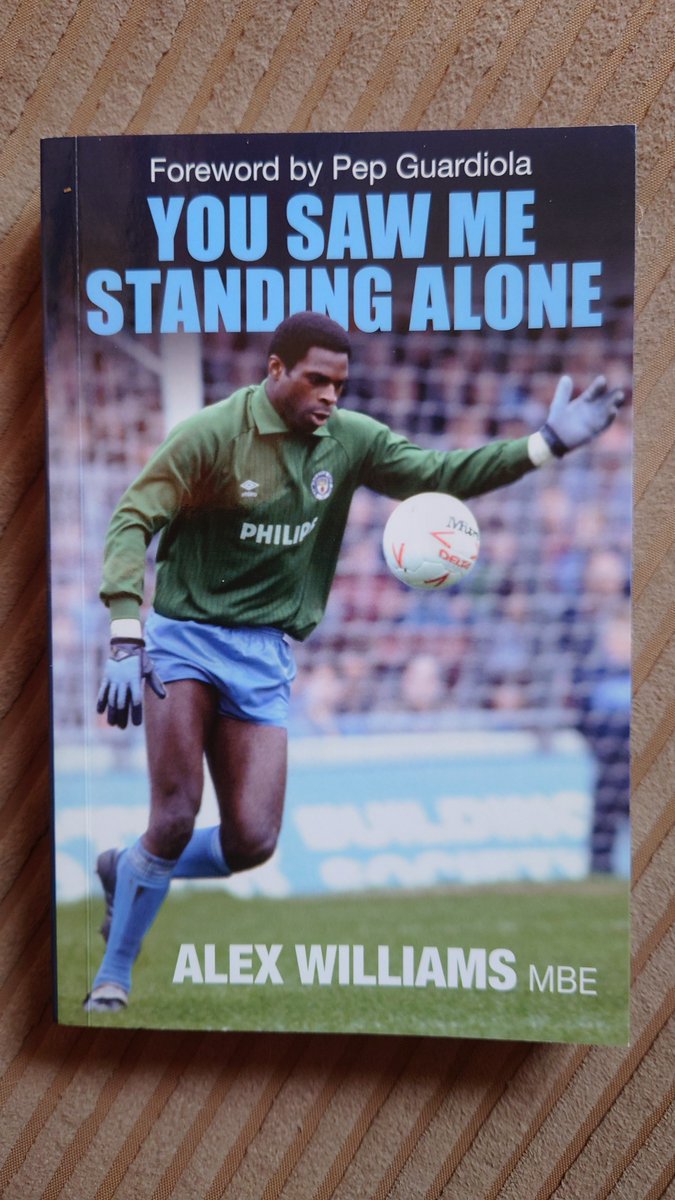
Outside of Man City some might not realise how revered @alexwilliamsmbe is at the club. As a keeper and since retirement he's been a constant at City and this is his fascinating story. And he mentions @rickyahill as well 5/5
13
23
229
40,547
John Fallon retweeted

28 Oct 2023
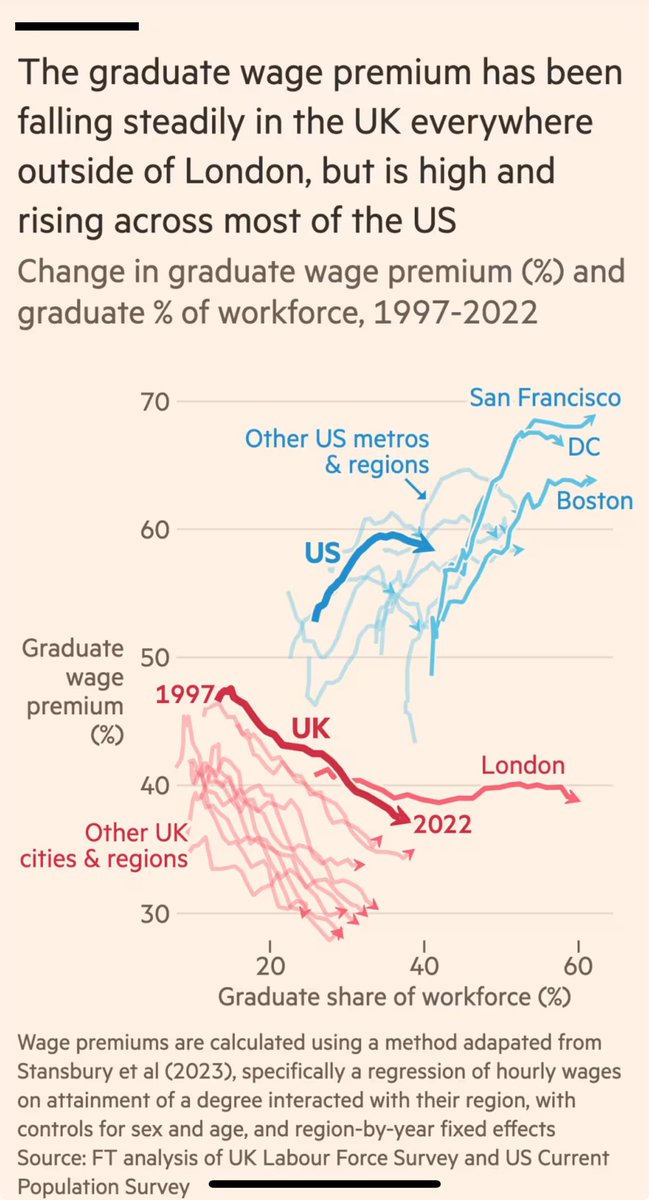
Turns out much better to be a graduate in USA than UK (economy has more skilled jobs). And it’s getting worse…Go West! Great by @jburnmurdoch
6
10
26
11,350
John Fallon retweeted

21 Oct 2023
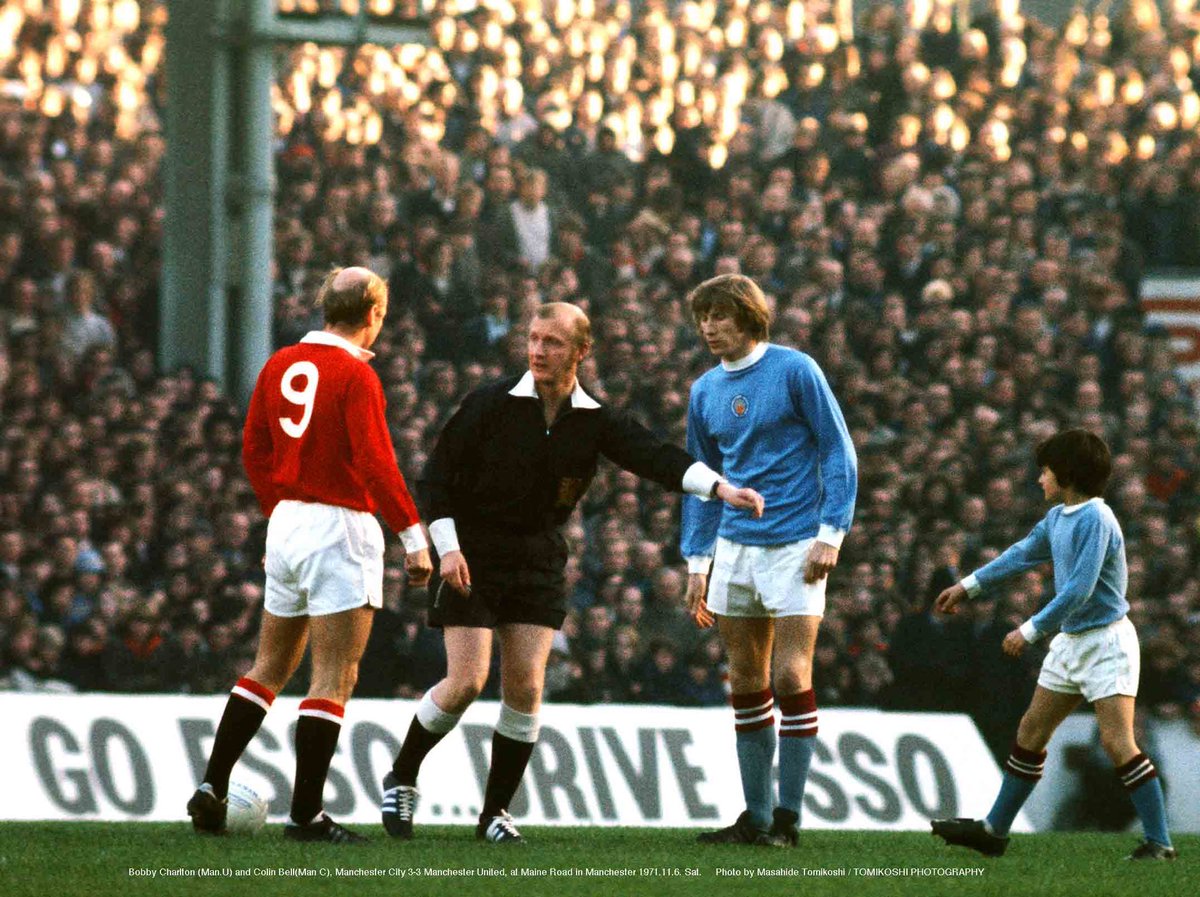
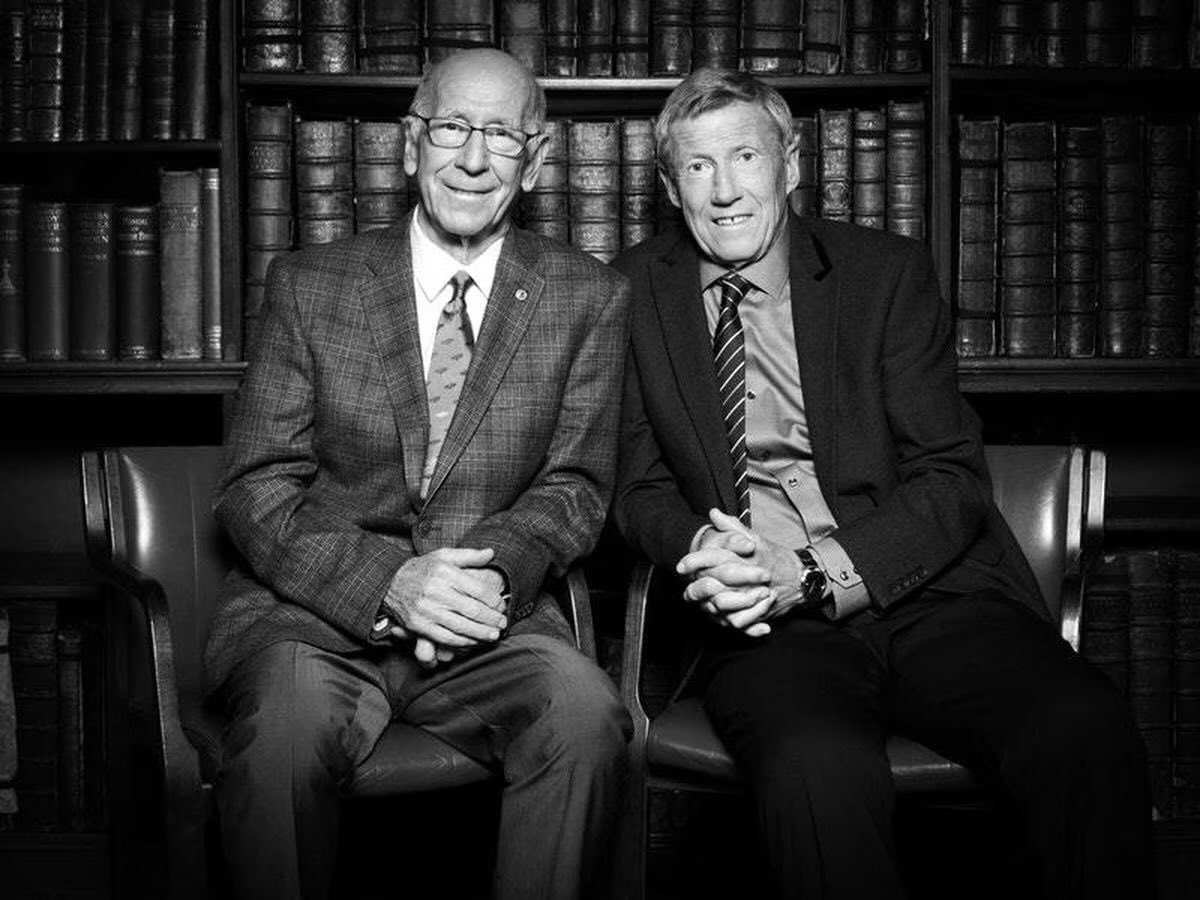
Dad was always star-struck in the presence of his friend & idol. Sir Bobby was a true sporting icon. In my Dad’s opinion he was the greatest @ManUtd_ID @ManCity @England
14
85
894
35,989
1 Sep 2023
Anyone who spends any time in British schools will recognise the picture painted here - the lengths staff are increasingly having to go to meet the wider needs of the children in their care. One year in a struggling British state school ft.com/content/96a37654-f8ea…
3
352
4 Aug 2023
Congratulations @davidwbryan on a technically brilliant and deeply personal piece of theatre. Very impressive. And it was nice to meet your Dad, too!
31 Jul 2023

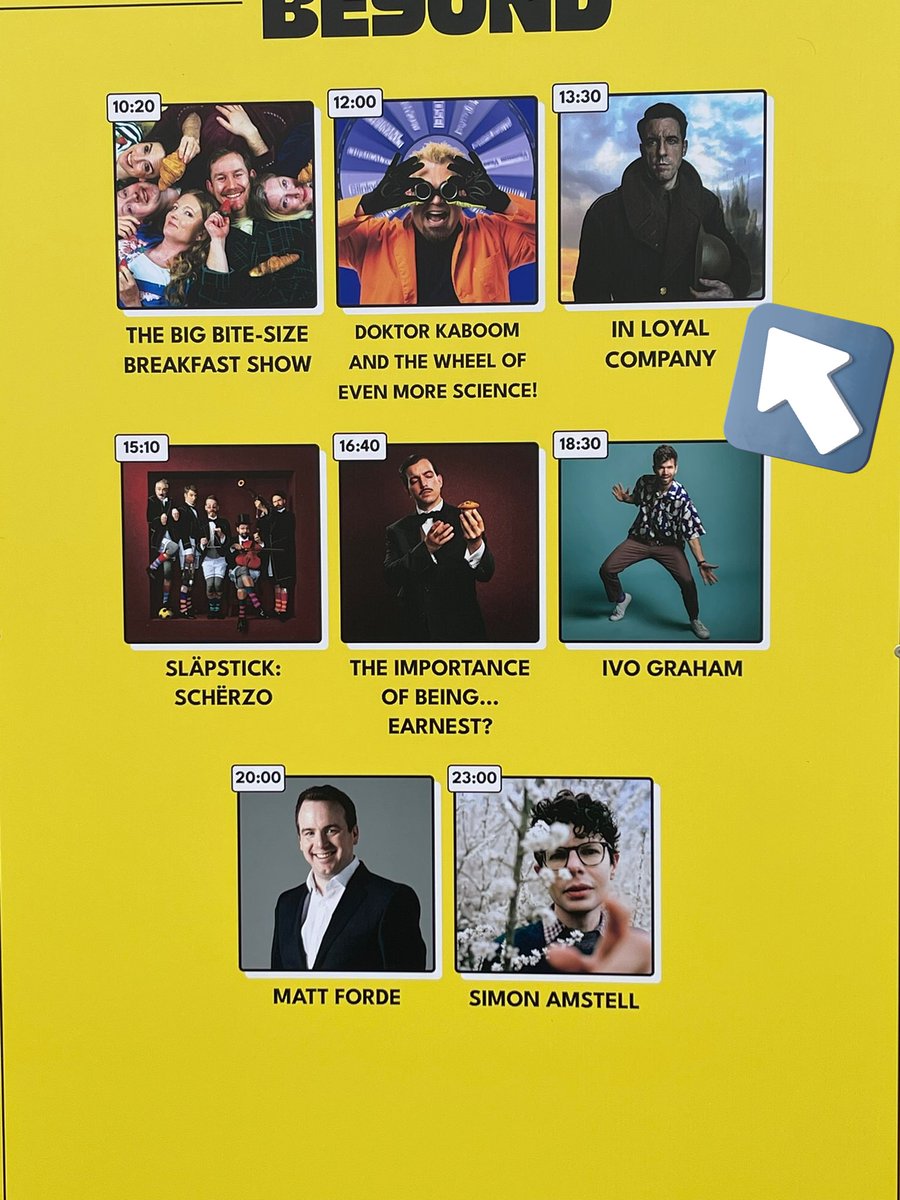
Edinburgh Fringe starts on Wednesday! I’ll be doing my show ‘In Loyal Company’ everyday at 1.30pm at @ThePleasance ☺️
If you fancy it, tickets are here 👉🏽 pleasance.co.uk/event/loyal-…
Huge thanks for all your support folks! Can’t wait! It’s been a while 🫡✅🙌🏽🔥
#edfringe #fillyerboots #edfringe2023 #edfringe23 #edinburgh #edinburghfringe @ThePleasance

1
1
3
991
John Fallon retweeted

31 Jul 2023
Edinburgh Fringe starts on Wednesday! I’ll be doing my show ‘In Loyal Company’ everyday at 1.30pm at @ThePleasance ☺️
If you fancy it, tickets are here 👉🏽 pleasance.co.uk/event/loyal-…
Huge thanks for all your support folks! Can’t wait! It’s been a while 🫡✅🙌🏽🔥
#edfringe #fillyerboots #edfringe2023 #edfringe23 #edinburgh #edinburghfringe @ThePleasance
2
3
5
1,952
John Fallon retweeted

11 Jun 2023
Loved trip to Istanbul, as always, as it’s a passionate football city, but not the trip to Ataturk. Stupid choice. Far from the centre. Fans far from pitch. Besiktas x2 the venue. If Turkey serious about Euro 2032, don’t pick Ataturk for final. Unless fans head for final in 2031.
73
40
552
291,419
John Fallon retweeted
11 Jun 2023
Just landed back in England, having listened to awful stories from City fans of all ages about the chaos getting to and from the Ataturk Stadium last night. Istanbul is a wonderful city, the Ataturk a good stadium. But @UEFA need to smarten up their act.
81
22
255
161,281