Designer, Google DeepMind
Joined April 2009
- Tweets 256
- Following 111
- Followers 12,155
- Likes 284
Photos and videos

Jun 12
Some leaders make wild, bold claims about the future in order to hide the fact that their team is underperforming and they have no concrete plan to turn things around. Others make wild, bold claims because they are personally committed to pushing the frontier forward, and will drag their team with them on that journey. Rockwell is the second type. This type of boss isn’t a good fit for everyone, but for a certain type of person it’s the only kind of leader they want to work with.
Jun 12

I think WWDC proved Mike Rockwell is the real deal.
2
41
7,188
Jun 10
At least as of 2009 when I joined, Steve Jobs had no direct reports other than Woz. Everyone reported into the CFO. My read on this was that if you wanted to talk about products, you talk to Steve. If you want to talk about your salary, travel schedule etc, you talk to the CFO.

Dario Amodei has just one direct report, his COS Avital Balwit; Anthropic's executive team reports to Daniela Amodei, who handles much of day-to-day operations (Bloomberg)
(Visit Techmeme dot com for the link and full context!)
1
66
17,129
Jun 6
User interfaces are about to go through another big transformation, on the scale of command line to GUI, if not bigger. The new tools aren’t about making the old designs more efficiently, they are about making entirely new experiences.
5
2
52
14,897
Johnnie Manzari retweeted

May 28
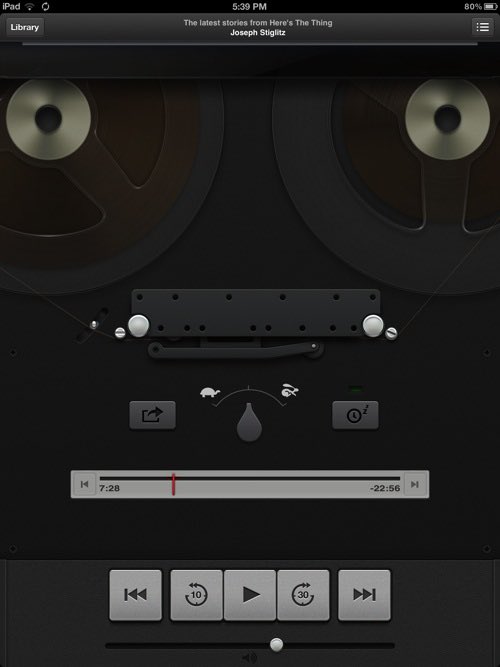
One of my first projects as an EPM. The tape length being accurate in each spool 👌
1
9
952
May 20
I’ve been using this for UI design, and it’s incredible. I’m old enough to remember when getting a video to loop seamlessly was a whole project unto itself.

3
1
54
14,917
Apr 21
I’ve joined the Google DeepMind design team. I’ve spent my professional career working as a toolmaker, and while I’ve been lucky to have contributed to some incredible products in the past, I may well look back on the work here as the most important when it comes to building tools that are helpful, delightful, and genuinely enriching to people’s lives.
24
6
304
32,527
Apr 20
I haven’t worked at Apple in 6 months and the multi lens switching to hit focus on this still gives me anxiety. (It starts Macro on the Super Wide lens because the bottom of the window is in focus then realizes it needs to hop to the Tele.)
Apr 19

Only one chance in this lifetime…
Like watching sunset at the beach from the most foreign seat in the cosmos, I couldn’t resist a cell phone video of Earthset. You can hear the shutter on the Nikon as @Astro_Christina is hammering away on 3-shot brackets and capturing those exceptional Earthset photos through the 400mm lens. @AstroVicGlover was in window 3 watching with @Astro_Jeremy next to him.
I could barely see the Moon through the docking hatch window but the iPhone was the perfect size to catch the view…this is uncropped, uncut with 8x zoom which is quite comparable to the view of the human eye. Enjoy.
8
5
294
41,955
Apr 17
A student asked me to help her with an interview question. She asked for a good reply to: “What do you do if you’re given a project you don’t like?” I said this isn’t even a hypothetical, it will for sure happen. My answer was that, counterintuitively, you need to do the best work of your life on those projects. If you do bad work you doomloop your career— they will become worried about giving a more important project, you get stuck, you do more bad work, repeat. If they ask you to design a “blow dryer for a fish”, you need to design the best damn fish blow dryer the world has ever seen. Yes it will fail commercially, but then when you ask to help the “blow dryer for barbers” team, you have leverage to move over, and that team will be pulling you in.
4
6
103
23,642
Apr 17
I was there today and can confirm.

The @noondesign team showed me Canvas 6 on Tuesday and my brain has been spinning since.
1
5
27
6,140
Apr 4
I remember Portrait mode was running behind, and it risked not being in the keynote for iPhone 7 Plus. The quality wasn’t there. So the story of the second lens would have just been about zoom quality, rather than unlocking something profoundly new. It was Joz who, upon hearing this, sent an email to a few of us: “If I can give you until December what can you do?” With that additional time we were able to bring in a
machine learning block, and that was the big unlock for the quality improvements. The feature made the keynote and was released in October as a Beta. He fought every day for the purity of the ideas.
Apr 3

Most tech companies break out product management and product marketing into two separate roles: Product management defines the product and gets it built. Product marketing wires the messaging- the facts you want to communicate to customers- and gets the product sold. But from my experience that's a grievous mistake. Those are, and should aways be, one job.
There should be no separation between what the product will be and how it will be explained- the story has to be utterly cohesive from the beginning. Your messaging is your product. The story you're telling shapes the thing you're making.
I learned story telling from Steve Jobs. I learned product management from Greg Joswiak. Joz, a fellow Wolverine, Michigander, and overall great person, has been at Apple since he left Ann Arbor in 1986 and has run product marketing for decades. And his superpower- the superpower of every truly great product manager- is empathy. He doesn't just understand the customer. He becomes the customer.
So when Joz stepped into the world with his next-gen iPod to test it out, he fiddled with it like a beginner. He set aside all the tech specs- except one: battery life.
The numbers were empty without customers, the facts meaningless without context.
And, that's why product management has to own the messaging. The spec shows the features, the details of how a product will work, but the messaging predicts people's concerns and finds way to mitigate them.
- #BUILD Chapter 5.5 The Point of PMs
6
28
1,007
121,518
Apr 3
I got introduced to the Noon team through Soleio last year and decided to invest alongside him and a host of other great designers (@rsg @joulee).
The future of design is not about the ability to round trip into code and back; these are now one unified entity. We aren’t just stringing together static pages with transitions. That is done. In the future designs can’t be described without an interactive environment backed by code.
I’ve been doing software design for a long time and couldn’t be happier with where it’s going.
There is a longstanding idea in software: WYSIWYG
@noondesign is a canvas environment where humans and agents can create, edit, and ship product design. Its substrate is code. WYSIWYG.
The canvas affords us selection-based workflows and structure that text alone can’t match.
6
16
75
19,538
Apr 1
It wasn’t just Pixar, he did this for everything. All the software ideas/features were presented in prototype form, many times with numerous variations prepared in case he didn’t like some aspect of it. Apple Park had numerous full size experience prototypes built…

1
19
309
23,268
Mar 30
The main camera on smartphones has gotten so good in bright light that the differences between generations are subtle and only in subjective domains like color processing and tone. But as it gets darker the differences are more clear. In very dark conditions anything before iPhone 11 would have been an RGB 0 rectangle.

1
1
8
3,121
Mar 28
This is exactly right. The verb is “selection” or, I prefer, “editing”. Taste is a noun, so it fails to fully communicate the work needed to be done. AI is an incredible collaborator, but you need to still own the ideas with clarity and conviction.
Taste is selection.
Even the act of generating and creating sits downstream of selection process: the tools that survive the Darwinian process, the words and forms we first inherit then deem most resonant, the editorial scrutiny we apply to our own work.
1
20
2,519
Mar 17
The value of this iteration isn’t just in improving the design, it’s also a way to understand if you can clearly and concisely articulate the problem and your proposed solution. A cyclical perspective on this is that you’re iterating on superfluous internal marketing material. A wiser perspective is that ultimately if you can’t explain internally why this work is significant, you’ll probably struggle even more when it comes to explaining it externally.
Mar 16

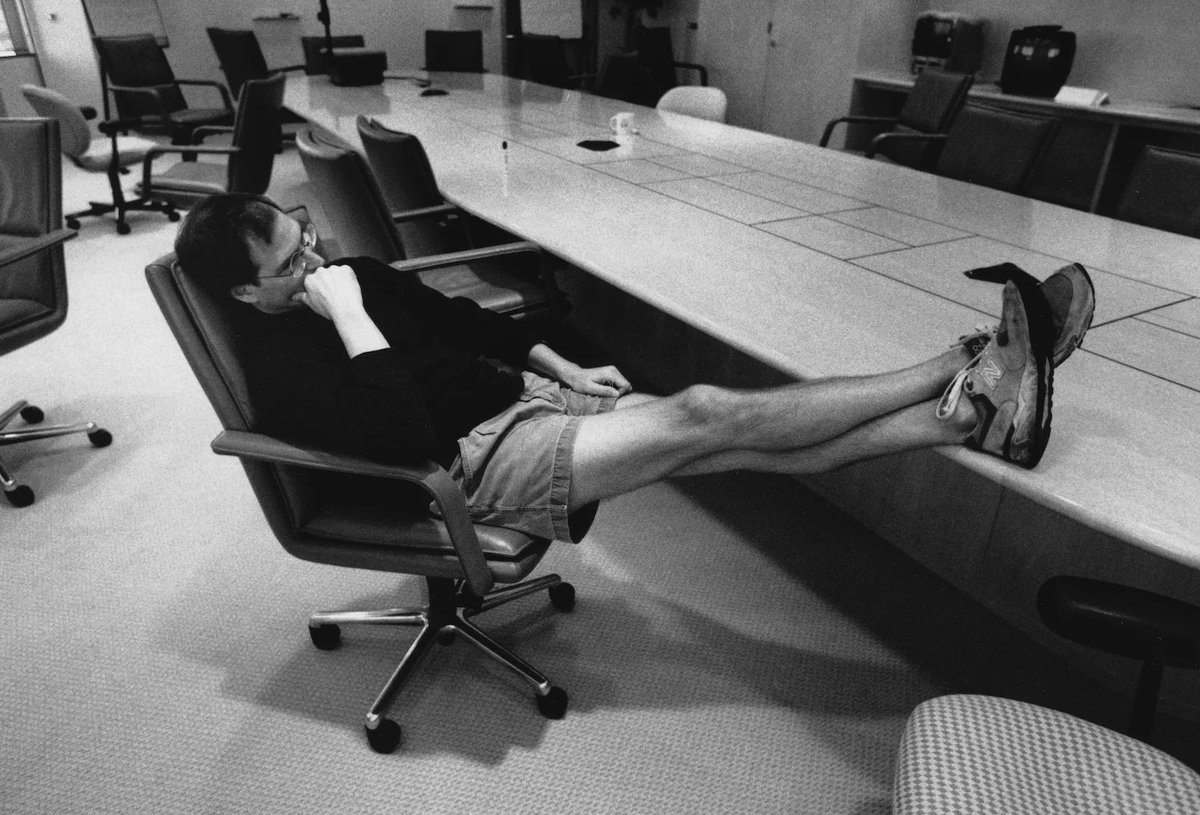
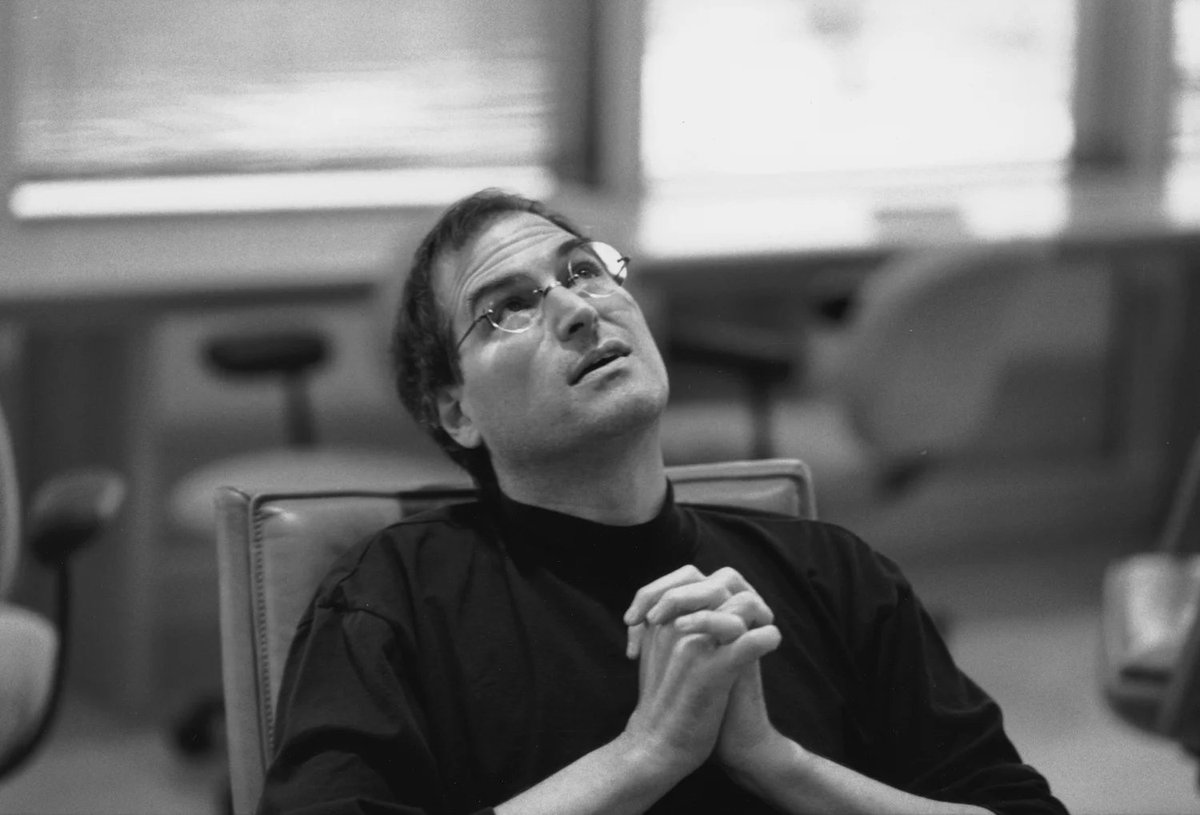
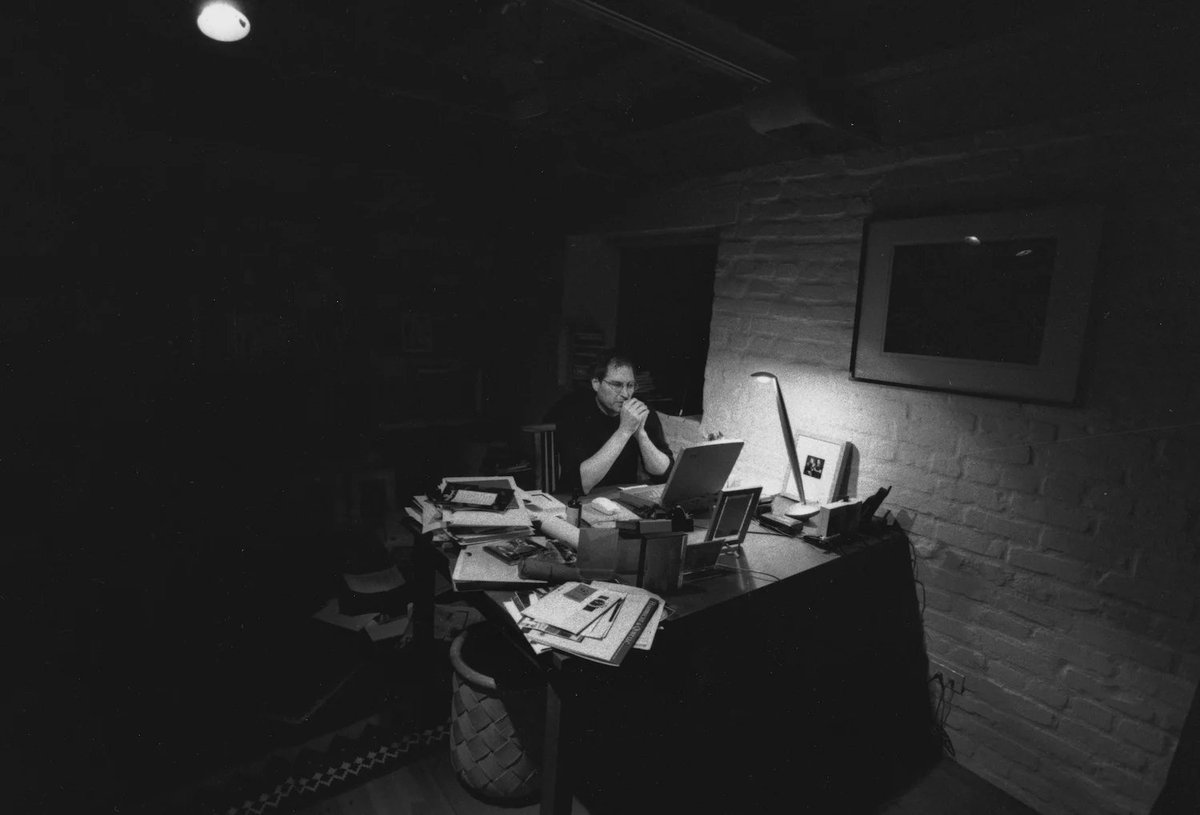
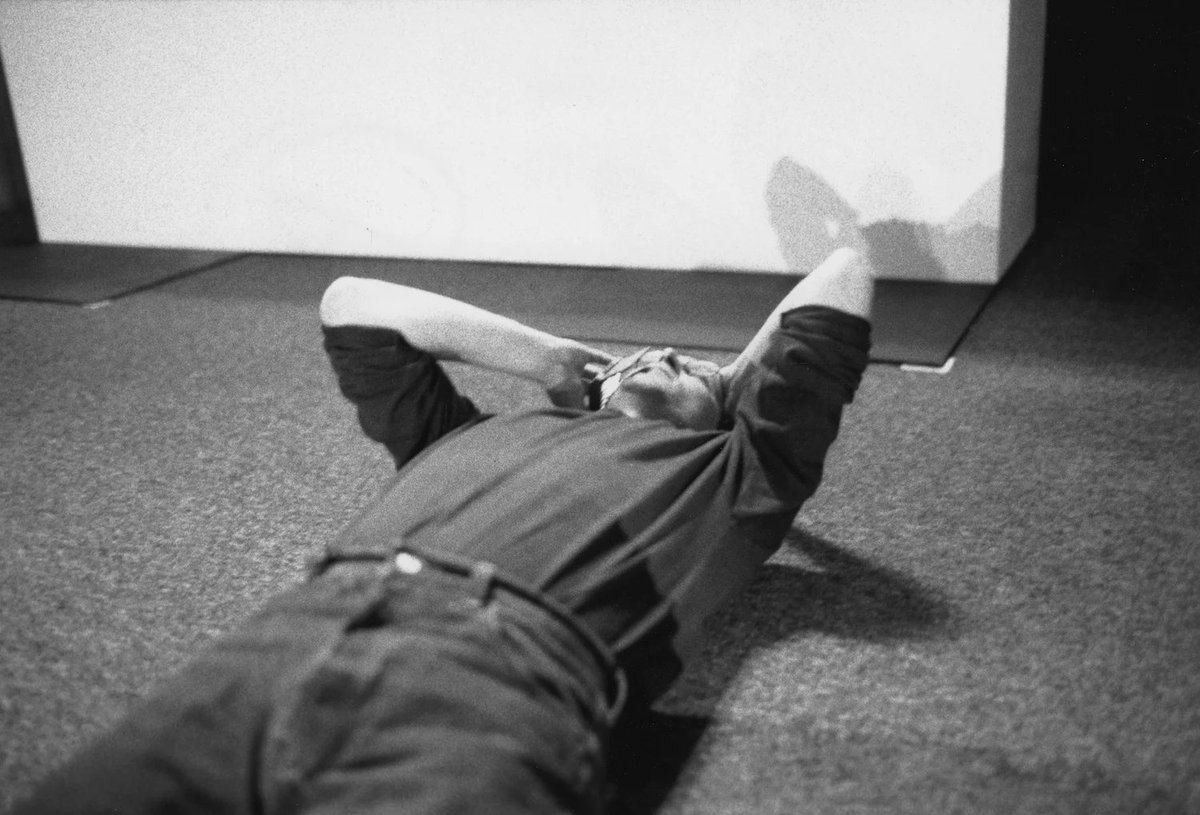
The pattern described by former Apple designers was: show rough work, get feedback fast, improve it, show it again, and repeat. They compared it to an SNL-style cycle: early ideas, midweek critique, late-week rehearsal, then executive review.
1
4
58
6,073
Mar 9
Yes. On the one hand, natural language is a difficult way to explain visual and interactive experiences; for example, imagine trying to describe the Mona Lisa with only words. But natural language paired with this speed of output is a magical experience… you’re creating things with just your thoughts

Using Claude Code has a weird side effect: You don't just get more productive, you actually want to work more.
There's something addictive about watching a product being born in real time in front of your eyes.
"One last feature" after "one last feature" and it's already past 3am.
1
1
20
3,970
Mar 6
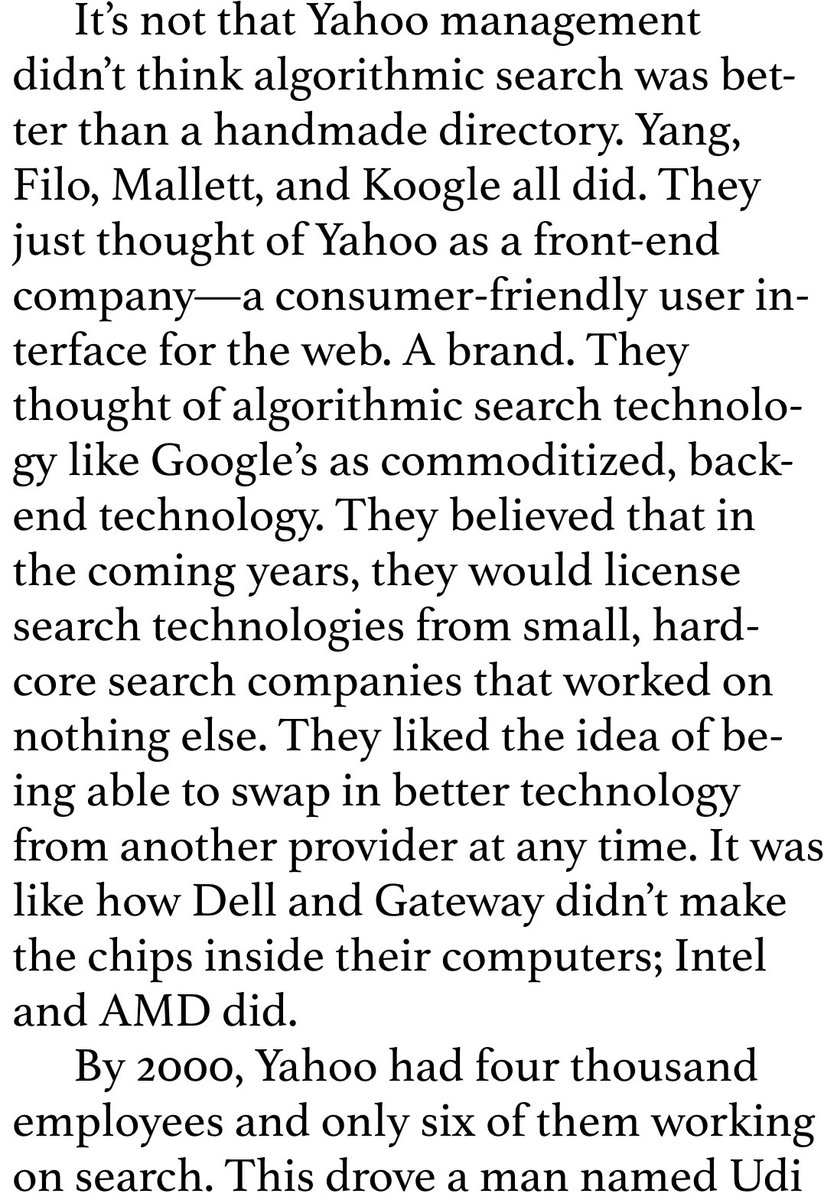
This lesson from 2000 is just as relevant today. (From "In the Plex" by Steven Levy, published 2011)
1
2
24
3,735
Feb 27
I’ve felt firsthand how AI speeds up design and engineering, but if your customer is a human being then you will have diminishing returns on jamming option after option, and feature after feature, into your product. This acceleration of development makes it harder than ever to edit ideas and distill options to only the essentials, but the successful products won’t confuse volume of output with product success.
3
46
4,175