
Professor, Wheaton College (IL). PhD, Ancient History. Presenter Undeceptions & First Hymn. Far from home. 🇦🇺 All my links: linktr.ee/johnpauldickson
Joined July 2009
- Tweets 19,801
- Following 2,592
- Followers 16,862
- Likes 2,755
1,041 Photos and videos






Pinned Tweet

30 Jun 2023
I teach a class here at @WheatonCollege on the history of Christianity, focused on the first thousand years. One thought haunts me. We are right to look with shock and disappointment at the way medieval Christians accepted violence as a norm. 1/
86
113
1,045
246,434
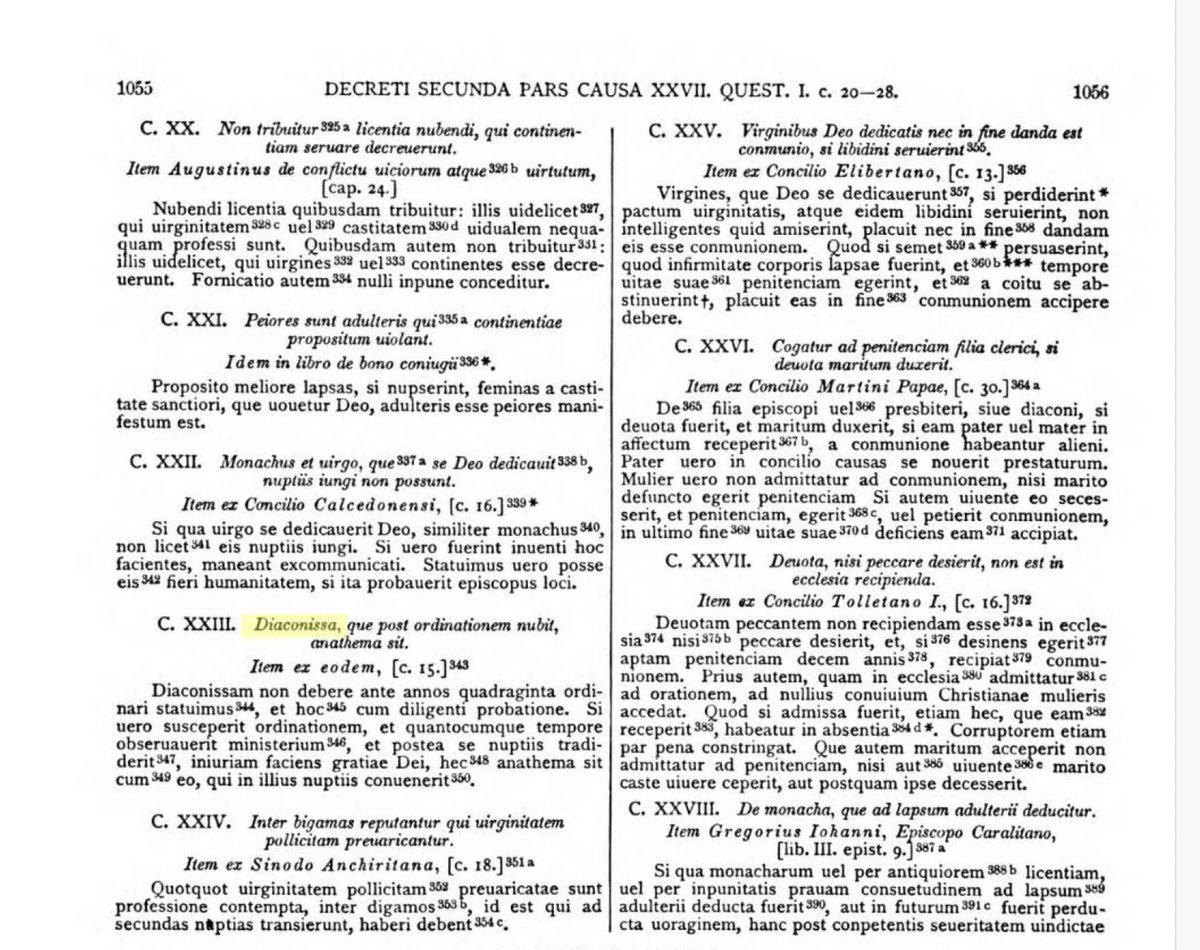
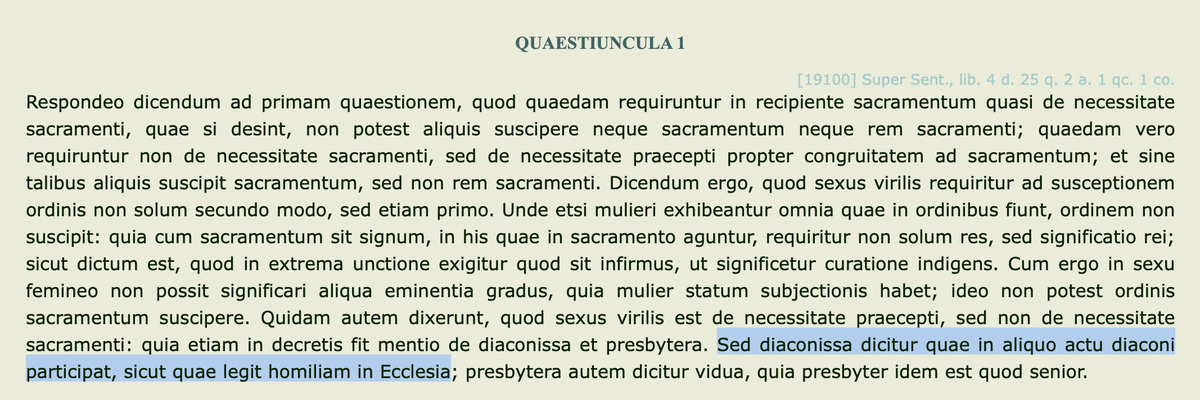
Ancient canon law provided for the ordination of female deacons (diaconissa ordinationem suscepit). Later, Thomas Aquinas (c. AD 1274) reinterpreted this to mean only that a woman could participate in some activities of the deacon, such as "one who reads the homily in Church" (quae legit homiliam in Ecclesia). Maybe that's a nice conservative place to start: women, in a deacon-like way, reading an approved sermon in church!😀
Sources: Gratian, Decretum, Causa 27, Quaestio 1, canon 23; Aquinas, Summa Theologiae, Supplementum, q. 39, a. 1, ad 2.
1
2
21
1,574
Jun 11
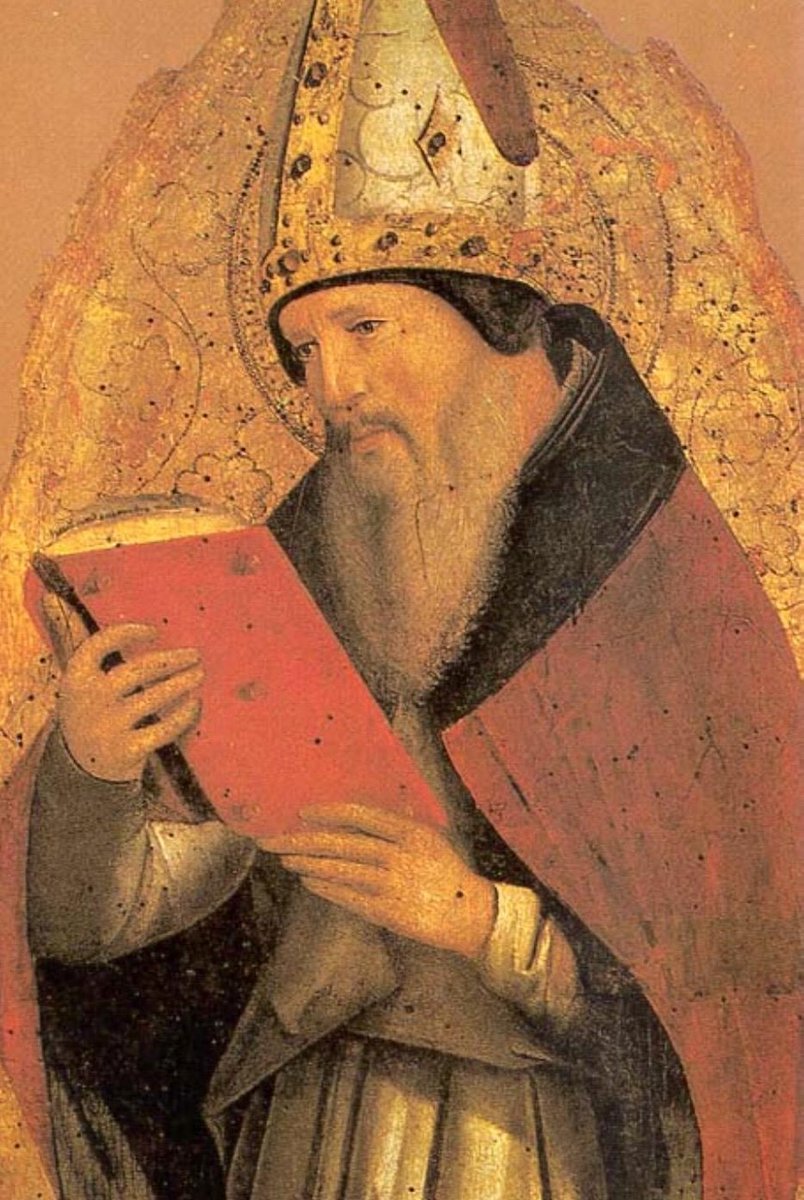
The great Augustine (c. AD 400), arguably the most influential teacher for a thousand years, admitted that he often felt "depressed" after his speeches. Writing to his friend Deogratias, who'd expressed frustration with his own teaching, Augustine replied: "It is the same with me too: I am nearly always dissatisfied with the address that I give ... When I find that my actual address fails to express what I have before my mind, I am depressed by the fact that my tongue has been unable to keep up with my intellect." Augustine, Instructing Beginners (De Catechizandis Rudibus), Prologue §3.
4
3
44
2,368
Jun 8
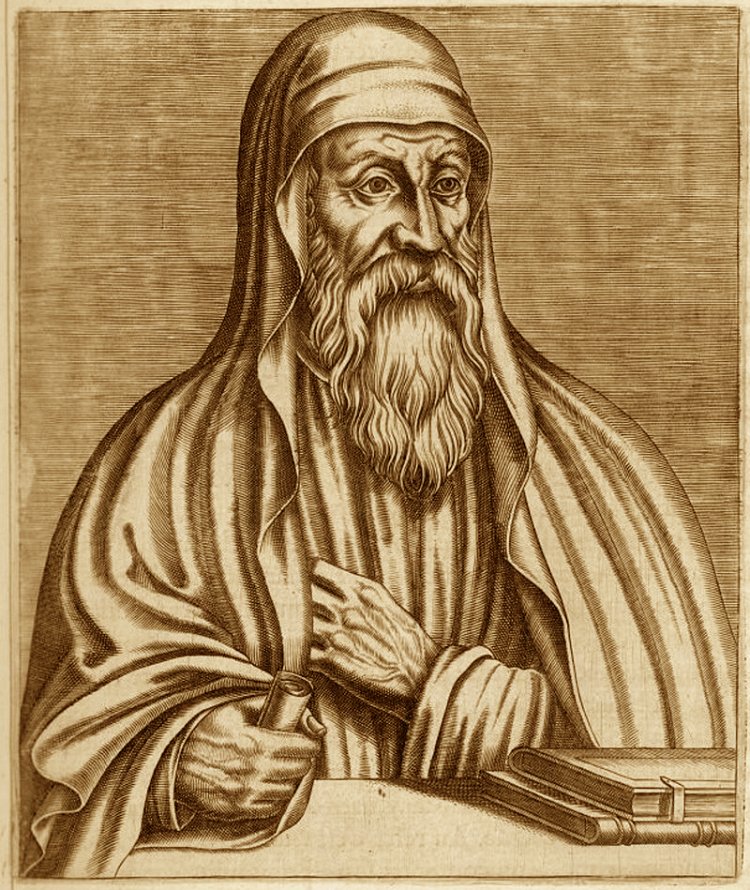
The towering intellect of third-century Christianity, Origen of Alexandria (185–253), opened his celebrated rebuttal of Greek arguments against Christianity with a striking claim: the best defence of Jesus Christ is not a series of counter-arguments from an educated elite like himself, but simply "Christ's own life and actions" and “the lives of His genuine disciples.”
_______________________
"Our Saviour and Lord Jesus Christ was silent when false witnesses spoke against him, and answered nothing when he was accused; he was convinced that all his life and actions among the Jews were better than any speech in refutation of the false witness and superior to any words that he might say in reply to the accusations ... He is still silent in face of this and does not answer with his voice; but he makes his defence in the lives of his genuine disciples, for their lives cry out the real facts and defeat all false charges, refuting and overthrowing the slanders and accusations." (Origen, Contra Celsum, Preface 1-3)
4
10
47
2,328
Jun 1
The Christian catacombs of third- and fourth-century Rome show that ancient Christians came from all walks of life: artisans, civic officials, silk weavers, barbers, horse-groomers, and – my favourite – a professional comedian named Vitalis.
His epitaph, found at the Saint Sebastian Catacomb, boasts: “From jokes I gained a large house and wealth.”
Then he addresses Death itself: “O Death, you do not know joy (laetitia); you do not know how to love jokes.”
The final line is difficult to decipher, but it may express the hope that Vitalis himself – unlike Death – now knows joy (laetitia).
Source: Inscriptiones Christianae Urbis Romae Septimo Saeculo Antiquiores 5:133, no. 13655.
3
1
29
1,214
May 29
The New Testament has multiple forms of public speech in church. Paul bans just one of them to women (authoritative teaching). He explicitly expects women to do two others (prophesying and praying). He gives no ruling on the others (exhorting, preaching, evangelizing). It's strange that we've come to define the "sermon"—which is just Latin for a "speech"—as always and only the one thing women are not permitted to do.
17
4
76
11,411
May 25
Why some of us can rejoice in women “pastors” even if we pretty much disagree with the idea.
First, take a less fraught example: baptism. Suppose you’re 80% convinced the Bible endorses only believer’s baptism, not infant baptism. That still means you think there’s a half-decent chance you could be wrong. Since this is a matter of church order rather than morality, perhaps that possibility should be enough to let you attend the baptism of your friends’ infant child and even find some joy in it. After all, there’s a meaningful chance this practice is biblical, as many thoughtful, biblically serious Christians believe.
Likewise, suppose you’re 80% convinced the Bible restricts women from doing pastor-like things. That still means you think there’s a half-decent chance you could be wrong. Since this too is a matter of church order rather than morality, perhaps that possibility should be enough to let you sit under the preaching and ministry of a gifted woman and maybe even find some blessing in it. After all, there’s a meaningful chance this too is biblical, as many thoughtful, biblically serious Christians believe.
At least, that’s how I’ve come to think about it.
63
6
165
38,558
May 26
A brief follow-up reflection, having read many replies. Scripture is inerrant, not our interpretation. This is a basic conflation we must avoid if we are to think clearly. Everyone who understands all the relevant texts and issues agrees there is a "mix of evidence" in the Bible on the topic of women's ministry. Those who deny this can hardly claim to be well informed. So, we must all do our best to assess all the data to come to our own conclusion. The facts are: a woman led Israel for a time with God's blessing, a woman ratified the Scriptures to Israel, women in the NT prophesied in public, a woman is called a 'deacon' and likely an 'apostle', two women are called Paul's 'co-workers'; AND, yes, Paul also says women are to be 'silent' in certain settings and that he does not permit a woman to exercise 'teaching authority' over a man in the local church. All of this evidence, and more, must be humbly assessed before we come to a settled view. But, given the mix of evidence, it is not unreasonable to come to our final conclusions with about 80% conviction. To be clear, that 80% conviction is enough to implement a policy on women's ministry (if you happen to be a leader), but it also leaves enough doubt to acknowledge that fair-minded people aware of all the issues could come to a different conclusion. That epistemic gap should inspire a generosity of spirit toward those who hold a different view; and, as I said in the original post, it might also allow you to find some blessing, some joy, in the ministry of someone who holds the other view. This is especially so, given that the topic of women's ministry is a matter of church order - like infant baptism - not of morality. Cheers, all.
4
1
38
1,563
May 26
A simple principle going back at least to Augustine: uncertainty about my interpretation of Scripture is not the same thing as uncertainty about Scripture itself.
1
30
1,186
May 19
Well, this is super fun! The First Hymn on Apple TV and Amazon Prime TV!
7
1,581
May 13
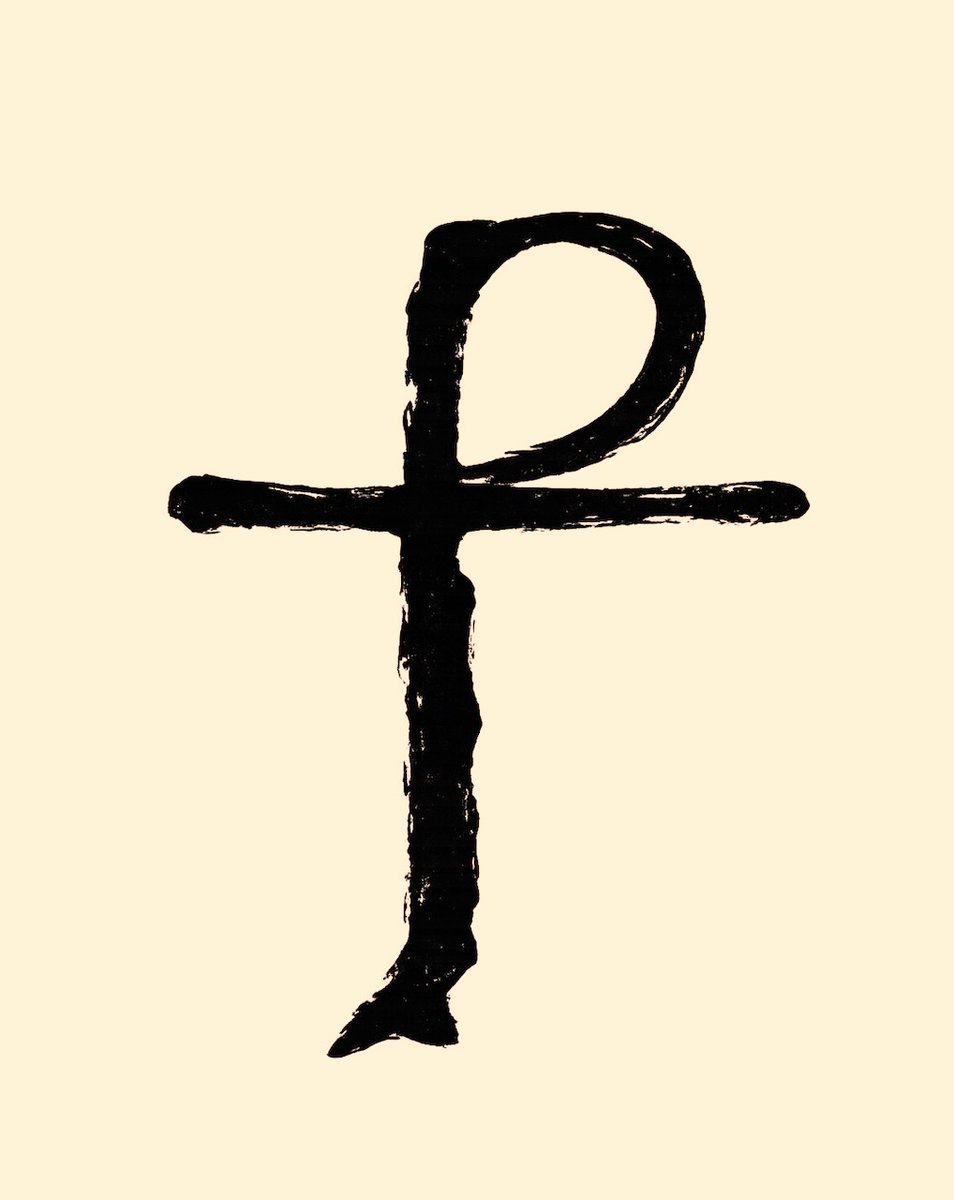
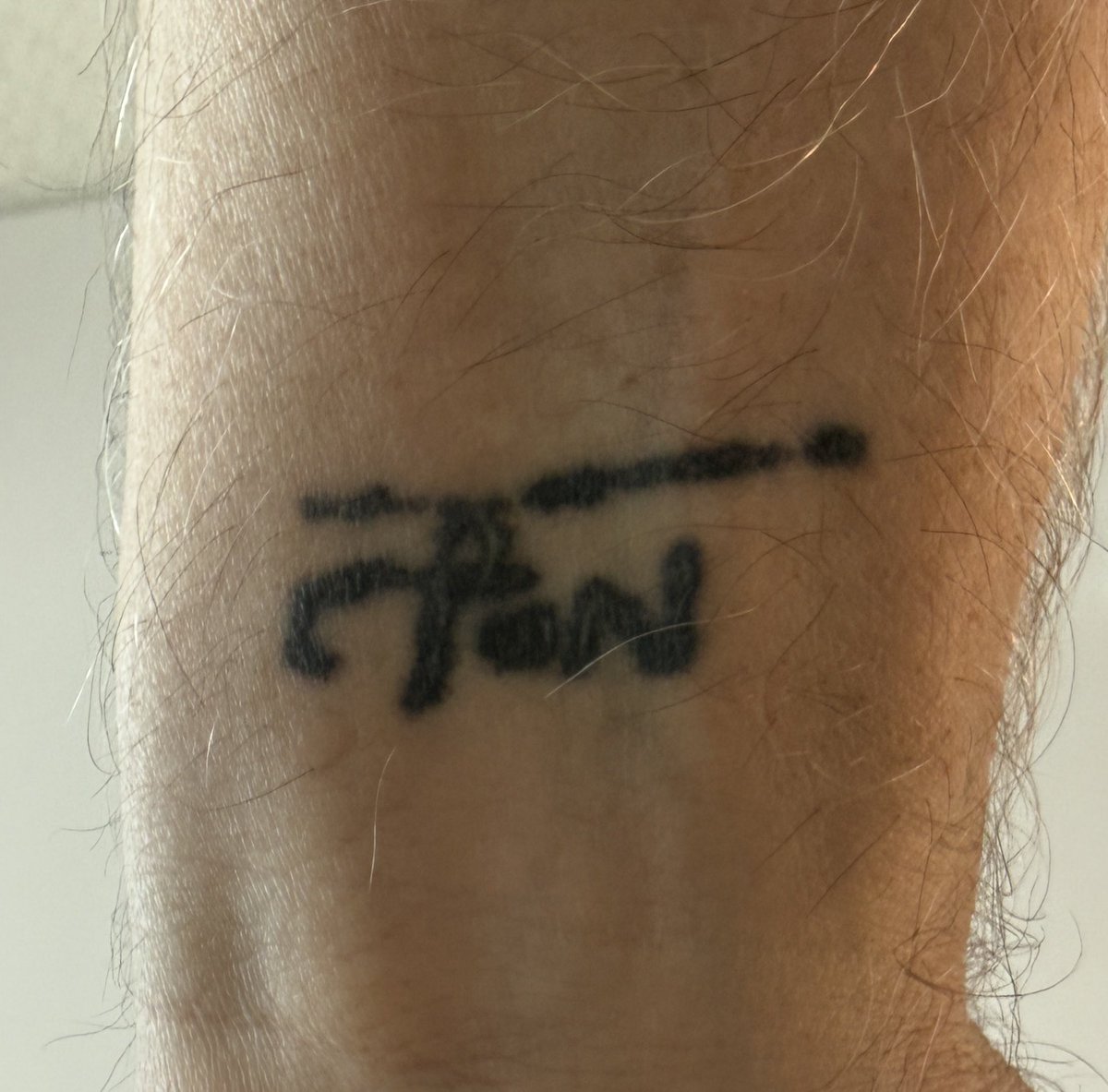
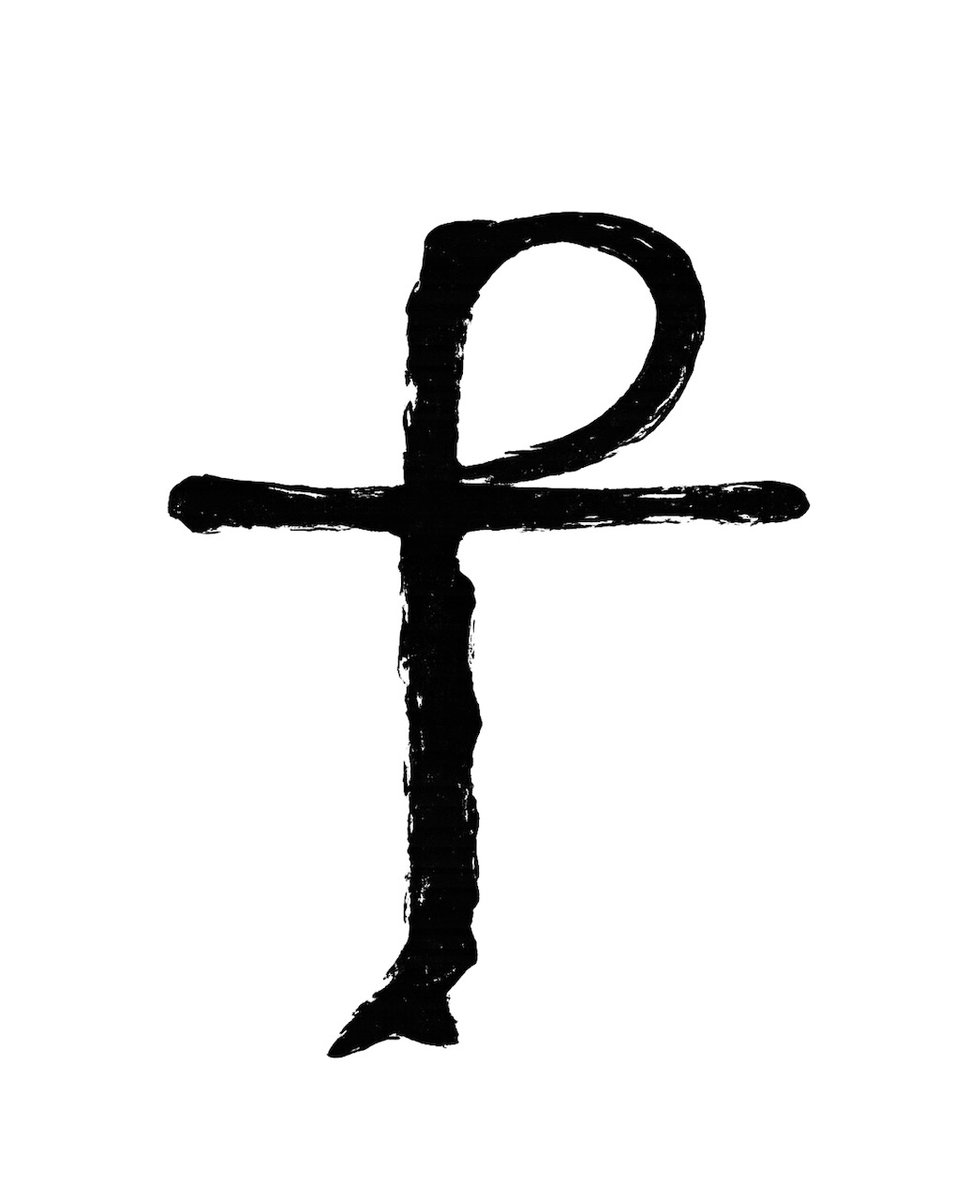
My newest t-shirt arrived. Not an Egyptian "ankh." Not a "chi-rho.," It's a "staurogram," formed by combining two letters of the word "cross/stauros" to depict a man on a cross—just as it's found in our oldest Gospel manuscripts. Who wants one!? Coming soon to the @undeceptions shop! 😀
5
23
1,682
May 13
Stop arguing, folks, and just read the Classics. Here's a 1hr primer on why and how to read these Greek & Latin authors, from Homer to Virgil - and why, contrary to a popular myth, the early Christians strove to preserve these extraordinary cultural texts. undeceptions.com/podcast/rea…
11
975
May 12
Just did a fun, mind-bending interview with Miroslav Volf in front of a live online audience of Undeceiver besties on the topic of ambition. I can’t wait for the wider public to hear Volf’s critique of our culture’s pursuit of superiority over others. His point is not merely that it’s proud or selfish — that would be boring — but that the pursuit of superiority actually diminishes us all, drawing us away from true excellence.
Now the @undeceptions team spends days and days shaping, editing, adding, and crafting this interview into a compelling audio documentary. Stay tuned for next season …
1
14
1,109
May 7
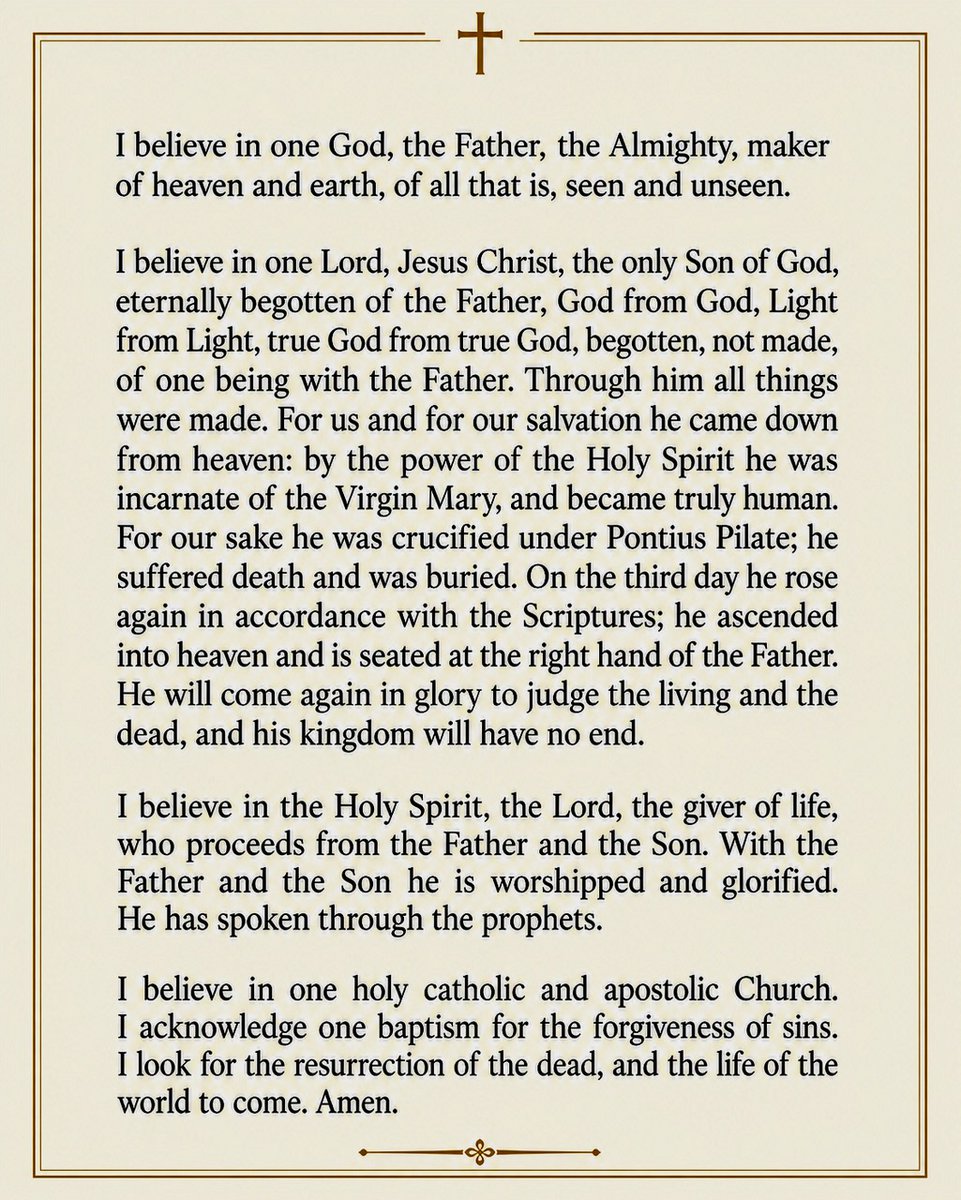
The Nicene Creed, apart from being history’s only universally accepted summary of Christianity, is arguably the church’s most democratic instrument. It is where ordinary Christians get to remind their preachers and leaders to avoid hobby-horses and keep the main thing the main thing. When church leaders turn Christianity into self-help, the congregation answers: “I believe in one God, the Father Almighty.” When preachers neglect the Bible’s themes of judgment and the last things, the people declare: “he will come again in glory to judge the living and the dead, and his kingdom will have no end.” And when Christianity drifts into mere moralising, those in the pews recite a Creed in which 110 of its 175 words are devoted to the person and work of Jesus Christ, with 19 devoted to his Passion alone.
4
12
57
1,844
May 7
If you’re dismayed by the commentary of the X pastor-bros on the sad news concerning theologian and author Sam Allberry, here’s an excellent letter from a genuine pastor serving one of Sydney’s finest evangelical churches. michaelpaget.org/2026/05/07/…
9
10
114
9,084
May 6
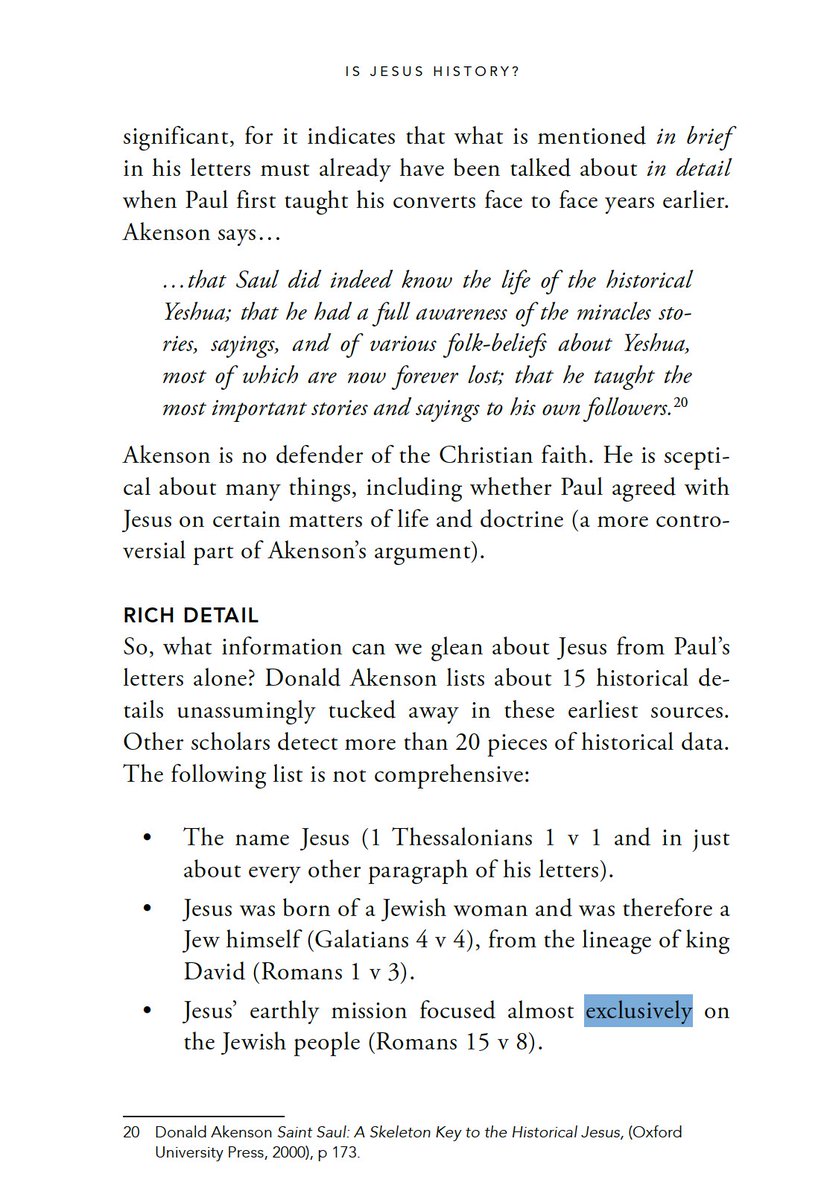
Please, Christians. Stop repeating unserious arguments. We only open ourselves to ridicule. Thousands of *copies* of a few items of evidence do not equal thousands of *items* of evidence! The historical evidence for Jesus is strong, but nowhere near as strong as that for Caesar.

18
4
57
11,889
May 5
This is likely the earliest Christian symbol, exactly as it appears in the oldest manuscript of the Gospel of Luke (c. AD 200). It is a clever ligature — superimposing the Greek letters tau (Τ) and rho (Ρ) to depict a man hanging on a cross. Even better, the scribe formed this image within the Greek word for "cross" (ΣΤΑΥΡΟΣ, stauros) in the words of Jesus: "Whoever does not carry their cross and follow me cannot be my disciple" (Luke 14:27). And, yes, this is my next T-shirt.
63
406
3,086
124,021
Apr 28
Hey, @WesleyLHuff joins @undeceptions for a conversation about Joe Rogan, scepticism, our changing culture, and, of course, ancient paratextual scribal practices! What's not to like??
undeceptions.com/podcast/wes…
6
1
13
1,440
Apr 21
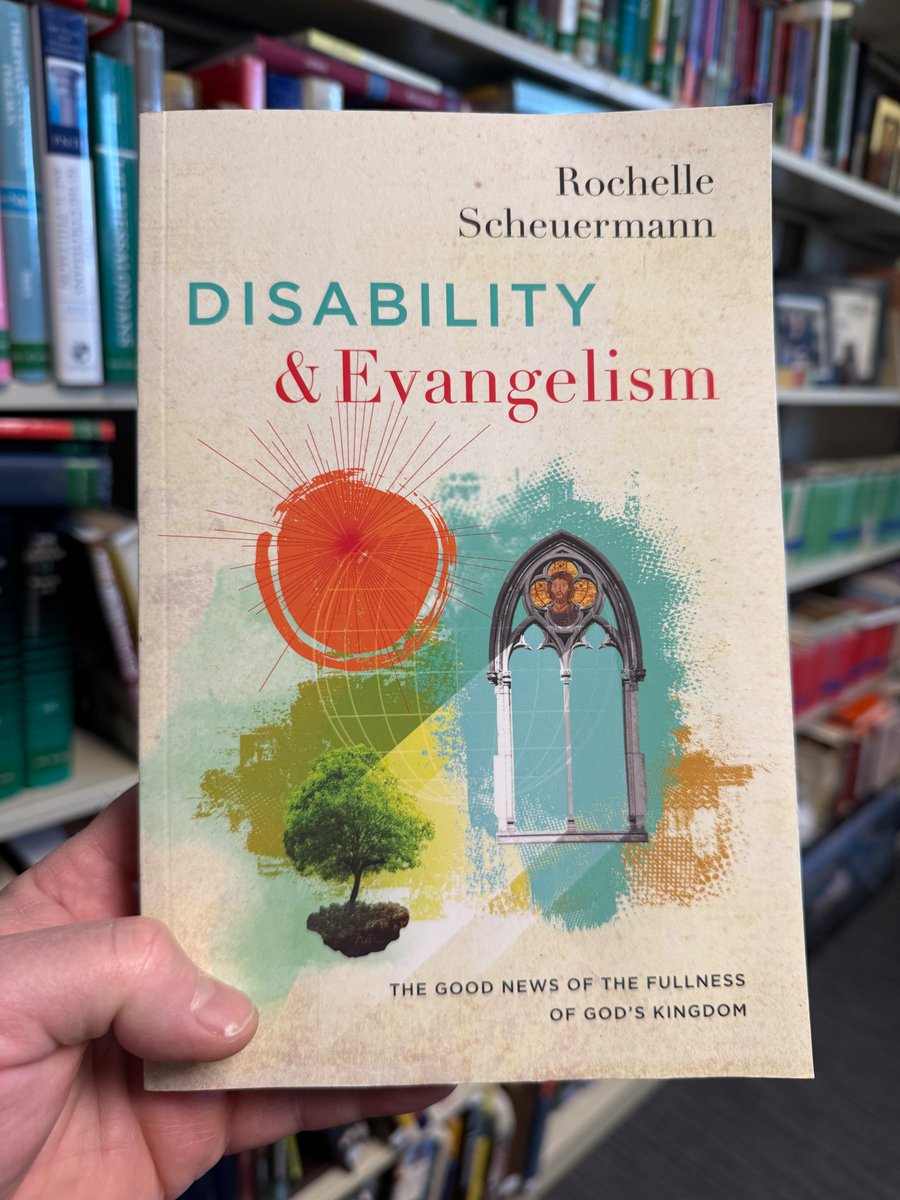
Celebrating the launch of the latest book by my wonderful @WheatonCollege colleague Dr Rochelle Scheuermann. It's a super challenging read, exploring not only how the Church and the wider world can care better for people with disabilities, but also why doing so would be a gift to us all.
2
10
1,767
Apr 16
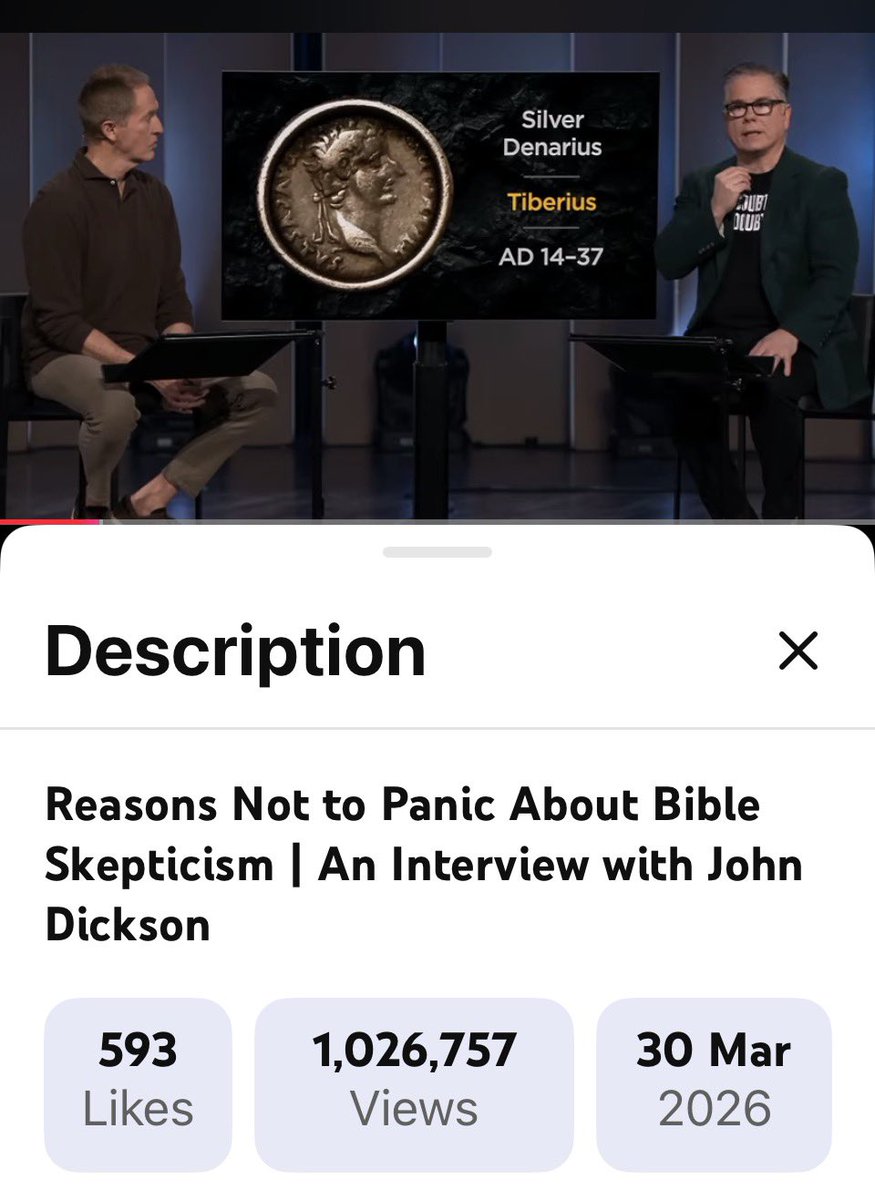
Over a million people have tuned into this conversation I had with Andy Stanley a couple weeks ago, on “Reasons not to Panic about Bible Skepticism.”
Is it selfish to want a few more? 😀
Watch here: youtu.be/5dNpdNAkDXg?si=vROc…
3
1
17
2,381
Apr 12
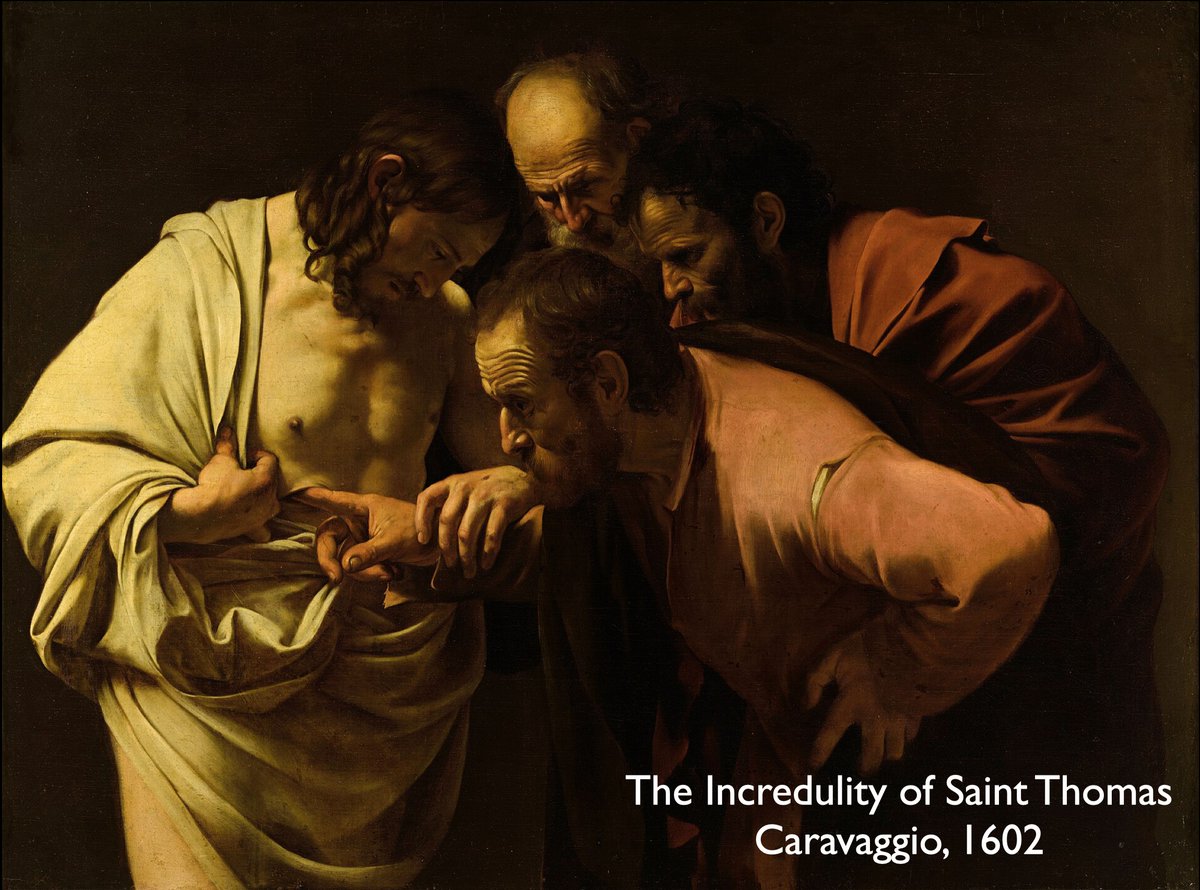
Today (the Sunday after Easter) thousands of traditional churches around the world reflect on ‘Doubting Thomas’ and on Jesus’ provocative and often misunderstood statement to him. Here’s the text:
_______________
Jesus said to Thomas, “Put your finger here; see my hands. Reach out your hand and put it into my side. Stop doubting and believe.” Thomas said to him, “My Lord and my God!” Then Jesus told him, “Because you have seen me, you have believed; blessed are those who have not seen and yet have believed.” (John 20:28-29)
_______________
Some read Jesus as saying: “Shame on you, Thomas, for needing evidence—you should have blind faith.” But Jesus is not contrasting belief with evidence and belief without evidence. He’s distinguishing between belief based on direct personal observation and belief based on credible testimony.
The fact is: good testimony is an excellent basis of firm beliefs. We can’t do without trusting testimony.
Many legal judgments in court (except when there’s forensics) are based on witness testimony or expert authority, not empirical evidence. The same is true of history: we would know very little about the past if we relied only on archaeological remains; most of what we know comes through written testimony—letters, reports, and so on. This is even true of science: unless you happen to be a practising scientist, almost everything you know about science you got through the testimony of those you trusted to tell you the truth about science.
Most of what we know about history, law, science, geography, politics, art, daily news … we only ‘know’ through the testimony of someone we trust—a teacher, journalist, friend, scientist, and so on.
If it happened, Christ’s resurrection would be a historical event. Historical events, by definition, cannot be seen or touched. They are known by testimony. If the testimony is flimsy, we may dismiss it. If it is good—i.e., early, widespread, and credible—it is eminently reasonable to accept it.
What is not reasonable is deciding to believe only the things we can see and touch. That is not neutral. It’s a dogma.
“Blessed are those” who can trust good testimony!
4
8
37
1,801