
Dedicated to giving everyone their longest, healthiest life. Join the movement! Lifespan donates 100% of profits from partnerships to medical research
Joined March 2026
- Tweets 112
- Following 40
- Followers 19,298
- Likes 65
48 Photos and videos






Lifespan retweeted

Jun 11
True. Many of our advances in longevity research & development are published months, often years, and sometimes more than a decade after they happen
Jun 11

the most important things never announce themselves. electricity didn't send a press release either
15
19
345
24,675

It'll be the first time ER-100 technology they claim can reverse aging in cells has been tested on a human wired.com/story/longevity-st…
13
91
475
42,089
Lifespan retweeted
Jun 10
And of course by “reverse aging” I mean epigenetic restoration by ER-100
16
22
464
32,630

Jun 11
It's out!
Jun 11

The first all-new episode of Lifespan, Season 2, is out!
I explain why humanity is approaching a turning point in our ability to measure & reverse aspects of biological aging - and what you can do personally to benefit from this revolution. Watch:
youtube.com/watch?v=YRGejckR…
3
5
55
3,544
Jun 9
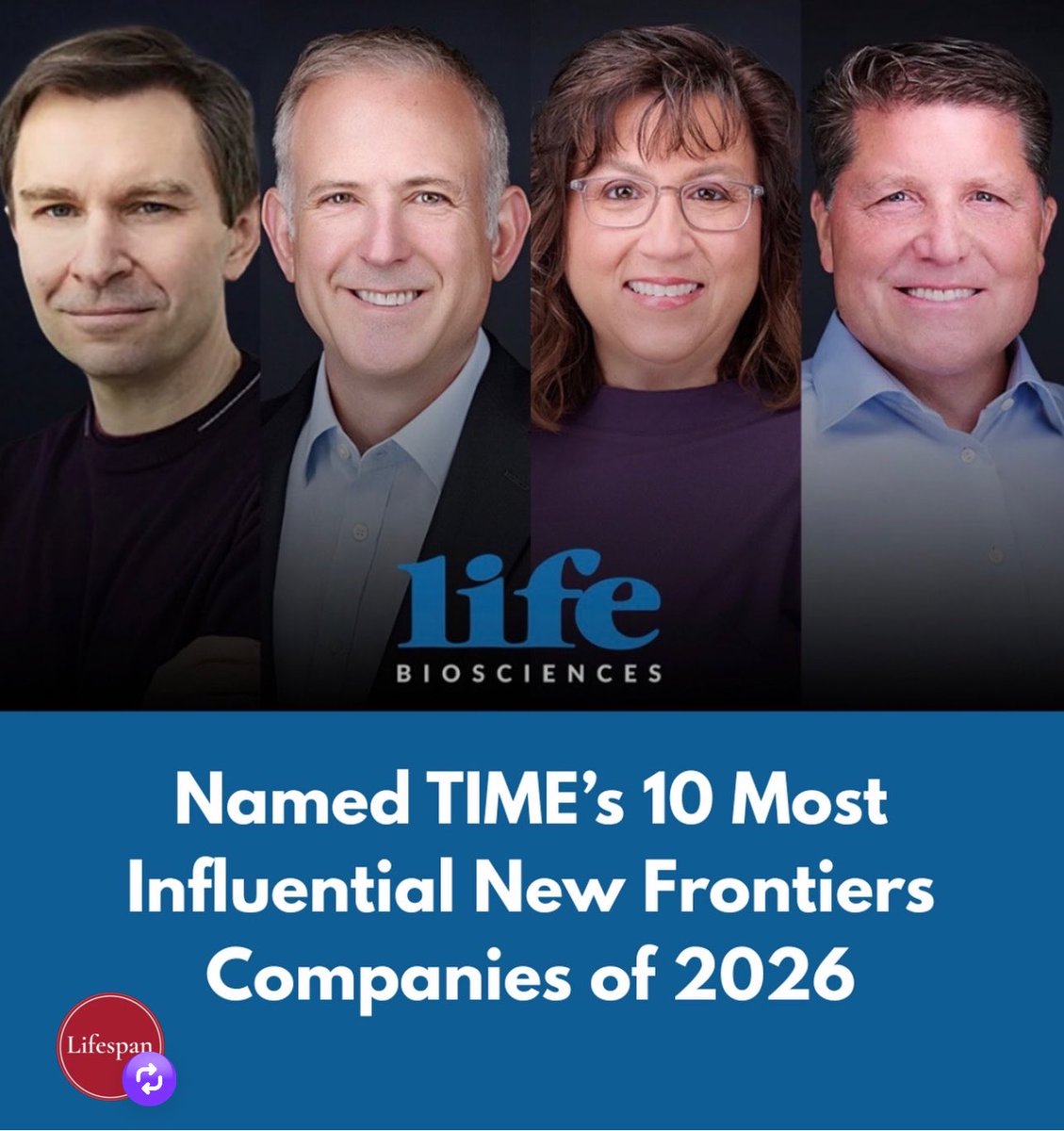
Today, @lifebiosciences confirmed the first patient has been dosed with an epigenetic restoration drug candidate. An exciting milestone 🚀
Life Biosciences is the OG cellular rejuvenation using epigenetic restoration to reverse diseases of aging. It was cofounded by @davidasinclair, who serves as Chairman
The company’s proprietary Epigenetic Restoration platform utilizes three transcription factors, OCT4, SOX2, and KLF4 (OSK), to restore older and damaged cells to a younger and healthier state. This innovative approach targets a root cause of aging at the epigenetic level, and has the potential to address a wide range of serious age-related diseases
The Phase 1 trial will evaluate the safety and tolerability of ER-100, with additional endpoints assessing visual function. ER‑100 is the first clinical candidate from Life Bio’s Epigenetic Restoration platform, which uses controlled expression of three transcription factors, OCT4, SOX2 and KLF4 (OSK) to restore cellular function by resetting the epigenetic code to more youthful patterns of gene expression
“This is an important moment for Life Bio and for the field of aging biology,” said David Sinclair, Ph.D., Co‑founder of Life Biosciences and Professor of Genetics at Harvard Medical School. “Our research has suggested that aging is driven in large part by the loss of epigenetic information, not irreversible damage. This clinical study represents the first opportunity to test whether restoring that information can ameliorate human disease.”
Beyond ER-100, the company is strategically broadening its therapeutic pipeline to address additional age-related diseases, underscoring the platform’s versatility and transformative potential.
“This milestone reflects years of rigorous scientific development and translational research,” said Sharon Rosenzweig‑Lipson, Ph.D., Chief Scientific Officer of Life Biosciences. “Our preclinical studies have demonstrated that controlled OSK expression can reset epigenetic patterns associated with healthy cellular function, improve tissue performance, and restore visual function in animal models. Advancing ER‑100 into the clinic is an important step toward translating epigenetic restoration into a new class of medicines for age-related diseases.”
Optic neuropathies represent a large unmet medical need. Current treatments primarily address risk factors, such as intraocular pressure in glaucoma, but do not directly target the damage to retinal ganglion cells. As a consequence, the disease often leads to irreversible vision loss despite treatment
Vision loss not only directly impacts patients’ lives, but also increases the risk of loss of independence, damaging falls, and depression and dementia due to social isolation, underscoring the need for disease-modifying therapies.
Beyond ER‑100, Life Bio is developing applications of its proprietary Epigenetic Restoration platform for multiple indications in a variety of organs, reflecting the broad therapeutic potential of this platform.
About Optic Neuropathies Optic neuropathies are a group of disorders characterized by damage to retinal ganglion cells (RGCs), the primary neurons connecting the eye to the brain. Because RGCs do not naturally regenerate, damage results in permanent vision impairment. One such optic neuropathy, open-angle glaucoma (OAG) is a chronic neurodegenerative disease and a leading cause of blindness in older adults
While often associated with elevated intraocular pressure, disease progression frequently continues despite treatment, and some patients suffer from OAG despite normal intraocular pressure. Non-arteritic anterior ischemic optic neuropathy (NAION) is the most common acute optic neuropathy in adults over fifty. It involves sudden, painless vision loss due to insufficient blood flow, for which there are currently no approved treatments
About ER-100 ER‑100 is an investigational therapy in clinical development for the treatment of optic neuropathies including OAG and NAION. ER‑100 is designed to restore function in retinal ganglion cells using Life Biosciences’ Epigenetic Restoration platform, which utilizes controlled expression of three transcription factors, OCT4, SOX2 and KLF4 (OSK), to reset cellular gene expression patterns and restore cells to a more youthful and functional state. ER‑100 is currently being evaluated in a Phase 1 clinical trial. More information can be found at clinicaltrials.gov (NCT07290244): clinicaltrials.gov/study/NCT…
For more information, visit lifebiosciences.com or follow on social media
lifebiosciences.com/life-bio…
49
311
1,496
646,377
Jun 8
Two FDA-approved drugs just produced one of the largest lifespan extensions in mice
• Trametinib: 7.2% (f), 10.2% (m)
• Rapa: 17.4% (f), 16.6% (m)
• Both: 29% (f), 27% (m)
The drugs target different aspects of/insulin/TOR to mimic fasting 🚀
nature.com/articles/s43587-0…
6
40
231
117,974
Lifespan retweeted
Jun 4
You don’t need extreme step counts. 7,000 steps per day already associates with dramatically lower mortality risk
join.lifespan.com/ka6s4u6r
4
8
34
3,291
May 31
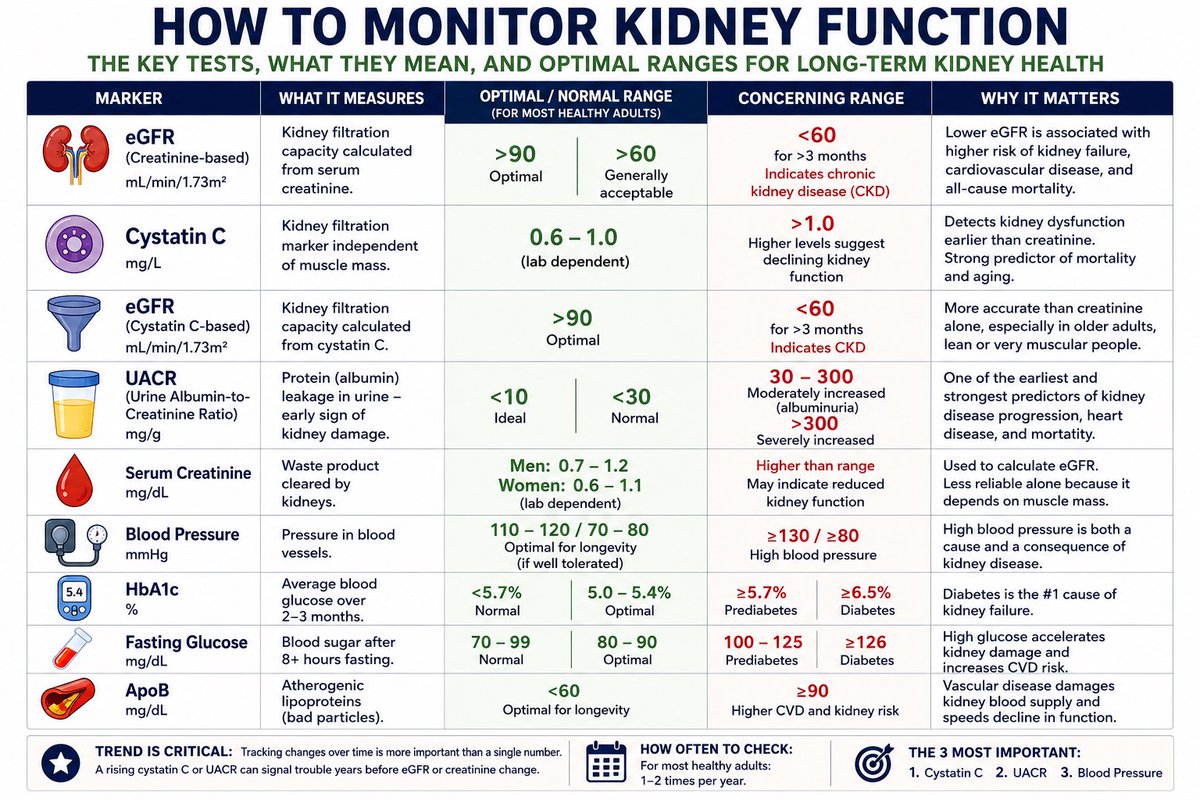
Declining kidney function is the most overlooked cause of death
Only 55,000 US deaths/yr are attributed to it, yet ~37M have chronic kidney disease & this speeds heart disease, infection, frailty & early death.
Markers to watch: Cystatin C & urine albumin
5
45
233
92,790
May 28
Congrats Adiv and David! 🎉
May 28
Pleased to share a new paper on medicines, supplements & other factors associated with decreased epigenetic age with Dr Adiv Johnson @JoinLifespan:
1. Exercise
2. Plant-rich diets
3. Semaglutide
4. CR
5. Ketamine
6. Omega-3s
7. Plasma
8. Pitavastatin 💪
frontiersin.org/journals/gen…
1
21
5,334
May 27
Aging is not wear and tear. It's reprogrammable
May 27
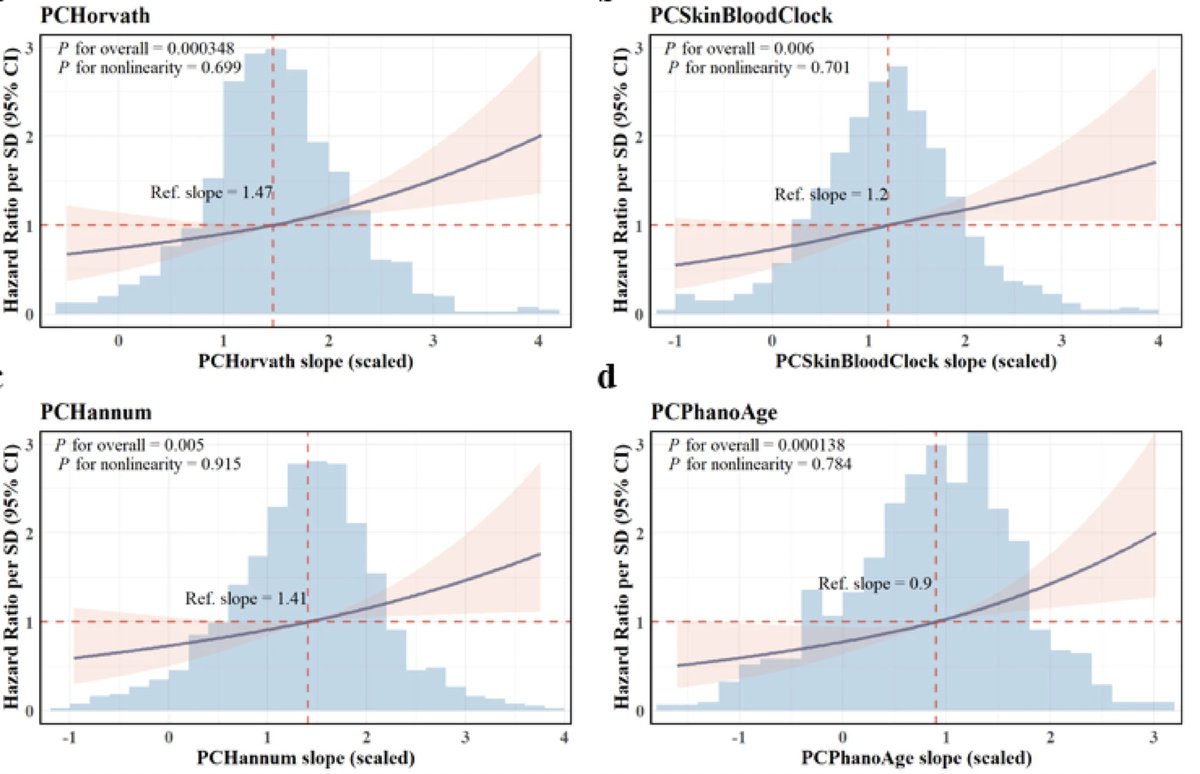
New paper @Nature analyzing 11,000 profiles of cellular gene expression provides further evidence that aging is not just wear & tear but a reversible loss of epigenetic information linked directly to mortality risk
Reprogramming, embryogenesis & young blood partially reversed aging signals. Why is this important?
The work implies that the youthful state of tissues is not lost permanently during aging.
It can be restored
The work is also the strongest systems-level support yet for the idea that aging is not just random wear and tear, but a coordinated and reversible loss of biological information.
In many ways, it strengthens the Information Theory of Aging (ITOA), which we first formulated back in 2008-2009.
The striking thing is not simply that damage accumulates. It is that cells enter a coordinated transcriptional state associated with mortality risk, which strongly argues aging is an organized systems phenomenon. This is exactly what you would expect if cells progressively lose youthful epigenetic control information.
The work by the Gladyshev lab @harvardmed (no link to us) suggests aging is not a collection of unrelated damage. It behaves more like an attractor state.Cells under many forms of stress drift toward a common aged configuration.
That is deeply compatible with the idea that epigenetic information loss causes cells to progressively collapse due to informational noise. We call this process epigenetic drift, leading to ex-differentiation.
One of the most important aspects is that it links aging directly to mortality risk rather than simply chronological time. Prof Gladyshev and team developed transcriptomic clocks that don’t just estimate age, they measure the progressive loss of cellular function and predict biological decline and mortality risk across mammals.
That is a major advance because it brings us closer to measuring the underlying process of aging itself, not just the passage of time, in a way first shown by Prof. Steven Horvath in 2013.
The team also launched TACO (Transcriptomic Age Calculator Online) allowing researchers to estimate the biological age and mortality risk of tissues using RNA data they may already have. A potentially powerful new tool for aging research
What I find especially important is that the strongest mortality-associated changes involve chromatin organization, epigenetic regulation, inflammation, and mitochondrial dysfunction.
These are all deeply connected to the maintenance of cellular identity and the preservation of biological information over time.
The study strongly supports the idea that aging is not merely the accumulation of damage, but a progressive loss of the systems that maintain youthful cellular organization.
In many ways, this aligns with the Information Theory of Aging, which proposes that cells lose epigenetic information over time but retain a backup copy that can potentially be restored.
Importantly, the paper also confirms that these molecular signatures are reversible, which we and others have previously shown.
They accelerate after DNA damage, and during disease and stress, but slow or reverse during interventions such as reprogramming, heterochronic parabiosis, and early embryogenesis.
That gives real hope that aging is biologically malleable & perhaps, one day, medically treatable 🙏
Thanks for reading all the way down. I gave this whole analysis to a reporter and my quote was 2 words: "Major advance" 😆
So we can all stay abreast of this fast paced field, @JoinLifespan has a new show & a magazine written by real scientists. As a community we are sponsoring young scientists, too. Maybe check us out 🙏
3
8
93
7,313
May 26
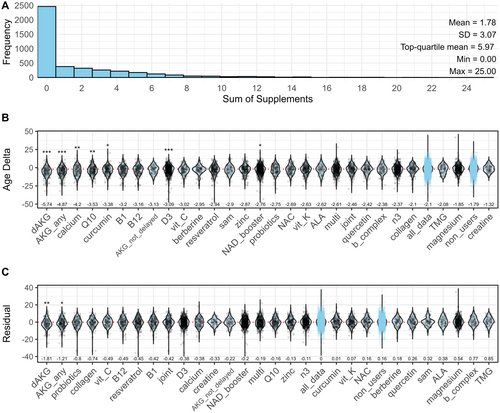
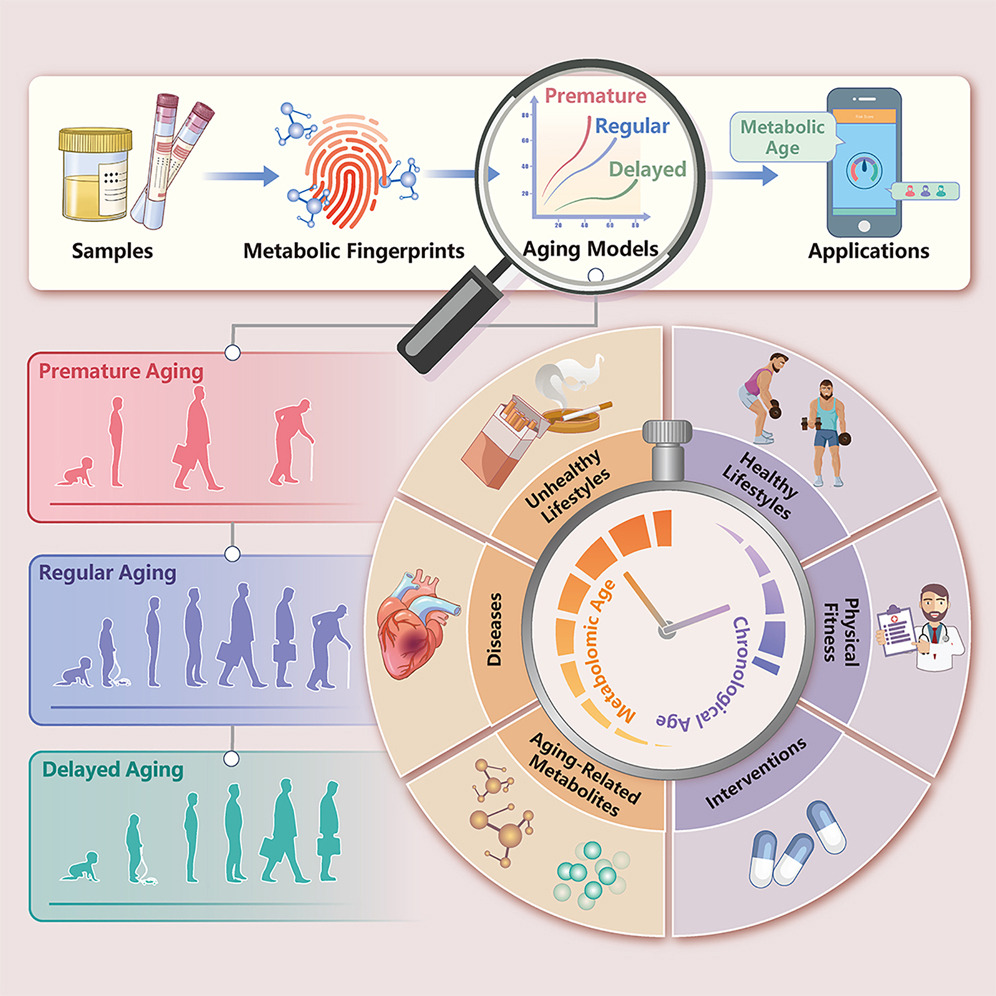
New paper by @BKennedy_aging finds that supplement users have a significantly younger Age Delta, which is not the case for medication users
What were the supplements?
1. Alpha-ketoglutarate (AKG), carotenoids, calcium, CoQ10, curcumin, D3, and NAD boosters were associated with lower Age Delta
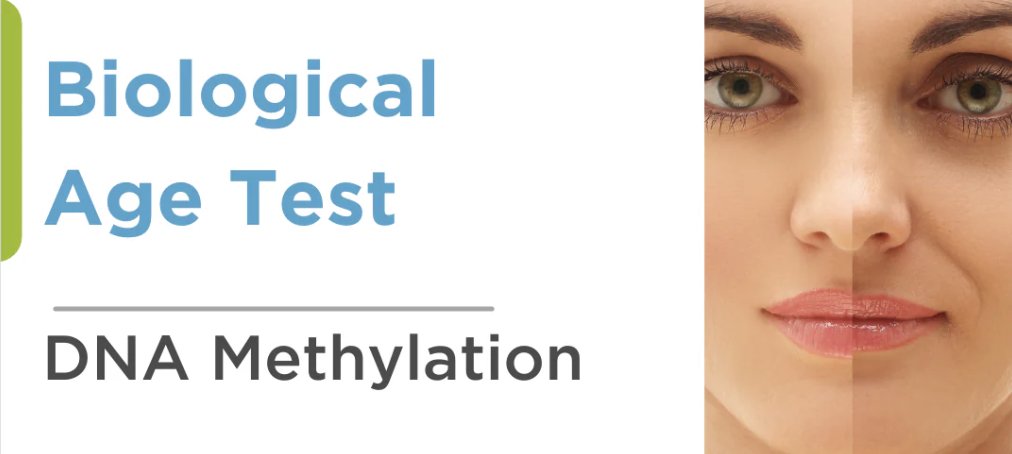
2. The paper "shows for the first time that an inexpensive, non-invasive, saliva-based biological age test can be a powerful tool to conduct population research and uncover relationships between lifestyle, medications, and supplement use"
3. Heavy supplement use was neither beneficial nor harmful
4. However, older men appeared to respond better to AKG than older women
5. AKG was associated with lower Age Residual regardless of weight, weekly exercise, or alcohol intake, with slightly larger benefits seen in those who exercise more often
6. Traditionally, doctors view polypharmacy (more than one treatment) as a liability to be avoided. However, "it is more likely that polypharmacy is a consequence and not a cause of age-related morbidity."
7. Several observational studies find combining two drugs reduces all-cause mortality. The potential risks and harms of supplement polypharmacy are less understood.
8. In this cohort almost 11% of the participants were taking more than 5 supplements, yet their health condition was excellent and higher supplement use was not associated with older biological age, suggesting that supplement combinations are well tolerated
Useful study. Well done @BKennedy_aging and team. Food for thought 🤔
26
60
447
274,143
May 25
Join us!
May 25
Looking for A people to join us: Physician-in-Residence, Scientific Associate, Science Writer/Content Creator...More info below👇

2
13
2,919
Lifespan retweeted
May 12
Thank you for all your support!
Early access to Season 2 @ lifespan.com
9
36
404
40,574
May 4
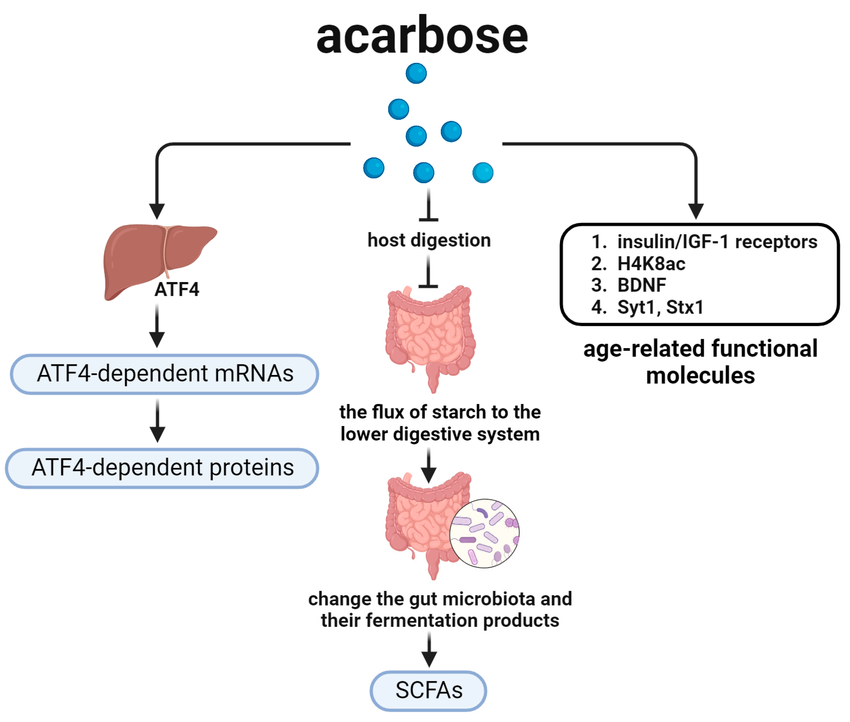
Acarbose is an alpha-glucosidase inhibitor prescription medicine that slows carbohydrate digestion. It increases median lifespan in mice around ~20% in males and smaller (~4–5%) in females
New paper suggests its effects may not be by controlling sugar but by raising NAD! 🧵
9
16
137
70,175
May 4
These findings show that acarbose can act through an NAD–SIRT1–PKM2 axis in addition to its known effects on glucose absorption
1
1
12
2,107
May 4
This possibility is exciting. Maybe acarbose works by multiple mechanisms including NAD boosting, not just via lowering of blood sugar. I will continue taking it.
1
1
11
1,935